Indian Seafarer in Venezuela: Family Awaits Answers as Case Drags On
The case of an Indian seafarer reportedly still stranded in Venezuela is keeping the focus on maritime workers' vulnerability abroad, a family's anxious wait at home, and the consular machinery meant to help.
Commentary & Analysis ·
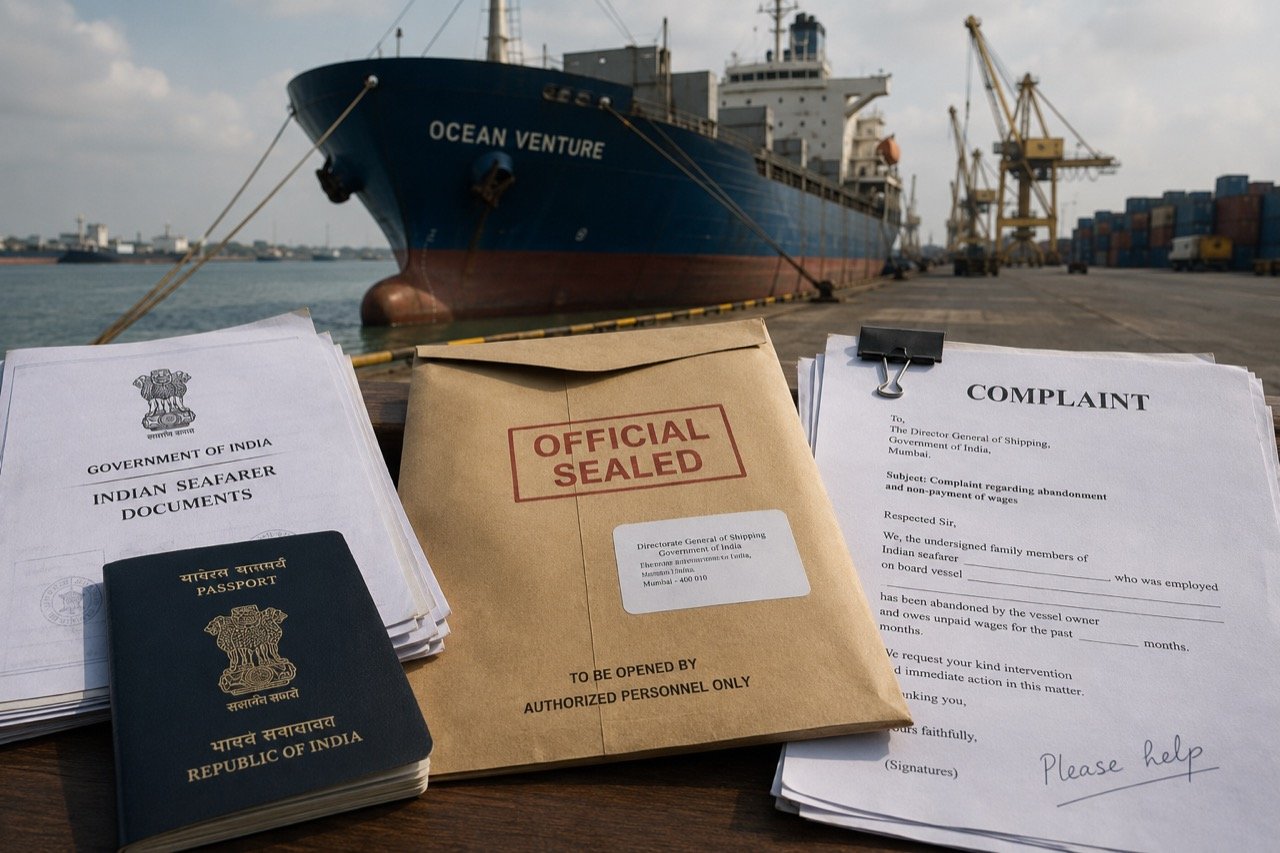
The reported case of an Indian seafarer who remains in Venezuela has become a quiet but persistent public-interest story, sitting at the intersection of migrant labour, maritime risk and consular responsibility. At its centre is a family in India appealing for verified information and a clear official response. There is no dramatic new development to report this week, and that absence of movement is itself part of the story: a case that has neither been resolved nor formally explained continues to sit in limbo, sustained largely by the persistence of relatives seeking answers rather than by any fresh official disclosure.
Why seafarers' cases turn urgent
Seafarers typically work far from public attention, on contracts that take them across multiple jurisdictions, often for months at a stretch. It is a profession built on distance by design, and that same distance becomes a serious liability the moment something goes wrong. When legal, immigration or employer disputes arise overseas, families in India are left dependent on secondhand information, patchy phone contact and whatever their relative is able to communicate under difficult circumstances. The tangle of flag states, port states and employers that governs maritime labour is complex even in routine circumstances; when a dispute or detention is involved, that complexity can slow any resolution considerably, leaving weeks or months to pass without clarity.
In this case, the supported facts are narrow but significant: a seafarer remains in Venezuela, and his family in India has expressed concern and appealed publicly for clarity. Responsible coverage stops short of assigning blame or speculating about the seafarer's legal status, the circumstances that led to his situation, or the position of any employer, until confirmed reporting or official statements provide those answers. It would be irresponsible, and unfair to everyone involved, to fill that gap with conjecture. What can be discussed responsibly, however, is the structural context that makes such cases especially hard for families to navigate, and what a well-functioning response ought to look like.
The consular channel and its limits
Indian missions abroad and maritime welfare channels are usually the decisive actors in such cases. They are the ones positioned to help families navigate paperwork, secure legal representation where needed, and communicate with foreign authorities on a government-to-government basis that individual families simply cannot replicate on their own. For a family in India, the honest reality is that there is little they can do beyond raising public awareness and hoping that awareness translates into institutional attention. They cannot retain foreign lawyers with ease, cannot verify claims made by intermediaries, and cannot independently confirm a relative's welfare or legal standing from thousands of kilometres away.
This is precisely why the consular channel matters so much, and why its performance in cases like this one is worth scrutinising even before the underlying facts are fully known. A mission's job in such situations is not to resolve the legal dispute itself, which may be outside its jurisdiction, but to ensure the family is not left guessing. That means acknowledging the case, providing whatever updates are appropriate without compromising any process, and giving the family a named point of contact they can return to rather than starting from zero each time they seek information.
What comes next
The next meaningful development in this case would be a consular statement, a release, a legal hearing, or a response from the employer involved. Until one of those materialises, the case remains a human and diplomatic watch item rather than a story with a clear trajectory. That is an uncomfortable position for a news outlet to report on, since there is genuinely little new to say, but it is also precisely the kind of case that risks disappearing from public attention simply because it does not generate fresh headlines week to week. Cases involving detained or stranded workers abroad often fade from view not because they are resolved but because coverage moves on, and families are left to carry the burden of continued advocacy largely alone.
For that reason, sustained but measured attention has value even when there is no breaking update. It keeps a small amount of pressure on the institutions involved to eventually provide the clarity that has so far been missing, and it signals to the family that their appeal has not gone entirely unheard.
The wider stakes for India's seafaring workforce
India supplies one of the world's largest seafaring workforces, with hundreds of thousands of Indian nationals working aboard commercial vessels and, in various forms, in maritime-adjacent roles across the globe at any given time. That scale means cases of this kind are not isolated anomalies but a recurring category of risk that the country's labour and diplomatic apparatus must be equipped to handle predictably. Every stranded or detained sailor is, in a small but real sense, a test of whether India's contribution to global shipping is matched by a corresponding commitment to protecting the people who make that contribution possible.
Seafaring families already live with a particular kind of uncertainty even in ordinary circumstances, given the nature of long contracts and limited communication at sea. When a dispute abroad is layered on top of that baseline uncertainty, the burden on families multiplies. It is in precisely these moments that a predictable, well-understood consular protocol matters most, not as a bureaucratic nicety but as a basic assurance that the state stands behind its citizens working far from home.
The NE Times View
India supplies one of the world's largest seafaring workforces, and every stranded sailor is a test of whether that contribution is matched by protection. Families should not have to run from office to office for basic information about a relative held up in a distant port. A predictable consular protocol, acknowledgement, regular updates and a named point of contact, would cost little and mean everything to households living through this uncertainty. New Delhi's handling of this case will be read by lakhs of seafaring families as a signal of how much their work at sea is valued at home. Until the facts of this specific case are confirmed through official channels, our position is not to speculate on outcome or fault, but to insist that process itself must be visible: families deserve to know that someone, somewhere in the system, is actively working on their behalf, even when the news itself has not moved.
Key takeaways
- An Indian seafarer remains in Venezuela, with his family in India publicly appealing for verified information and a clear official response.
- The confirmed facts are limited to the family's concern and appeal; the seafarer's legal status and the circumstances of the case remain unconfirmed pending official statements.
- Indian missions abroad and maritime welfare channels are the decisive actors likely to shape any resolution, given families' limited ability to act independently across borders.
- The next meaningful development would be a consular statement, a release, a legal hearing, or an employer response; until then the case remains a watch item.
- With India supplying one of the world's largest seafaring workforces, a predictable consular protocol of acknowledgement, updates and a named contact point is a low-cost, high-value signal of how the state values its sailors.
You may also like to read
India Presses Venezuela to Probe Seafarer's Death, Organ Claims
New Delhi has asked Venezuelan authorities to investigate the death of an Indian seafarer amid disturbing claims of missing organs, putting consular protection for maritime workers abroad under sharp scrutiny.
Indus Waters Treaty to Stay in Abeyance, India Reiterates
The Ministry of External Affairs has restated that the Indus Waters Treaty will remain in abeyance until Pakistan credibly and irrevocably abjures support for cross-border terrorism, keeping a landmark water pact suspended.

Ayodhya Ram Mandir Donation Case Reaches Supreme Court as Judges Seek SIT Status Report and Trust Response
The court’s intervention intensifies scrutiny of an alleged donation embezzlement case that has already led to arrests, leadership exits and demands for stronger safeguards.
Arrest in Bengaluru Daycare Case Deepens Child Safety Questions
Bengaluru police have arrested a woman connected to the daycare case at a Capgemini campus facility, sharpening scrutiny of caregiver vetting, oversight and accountability at workplace-linked childcare centres.
More from this section
More
AICTE Industry Fellowship 2026: Rs 1.5 Lakh Scheme Closes July 5
The AICTE Industry Fellowship Programme 2026, which places technical-education faculty inside leading companies on a Rs 1.5 lakh monthly stipend, reached its application deadline on July 5.
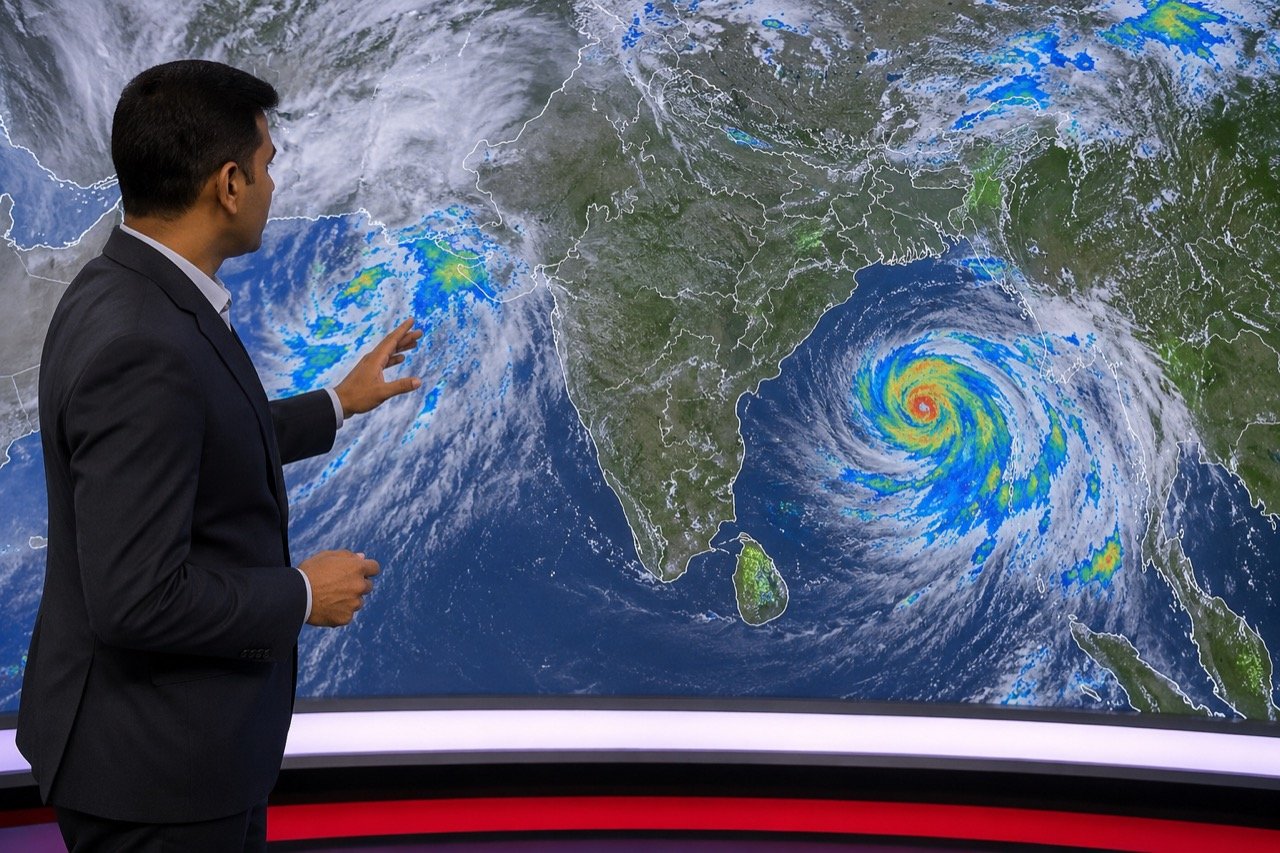
Bay of Bengal Low Pressure System Revives Monsoon Over Western India
A low-pressure system over the Bay of Bengal has pushed the monsoon back into an active phase, bringing steady heavy rain to Kerala, coastal Karnataka and Maharashtra, and putting Mumbai and Pune on preparedness watch.
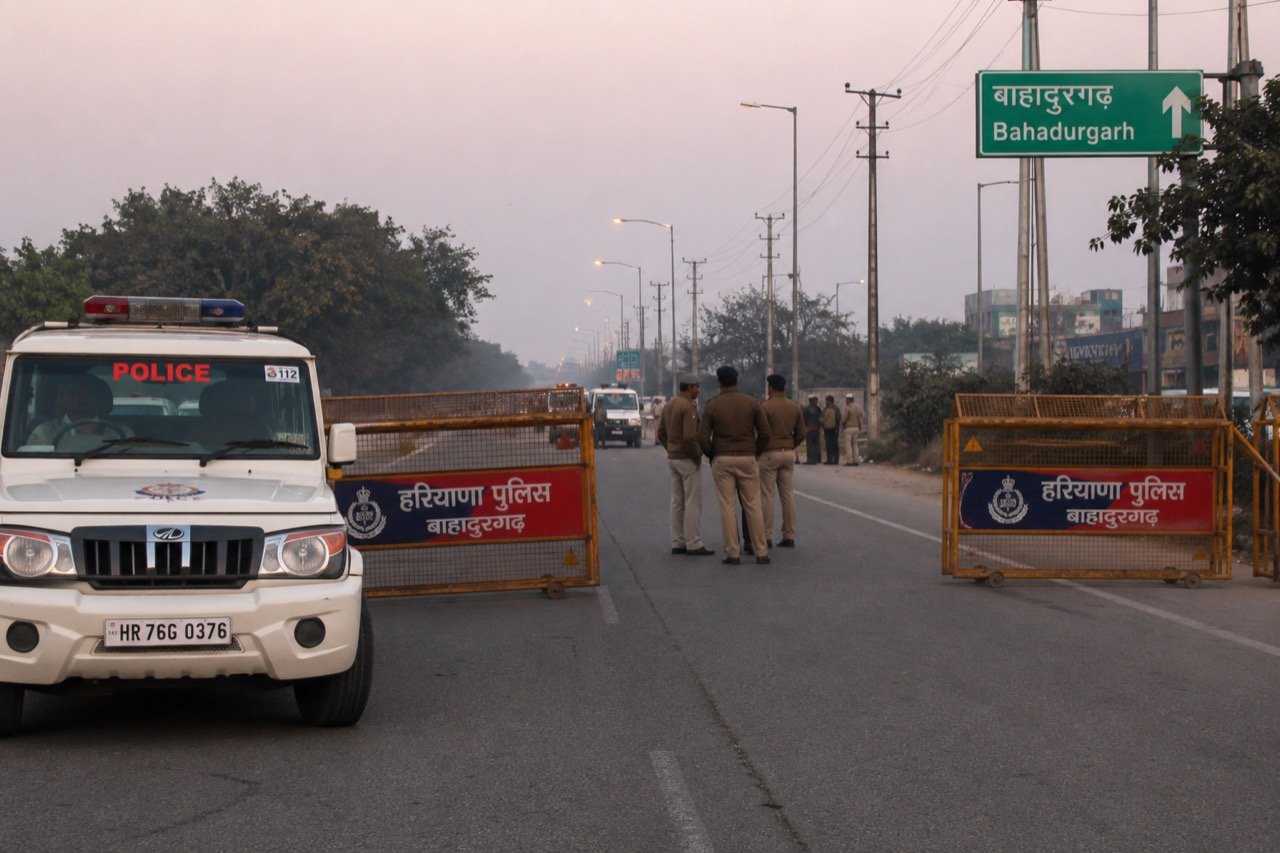
Bishnoi Gang Suspects Injured in Haryana Encounter as Police Tighten Net
A joint Haryana-Delhi Police operation in Bahadurgarh left two suspected Lawrence Bishnoi gang members injured, spotlighting the multi-state coordination now central to India's fight against organised crime networks.