Indus Waters Treaty to Stay in Abeyance, India Reiterates
The Ministry of External Affairs has restated that the Indus Waters Treaty will remain in abeyance until Pakistan credibly and irrevocably abjures support for cross-border terrorism, keeping a landmark water pact suspended.
Commentary & Analysis ·
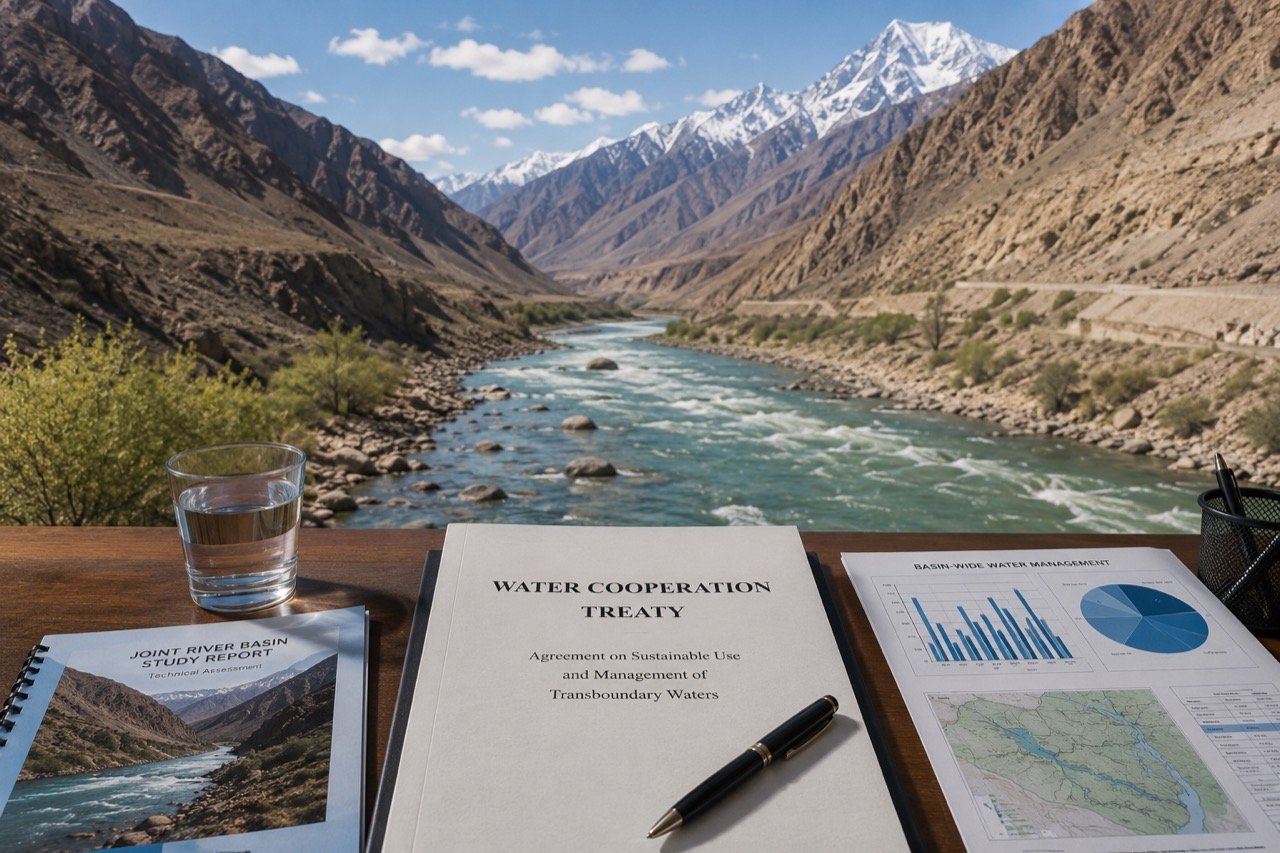
India has restated its position on one of the subcontinent's most consequential agreements: the Indus Waters Treaty will remain in abeyance. Times of India reported that the Ministry of External Affairs reiterated the pact would stay suspended until Pakistan credibly and irrevocably abjures support for cross-border terrorism. The statement is brief, but its implications are not. It touches questions of law, engineering, diplomacy and regional security all at once, which is precisely why the decision deserves sustained scrutiny rather than a single news cycle's attention.
A durable treaty under unprecedented strain
The Indus Waters Treaty, brokered in 1960, has long been cited as the most resilient arrangement between India and Pakistan. It survived multiple wars, prolonged diplomatic freezes, and decades of mutual suspicion on almost every other front. That durability is precisely what made it a symbol of a certain kind of pragmatism: even when political and military relations collapsed, the machinery of river-sharing continued to function. Placing it in abeyance therefore signals a deliberate hardening of India's position — an explicit linkage between water cooperation and security concerns that previous governments avoided making formal, even during periods of acute tension. The choice of the word "abeyance" itself is instructive. It is not a unilateral abrogation, nor is it framed as permanent; it is a conditional suspension, tied explicitly to Pakistan's conduct on terrorism. That framing matters because it preserves an off-ramp while still delivering a strong signal of intent.
Why linking water to security is significant
For decades, Indian governments treated the Indus Waters Treaty as a matter apart from the broader security relationship with Pakistan, a rare compartmentalised success story insulated from cross-border terrorism, military skirmishes and diplomatic ruptures. That compartmentalisation had value: it gave both sides a functioning channel of technical cooperation even when political contact was minimal. By formally reiterating that the treaty stays in abeyance until Pakistan credibly and irrevocably abjures support for terrorism, New Delhi is effectively retiring that compartmentalised approach. Water, in this framing, becomes one more instrument in the broader toolkit of pressure, alongside diplomatic isolation and other measures. This is a significant shift in doctrine, not merely tactics, and it will likely be studied closely by strategic analysts on both sides of the border as a marker of how far India is willing to go in tying economic and resource cooperation to security demands.
What suspension actually raises
Keeping the treaty in abeyance opens questions that go well beyond bilateral politics. First, there is the legal process governing suspension of an internationally brokered pact of this kind: treaties negotiated with the involvement of the World Bank, as the Indus Waters Treaty was, carry procedural and institutional weight that a purely bilateral agreement would not. Second, there is the practical management of a shared river basin. The Indus system sustains agriculture, drinking water supply and hydropower for tens of millions of people across both countries, and any prolonged ambiguity about data-sharing, flood warnings or flow management carries real consequences on the ground, irrespective of the political signalling involved. Third, there is the future of the technical and diplomatic channels the treaty once guaranteed, including the mechanisms for regular information exchange and dispute resolution that have operated, however imperfectly, for over sixty years. Water agreements carry engineering, legal and humanitarian dimensions simultaneously, which is why precision matters more than rhetoric. A statement of political intent is one thing; the operational reality of managing a transboundary river system is quite another, and the gap between the two is where the real risks and real costs will eventually surface.
Stakeholder perspectives and the road ahead
From India's vantage point, the suspension is framed as a proportionate response to an unresolved grievance: the persistence of cross-border terrorism that New Delhi holds Islamabad responsible for enabling. From Pakistan's perspective, the Indus system is existentially important to its agricultural economy, and any disruption to established cooperation will be read as economic coercion layered on top of political hostility. International institutions with a stake in transboundary water governance, including the World Bank in its historic facilitating role, will be watching closely, since the treaty has long been held up as a global template for resolving water disputes between adversarial states. The next developments to watch include Pakistan's diplomatic and legal responses, whether through international forums or bilateral channels; any moves toward technical-level meetings that might signal a partial thaw; and commentary from international institutions and other governments with an interest in regional stability. For now, New Delhi's stated position is unambiguous: the suspension stands as part of its broader response to terrorism concerns, with no indication of an imminent shift.
The NE Times View
Linking the Indus waters to terrorism is India's strongest available lever short of conflict, and its signalling value is undeniable. Few instruments carry the same combination of practical weight and symbolic force, given the treaty's six-decade history and its centrality to Pakistan's water security. But leverage is only useful if it is exercised with discipline. India's interest lies in keeping the moral and legal high ground: stating conditions clearly, avoiding inflammatory framing, and being ready with a credible pathway back to cooperation if its conditions are met. A policy of maximal ambiguity or indefinite drift would squander the very credibility that makes this lever effective in the first place. Readers should treat this as strategic signalling with real hydrological stakes. River-basin governance, once dismantled, is far harder to rebuild than to suspend, and the institutional memory, trust and technical coordination built up over sixty years cannot simply be switched back on once conditions are judged to have been met. That asymmetry between the ease of suspension and the difficulty of restoration is the central strategic fact that should inform how both New Delhi and Islamabad, along with interested international observers, approach whatever comes next.
Key takeaways
- India's Ministry of External Affairs has reiterated that the Indus Waters Treaty will remain in abeyance until Pakistan credibly and irrevocably abjures support for cross-border terrorism.
- The 1960 treaty had survived wars and diplomatic freezes for over six decades, making its suspension a marked departure from past practice of compartmentalising water cooperation from security disputes.
- Suspension raises unresolved questions around legal process, shared river-basin management, and the future of technical and diplomatic channels the treaty once guaranteed.
- Key signals to watch include Pakistan's diplomatic and legal responses, any movement toward technical-level talks, and reactions from international institutions with a stake in transboundary water governance.
- The NE Times View holds that India should wield this leverage with discipline, preserving the moral and legal high ground while keeping a credible pathway back to cooperation open.
You may also like to read

India Presses Venezuela to Probe Seafarer's Death, Organ Claims
New Delhi has asked Venezuelan authorities to investigate the death of an Indian seafarer amid disturbing claims of missing organs, putting consular protection for maritime workers abroad under sharp scrutiny.
Indian Seafarer in Venezuela: Family Awaits Answers as Case Drags On
The case of an Indian seafarer reportedly still stranded in Venezuela is keeping the focus on maritime workers' vulnerability abroad, a family's anxious wait at home, and the consular machinery meant to help.
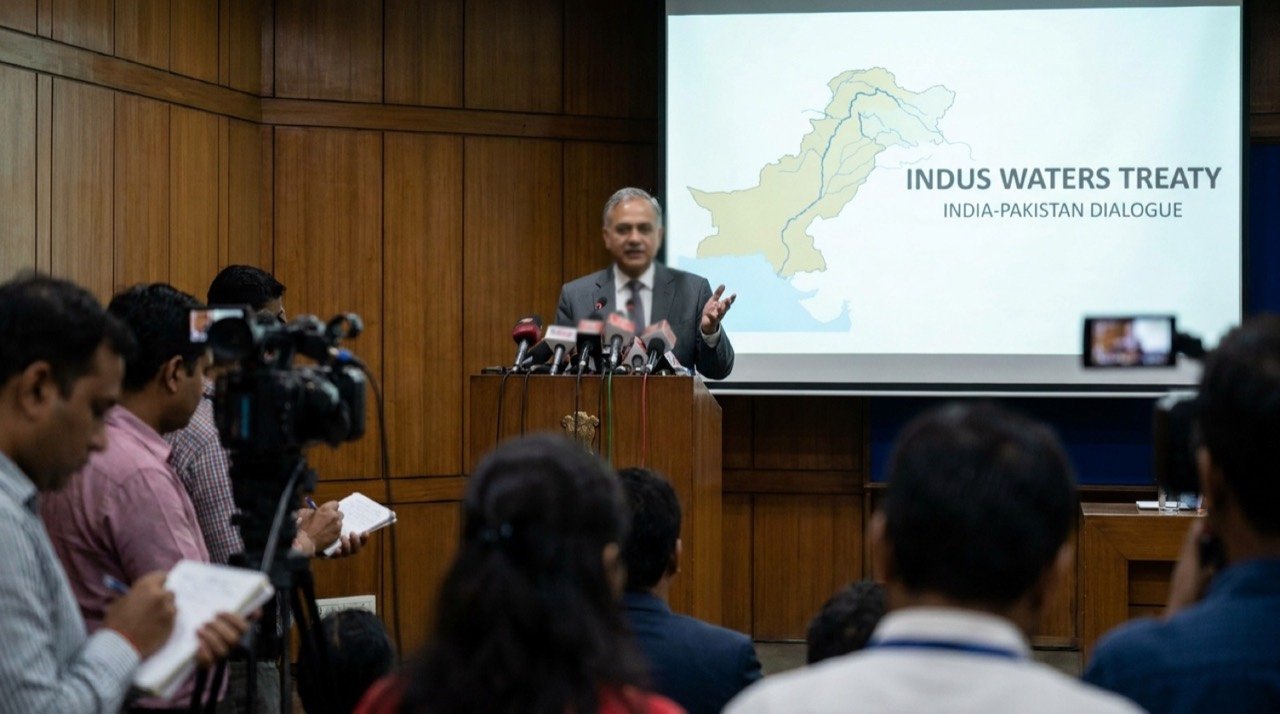
India Rejects Pakistan Minister's Indus 'War' Warning as a Deflection
New Delhi has dismissed Pakistan Defence Minister Khawaja Asif's warning of war over water security, calling it an attempt to deflect from Islamabad's own record amid heightened tension over the suspended Indus Waters Treaty.

Supreme Court Fines Samay Raina, Ranveer Allahbadia and Ashish Chanchlani for Non-Compliance
India's Supreme Court imposed Rs 3 lakh costs on Samay Raina, Ranveer Allahbadia and Ashish Chanchlani after finding non-compliance with directions in a disability-related case.
More from this section
More
AICTE Industry Fellowship 2026: Rs 1.5 Lakh Scheme Closes July 5
The AICTE Industry Fellowship Programme 2026, which places technical-education faculty inside leading companies on a Rs 1.5 lakh monthly stipend, reached its application deadline on July 5.
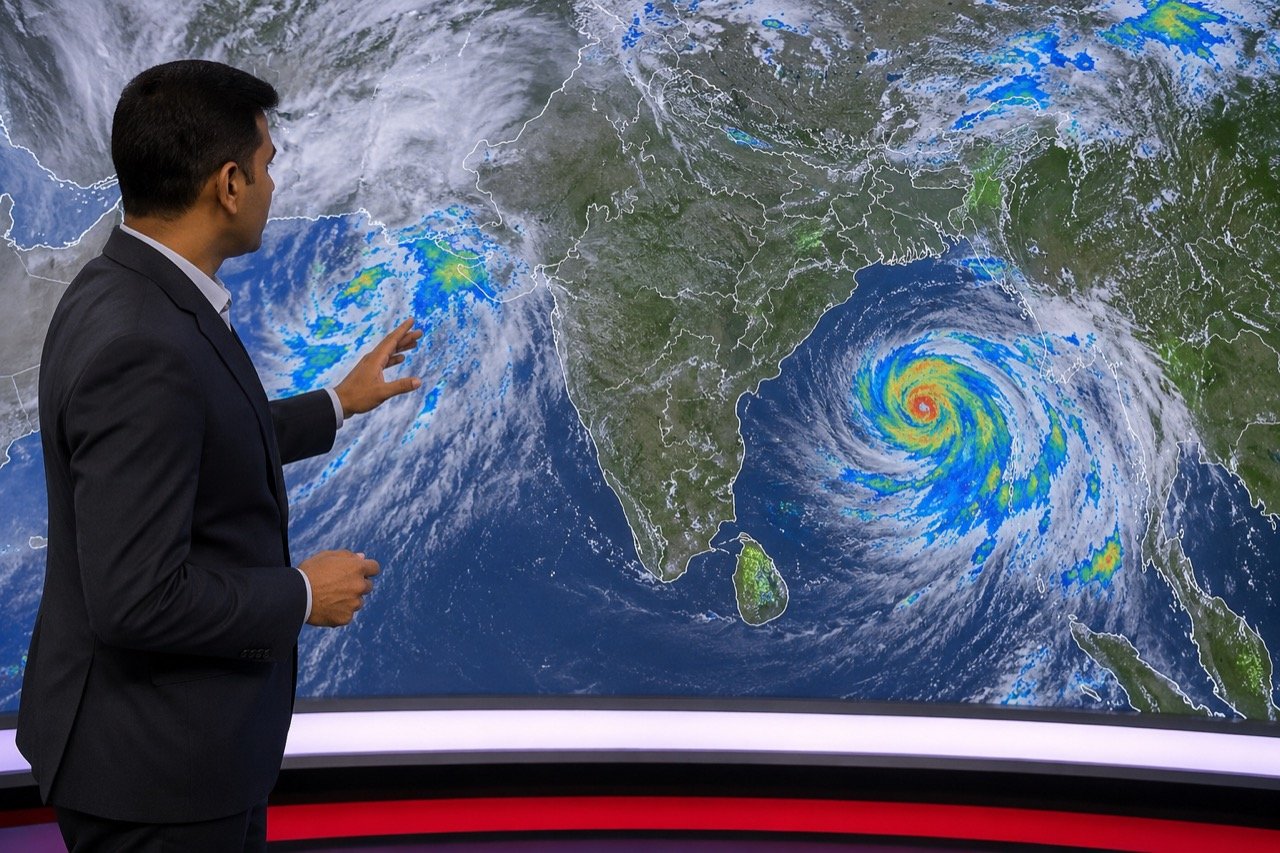
Bay of Bengal Low Pressure System Revives Monsoon Over Western India
A low-pressure system over the Bay of Bengal has pushed the monsoon back into an active phase, bringing steady heavy rain to Kerala, coastal Karnataka and Maharashtra, and putting Mumbai and Pune on preparedness watch.
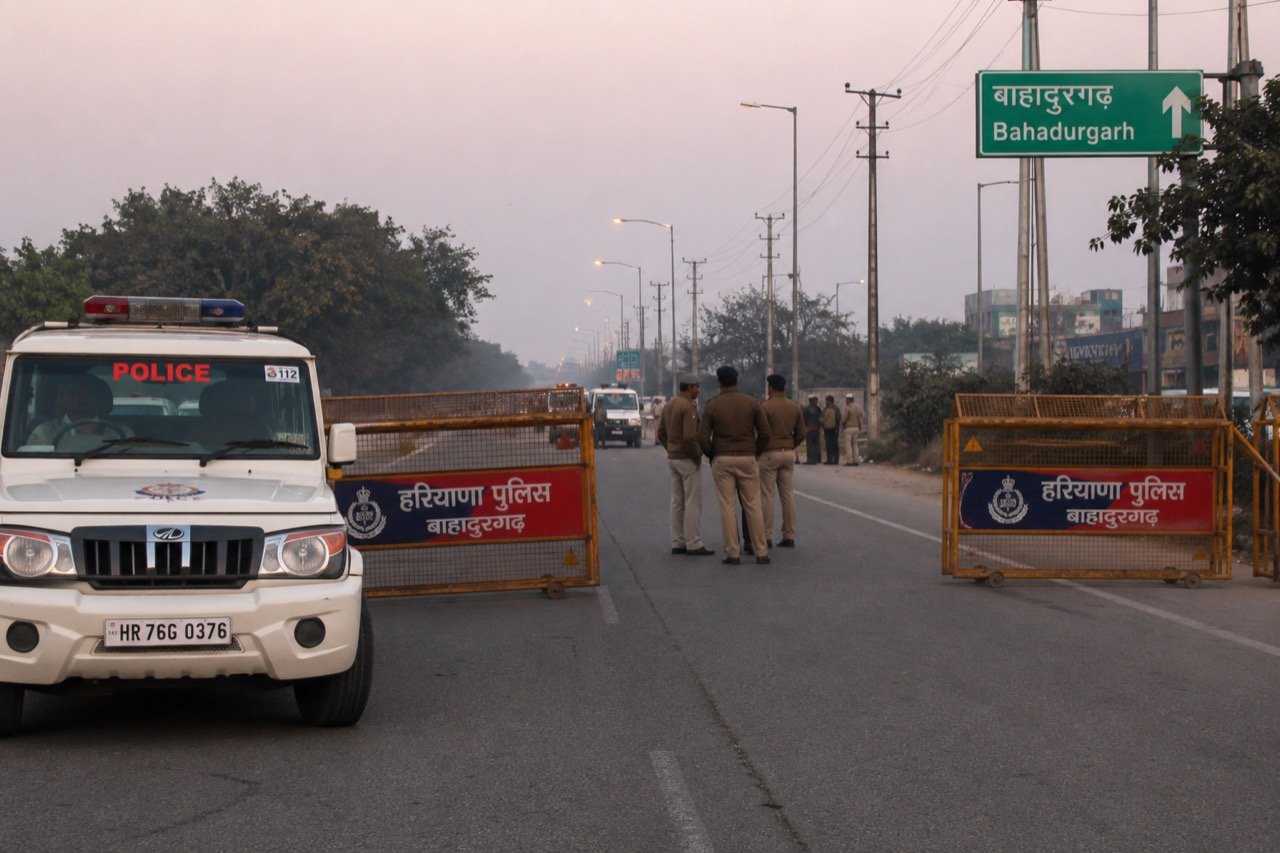
Bishnoi Gang Suspects Injured in Haryana Encounter as Police Tighten Net
A joint Haryana-Delhi Police operation in Bahadurgarh left two suspected Lawrence Bishnoi gang members injured, spotlighting the multi-state coordination now central to India's fight against organised crime networks.