Arrest in Bengaluru Daycare Case Deepens Child Safety Questions
Bengaluru police have arrested a woman connected to the daycare case at a Capgemini campus facility, sharpening scrutiny of caregiver vetting, oversight and accountability at workplace-linked childcare centres.
Commentary & Analysis ·

The investigation into alleged mistreatment of toddlers at a daycare facility linked to a Capgemini campus in Bengaluru has taken a significant turn, with police arresting a woman who had recorded videos at the centre and who is also accused of harassing children. The arrest adds a new layer to a case that has unsettled working parents across the city, and it pushes a story that began as a specific complaint about one facility into a broader reckoning with how workplace-linked childcare is monitored, staffed and held accountable.
Why the case resonates
Workplace daycare centres carry a particular kind of trust that ordinary neighbourhood creches do not automatically enjoy. Parents choose them precisely because they sit close to professional environments, implying corporate-grade standards of supervision, background checks and oversight. The assumption, often unspoken, is that if a large technology company's campus houses or facilitates a daycare, the same rigour that governs access badges, data security and workplace conduct must extend to the care of children on or near that campus. This case tests that assumption directly. When abuse allegations surface in such a setting, they raise uncomfortable questions about monitoring, caregiver training, complaint channels and accountability for the third-party operators who typically run these facilities on behalf of, or in partnership with, the corporate host.
It is worth pausing on the structural point here: workplace creches are rarely run by the companies themselves. In most cases, a corporation offers space, subsidises fees, or lists a facility as an employee benefit, while day-to-day operations are contracted out to an external daycare operator. This arrangement can work well when the operator is rigorously vetted and continuously audited, but it also creates a diffusion of responsibility. Parents see the company's name and campus and assume institutional accountability; the company may see itself as a facilitator rather than a direct operator; and the daycare operator, as the entity actually employing caregivers, may not face the same reputational scrutiny as the corporate brand attached to its premises. The gaps between these three layers are precisely where lapses in vetting, supervision and escalation tend to occur.
The public-interest core: oversight, not sensation
The details of the case are distressing, and responsible coverage means not repeating graphic allegations unnecessarily and never identifying the children involved. That restraint is not merely a matter of journalistic convention; it reflects a considered editorial judgment about where the genuine public interest lies. The story is not served by dwelling on the specifics of alleged mistreatment. It is served by scrutinising the systems that were supposed to prevent it. The public-interest core of the story lies in institutional oversight: how caregivers were vetted before being hired, how concerns were escalated once they arose, and how quickly parents were informed once red flags emerged.
Each of these questions points to a different failure point that regulators and corporate benefits teams ought to examine. Vetting failures suggest weak background-check protocols or an absence of continuous re-verification once a caregiver is employed. Escalation failures suggest that even where concerns were raised internally, whether by staff, other parents or observers, there was no clear or trusted channel to act on them. Delayed parental notification suggests a communication culture more concerned with protecting institutional reputation than with giving families the information they need to make immediate decisions about their children's safety. Any credible account of what went wrong at this facility will need to address all three.
The arrest and what it signals
The arrest of a woman who had recorded videos at the centre, and who is also accused of harassing children, marks a concrete step in an investigation that had until now generated more anxiety than clarity. An arrest of this kind typically indicates that police have gathered evidence sufficient to support specific charges, and it may also open a window into how the alleged conduct came to light in the first place, since recorded material can serve as both evidence of wrongdoing and, depending on the circumstances, evidence of how the allegations were first substantiated. But an arrest is an early procedural milestone, not a resolution. It confirms that the justice system is engaging with the case; it does not yet tell parents, employees or the wider public whether the daycare's vetting and supervision structures will be reformed, whether other staff members bear responsibility, or whether the corporate host and the operator will face any consequences beyond reputational discomfort.
What comes next
The key developments to watch are the police findings as the investigation proceeds, the charges ultimately framed against the accused, the responses from the company and the daycare operator, and any child-protection measures introduced as a result. Each of these will indicate whether the case produces systemic change or fades once the immediate outrage passes, as many such controversies do once media attention moves on. Parents currently enrolled at the facility, and at comparable workplace daycare centres elsewhere in Bengaluru, will be watching closely for signals about whether their own arrangements are subject to the same vulnerabilities. Employers with daycare benefits will face pressure, implicit or explicit, to demonstrate that their own vetting and monitoring standards are more robust than what this case has exposed.
There is also a policy dimension worth tracking. Cases of this nature often prompt calls for tighter regulation, but such calls just as often dissipate without concrete legislative or administrative follow-through. Whether Karnataka's authorities, or municipal bodies with jurisdiction over childcare licensing, use this case as the occasion for a genuine review of daycare oversight will be one of the clearer tests of whether the incident produces lasting change rather than a temporary spike in scrutiny.
The NE Times View
India's urban workforce runs on the promise that childcare near the office is safe childcare, and this case shows how thin the verification behind that promise can be. Corporates that offer daycare as a benefit cannot outsource the accountability along with the operations; they owe parents audited vetting standards, camera access policies and clear escalation channels. It is not enough to list a daycare facility as a perk in an employee handbook and assume that a contractual relationship with an operator absolves the company of responsibility for what happens to children on or near its premises. Employees who choose an employer partly on the strength of its family-friendly benefits are entitled to assume that those benefits meet a floor of safety that the company itself would insist upon for any other outsourced service touching its workforce.
Regulators, meanwhile, should treat workplace creches as a distinct licensing category with mandatory inspections rather than an afterthought folded into generic childcare rules. The specific risk profile of a facility embedded in or adjacent to a corporate campus, serving the children of employees who may feel unable to easily switch providers or raise complaints for fear of professional awkwardness, warrants a tailored regulatory approach rather than reliance on general daycare licensing that may not account for these dynamics. The arrest is a start, but the real test is whether Bengaluru's daycare ecosystem is structurally safer a year from now, measured not by the absence of further scandals but by the presence of verifiable audits, transparent complaint mechanisms and enforceable standards that parents can actually inspect before enrolling their children.
Key takeaways
- Police have arrested a woman accused of recording videos at the Bengaluru daycare facility linked to a Capgemini campus and of harassing children, marking a concrete step in the ongoing investigation.
- The case exposes a structural gap in workplace daycare arrangements, where corporate hosts, third-party operators and parents each assume a different party bears primary responsibility for safety oversight.
- The genuine public interest lies in institutional questions: caregiver vetting, escalation of concerns and timeliness of parental notification, not in graphic details of the allegations.
- Watch for the eventual police findings, the charges framed, corporate and operator responses, and whether any concrete child-protection reforms follow.
- The NE Times View: workplace daycare should be treated as a distinct, tightly regulated category with mandatory audits and transparent oversight, rather than an unverified perk attached to corporate campuses.
You may also like to read

Bengaluru KR Puram Triple Murder Puts Spotlight on Domestic Safety
A triple murder in Bengaluru's KR Puram, in which a woman, her husband and their young son were found dead, has shaken the city and reopened questions about domestic-violence risks and police response.

Delhi Mehrauli Child Murder Renews Alarm Over Pavement-Dweller Safety
The abduction, assault and killing of an 11-year-old girl sleeping on a Mehrauli pavement has shaken Delhi-NCR, exposing the acute vulnerability of homeless families and gaps in night-time policing.
Karnataka Daycare Rules: Child Panel Pushes Reform After Abuse Case
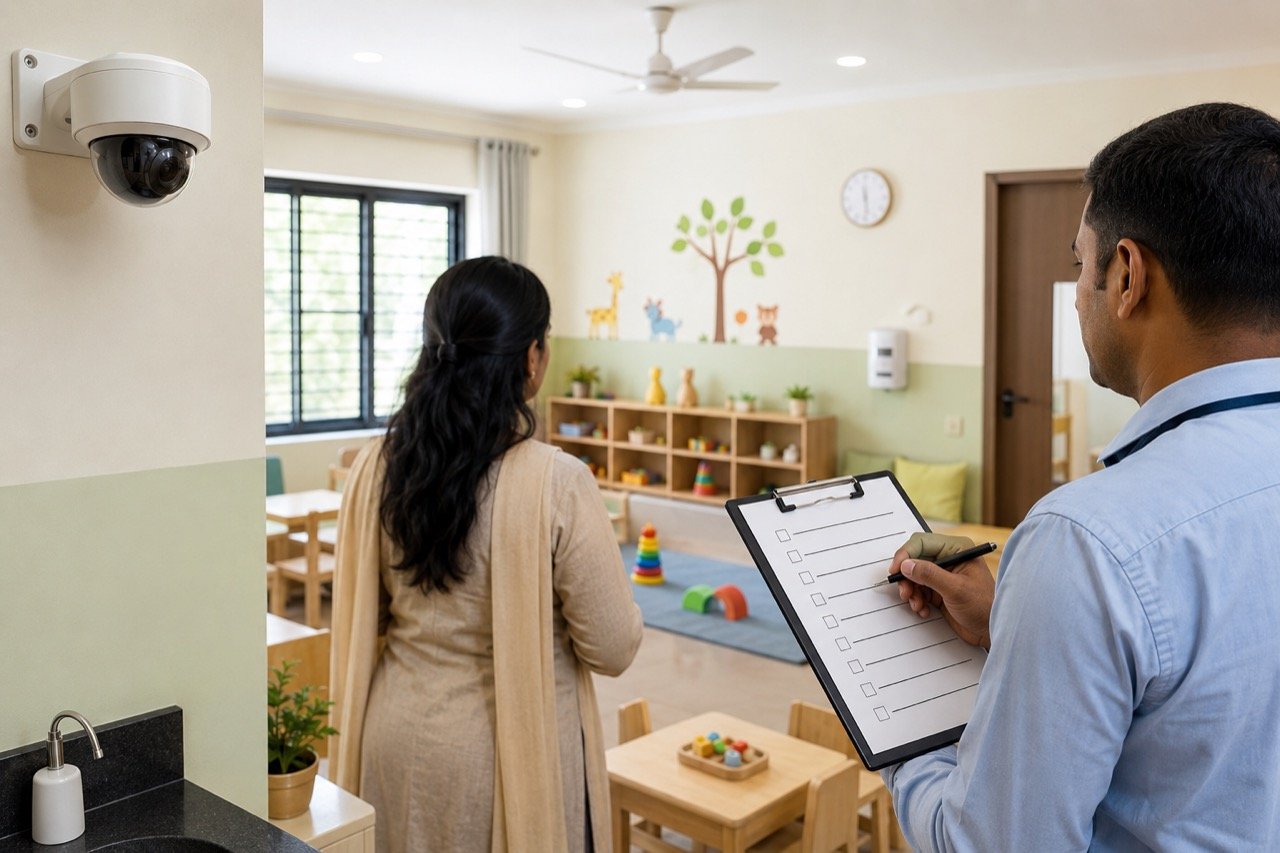
Karnataka's child rights panel has proposed uniform daycare regulations, including mandatory registration and CCTV access, after an alleged child abuse case at a Capgemini campus daycare facility.
Delhi Child Murder Case Puts Footpath Safety and Fast Policing Under Scrutiny
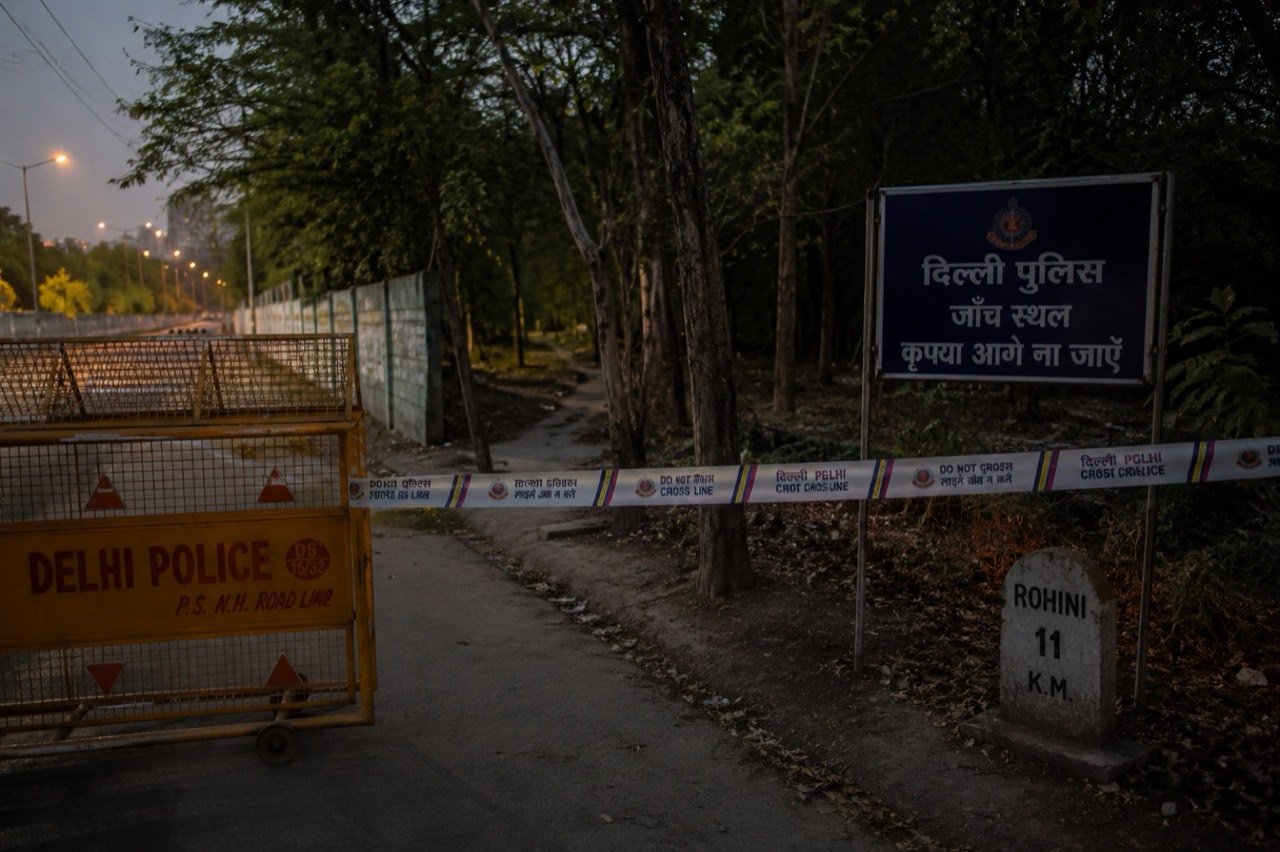
The killing of a 10-year-old girl sleeping on a Delhi footpath, with an arrest made within hours, has forced hard questions about pavement dwellers, night-time safety and the speed of missing-child response.
More from this section
More
AICTE Industry Fellowship 2026: Rs 1.5 Lakh Scheme Closes July 5
The AICTE Industry Fellowship Programme 2026, which places technical-education faculty inside leading companies on a Rs 1.5 lakh monthly stipend, reached its application deadline on July 5.

Bay of Bengal Low Pressure System Revives Monsoon Over Western India
A low-pressure system over the Bay of Bengal has pushed the monsoon back into an active phase, bringing steady heavy rain to Kerala, coastal Karnataka and Maharashtra, and putting Mumbai and Pune on preparedness watch.

Bishnoi Gang Suspects Injured in Haryana Encounter as Police Tighten Net
A joint Haryana-Delhi Police operation in Bahadurgarh left two suspected Lawrence Bishnoi gang members injured, spotlighting the multi-state coordination now central to India's fight against organised crime networks.