Delhi Child Murder Case Puts Footpath Safety and Fast Policing Under Scrutiny
The killing of a 10-year-old girl sleeping on a Delhi footpath, with an arrest made within hours, has forced hard questions about pavement dwellers, night-time safety and the speed of missing-child response.
Commentary & Analysis ·
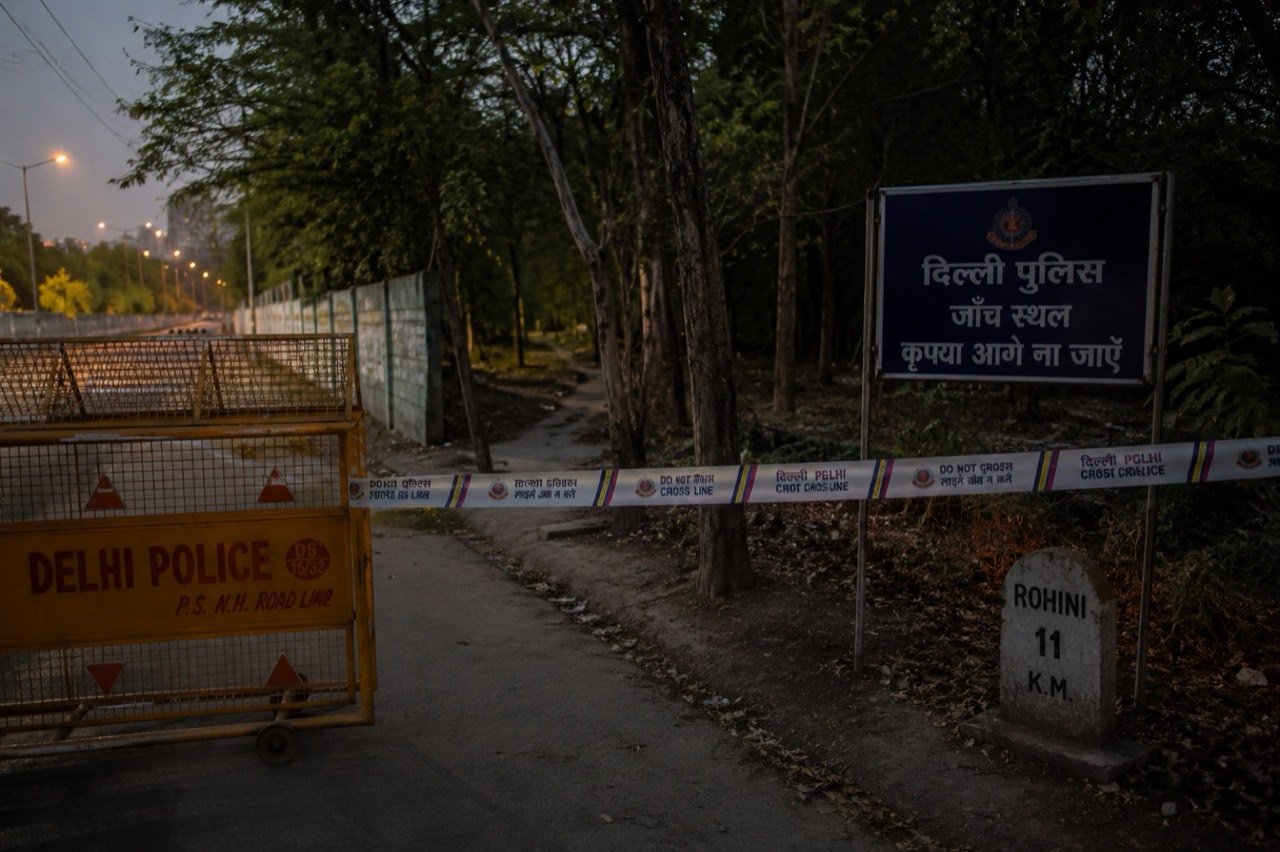
The death of a 10-year-old girl who had been sleeping with her family on a Delhi footpath has prompted a wave of grief and anger, and difficult questions about how the capital protects its most vulnerable residents. The child was allegedly kidnapped, sexually assaulted and killed in Mehrauli, according to police reporting carried by NDTV. The identity of the victim must remain protected, and the focus of any coverage should stay on accountability and prevention rather than detail.
A rapid arrest
Police said the family reported the girl missing early on Monday, prompting teams to search nearby areas and comb through CCTV footage. A 25-year-old app-based taxi driver, identified in reports as Bablu, was arrested within hours, and the child's body was recovered from a forested area.
Investigators reportedly scanned footage from hundreds of cameras across the area. That detail matters: it shows how dense urban surveillance, combined with officers who move quickly, can compress an investigation that might once have taken days. But it also underscores how completely families without secure shelter depend on those public systems when a child disappears in the night.
The vulnerability of pavement dwellers
The case has drawn fresh attention to the layered risks faced by families who sleep on pavements, near markets or beside transport corridors. Poor lighting, the absence of secure walls or doors, and limited access to emergency help leave children exposed through the night in ways that few other residents experience.
Public safety, the case suggests, cannot be measured only by patrol numbers or headline crime statistics. For the city's poorest, safety is shaped by the everyday infrastructure of shelter, light and rapid response, the very things that are scarcest where they live.
What the prosecution will rest on
A successful prosecution will now depend on the strength of forensic evidence, witness statements, electronic trails and the accused's interrogation record. Authorities will be judged on whether the investigation is completed swiftly, whether charges are filed carefully enough to withstand trial, and whether meaningful support reaches the bereaved family.
- Family reported the child missing early Monday morning
- Police searched the area and reviewed footage from hundreds of CCTV cameras
- A 25-year-old app-based taxi driver was arrested within hours
- The case will hinge on forensic, witness and electronic evidence
- The victim's identity must remain legally protected throughout
“Public safety cannot be measured only by patrol numbers; for families who sleep on pavements, it is light, shelter and the speed of help that decide their fate.”
— Child rights advocate
The larger policy question is whether child-protection teams, police stations and local welfare departments can work together to reduce such risks before tragedy strikes, rather than only responding after. The speed of this arrest offers a measure of reassurance; the circumstances that made the child a target offer none. Delhi's challenge is to ensure that the lesson outlives the news cycle.
The NE Times View
An arrest within hours is creditable, but the murder of a child sleeping on a pavement exposes a deeper failure that fast policing cannot undo. The NE Times View: India's cities are built around people who have no shelter, and their safety is treated as an afterthought. Swift investigation deserves praise; so does asking why a 10-year-old was on a footpath at night at all.
This article is original commentary and analysis by The NE Times. Background facts were referenced from NDTV.
You may also like to read
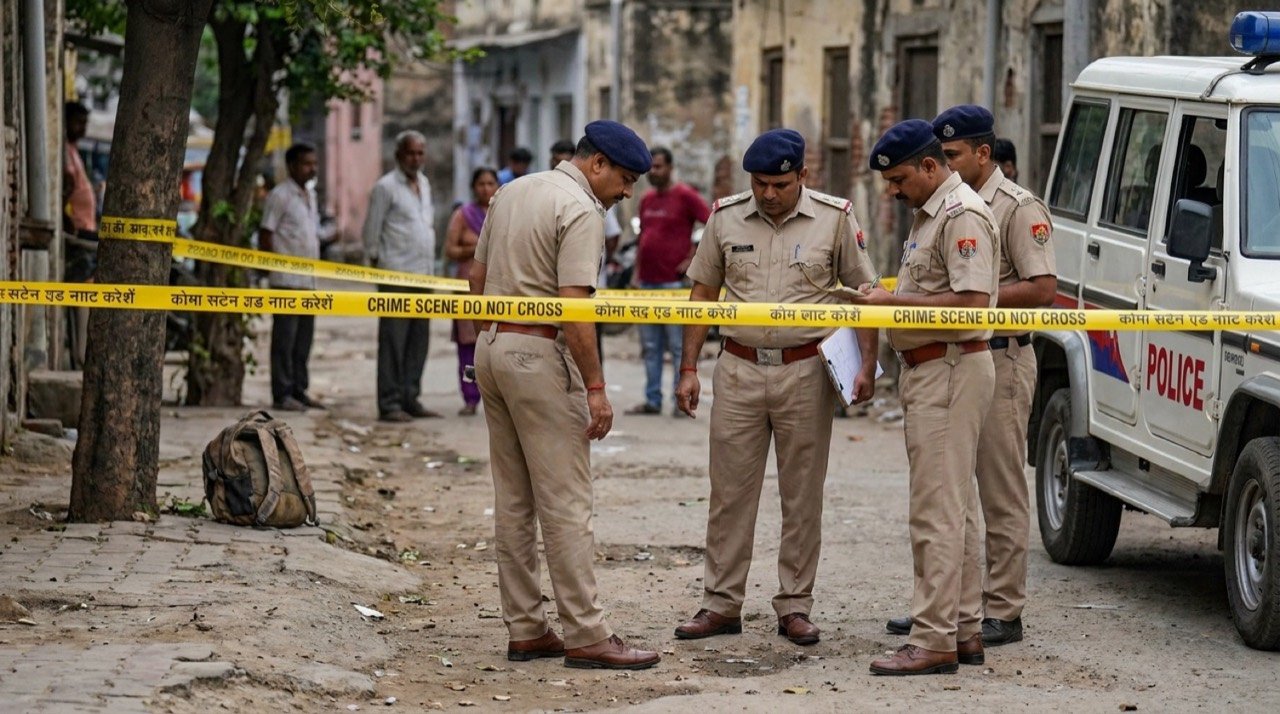
Delhi Mehrauli Child Murder Renews Alarm Over Pavement-Dweller Safety
The abduction, assault and killing of an 11-year-old girl sleeping on a Mehrauli pavement has shaken Delhi-NCR, exposing the acute vulnerability of homeless families and gaps in night-time policing.
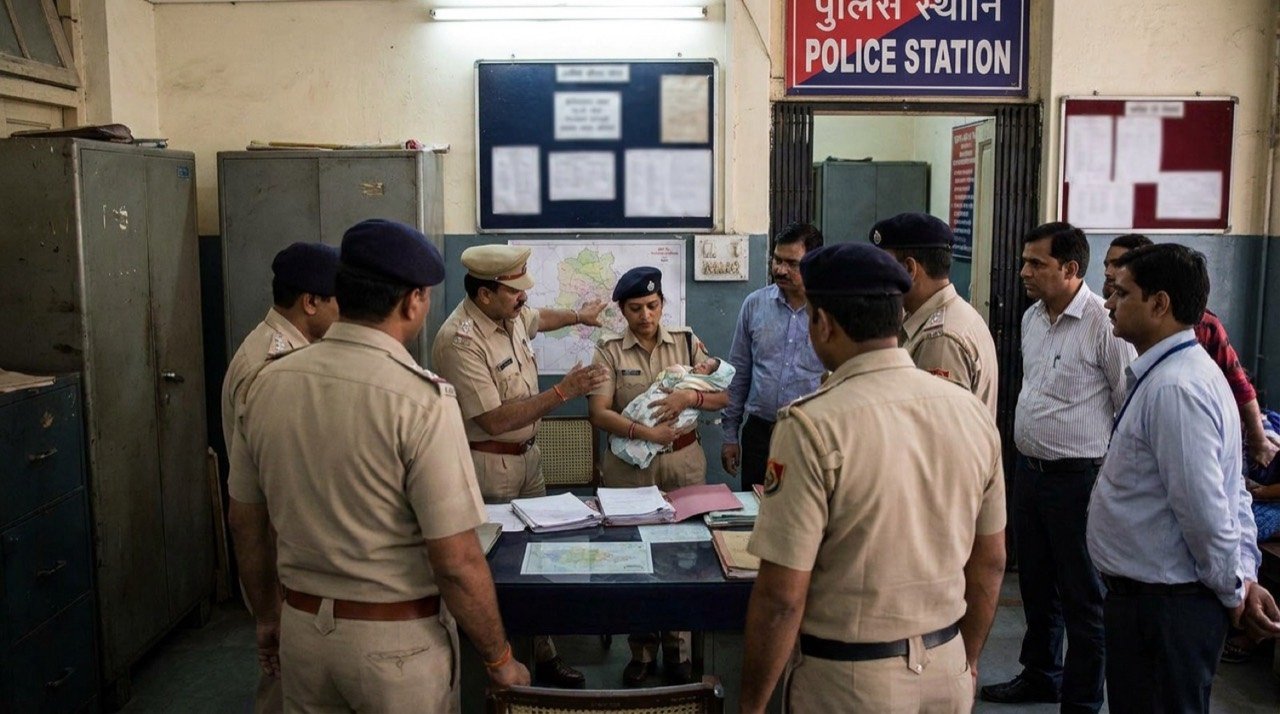
Delhi Infant Rescue Renews Focus on Child-Trafficking Networks
Delhi Police have rescued a 25-day-old infant and arrested two people in a suspected child-trafficking case, reviving concern over organised networks and gaps in missing-child safeguards.
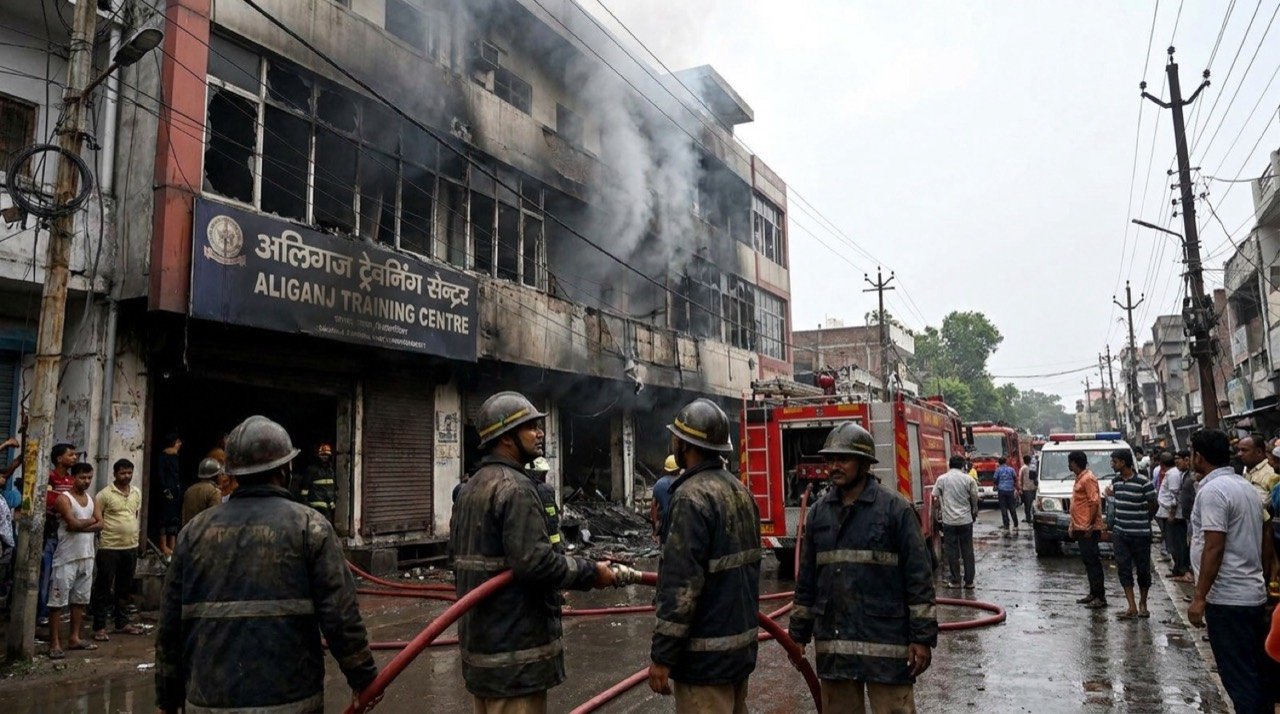
Lucknow Fire Puts Coaching and Training Centre Safety Under Scrutiny
At least 15 people, mostly students and trainees, died in a Lucknow fire, forcing a hard look at fire-safety compliance in coaching centres, gaming studios and training spaces inside commercial buildings.
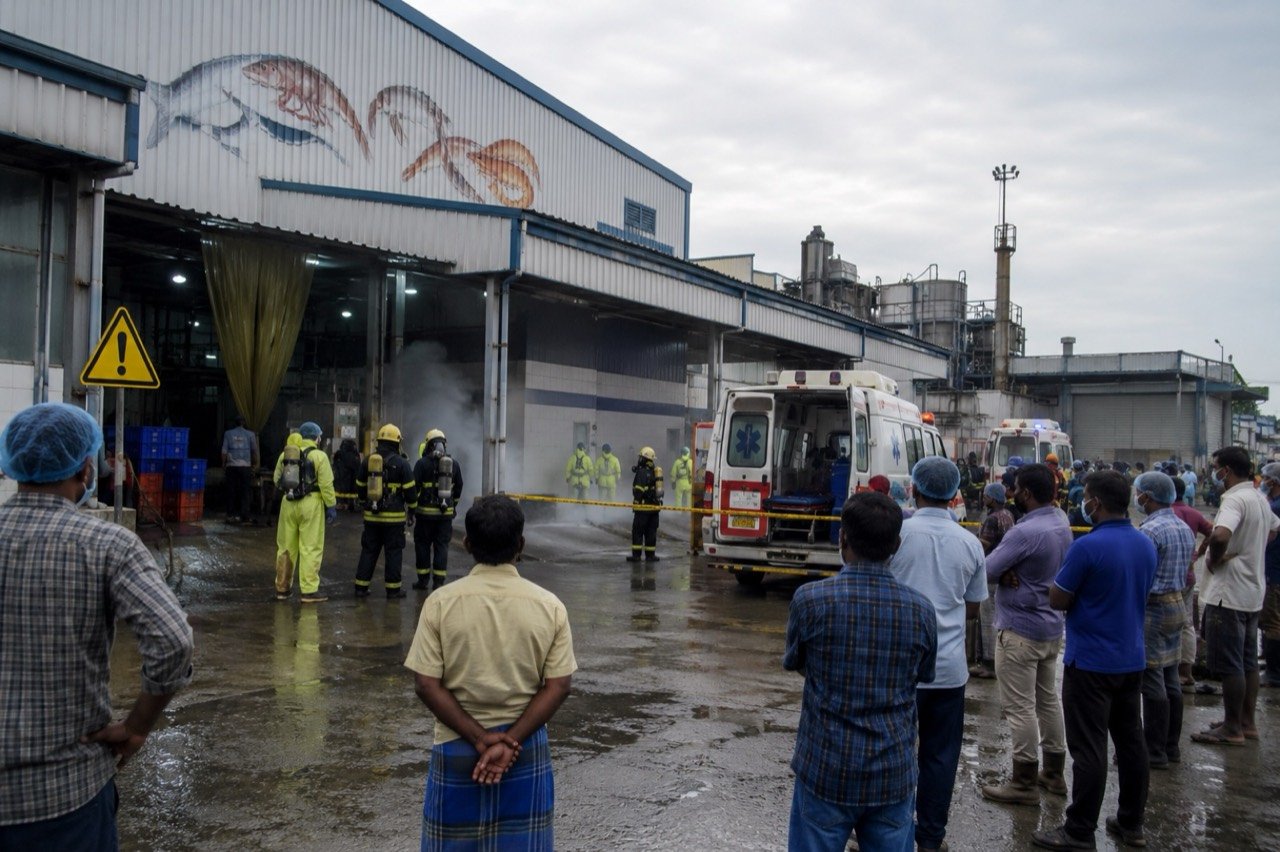
Tiruvallur Ammonia Leak Puts Tamil Nadu Seafood Factory Safety Under Scrutiny
A deadly ammonia leak at a Tiruvallur seafood unit has killed seven and hospitalised dozens, forcing a hard look at industrial safety, migrant housing and chemical emergency preparedness across Tamil Nadu.
More from this section
More
AICTE Industry Fellowship 2026: Rs 1.5 Lakh Scheme Closes July 5
The AICTE Industry Fellowship Programme 2026, which places technical-education faculty inside leading companies on a Rs 1.5 lakh monthly stipend, reached its application deadline on July 5.

Bay of Bengal Low Pressure System Revives Monsoon Over Western India
A low-pressure system over the Bay of Bengal has pushed the monsoon back into an active phase, bringing steady heavy rain to Kerala, coastal Karnataka and Maharashtra, and putting Mumbai and Pune on preparedness watch.
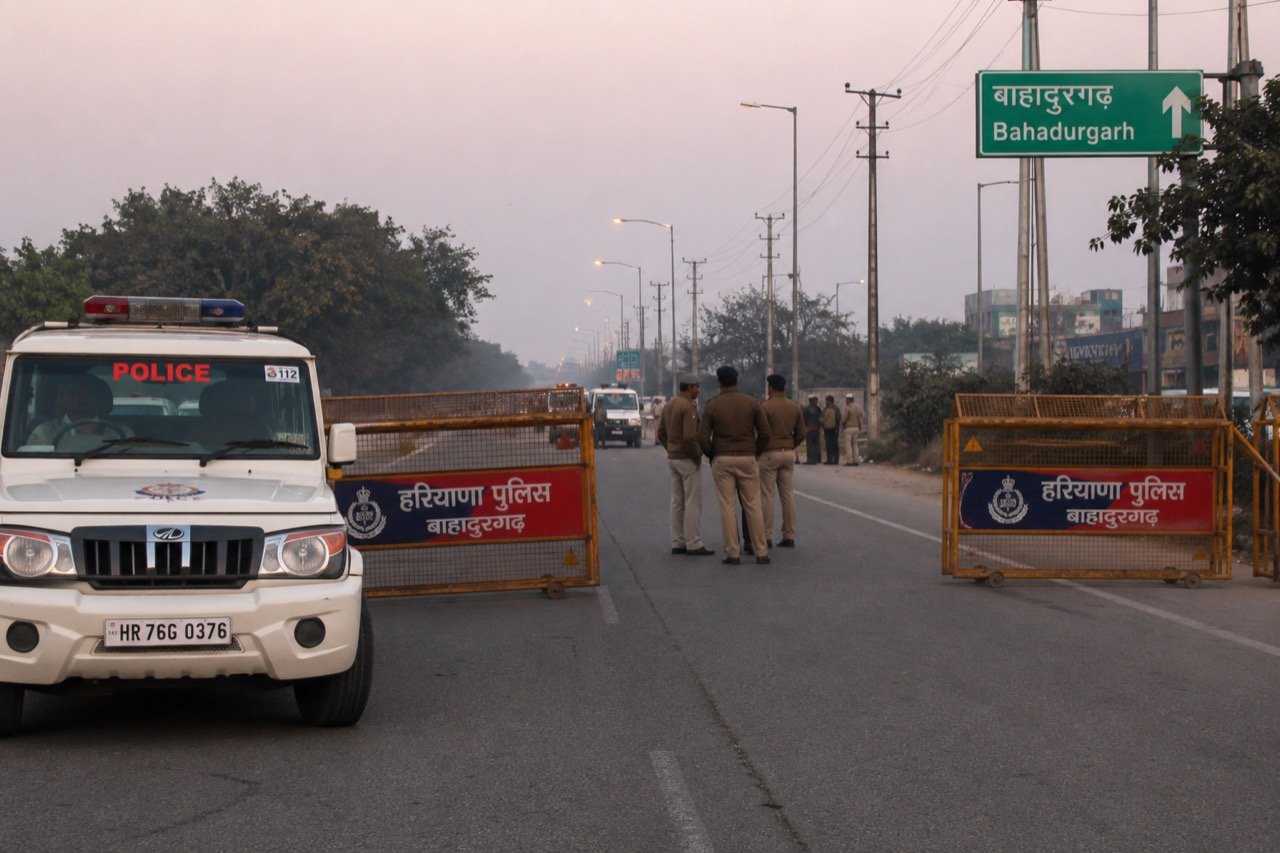
Bishnoi Gang Suspects Injured in Haryana Encounter as Police Tighten Net
A joint Haryana-Delhi Police operation in Bahadurgarh left two suspected Lawrence Bishnoi gang members injured, spotlighting the multi-state coordination now central to India's fight against organised crime networks.