Lohagad Fort Death Near Pune Turns Into Murder Probe After Two Arrests
A fall at the popular Lohagad Fort trekking site, first treated as an accident, has become a murder investigation after Pune police arrested the victim's fiancee and an alleged associate.
Commentary & Analysis ·
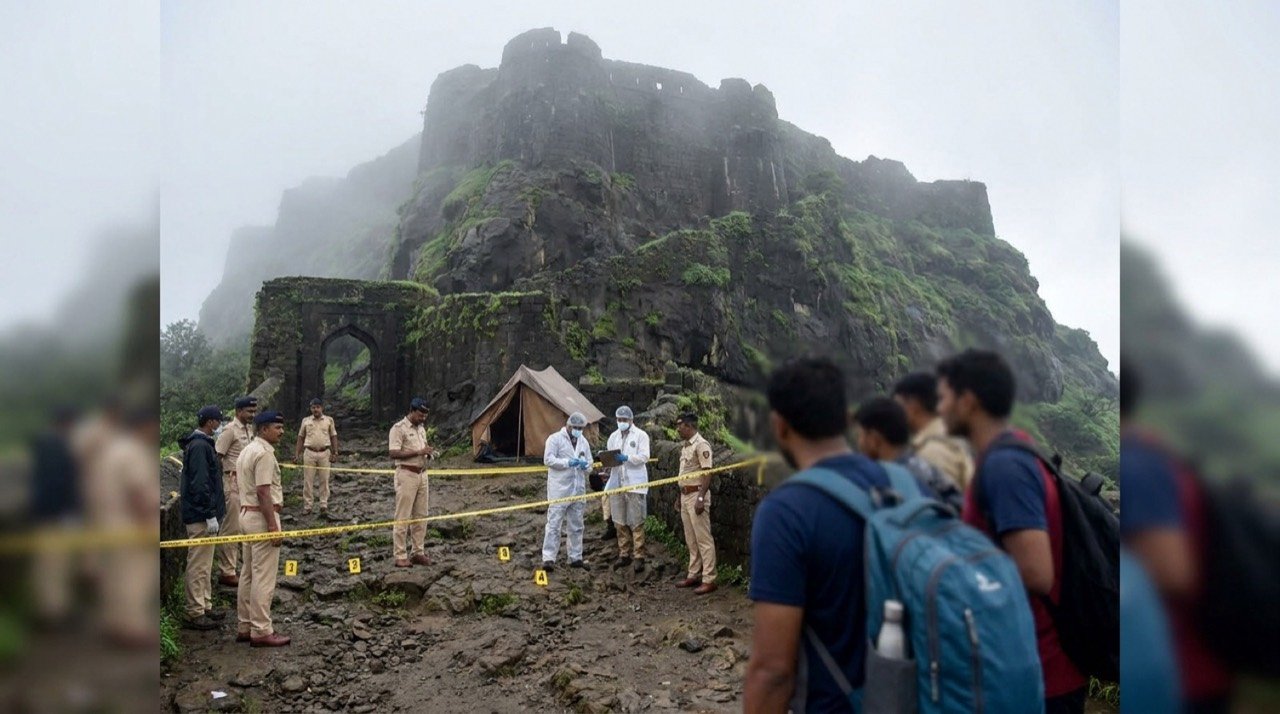
A death at Lohagad Fort near Pune that was initially examined as an accident has turned into a murder investigation, after police arrested the victim's fiancee and an alleged associate. What began as a routine inquiry into a fall at a popular hill fort has, in the space of a few investigative steps, become a suspected planned crime. The shift has drawn wide public attention, transforming what looked like a tourist mishap into the kind of case that unsettles a region precisely because it began in such an ordinary place.
From accident to investigation
Reports said investigators changed the direction of the case after reviewing inconsistencies in statements, examining phone records and scrutinising the circumstances around the fall. Details that did not add up prompted police to look beyond the initial assumption of an accidental death. This is, in many ways, the unglamorous core of good police work: not a single dramatic breakthrough, but a patient re-reading of the same facts until they stop fitting the innocent explanation. Statements that seemed plausible on first hearing apparently did not survive cross-checking against call records and the physical circumstances of the fall. That kind of discrepancy is often small on its own, but taken together it can be enough to justify reopening a case that might otherwise have been closed as a tragic accident.
The two arrests mark a decisive turn, moving the inquiry from a routine examination of a fall at a hill fort to an active homicide investigation. It is worth pausing on how significant that reclassification is. An accidental-death file typically closes with a post-mortem report and a magistrate's inquest; a murder case demands an entirely different standard of proof, a different set of legal protections for the accused, and a far higher level of scrutiny of every piece of evidence gathered. That the police have made this leap suggests they believe they have enough to justify it, though it is equally true that an arrest is only the beginning of establishing guilt, not the end of it.
A popular trekking site in focus
Lohagad is one of the most visited trekking destinations near Pune, drawing crowds especially in the monsoon. That popularity has amplified interest in the case, as the location is familiar to thousands of weekend hikers across Maharashtra. For many in Pune and beyond, Lohagad is not an exotic or remote location but somewhere they themselves have walked, photographed and picnicked at, often with friends or partners in circumstances not unlike those now under scrutiny. That familiarity is precisely what makes the allegation so unsettling. The contrast between the fort's reputation as a leisure spot and the allegation of a deliberate killing has kept the story prominent in public discussion, because it forces a reassessment of a place that most visitors would have considered entirely safe.
There is also a broader pattern worth noting here, even without asserting anything not already established in the case: monsoon trekking spots such as Lohagad see a seasonal surge in footfall, and with that surge comes an increase in incidents of every kind, from genuine accidents on slippery terrain to disputes among visitors that spill into tragedy. Local authorities and trekking associations have periodically flagged safety concerns at such sites, ranging from crowd management to inadequate barricading near steep drops. Whatever the outcome of this particular investigation, it is likely to renew conversations about oversight at heritage and trekking sites that combine natural hazards with heavy, largely unsupervised tourist traffic.
What police must now establish
With the case reclassified, the burden shifts to building a prosecutable account of events. Investigators will need to establish motive, reconstruct the sequence of events and assemble evidence strong enough to stand in court, while avoiding speculation that runs ahead of the record. This is a demanding task. Motive in particular is notoriously difficult to prove to a court's satisfaction; suspicion and even strong circumstantial indicators are not the same as the kind of evidence that can withstand cross-examination. Phone records, the statements of witnesses present at or near the fort, forensic findings from the post-mortem, and the physical evidence at the site itself will all need to cohere into a single, internally consistent narrative.
The involvement of the victim's fiancee as an accused is likely to draw particular attention, given how such cases are typically viewed by the public and by the courts alike: relationships gone wrong are a recurring, if painful, feature of Indian crime reporting, and investigators will be conscious of the need to substantiate any theory of a personal motive with hard evidence rather than assumption. The presence of a second, alleged associate adds a further layer of complexity, since it raises questions of planning, coordination and division of roles that the prosecution will eventually have to lay out clearly if the matter goes to trial.
The stakes for due process
Cases that pivot dramatically from one classification to another carry a particular risk: the temptation for public opinion, and sometimes for investigators under pressure, to treat an arrest as if it were already a conviction. That risk is heightened when a case attracts as much attention as this one plainly has, given Lohagad's popularity and the emotive nature of the allegations. It is important, therefore, that the investigation continue to be judged by what it can actually prove rather than by the compelling nature of a narrative. Until charges are tested in court, the findings remain part of an ongoing investigation, and the full account of what happened at Lohagad is yet to emerge.
As the probe advances, the focus will remain on whether the evidence supports the murder theory and on the motive police believe drove the alleged crime. Court proceedings, when they begin, will be the proper forum for testing the strength of phone records, witness statements and forensic findings against the standard of proof required in a criminal trial. Any account offered before that point, however persuasive it may sound, remains provisional.
The NE Times View
A trekking accident reclassified as murder is a grim reminder of how easily foul play can hide behind rugged terrain, and the arrests suggest investigators caught what a cursory inquiry might have missed. Credit is due to the Pune police for not closing the file too early, resisting the natural pull towards the simplest explanation and instead following inconsistencies in statements and phone records to a very different conclusion. That diligence matters, because cases like this one are often decided in the first days after a death, when the temptation to accept the obvious account is strongest.
But a charge is not a conviction. The case must now rest on forensic evidence presented fairly in court, not on lurid speculation. The public fascination that Lohagad's popularity has generated should not be allowed to substitute for the slower, more exacting work of building a case that can survive judicial scrutiny. For a story that has moved so quickly from tourist mishap to alleged planned crime, patience in the reporting and in the process will serve the truth better than certainty arrived at too soon.
Key takeaways
- A death at Lohagad Fort near Pune, first treated as an accident, is now being investigated as a murder after the arrest of the victim's fiancee and an alleged associate.
- Investigators changed course after finding inconsistencies in statements and reviewing phone records and the circumstances of the fall.
- Lohagad's status as one of the most popular trekking sites near Pune, especially during the monsoon, has amplified public interest in the case.
- Police must now establish motive and reconstruct the sequence of events with evidence robust enough to stand up in court.
- Until the case is tested in court, it remains an ongoing investigation, and the full circumstances of what happened at Lohagad are not yet established.
You may also like to read
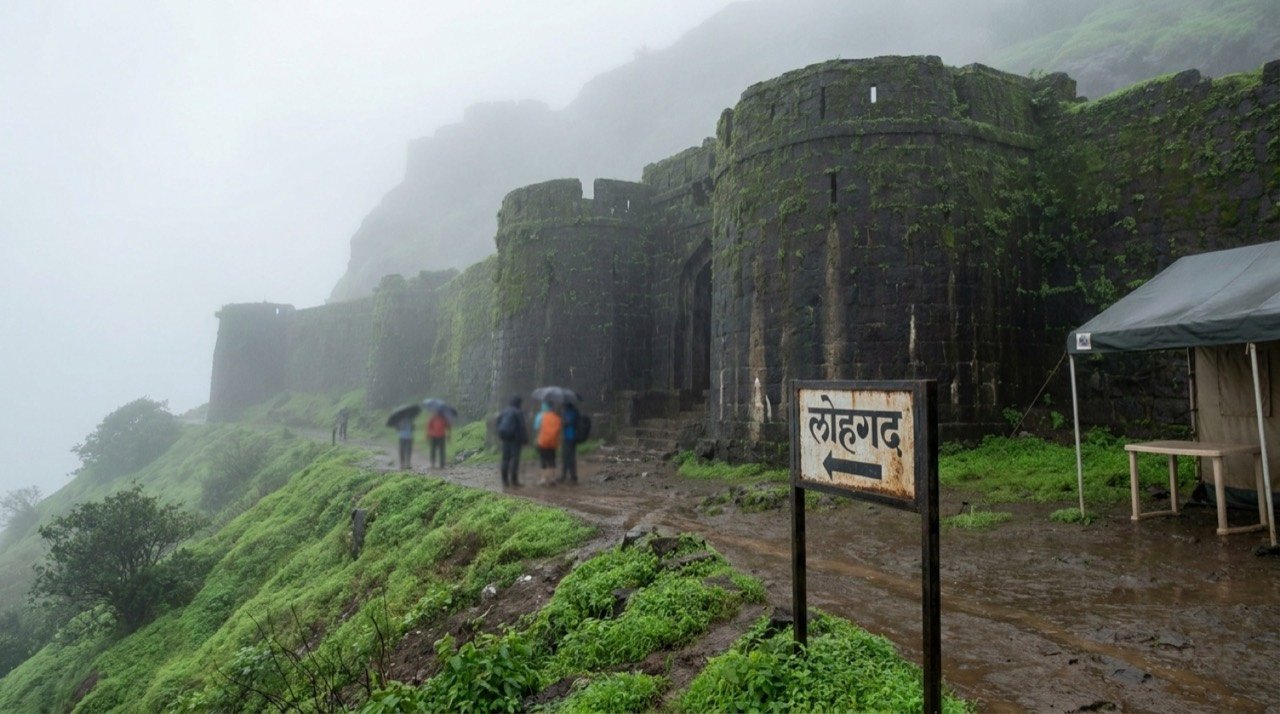
Pune Lohagad Trek Death Turns Into Murder Probe As Fiancée, Friend Arrested
Police arrested a Pune businessman's fiancée and her friend after fresh evidence reframed his fatal fall at Lohagad Fort from an accident into a suspected murder investigation.
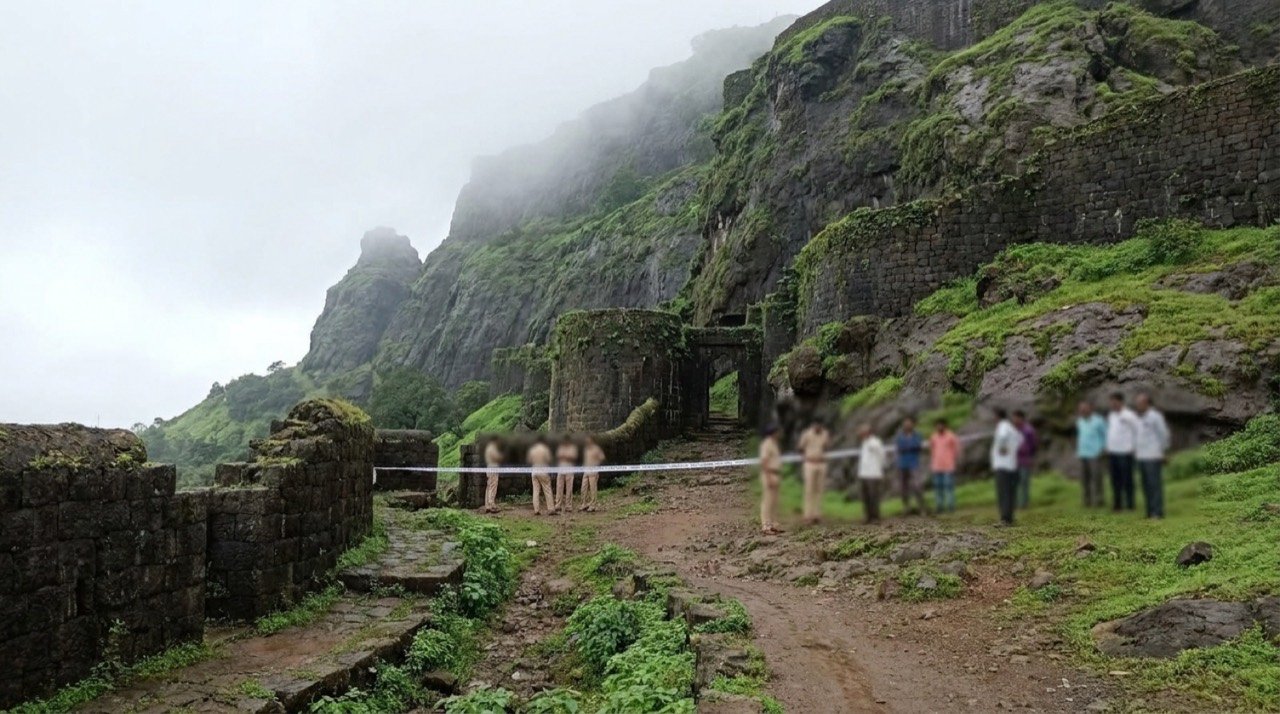
Pune Lohagad Fort Death Turns Into a Murder Investigation
Maharashtra police have reclassified businessman Ketan Agrawal's fall at Lohagad Fort as a murder probe, alleging his fiancee and her partner staged the trek as an accident.
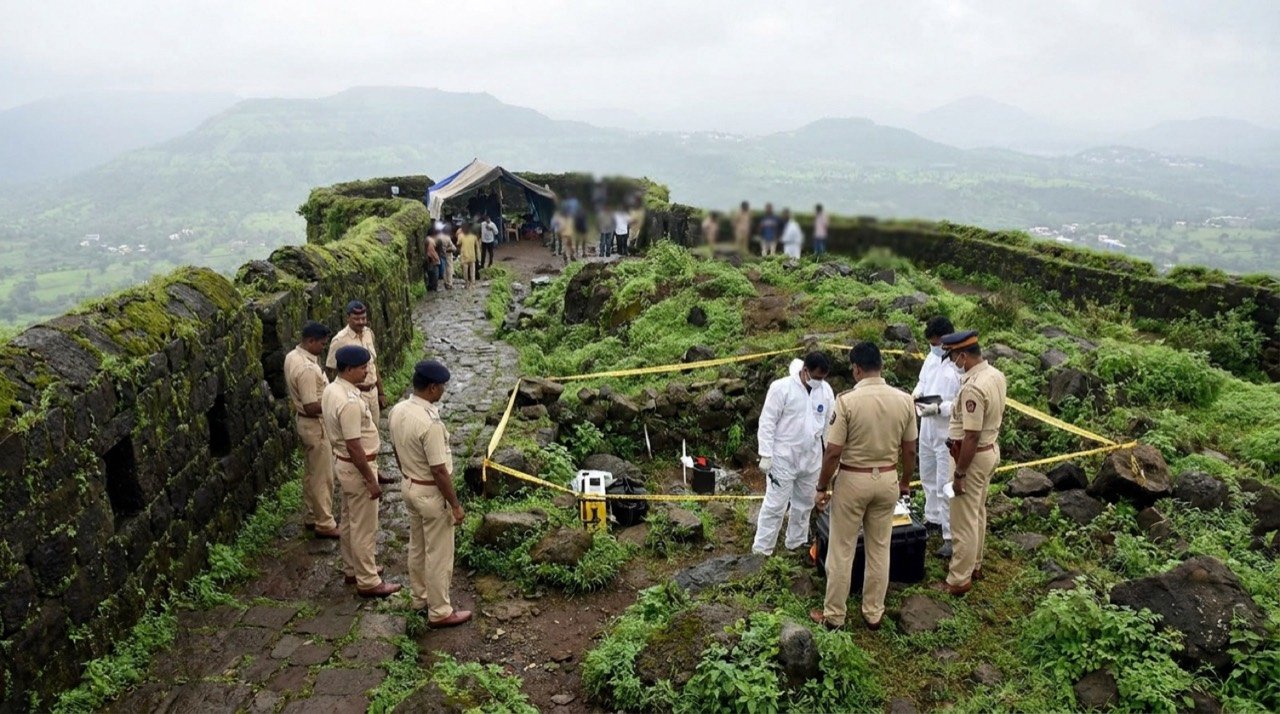
Lohagad Fort Death Probe Widens as Police Examine Conspiracy Angle
The investigation into a death near Maharashtra's Lohagad Fort has widened, with police tracing phone records and suspect movements to determine whether the case was a planned conspiracy rather than a sudden dispute.

Meerut Child Murder: Arrests Made as Police Probe Mother and Co-Accused
A young child's killing in Meerut has triggered arrests and public shock, with investigators examining the role of the mother and another accused as the case heads toward court.
More from this section
More
AICTE Industry Fellowship 2026: Rs 1.5 Lakh Scheme Closes July 5
The AICTE Industry Fellowship Programme 2026, which places technical-education faculty inside leading companies on a Rs 1.5 lakh monthly stipend, reached its application deadline on July 5.
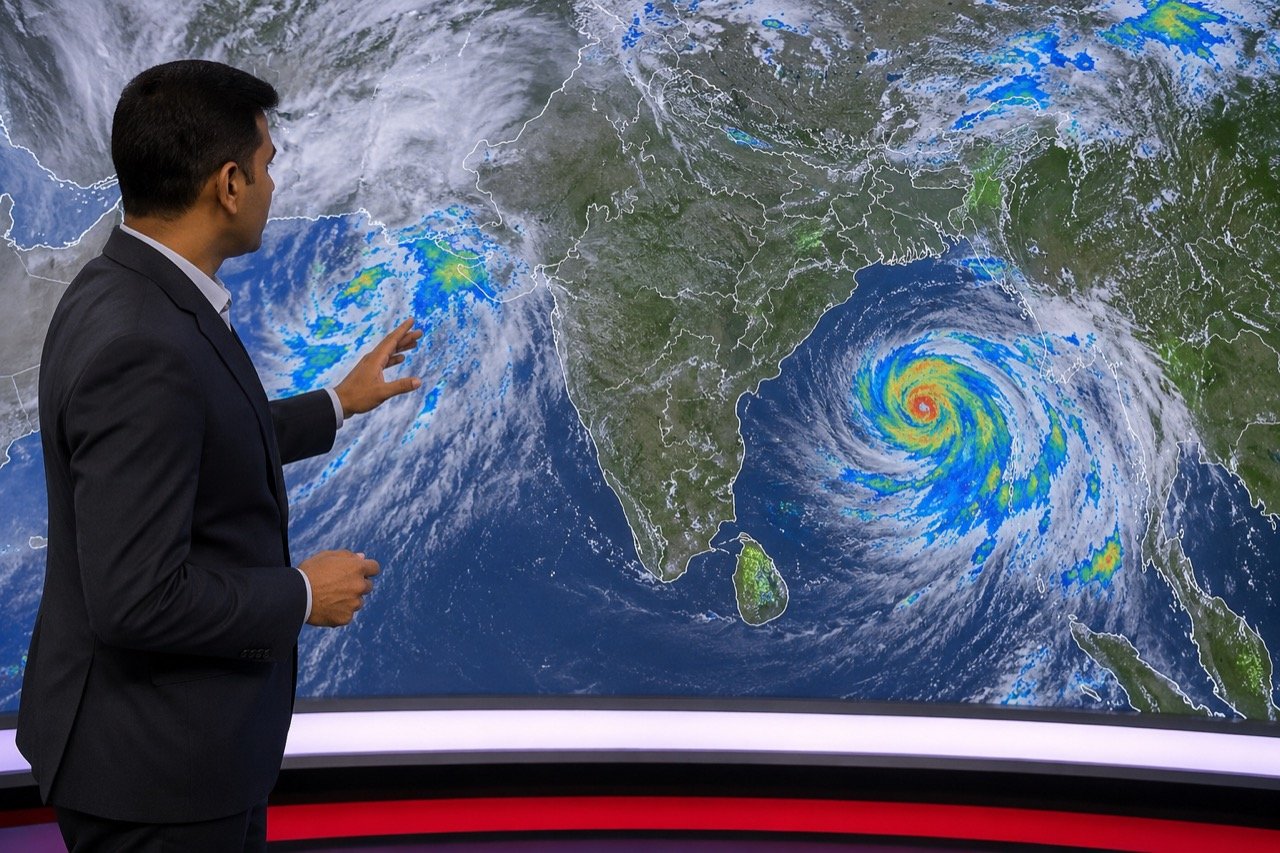
Bay of Bengal Low Pressure System Revives Monsoon Over Western India
A low-pressure system over the Bay of Bengal has pushed the monsoon back into an active phase, bringing steady heavy rain to Kerala, coastal Karnataka and Maharashtra, and putting Mumbai and Pune on preparedness watch.
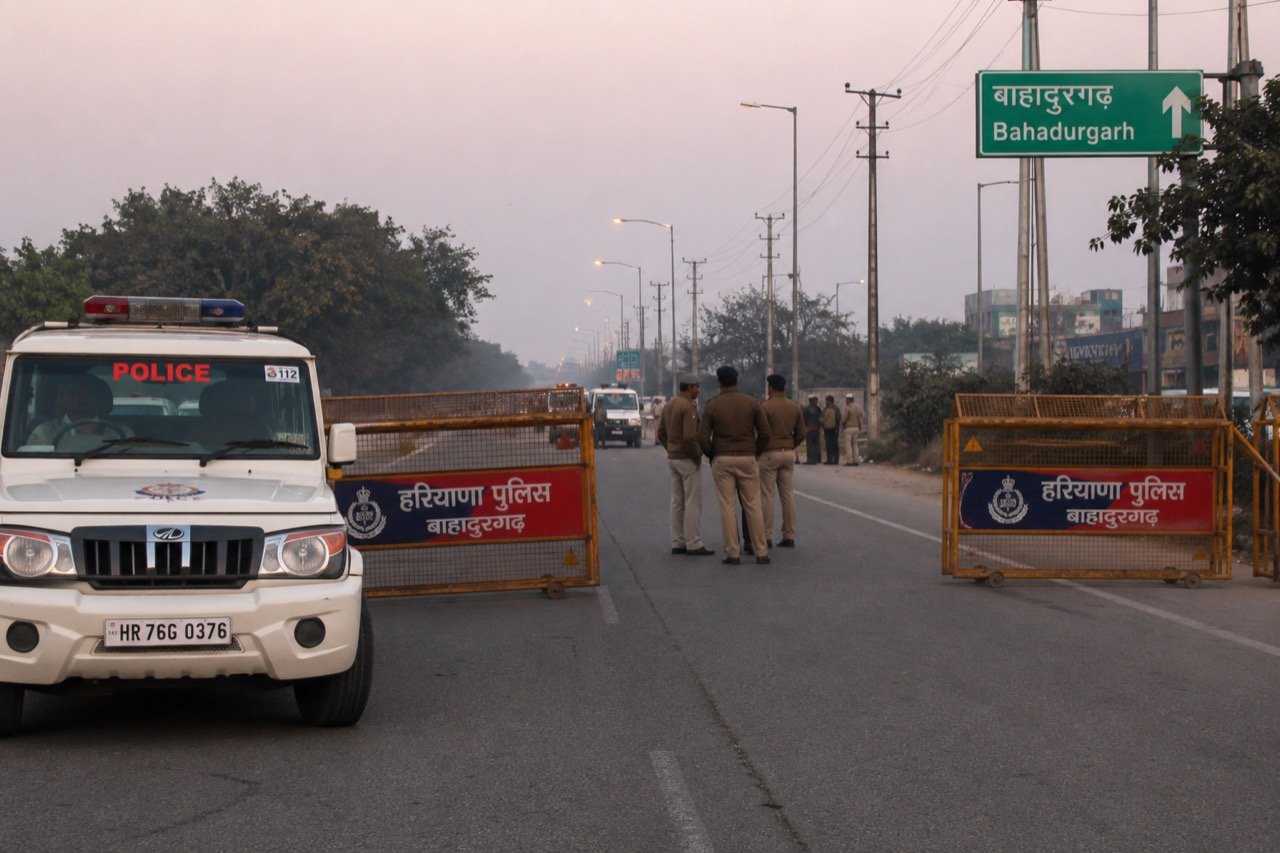
Bishnoi Gang Suspects Injured in Haryana Encounter as Police Tighten Net
A joint Haryana-Delhi Police operation in Bahadurgarh left two suspected Lawrence Bishnoi gang members injured, spotlighting the multi-state coordination now central to India's fight against organised crime networks.