Digital Health Push Brings Telemedicine to More Towns and Villages
A nationwide effort to connect clinics digitally is widening access to doctors and diagnostics far beyond the big cities.
Commentary & Analysis ·
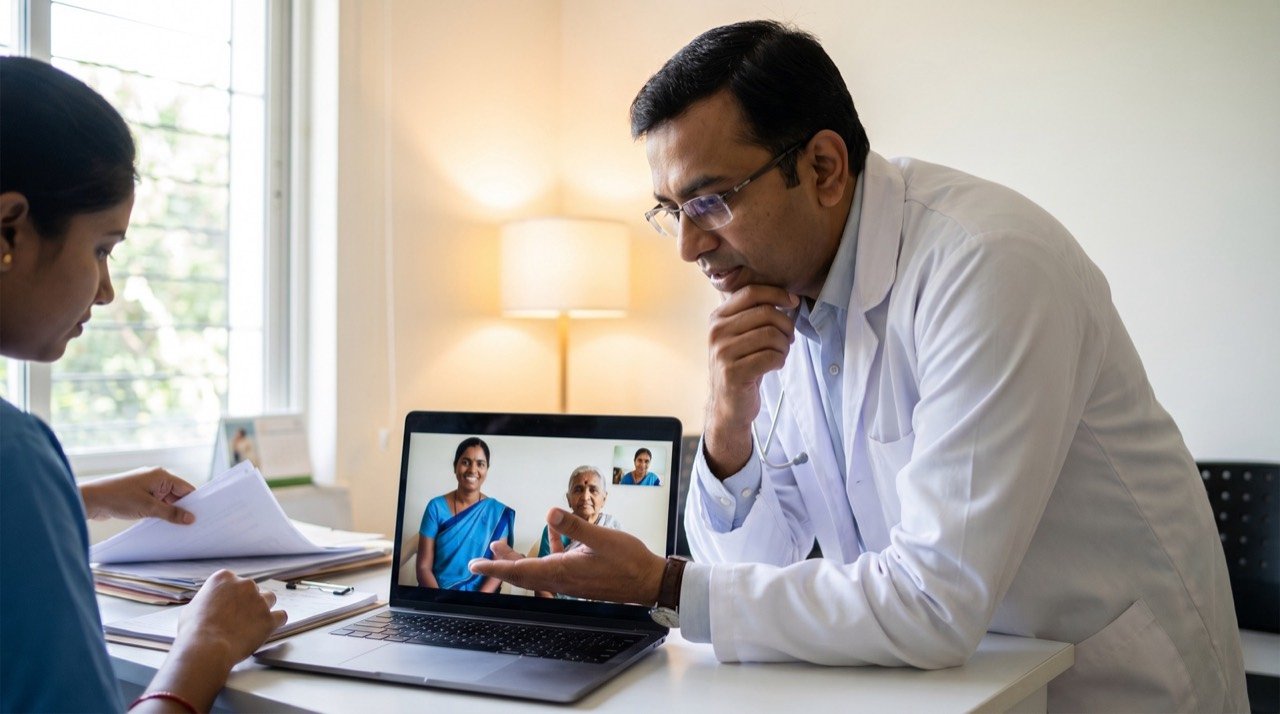
A growing network of digitally connected clinics is bringing specialist consultations and diagnostics within reach of communities that have long struggled to access them. By linking smaller facilities to larger medical centres, the effort seeks to narrow a long-standing gap between the care available in big cities and that on offer in towns and villages. Telemedicine links local health workers with doctors in larger centres, allowing patients to be assessed, referred and followed up without long, costly journeys. For many families, the prospect of seeing a doctor or specialist without travelling great distances removes a barrier that has often delayed or deterred them from seeking care.
The significance of this shift is best understood against the backdrop it is trying to change. For decades, access to specialist medicine in India has tracked geography as much as need: a resident of a large city can typically reach a cardiologist, an oncologist or a diagnostic laboratory within an hour, while a resident of a smaller town or village may face a day's travel, an overnight stay, and lost wages simply to obtain a consultation. That asymmetry has shaped health outcomes for generations, with delayed diagnosis and abandoned treatment plans among its quieter, cumulative costs. A network of linked clinics attacks this problem not by building new hospitals everywhere, which is slow and expensive, but by extending the reach of the specialists who already exist.
How the model works
At the heart of the approach is a connection between frontline health workers in a community and physicians based elsewhere, bridged by technology. A local worker can gather information, share it with a remote doctor and help carry out instructions, effectively extending a specialist's reach far beyond the walls of any single hospital. This arrangement allows patients to be evaluated, directed to the right level of care and monitored over time, smoothing what might otherwise be a fragmented and expensive journey through the health system.
The value of this design lies in its division of labour. The remote doctor supplies judgement and specialist knowledge that would otherwise be unavailable locally; the local worker supplies the physical presence, the trust of the community, and the hands that can take a blood pressure reading, prepare a sample, or explain a treatment plan in a familiar language. Neither role can substitute fully for the other. A screen alone cannot examine a patient, and a local worker alone cannot always diagnose a complex condition. It is the combination, properly supported, that begins to close the gap.
Bridging the gap in everyday care
Health officials say the model is especially valuable for routine care, chronic-disease management and early screening — areas where timely advice can prevent complications. Catching problems early and keeping long-term conditions in check can spare patients more serious illness down the line and reduce the burden on overstretched hospitals. This is where telemedicine's contribution is likely to be most durable. Chronic conditions such as diabetes or hypertension require regular, unglamorous follow-up rather than dramatic intervention, and it is precisely this kind of ongoing monitoring that has historically suffered most when patients live far from a clinic. A consultation that can happen locally, even if the specialist is elsewhere, removes the disincentive that has led many patients to skip check-ups until a problem becomes acute.
As a public-health specialist put it, technology cannot replace a doctor, but it can put one within reach of far more people. That distinction matters. The ambition here is not to automate medicine or to substitute an algorithm for clinical judgement, but to use connectivity as a force multiplier for a workforce that is already stretched thin. Doctors remain scarce relative to India's population, and that scarcity is more acute still outside major cities. Telemedicine does not create more doctors, but it allows the doctors who exist to see more patients, in more places, without each of them having to be physically present everywhere at once.
The hurdles ahead
Experts caution that connectivity, training and data privacy must keep pace with the rollout for the gains to be durable. Reliable internet access in remote areas, adequate preparation for the health workers who staff the clinics, and safeguards for sensitive medical information are all essential if the system is to earn trust and function well. Each of these conditions carries its own risk if neglected. Patchy internet turns a promising consultation into a frozen screen and a wasted appointment. Undertrained local staff may struggle to relay symptoms accurately or to operate diagnostic equipment correctly, undermining the quality of the very assessments the model depends on. And weak data protections risk exposing patients' medical histories at precisely the moment when digital records are becoming more central to how care is delivered.
These are not abstract concerns. Trust is the currency on which any health intervention depends, and it is more easily lost than earned. A community that has a poor first experience with a telemedicine clinic — a missed diagnosis, a leaked record, a technical failure during an urgent case — may be reluctant to return, even if later visits are handled well. This makes the sequencing of the rollout as important as its scale. Expanding the number of connected clinics without first securing the infrastructure, staffing and privacy safeguards behind them risks building a system that looks impressive in aggregate but disappoints at the point of contact.
What is at stake for different stakeholders
For patients in underserved areas, the promise is straightforward: shorter distances to travel, fewer lost workdays, and earlier access to specialist opinion. For local health workers, the model offers an expanded role and, potentially, professional growth, provided the training that accompanies it is substantive rather than nominal. For doctors based in larger centres, telemedicine offers a way to extend their impact without relocating, though it also raises questions about workload and how consultations delivered remotely are compensated and regulated. For policymakers, the appeal is a relatively cost-effective way to widen access to care without the capital expense of building new hospitals in every underserved district. Each of these interests points in a broadly similar direction, but each also has a stake in the details — the quality of training, the reliability of the network, the fairness of workload — being got right rather than merely announced.
The outlook
As the network expands, the lasting impact will hinge on whether the supporting foundations — infrastructure, skilled staff and strong privacy protections — are built up alongside it. Done well, the digital health push could meaningfully widen access to care; done poorly, it risks falling short of its promise for the very communities it aims to serve. The coming period will likely serve as a test of implementation rather than of concept: the idea that connectivity can extend medical expertise is well established, but whether it can be delivered reliably, safely and at scale in India's more remote geographies remains to be demonstrated clinic by clinic.
The NE Times View
Telemedicine can genuinely shrink India's rural doctor gap, but a video call is only as good as the connectivity, electricity and trained staff behind it. Diagnostics still need feet on the ground. The danger is mistaking app downloads for actual care. Done right, this widens access; done as a dashboard exercise, it becomes another scheme that looks better in slides than in the village clinic. The measure of success will not be the number of clinics connected on a map, but whether a patient in a small town can, on an ordinary day, be seen, understood and properly cared for without having to travel half a day to do so.
Key takeaways
- A network of digitally linked clinics connects local health workers with specialists at larger centres, allowing assessment, referral and follow-up without long journeys.
- The model is considered especially useful for routine care, chronic-disease management and early screening, where timely advice can prevent complications.
- Officials and experts stress that technology extends a doctor's reach rather than replacing clinical judgement or physical diagnostics.
- Reliable connectivity, well-trained local staff and robust data privacy safeguards are described as essential conditions for the model to succeed.
- The initiative's ultimate impact will depend on whether infrastructure and safeguards are built up in step with its expansion, rather than the rollout outpacing them.
You may also like to read
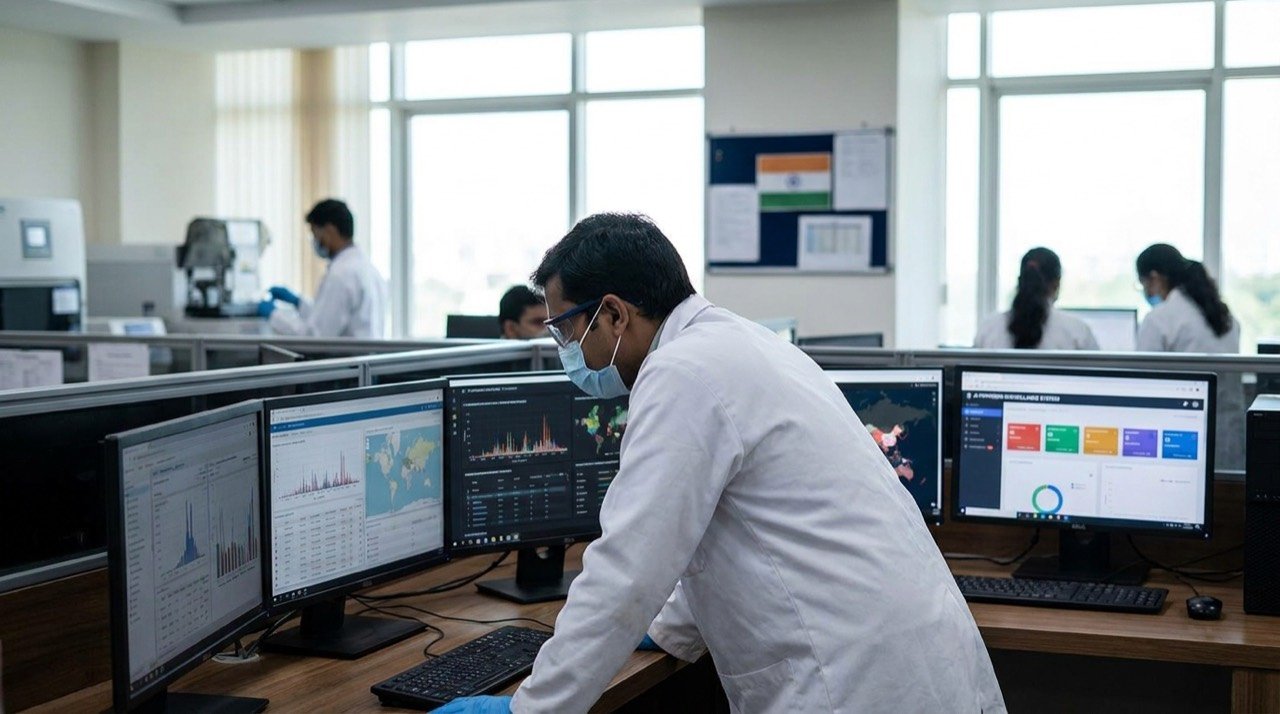
India Bets on AI to Catch the Next Outbreak Under One Health Mission in 2026
Drawing on the hard lessons of COVID-19, the ICMR is inviting proposals for AI systems to detect emerging pathogens across people, animals and the environment, in a bid to predict outbreaks rather than react to them.
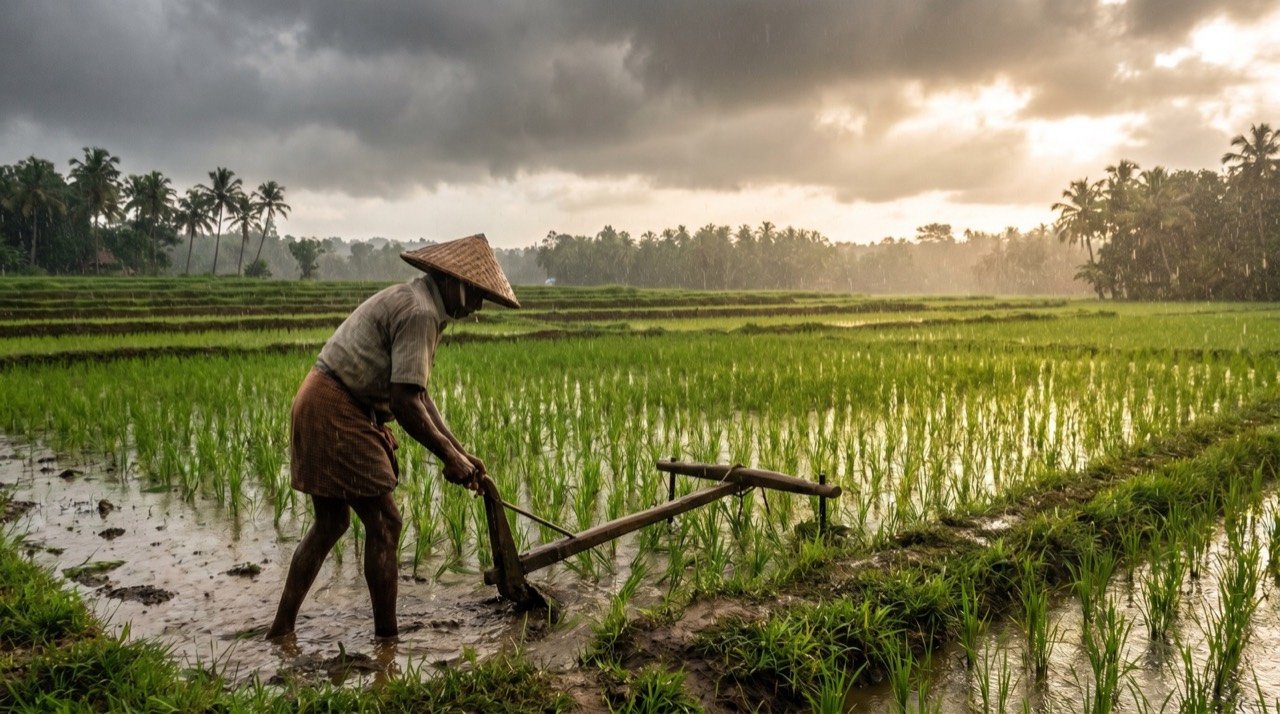
States Brace for Monsoon Fevers as Early Dengue Surge Worries Health Officials
With the southwest monsoon advancing, health departments across India are scrambling to contain dengue, malaria and chikungunya after an unusually early spike in cases reported before the rains even arrived.
India's Second National Mental Health Survey Reframes Wellbeing as the Goal
As NIMHANS conducts India's second National Mental Health Survey, researchers are shifting the lens from illness to wellness, amid mounting evidence that young Indians are struggling more than ever.
India's HPV Vaccination Drive Gathers Pace in Push Against Cervical Cancer
Months after the nationwide rollout began, India's free HPV vaccination campaign for adolescent girls is reaching deeper into states as authorities race to dent the country's heavy cervical cancer burden.
More from this section
More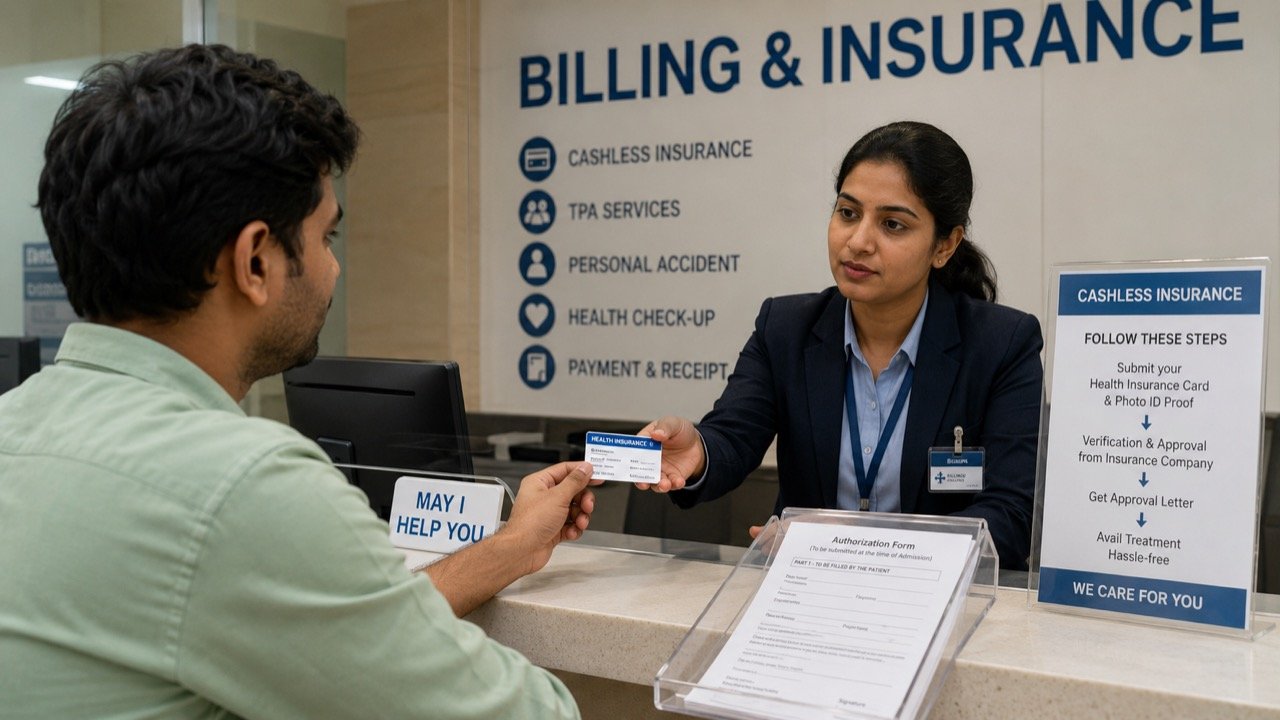
Health Insurance: Why Hospital Cashless Status Matters Before You Buy
Whether a hospital sits inside an insurer's cashless network can decide if a family pays lakhs upfront during an emergency or walks in with paperwork alone, making it a first-order question for policy buyers.
Jharkhand Teen Dies During Fracture Treatment; CM Orders Probe
The death of a Jharkhand teenager during treatment for a reported fracture has led to family allegations of medical negligence and an official probe ordered by the Chief Minister into what went wrong.
Aarogya Setu 2.0 Returns as India's Personal Health Record App
The pandemic-era contact tracing app has been relaunched as a personal health record platform, betting that portable medical data can find a place in India's growing digital health ecosystem.