India's HPV Vaccination Drive Gathers Pace in Push Against Cervical Cancer
Months after the nationwide rollout began, India's free HPV vaccination campaign for adolescent girls is reaching deeper into states as authorities race to dent the country's heavy cervical cancer burden.
Commentary & Analysis ·
India's ambitious effort to protect a generation of girls from cervical cancer is moving from launch fanfare to ground-level grind. Since the nationwide HPV vaccination campaign began earlier this year, health workers have been fanning out across schools and primary health centres to reach roughly 1.15 crore girls aged 14, in what officials call one of the largest immunisation pushes ever attempted against a cancer. The shift from announcement to implementation is where most public health programmes in India either find their footing or begin to falter, and the coming months will show which path this one takes.
Why the stakes are so high
India records over 120,000 new cervical cancer cases and around 80,000 deaths every year, accounting for nearly a quarter of the world's cervical cancer fatalities. That is a striking, almost uncomfortable statistic for a country that otherwise speaks of itself as a rising economic power: a single, largely preventable cancer claims tens of thousands of women's lives annually, many of them in their productive years, leaving behind families and dependents. The overwhelming majority of these cases are linked to the human papillomavirus and are preventable through timely vaccination, which places cervical cancer in a rare category among cancers, one with a clear, evidence-backed pathway to elimination rather than merely improved treatment. This is precisely why public health specialists have long argued that HPV vaccination should be treated not as an optional add-on to India's immunisation calendar but as a central pillar of it. A disease that kills at this scale, and that can be meaningfully interrupted with a vaccine administered in adolescence, represents one of the more efficient uses of public health resources available to any government.
How the programme is structured
The free programme uses a quadrivalent vaccine offered at government facilities, with girls who turn 15 within a defined window also made eligible during the intensive phase. This catch-up provision matters because adolescent health programmes often struggle with precise age-based cut-offs; a rigid single-year target risks excluding girls who are administratively just outside the window but medically just as much in need of protection. Authorities are leaning on the school system and the digital health infrastructure to track coverage and follow-up doses, an approach that reflects lessons learned from earlier immunisation drives in India, where paper-based tracking often led to missed second doses and undercounted coverage. Using schools as delivery points is also a pragmatic choice: it allows health workers to reach large numbers of girls in a single, structured setting rather than relying solely on families to bring children to health centres, which tends to favour those with more resources and awareness.
Trust, hesitancy and the long road
The campaign carries the weight of history. A regulatory controversy more than a decade ago left a residue of hesitancy around HPV vaccines in parts of the country, and health communicators say rebuilding parental confidence is as important as the cold chain itself. This is a crucial point that is easy to overlook amid discussions of logistics and coverage targets. A vaccine that sits unused in a clinic freezer because parents are wary, or because rumours have taken root in a community, achieves nothing. Public health campaigns of this kind succeed or fail as much on communication as on cold storage and supply chains. Counselling sessions for families and teachers have been built into the rollout, an acknowledgment that trust cannot be assumed; it has to be actively rebuilt, conversation by conversation, especially in districts where memories of the earlier controversy linger. Teachers, in particular, occupy a position of unusual trust in many Indian communities, and involving them as intermediaries between health authorities and sceptical parents is a sensible, if labour-intensive, strategy.
What the programme covers, and what it does not
It is worth being precise about the scope of the current drive. The target group is girls aged 14, with a defined catch-up window for those turning 15. The vaccine is free at government facilities across all states and union territories, which removes cost as a barrier for the intended cohort. Cervical cancer is largely preventable when vaccination is paired with screening, a qualification that deserves emphasis: vaccination protects future generations, but it does nothing for women who are already past the age where the vaccine is effective or who have already been exposed to the virus. Community counselling aims to counter long-standing vaccine hesitancy, but that counselling effort is only as strong as the reach of the health workers delivering it, and reach tends to be uneven across India's more remote and underserved districts.
The unfinished half of the equation: screening
Experts caution that vaccination alone will not eliminate cervical cancer; it must be matched with scaled-up screening for older women who missed the vaccine window. This is arguably the harder and less visible half of the elimination strategy. Vaccination campaigns generate their own momentum: a defined target age group, a school-based delivery mechanism, and a finite campaign period create natural urgency and visibility. Screening programmes for adult women lack that built-in structure, and expanding them requires sustained investment in diagnostic infrastructure, trained personnel and follow-up care, none of which carries the same immediate political or media appeal as a vaccination drive. The World Health Organization's elimination targets require high coverage sustained over years, and India's challenge will be maintaining momentum once the initial campaign energy fades, a pattern that has undone previous public health initiatives once the television cameras and inaugural events move on. As one oncologist involved in public health advocacy put it, a vaccine in the vial saves no one; it is the vaccine in the arm, and the trust behind it, that prevents cancer. That framing captures the entire challenge succinctly: procurement and announcements are the easy part; delivery, follow-through and trust are where the real work lies.
The generational payoff, if it holds
If coverage holds, public health planners believe India could see a measurable decline in cervical cancer rates among today's adolescents by the time they reach adulthood, a generational payoff that would reshape the country's cancer map. That is a significant if. Public health gains of this nature are rarely won in a single campaign year; they depend on unglamorous, repeated effort across school cycles, health worker rotations and shifting political priorities. Yet the scale of the potential benefit is difficult to overstate. A country that currently bears a quarter of the world's cervical cancer deaths could, within a generation, meaningfully reduce that burden, provided the current pace of vaccination is sustained rather than allowed to taper off once the initial phase concludes.
The NE Times View
Cervical cancer kills tens of thousands of Indian women annually despite being one of the most preventable cancers, so a free HPV drive reaching deeper into states is genuinely consequential public health. The gain, however, will be measured not in doses dispatched but in adolescent girls actually vaccinated, especially in underserved districts where health infrastructure and parental trust are both thinner. Sustained school outreach and countering misinformation matter more than launch-day numbers, and it is these unglamorous, ongoing efforts, rather than any single announcement, that will determine whether this campaign becomes the turning point its planners hope for or simply another well-intentioned initiative that loses steam once the initial push fades.
Key takeaways
- India's HPV vaccination drive targets roughly 1.15 crore girls aged 14, with a catch-up window for those turning 15, using a free quadrivalent vaccine at government facilities nationwide.
- Cervical cancer causes around 80,000 deaths in India each year, nearly a quarter of the global total, despite being largely preventable through vaccination and screening.
- Rebuilding parental trust, strained by a regulatory controversy over a decade ago, is being treated as seriously as logistics, with counselling built into the school-based rollout.
- Vaccination alone will not eliminate the disease; scaled-up screening for older women who missed the vaccine window remains a necessary, less visible complement.
- Long-term success depends on sustaining coverage over years, per WHO elimination benchmarks, well beyond the visibility of the campaign's launch phase.
You may also like to read
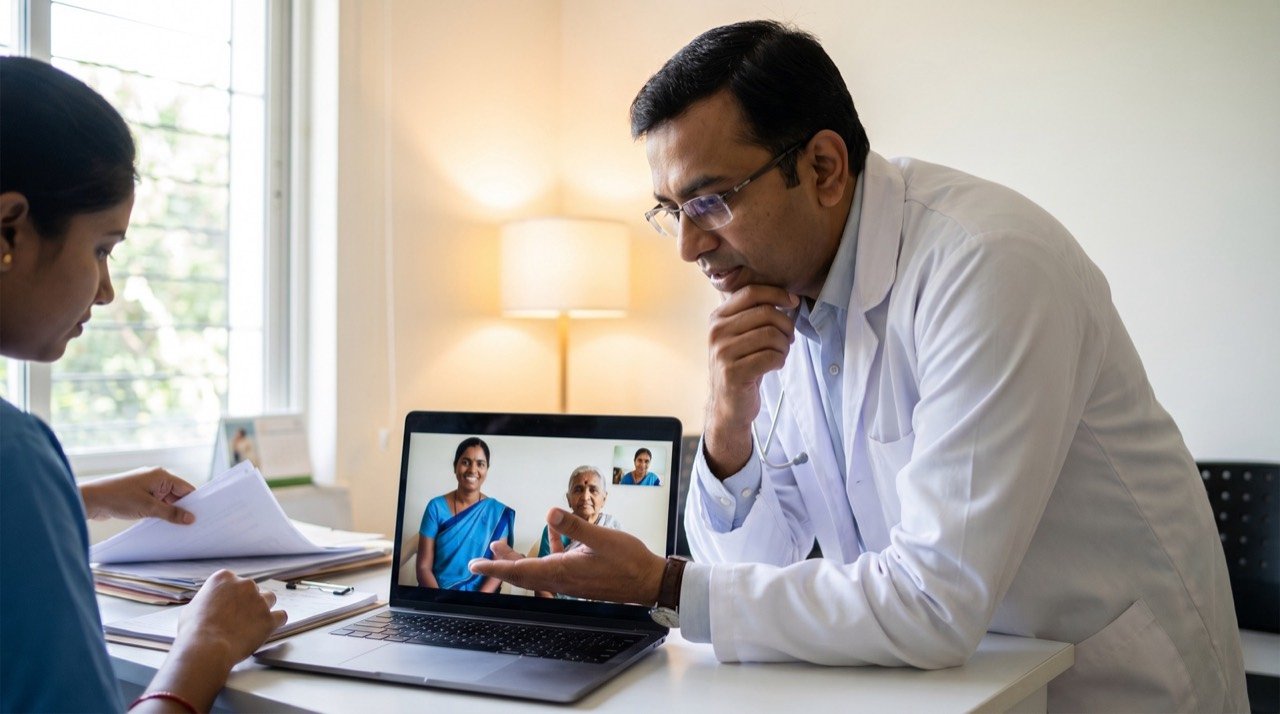
Digital Health Push Brings Telemedicine to More Towns and Villages
A nationwide effort to connect clinics digitally is widening access to doctors and diagnostics far beyond the big cities.
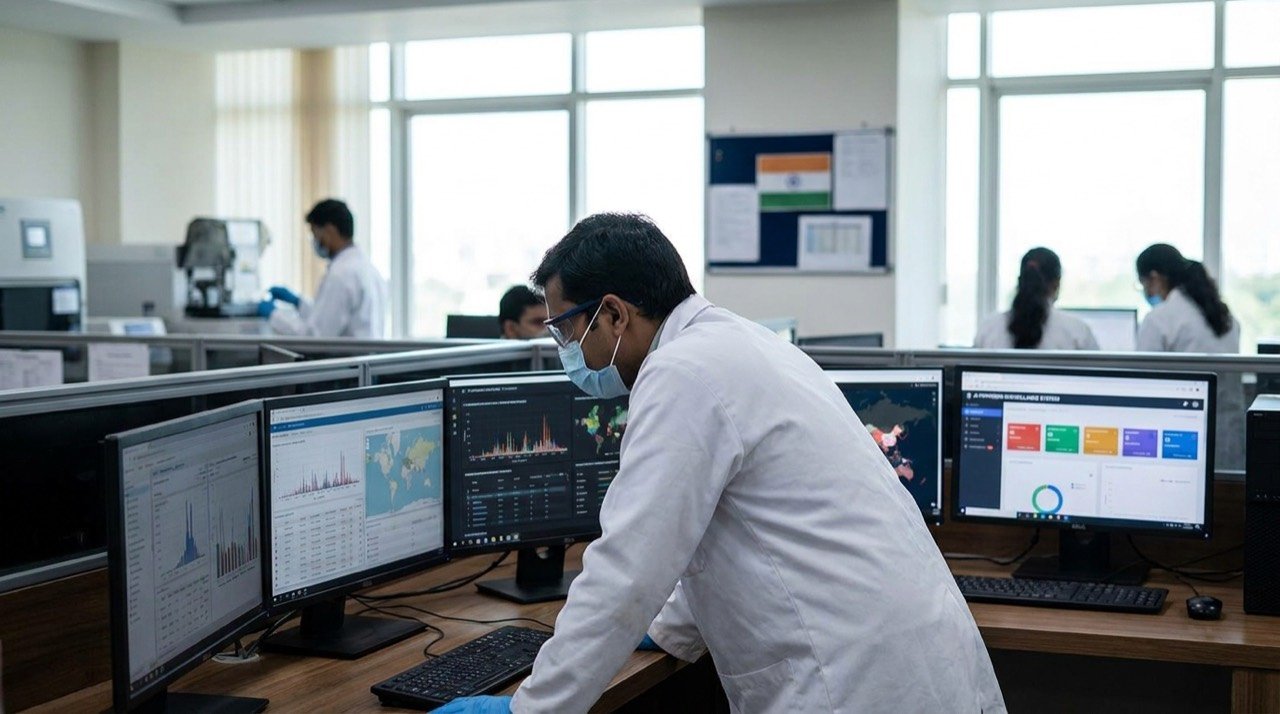
India Bets on AI to Catch the Next Outbreak Under One Health Mission in 2026
Drawing on the hard lessons of COVID-19, the ICMR is inviting proposals for AI systems to detect emerging pathogens across people, animals and the environment, in a bid to predict outbreaks rather than react to them.

Maharashtra Orders Statewide Blood Centre Checks After FDA Shutdowns
After the Food and Drug Administration shut two blood centres, Maharashtra has ordered inspections of every facility in the state, putting blood-bank safety, licensing and public trust in health infrastructure under fresh scrutiny.
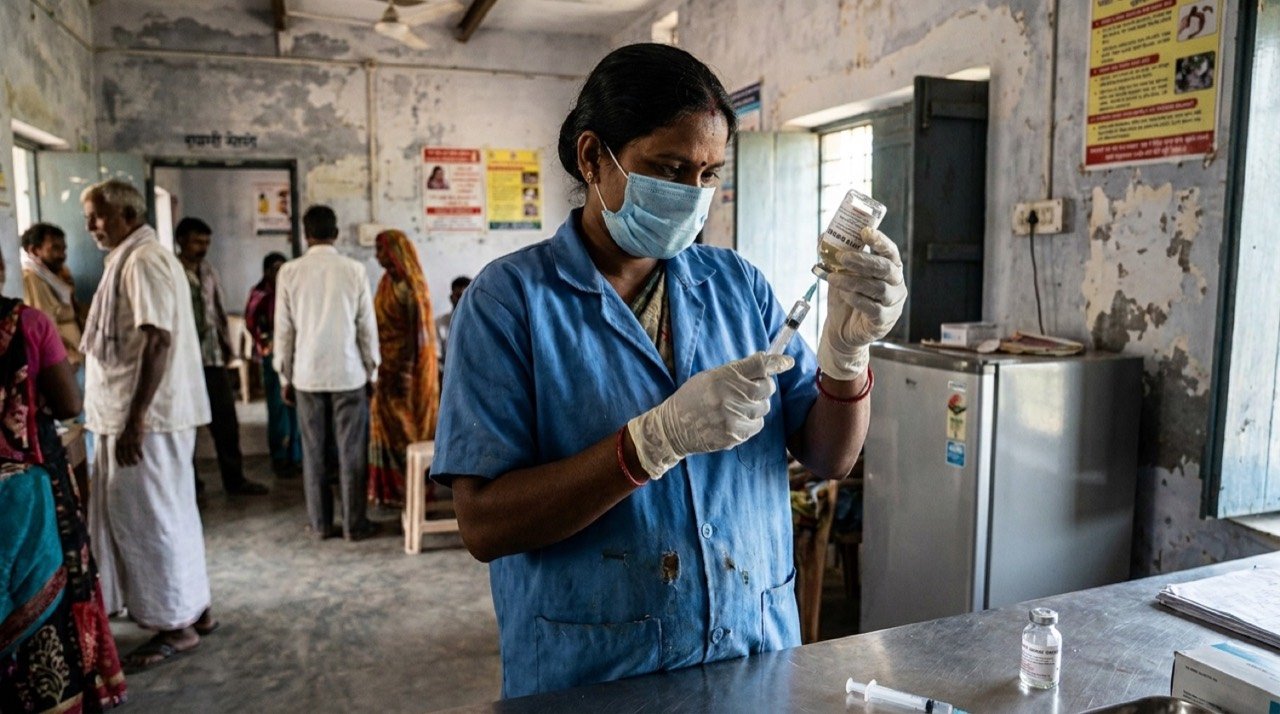
Pune Toddler's Death Renews Focus on India's Snakebite Reporting and Treatment Rules
A cobra bite that killed a toddler in Pune district has reopened questions about hospital reporting, fast anti-venom access and the deadly cost of delayed treatment in rural India.
More from this section
More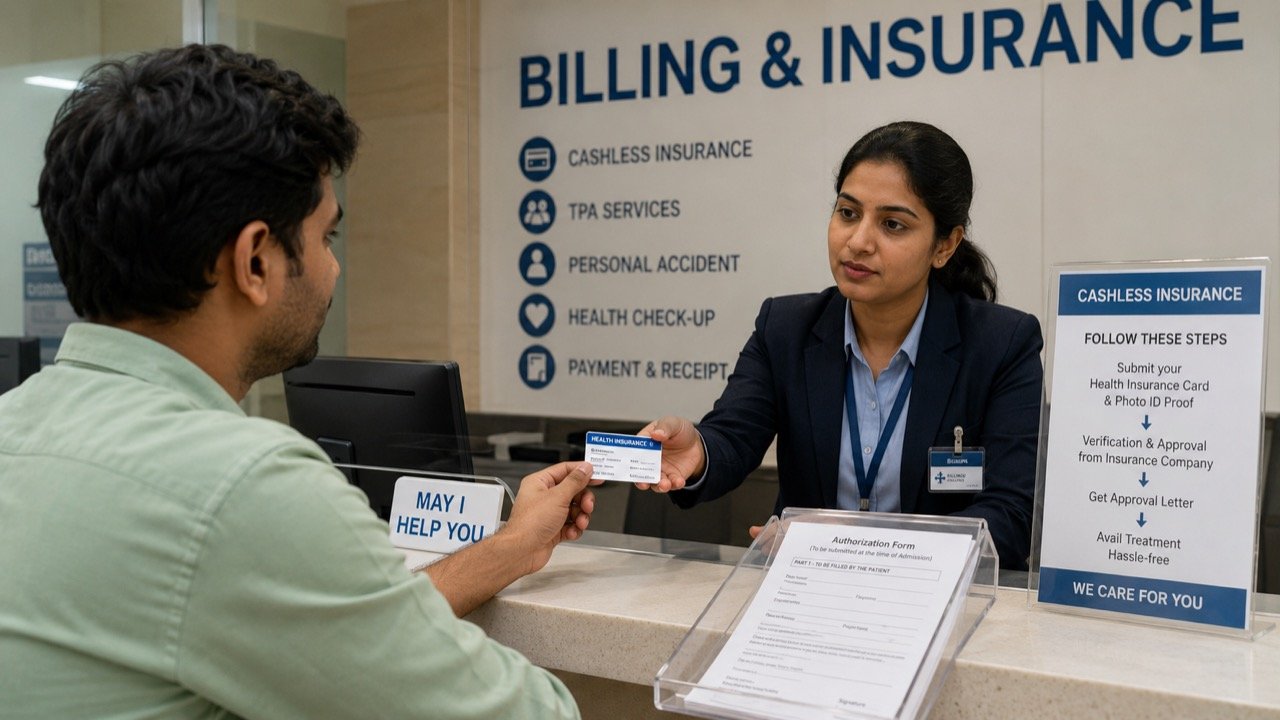
Health Insurance: Why Hospital Cashless Status Matters Before You Buy
Whether a hospital sits inside an insurer's cashless network can decide if a family pays lakhs upfront during an emergency or walks in with paperwork alone, making it a first-order question for policy buyers.

Jharkhand Teen Dies During Fracture Treatment; CM Orders Probe
The death of a Jharkhand teenager during treatment for a reported fracture has led to family allegations of medical negligence and an official probe ordered by the Chief Minister into what went wrong.
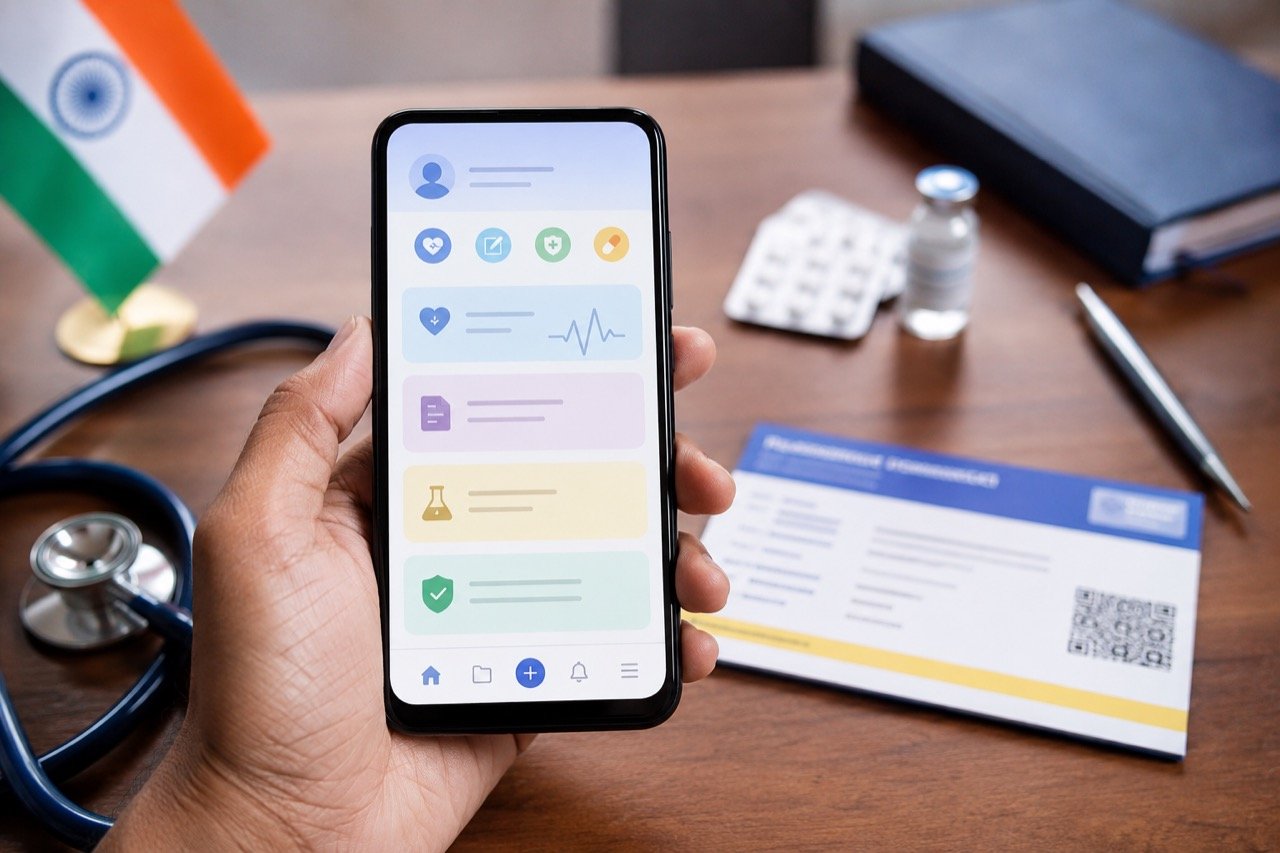
Aarogya Setu 2.0 Returns as India's Personal Health Record App
The pandemic-era contact tracing app has been relaunched as a personal health record platform, betting that portable medical data can find a place in India's growing digital health ecosystem.