States Brace for Monsoon Fevers as Early Dengue Surge Worries Health Officials
With the southwest monsoon advancing, health departments across India are scrambling to contain dengue, malaria and chikungunya after an unusually early spike in cases reported before the rains even arrived.
Commentary & Analysis ·
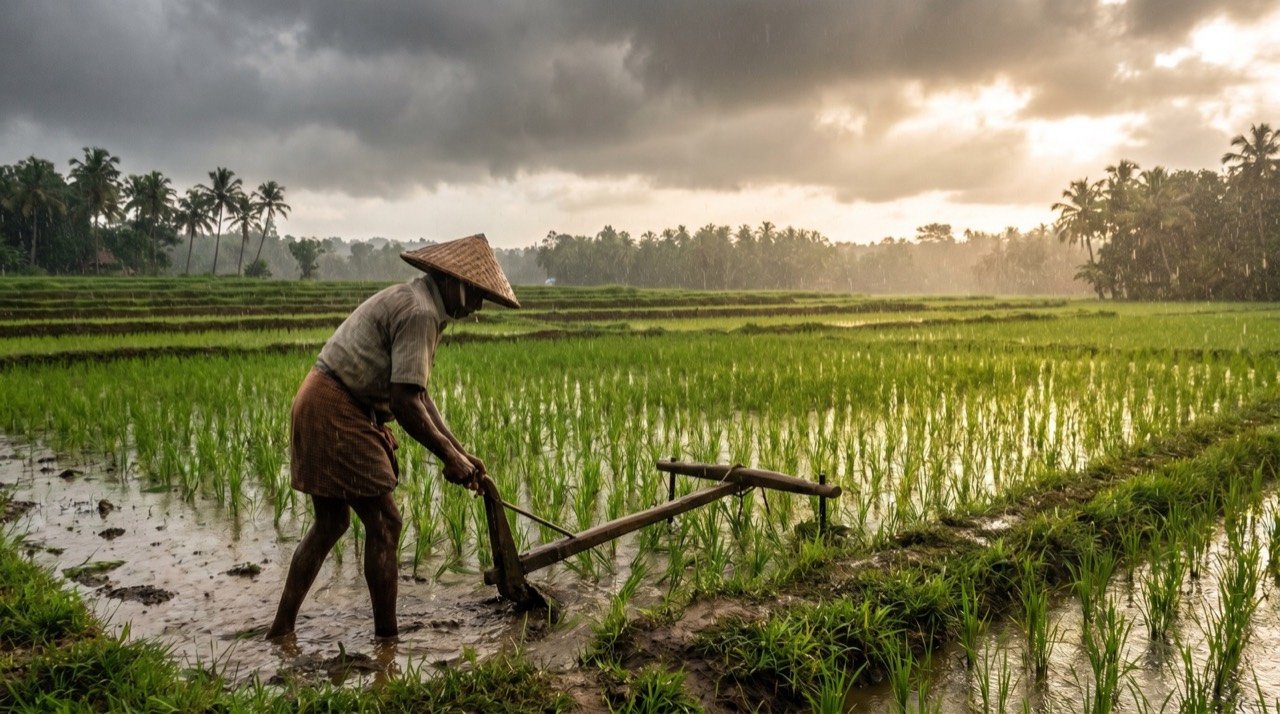
As the southwest monsoon sweeps across the subcontinent, India's health machinery is bracing for its annual battle with vector-borne disease, and this year officials are unusually worried. Hospitals in several cities reported a rise in suspected dengue cases well before the rains arrived, a shift that public health experts say signals a longer, harder fever season ahead. State surveillance teams have been put on alert from Kerala to the Gangetic plains.
An early start to the fever season
Dengue has traditionally shown a sharp post-monsoon peak, but data this year point to transmission beginning months ahead of schedule. The National Center for Vector Borne Diseases Control has flagged that early case counts in 2026 outpaced the corresponding figures from recent years, with urban centres seeing year-round circulation rather than a clean seasonal wave.
Specialists attribute the change to warmer winters, erratic rainfall and rapid, unplanned urbanisation that leaves stagnant water in construction sites, discarded containers and clogged drains. India accounts for roughly a third of the global dengue burden, and a creeping expansion of the season strains an already stretched system.
What the states are doing
Municipal bodies have intensified fogging, anti-larval spraying and source-reduction drives, while several states have issued advisories asking residents to clear standing water weekly. Fever clinics and rapid-diagnostic stocks are being pre-positioned in district hospitals, and blood banks are bracing for higher demand for platelets as severe dengue cases climb.
- Dengue, malaria, chikungunya and scrub typhus are the leading monsoon vector-borne threats
- Waterborne risks include typhoid, leptospirosis, viral hepatitis and acute diarrhoeal disease
- Source reduction once a week at home remains the single most effective preventive step
- Sudden high fever, severe body ache and a fall in platelet count warrant immediate testing
The road ahead
Public health analysts warn that climate change is steadily decoupling dengue from the monsoon calendar, demanding year-round surveillance rather than seasonal campaigns. The push now is toward integrated fever-management protocols at the primary care level, so that overburdened tertiary hospitals are not left to absorb preventable severe cases.
“Dengue is no longer a monsoon disease in our cities; it is becoming an all-year challenge that needs all-year vigilance.”
— Senior epidemiologist, national vector control programme
With the rains expected to cover most of the country in the coming weeks, the next two months will test whether early warnings translate into early action. For now, officials say the most powerful tool remains community participation in keeping homes and neighbourhoods free of breeding sites.
The NE Times View
A pre-monsoon spike in dengue and malaria is a warning, not a surprise. India's vector-borne calendar is shifting with the climate, yet civic preparedness still treats the rains as a sudden event rather than an annual certainty. The NE Times View: the real test is not emergency fogging once cases climb, but year-round source reduction, drainage and surveillance. States that fund prevention will spare their hospitals; those that wait will pay in beds.
This article is original commentary and analysis by The NE Times. Background facts were referenced from The Hindu and Al Jazeera.
You may also like to read

Dengue Loosens Its Grip on the Monsoon as India Reports Early Cases
Health officials say the once-predictable rainy-season cycle of dengue is blurring, with infections surfacing earlier in the year and surveillance now stretching across almost all twelve months.
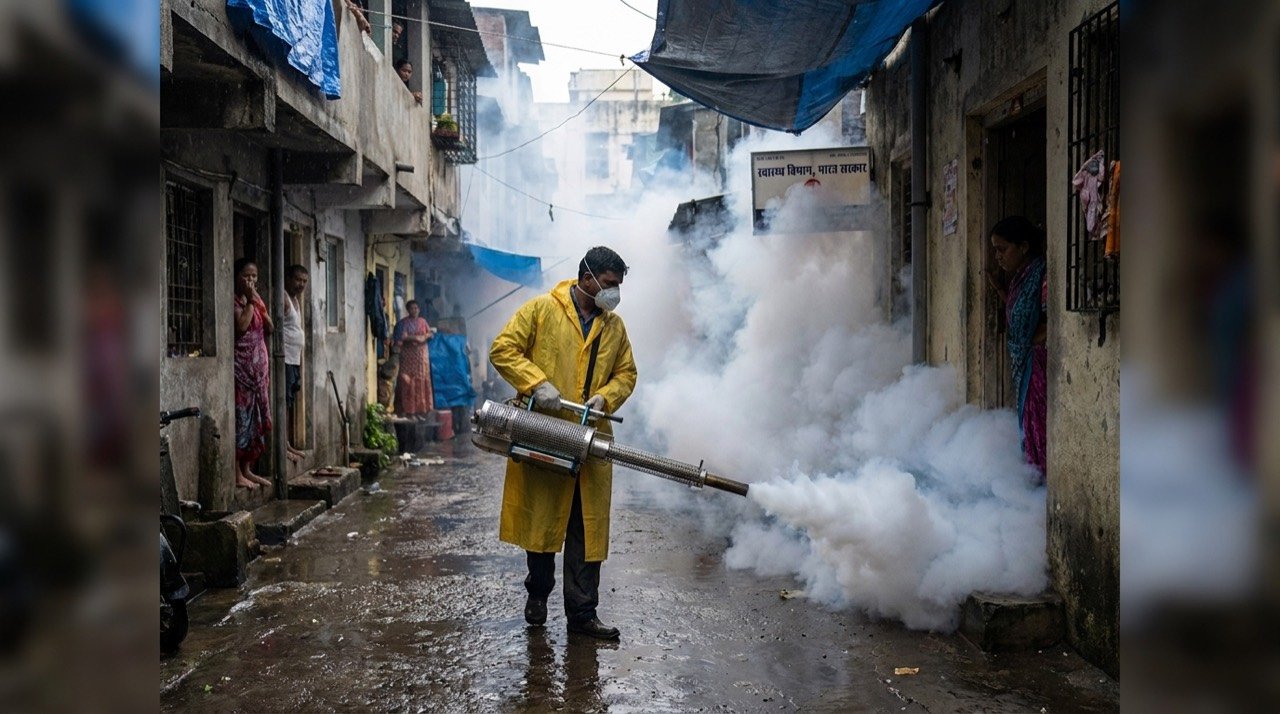
India Braces for Monsoon Disease Season as Cities Ramp Up Vector Surveillance in 2026
With dengue, malaria and chikungunya cases historically peaking after the rains, civic bodies led by Delhi are activating sentinel hospitals and stepping up mosquito control ahead of the dangerous monsoon months.
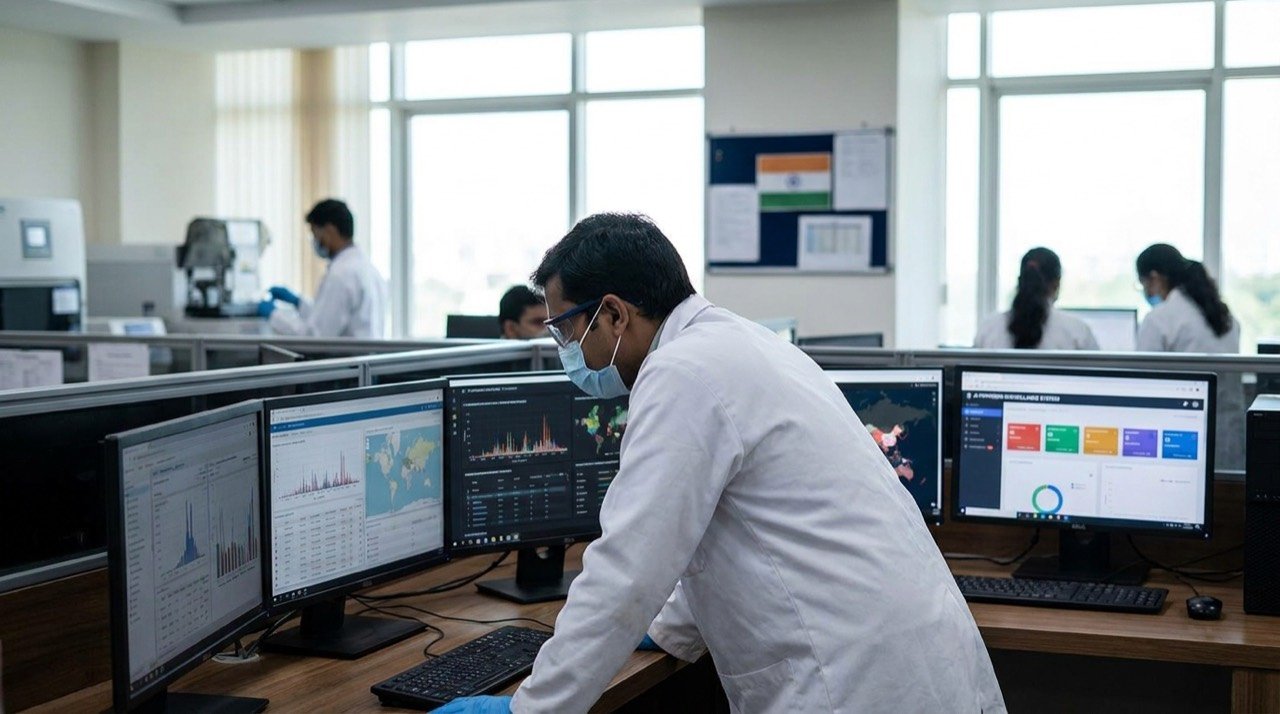
India Bets on AI to Catch the Next Outbreak Under One Health Mission in 2026
Drawing on the hard lessons of COVID-19, the ICMR is inviting proposals for AI systems to detect emerging pathogens across people, animals and the environment, in a bid to predict outbreaks rather than react to them.
Digital Health Push Brings Telemedicine to More Towns and Villages
A nationwide effort to connect clinics digitally is widening access to doctors and diagnostics far beyond the big cities.
More from this section
More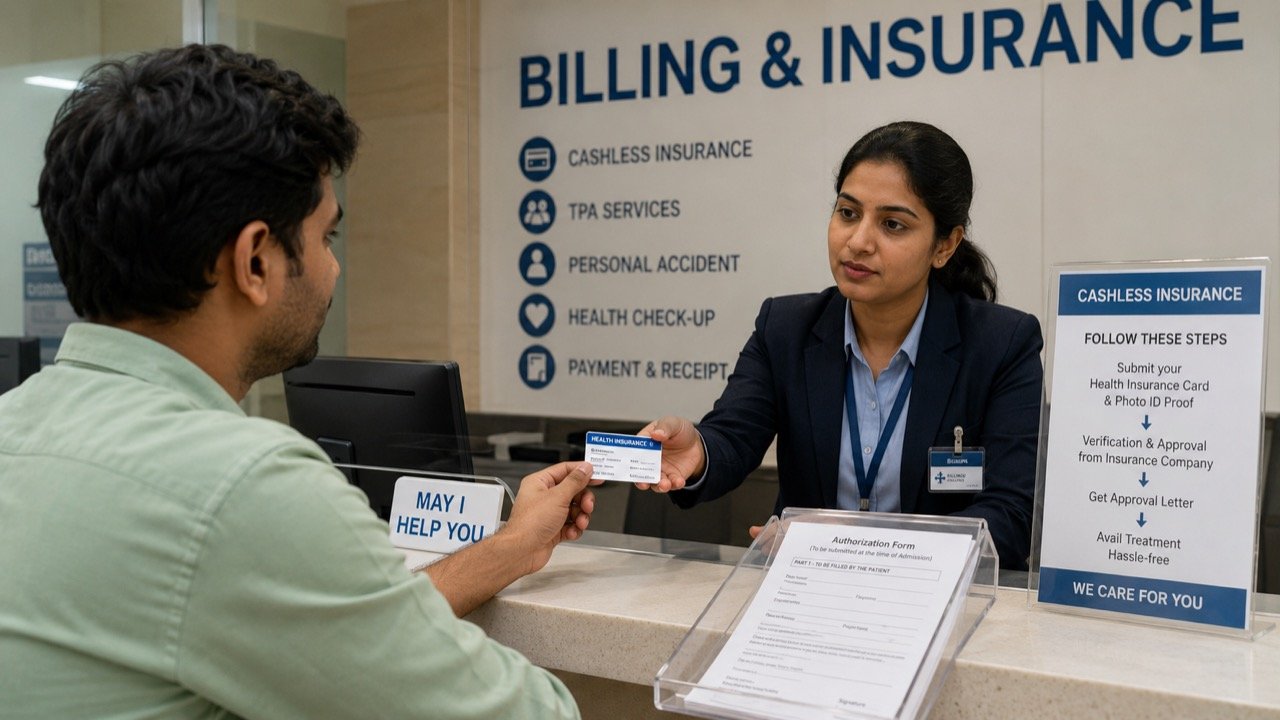
Health Insurance: Why Hospital Cashless Status Matters Before You Buy
Whether a hospital sits inside an insurer's cashless network can decide if a family pays lakhs upfront during an emergency or walks in with paperwork alone, making it a first-order question for policy buyers.

Jharkhand Teen Dies During Fracture Treatment; CM Orders Probe
The death of a Jharkhand teenager during treatment for a reported fracture has led to family allegations of medical negligence and an official probe ordered by the Chief Minister into what went wrong.

Aarogya Setu 2.0 Returns as India's Personal Health Record App
The pandemic-era contact tracing app has been relaunched as a personal health record platform, betting that portable medical data can find a place in India's growing digital health ecosystem.