Jodhpur C-Section Complications Trigger Probe as Eight Women Fall Ill
Eight women developed serious complications, including kidney failure, after Caesarean deliveries at a Jodhpur district hospital, prompting a high-level probe and the closure of its operation theatre.
Commentary & Analysis ·
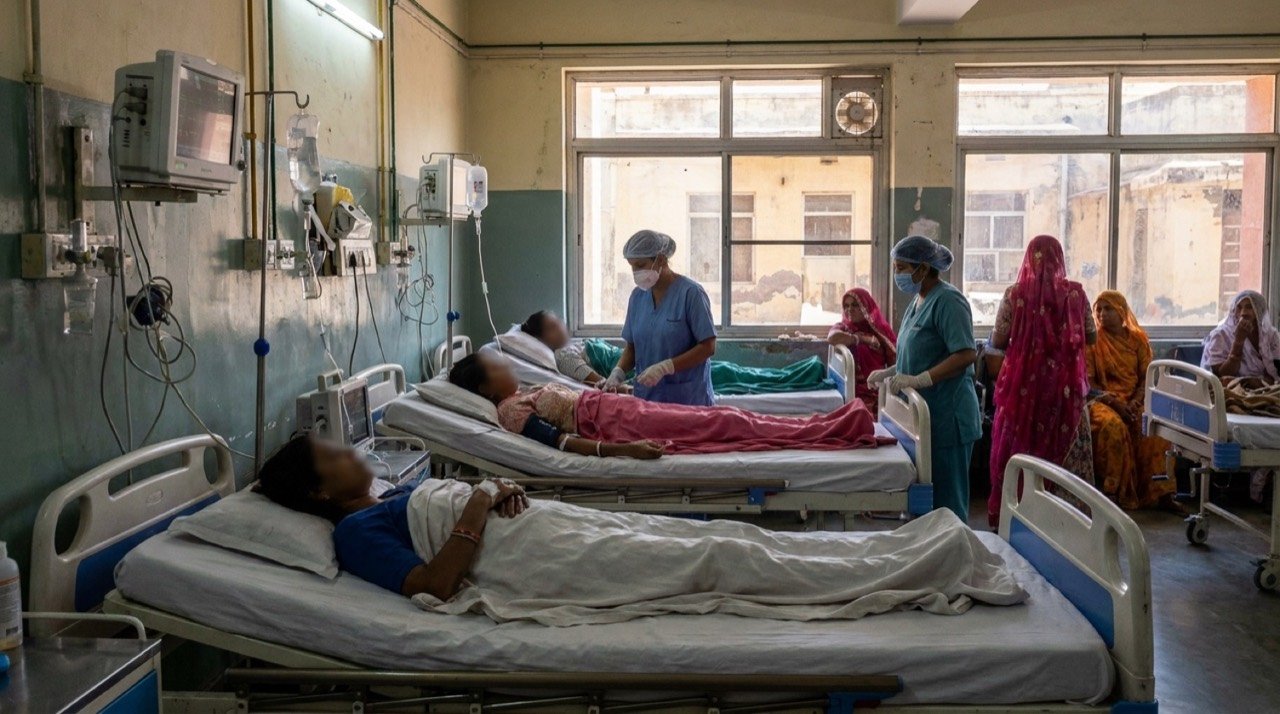
Rajasthan's maternal-health system is under fresh scrutiny after eight women who underwent Caesarean deliveries at the Paota District Hospital in Jodhpur developed serious complications, with two slipping into critical condition. State authorities have ordered a high-level inquiry and the hospital has temporarily shut its operation theatre, as the episode revives uncomfortable questions about safety in the state's public obstetric care.
What happened in Jodhpur
The women, all of whom had C-sections at the Paota facility, complained of excessive bleeding and low blood pressure soon after surgery. Their conditions deteriorated rapidly, and several developed severe kidney complications. Two patients with serious kidney infections were referred to Mathuradas Mathur Hospital, where they are being treated in the intensive care unit.
In response, the hospital administration suspended surgeries by closing the operation theatre, a precautionary step intended to prevent further harm while investigators examine what went wrong. A team has been tasked with determining whether the cause lies in surgical technique, post-operative care, infection control, drugs or other lapses.
Part of a wider pattern
The Jodhpur cases do not stand in isolation. They follow a cluster of maternal deaths elsewhere in Rajasthan that has alarmed health officials and the public alike. A probe into the deaths of five pregnant women at a hospital in Kota, after Caesarean deliveries the previous month, identified medical negligence and other shortcomings as contributing factors.
Reports have also pointed to postpartum kidney complications surfacing at a hospital in Bikaner, with the Health Minister indicating that a team from Jodhpur was being despatched to investigate. The recurrence of severe post-Caesarean complications across multiple districts has fed concern about systemic weaknesses rather than isolated errors.
The questions the probe must answer
Investigators face a familiar but critical set of questions: were the complications linked to a common factor such as a contaminated batch of medication or fluids, to lapses in sterilisation and infection control, or to gaps in monitoring and emergency response after surgery. The answers will shape not only accountability in these specific cases but also the corrective measures applied across Rajasthan's maternity wards.
- Eight women developed complications after C-sections at Paota District Hospital, Jodhpur.
- Symptoms included excessive bleeding, low blood pressure and kidney failure.
- Two critically ill patients were referred to Mathuradas Mathur Hospital's ICU.
- The hospital's operation theatre has been temporarily closed.
- The cases follow a Kota probe that found medical negligence in five maternal deaths.
“A team from Jodhpur is en route to investigate the postpartum complications, and we will act on its findings.”
— Rajasthan Health Minister
For families and expectant mothers across Rajasthan, the immediate priority is the recovery of those in intensive care. But the broader test will be whether the state translates these investigations into durable safeguards, from stricter infection control and supply-chain checks to better post-operative monitoring, so that routine surgeries no longer carry such grave risk.
The NE Times View
Eight women suffering kidney failure after routine Caesareans points to something systemic, contaminated fluids, drugs or sterilisation lapses, not bad luck. Shutting the operation theatre and ordering a probe is the bare minimum. The deeper question is why India's district hospitals keep producing such clusters, and whether the inquiry names procurement and supervision failures or settles for blaming a single shift of staff.
This article is original commentary and analysis by The NE Times. Background facts were referenced from The Federal and Free Press Journal.
You may also like to read

Jharkhand Teen Dies During Fracture Treatment; CM Orders Probe
The death of a Jharkhand teenager during treatment for a reported fracture has led to family allegations of medical negligence and an official probe ordered by the Chief Minister into what went wrong.
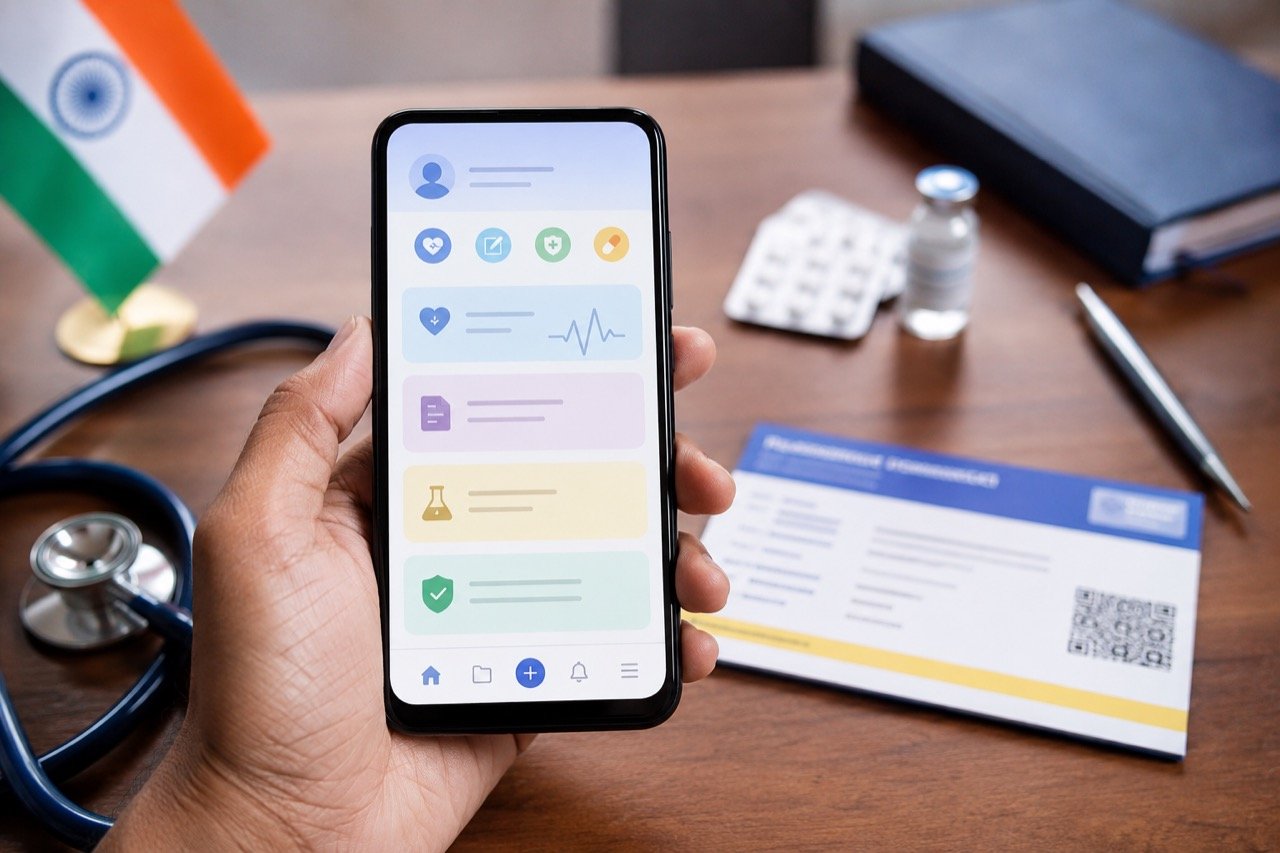
Aarogya Setu 2.0 Returns as India's Personal Health Record App
The pandemic-era contact tracing app has been relaunched as a personal health record platform, betting that portable medical data can find a place in India's growing digital health ecosystem.
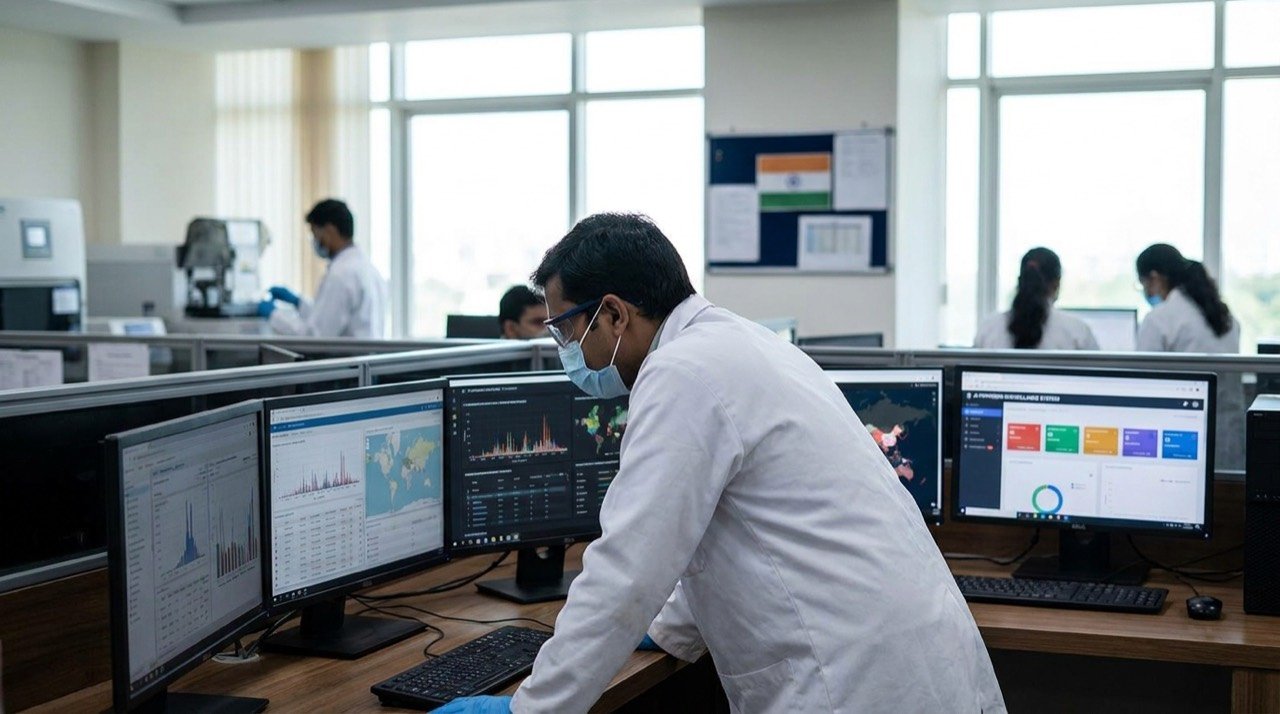
India Bets on AI to Catch the Next Outbreak Under One Health Mission in 2026
Drawing on the hard lessons of COVID-19, the ICMR is inviting proposals for AI systems to detect emerging pathogens across people, animals and the environment, in a bid to predict outbreaks rather than react to them.

Maharashtra Orders Statewide Blood Centre Checks After FDA Shutdowns
After the Food and Drug Administration shut two blood centres, Maharashtra has ordered inspections of every facility in the state, putting blood-bank safety, licensing and public trust in health infrastructure under fresh scrutiny.
More from this section
More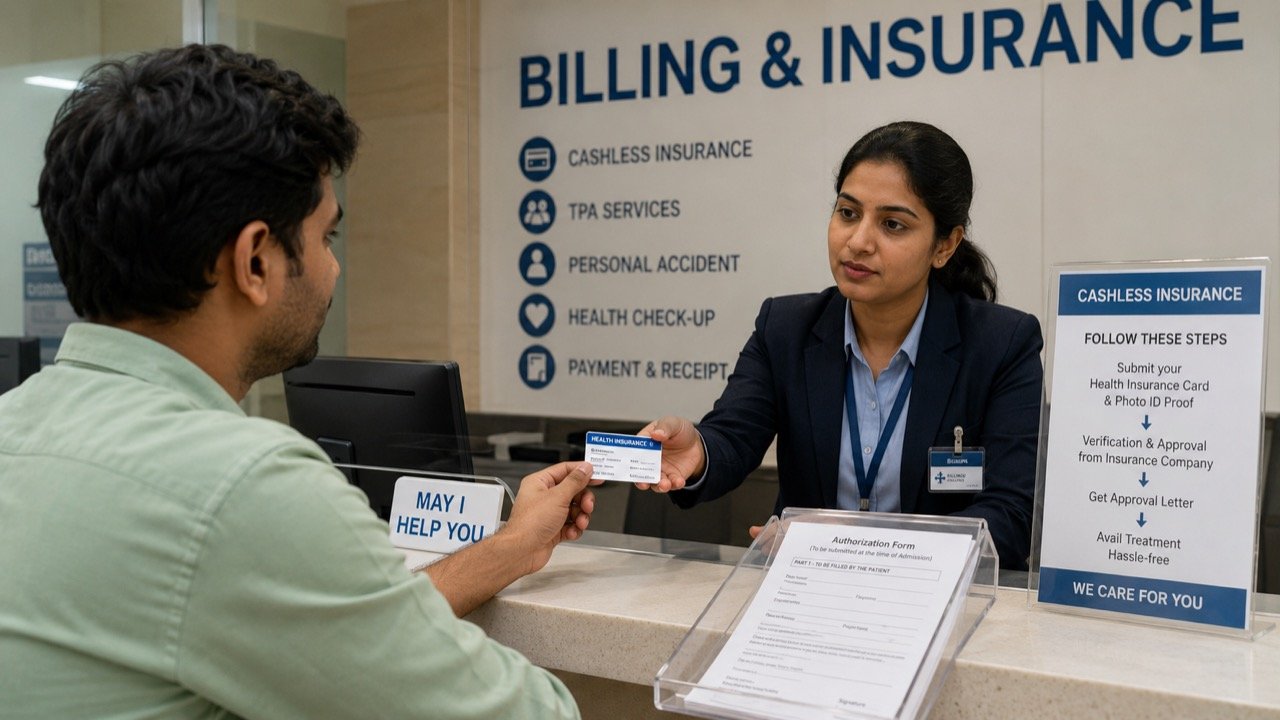
Health Insurance: Why Hospital Cashless Status Matters Before You Buy
Whether a hospital sits inside an insurer's cashless network can decide if a family pays lakhs upfront during an emergency or walks in with paperwork alone, making it a first-order question for policy buyers.
Jharkhand Teen Dies During Fracture Treatment; CM Orders Probe
The death of a Jharkhand teenager during treatment for a reported fracture has led to family allegations of medical negligence and an official probe ordered by the Chief Minister into what went wrong.
Aarogya Setu 2.0 Returns as India's Personal Health Record App
The pandemic-era contact tracing app has been relaunched as a personal health record platform, betting that portable medical data can find a place in India's growing digital health ecosystem.