Sleep, Longevity and Gut Health Define India's Wellness Reset in 2026
India's wellness conversation is maturing from quick fixes to prevention, with better sleep, longevity tracking, gut-friendly diets and sober-curious living emerging as the dominant health priorities of 2026.
Commentary & Analysis ·
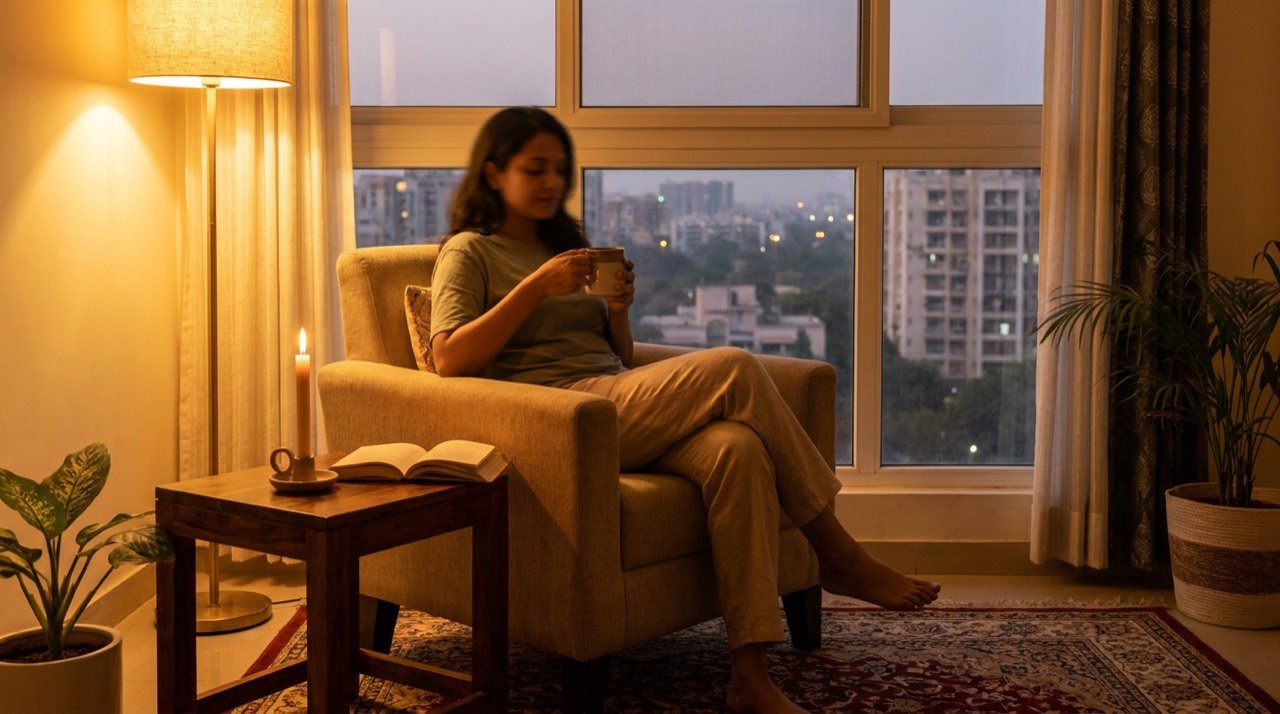
India's wellness industry is in the middle of a quiet reinvention. The frantic search for quick fixes and crash transformations is giving way, in 2026, to a more patient and preventive philosophy built around four ideas: better sleep, longer healthspan, a healthier gut and more conscious consumption. Together they mark a shift from looking good fast to feeling well for longer, and the change is significant enough to reshape how Indian consumers spend money, how brands position products, and how the health establishment talks about disease prevention.
For a market long defined by fad diets, detox teas and appearance-first fitness culture, this is a notable departure. It suggests a consumer base that is growing more sophisticated about what actually improves health outcomes over a lifetime, rather than what delivers a visible result within weeks. That shift in mindset, more than any single product category, is the real story of India's wellness reset.
Sleep finally takes centre stage
After years of being treated as expendable, sleep has become a headline wellness priority. Surveys point to a sleep-deprived country, with better rest now the top wellness goal for millennials and a close second for Gen Z. This is a striking reversal for a culture that has often valorised long working hours and treated a full night's rest as a luxury rather than a necessity.
Demand is rising for structured daily rhythms, digital detox routines and calmer evening environments designed to reset the body's circadian clock naturally. That such demand is emerging organically, without the state or employers driving it, points to a grassroots recognition that chronic sleep debt carries real costs: impaired concentration, weakened immunity, and long-term metabolic and cardiovascular risk.
The category is still nascent in India, which experts say leaves significant room for growth in everything from sleep-supportive nutrition to bedroom design and screen-free wind-down rituals. This is worth dwelling on. Markets such as the United States and parts of Europe have already built substantial commercial ecosystems around sleep, from wearable trackers to mattress-as-a-service subscriptions. India's version of this ecosystem is only beginning to take shape, meaning the sector is likely to see a wave of new entrants, product experimentation and, inevitably, some overreach as marketers attach a "sleep" label to products with little genuine evidence behind them.
Longevity and the rise of prevention
Longevity and healthspan have become defining themes for the year, driven by growing evidence around biomarker tracking, preventive diagnostics and lifestyle-based disease management. This reflects a broader global conversation, one increasingly visible in India, that has moved from simply extending lifespan to extending the number of healthy, functional years within that lifespan.
That is showing up as rising demand for comprehensive health assessments, metabolic testing and long-term wellness planning, with strength training, good sleep hygiene and a gut-friendly diet promoted as practical levers anyone can pull. What is notable here is the accessibility of the advice, even if not yet the accessibility of the diagnostics. Strength training and dietary change cost little beyond effort and consistency, while comprehensive biomarker panels and metabolic testing remain considerably more expensive and concentrated in urban centres with the right clinical infrastructure.
This tension between low-cost behavioural interventions and high-cost diagnostic tools is likely to define how the longevity trend actually plays out across India's income brackets. Middle-class and affluent urban consumers are the most likely early adopters of the testing and tracking side of the trend, while the behavioural advice, on sleep, exercise and diet, has the potential to spread far more broadly if public health messaging picks it up.
Gut health and conscious consumption
Nutrition in 2026 is increasingly built around functional foods that support immunity, gut health and longevity, with Indian diets leaning on traditional superfoods such as turmeric, amla, moringa and millets alongside modern supplements. This pairing of old and new is one of the more distinctive features of India's wellness moment. Rather than importing wholesale from Western wellness trends, Indian consumers and brands are reaching back into indigenous food traditions and re-marketing them through a contemporary, evidence-conscious lens.
This has commercial logic as well as cultural resonance. Turmeric, amla, moringa and millets are already familiar, affordable and woven into regional cuisines, which gives functional-food brands a considerable head start over synthetic alternatives when it comes to consumer trust and supply chains. It also means the gut-health trend in India may prove more durable and more broadly accessible than in markets where it depends entirely on imported or novel ingredients.
Running parallel is the sober-curious movement, as non-alcoholic alternatives and mindful drinking gain traction among health-focused consumers. This is a meaningful shift in a country where alcohol consumption carries complex social and cultural baggage, and where the non-alcoholic beverage category has historically been underdeveloped compared with Western markets. Its growth suggests that wellness-minded consumers are treating drinking habits as another lever for long-term health, on a par with diet and sleep, rather than a separate lifestyle choice exempt from scrutiny.
What is driving the shift
Taken together, these four strands, sleep, longevity, gut health and conscious consumption, point to a wellness culture that is becoming less transactional and more habitual. As one observer put it, wellness is moving from a sprint to a long game, with people wanting to invest in their future health rather than chase a quick result. That framing captures something important: a quick result is inherently one-off, while investing in future health requires sustained behavioural change, which is a much harder thing for any industry to sell but a far more valuable thing for individuals to achieve.
The thread running through every trend is gentler, smarter and more personalised care rooted in prevention and mind-body balance. As biomarker tracking, sleep science and gut-focused nutrition converge, India's wellness market looks set to reward the slow, steady habits that ancient traditions and modern medicine increasingly agree on. This convergence of ayurvedic-adjacent tradition and contemporary clinical science is likely to remain a defining and distinctive feature of the Indian wellness sector, differentiating it from wellness markets elsewhere that draw on a narrower set of cultural reference points.
The NE Times View
The pivot from quick fixes to prevention, sleep and longevity is a genuinely positive maturing of India's wellness market. It reflects a more honest reckoning with what actually improves health over decades rather than over a fortnight, and it is encouraging that some of the most promising interventions, sleep hygiene, strength training, a gut-friendly diet built on familiar ingredients, cost little or nothing to adopt.
The danger is that prevention becomes a luxury good, sold through expensive trackers and supplements while the basics, clean air, walkable cities and affordable preventive care, stay out of reach for most. A biomarker panel or a premium sleep-tracking device is of limited use to a population still contending with polluted air, inadequate public health infrastructure and limited access to affordable diagnostics outside major cities. There is a real risk that the language of prevention gets captured by premium brands selling optimisation to those who can already afford good health, while the structural conditions that would improve health at scale remain unaddressed.
Real wellness gains will come from public health policy, not just premium self-optimisation for the few who can pay. If India's wellness reset is to matter beyond the urban middle class and its purchasing power, it will need policymakers, employers and public health bodies to translate the same insights, on sleep, prevention and nutrition, into infrastructure and access that reach far beyond the wellness industry's current customer base.
Key takeaways
- Better sleep has become the top wellness priority for millennials and a near-top priority for Gen Z, though India's sleep-wellness category remains nascent with room for significant growth.
- Longevity and healthspan are driving demand for preventive diagnostics, biomarker tracking and metabolic testing, alongside low-cost levers such as strength training and sleep hygiene.
- Gut health is reshaping nutrition choices, with traditional Indian superfoods such as turmeric, amla, moringa and millets being paired with modern functional supplements.
- Sober-curious living and non-alcoholic alternatives are gaining mainstream traction among health-focused consumers.
- The risk is that prevention becomes a premium good for those who can pay, while public health policy, not just private wellness spending, is what is needed to spread these gains broadly.
You may also like to read

India's Second National Mental Health Survey Reframes Wellbeing as the Goal
As NIMHANS conducts India's second National Mental Health Survey, researchers are shifting the lens from illness to wellness, amid mounting evidence that young Indians are struggling more than ever.

Strength and Longevity: How India's Fitness Culture Is Maturing in 2026
Indians are moving beyond aesthetics toward functional strength, mobility and recovery, as a maturing fitness culture blends gyms, apps and the outdoors in pursuit of long-term health.
Aarogya Setu 2.0 Returns as India's Personal Health Record App
The pandemic-era contact tracing app has been relaunched as a personal health record platform, betting that portable medical data can find a place in India's growing digital health ecosystem.
India Bets on AI to Catch the Next Outbreak Under One Health Mission in 2026
Drawing on the hard lessons of COVID-19, the ICMR is inviting proposals for AI systems to detect emerging pathogens across people, animals and the environment, in a bid to predict outbreaks rather than react to them.
More from this section
More
Health Insurance: Why Hospital Cashless Status Matters Before You Buy
Whether a hospital sits inside an insurer's cashless network can decide if a family pays lakhs upfront during an emergency or walks in with paperwork alone, making it a first-order question for policy buyers.

Jharkhand Teen Dies During Fracture Treatment; CM Orders Probe
The death of a Jharkhand teenager during treatment for a reported fracture has led to family allegations of medical negligence and an official probe ordered by the Chief Minister into what went wrong.
Aarogya Setu 2.0 Returns as India's Personal Health Record App
The pandemic-era contact tracing app has been relaunched as a personal health record platform, betting that portable medical data can find a place in India's growing digital health ecosystem.