Workplace therapy use jumps across India Inc as younger employees lead a quiet shift
A new corporate mental health report finds counselling sessions rising sharply since 2023, with workers in their early twenties driving the change and finance emerging as an unexpected hotspot.
Commentary & Analysis ·
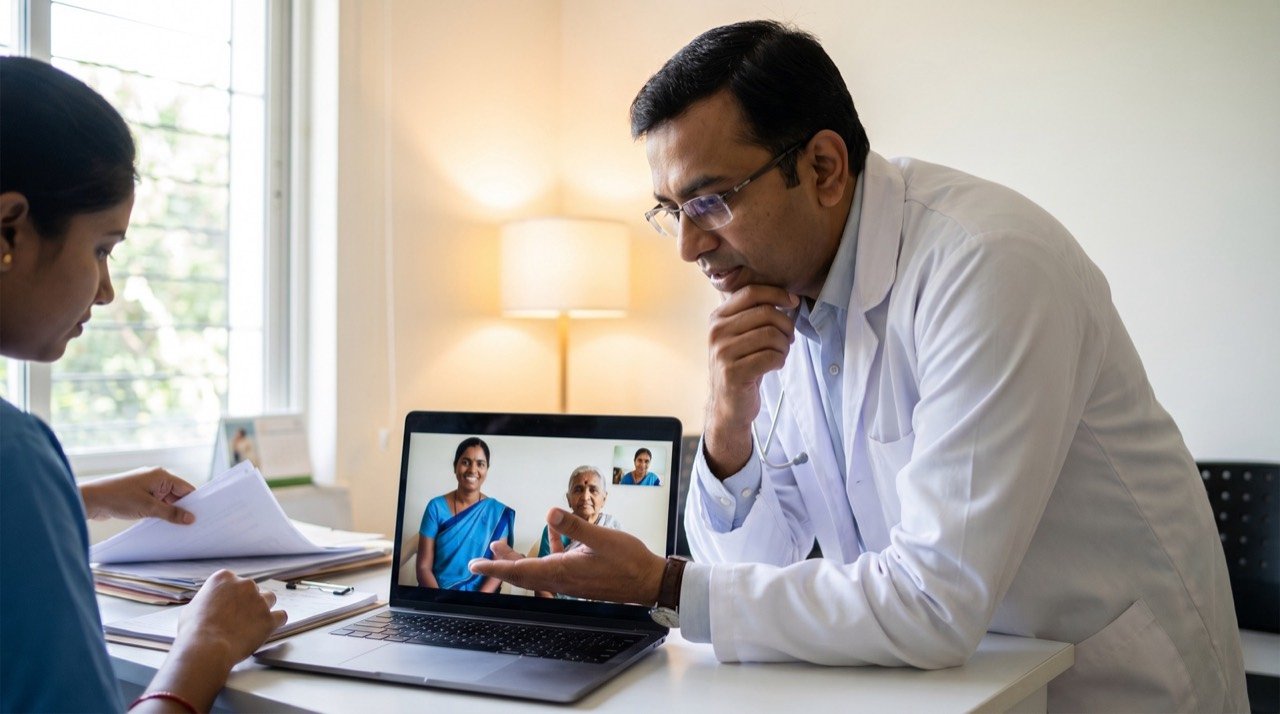
For years, employee mental health benefits in corporate India were the perk almost nobody used. New data suggest that is beginning to change. A report analysing counselling activity across a large base of corporate clients finds that workplace mental health utilisation has risen by 44 percent since 2023, pointing to a gradual but real shift in how Indian employees engage with support at work.
The analysis, drawn from several thousand counselling sessions booked between 2023 and 2026, frames the trend as a move from silence to signal: employees who once suffered quietly are increasingly willing to seek help, and to do so through their employer rather than only in private. The findings arrive amid wider debate in India about long working hours, burnout and the human cost of high-pressure work cultures.
Who is reaching out
The most striking pattern is generational. Employees in their early twenties recorded the steepest rise in counselling use, with growth far outpacing older colleagues over the two-year period. By contrast, workers in their early thirties showed much more modest increases. The data suggest younger entrants to the workforce are more comfortable naming stress, anxiety and low mood, and more willing to treat therapy as a normal form of healthcare.
Industry patterns were also revealing. The banking, financial services and insurance sector recorded one of the sharpest jumps in session use, a change observers attribute partly to long-suppressed demand finally meeting available services in a high-pressure field. Anxiety and depression together accounted for well over one in ten sessions.
A bigger problem behind the numbers
Rising usage should not be mistaken for a solved problem. Separate research and surveys have repeatedly flagged high levels of stress and burnout among Indian employees, with a substantial share reporting symptoms of burnout and many citing workplace pressure as the single biggest factor affecting their mental health. Poor work-life balance features prominently among reasons people give for wanting to leave their jobs.
Access also remains patchy. Earlier surveys have found that only a small fraction of employees have ready access to professional mental health care, meaning the recent growth is starting from a low base. The challenges most often cited include:
- Long working hours that erode rest and recovery time
- Persistent stigma that still deters many from seeking help
- Limited availability of trained counsellors, especially outside big cities
- Managers who lack training to recognise or respond to distress
- Benefits that exist on paper but are poorly communicated to staff
Why employers are paying attention
Beyond the human case, there is a hard economic argument. Studies on working hours and productivity have found that beyond a certain weekly ceiling, additional hours actually reduce total output, undermining the assumption that longer days mean more work done. Burnout is linked to absenteeism, higher staff turnover and reduced performance, all of which carry costs for employers.
That has prompted a growing number of companies to offer counselling, helplines and wellbeing programmes not purely as welfare but as a business investment. The report's authors argue that the rising uptake shows these services can move from being a rarely touched benefit to a mainstream channel of care when they are visible, accessible and free of stigma.
The road ahead
Mental health professionals welcome the trend but caution against complacency. Counselling sessions address individual distress; they do not on their own fix workplace cultures that generate that distress in the first place. Sustainable improvement, they argue, requires attention to workloads, realistic deadlines, managerial behaviour and the right to disconnect after hours.
Still, the broader signal is positive. A workforce more willing to talk about mental health, and employers more willing to fund support, marks a clear departure from the recent past. The task now is to ensure that openness is matched by enough trained professionals, genuine cultural change and access that extends well beyond the largest corporations in the biggest cities.
The NE Times View
A sharp rise in workplace counselling, led by employees in their early twenties, signals a welcome generational break from the silence that long surrounded mental health in Indian offices. That finance is a hotspot is telling, and not flattering, about that sector's culture. The worry is that corporate therapy becomes a patch for toxic workloads rather than a reason to fix them. Support is good; addressing what makes people unwell is better.
This article is original commentary and analysis by The NE Times. Background facts were referenced from Times of India Health and The Hindu.
You may also like to read
India's Second National Mental Health Survey Reframes Wellbeing as the Goal
As NIMHANS conducts India's second National Mental Health Survey, researchers are shifting the lens from illness to wellness, amid mounting evidence that young Indians are struggling more than ever.

NMC to Phase Out PG Diploma Medical Courses, Shift Seats to MD and MS
The National Medical Commission says 2026-27 will be the final admission cycle for postgraduate diploma medical courses, with seats set to convert into MD and MS degree programmes from 2027-28.

Jharkhand Teen Dies During Fracture Treatment; CM Orders Probe
The death of a Jharkhand teenager during treatment for a reported fracture has led to family allegations of medical negligence and an official probe ordered by the Chief Minister into what went wrong.
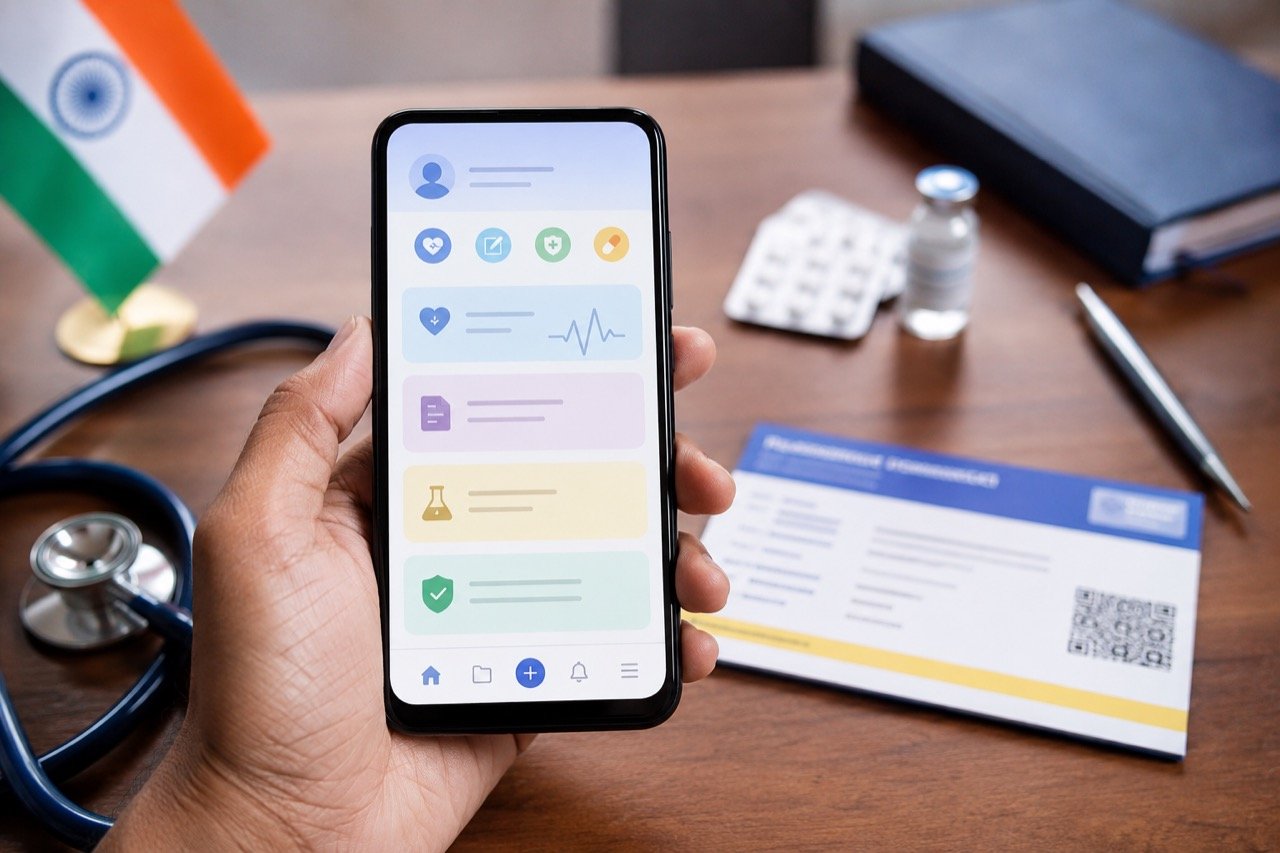
Aarogya Setu 2.0 Returns as India's Personal Health Record App
The pandemic-era contact tracing app has been relaunched as a personal health record platform, betting that portable medical data can find a place in India's growing digital health ecosystem.
More from this section
More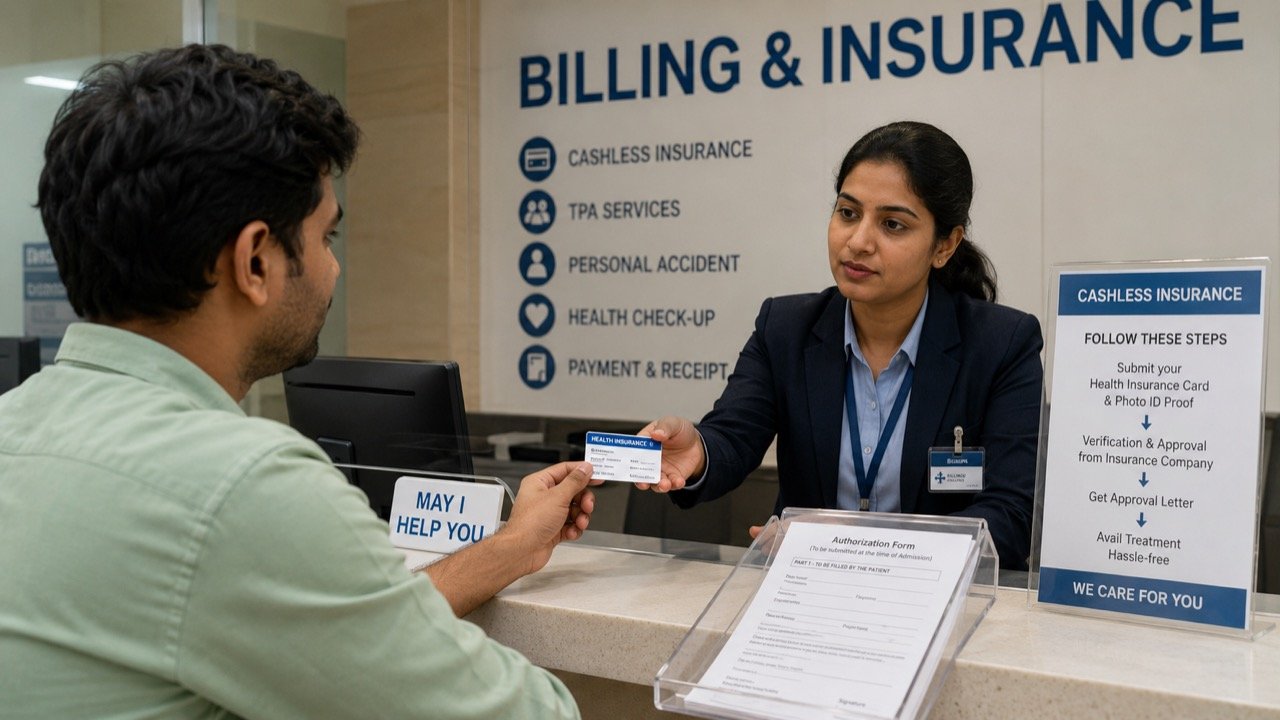
Health Insurance: Why Hospital Cashless Status Matters Before You Buy
Whether a hospital sits inside an insurer's cashless network can decide if a family pays lakhs upfront during an emergency or walks in with paperwork alone, making it a first-order question for policy buyers.
Jharkhand Teen Dies During Fracture Treatment; CM Orders Probe
The death of a Jharkhand teenager during treatment for a reported fracture has led to family allegations of medical negligence and an official probe ordered by the Chief Minister into what went wrong.
Aarogya Setu 2.0 Returns as India's Personal Health Record App
The pandemic-era contact tracing app has been relaunched as a personal health record platform, betting that portable medical data can find a place in India's growing digital health ecosystem.