Vaibhav Sooryavanshi's India Jersey Moment Marks a Teenage Milestone
Fifteen-year-old Vaibhav Sooryavanshi turned emotional on receiving his senior India jersey ahead of a possible T20I debut, capping a rapid rise and raising questions of careful handling.
Commentary & Analysis ·
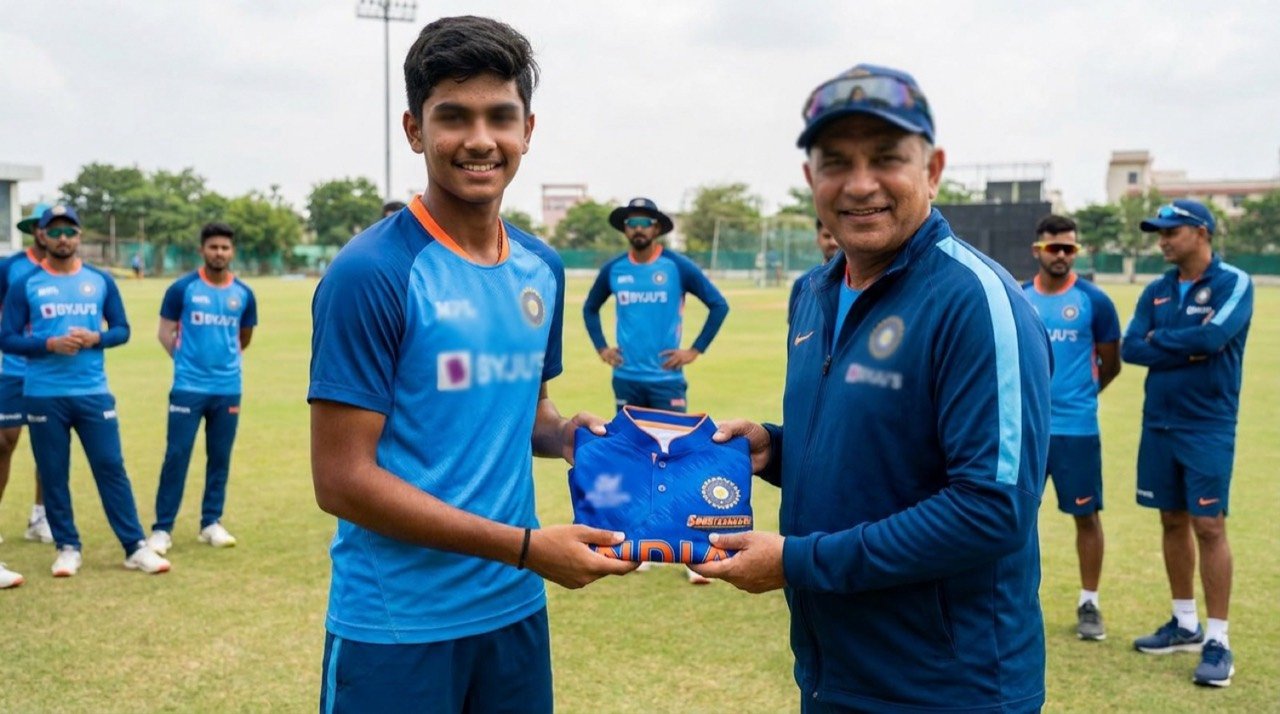
Fifteen-year-old Vaibhav Sooryavanshi became emotional after receiving his senior India jersey ahead of a possible T20I debut, according to sports reports, a moment that captured the rapid rise of one of Indian cricket's most closely watched young talents. The image of a teenager holding the national shirt, visibly moved by the occasion, resonated far beyond the dressing room and quickly became a talking point among followers of the game. It is the kind of image Indian cricket produces every so often, but rarely at such a young age, and it invites a closer look at both what the moment means and what it demands of everyone involved in managing it.
A rise built on runs
Sooryavanshi has already become one of the most closely followed young cricketers in India after strong performances at age-group level, in domestic cricket and for India A. That body of work, rather than hype alone, is what brought him to the threshold of senior selection at an unusually young age. It is worth underlining this distinction, because Indian cricket has no shortage of young players who generate attention through viral clips or a single standout innings, only for that attention to fade once sterner examination follows. Sooryavanshi's case appears different in that his progress has been tracked across multiple levels of the domestic pyramid, from junior cricket through to India A assignments, suggesting a more sustained pattern of performance rather than a single dazzling moment.
His progression through the system has been swift, and each step up has been accompanied by growing expectation about how far his talent can take him. That trajectory, age-group cricket, domestic cricket, India A, and now a senior jersey ahead of a possible T20I debut, is itself a marker of how selectors and coaches have viewed his readiness. It also means the scrutiny attached to him has compounded at every stage, so that by the time the senior call arrived, expectations were already running well ahead of what a fifteen-year-old could reasonably be asked to deliver.
Symbolism and its pressures
A jersey presentation is symbolic, but it also carries pressure. Selection brings expectation from fans, media and team management, and a player not yet out of his teens must now navigate scrutiny that would test far more experienced cricketers. The emotion on display reflected both the weight of the achievement and the reality that the hardest part, performing consistently at the senior level, lies ahead. For a young player, the jersey moment is often the easiest part of the journey emotionally, a moment of pure recognition, before the far harder task of translating promise into performance under pressure begins in earnest.
It is also worth noting how quickly such symbolic moments can be amplified in the modern media environment. A photograph or a few seconds of video can travel widely within hours, turning a private moment of achievement into a matter of public conversation and, inevitably, public expectation. That amplification is not something a fifteen-year-old can be expected to manage on his own, which is precisely why the surrounding cricketing establishment, the selectors, coaches and team management, carries so much of the responsibility for what happens next.
The challenge of careful handling
The central challenge now is to protect the player's development while allowing him to learn in a senior environment. India's cricket system has produced teenage excitement before, but sustainable progress depends on careful workloads, clear roles and patient handling rather than instant results. This is not a new problem for Indian cricket, nor for cricket more broadly. Historically, the sport has seen numerous instances where young talents were exposed too early, too often, or in roles unsuited to their stage of development, with predictable consequences for both form and confidence.
The specifics matter here. Vaibhav Sooryavanshi is 15 and received his senior India jersey. The moment came ahead of a possible T20I debut, per sports reports. He has impressed at age-group, domestic and India A levels. Selection brings expectation from fans, media and management. Careful workloads, clear roles and patience are seen as key to his growth. Each of these facts, taken together, paints a picture of a talent that has earned its recognition but now stands at a genuinely delicate juncture, one where the decisions of adults around him will matter as much as his own batting.
Sooryavanshi himself captured something of the surreal nature of the moment when he said, "Sometimes things happen that you never imagined." That sentiment, simple as it is, speaks to the gap between a young cricketer's private ambitions and the sudden, very public reality of standing on the threshold of international cricket while still a teenager.
What stakeholders must weigh
For selectors and team management, the calculation now involves balancing opportunity against protection. Fast-tracking a player of this age into senior cricket can accelerate development if handled with care, exposing him to a standard of competition he could not otherwise access, and providing invaluable experience of the demands of international cricket. But it can equally backfire if workloads are mismanaged, if he is thrust into situations beyond his current game, or if repeated failures at the senior level damage confidence built over years of age-group and domestic success.
For fans and media, the temptation will be to treat every innings, good or bad, as definitive evidence of either a generational talent confirmed or a prodigy already found wanting. Neither reaction would be fair or accurate. Teenage cricketers require time to adjust to the pace, pressure and unfamiliarity of senior cricket, and a measured early period, one that may include failures alongside successes, should be read as normal rather than alarming.
For Sooryavanshi himself, the task ahead is to continue the same process that brought him this far: consistent performance, built patiently across formats and levels, without the distraction of premature judgement in either direction. How the team management balances opportunity with protection will shape whether this jersey moment becomes the start of a lasting career or a cautionary tale about rushing young talent.
The NE Times View
A fifteen-year-old in senior India colours is a thrilling headline and a heavy responsibility, and the emotion of the moment should not obscure how easily Indian cricket burns through prodigies. Talent at this age is fragile, and over-exposure is the commonest cause of decline, not lack of ability. The history of age-group standouts who never fully translated their early promise into senior careers is long enough to warrant caution rather than celebration alone.
The NE Times View: the selectors' real job now is restraint, not celebration. Protect his schooling, his physique and his pace of promotion, and the milestones will take care of themselves. For now, the milestone stands as a marker of promise, with the harder work of fulfilling it still to come, and the true test of this moment will lie not in how it is celebrated today but in how carefully it is managed over the months and years ahead.
Key takeaways
- Vaibhav Sooryavanshi, aged 15, received his senior India jersey ahead of a possible T20I debut, according to sports reports.
- His rise is grounded in performances at age-group level, domestic cricket and for India A, rather than hype alone.
- Senior selection at this age brings intense scrutiny from fans, media and team management that few teenagers are prepared for.
- Careful workloads, clearly defined roles and patient handling are seen as essential to sustaining his development.
- The NE Times View holds that restraint from selectors, not celebration, will determine whether this milestone leads to a lasting career.
You may also like to read
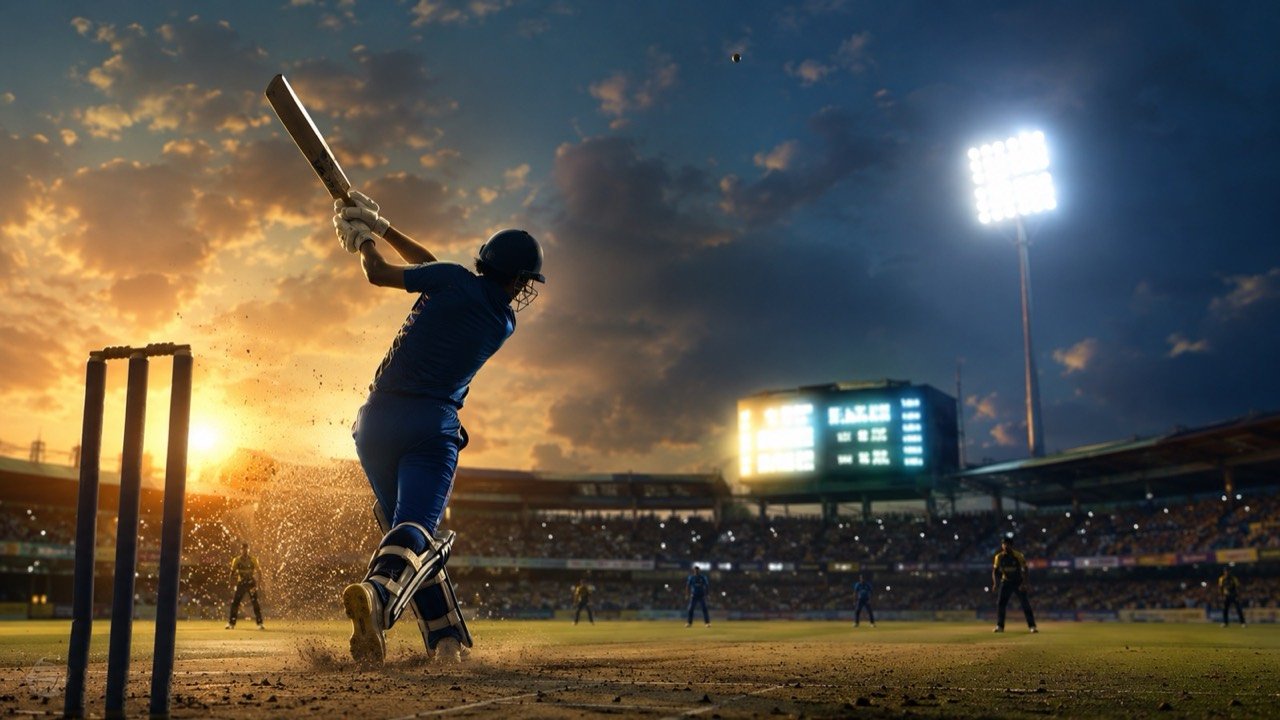
Vaibhav Sooryavanshi's Record Fifty Powers India A to Tri-Series Title
Fifteen-year-old Vaibhav Sooryavanshi smashed a stunning 94 off 29 balls, with a reported List A record 11-ball fifty, as India A crushed Sri Lanka A by 66 runs in the Dambulla tri-nation final.
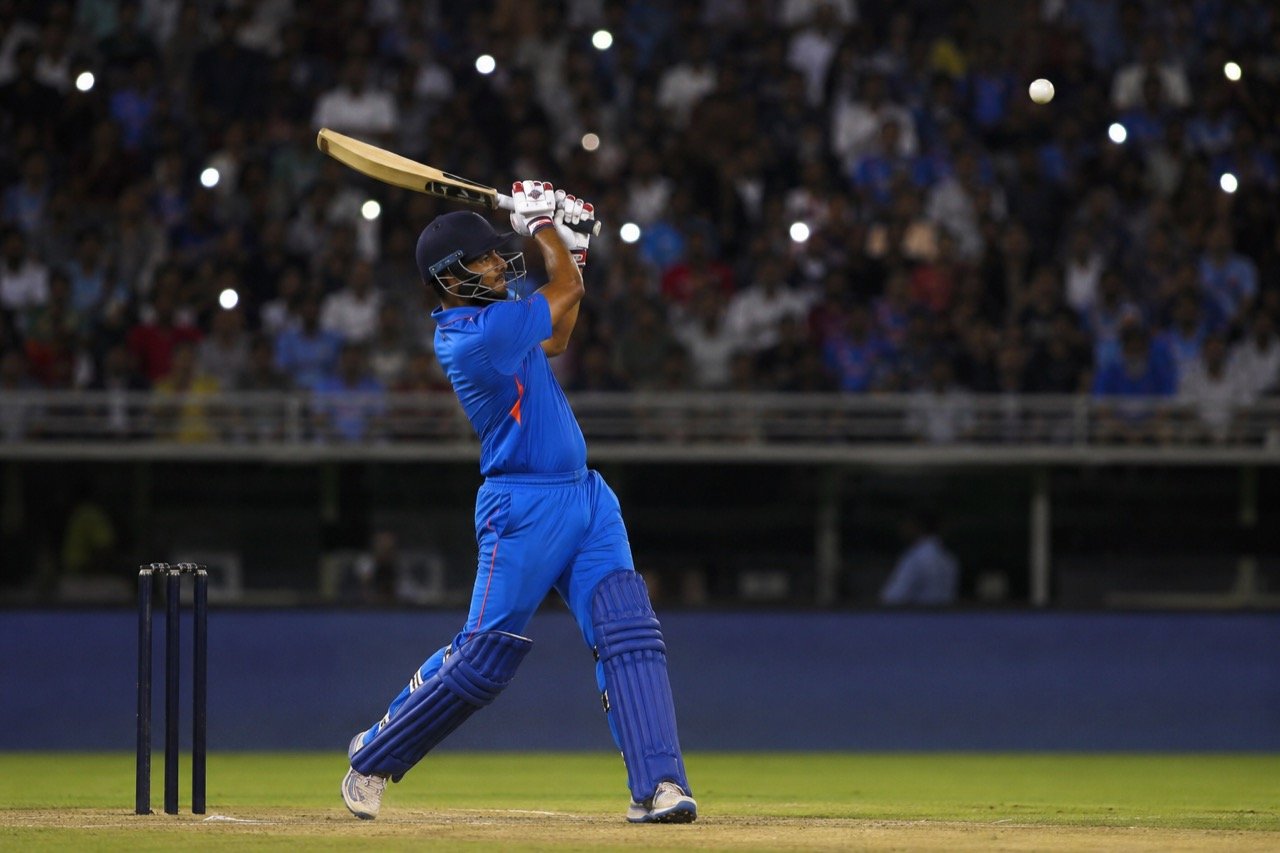
Vaibhav Sooryavanshi Debut: Gavaskar Flags Shot Choice vs England
Vaibhav Sooryavanshi's India debut in the second T20I against England brought two sixes, a 14-run cameo and an instant national debate after Sunil Gavaskar questioned the 15-year-old's shot selection.
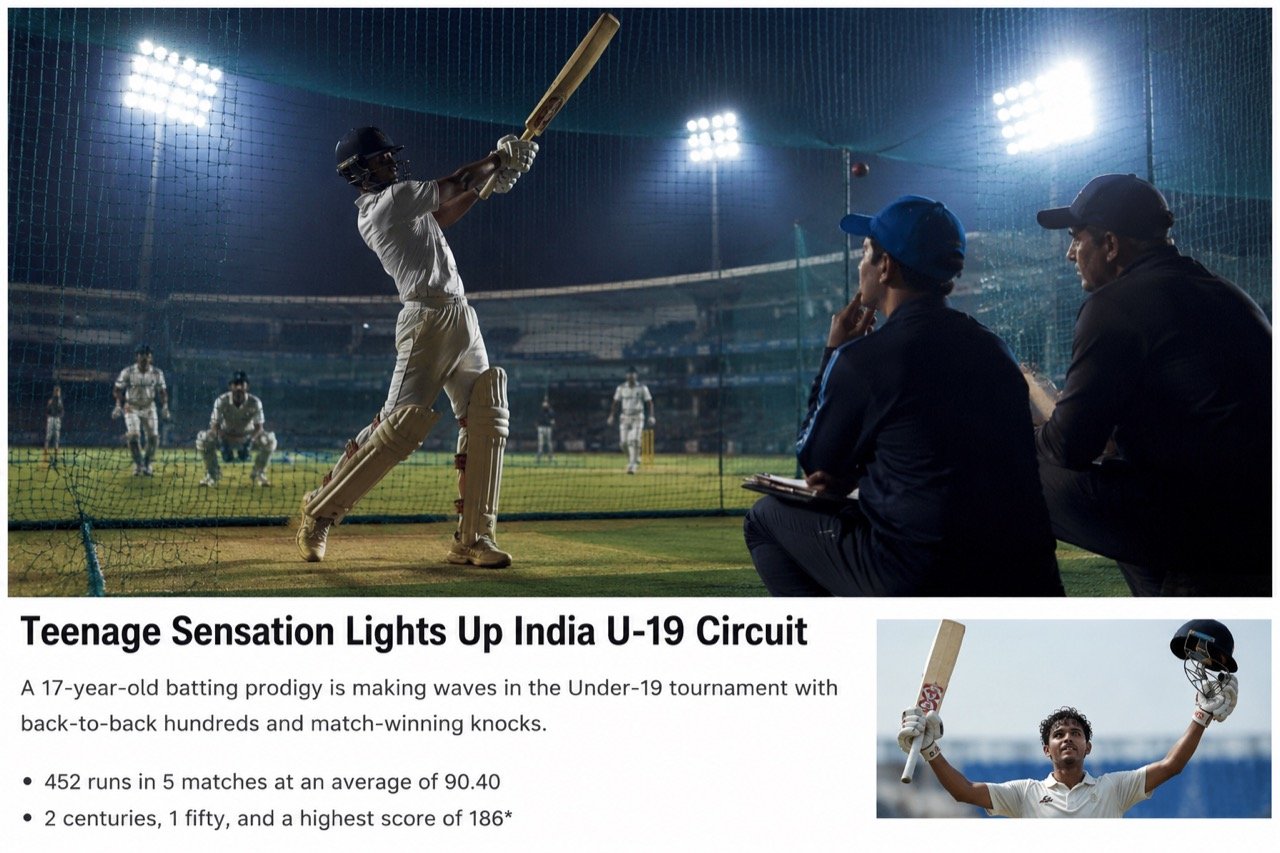
Vaibhav Sooryavanshi Debut Turns Spotlight on India's U-19 Pipeline
The teenage batter's India Under-19 debut has made him one of the week's most-followed cricket stories, reviving the perennial question of how India should nurture prodigies without burying them in expectation.

India vs England 2nd T20I: Bethell's 76 Powers Four-Wicket Chase
Jacob Bethell's 76 off 46 balls steered England past India's 190 at Old Trafford, spoiling Vaibhav Sooryavanshi's record-breaking debut and handing the hosts a 1-0 lead in the five-match series.
More from this section
More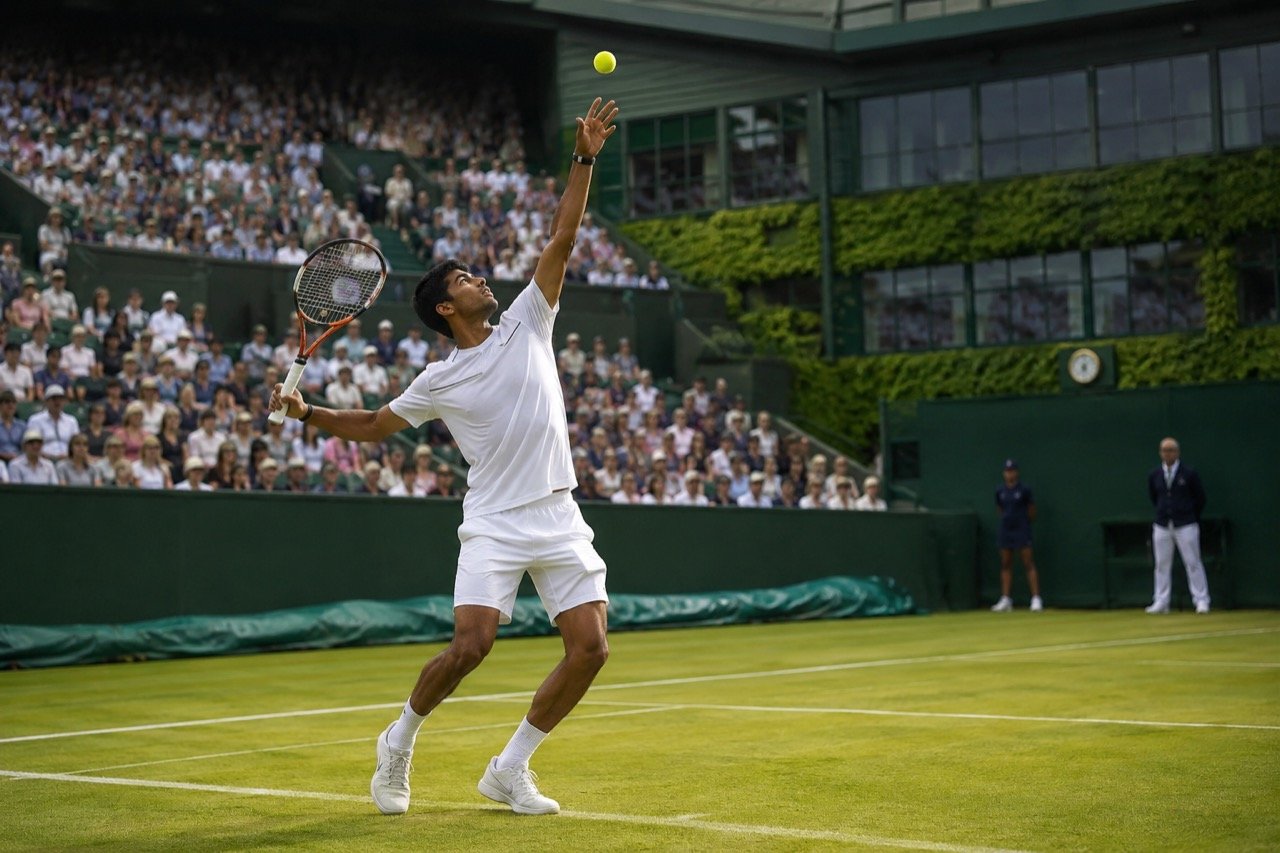
Arnav Paparkar Advances at Wimbledon Boys' Singles in Boost for India
Indian junior Arnav Paparkar has moved into the second round of the Wimbledon boys' singles with a commanding serving display, handing Indian tennis a rare and encouraging grass-court result at the sport's biggest stage.
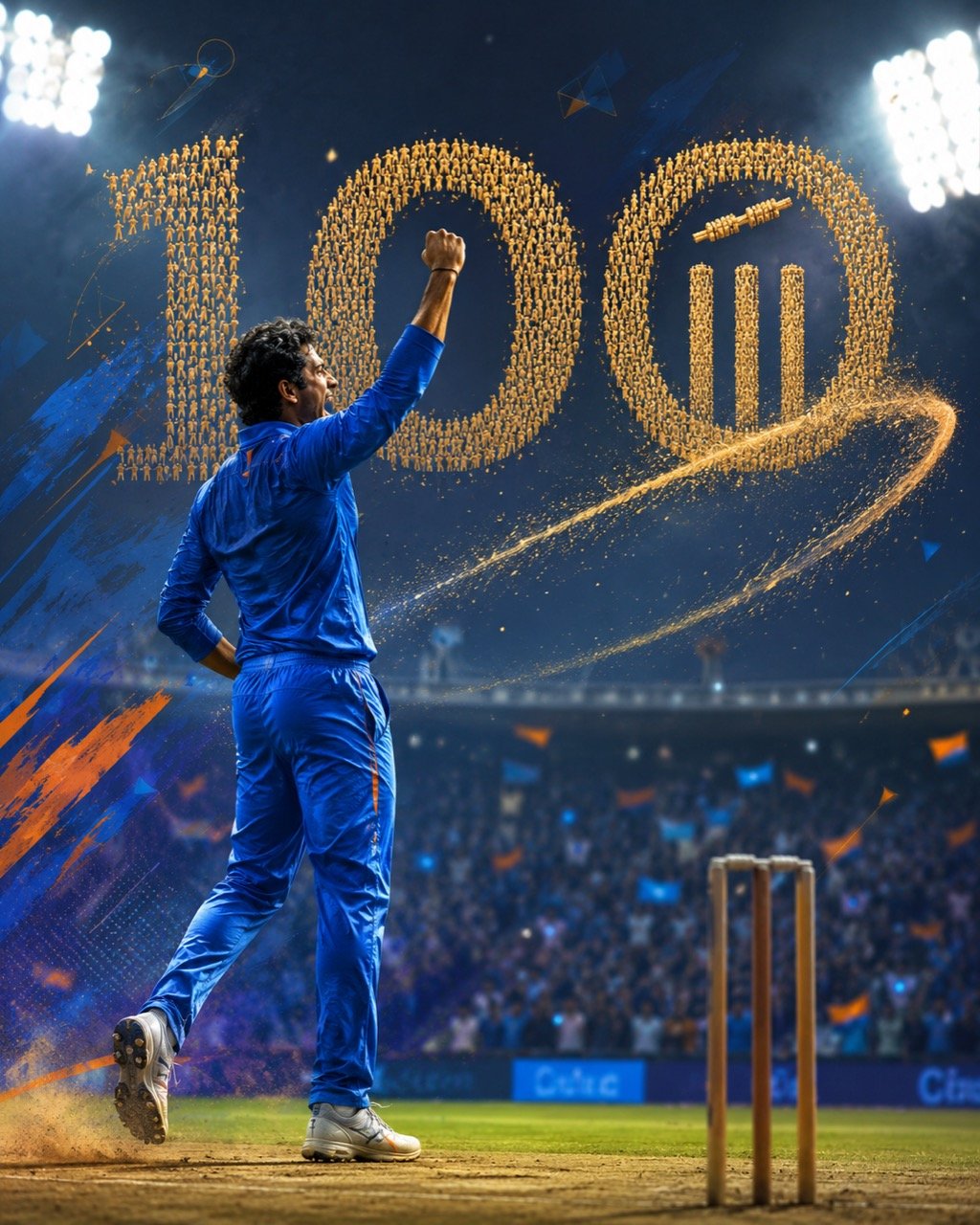
Axar Patel Becomes First Indian Spinner With 100 T20I Wickets
Axar Patel reached 100 T20 international wickets in the second T20I against England, becoming the first Indian spinner to hit the mark and cementing his standing as one of India's most durable white-ball performers.
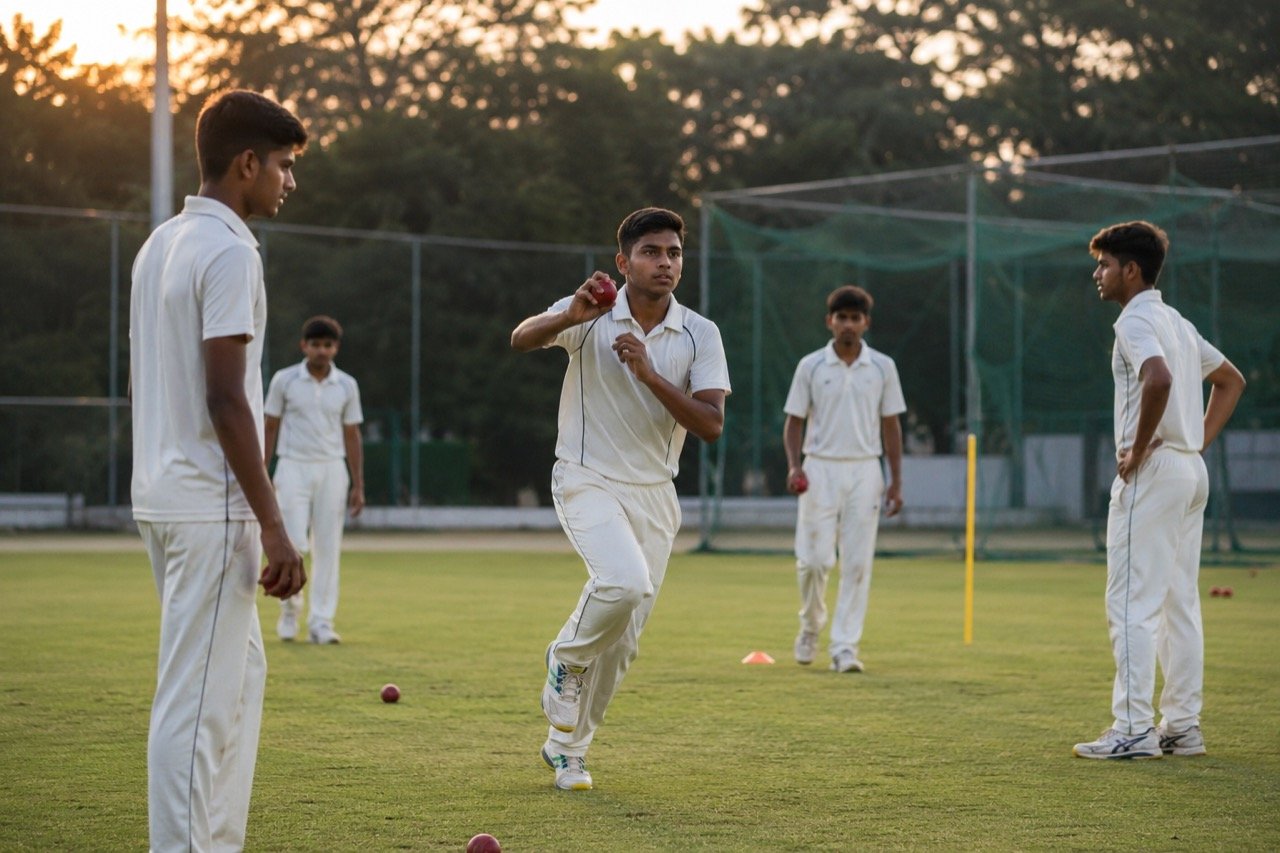
BCCI Emerging Men's Tournament to Hunt Test Prospects in Bengaluru
The BCCI's red-ball Emerging Men's Tournament, running at the Centre of Excellence in Bengaluru through July, is designed to give selectors a longer, harder look at India's next generation of Test cricketers.