BCCI Emerging Men's Tournament to Hunt Test Prospects in Bengaluru
The BCCI's red-ball Emerging Men's Tournament, running at the Centre of Excellence in Bengaluru through July, is designed to give selectors a longer, harder look at India's next generation of Test cricketers.
Commentary & Analysis ·
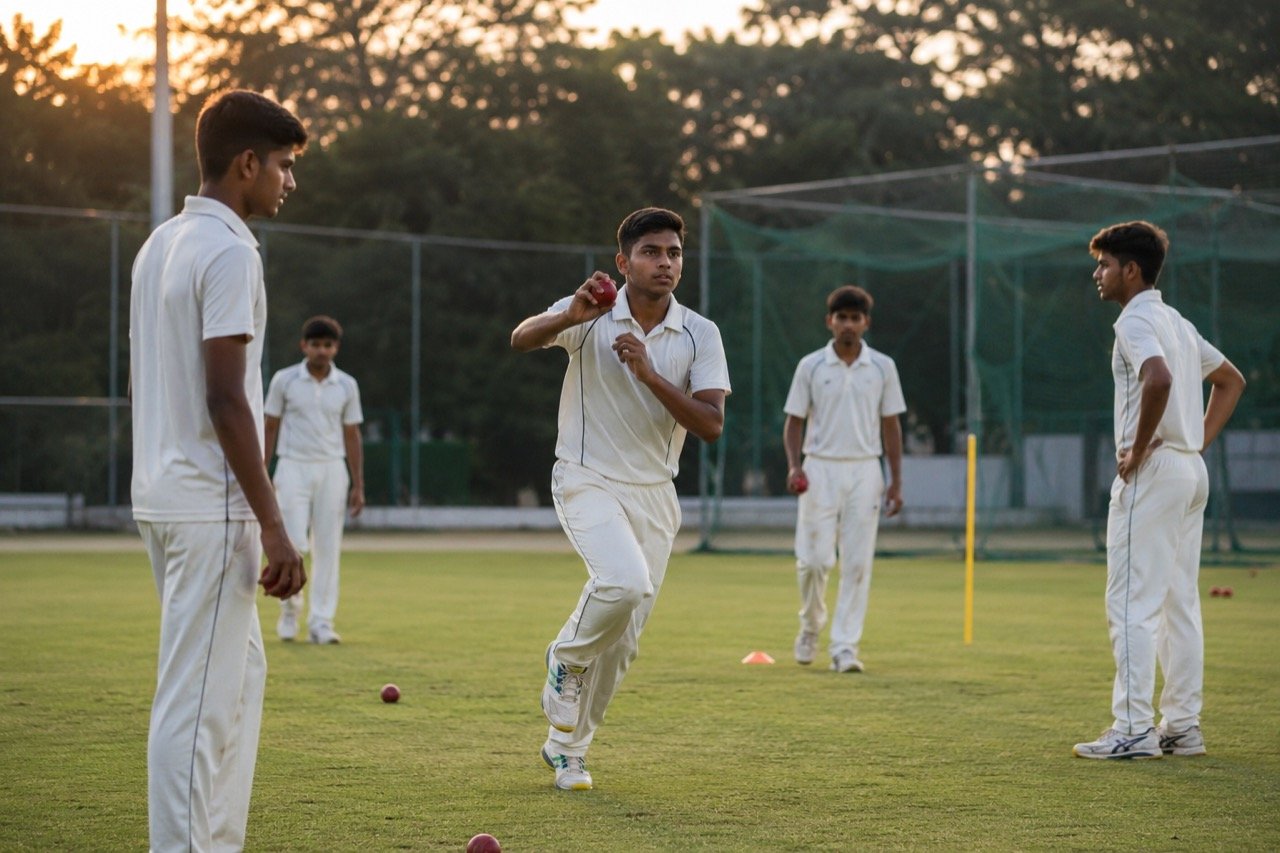
The BCCI is turning its attention to India's red-ball future with an Emerging Men's Tournament at the Centre of Excellence in Bengaluru, a competition built specifically to identify and sharpen the country's next wave of Test prospects. According to reports, the tournament will run from July 6 to 24, with four teams contesting four-day matches at the board's flagship training facility. On the surface, this reads like a routine domestic scheduling item, the kind of announcement that rarely draws attention beyond the specialist cricket press. But the format chosen, the venue selected and the personnel involved all point to something more deliberate: a structured attempt to solve one of Indian cricket's quieter but more persistent problems, the thinning pipeline of players ready to step into Test cricket at short notice.
Why the four-day format is the whole point
The extended format is a deliberate choice, and understanding why requires looking at what white-ball cricket does and does not reveal about a player. Short-format cricket can showcase hitting power, athleticism and nerve under pressure, qualities that translate readily into T20 leagues and limited-overs selection. But it reveals comparatively little about the qualities Test cricket demands: long bowling spells sustained across a hot afternoon, second-innings batting on a deteriorating pitch, patience against a ball that has lost its shine, and the technical durability required to bat or bowl across four or five days rather than forty overs. A batter who can slog boundaries off the last ball of an innings is not necessarily equipped to occupy the crease for a session against a moving new ball, and a bowler who can bowl four tight overs at the death is not automatically capable of sustaining accuracy and hostility through a twenty-over spell in the third innings of a match.
A four-day emerging tournament closes that gap in the selectors' information. It gives coaches and selectors a far better read on which domestic performers can genuinely translate their skills to the longest format, because the format itself imposes the same demands that first-class and Test cricket impose. Players who look promising in a truncated format can be exposed by the extended one, while others who may not stand out in a T20 net session reveal their true value when asked to bat time or bowl long spells. This is precisely the kind of information a board needs before, rather than after, it is forced to make a Test call-up under pressure.
Expert eyes on young talent
The reported involvement of experienced cricket figures such as Wasim Jaffer and Ramesh Powar adds a coaching dimension beyond mere talent-spotting. Jaffer's stature as one of India's greatest domestic red-ball batters gives the tournament a source of technical authority on exactly the skills being tested, having built his own reputation on the discipline and patience that first-class batting demands over a long career. Powar's coaching pedigree, meanwhile, brings a structured, tactical eye to how young players are managed and developed within a competitive but instructive environment. Having figures of this calibre involved means players are not merely being watched and ranked; they are being assessed and mentored within the same window, with the kind of specific, format-relevant feedback that can accelerate a young cricketer's development in ways that generic net sessions cannot.
Building depth before it is needed
India's Test side is in a generational transition, and the gap between domestic promise and India-ready red-ball depth has historically been bridged unevenly. It is a familiar pattern in Indian cricket: a first-choice player is injured or eventually retires, and the selectors are left assembling a replacement in a hurry, hoping that domestic form translates smoothly to the Test arena. Sometimes it does; often it takes a young player several difficult series to find his feet at the highest level, a costly process both for the individual and for the team's results in the interim. Structured emerging tournaments, played on good surfaces, under expert eyes, with four-day intensity, are the kind of system-level investment that pays off years later, when injuries or retirements suddenly demand ready replacements rather than promising unknowns.
This is, in effect, succession planning applied to a sporting institution. Just as a well-run organisation identifies and grooms future leaders long before a vacancy appears, a cricket board serious about sustaining its Test standing needs a standing pipeline of players who have already been tested in conditions that mimic the format they will eventually be asked to play. The Centre of Excellence in Bengaluru, as the board's flagship training facility, is the natural home for this kind of work, combining infrastructure, coaching expertise and a controlled competitive environment in one place.
What stakeholders will be watching for
For the players involved, the tournament is an audition of the highest stakes, a chance to put their name in front of selectors and respected former internationals in a format that most closely resembles the one they aspire to play at the highest level. For domestic coaches and state associations, it offers a data point on which of their players are genuinely progressing along the red-ball pathway, useful information for how those players are managed and selected in subsequent domestic seasons. For the BCCI itself, the tournament is a test of institutional intent: whether the board is willing to treat red-ball development as a long-term, recurring commitment rather than an occasional gesture. And for followers of Indian cricket more broadly, the real interest lies less in this month's results than in whether any of the names emerging from Bengaluru surface in India's Test set-up over the coming years.
The NE Times View
This tournament deserves more attention than a routine schedule announcement usually gets. India's white-ball production line is the envy of world cricket, but Test depth is built differently, slowly, deliberately, and away from the cameras. The BCCI investing its Centre of Excellence and senior coaching minds in a dedicated red-ball pathway is exactly the unglamorous work that sustains a Test powerhouse. It is not the kind of initiative that generates headlines or social media attention in the way a high-scoring T20 tournament might, but it is arguably more consequential for the long-term health of Indian cricket's most prestigious format.
The measure of success will not be this month's scorecards but whether names from this event appear on Test team sheets in three years. That is a demanding standard, and rightly so, because the entire rationale for the tournament rests on its ability to produce Test-ready cricketers rather than merely entertaining four-day fixtures. If the board keeps this pipeline running annually rather than treating it as a one-off, Indian cricket's longest format will be in safe hands. Consistency, in this respect, matters as much as the quality of any single edition: a single emerging tournament can identify a handful of promising players, but only a sustained, year-on-year commitment can build the deep bench that a Test powerhouse ultimately requires.
Key takeaways
- The BCCI's Emerging Men's Tournament runs July 6 to 24 at the Centre of Excellence in Bengaluru, featuring four teams playing four-day matches designed to test red-ball, not white-ball, skills.
- The four-day format is chosen deliberately to reveal qualities essential to Test cricket, such as bowling endurance, second-innings batting and technical patience, that shorter formats cannot expose.
- Involvement of figures such as Wasim Jaffer and Ramesh Powar adds coaching and mentoring value alongside pure talent evaluation.
- The initiative addresses a longstanding structural gap between domestic promise and India-ready Test depth, aiming to build a pipeline before injuries or retirements force hurried replacements.
- The true test of this tournament's value will be whether it becomes an annual fixture and whether its alumni eventually appear in India's Test line-up.
You may also like to read
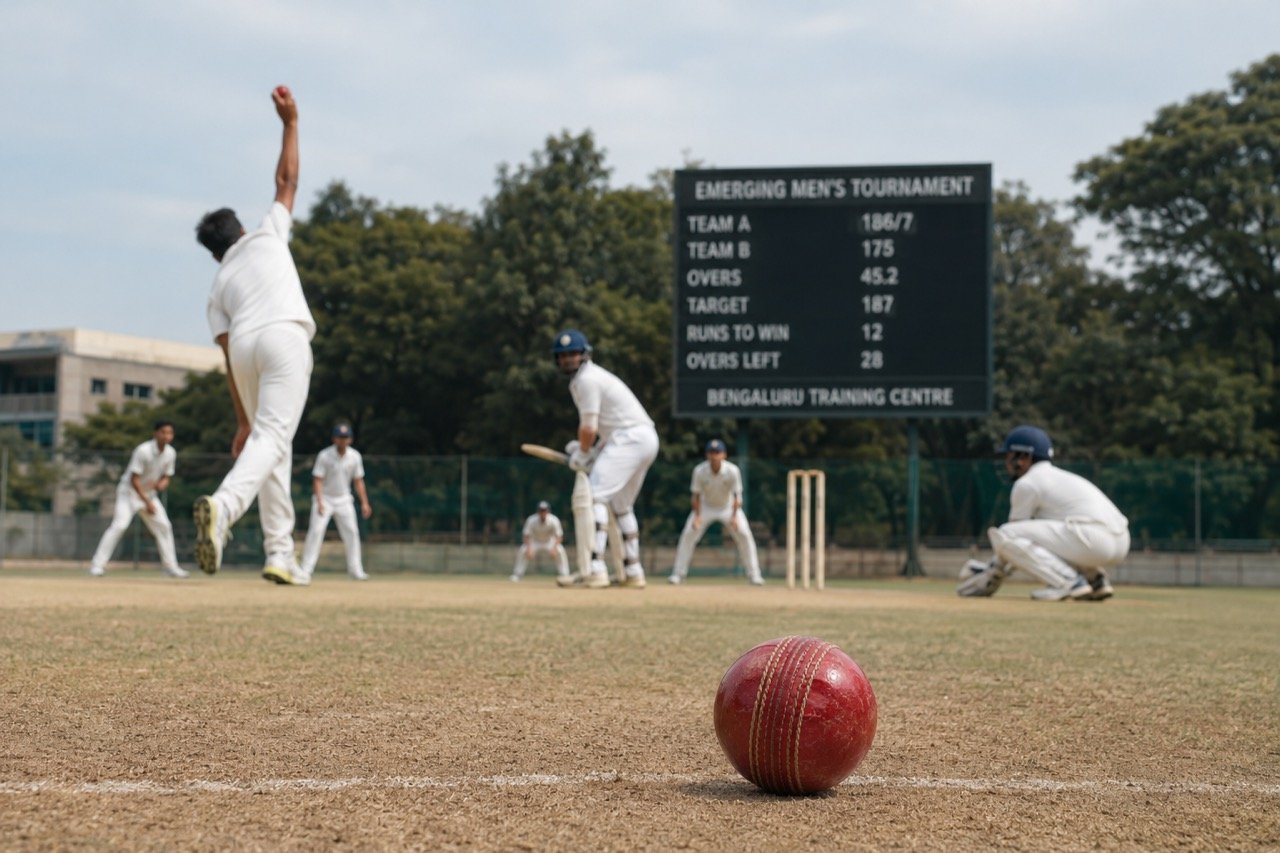
BCCI Emerging Tournament 2026: India's Next Cricket Stars Take Stage
The BCCI's emerging men's tournament gives selectors, franchises and fans a structured look at the young Indian cricketers pushing to move from domestic promise into national contention.
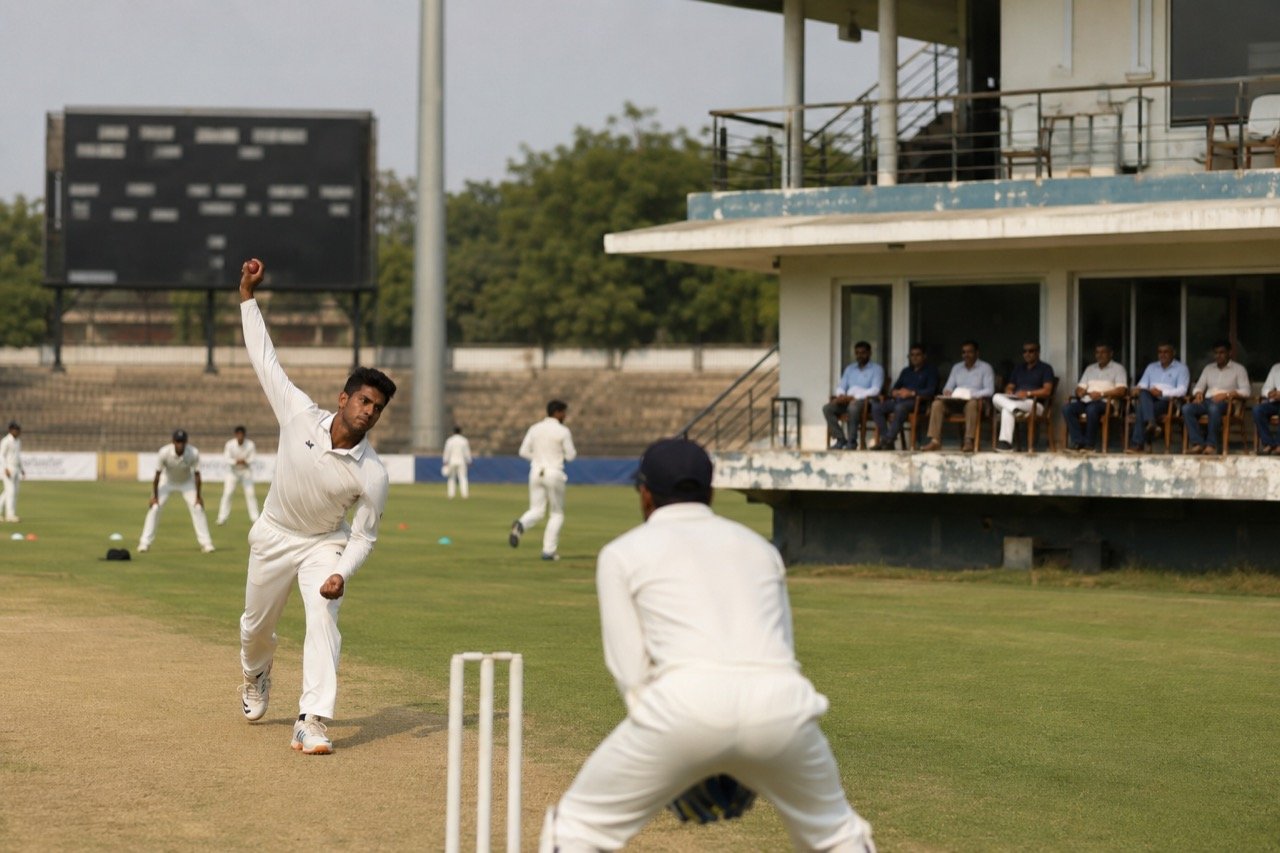
BCCI's New Emerging Tournament Deepens India's Red-Ball Pipeline
The BCCI's plan for an emerging men's multi-day tournament is being seen as a deliberate move to widen India's long-format talent pool beyond the established Ranji Trophy spotlight.
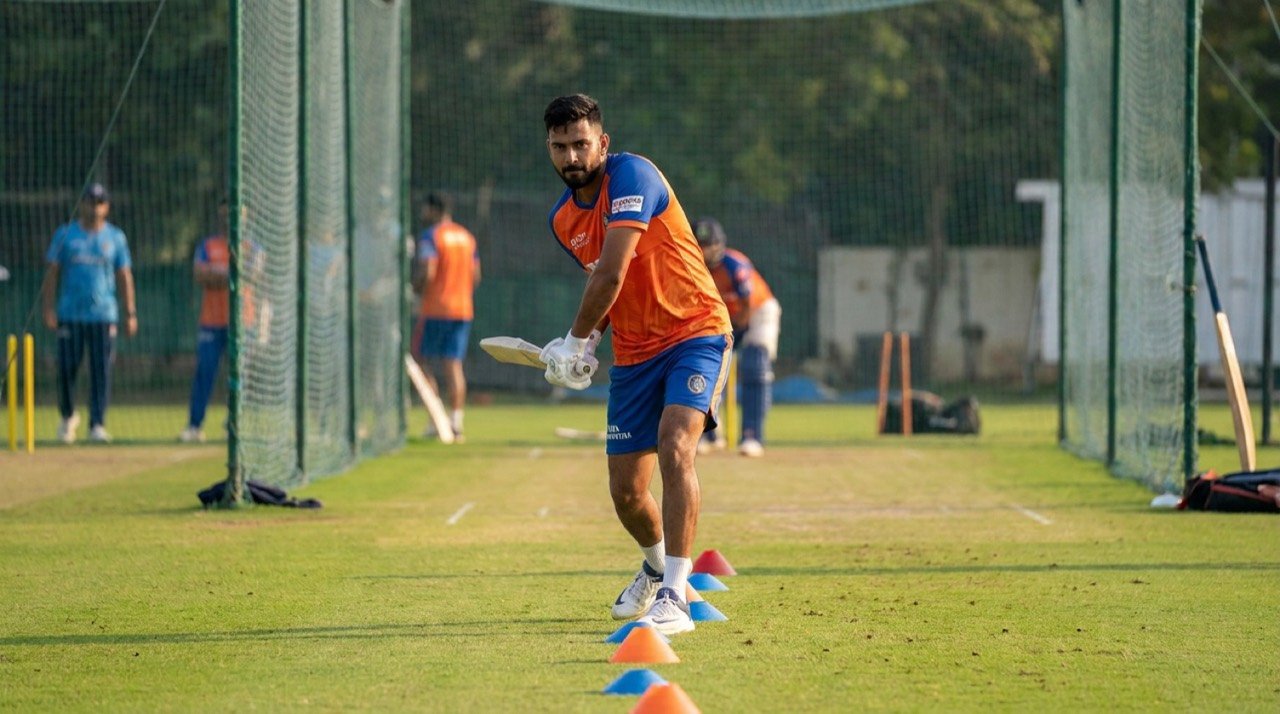
Hardik Pandya Joins BCCI CoE Performance Block in Calculated Comeback Plan
The BCCI Centre of Excellence has rolled out a year-round performance block for centrally contracted cricketers, and Hardik Pandya is among the first big names using it to script his return.

BCCI Charts Structured Roadmap for India's 2027 ODI World Cup Build-Up
Secretary Devajit Saikia says the BCCI wants a clear path and adequate 50-over practice for the 2027 ODI World Cup, with selector Ajit Agarkar and coach Gautam Gambhir shaping a settled one-day core.
More from this section
More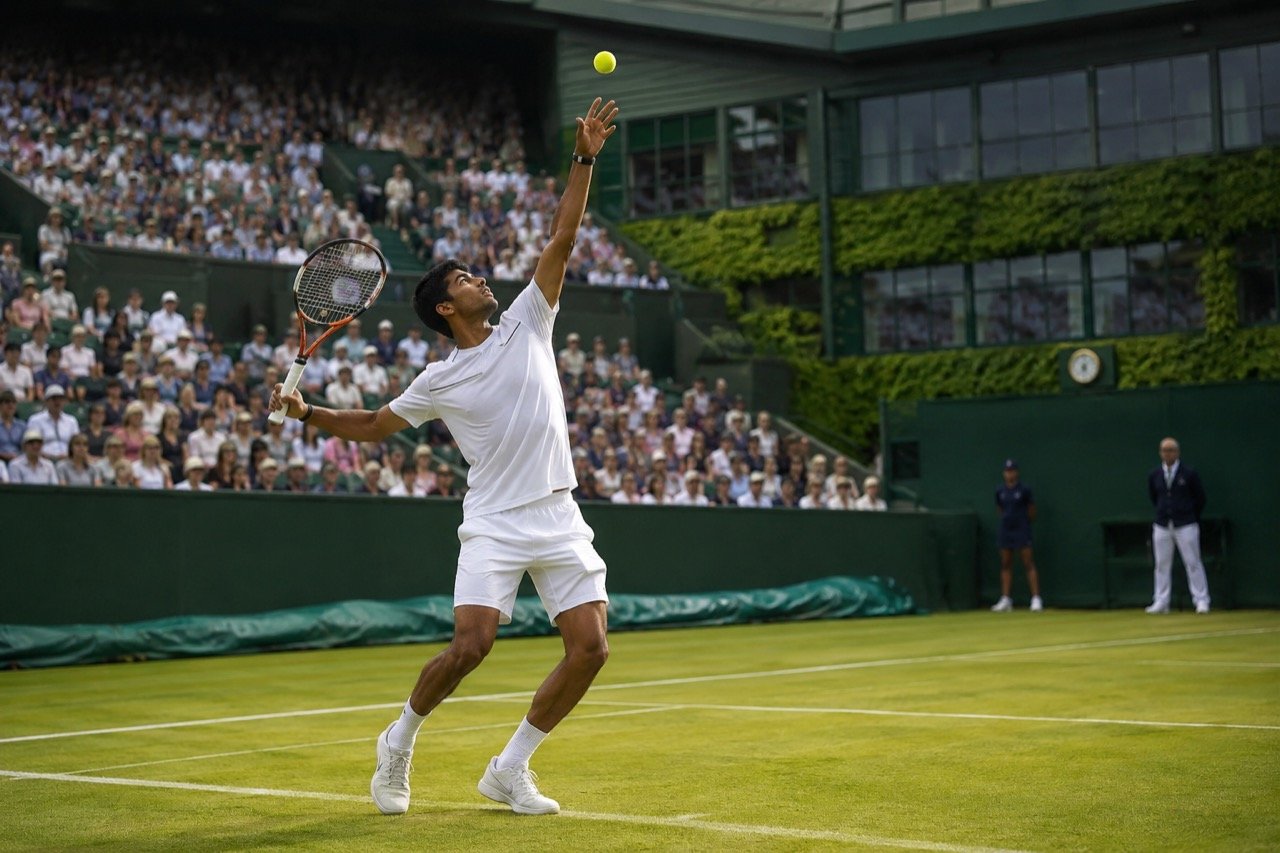
Arnav Paparkar Advances at Wimbledon Boys' Singles in Boost for India
Indian junior Arnav Paparkar has moved into the second round of the Wimbledon boys' singles with a commanding serving display, handing Indian tennis a rare and encouraging grass-court result at the sport's biggest stage.

Axar Patel Becomes First Indian Spinner With 100 T20I Wickets
Axar Patel reached 100 T20 international wickets in the second T20I against England, becoming the first Indian spinner to hit the mark and cementing his standing as one of India's most durable white-ball performers.
BCCI Emerging Tournament 2026: India's Next Cricket Stars Take Stage
The BCCI's emerging men's tournament gives selectors, franchises and fans a structured look at the young Indian cricketers pushing to move from domestic promise into national contention.