BCCI's New Emerging Tournament Deepens India's Red-Ball Pipeline
The BCCI's plan for an emerging men's multi-day tournament is being seen as a deliberate move to widen India's long-format talent pool beyond the established Ranji Trophy spotlight.
Commentary & Analysis ·
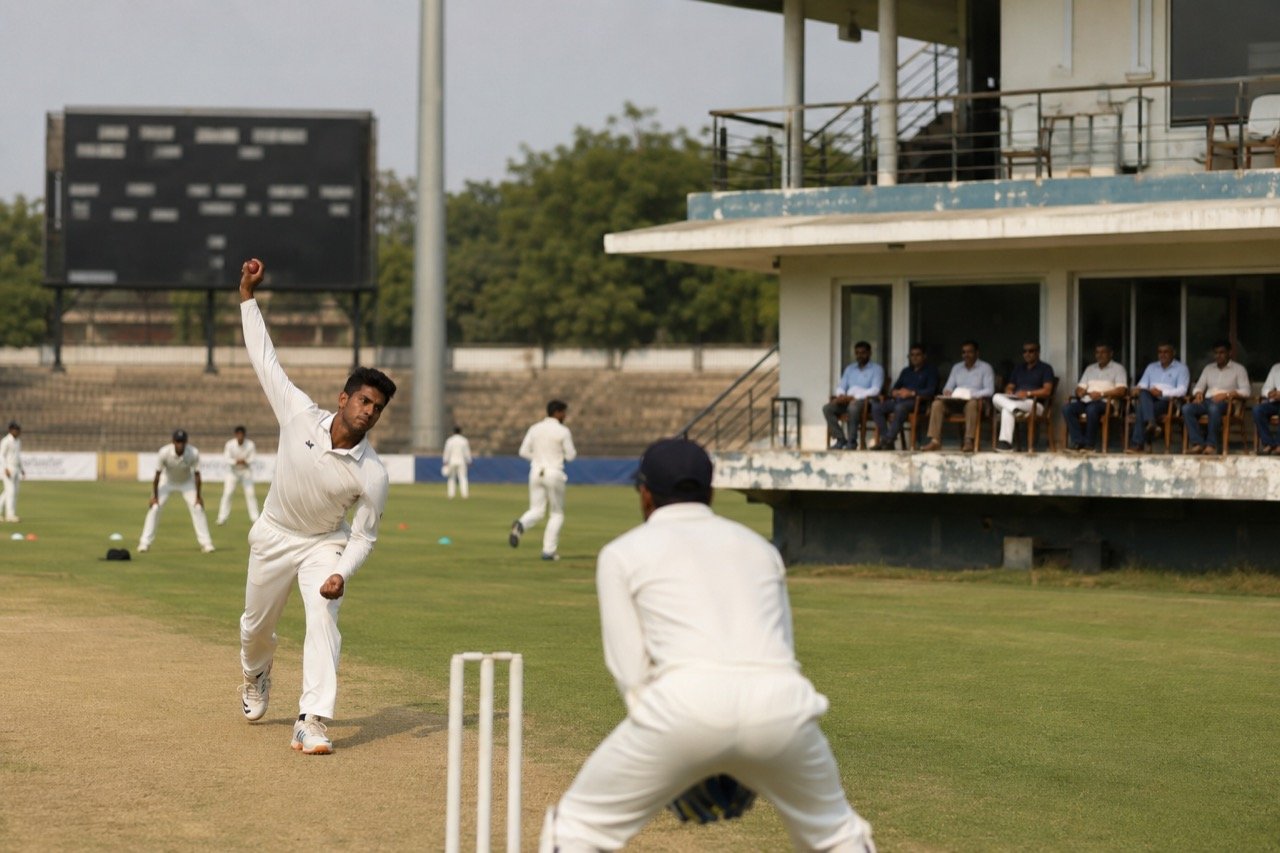
The BCCI is set to host a new multi-day tournament for emerging men's players, a development that has quickly become one of the more consequential stories in Indian domestic cricket. On the surface it reads as a routine addition to an already dense calendar, but the initiative is best understood as another deliberate step in the board's sustained effort to identify and prepare cricketers for the demands of the longer format. In a cricket culture increasingly organised around the rhythms of white-ball franchise seasons, the decision to carve out fresh space for red-ball development deserves closer attention than a passing fixture notice might suggest.
Why red-ball readiness needs its own stage
India's cricket ecosystem generates enormous attention around white-ball formats, and understandably so, given the commercial scale and viewership that limited-overs cricket commands. But Test and first-class cricket call on a different set of skills entirely: patience at the crease across long periods without scoring, bowling endurance across extended spells rather than four-over bursts, sharp and sustained slip catching, tactical awareness that unfolds over sessions and days rather than overs, and the temperament to bat through full sessions when conditions or match situations demand restraint. These are not skills that transfer automatically from Twenty20 or one-day cricket. They are built, tested and refined specifically through the long form.
Without regular multi-day opportunities, promising players risk being judged almost entirely on short-format returns, simply because that is where the volume of matches, and therefore the volume of visible data, exists. A batter who strikes cleanly in franchise cricket may still be untested against a new ball on a helpful pitch across two sessions, and a bowler who is economical in white-ball cricket may never have proven that his body and skillset can hold up across a five-day workload. An emerging players' tournament addresses this gap directly. It gives national selectors a window into talent sitting just outside the immediate Ranji Trophy spotlight, players who may be a tier below the established domestic stars but who need exactly this kind of exposure to close that distance. At the same time, it offers younger cricketers the match time needed to build long-format temperament, the sort of experience that cannot be manufactured in nets or simulated in shorter formats.
Filling the gap between age-group cricket and the first-class mainstream
One of the quieter problems in any talent pipeline is the drop-off between age-group cricket and full first-class recognition. Players who impress at underage levels do not always find a smooth route into state teams, and those who are on the fringes of Ranji squads often get limited opportunities to press their claims once established players occupy the middle order or the new-ball slots. A dedicated emerging tournament effectively creates a new rung on that ladder, a space where players can accumulate the kind of substantial, multi-day performances that selectors can weigh meaningfully, rather than being left to guess based on a handful of innings or spells.
What will decide whether it works
The initiative's real value will hinge on execution rather than intent. The quality of pitches matters enormously: surfaces that are too flat will produce inflated batting numbers that mean little, while pitches that are too result-oriented in the wrong way will fail to test the full range of skills the tournament is meant to develop. The standard of opposition is equally important, since red-ball cricket only builds genuine temperament when it is genuinely contested. Sensible scheduling within an already crowded calendar cannot be an afterthought either; if the tournament is squeezed into gaps between franchise commitments or run at a time when top emerging talent is unavailable, its credibility will suffer before it has a chance to establish itself. And perhaps most critically, performances need to be meaningfully tracked by selectors, not merely logged in a scorecard archive that nobody consults when squads are picked.
A tournament only matters once it becomes a respected route to higher selection rather than a fixture that exists on paper. This is the distinction between a genuine pathway and a box-ticking exercise, and it is a distinction that domestic cricket in India has not always managed to get right. Plenty of well-intentioned initiatives have quietly faded once the initial launch attention passed, not because the format was flawed but because the follow-through, in terms of selection linkage and sustained scheduling, was missing.
What players, coaches and state associations stand to gain
For players themselves, the tournament offers something that is often in short supply: a defined stage where red-ball performances are the explicit currency, rather than a subplot within a broader domestic season dominated by more established names. For state coaches and support staff, it offers a clearer diagnostic tool, a chance to see how their fringe players respond to sustained red-ball pressure before committing them to senior Ranji squads. For state associations more broadly, a well-regarded emerging tournament can become a marker of how seriously a region is investing in its next generation, which in turn affects how its players are perceived by national selectors over time.
The wider stakes for India's Test match future
India's position at the top of world Test cricket has not been built or maintained by chance. It has depended on a conveyor belt of players emerging just as senior figures have retired, been injured, or needed rotation. That conveyor belt does not run on its own; it requires structures like this one, unglamorous, procedural, and easy to overlook in the moment, but essential in aggregate over years. A tournament of this kind will not produce headlines in the way a franchise auction or a marquee series does, but its impact, if realised, will show up much later, in the composition of India A squads, in Ranji Trophy line-ups, and eventually in Test debutants who arrive better prepared than they otherwise would have.
The NE Times View
India's Test strength has never come from its top eleven alone; it comes from the depth of players pushing to replace them. A dedicated red-ball stage for emerging cricketers is exactly the kind of unglamorous investment that pays off years later, when injuries and transitions test the bench. The risk is tokenism — if selectors do not treat these performances as real currency, players will treat the tournament as a detour rather than a pathway. The BCCI should publish clear links between this competition and India A or senior selection, so that runs and wickets here visibly count. Done well, this could become the quiet engine of India's next Test generation.
Key takeaways
- The BCCI's new emerging players' tournament is designed to give fringe domestic cricketers dedicated multi-day match time, addressing a gap left by the dominance of white-ball formats.
- Its success will depend on pitch quality, standard of opposition, sensible scheduling, and whether selectors actively track and act on performances.
- The tournament risks becoming a token gesture unless the BCCI establishes clear, visible links between performances here and India A or senior selection.
- If executed well, the initiative could strengthen India's long-term Test match depth by identifying and developing red-ball temperament earlier in players' careers.
You may also like to read
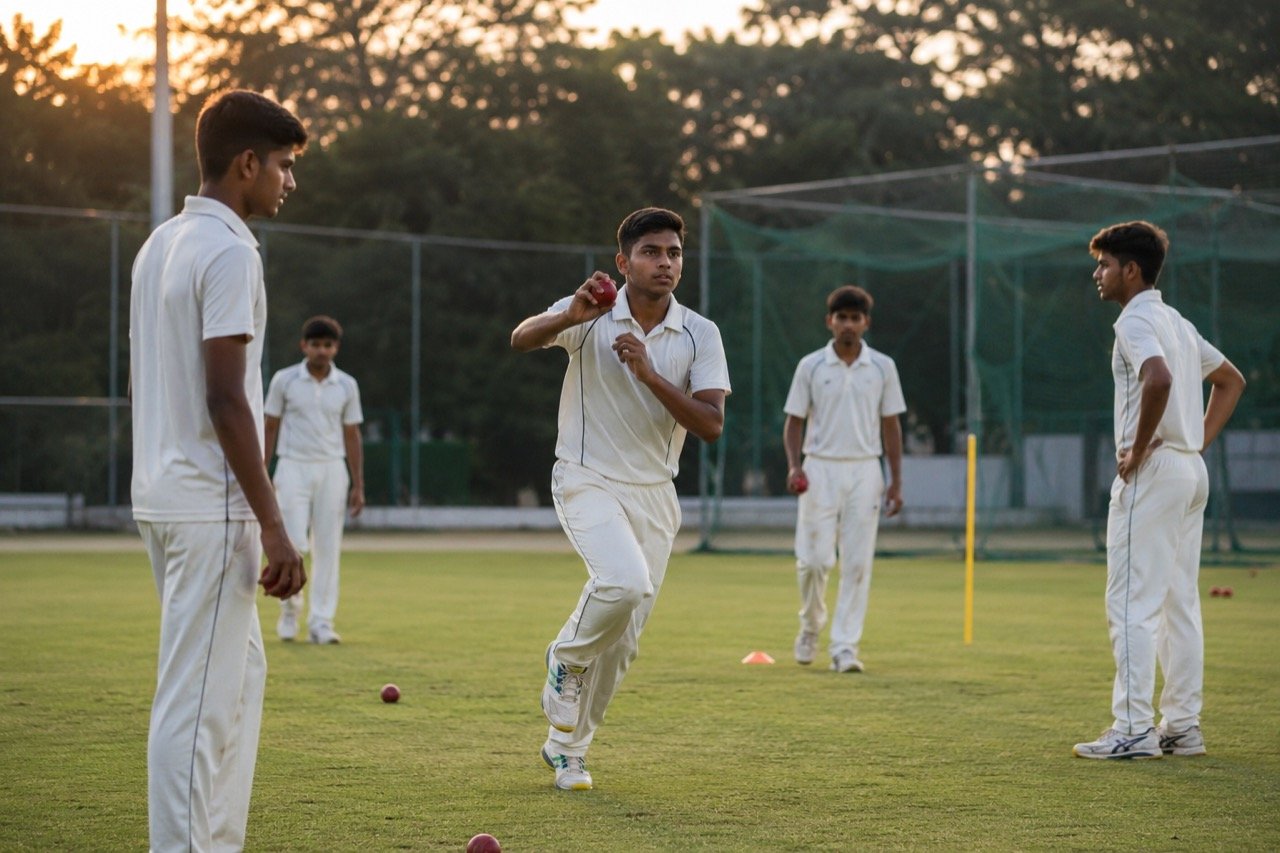
BCCI Emerging Men's Tournament to Hunt Test Prospects in Bengaluru
The BCCI's red-ball Emerging Men's Tournament, running at the Centre of Excellence in Bengaluru through July, is designed to give selectors a longer, harder look at India's next generation of Test cricketers.
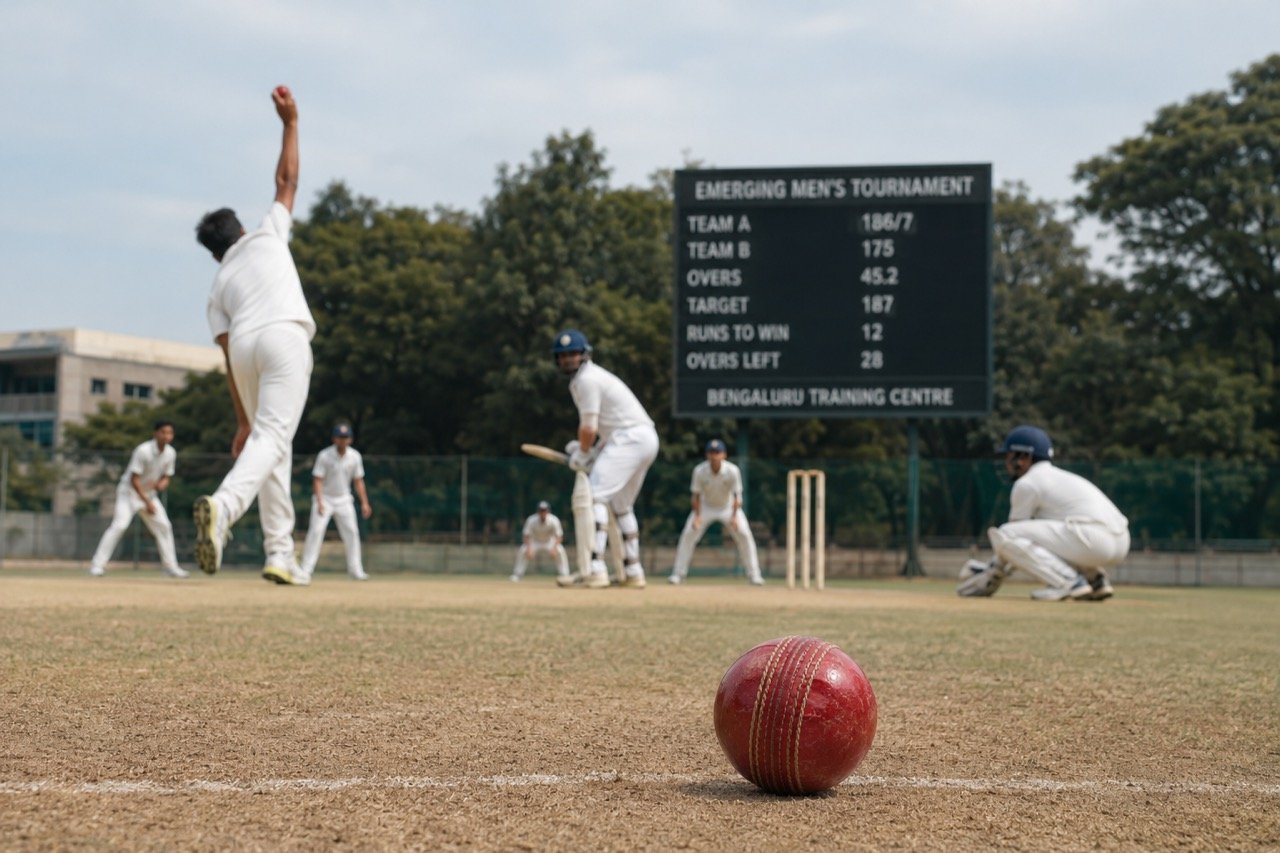
BCCI Emerging Tournament 2026: India's Next Cricket Stars Take Stage
The BCCI's emerging men's tournament gives selectors, franchises and fans a structured look at the young Indian cricketers pushing to move from domestic promise into national contention.

Gavaskar Urges BCCI to Create One-Month Rest Window for India Players
Former India captain Sunil Gavaskar has called for a planned one-month rest window for Indian cricketers and stronger protection of the India cap, reigniting the debate over workload in a crowded calendar.
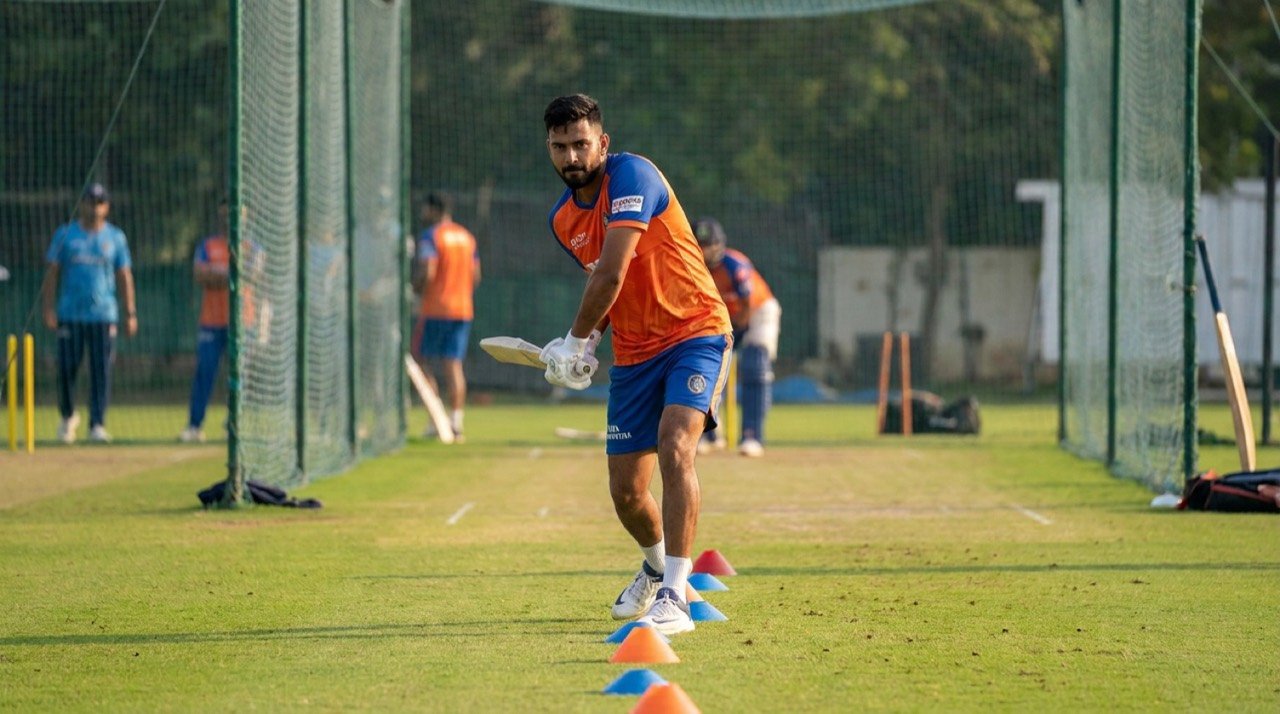
Hardik Pandya Joins BCCI CoE Performance Block in Calculated Comeback Plan
The BCCI Centre of Excellence has rolled out a year-round performance block for centrally contracted cricketers, and Hardik Pandya is among the first big names using it to script his return.
More from this section
More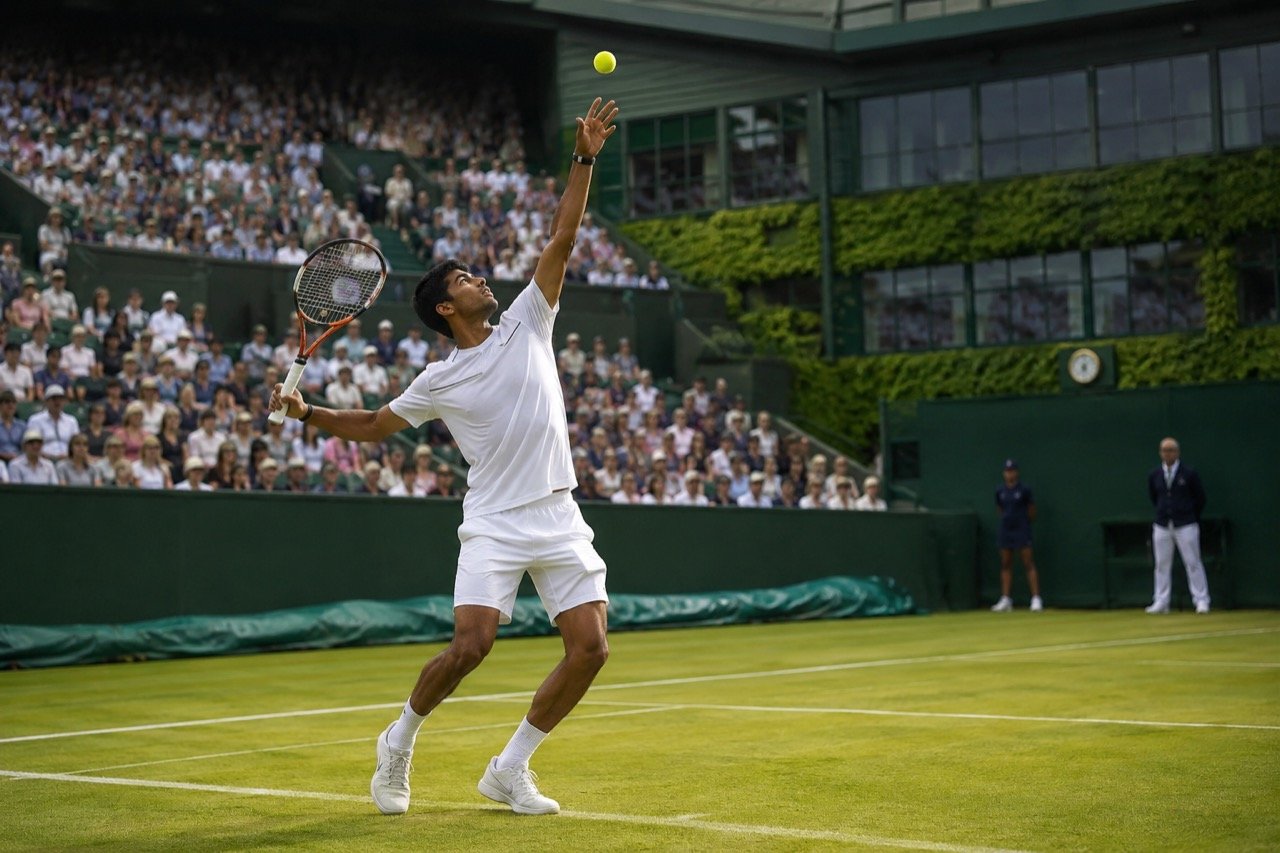
Arnav Paparkar Advances at Wimbledon Boys' Singles in Boost for India
Indian junior Arnav Paparkar has moved into the second round of the Wimbledon boys' singles with a commanding serving display, handing Indian tennis a rare and encouraging grass-court result at the sport's biggest stage.
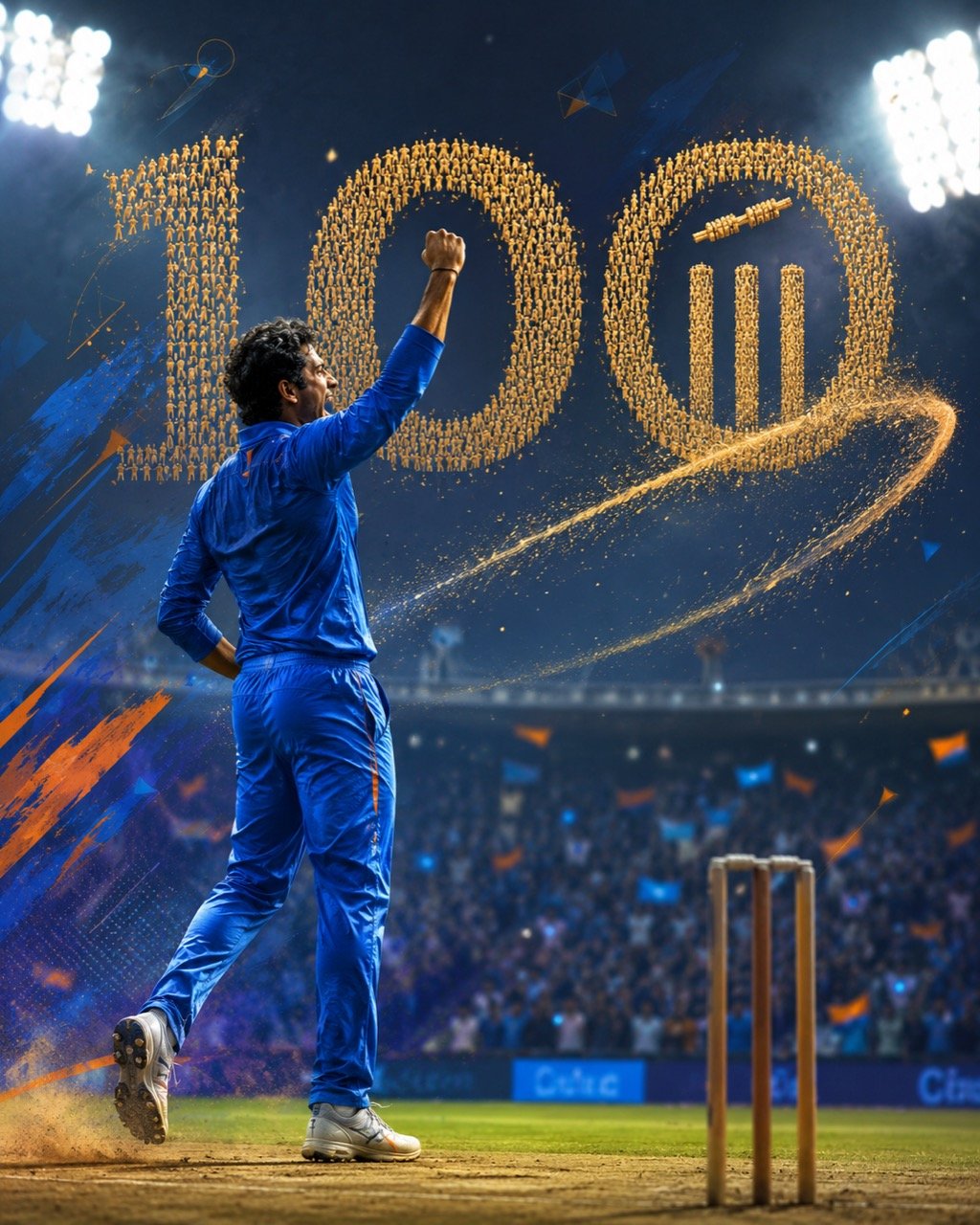
Axar Patel Becomes First Indian Spinner With 100 T20I Wickets
Axar Patel reached 100 T20 international wickets in the second T20I against England, becoming the first Indian spinner to hit the mark and cementing his standing as one of India's most durable white-ball performers.
BCCI Emerging Men's Tournament to Hunt Test Prospects in Bengaluru
The BCCI's red-ball Emerging Men's Tournament, running at the Centre of Excellence in Bengaluru through July, is designed to give selectors a longer, harder look at India's next generation of Test cricketers.