Arnav Paparkar Advances at Wimbledon Boys' Singles in Boost for India
Indian junior Arnav Paparkar has moved into the second round of the Wimbledon boys' singles with a commanding serving display, handing Indian tennis a rare and encouraging grass-court result at the sport's biggest stage.
Commentary & Analysis ·
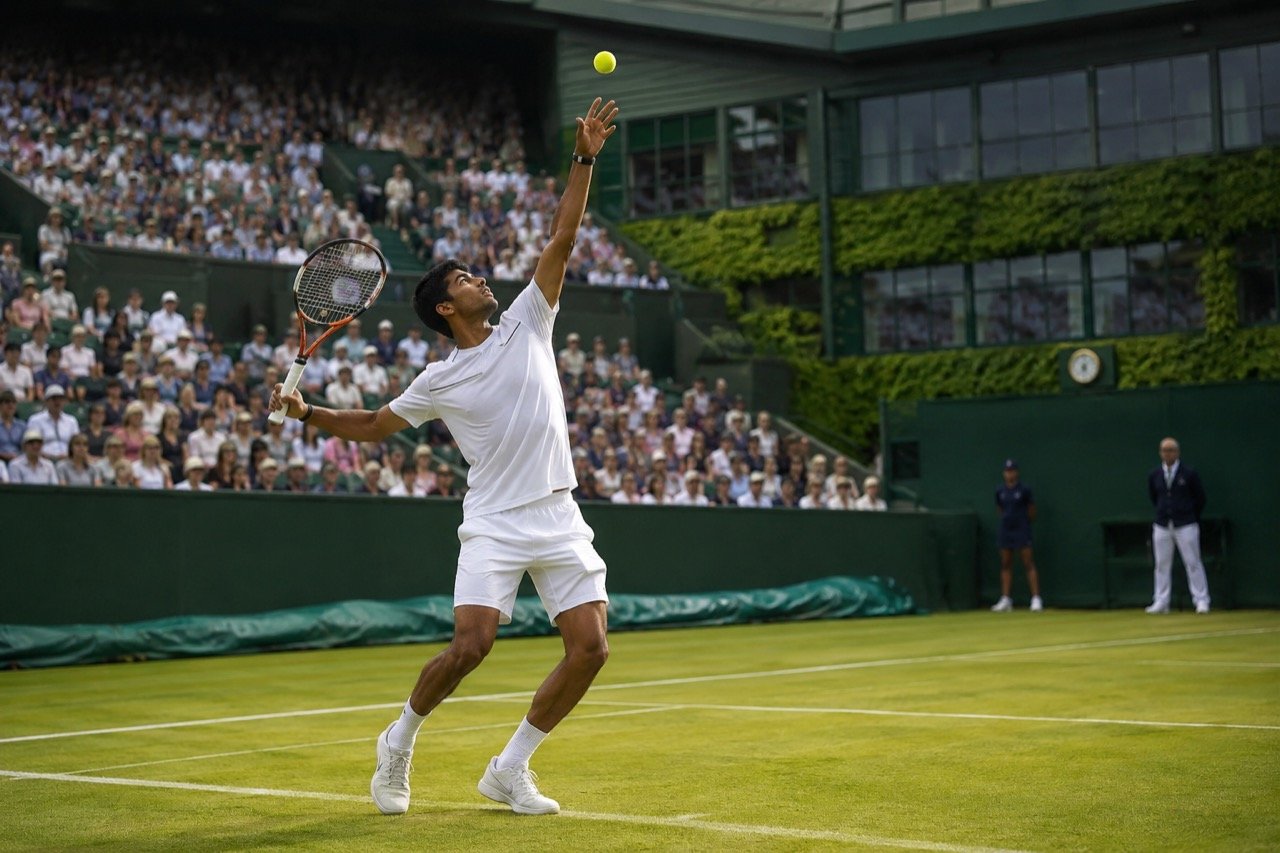
Arnav Paparkar has given Indian tennis a moment to savour at Wimbledon, winning his opening boys' singles match to advance to the second round of the junior championships. The teenager's progress, built on a strong serving performance, offers Indian fans a fresh name to follow on the sport's most storied surface. According to reports, Paparkar controlled his first-round encounter largely on the strength of his serve, closing out the match with the kind of composure that grass-court tennis demands. It was not an unqualified day for the Indian junior contingent, however: Maaya Rajeshwaran, one of the country's most promising young players, exited in her opening match. Taken together, the two results offer a useful snapshot of where Indian junior tennis currently stands — capable of individual breakthroughs, but still uneven in depth.
Why a grass-court win carries extra weight
Grass remains the rarest surface in the professional calendar and the least familiar to most Indian juniors, who grow up largely on hard courts. Success on it rewards a specific skill set: serve control, quick movement, low-bouncing ball adaptation and mental steadiness through short, sharp points. That Paparkar's win was anchored in serving dominance gives the result a technical significance beyond the scoreline. A young player who can impose himself with his serve on an unfamiliar surface is demonstrating a transferable skill, one of the few that tends to hold up as players move up through the rankings. It suggests a foundation that coaches can build on, rather than a one-off result produced by favourable conditions or a weaker draw.
The broader context matters too. Most Indian juniors spend the overwhelming majority of their formative years on hard courts, simply because that is what domestic infrastructure provides. Grass courts are scarce and expensive to maintain in India's climate, and clay, while more common globally, is also underrepresented in the country's academy system. A player advancing at Wimbledon despite this imbalance in preparation is, in effect, outperforming his own conditioning. That is a detail worth dwelling on, because it speaks to raw aptitude rather than a system firing on all cylinders.
Reading junior results without over-reading them
Indian tennis has long looked to junior Grand Slam results as early signals of senior potential. While the pathway from junior success to the professional tour is notoriously unpredictable, wins at events like Wimbledon build confidence, ranking points and international visibility, all scarce commodities for players emerging from a system with limited grass-court exposure. Yet the history of junior tennis, in India and elsewhere, is full of cautionary tales. Names that dominated the junior circuit have, more often than not, failed to replicate that form as professionals, while some who struggled early have gone on to have solid senior careers. The junior game rewards different qualities, and physical maturity, injury history and mental resilience over a longer season all reshape a player's trajectory well before they turn twenty.
None of this diminishes what Paparkar has done. It simply argues for calibrated expectations. A second-round Wimbledon junior appearance is a genuine achievement and a useful data point, not a guarantee of anything beyond itself. The right response, for administrators and fans alike, is to treat it as one encouraging signal among many that need to accumulate before conclusions can be drawn about a player's ceiling.
The other half of the story: Maaya Rajeshwaran's exit
Maaya Rajeshwaran's first-round exit is a reminder that junior tennis, like the senior game, does not move in straight lines. She remains one of the country's most promising young players, and a single early loss at a single tournament says little about her long-term prospects. If anything, it underlines the unpredictability that runs through junior draws: seedings, conditions, matchups and form on a given day all interact in ways that make any one result a poor predictor of a career. Her exit deserves to be noted without being over-interpreted, in the same way that Paparkar's win deserves recognition without being inflated into a grand narrative.
Taken side by side, the two outcomes are a fair representation of where things stand: a system producing individual moments of real promise, but not yet one where deep squads of Indian juniors are advancing together through the draws of major tournaments. That distinction, between isolated success and structural depth, is the one Indian tennis administrators should be most focused on closing.
A step, not a destination
The sensible framing of Paparkar's run is as a promising step rather than a career projection. Junior tennis is littered with bright starts that faded, and equally with slow burners who peaked later. What matters now is consolidation: another match on grass, another test of the serve under pressure, and more time on the surfaces where Grand Slams are decided. Each additional round he plays at this tournament adds to a body of evidence, both for him and for those tracking his development, about whether this is a genuine breakthrough or a favourable moment in an otherwise developing game.
For a player still building his game, exposure of this kind is valuable in itself. Facing the pressure of a Grand Slam junior draw, on a surface he rarely sees, against opponents raised on it, is precisely the kind of test that either exposes gaps or confirms strengths. Advancing past the first round has already told his camp something useful. What the second round tells them will matter more.
The NE Times View
Indian tennis needs pipelines more than it needs headlines, and Paparkar's win is best read as evidence the pipeline is producing. The temptation to anoint every junior winner as the next big hope has burned Indian sport before; restraint would serve everyone better. What administrators should take from this result is the value of surface diversity: more grass and clay exposure for juniors, earlier. If a teenager can serve his way through a Wimbledon round with minimal grass-court grounding, imagine the ceiling with proper preparation. That single counterfactual ought to inform how domestic academies plan training calendars, even in a country where grass courts will always be a scarce resource.
For readers, the right response is simple: note the name, follow the journey, and let the player grow. The same patience should extend to Maaya Rajeshwaran, whose early exit is not a verdict on her future. Indian tennis has, over the years, been better served by sustained attention to a pipeline of players than by fixating on any single result, good or bad. This week at Wimbledon offers both kinds of result, and both are worth watching calmly.
Key takeaways
- Arnav Paparkar advanced to the second round of the Wimbledon boys' singles junior championships, winning his opener largely on the strength of his serve.
- The win carries added significance because grass is the surface least familiar to Indian juniors, who are typically raised on hard courts.
- Maaya Rajeshwaran, among India's most promising young players, exited in her first-round match, a reminder of how unpredictable junior draws can be.
- Junior Grand Slam results are useful early signals but poor predictors of senior careers, and should be read with caution.
- The result strengthens the case for Indian academies to widen surface exposure, particularly grass and clay, earlier in a junior player's development.
You may also like to read
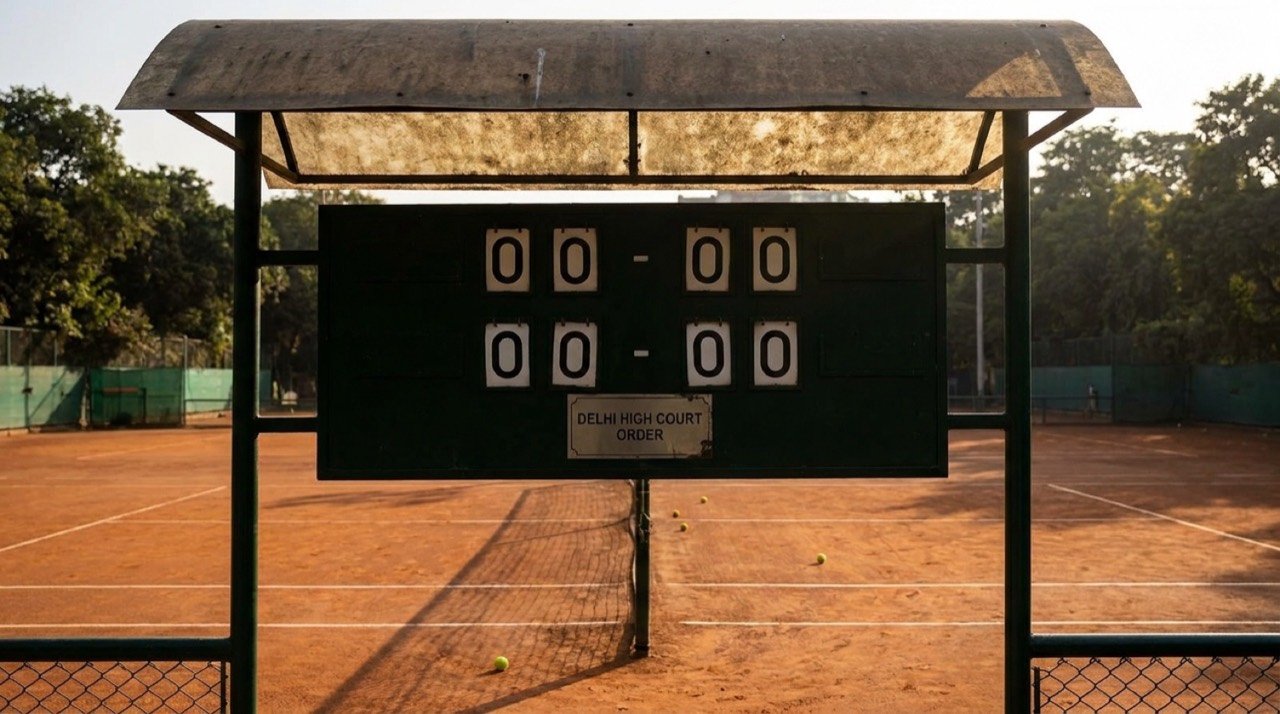
Delhi High Court Orders AITA to Hold Fresh Elections by September 30
The Delhi High Court has directed the All India Tennis Association to complete fresh elections by September 30, thrusting Indian tennis governance back under judicial scrutiny.

Early Exits At Indonesia Open Sharpen Questions Over India's Singles Rebuild
Lakshya Sen's first-round loss and PV Sindhu's defeat to An Se-young at the Indonesia Open underline the work ahead as India's singles stars eye the Asian Games.
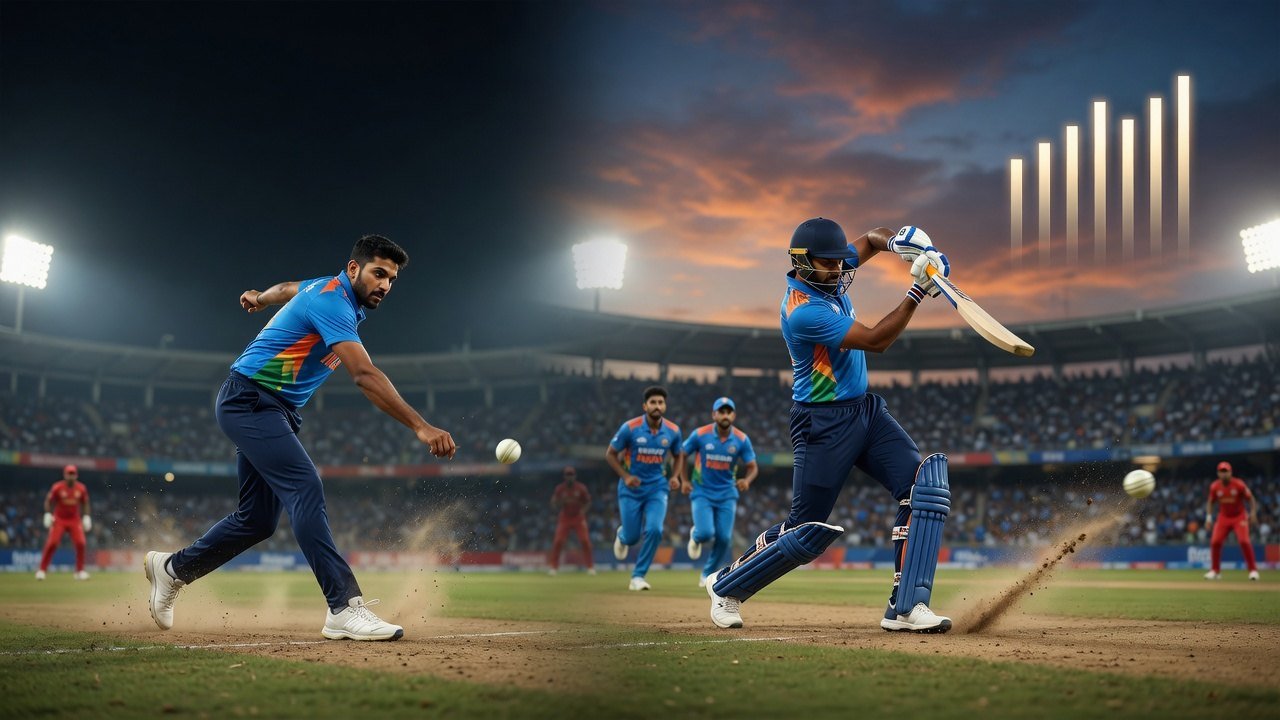
India Beat England by Six Wickets in First ODI as Axar Patel Delivers Match-Winning All-Round Show
India chased 259 at Edgbaston to beat England by six wickets, led by Axar Patel's 4/62 and unbeaten 57, Shubman Gill's 80 and Washington Sundar's 52 not out.
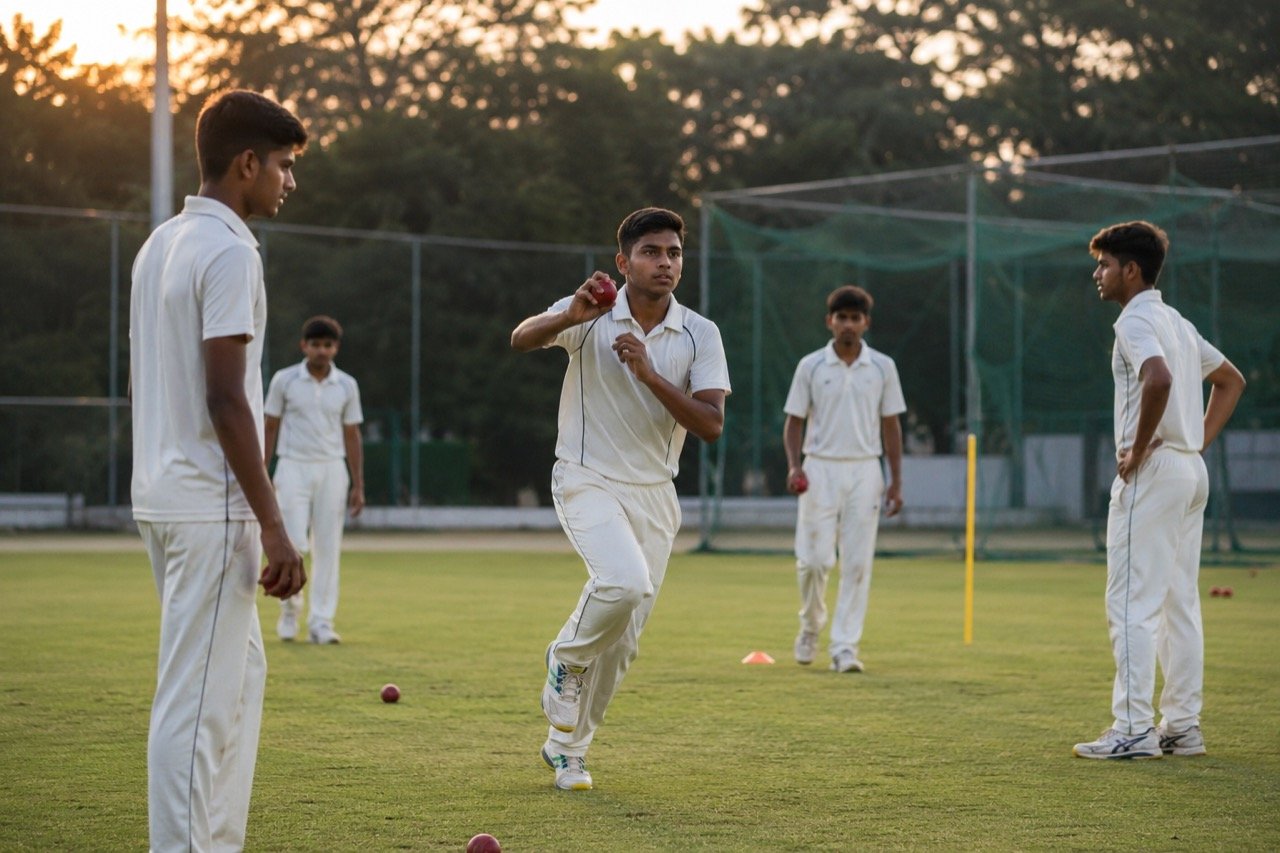
BCCI Emerging Men's Tournament to Hunt Test Prospects in Bengaluru
The BCCI's red-ball Emerging Men's Tournament, running at the Centre of Excellence in Bengaluru through July, is designed to give selectors a longer, harder look at India's next generation of Test cricketers.
More from this section
More
Axar Patel Becomes First Indian Spinner With 100 T20I Wickets
Axar Patel reached 100 T20 international wickets in the second T20I against England, becoming the first Indian spinner to hit the mark and cementing his standing as one of India's most durable white-ball performers.
BCCI Emerging Men's Tournament to Hunt Test Prospects in Bengaluru
The BCCI's red-ball Emerging Men's Tournament, running at the Centre of Excellence in Bengaluru through July, is designed to give selectors a longer, harder look at India's next generation of Test cricketers.
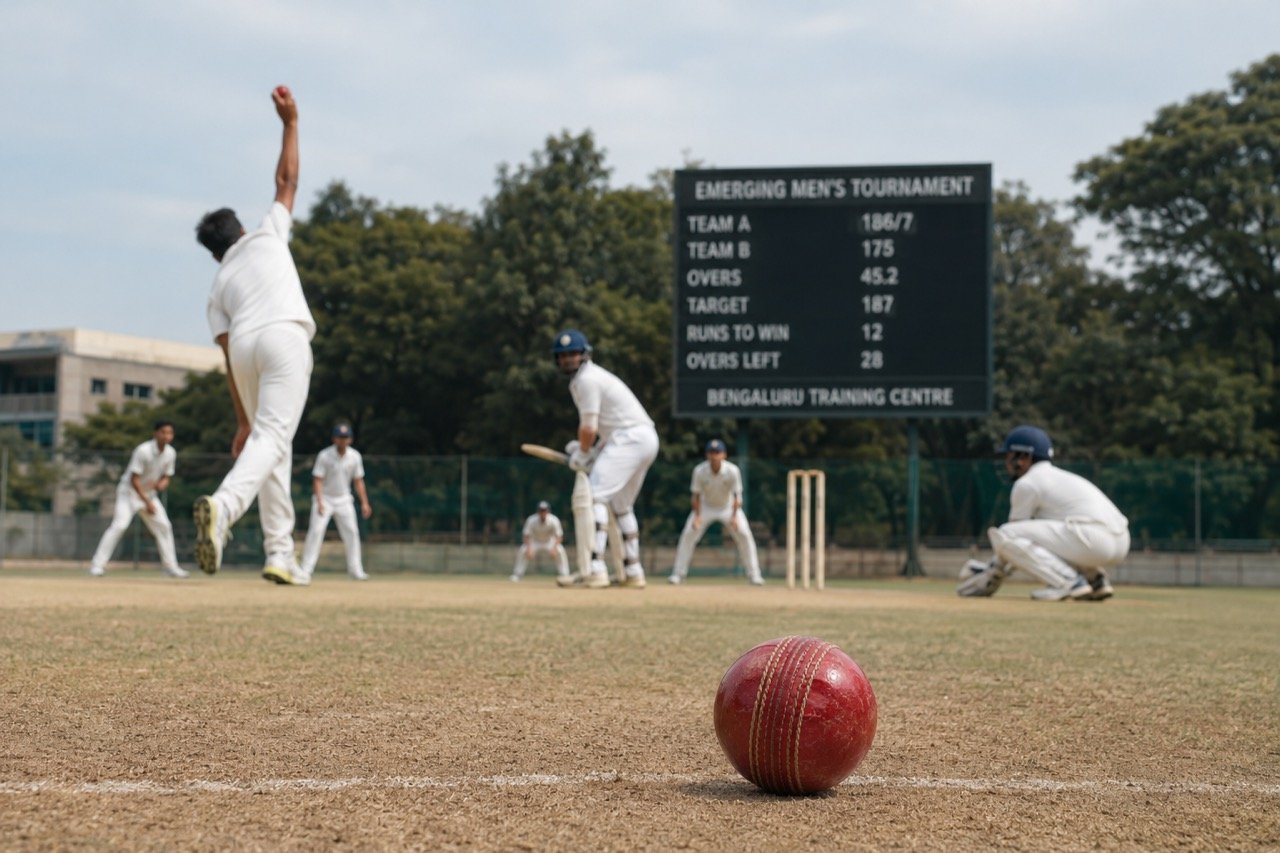
BCCI Emerging Tournament 2026: India's Next Cricket Stars Take Stage
The BCCI's emerging men's tournament gives selectors, franchises and fans a structured look at the young Indian cricketers pushing to move from domestic promise into national contention.