Delhi High Court Orders AITA to Hold Fresh Elections by September 30
The Delhi High Court has directed the All India Tennis Association to complete fresh elections by September 30, thrusting Indian tennis governance back under judicial scrutiny.
Commentary & Analysis ·
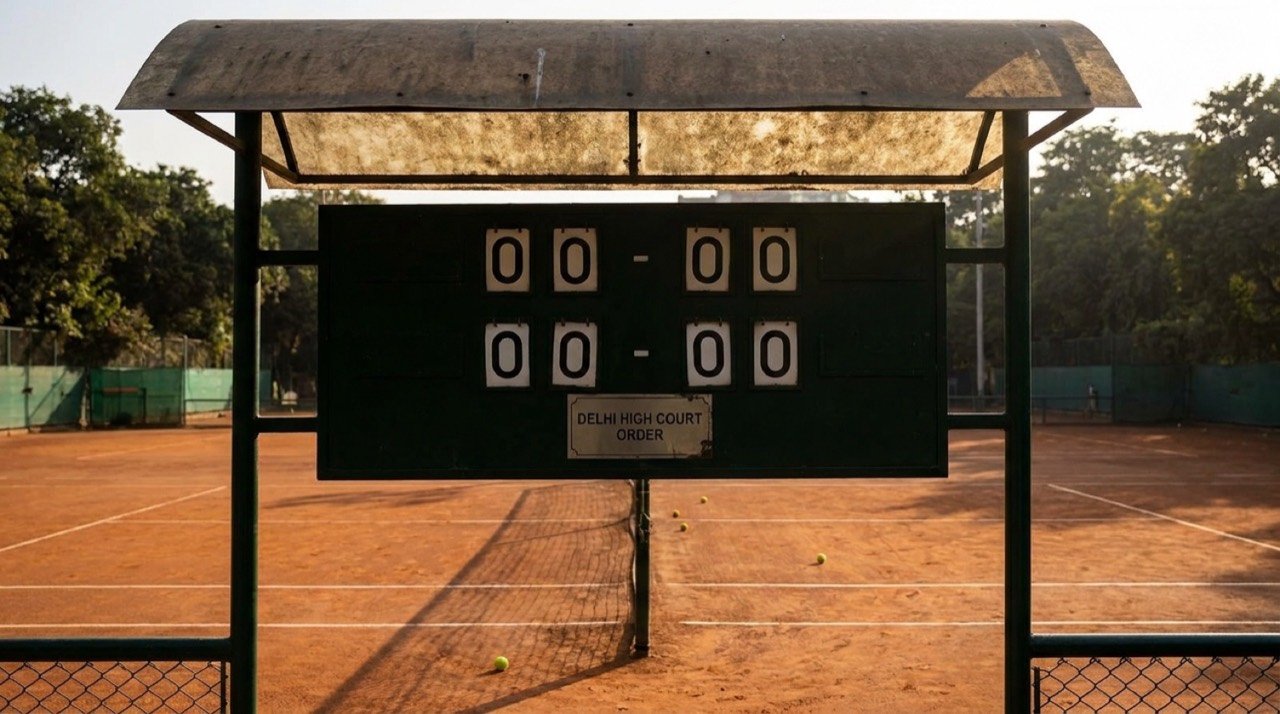
The Delhi High Court has ordered the All India Tennis Association (AITA) to conduct fresh elections by September 30, a directive that once again places the governance of Indian tennis under the spotlight. The order, which follows protracted disputes over the federation's electoral process, sets a firm, court-supervised timetable for a body that controls selection, scheduling and funding across the sport.
Why the court stepped in
The intervention arose from challenges to the legitimacy and conduct of AITA's election process, alongside questions about whether the federation has complied with prevailing sports-governance norms. When internal grievance mechanisms fail to resolve such disputes, aggrieved members and officials increasingly turn to the courts for relief.
By imposing a hard deadline, the bench has effectively taken charge of the timeline, signalling that further delay will not be tolerated. The approach mirrors a pattern seen across several Indian sports federations, where judicial oversight has become a recurring feature of administrative life.
What it means for players and state units
A stable, properly elected national body is essential for athletes, state associations and tournament organisers who depend on it for selection decisions, an orderly competition calendar, grant disbursal and representation before international authorities. Prolonged uncertainty at the top can ripple down to junior circuits and domestic events.
For players in particular, clarity over who runs the federation affects everything from wildcard entries and ranking pathways to the timely release of funds for travel and coaching. A court-mandated reset offers a chance to restore that clarity.
A familiar problem in Indian sport
The episode underlines a structural weakness that extends well beyond tennis: governance disputes in Indian sport frequently end up before judges because federations lack credible, fast internal systems to settle them. That reliance on litigation can sap administrative energy and complicate India's standing with global bodies that prize autonomy and clean elections.
- Fresh AITA elections must be completed by September 30.
- The order follows disputes over the federation's electoral process.
- Compliance with sports-governance norms was a central concern.
- Players, state units and organisers rely on a stable national body.
- Court intervention reflects weak internal dispute-resolution systems.
“A court-supervised timetable can restore order, but it also exposes how often Indian federations fail to settle their own house before a deadline is imposed from outside.”
— Sports governance observer
If the September 30 deadline is met cleanly, AITA could emerge with a fresh mandate and renewed credibility just as Indian tennis seeks momentum on the international stage. The coming weeks will test whether the federation can run a transparent poll on schedule, or whether further disputes will keep the matter tied up in court.
The NE Times View
Courts repeatedly running Indian sports bodies is itself the indictment: federations should not need judicial deadlines to hold basic elections. Tennis governance has long been a fiefdom problem, and a fresh poll is overdue. But elections alone do not fix entrenched administrators who simply re-contest. The real question is whether reformed bylaws and tenure limits follow, or whether September's vote merely reshuffles the same faces while players bear the cost.
This article is original commentary and analysis by The NE Times. Background facts were referenced from Times of India and the All India Tennis Association.
You may also like to read
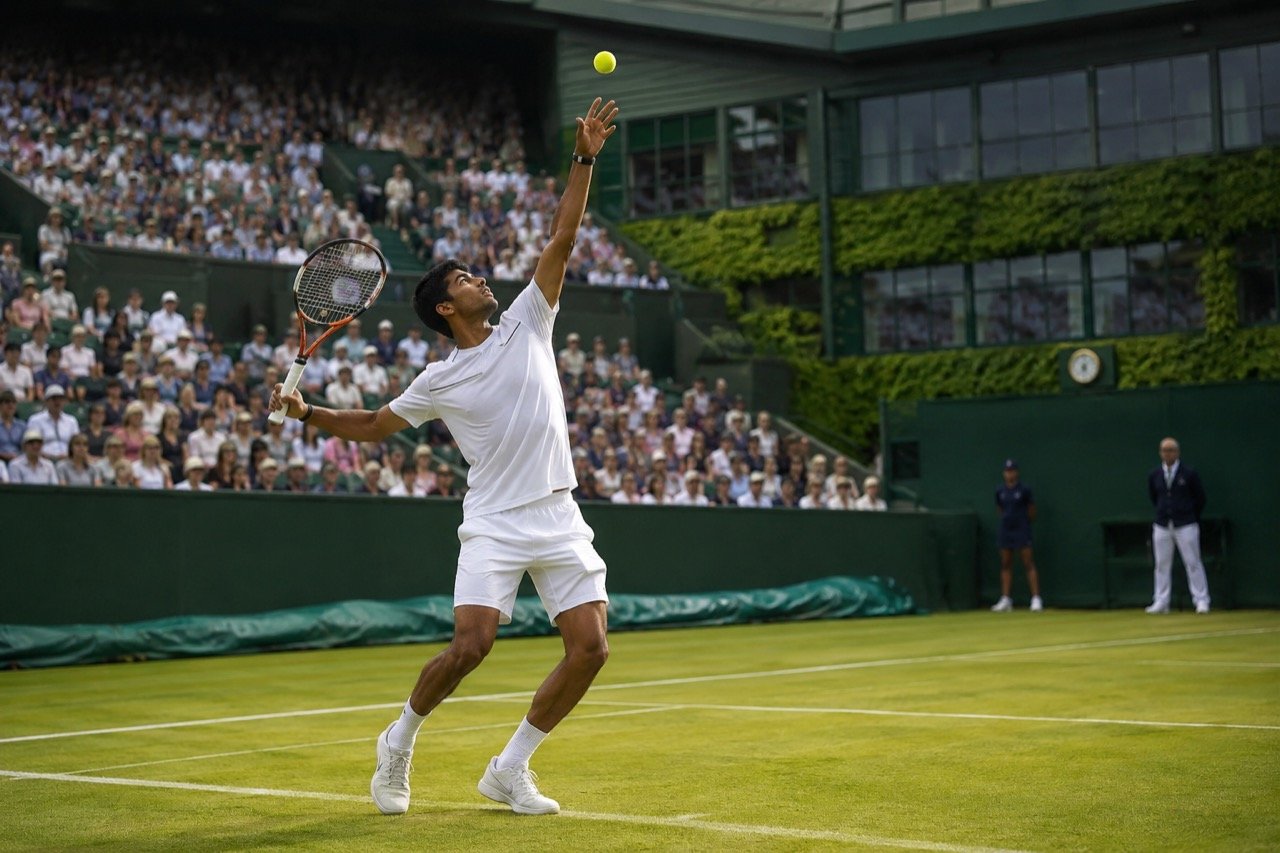
Arnav Paparkar Advances at Wimbledon Boys' Singles in Boost for India
Indian junior Arnav Paparkar has moved into the second round of the Wimbledon boys' singles with a commanding serving display, handing Indian tennis a rare and encouraging grass-court result at the sport's biggest stage.
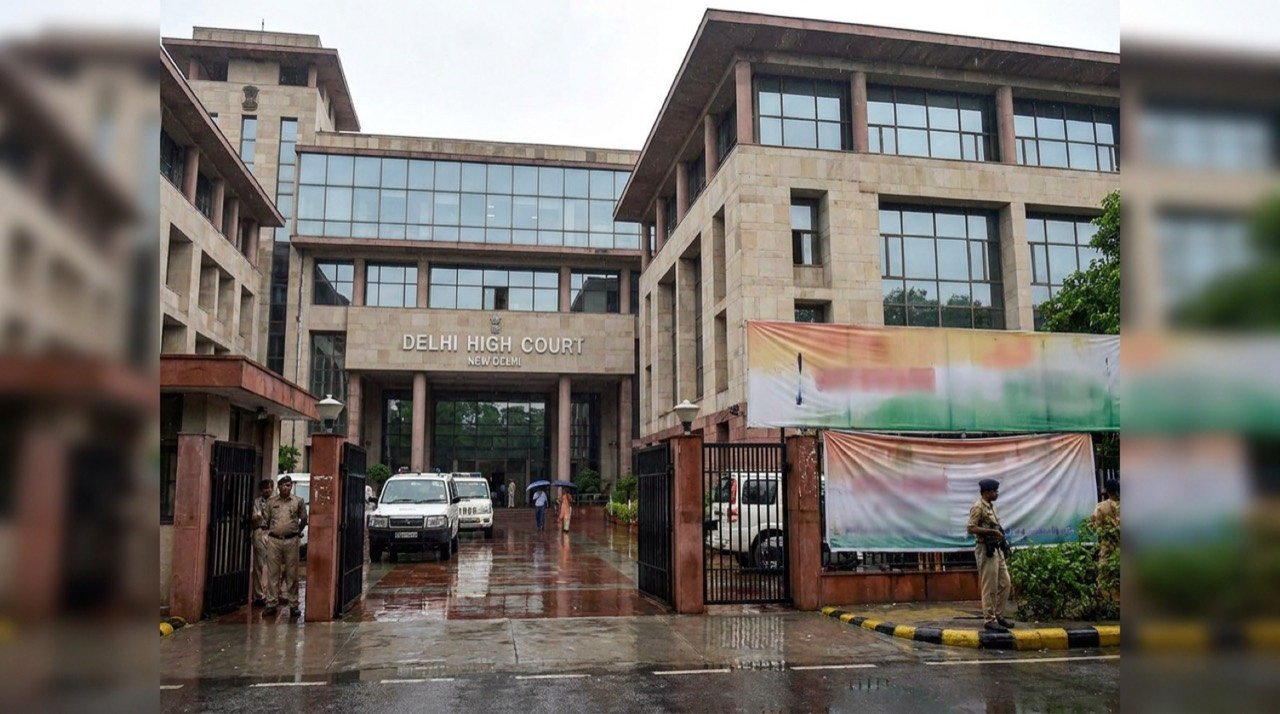
Delhi High Court Clears Way for Proposed CAG Audit of BSES Discoms
The Delhi High Court has dismissed BSES petitions against a proposed CAG audit, calling the June 6 notice a show-cause communication and keeping scrutiny of power distribution finances alive.
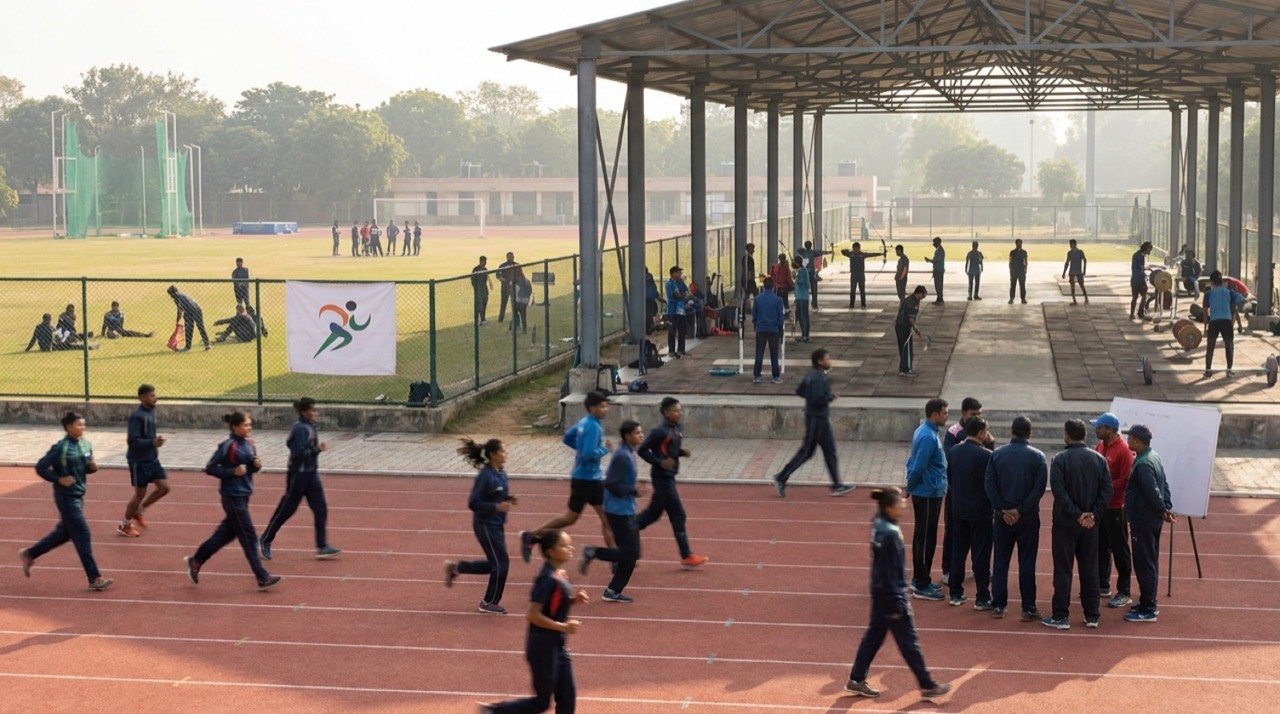
SAI Tells Federations to Pause Asian Games Team Announcements
The Sports Authority of India has asked national federations to hold back Asian Games squad announcements until official clearance, putting selection discipline and athlete communication under scrutiny.
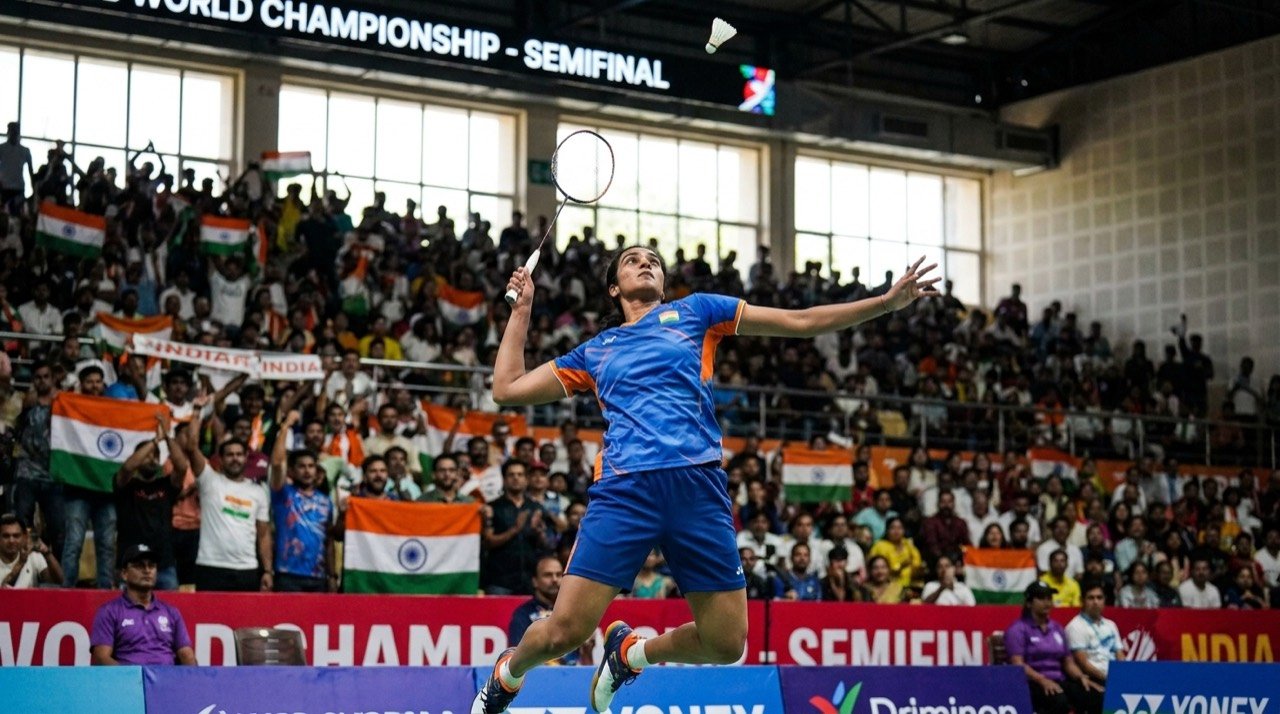
BWF World Championships Return to India After 17 Years as New Delhi Prepares to Host Badminton's Elite
India will stage the BWF World Championships for the first time since 2009, with New Delhi's Indira Gandhi Arena hosting the showpiece from 17 to 23 August and tickets starting at just Rs 499.
More from this section
MoreArnav Paparkar Advances at Wimbledon Boys' Singles in Boost for India
Indian junior Arnav Paparkar has moved into the second round of the Wimbledon boys' singles with a commanding serving display, handing Indian tennis a rare and encouraging grass-court result at the sport's biggest stage.

Axar Patel Becomes First Indian Spinner With 100 T20I Wickets
Axar Patel reached 100 T20 international wickets in the second T20I against England, becoming the first Indian spinner to hit the mark and cementing his standing as one of India's most durable white-ball performers.
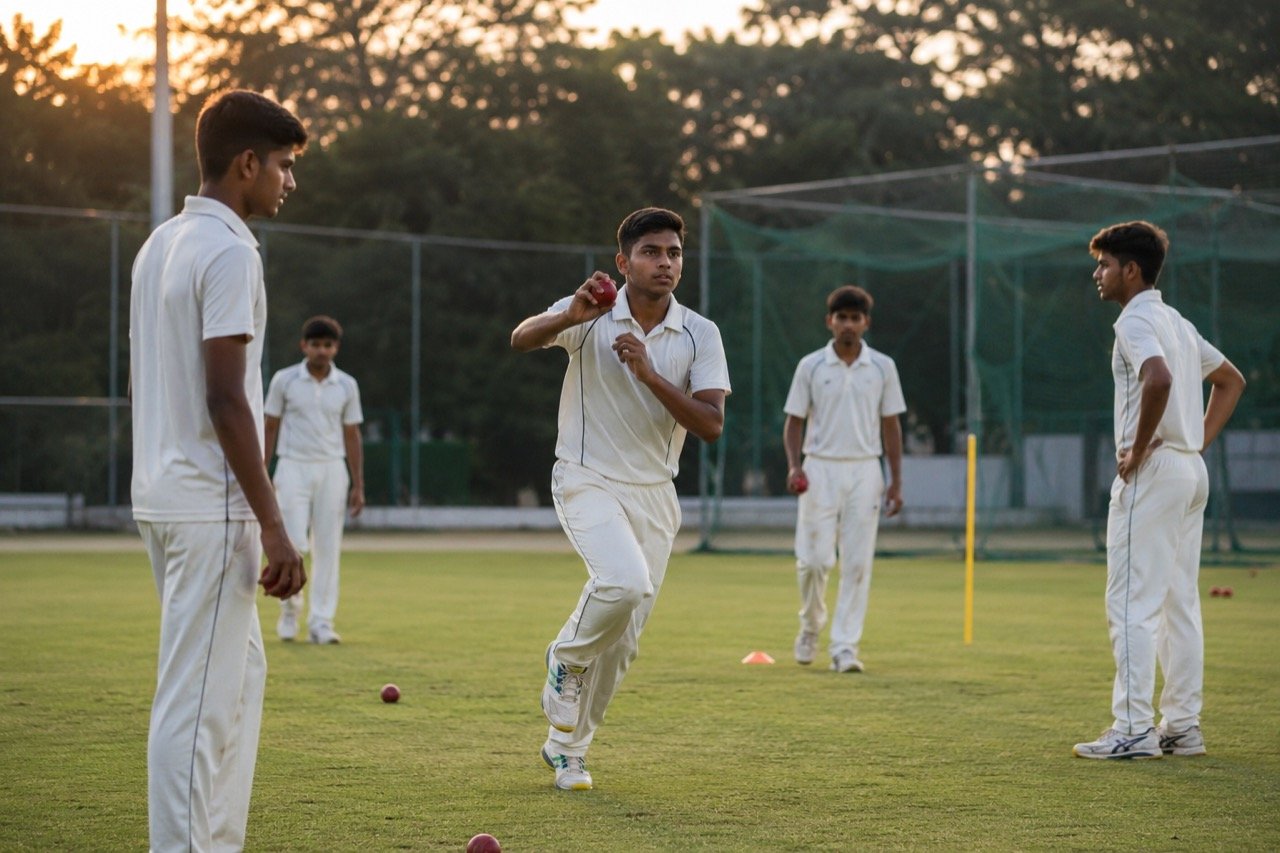
BCCI Emerging Men's Tournament to Hunt Test Prospects in Bengaluru
The BCCI's red-ball Emerging Men's Tournament, running at the Centre of Excellence in Bengaluru through July, is designed to give selectors a longer, harder look at India's next generation of Test cricketers.