SAI Tells Federations to Pause Asian Games Team Announcements
The Sports Authority of India has asked national federations to hold back Asian Games squad announcements until official clearance, putting selection discipline and athlete communication under scrutiny.
Commentary & Analysis ·
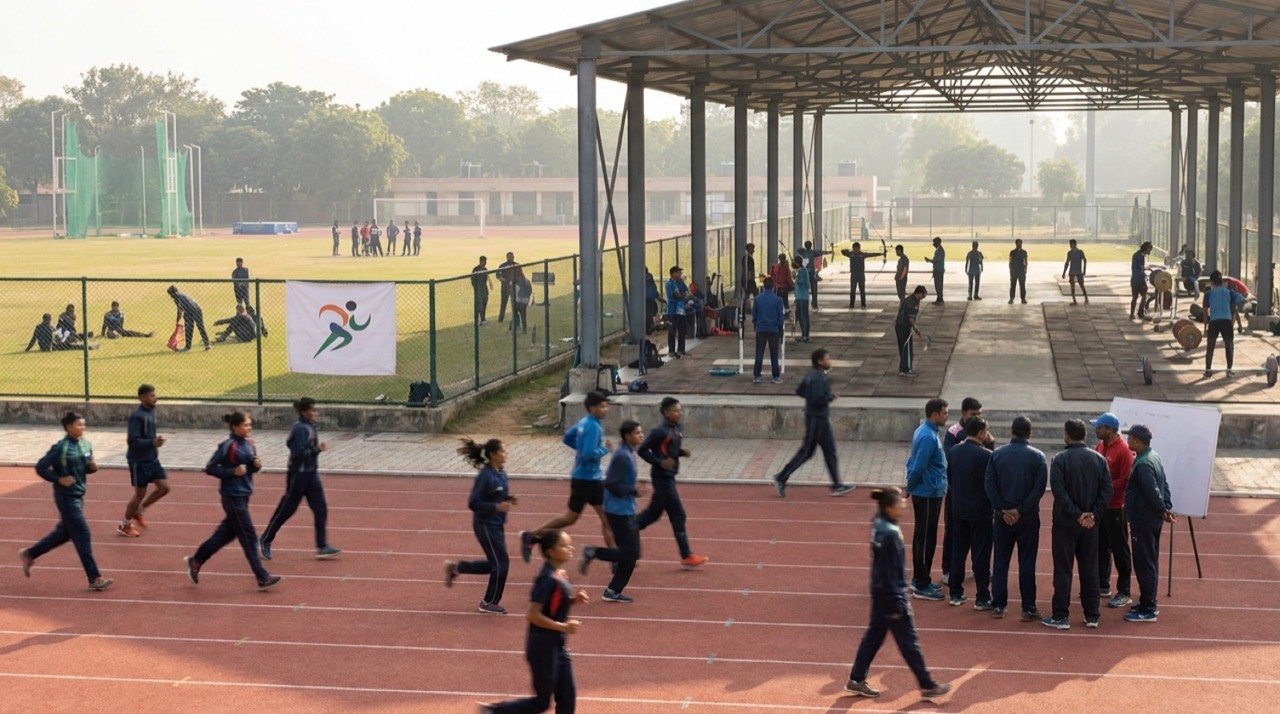
The Sports Authority of India has asked national sports federations not to announce their Asian Games squads before receiving official clearance, a direction that places selection discipline and athlete communication squarely under the spotlight. The instruction comes as federations prepare teams for the continental event and the government seeks a more orderly approval process. On the surface, it is a modest administrative note asking bodies to sequence their announcements correctly. Underneath, it touches on a question that has recurred through several Indian sporting cycles: who gets to say a name is confirmed, and when.
What SAI has directed
According to reporting, SAI's instruction was issued as federations moved to finalise and publicise their teams. The intent, officials suggest, is to ensure that announcements follow rather than precede formal sign-off, so that the names made public are the ones actually cleared to compete. The direction does not, in itself, question any athlete's merit. Instead, it targets the sequence of communication, insisting that selection trials and federation recommendations be confirmed through official channels before being presented as final.
This distinction matters. SAI is not intervening in who is picked, nor is it second-guessing the selection panels or trial results that federations rely upon. It is instead asserting control over the moment at which a name becomes public knowledge, inserting a checkpoint between a federation's internal recommendation and its external announcement. That checkpoint is meant to function as a filter, catching any eligibility, funding or compliance issues before they become public embarrassments.
Why premature announcements cause problems
Early squad declarations can create confusion for athletes, coaches, sponsors and fans when final eligibility, funding, federation compliance or government approval is still pending. An athlete named prematurely may begin preparations and public commitments, only to face uncertainty if the selection is later revised or held up. The costs of this kind of confusion are not merely reputational. Training schedules, travel planning, sponsorship conversations and even personal financial decisions can hinge on the assumption that a name announced by a federation is final.
For athletes, the immediate issue is clarity. Trials and recommendations may generate legitimate expectations, but actual participation depends on formal approval, and the gap between the two is where avoidable disputes tend to arise. When a federation announces a squad and that list is later altered because of a funding shortfall, an eligibility question, or a delay in government sign-off, the athlete who was named and then dropped faces a public reversal that is far harder to absorb than a delayed original announcement would have been. The instruction from SAI, in this sense, can be read as an attempt to protect athletes from a specific kind of institutional whiplash, even as it also protects the federations themselves from the embarrassment of having to walk back a public statement.
Stakeholders caught in the sequencing gap
Coaches and support staff are drawn into the same uncertainty as athletes, since training plans, travel logistics and competition peaking schedules are often built around confirmed selection dates. Sponsors, too, have a stake: commercial arrangements tied to an athlete's participation in a marquee event like the Asian Games can be structured around an announcement date, and any subsequent correction complicates those arrangements. Fans and the wider public, meanwhile, absorb whatever version of the squad is first reported, and any later correction can look like inconsistency or mismanagement on the part of either the federation or SAI itself, even when the underlying cause is simply an administrative approval still working its way through the system.
Federations themselves sit in an uncomfortable position. They are the bodies closest to the athletes and the trials, and they are often under pressure, from athletes, media and their own membership, to announce teams quickly once trials conclude. SAI's instruction asks them to hold that information back until a further layer of central clearance is complete, which may not always align with the federation's own sense of readiness or its relationship with the athletes it has just selected.
A recurring governance challenge
The episode highlights a familiar tension in Indian sports administration: how to combine transparent, merit-based selection with timely and official communication. Too little transparency breeds suspicion; too much haste breeds confusion. The balance has proved difficult to strike across multiple sporting cycles, and the run-up to a major continental event such as the Asian Games tends to bring the tension into sharper relief, simply because the stakes, in terms of funding, public attention and athlete careers, are higher than in a routine domestic competition.
This is not a new problem for Indian sport. Selection disputes, delayed clearances and mismatches between federation announcements and central approval have surfaced before, in various forms, ahead of major games. What SAI's current instruction suggests is an attempt to get ahead of the problem this time, by standardising the sequence before federations begin announcing, rather than intervening after a dispute has already become public. Whether that proactive posture succeeds will depend less on the instruction itself than on how efficiently the clearance process behind it actually runs.
What happens next
How smoothly the approval process now moves will determine whether the direction is seen as prudent housekeeping or an avoidable delay. If SAI can clear teams quickly once trials and federation recommendations are submitted, the instruction will likely be remembered, if at all, as a minor procedural adjustment that prevented a few awkward retractions. If clearances instead become bottlenecked, federations and athletes alike may come to see the pause as a source of the very confusion it was meant to prevent, simply relocated from the announcement stage to the waiting stage.
For the athletes at its centre, the hope will be that orderly clearance translates into firm, well-communicated selections, leaving them free to focus on preparation rather than uncertainty as the Asian Games approach. That outcome depends on SAI treating the instruction as the first half of a commitment, the second half being a clearance process fast enough that federations are not left waiting indefinitely for the green light to speak.
The NE Times View
Centralising clearance can curb the chaos of premature, contested selections, but it also risks turning athletes into bystanders awaiting bureaucratic sign-off. The NE Times sees the case for discipline, yet warns that opacity breeds its own grievances. The test for SAI is speed and transparency: if clearances drag, the cure will prove worse than the disease it was meant to fix. An instruction of this kind is only as good as the machinery behind it, and Indian sport has seen enough well-intentioned procedural fixes curdle into fresh delays to warrant some caution here. The federations, for their part, would do well to treat the pause not as a loss of authority but as a shared responsibility to get the sequencing right, provided SAI holds up its end by moving with matching urgency.
Key takeaways
- SAI has asked federations to pause Asian Games squad announcements until official clearance is granted.
- The instruction targets sequencing, not merit, insisting announcements follow rather than precede formal sign-off.
- Premature naming risks confusing athletes, coaches, sponsors and fans if selections are later revised.
- Final participation still depends on eligibility, funding and government approval beyond federation recommendations.
- The episode reflects a recurring governance tension between transparency and orderly, timely communication in Indian sport.
You may also like to read
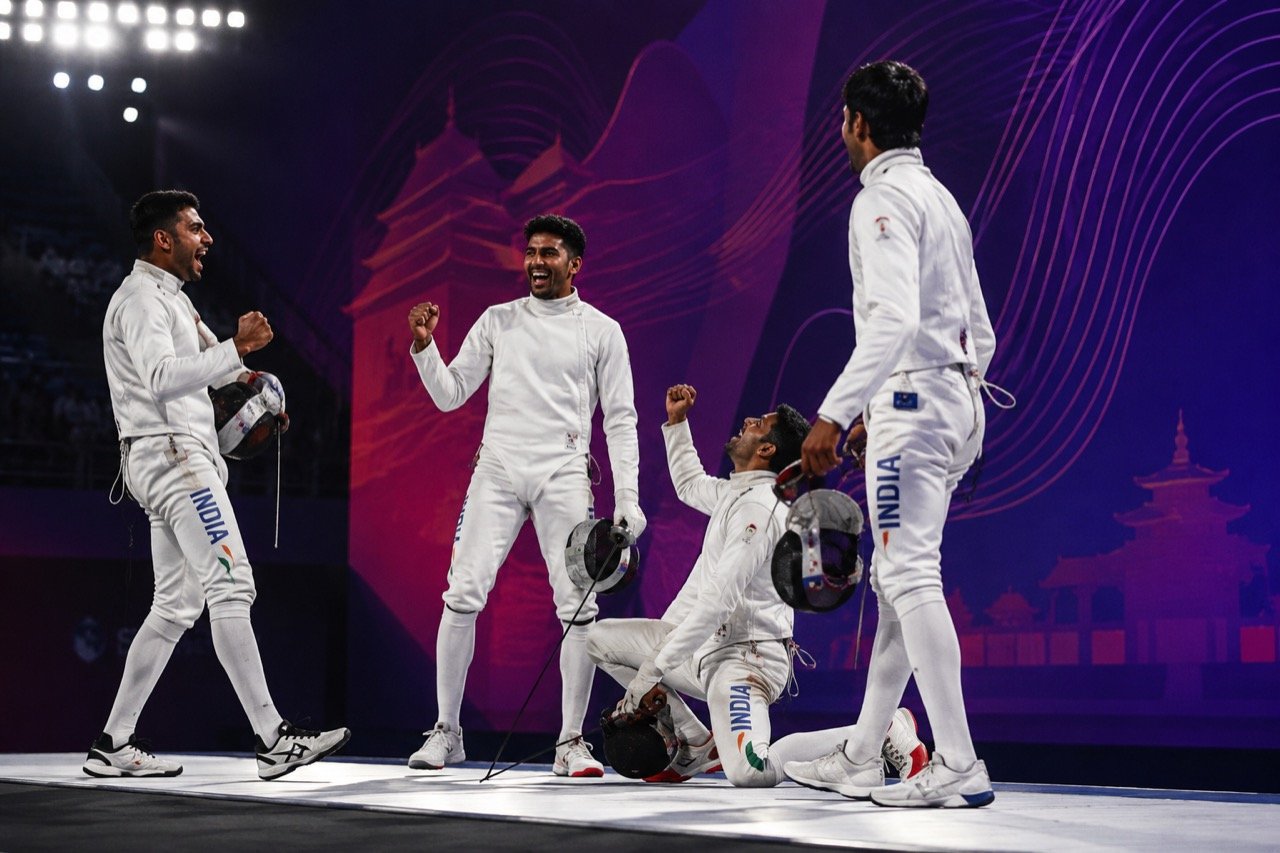
India's Men's Foil Team Books Asian Games Spot Despite Medal Miss
India's men's foil fencers left the Asian Senior Fencing Championships without a medal, but their performance earned direct qualification for the Asian Games, marking a significant milestone for a sport still building its base in the country.
Bhubaneswar Inter-State Meet Becomes The Gateway To India's Asian Games Squad
The National Inter-State Senior Athletics Championships in Bhubaneswar will serve as the decisive selection gate for athletes chasing places at the Aichi-Nagoya Asian Games.
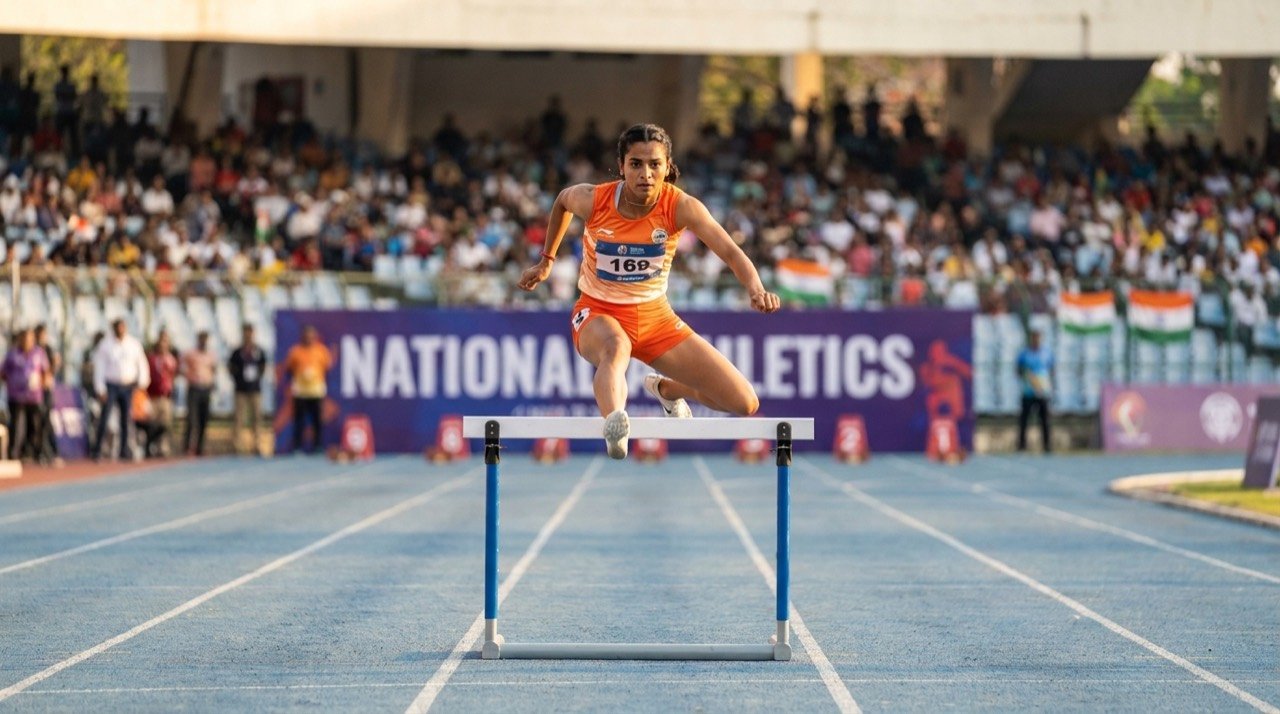
Inter-State Athletics 2026: Yarraji and Kujur Punch Asian Games Tickets as Sindhushree Breaks Pole Vault Record
The National Inter-State Senior Athletics Championships in Bhubaneswar doubled as Asian Games trials, with Jyothi Yarraji, Animesh Kujur and Praveen Chithravel clearing qualifying marks and Sindhushree G setting a national record.
Nagal And Sahaja Yamalapalli To Spearhead India's Asian Games Tennis Squad
India have named a 12-member tennis squad for the Asian Games, with Sumit Nagal and Sahaja Yamalapalli leading singles hopes as the country eyes medals in Aichi-Nagoya.
More from this section
More
Arnav Paparkar Advances at Wimbledon Boys' Singles in Boost for India
Indian junior Arnav Paparkar has moved into the second round of the Wimbledon boys' singles with a commanding serving display, handing Indian tennis a rare and encouraging grass-court result at the sport's biggest stage.

Axar Patel Becomes First Indian Spinner With 100 T20I Wickets
Axar Patel reached 100 T20 international wickets in the second T20I against England, becoming the first Indian spinner to hit the mark and cementing his standing as one of India's most durable white-ball performers.
BCCI Emerging Men's Tournament to Hunt Test Prospects in Bengaluru
The BCCI's red-ball Emerging Men's Tournament, running at the Centre of Excellence in Bengaluru through July, is designed to give selectors a longer, harder look at India's next generation of Test cricketers.