India's Men's Foil Team Books Asian Games Spot Despite Medal Miss
India's men's foil fencers left the Asian Senior Fencing Championships without a medal, but their performance earned direct qualification for the Asian Games, marking a significant milestone for a sport still building its base in the country.
Commentary & Analysis ·
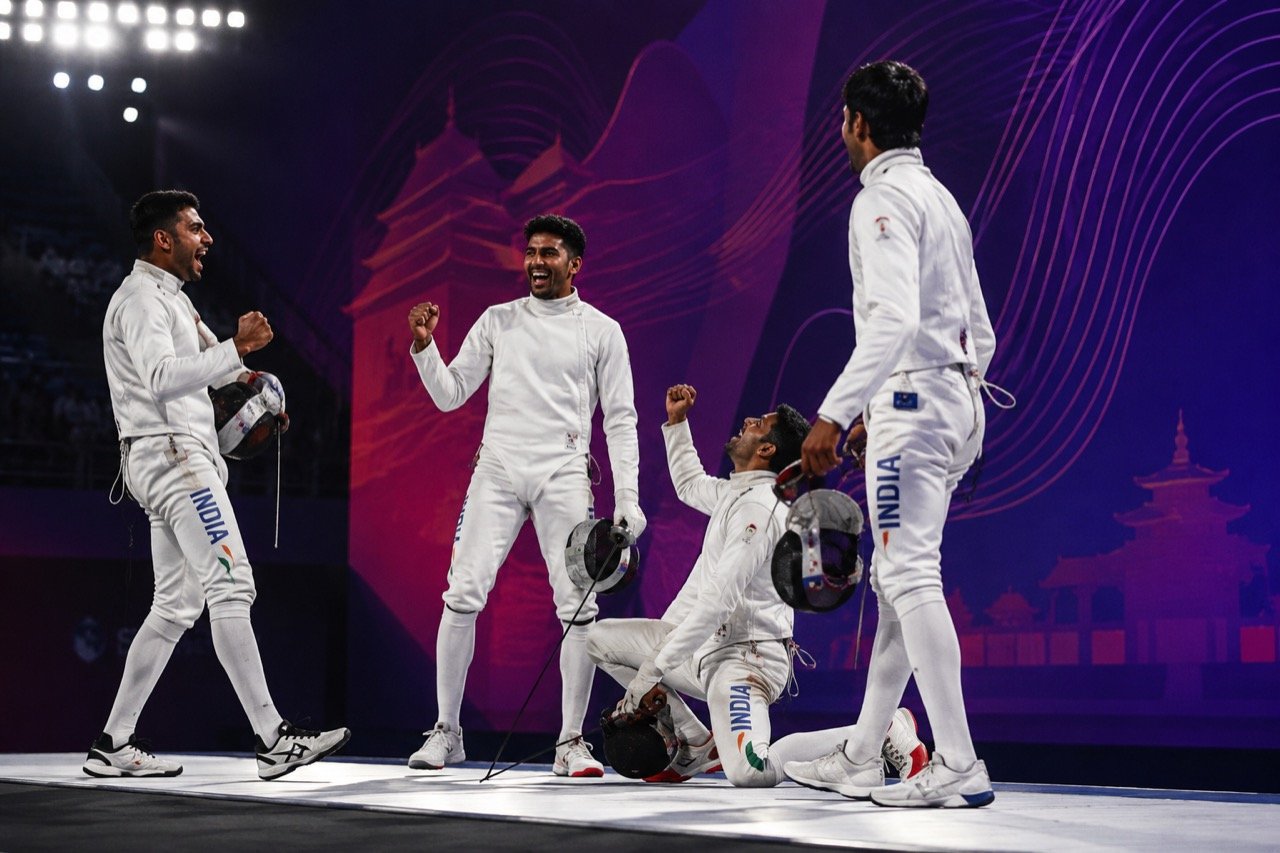
India's men's foil team has secured direct qualification for the Asian Games, turning an otherwise medal-less outing at the Asian Senior Fencing Championships into a result of real consequence. Times of India reported the outcome, which hands Indian fencing a concrete continental target even without a podium finish. On the face of it, a championships that ends without a medal invites a verdict of underachievement. Look closer, though, and the qualification itself is the more durable outcome, one that will shape the team's calendar, funding conversations and competitive trajectory for the next several months regardless of how the medal table read on the day.
Why qualification outweighs the medal miss
In qualification-based sports, entry to a marquee continental event is often the more strategic prize than a medal won in a lower-stakes meet. A berth at the Asian Games guarantees India's foil fencers exposure against Asia's strongest programmes, and it gives the team a fixed competitive deadline around which training, selection and funding decisions can be organised. Medals at any given championships are, in a sense, a snapshot; qualification is a schedule. It tells coaches and administrators precisely when the team must peak, which in turn dictates everything from training periodisation to travel budgets to the timing of trial bouts against overseas opposition.
This distinction matters more in fencing than in sports where India already has an established base. A team that fails to qualify for a flagship event loses not just a competitive opportunity but also the administrative case for sustained investment in the intervening period. By contrast, a confirmed Asian Games slot converts an abstract ambition into a concrete commitment that national federations, and by extension the sports ministry and corporate sponsors, can plan against.
Fencing's slow climb towards mainstream visibility
Fencing is still working towards mainstream visibility in India. It does not carry the historical infrastructure of sports such as wrestling, boxing or badminton, nor does it enjoy comparable grassroots participation or media coverage. Asian Games participation brings a bigger platform, better access to institutional support, and a clearer case for investment from sports authorities and sponsors who typically respond to multi-sport event results rather than standalone world championship outcomes.
This is an important nuance for a discipline at fencing's stage of development in India. Multi-sport events such as the Asian Games and the Olympics carry disproportionate weight in how domestic sporting bodies allocate resources, because performance there is more visible to the public and more legible to policymakers than results at discipline-specific world championships. A medal-less finish at the Asian Senior Fencing Championships, then, is far less costly to the sport's long-term interests than missing out on the Asian Games altogether would have been.
The road from qualification to competitiveness
The harder task begins now: converting qualification into genuine competitiveness. That means sharper preparation blocks, more international bouts for ranking experience, and consistency across the team event format, where a single weak leg can undo an otherwise strong line-up. Team foil is unforgiving in this respect. Unlike individual events, where one fencer's form can carry a result, the team format aggregates performance across several bouts, and any single relay's weakness is magnified over the course of a match. Building depth across all positions in the line-up, not just polishing the strongest fencer, will be the central technical challenge in the period leading up to the Games.
Ranking experience against higher-calibre opposition is the other piece of this puzzle. Direct qualification removes the immediate pressure of a play-in scenario, but it does not by itself close the gap between India's current form and the level required to contend for medals at the Asian Games. That gap can only be narrowed through repeated competitive exposure, ideally against the same continental rivals the team will face at the Games itself, so that tactical familiarity and composure under pressure are built well before the main event.
What stakeholders should do differently now
For the fencing federation, the qualification changes the nature of the planning problem. Instead of an open-ended development target, there is now a fixed date and a known field of opponents. That allows for a structured build-up: identifying specific international tournaments to enter for ranking bouts, scheduling training camps around the team's weakest links, and using the intervening period to test line-up combinations under competitive conditions rather than settling on a final team late.
For sports authorities and sponsors, the qualification is the signal they typically wait for before committing resources to a lower-profile discipline. It is far easier to justify support for a team with a confirmed berth at a major multi-sport event than for one whose participation is still uncertain. The federation therefore has a narrow but real window to make the case for additional funding, coaching support, or overseas training exposure while the qualification is still fresh and the Games are clearly on the calendar.
The NE Times View
Indian sport too often measures progress only in medals, and by that yardstick this championships would read as a failure. That would be the wrong lesson. For an emerging discipline like fencing, a direct Asian Games berth is infrastructure — it unlocks planning, funding and visibility that medals alone cannot conjure retroactively. A podium finish at a single championships is a moment; a confirmed berth at a flagship continental event is a foundation on which an entire training and funding cycle can be built.
The federation should now treat the time before the Games as a development runway, not a waiting room. That means using every available month for competitive exposure, line-up experimentation and targeted coaching, rather than treating qualification as an end point to be quietly maintained until the Games arrive. If India wants podiums in Olympic-cycle sports, it must learn to celebrate and resource exactly these unglamorous stepping stones — the qualifications, the near-misses, the incremental gains in ranking bouts — rather than reserving attention and investment only for the moments a medal is actually won.
Key takeaways
- India's men's foil team qualified directly for the Asian Games despite finishing without a medal at the Asian Senior Fencing Championships, as reported by Times of India.
- Qualification for a flagship multi-sport event often carries more strategic value than a medal at a standalone championships, since it fixes a competitive deadline and unlocks institutional support.
- Fencing's growth in India depends heavily on visibility gained through events like the Asian Games, which shape funding and sponsorship decisions more than discipline-specific results do.
- The team event format demands consistency across the full line-up, making depth-building and international ranking bouts essential in the run-up to the Games.
- The federation now has a defined window to convert qualification into competitiveness through structured training, tournament exposure and squad planning.
You may also like to read
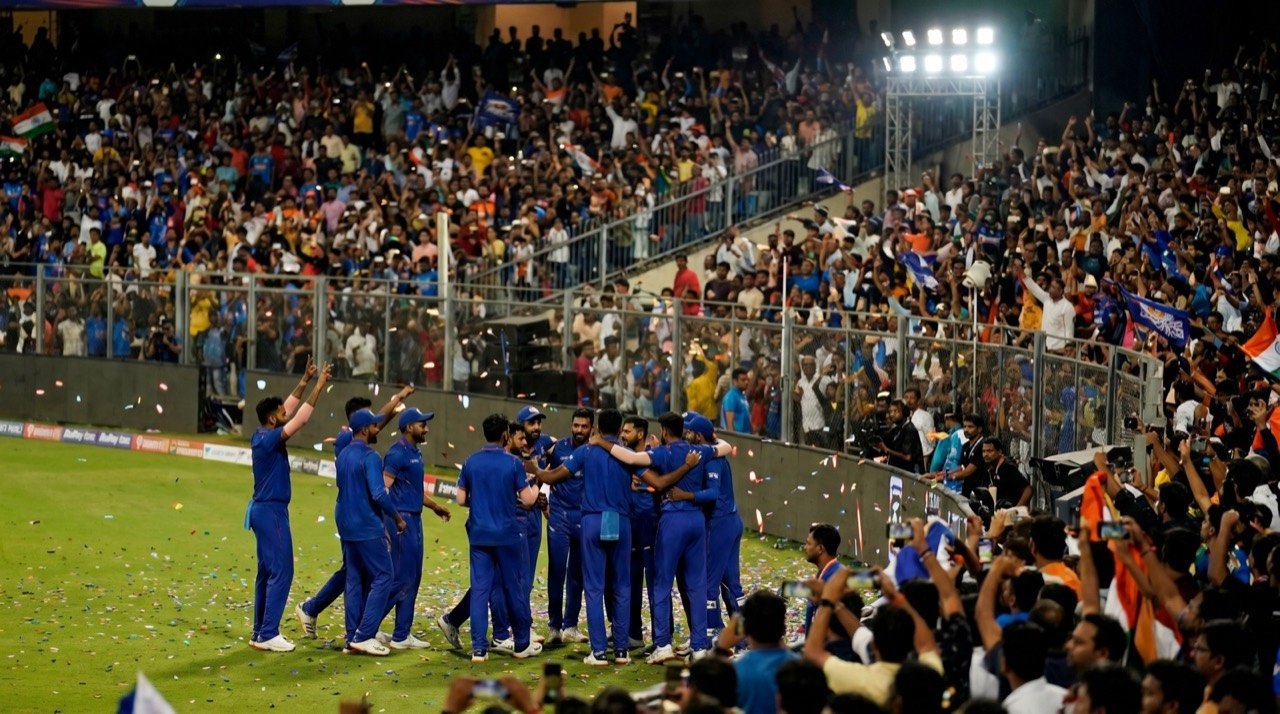
Bhubaneswar Inter-State Meet Becomes The Gateway To India's Asian Games Squad
The National Inter-State Senior Athletics Championships in Bhubaneswar will serve as the decisive selection gate for athletes chasing places at the Aichi-Nagoya Asian Games.
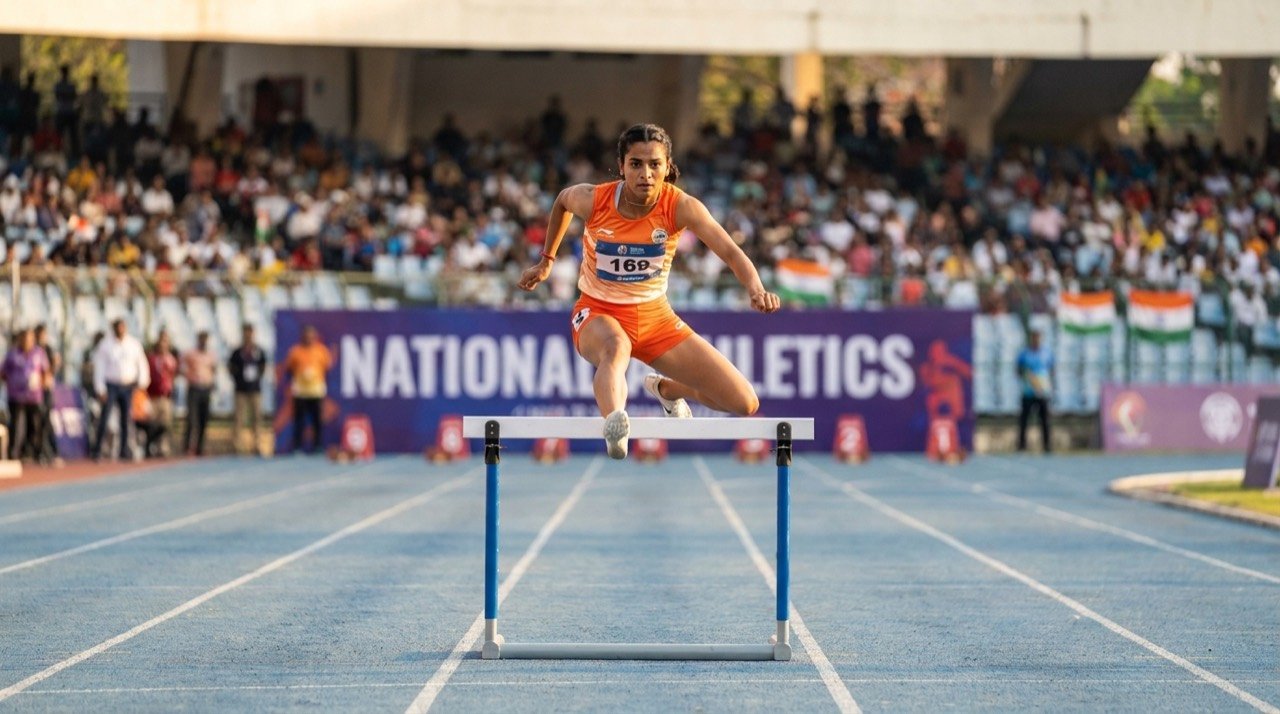
Inter-State Athletics 2026: Yarraji and Kujur Punch Asian Games Tickets as Sindhushree Breaks Pole Vault Record
The National Inter-State Senior Athletics Championships in Bhubaneswar doubled as Asian Games trials, with Jyothi Yarraji, Animesh Kujur and Praveen Chithravel clearing qualifying marks and Sindhushree G setting a national record.
Nagal And Sahaja Yamalapalli To Spearhead India's Asian Games Tennis Squad
India have named a 12-member tennis squad for the Asian Games, with Sumit Nagal and Sahaja Yamalapalli leading singles hopes as the country eyes medals in Aichi-Nagoya.
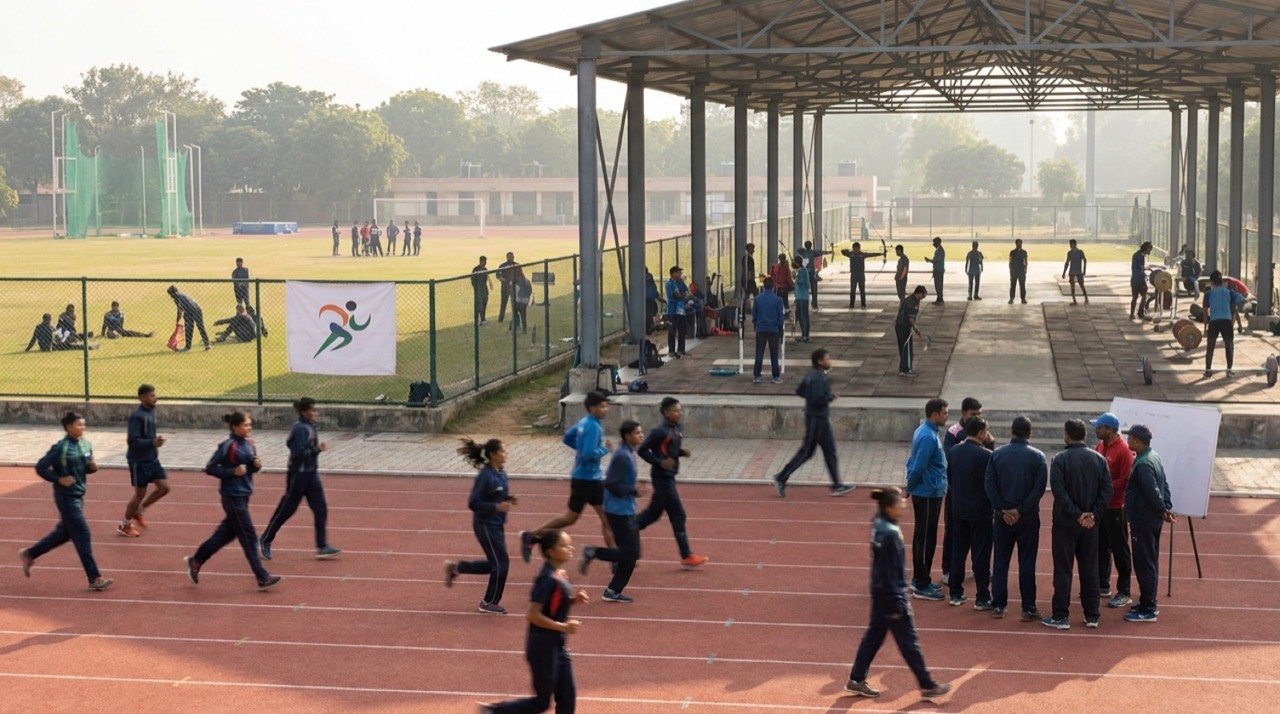
SAI Tells Federations to Pause Asian Games Team Announcements
The Sports Authority of India has asked national federations to hold back Asian Games squad announcements until official clearance, putting selection discipline and athlete communication under scrutiny.
More from this section
More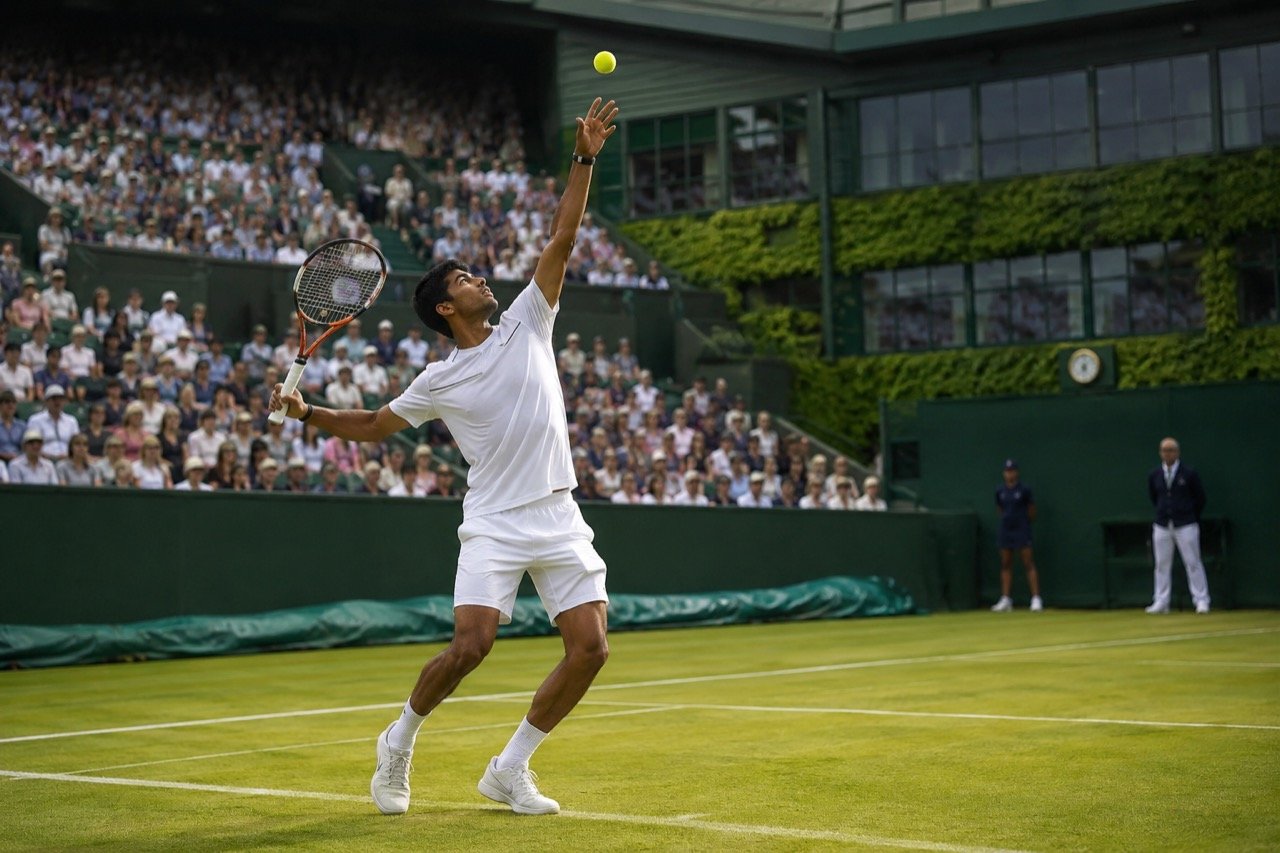
Arnav Paparkar Advances at Wimbledon Boys' Singles in Boost for India
Indian junior Arnav Paparkar has moved into the second round of the Wimbledon boys' singles with a commanding serving display, handing Indian tennis a rare and encouraging grass-court result at the sport's biggest stage.

Axar Patel Becomes First Indian Spinner With 100 T20I Wickets
Axar Patel reached 100 T20 international wickets in the second T20I against England, becoming the first Indian spinner to hit the mark and cementing his standing as one of India's most durable white-ball performers.
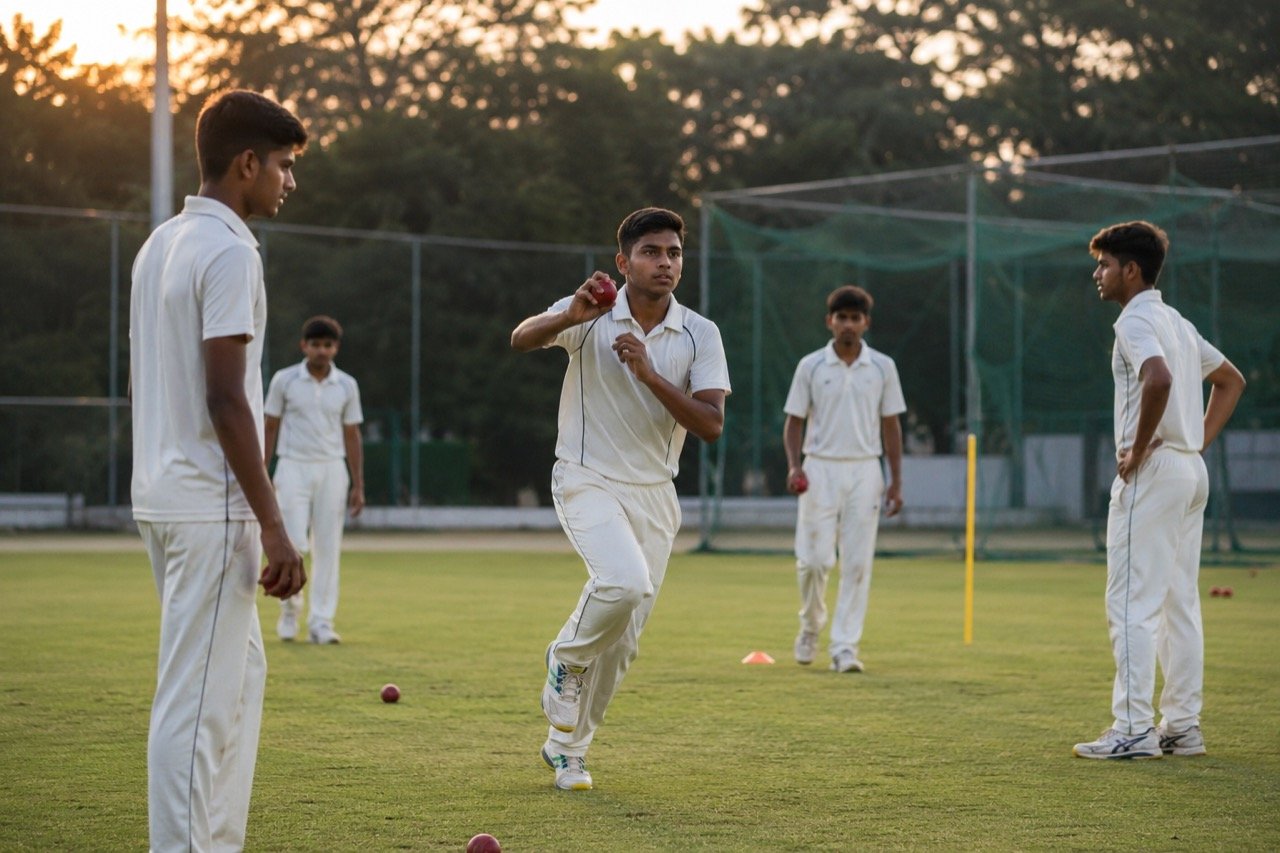
BCCI Emerging Men's Tournament to Hunt Test Prospects in Bengaluru
The BCCI's red-ball Emerging Men's Tournament, running at the Centre of Excellence in Bengaluru through July, is designed to give selectors a longer, harder look at India's next generation of Test cricketers.