Bhubaneswar Inter-State Meet Becomes The Gateway To India's Asian Games Squad
The National Inter-State Senior Athletics Championships in Bhubaneswar will serve as the decisive selection gate for athletes chasing places at the Aichi-Nagoya Asian Games.
Commentary & Analysis ·
For India's track-and-field athletes, the road to the Asian Games narrows to a single, high-pressure week in Bhubaneswar. The National Inter-State Senior Athletics Championships, scheduled there from June 24 to 28, has been positioned as the decisive selection meet for the Aichi-Nagoya Games later this year, turning what has traditionally been a routine fixture on the domestic calendar into a make-or-break occasion for hundreds of hopefuls across disciplines.
One meet to decide
The Inter-State Championships have long occupied a settled place in India's athletics season, a dependable if unglamorous stop between state-level competition and the international stage. But in an Asian Games year, their significance is magnified beyond the usual. Athletes know that performances in Bhubaneswar will weigh heavily on who books a ticket to Aichi-Nagoya, where the Games are set to run from September 19 to October 4. That compressed timeline, barely three months between selection and competition, leaves selectors and athletes alike with little margin for recalibration. A strong showing in Bhubaneswar is not merely a box to tick; it is, in effect, the audition and the verdict rolled into one.
This concentration of stakes into a single week is not accidental. It reflects a deliberate decision by the Athletics Federation of India to use the Inter-State Championships as the primary filter for Asian Games selection, rather than spreading the decision across a patchwork of smaller trials or leaving it to discretionary judgment closer to the Games. For athletes, this brings clarity, however unforgiving: perform in Bhubaneswar, and the path to Aichi-Nagoya opens. Falter, and the opportunity may close for another four-year cycle.
A deeper calendar, a deliberate strategy
The Athletics Federation of India has expanded its 2026 domestic calendar from 32 to 40 events, a deliberate move to give athletes more competitive opportunities and a steadier build-up ahead of both the Commonwealth and Asian Games rather than relying on a handful of high-stakes trials. This expansion is worth dwelling on, because it signals a shift in how the federation thinks about athlete development. Rather than treating the season as a series of isolated qualifying hurdles, the federation appears to be constructing a more continuous competitive rhythm, one in which athletes are tested, and test themselves, repeatedly through the year.
The logic is straightforward enough. An athlete who competes only sporadically may produce one exceptional performance under trial conditions, but that single data point tells selectors little about durability, consistency under travel and fatigue, or the ability to perform when it matters most on the biggest stage. A fuller calendar, by contrast, generates a body of evidence. It allows coaches and selectors to distinguish between athletes in genuine form and those who simply peaked, by chance or design, on a single afternoon.
Consistency over one-off heroics
Selectors have signalled a shift in philosophy, prioritising consistent performance across the season over single standout results. This is a meaningful departure from an older mode of thinking, in which a single blistering trial performance could be enough to secure a Games berth regardless of what preceded or followed it. To be eligible for the Inter-State and National Open Championships, athletes must compete in at least three meets, including their state championships, a rule designed to keep them active through the domestic season rather than parachuting into a lone trial.
The three-meet eligibility rule deserves particular attention, because it changes athlete behaviour well before Bhubaneswar itself. Athletes cannot simply train in isolation and appear once for the meet that matters most; they must expose themselves to competitive pressure repeatedly, at the state level and beyond, before they are even permitted to contest the Inter-State Championships. In principle, this rewards athletes who build form steadily and penalises those who might otherwise gamble everything on a single, carefully timed trial. It also, incidentally, strengthens state-level competition, since state championships now carry consequences reaching all the way to Asian Games selection.
What is at stake
The approach reflects a broader push to professionalise India's athletics pathway, rewarding athletes who race and compete regularly rather than those who peak only for trials. National coaching staff have emphasised year-round participation, arguing that durability and form across a full season are better predictors of success at a major Games than a single fast time. As one national athletics coach put it, "We want athletes competing through the year, not just turning up for one trial; the consistency tells us who is ready for a Games."
That framing matters because it reorients the entire purpose of domestic athletics from a means of producing a shortlist to an instrument of genuine talent identification. It also raises the bar for athletes managing injuries or those based in regions with less developed training infrastructure, for whom competing in three separate meets before a national trial is a considerably heavier logistical and physical burden than turning up once. Whether the federation's support systems, travel funding, medical cover, coaching access, are adequate to that heavier burden is a fair question, and one that will only be answered by how athletes from less-resourced states fare through the qualifying meets.
Bhubaneswar's role and the road ahead
Bhubaneswar, which has hosted major athletics meets before, will once again become the stage where ambitions are sealed or shelved. Its familiarity with hosting duties should, in theory, offer athletes a well-tested venue and organisational competence, reducing at least one source of variability in a week already loaded with pressure. With Asian Games places on the line and a deeper calendar feeding into the build-up, the Inter-State Championships promise to be one of the most consequential weeks of India's athletics year.
For athletes, coaches, and state federations, the coming weeks will be about fine-tuning form rather than radical preparation, since the framework, three qualifying meets, a single decisive trial, a hard selection deadline ahead of a September Games, is now set. The genuine uncertainty lies not in the process but in its application: which athletes will rise to the occasion in Bhubaneswar, and whether the federation's stated commitment to transparent, performance-based selection survives contact with the inevitable pressures of reputation, seniority, and politics that have complicated Indian sport selection in the past.
The NE Times View
Making Bhubaneswar the decisive selection gate brings welcome transparency to a process too often clouded by federation discretion. Tying Asian Games places to performance on the day is how meritocracy should work in Indian athletics, and the accompanying expansion of the domestic calendar, along with the three-meet eligibility rule, suggests a federation genuinely trying to build a culture of season-long competitiveness rather than one-off heroics. This is a structural change worth welcoming, not merely a cosmetic tweak to selection paperwork.
The watch, however, is whether selectors honour the principle when reputations and politics collide with the stopwatch, as they have before. A meritocratic framework is only as good as the discipline with which it is applied when an established name underperforms in Bhubaneswar, or an unheralded athlete outperforms expectations. India's athletics establishment has, at times, shown a reluctance to let form alone dictate selection when seniority or profile pointed the other way. The coming week will be an early test of whether this newly stated philosophy is durable or merely declaratory.
Key takeaways
- The National Inter-State Senior Athletics Championships in Bhubaneswar, June 24 to 28, has been designated the decisive selection meet for the Asian Games in Aichi-Nagoya, September 19 to October 4.
- The Athletics Federation of India has expanded its 2026 domestic calendar from 32 to 40 events to build steadier season-long competitiveness ahead of the Commonwealth and Asian Games.
- Athletes must now compete in at least three meets, including state championships, to be eligible for the Inter-State and National Open Championships, a rule meant to reward consistency over one-off trial performances.
- National coaching staff have publicly emphasised year-round form and durability as better predictors of Games readiness than a single standout result.
- The real test ahead is whether selectors apply this meritocratic, performance-based framework consistently, even when it conflicts with established reputations or federation politics.
You may also like to read
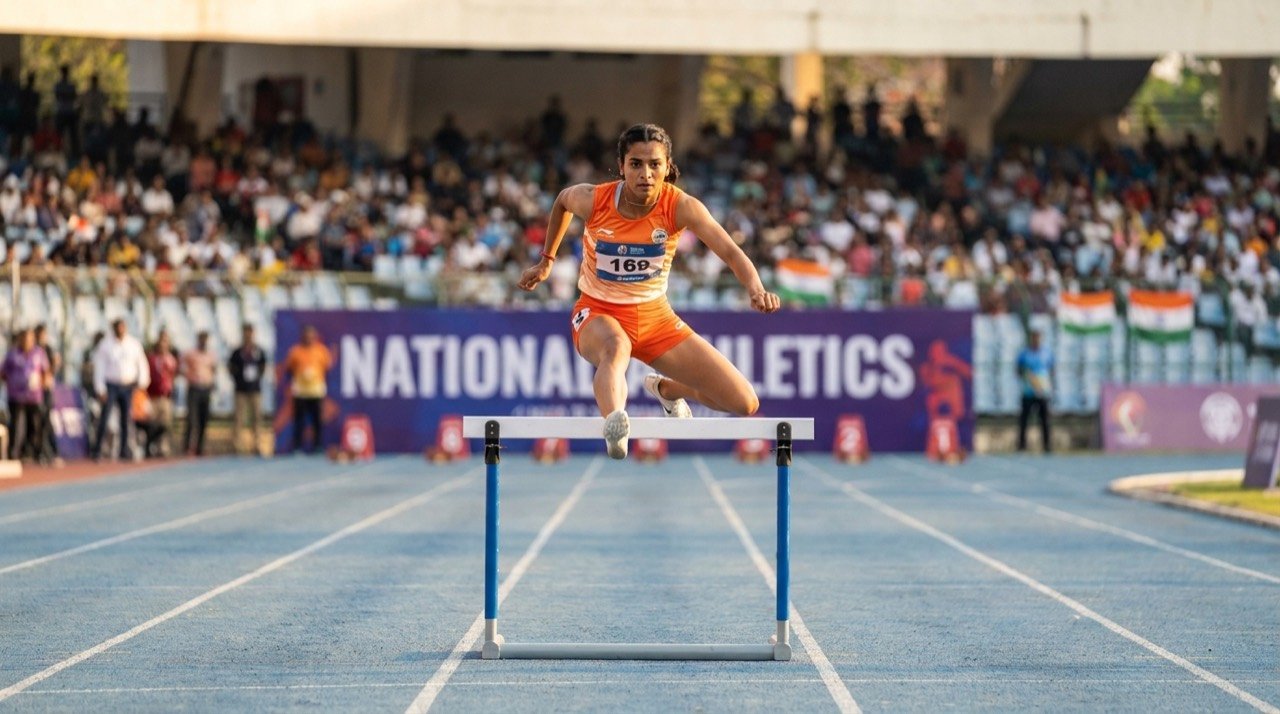
Inter-State Athletics 2026: Yarraji and Kujur Punch Asian Games Tickets as Sindhushree Breaks Pole Vault Record
The National Inter-State Senior Athletics Championships in Bhubaneswar doubled as Asian Games trials, with Jyothi Yarraji, Animesh Kujur and Praveen Chithravel clearing qualifying marks and Sindhushree G setting a national record.
Nagal And Sahaja Yamalapalli To Spearhead India's Asian Games Tennis Squad
India have named a 12-member tennis squad for the Asian Games, with Sumit Nagal and Sahaja Yamalapalli leading singles hopes as the country eyes medals in Aichi-Nagoya.
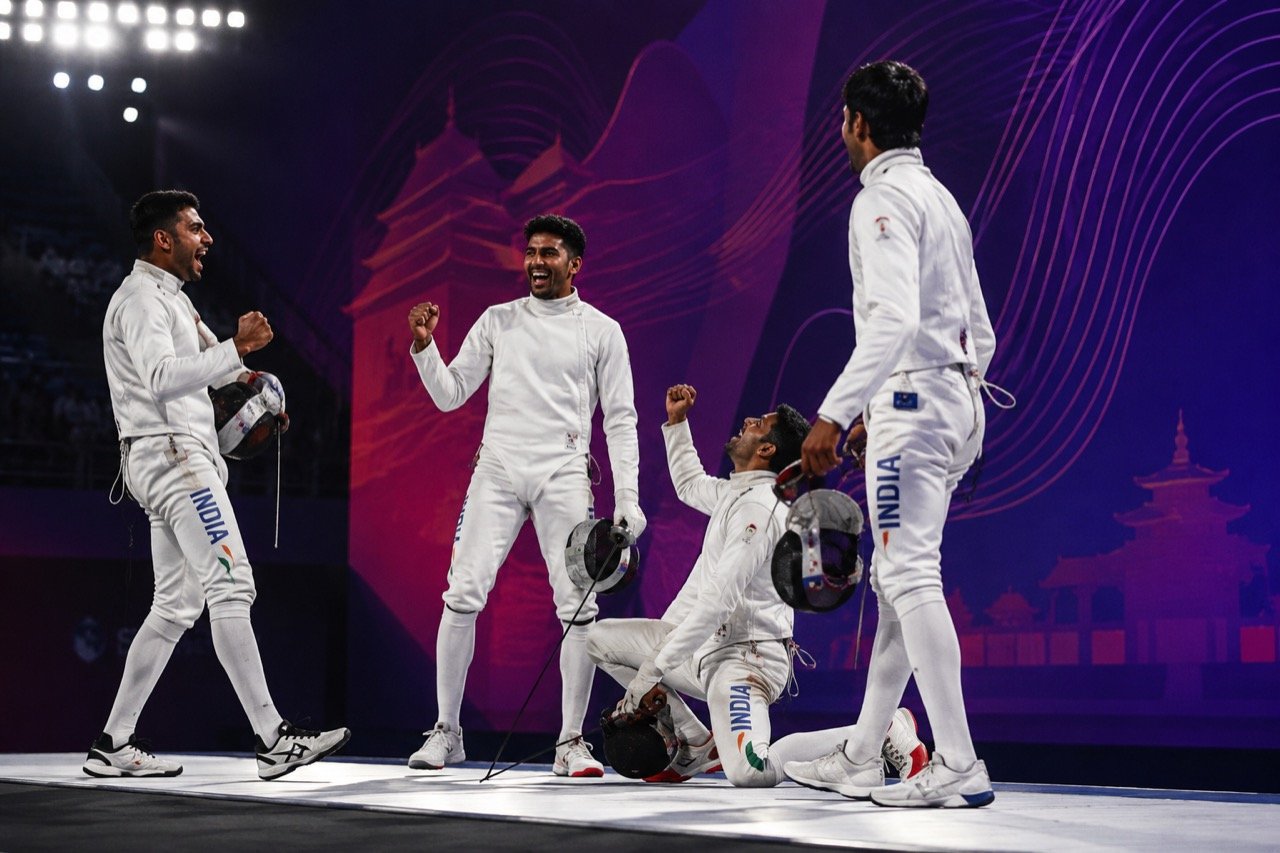
India's Men's Foil Team Books Asian Games Spot Despite Medal Miss
India's men's foil fencers left the Asian Senior Fencing Championships without a medal, but their performance earned direct qualification for the Asian Games, marking a significant milestone for a sport still building its base in the country.
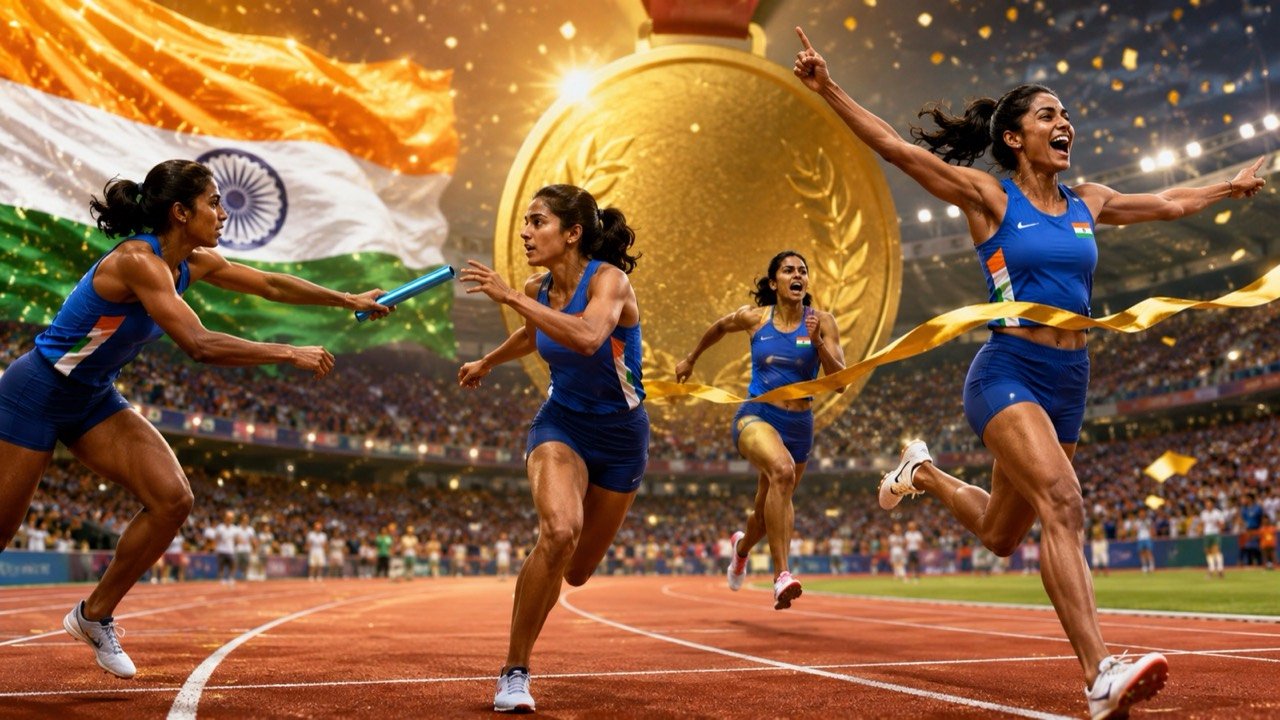
India Women's 4x100m Relay Stuns China for Asian Relays Gold in Season-Best 43.85s
India's women's quartet edged China in a thrilling 4x100m final at the Asian Relays Championships 2026, clocking a season-best 43.85 seconds to seal a statement sprint gold.
More from this section
More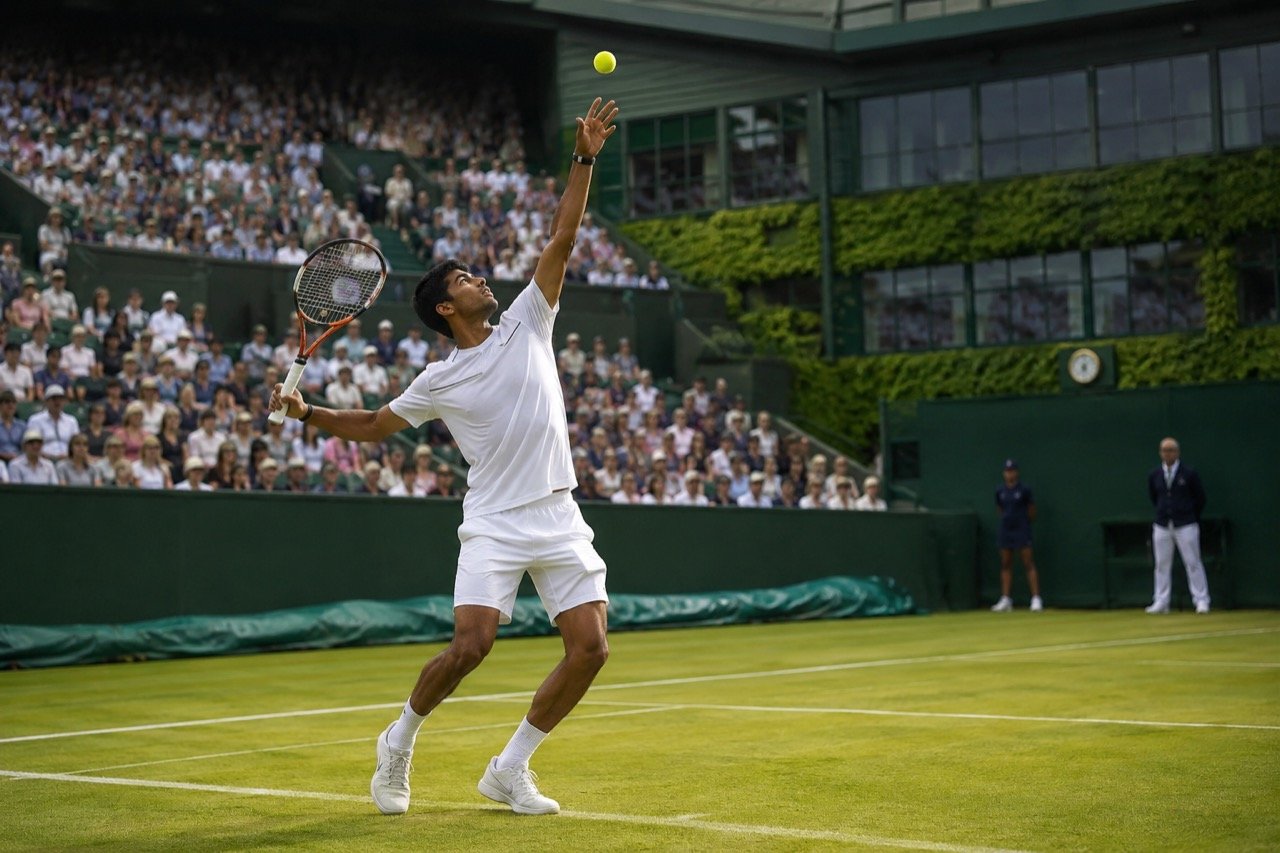
Arnav Paparkar Advances at Wimbledon Boys' Singles in Boost for India
Indian junior Arnav Paparkar has moved into the second round of the Wimbledon boys' singles with a commanding serving display, handing Indian tennis a rare and encouraging grass-court result at the sport's biggest stage.
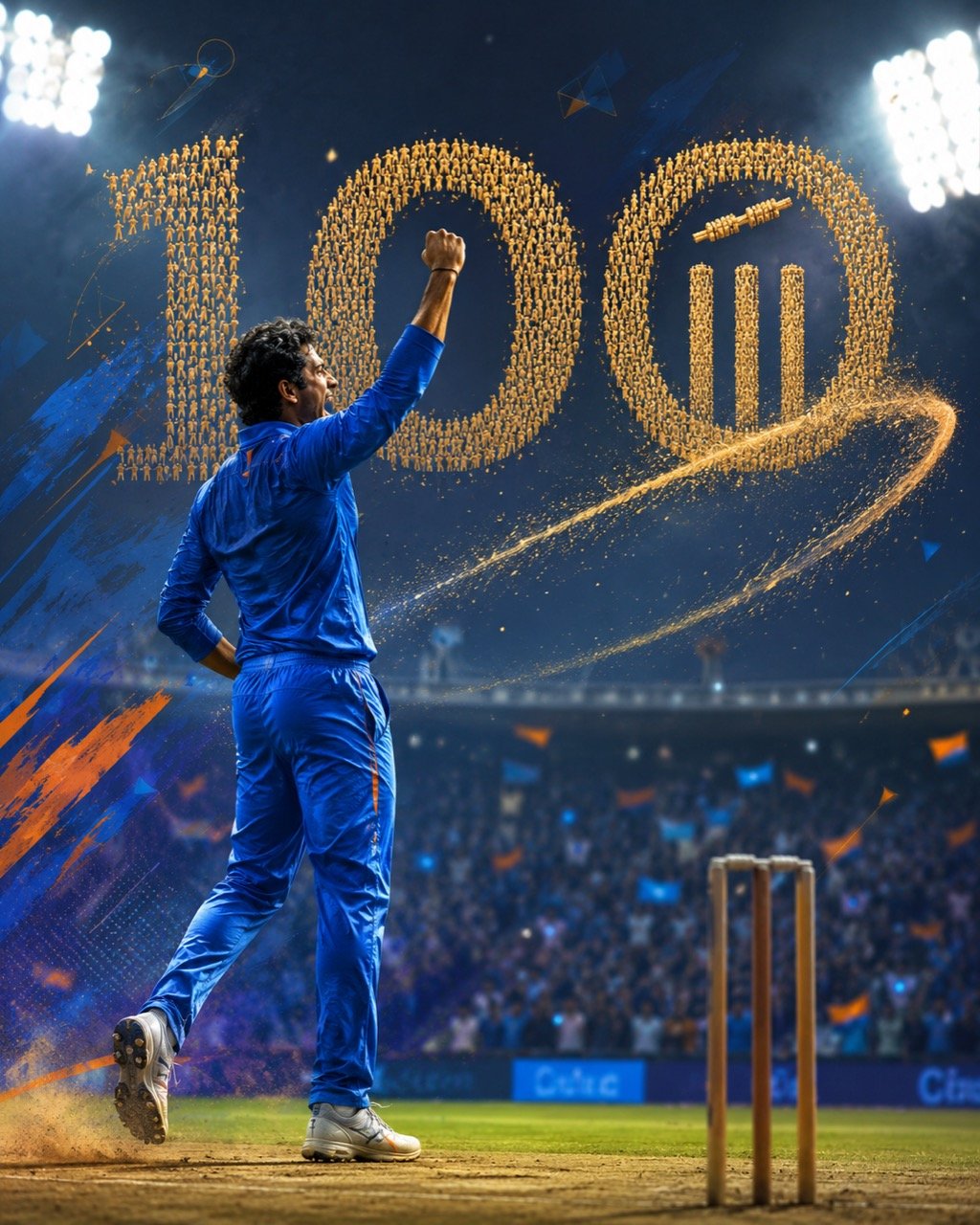
Axar Patel Becomes First Indian Spinner With 100 T20I Wickets
Axar Patel reached 100 T20 international wickets in the second T20I against England, becoming the first Indian spinner to hit the mark and cementing his standing as one of India's most durable white-ball performers.
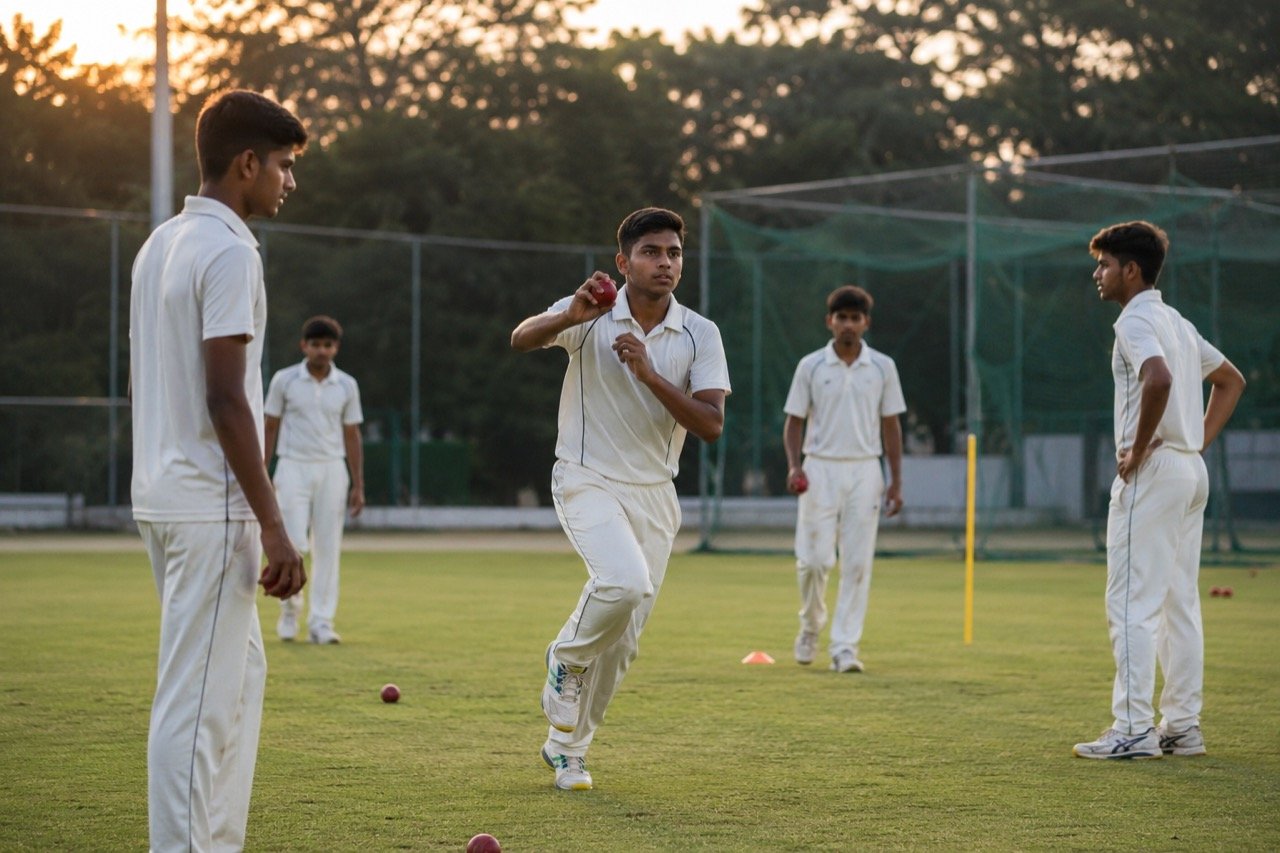
BCCI Emerging Men's Tournament to Hunt Test Prospects in Bengaluru
The BCCI's red-ball Emerging Men's Tournament, running at the Centre of Excellence in Bengaluru through July, is designed to give selectors a longer, harder look at India's next generation of Test cricketers.