Early Exits At Indonesia Open Sharpen Questions Over India's Singles Rebuild
Lakshya Sen's first-round loss and PV Sindhu's defeat to An Se-young at the Indonesia Open underline the work ahead as India's singles stars eye the Asian Games.
Commentary & Analysis ·

The Indonesia Open is one of badminton's most unforgiving stages, a Super 1000 event where world-class fields leave no room for off days and no cushion for reputation. For India's singles contingent, the tournament in Jakarta delivered hard truths rather than the deep runs a talented generation has trained itself to expect. Early exits for both Lakshya Sen and PV Sindhu have sharpened questions about where the country's shuttle stars actually stand at this point in a packed Olympic and Asian Games cycle, questions that will not go away simply because the calendar moves on to the next tournament.
A chastening week in Jakarta
Lakshya Sen, seeded inside the world's top ten, was knocked out in the first round by Indonesia's Alwi Farhan, undone by his opponent's pace in a contest that slipped away in straight games. For a player of Sen's standing, a first-round exit at a Super 1000 event is not a minor blip; it is the kind of result that invites scrutiny of form, fitness and tactical planning all at once. PV Sindhu fared marginally better, fighting through to the second round, but she came up against world number one An Se-young and lost once more to an opponent who has now beaten her in a long run of meetings. That the defeat came at the hands of the same rival, in the same manner as previous encounters, made it land harder than a one-off loss might have.
The pattern itself was not new. Both players have had wobbles against elite movers before. But the venue made it sting in a way that a lesser tournament would not have. Jakarta and the Indonesia Open carry a particular resonance for Indian badminton, a stage where the country has previously celebrated breakthrough wins and signalled its arrival among the sport's leading nations. To see the singles campaign end early on that same stage, even as an Indian men's doubles pair briefly carried the flag into the quarter-finals before bowing out, underlined how uneven India's medal prospects have become across disciplines.
Reading the form
For Sen, the challenge is consistency against the sport's most aggressive movers, the players who can dictate tempo from the first rally and never allow an opponent to settle into their preferred rhythm. Alwi Farhan's straight-games win was built on exactly that kind of pace, and it is a pattern Sen will need to solve rather than simply absorb as bad luck. Losing to speed and tempo, repeatedly, is a coaching and conditioning problem as much as a mental one, and it points to specific areas of preparation that need attention before the next major assignment.
For Sindhu, the recurring losses to An Se-young point to a tactical puzzle that has yet to be solved, even as she remains India's most decorated singles player on the women's side. A rivalry in which one player keeps winning is rarely just about a bad day; it usually reflects a stylistic mismatch or a strategic pattern the losing side has not yet found an answer to. Sindhu's stature in Indian badminton is not in question, but stature alone does not close the gap against a world number one who has clearly worked out how to negate her strengths. The honest reading of the form is that both players are competitive enough to trouble the best in the world, yet not consistently sharp enough to beat them when it matters most.
Why a Super 1000 result carries extra weight
The Indonesia Open was a Super 1000 event with a major prize purse, which means it draws the strongest fields the sport fields outside of world championships and Olympic qualifying windows. Results at this level feed directly into the ranking and selection picture for the season ahead, shaping seeding at subsequent tournaments and, by extension, the difficulty of draws players will face heading into the Asian Games. An early exit here is therefore not simply a disappointing weekend; it has knock-on consequences for how the rest of the season is likely to unfold, from seeding positions to the psychological weight of facing tougher opponents earlier in future draws.
This is part of why a single week in Jakarta has generated disproportionate attention. It is not that one loss defines a career, but that the timing, the opponents, and the tournament's ranking implications all compound to make the result more consequential than it would be at a lower-tier event.
The road ahead
With the Asian Games on the horizon later in the year, the coming months are about more than results on any single weekend; they are about building the form, fitness and tactical clarity required to peak at the right time. Major multi-sport events reward players who can time their form precisely, and a poor run in the build-up phase, while not fatal, does add pressure to get the preparation cycle right in the months that remain. For a generation of Indian players accustomed to deep runs and podium finishes, the priority now will be turning competitive matches into wins against the very best, rather than settling for narrow losses that look respectable on paper but do not translate into results.
There is clearly depth and ambition in the Indian badminton set-up, evident in the fact that a men's doubles pair could push into the quarter-finals even as the singles game struggled. But the Jakarta week was a reminder that the global standard keeps rising, and that competitors in Indonesia, South Korea, China and elsewhere are not standing still while India works through its transition. The honest assessment is that India's singles stars must rediscover their sharpest edge if they are to convert promise into podiums when the season's biggest events arrive.
The NE Times View
Early exits for Sen and Sindhu are not a crisis but a clear signal that India's singles transition is overdue and unfinished. Sindhu's defeat to An Se-young reflects a shifting generational order that the badminton establishment has been slow to confront, choosing instead to rely on established names even as the competitive landscape moves past them. With the Asian Games near, the focus must shift from leaning on familiar names to fast-tracking the next tier of shuttlers who can share the burden of high-stakes matches. Indian badminton has the infrastructure and the talent pipeline to manage this transition well; what it now needs is the institutional will to back emerging players with the same faith historically reserved for its established stars.
Key takeaways
- Lakshya Sen lost in the first round to Indonesia's Alwi Farhan, undone by his opponent's pace in straight games.
- PV Sindhu fell in the second round to world number one An Se-young, extending a long losing run against her.
- An Indian men's doubles pair reached the quarter-finals before exiting, showing uneven strength across disciplines.
- The Indonesia Open's Super 1000 status means these results directly affect rankings and selection heading into the Asian Games.
- The NE Times View: India's singles transition is overdue, and building depth beyond established stars is now the priority.
You may also like to read
An Se-young defends Indonesia Open crown to claim ninth Super 1000 title
The Olympic champion and world No. 1 saw off Japan's Akane Yamaguchi in straight games in Jakarta, while home favourite Victor Lai stunned Jonatan Christie in the men's final.
Shoulder Injury Forces Satwik-Chirag Out of Indonesia Open in Seven Minutes
India's top men's doubles pair Satwiksairaj Rankireddy and Chirag Shetty retired from their opening match at the Indonesia Open after Satwik aggravated a shoulder problem.
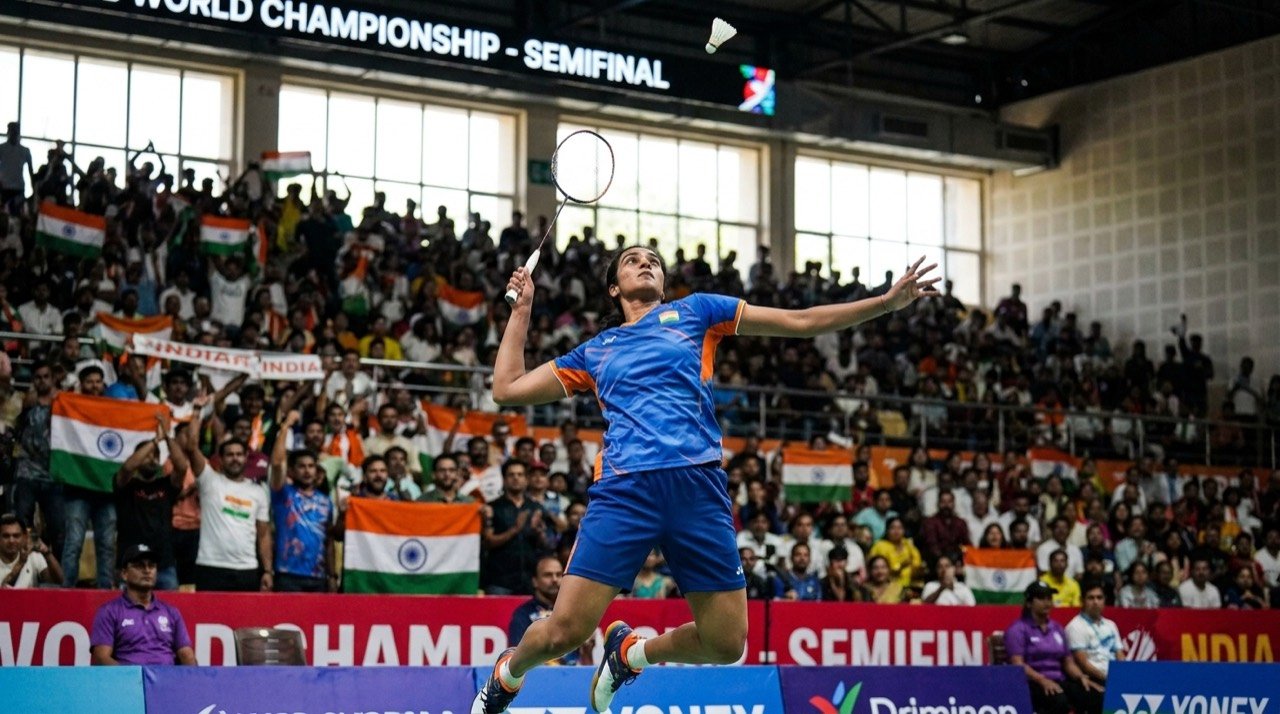
BWF World Championships Return to India After 17 Years as New Delhi Prepares to Host Badminton's Elite
India will stage the BWF World Championships for the first time since 2009, with New Delhi's Indira Gandhi Arena hosting the showpiece from 17 to 23 August and tickets starting at just Rs 499.
PV Sindhu in Focus on World Badminton Day as India Eyes New First
World Badminton Day turned the spotlight on PV Sindhu, with fresh coverage placing the two-time Olympic medallist on the brink of another historic first and underlining how far Indian badminton has travelled.
More from this section
More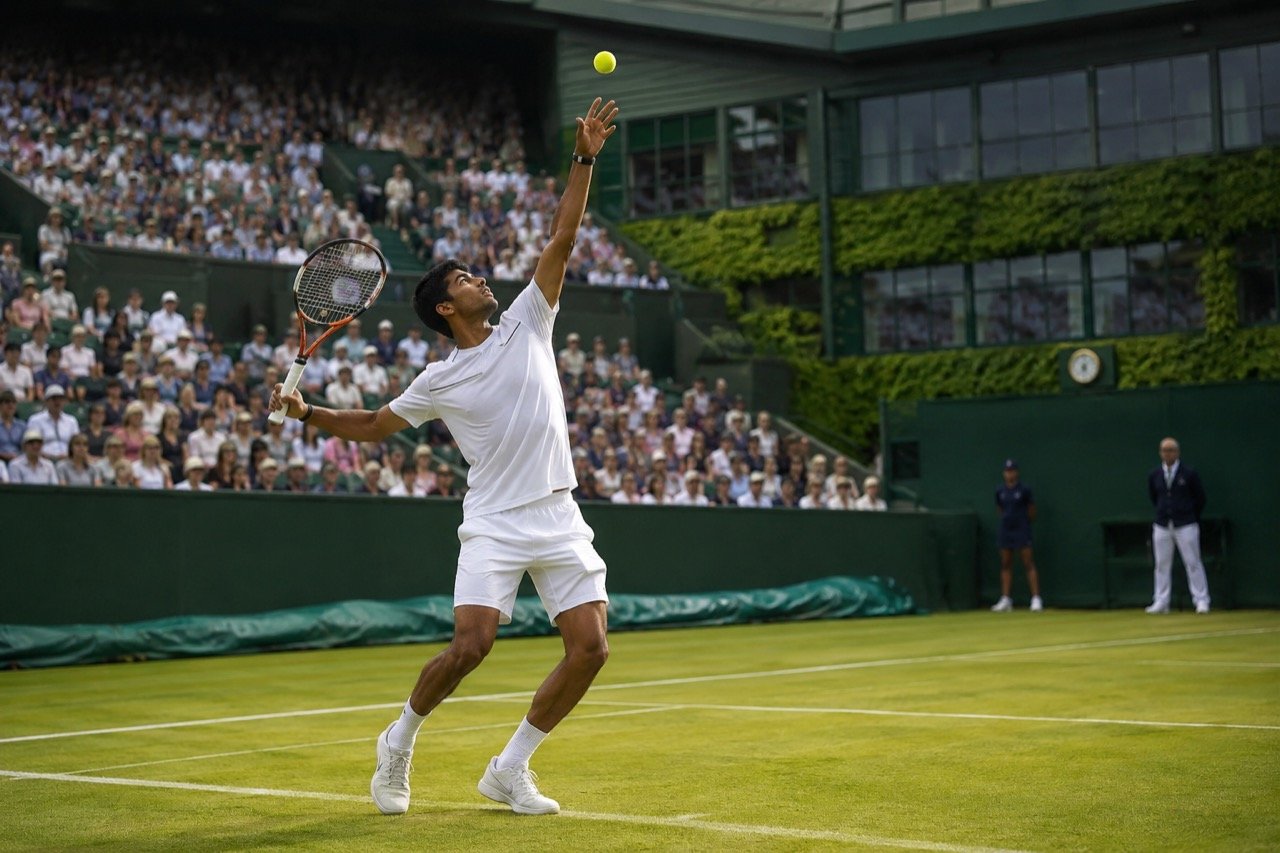
Arnav Paparkar Advances at Wimbledon Boys' Singles in Boost for India
Indian junior Arnav Paparkar has moved into the second round of the Wimbledon boys' singles with a commanding serving display, handing Indian tennis a rare and encouraging grass-court result at the sport's biggest stage.
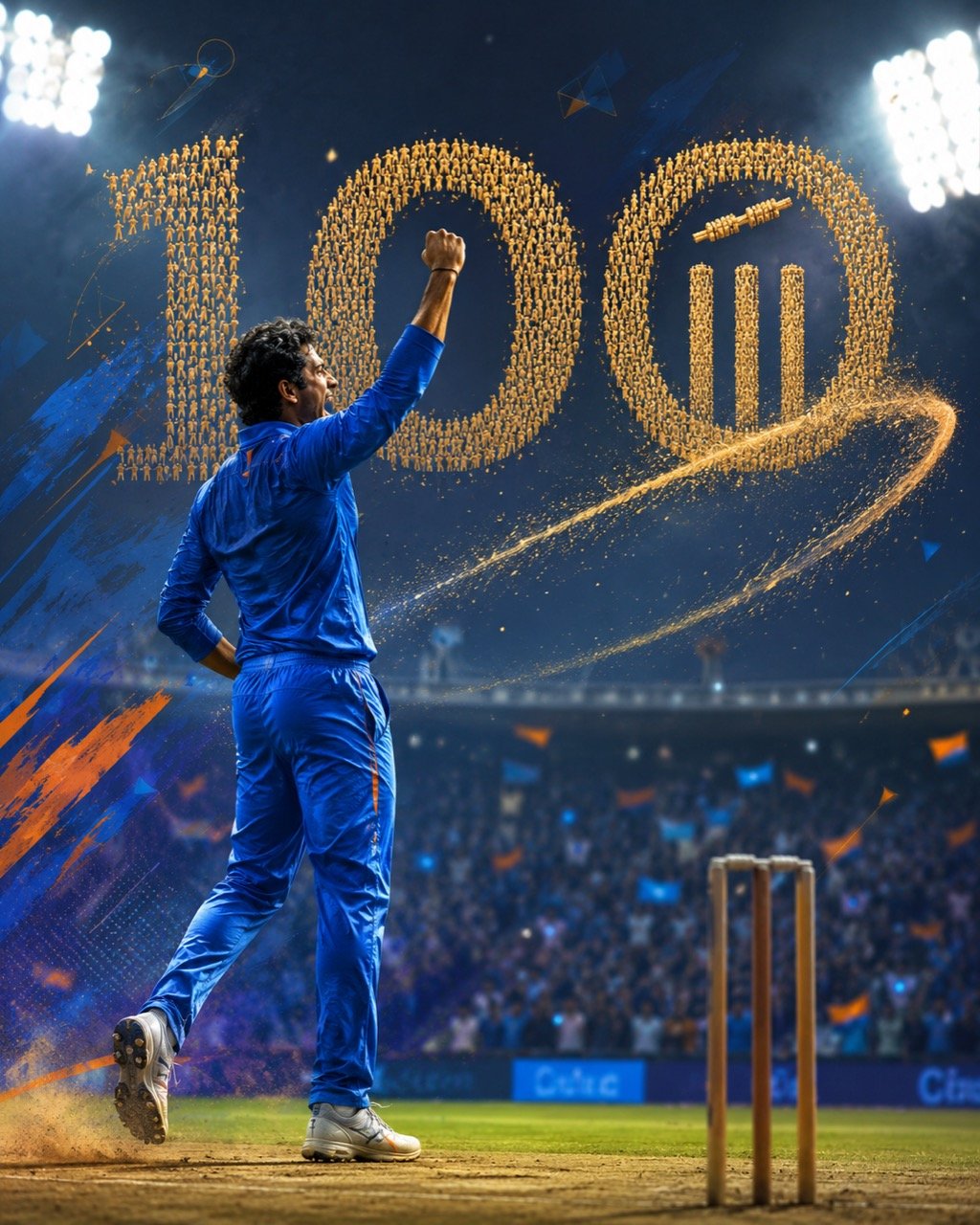
Axar Patel Becomes First Indian Spinner With 100 T20I Wickets
Axar Patel reached 100 T20 international wickets in the second T20I against England, becoming the first Indian spinner to hit the mark and cementing his standing as one of India's most durable white-ball performers.
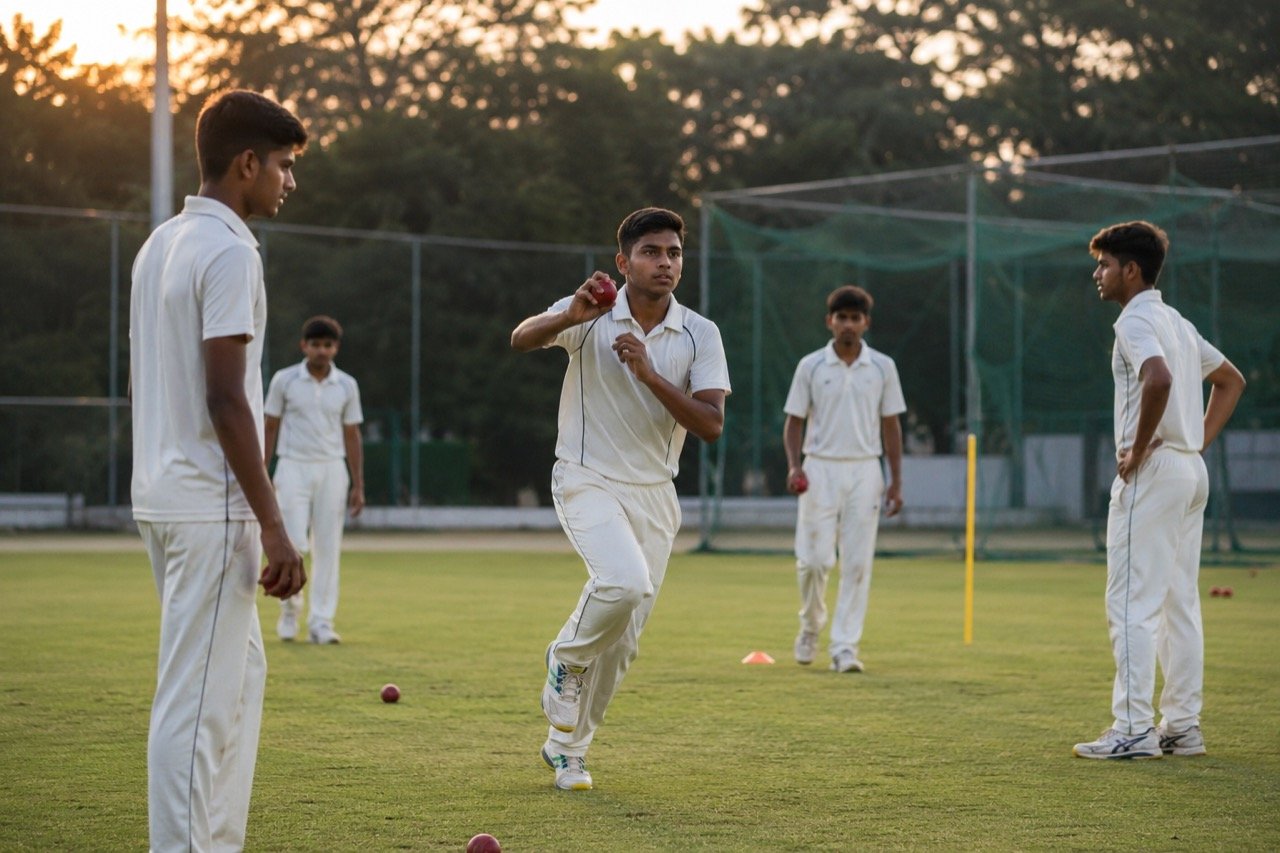
BCCI Emerging Men's Tournament to Hunt Test Prospects in Bengaluru
The BCCI's red-ball Emerging Men's Tournament, running at the Centre of Excellence in Bengaluru through July, is designed to give selectors a longer, harder look at India's next generation of Test cricketers.