PV Sindhu in Focus on World Badminton Day as India Eyes New First
World Badminton Day turned the spotlight on PV Sindhu, with fresh coverage placing the two-time Olympic medallist on the brink of another historic first and underlining how far Indian badminton has travelled.
Commentary & Analysis ·
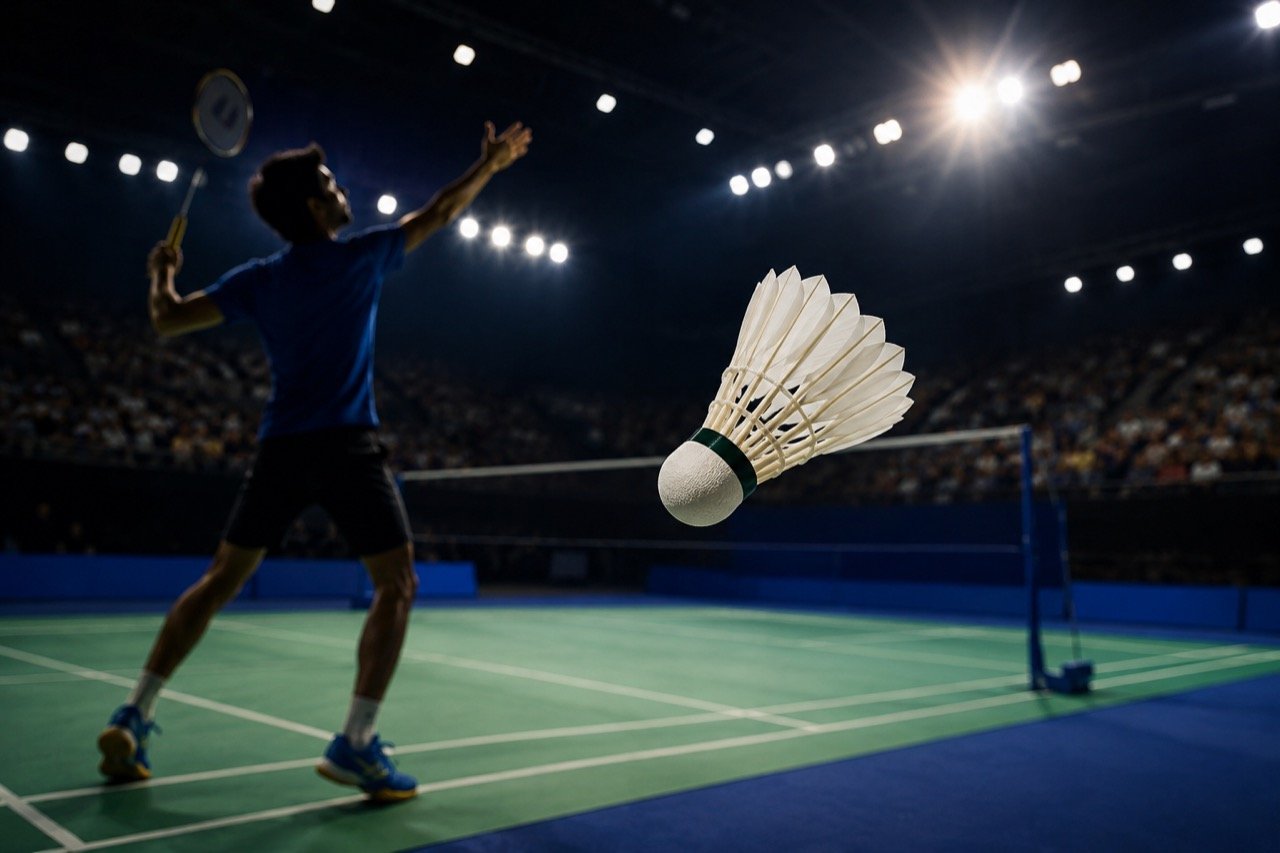
World Badminton Day on 5 July brought PV Sindhu firmly back into the national conversation, with reports noting that India's most decorated shuttler stands on the brink of yet another historic first. That such a milestone even needs to be discussed on a day meant to celebrate the sport more broadly says something in itself. In most sporting cultures, an annual observance like World Badminton Day would prompt reflection on grassroots participation, infrastructure or administration. In India, it inevitably becomes, at least in part, a referendum on one player's continuing relevance. That is the scale of the shadow PV Sindhu casts over the sport she has spent more than a decade redefining.
A résumé that still needs no introduction
Sindhu's record needs little elaboration: two Olympic medals, a world championship title, and years of consistent appearances in the closing stages of major international events. Few Indian athletes in any discipline have sustained that level of global competitiveness for so long. What makes this particular moment noteworthy is not that she has arrived somewhere new, but that she remains, after all these years, in a position where a fresh first is still plausible. Careers of this length in an unforgiving, physically punishing individual sport rarely stay this relevant this late. That durability is itself a story worth telling, independent of whatever specific milestone she may or may not eventually secure.
Why the milestone talk matters
Milestone coverage does more than celebrate an individual. It connects present form to long-term achievement, and in Sindhu's case it signals that her career is still generating new possibilities rather than merely being commemorated. There is an important distinction between an athlete whose story has effectively concluded and is simply being revisited in retrospectives, and one whose story is still being written in real time. Sindhu unambiguously belongs to the latter category, and that is precisely why the framing of "yet another historic first" carries weight rather than reading as nostalgic filler.
At the same time, the precise first she is chasing remains a prospect, not a done deal, and responsible coverage should treat it that way until it is sealed on the court. It would be easy, in the excitement of a symbolic date like World Badminton Day, to slide into premature certainty about outcomes that competitive sport simply cannot guarantee in advance. The more durable and less speculative claim is the one about impact, and that claim is already settled.
A benchmark for Indian badminton
The story of modern Indian badminton simply cannot be told without her. Sindhu's rise pushed women's singles to the centre of Indian badminton, inspired a generation of junior players, and helped turn the sport from a once-every-four-years Olympic headline into a mainstream fixture on the Indian sporting calendar. Alongside the academies, leagues and broadcast attention that followed her breakthroughs, Sindhu converted aspiration into evidence, proof that Indian players could compete repeatedly, not occasionally, at the highest level.
That distinction between occasional and repeated excellence matters enormously in how a sporting culture develops. A single breakthrough performance can be treated as an outlier, a happy accident not to be relied upon for planning purposes. Repeated excellence, sustained across an Olympic cycle and beyond, forces administrators, sponsors and parents alike to recalibrate their expectations. It becomes possible to build training pipelines, commercial partnerships and broadcast calendars around the assumption that Indian shuttlers, and Indian women in particular, belong in the business end of major tournaments. That recalibration is arguably Sindhu's most consequential and least discussed contribution.
What stakeholders should take from this moment
For badminton administrators, the lesson of Sindhu's longevity is that success at the top does not sustain itself automatically. It has to be actively reinforced with structures that outlast any one champion. For sponsors and broadcasters, her continuing competitiveness is a reminder that investment in Indian badminton has, over the last decade, been a reliably good bet rather than a speculative one. For the wider public, and particularly for parents weighing whether a daughter's interest in badminton is worth nurturing beyond a school hobby, Sindhu's career offers a concrete, non-hypothetical answer.
It is worth noting, too, that milestone-chasing narratives can cut both ways for the athlete at their centre. There is a pressure that comes with being treated as a national bellwether every time a symbolic date rolls around. Coverage that stays grounded in verified fact, celebrating the established record while withholding judgement on the unresolved milestone, is not just more responsible journalism; it is also fairer to the athlete, who continues to compete under a level of scrutiny few of her contemporaries face.
The NE Times View
Sindhu's greatest gift to Indian sport may be normalising excellence. When a milestone chase by an Indian shuttler is treated as expected rather than extraordinary, the ecosystem has matured. That shift in expectation is not a small thing. It represents years of accumulated credibility built point by point, tournament by tournament, and it changes how the next generation of players are coached, funded and believed in from the outset.
The task now is to convert that maturity into depth: more coaches, more courts and more girls picking up racquets in small-town India, so that the next Sindhu does not have to be a miracle. World Badminton Day is a fitting moment to ask whether India is investing enough to make her legacy a pipeline rather than a portrait. A portrait, however impressive, hangs on a wall and eventually fades from memory. A pipeline keeps producing. The difference between the two is not decided on the court Sindhu still occupies, but in the decisions administrators, state associations and grassroots programmes make in the years immediately ahead.
Key takeaways
- PV Sindhu remains on the verge of a further historic first, but that outcome is a prospect, not yet a confirmed achievement.
- Her established record, two Olympic medals and a world championship title, already places her among India's most significant athletes across any sport.
- Sindhu's sustained success helped mainstream women's singles badminton and shifted India from occasional to repeated competitiveness at the top level.
- World Badminton Day serves as a useful prompt to assess whether grassroots investment, coaches, courts, and participation, is keeping pace with her legacy.
- The lasting test of her impact is whether Indian badminton becomes a self-sustaining pipeline of talent rather than a story centred on one exceptional career.
You may also like to read
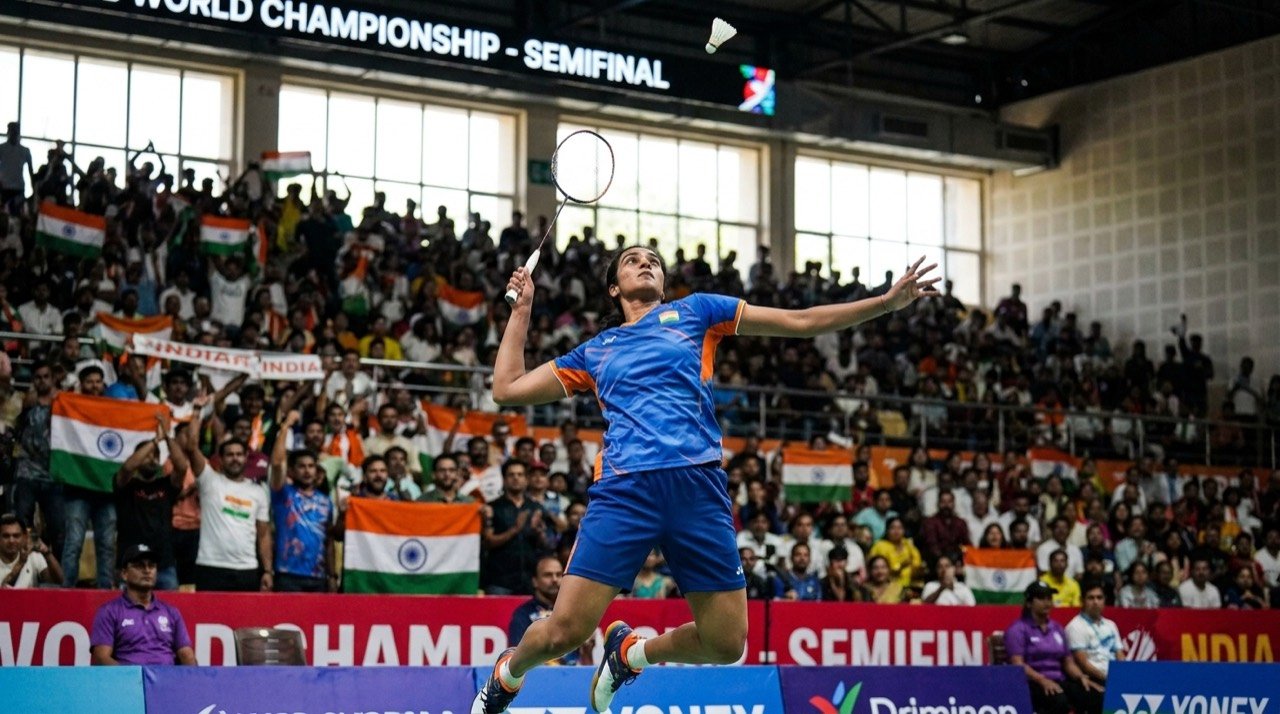
BWF World Championships Return to India After 17 Years as New Delhi Prepares to Host Badminton's Elite
India will stage the BWF World Championships for the first time since 2009, with New Delhi's Indira Gandhi Arena hosting the showpiece from 17 to 23 August and tickets starting at just Rs 499.
India Rising: Esports World Cup Pathway Takes Gaming Mainstream
The India Rising Road to the Esports World Cup gives Indian competitive gamers a structured route to the global stage, marking esports' shift from niche pastime to organised national sport.

Ahmedabad Commonwealth Games 2030 to Feature 17 Sports Under New Lower-Cost Model
Commonwealth Sport confirms Ahmedabad's centenary Games will host 17 sports at roughly 60 per cent lower cost, testing Gujarat's ability to stage a major multi-sport event efficiently.
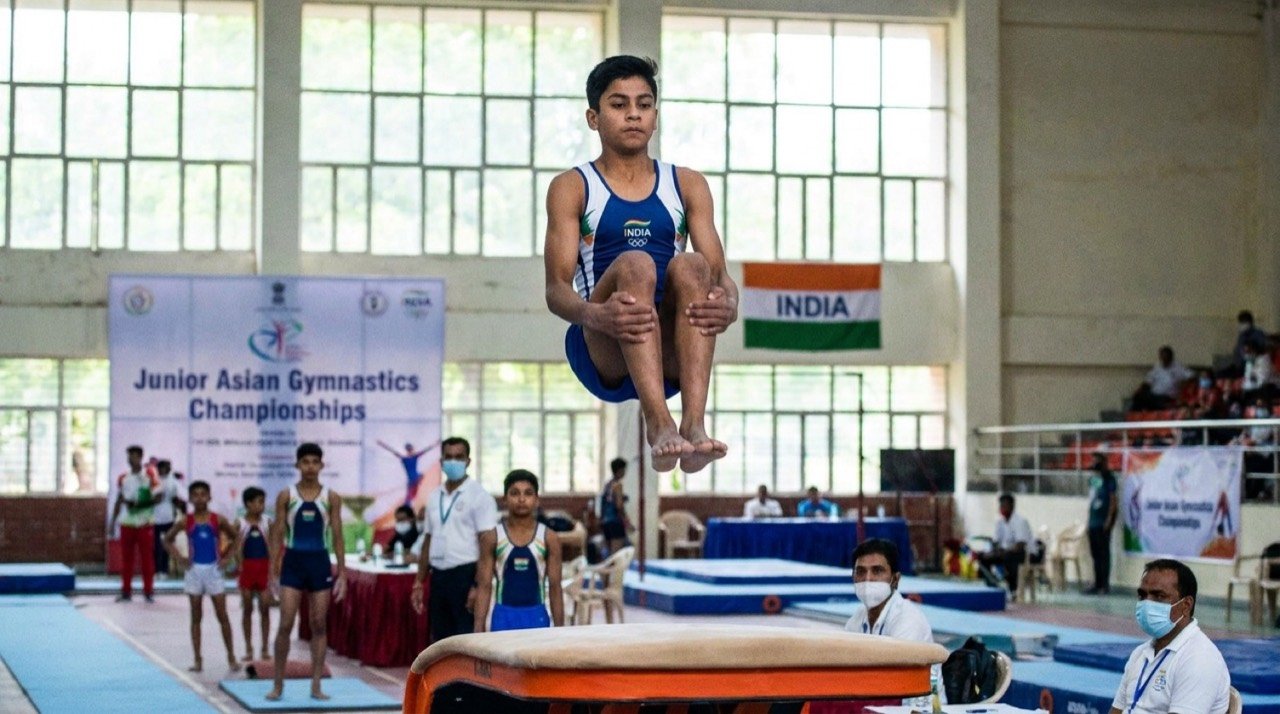
India's Junior Gymnasts Strike Vault Gold and Silver at Asian Championships
Harschit Damodaran and Akshat Bajaj seized gold and silver in the men's vault at the Junior Asian Championships, a rare apparatus double that signals India's quiet rise in Olympic-discipline gymnastics.
More from this section
More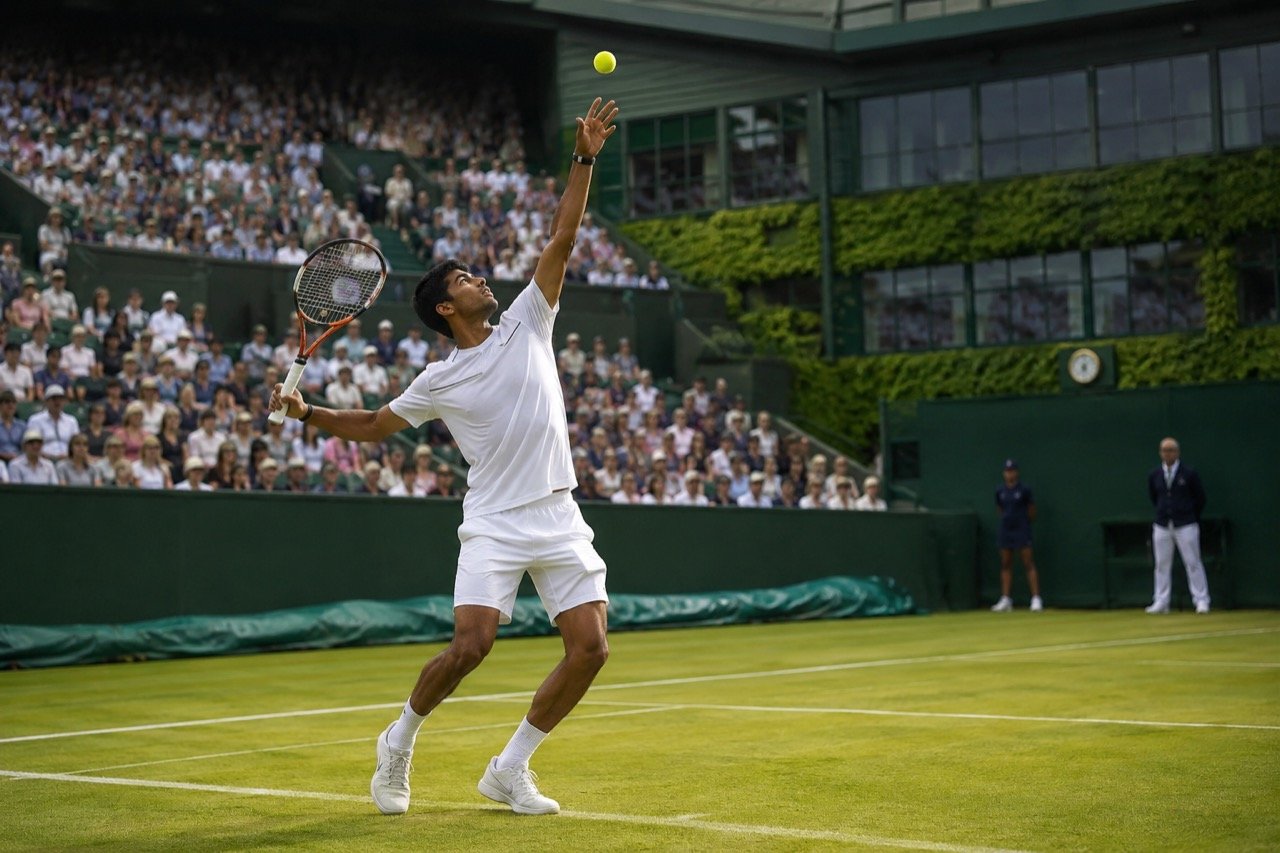
Arnav Paparkar Advances at Wimbledon Boys' Singles in Boost for India
Indian junior Arnav Paparkar has moved into the second round of the Wimbledon boys' singles with a commanding serving display, handing Indian tennis a rare and encouraging grass-court result at the sport's biggest stage.
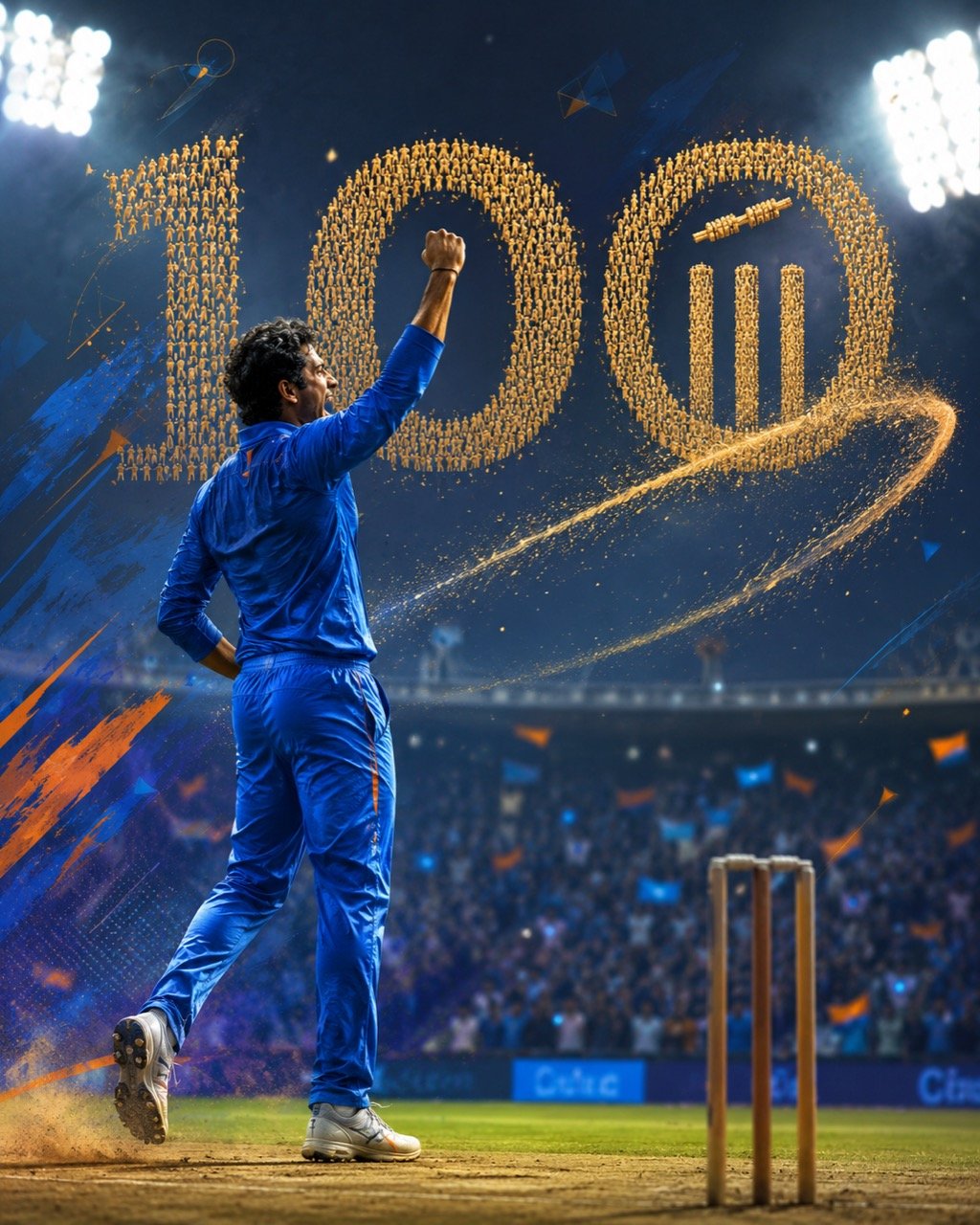
Axar Patel Becomes First Indian Spinner With 100 T20I Wickets
Axar Patel reached 100 T20 international wickets in the second T20I against England, becoming the first Indian spinner to hit the mark and cementing his standing as one of India's most durable white-ball performers.
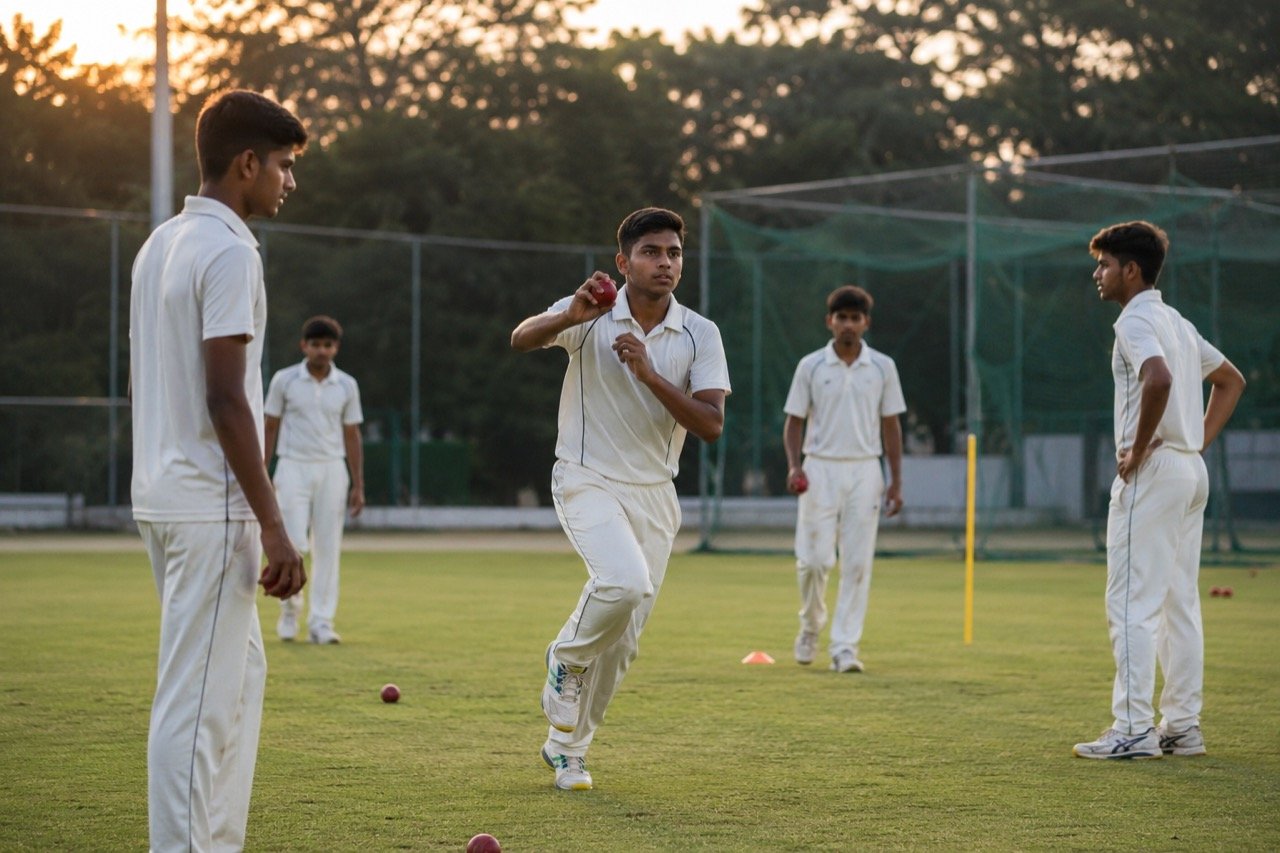
BCCI Emerging Men's Tournament to Hunt Test Prospects in Bengaluru
The BCCI's red-ball Emerging Men's Tournament, running at the Centre of Excellence in Bengaluru through July, is designed to give selectors a longer, harder look at India's next generation of Test cricketers.