India Rising: Esports World Cup Pathway Takes Gaming Mainstream
The India Rising Road to the Esports World Cup gives Indian competitive gamers a structured route to the global stage, marking esports' shift from niche pastime to organised national sport.
Commentary & Analysis ·
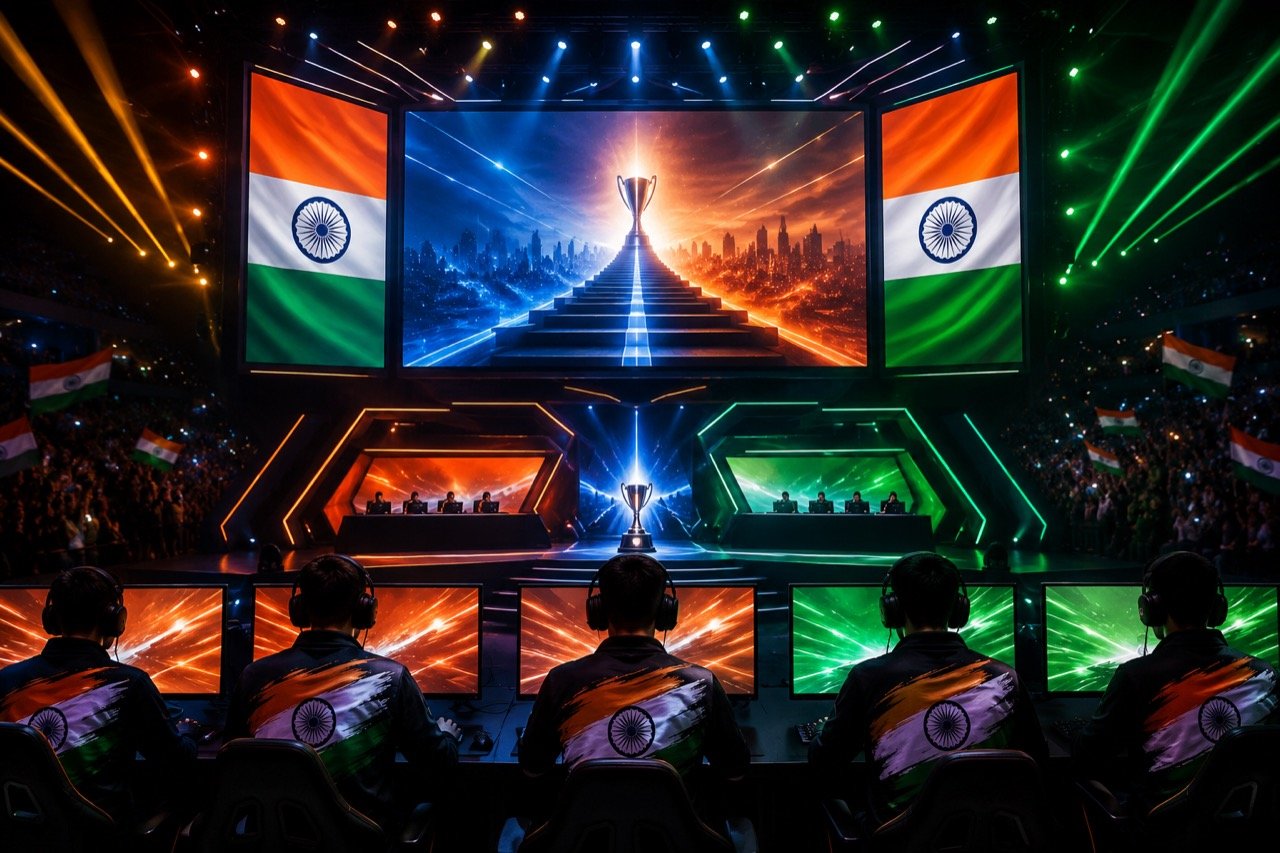
India's competitive gaming ecosystem is drawing renewed attention through the India Rising Road to the Esports World Cup, a qualification pathway that has pushed esports into mainstream sports coverage. The initiative reflects a broader shift under way in the country: competitive gaming is moving from niche entertainment towards organised competition and national representation, with the trappings of structure that follow any sport as it matures. What was once a scattering of local tournaments and informal invitations is being reframed as a route to the global stage, and that reframing matters more than it might first appear.
Where sport meets technology and youth culture
Esports now sits at the intersection of sport, technology, youth culture and digital media, a convergence that makes it difficult to categorise using the frameworks built for cricket, football or hockey. For Indian players to compete consistently at global level, the ecosystem needs infrastructure, coaching, regular tournament exposure and sponsorship support — the same scaffolding that traditional sports rely on to turn raw talent into repeatable success. This is worth dwelling on, because it is easy to assume that esports, being digital, requires less institutional support than physical sport. In practice the opposite is often true. Players need access to high-specification hardware, low-latency connectivity, structured practice regimes against strong opposition, and a support system that understands the particular physical and mental demands of competitive gaming, from repetitive strain concerns to the intensity of split-second decision-making under pressure. None of this exists by accident; it has to be built, funded and maintained.
Why a structured pathway matters
The key significance of the India Rising initiative is structure. A clear qualification route gives players a visible ladder from domestic competition to international stages, replacing the ad hoc, invitation-driven opportunities that have defined much of Indian esports so far. This distinction — between a system and a series of isolated opportunities — is the crux of the matter. An invitation-driven model rewards whoever happens to be visible to organisers at a given moment, often those with existing networks or social media reach. A qualification pathway, by contrast, rewards performance against a known standard, on a known schedule, with a known route upward. That predictability is what allows young players, and just as importantly their families, to treat competitive gaming as a plausible pursuit rather than a gamble. It also gives coaches and grassroots organisers something concrete to train towards, rather than guessing which tournament might open a door.
The commercial engine and its risks
Challenges remain: regulatory ambiguity, shifting game titles, questions over sustainable player income and formal recognition all continue to cloud the picture. Esports in India, as elsewhere, is vulnerable to the whims of publishers who can alter or retire titles with little warning, upending the competitive calendar that players and organisers have built their plans around. Yet events tied to global competition build legitimacy, and they attract brands eager to reach younger audiences — a commercial engine the sector badly needs. Sponsorship is the lifeblood of any emerging sport, and for esports specifically it tends to follow visibility and credibility rather than create them. A pathway linked to a recognised global tournament offers exactly that kind of credibility, giving marketing departments a tangible, prestige-linked reason to invest rather than treating esports sponsorship as a speculative experiment. The risk is that this commercial interest, once secured, is treated as a one-off marketing opportunity rather than a long-term commitment, leaving the underlying structure hollow once the initial excitement fades.
Lessons from India's own sporting history
India's experience with other sports offers a useful, if cautionary, template. The country has repeatedly produced individual champions — in badminton, boxing, wrestling and athletics — through sheer talent and personal sacrifice, often despite the system rather than because of it. Cricket stands as the counterexample: a sport where domestic structure, from age-group tournaments to state associations to a lucrative professional league, has produced consistent depth of talent rather than isolated brilliance. The lesson for esports is plain. A single successful qualification pathway, however well designed, is not the same as an ecosystem. It is a promising first rung on a ladder that still needs many more rungs — grassroots leagues, school and college circuits, regional academies — before India can expect to produce champions with any regularity rather than by exception.
What stakeholders should watch for
For policymakers, publishers, sponsors and players alike, the coming period will reveal whether this pathway is treated as durable infrastructure or as a marketing moment. Regulatory clarity around esports — covering everything from taxation of winnings to the legal status of gaming as a profession — would do more to stabilise the sector than any single tournament. Publishers, for their part, need to recognise that consistency in title selection and tournament calendars is what allows careers to be built; constant change undermines exactly the kind of long-term planning that structure is meant to enable. Sponsors should be wary of treating esports funding as a short-term brand exercise and instead look towards sustained partnerships that fund grassroots development alongside marquee events. Players and their families, meanwhile, will be watching to see whether success on this pathway translates into stable income and recognised career status, or whether it remains, as before, a precarious pursuit dependent on occasional prize money and sponsorship deals.
The NE Times View
India has the raw numbers — hundreds of millions of young gamers — but numbers alone have never produced champions in any sport. What the Road to the Esports World Cup offers is the beginning of a system, and systems are what separate countries that occasionally produce stars from those that reliably do. The danger is that Indian esports repeats the pattern of hype cycles followed by sponsor retreat, leaving players without stable careers. Policymakers and publishers should treat this pathway as infrastructure, not marketing: clear rules, player welfare standards and grassroots feeder events. If that happens, India's esports moment could outlast the tournament that sparked it.
Key takeaways
- The India Rising Road to the Esports World Cup replaces ad hoc, invitation-based opportunities with a structured qualification pathway from domestic competition to global stages.
- Competitive gaming needs the same institutional scaffolding as traditional sport — infrastructure, coaching, regular competition and sponsorship — to convert talent into consistent success.
- Regulatory ambiguity, unstable game titles and unresolved questions over player income remain significant obstacles despite the pathway's added legitimacy.
- Sponsorship interest tends to follow credibility, and a globally linked tournament gives brands a stronger reason to invest, provided that interest is sustained rather than one-off.
- The lasting value of this initiative will depend on whether it is built out as long-term infrastructure, with player welfare and grassroots feeder events, rather than treated as a passing marketing moment.
You may also like to read
PV Sindhu in Focus on World Badminton Day as India Eyes New First
World Badminton Day turned the spotlight on PV Sindhu, with fresh coverage placing the two-time Olympic medallist on the brink of another historic first and underlining how far Indian badminton has travelled.
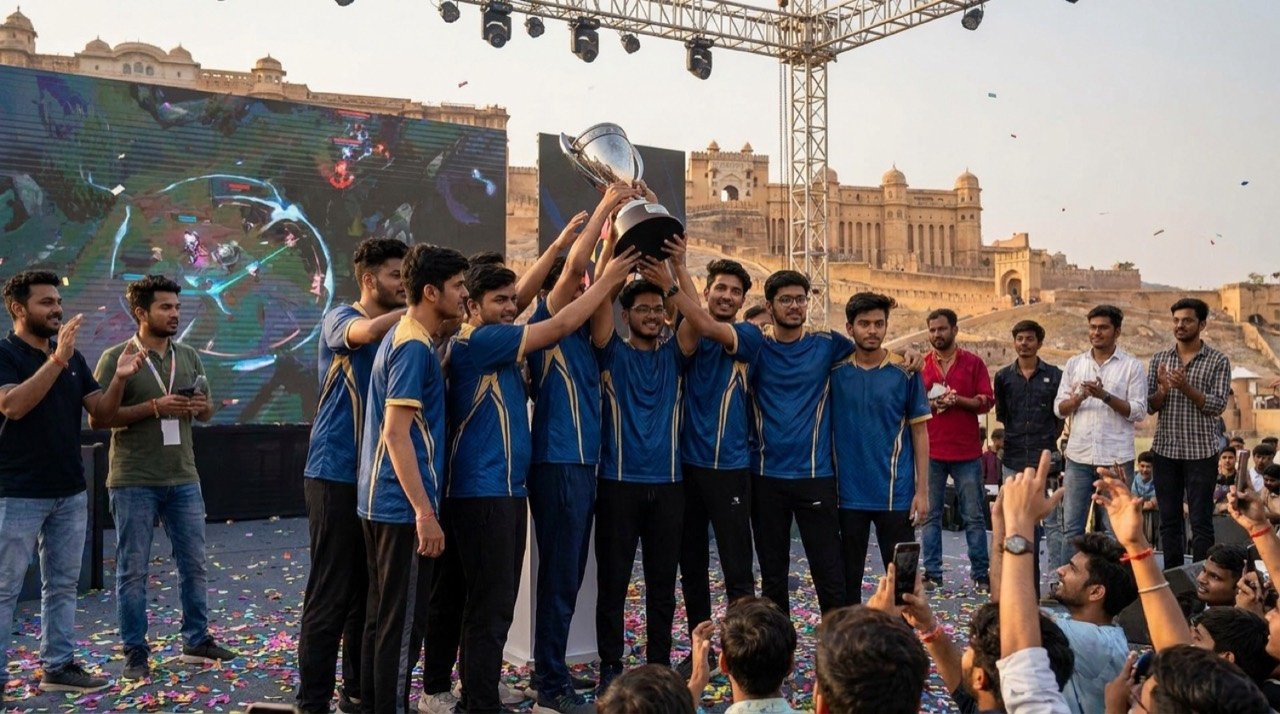
GodLike Esports Storms From Last to First to Win BMPS 2026 in Jaipur
GodLike Esports completed a stunning last-to-first comeback to lift the BMPS 2026 BGMI title in Jaipur, as India's biggest mobile esports LAN peaked at a record 729,000 concurrent viewers.
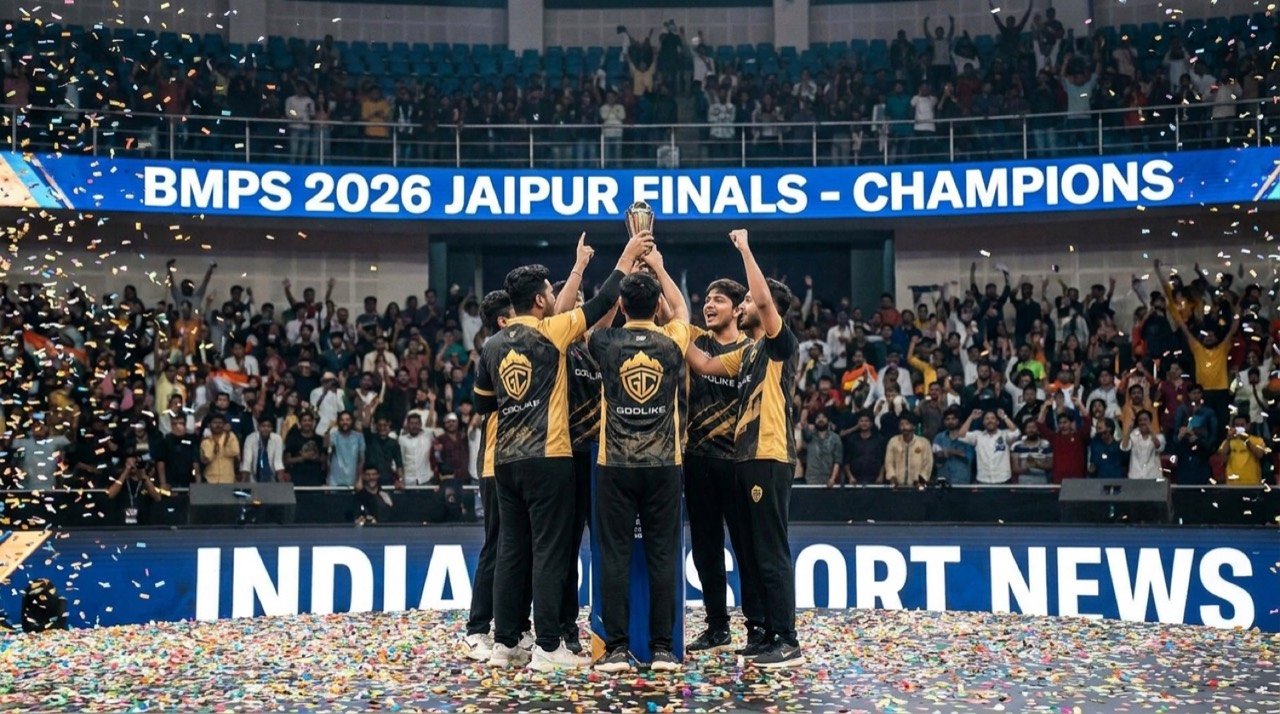
GodLike Esports Crowned BMPS 2026 Champions in Jaipur Final
GodLike Esports has won the Battlegrounds Mobile India Pro Series 2026 final in Jaipur, a marquee result that underlines how mobile esports is maturing into a serious competitive and media business in India.
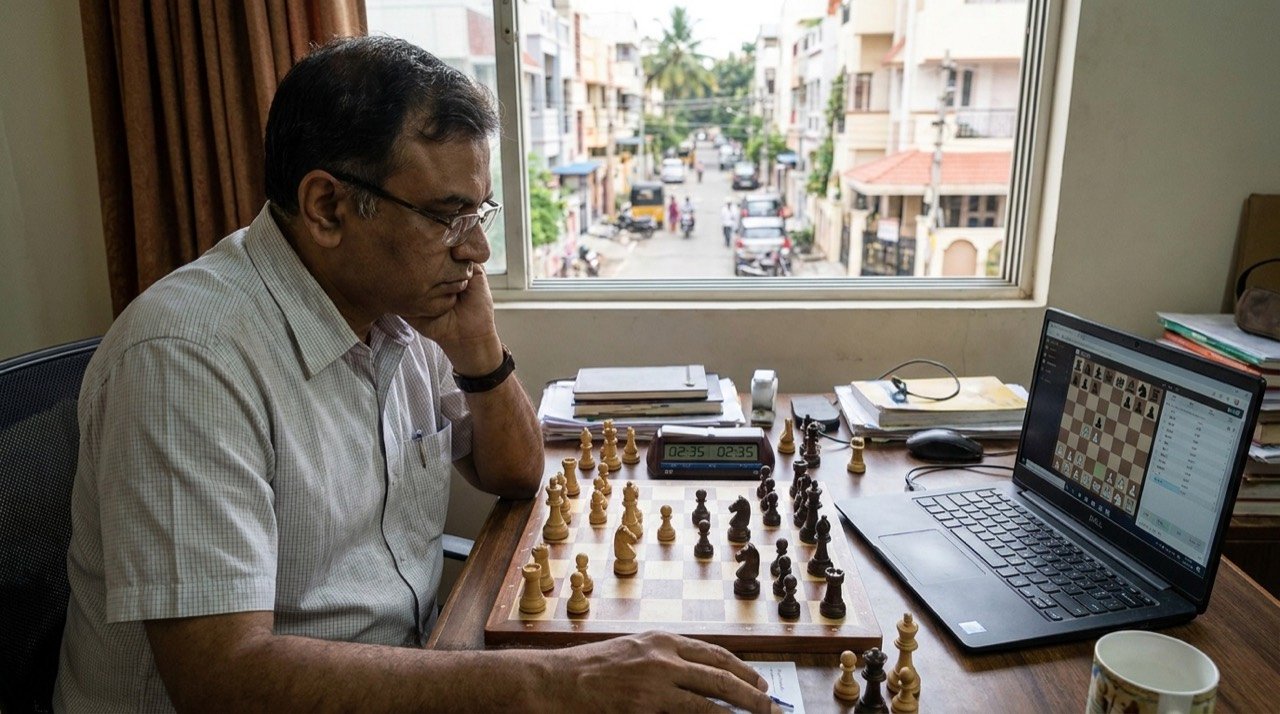
India Lock In Chess Line-Up for Esports Nations Cup 2026 as Mitrabha Guha Wins Through Qualifier
India have completed their chess contingent for the Esports Nations Cup 2026 in Riyadh, with Grandmaster Mitrabha Guha topping a regional qualifier to join Nihal Sarin in the two-player squad.
More from this section
More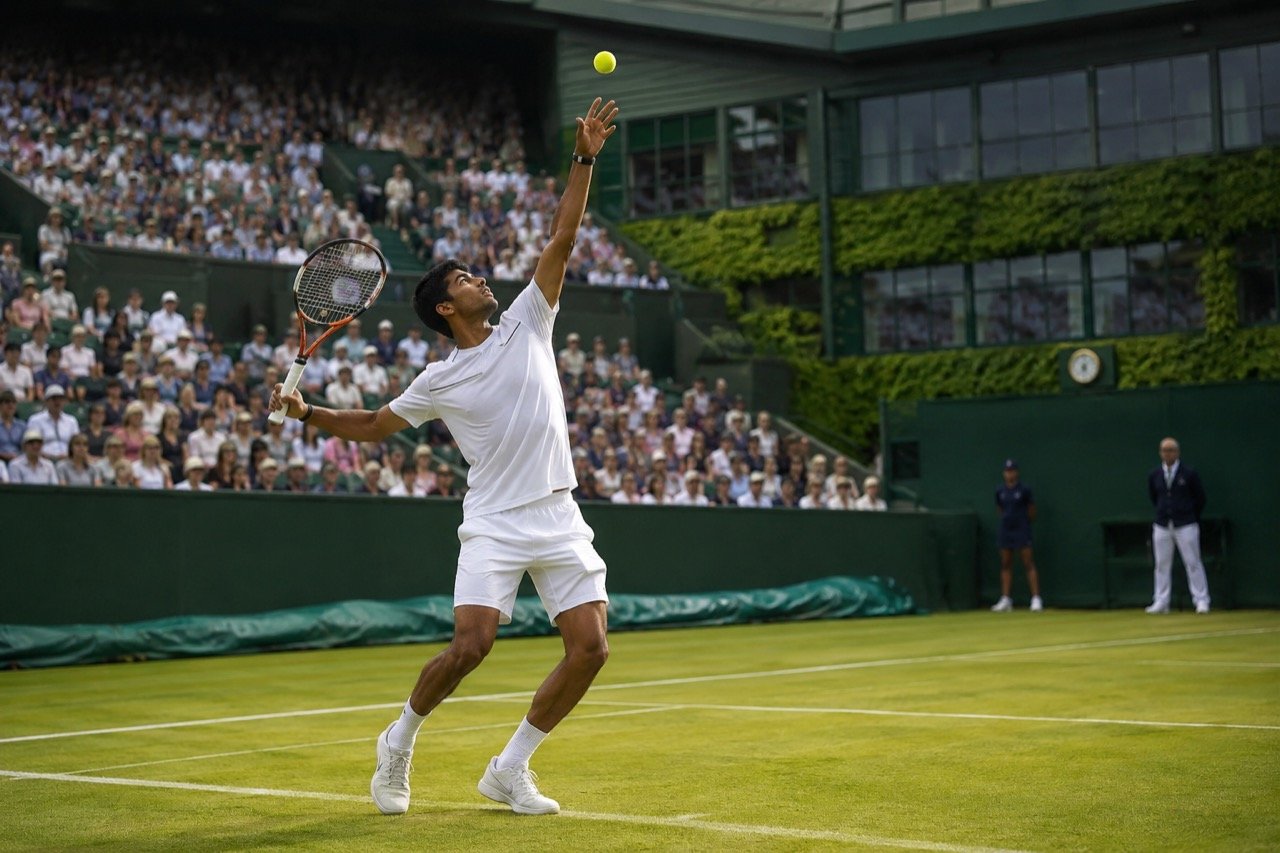
Arnav Paparkar Advances at Wimbledon Boys' Singles in Boost for India
Indian junior Arnav Paparkar has moved into the second round of the Wimbledon boys' singles with a commanding serving display, handing Indian tennis a rare and encouraging grass-court result at the sport's biggest stage.
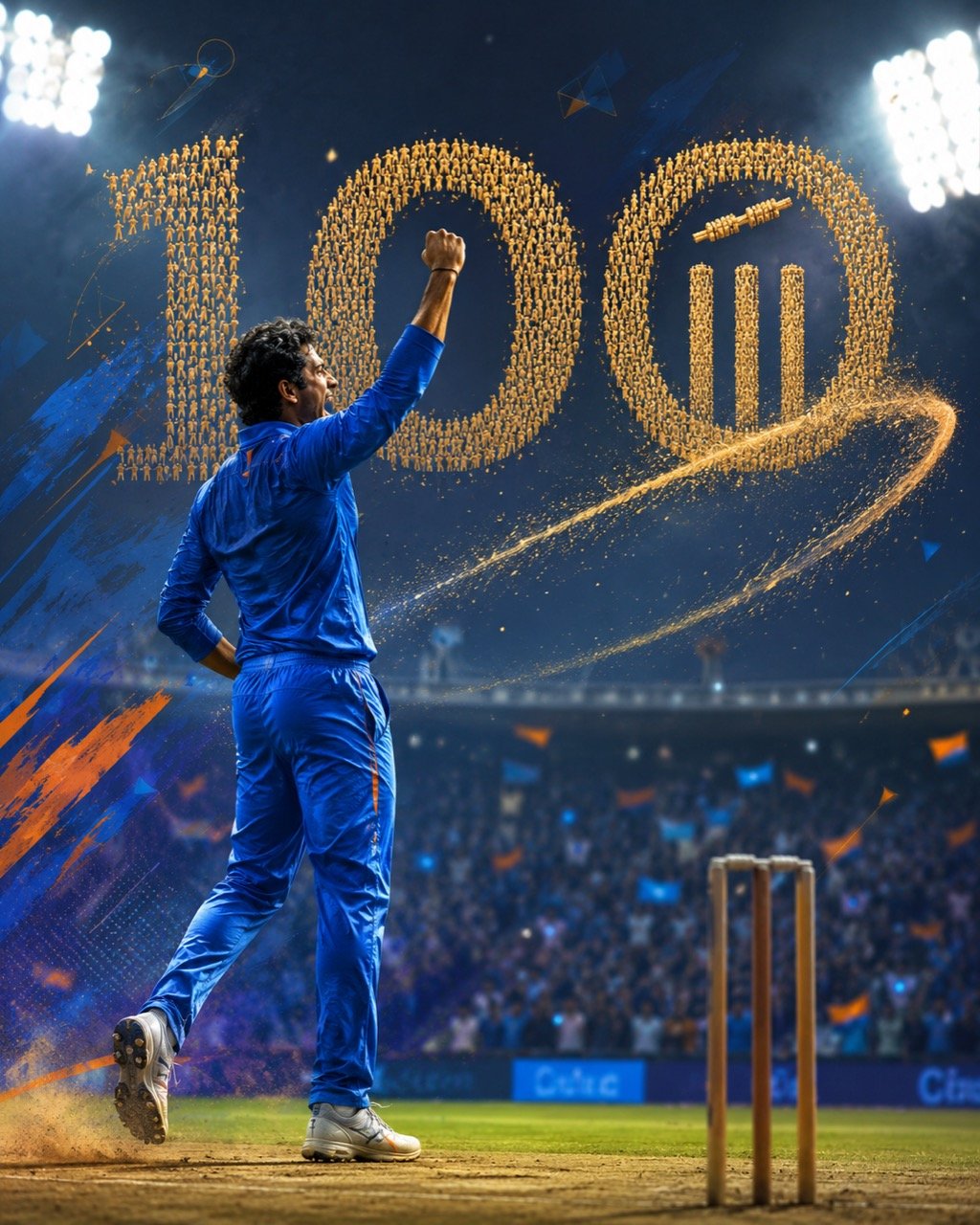
Axar Patel Becomes First Indian Spinner With 100 T20I Wickets
Axar Patel reached 100 T20 international wickets in the second T20I against England, becoming the first Indian spinner to hit the mark and cementing his standing as one of India's most durable white-ball performers.
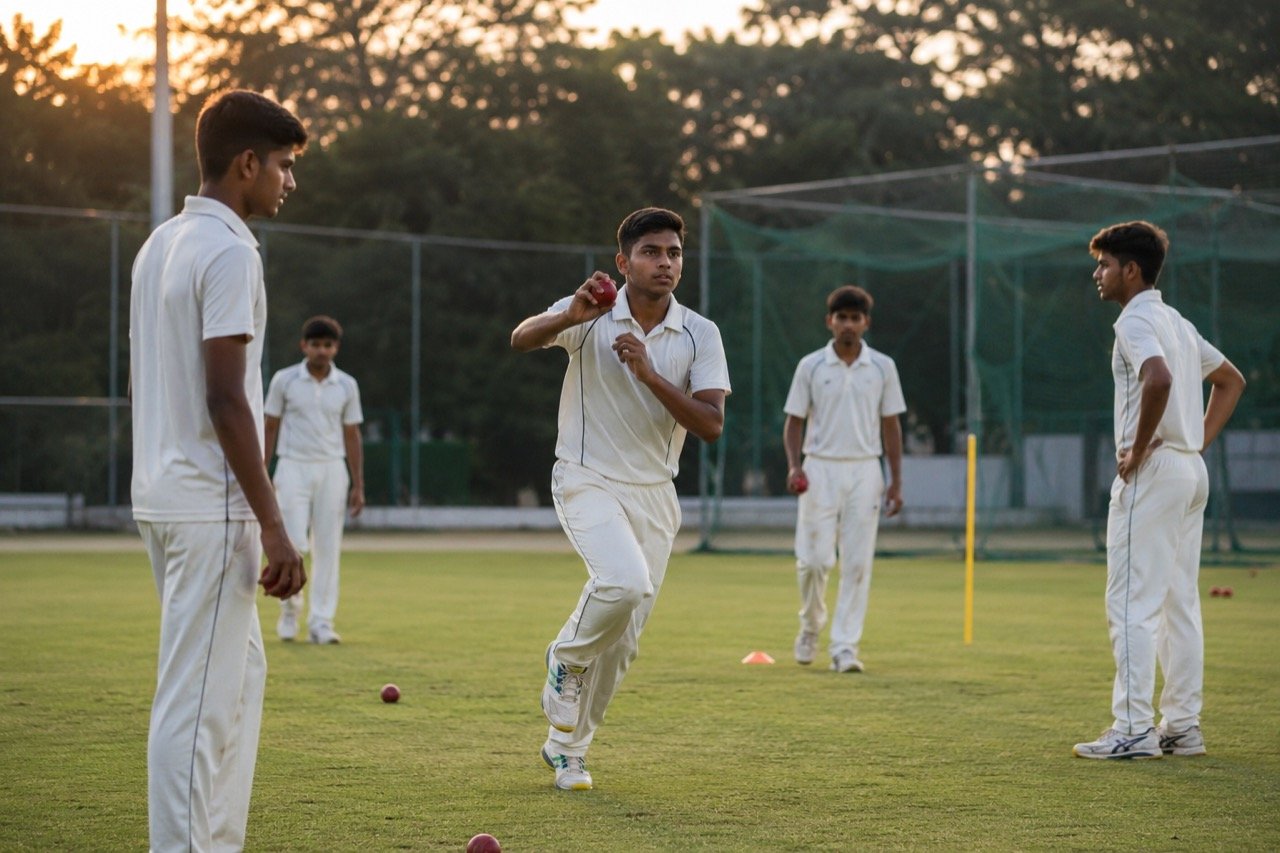
BCCI Emerging Men's Tournament to Hunt Test Prospects in Bengaluru
The BCCI's red-ball Emerging Men's Tournament, running at the Centre of Excellence in Bengaluru through July, is designed to give selectors a longer, harder look at India's next generation of Test cricketers.