India Lock In Chess Line-Up for Esports Nations Cup 2026 as Mitrabha Guha Wins Through Qualifier
India have completed their chess contingent for the Esports Nations Cup 2026 in Riyadh, with Grandmaster Mitrabha Guha topping a regional qualifier to join Nihal Sarin in the two-player squad.
Commentary & Analysis ·
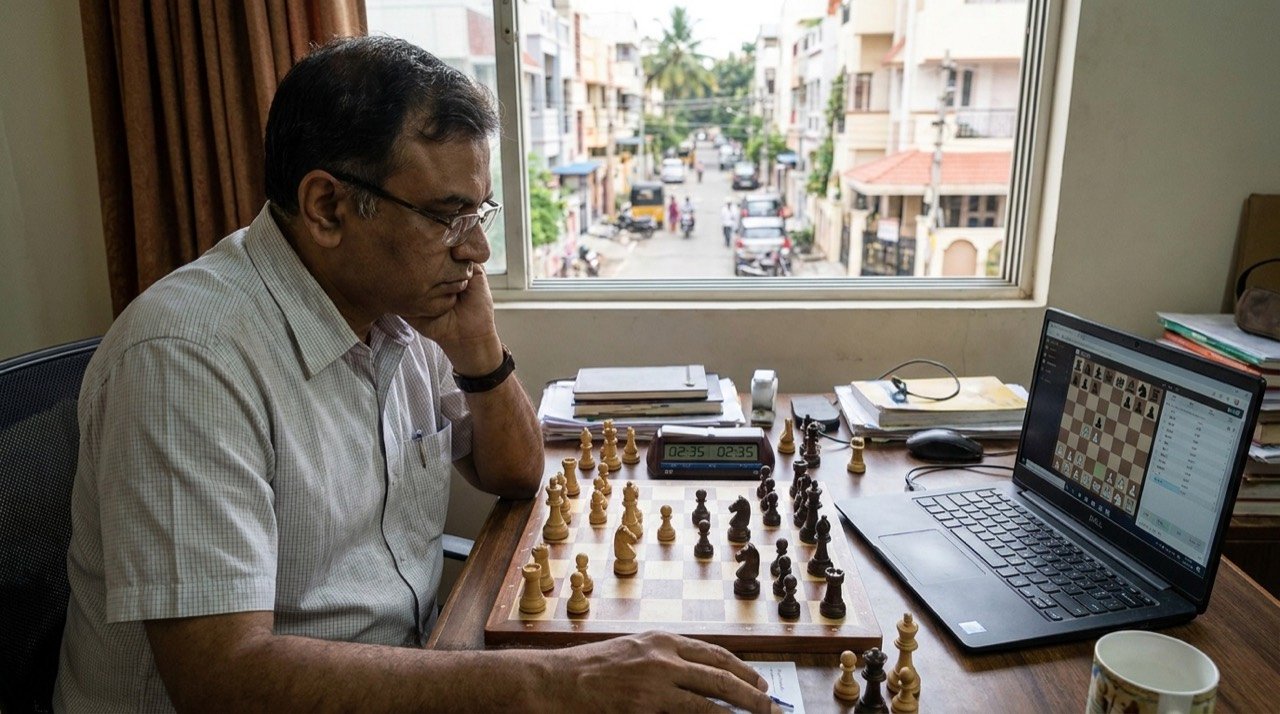
India has secured its chess line-up for the Esports Nations Cup 2026, blending qualifier grit with leaderboard pedigree to assemble a two-player squad for the global showpiece in Riyadh. The development marks another step in chess's growing footprint within the structured world of competitive esports, an arena in which India has rapidly emerged as a force. That a country once represented at the top table by a handful of grandmasters can now field a genuine second string, forged in the heat of a regional qualifier, tells its own story about the state of Indian chess in 2026.
Guha books his place the hard way
Grandmaster Mitrabha Guha completed India's pairing by topping the Swiss stage of the Middle East, India and Central Asia qualifier, finishing as the only player to come through it without a defeat on six wins and three draws. That is a demanding record in a Swiss format, where a single careless afternoon against a lower-rated opponent can undo weeks of good form. Guha then had to convert that position into qualification by beating Syria's Malek Koniahli and Iran's Artin Ashraf in the knockout phase, a two-round gauntlet that leaves no room for the margin of error a round-robin can sometimes forgive. Coming through unbeaten and then winning twice more under knockout pressure is not a fluke of scheduling; it is evidence of consistency across formats and opponents, which is precisely the quality selectors and sponsors look for when deciding who to back beyond a single event.
A balanced pairing with Nihal Sarin
Guha joins Nihal Sarin, who booked his place via the Champions Chess Tour leaderboard, giving India a duo that nicely balances two different routes to the top. Sarin arrives with an established reputation in rapid and blitz chess, built up over seasons of leaderboard points on one of the sport's most visible online circuits. Guha arrives fresh from proving himself in a live, high-pressure qualifier against a mixed regional field. The pairing therefore gives India both a known quantity in the faster formats the Esports Nations Cup favours and a in-form player whose recent results suggest he has nothing to fear from the occasion. For a squad of only two, that spread of qualification paths is a small but meaningful hedge, reducing the chance that a single off day defines India's tournament.
The scale of the Riyadh field
The Esports Nations Cup 2026 will be held in Riyadh from 2 to 8 November, with the chess competition featuring 128 players competing for a prize pool of around USD 600,000, roughly Rs 5.7 crore. The format itself is built for drama rather than attrition: a 16-group round-robin stage first sifts the field, before a 64-player single-elimination playoff bracket decides the champion. That structure rewards players who can be consistent enough to survive the groups and then sharp enough, in a single-elimination setting, to handle knockout nerves twice over in the space of a week. It is a format that mirrors what Guha has just been through in qualifying, which may work in India's favour, given he has already shown he can operate under exactly this kind of pressure.
The field already boasts some of the biggest names in the global game, including Magnus Carlsen, Jan-Krzysztof Duda, Alireza Firouzja and Hikaru Nakamura, ensuring India's pair will be tested against the very best across the rapid formats favoured by the event. For Guha and Sarin, simply being drawn into the same bracket as such names is itself a marker of how far Indian chess has travelled; a decade ago, Indian representation in fields of this calibre was far rarer and typically confined to a single marquee player rather than a fielded pair earning their places through distinct qualification routes.
India's deepening chess bench
With a generation of young Indian grandmasters reshaping the world game, the Esports Nations Cup offers another platform for the country to demonstrate its strength in fast-format chess. India's rise in classical chess over recent years has been well documented, but rapid and blitz formats, and now the esports-branded events built around them, are becoming an equally important arena for national prestige and, increasingly, for players' livelihoods. Guha and Sarin will carry national hopes into a Riyadh field bristling with elite talent, and their presence there is a reminder that India's strength is no longer confined to one or two headline names but extends into a wider pool capable of qualifying on merit through different, and equally demanding, routes.
As one observer put it, coming through a qualifier of that strength unbeaten is a statement, and it shows the depth India now carries beyond its headline grandmasters. That depth matters because it determines how India performs when its very best players are unavailable or focused on other commitments; a country with only one or two world-class players is fragile in a way that one with a broad bench is not.
Why the esports framing matters
The branding of this event as part of the esports economy rather than a traditional over-the-board tournament is not incidental. Chess has increasingly positioned itself within the esports ecosystem to access broadcast formats, sponsorship structures and prize pools that traditional federations have historically struggled to match. A USD 600,000 prize pool for a 128-player rapid event is a significant sum by the standards of most chess tournaments, and its existence within an esports-branded competition, alongside recognisable names such as Carlsen and Nakamura, signals that this hybrid model is now an established part of the sport's commercial landscape rather than a passing experiment. For Indian players, qualifying for such events is not just a matter of prestige; it is a route into a more lucrative and more visible tier of competition than domestic or purely classical circuits typically offer.
The NE Times View
A qualifier route into the squad is the fair way to pick a team, and Guha earning his place alongside Sarin reflects the unusual depth India now enjoys in chess. The event also signals how seriously the mind sport is being slotted into the esports economy, with prize money and star power that would have seemed improbable for a rapid chess event not so long ago. The point worth watching is whether such platforms translate India's prodigious talent pipeline into the sponsorship and earnings that keep players in the game. Qualification is one marker of strength, but the more durable test is whether performances in fields like this one in Riyadh convert into the kind of sustained financial backing that allows players such as Guha to build a career on the back of a single outstanding qualifying run, rather than treating it as an isolated highlight.
Key takeaways
- Mitrabha Guha qualified for the Esports Nations Cup 2026 unbeaten through the Middle East, India and Central Asia Swiss qualifier, going six wins and three draws before beating Syria's Malek Koniahli and Iran's Artin Ashraf in the knockout phase.
- Nihal Sarin secured his place through the Champions Chess Tour leaderboard, giving India a squad that blends a fresh qualifier with an established rapid and blitz specialist.
- The event runs in Riyadh from 2 to 8 November, featuring a 128-player field, a prize pool of around USD 600,000 (roughly Rs 5.7 crore), and a format combining a 16-group round-robin with a 64-player knockout bracket.
- India's pair will face elite opposition including Magnus Carlsen, Jan-Krzysztof Duda, Alireza Firouzja and Hikaru Nakamura.
- The tournament underscores both the growing depth of Indian chess talent and the sport's deepening integration into the esports economy, raising the question of whether such platforms will translate into lasting sponsorship and earnings for players.
You may also like to read
Praggnanandhaa Storms to Maiden Norway Chess Crown After Twin Wins Over Carlsen
R Praggnanandhaa became the first Indian to win Norway Chess, surging from near the bottom of the table to the title on the back of four straight classical wins, including two over Magnus Carlsen.
India Rising: Esports World Cup Pathway Takes Gaming Mainstream
The India Rising Road to the Esports World Cup gives Indian competitive gamers a structured route to the global stage, marking esports' shift from niche pastime to organised national sport.
Praggnanandhaa Outclasses Gukesh In All-Indian Norway Chess Duel To Stay In Title Hunt
R Praggnanandhaa dismantled world champion D Gukesh in just 34 moves at Norway Chess 2026, climbing to second and keeping the pressure on leader Wesley So.
GodLike Esports Storms From Last to First to Win BMPS 2026 in Jaipur
GodLike Esports completed a stunning last-to-first comeback to lift the BMPS 2026 BGMI title in Jaipur, as India's biggest mobile esports LAN peaked at a record 729,000 concurrent viewers.
More from this section
More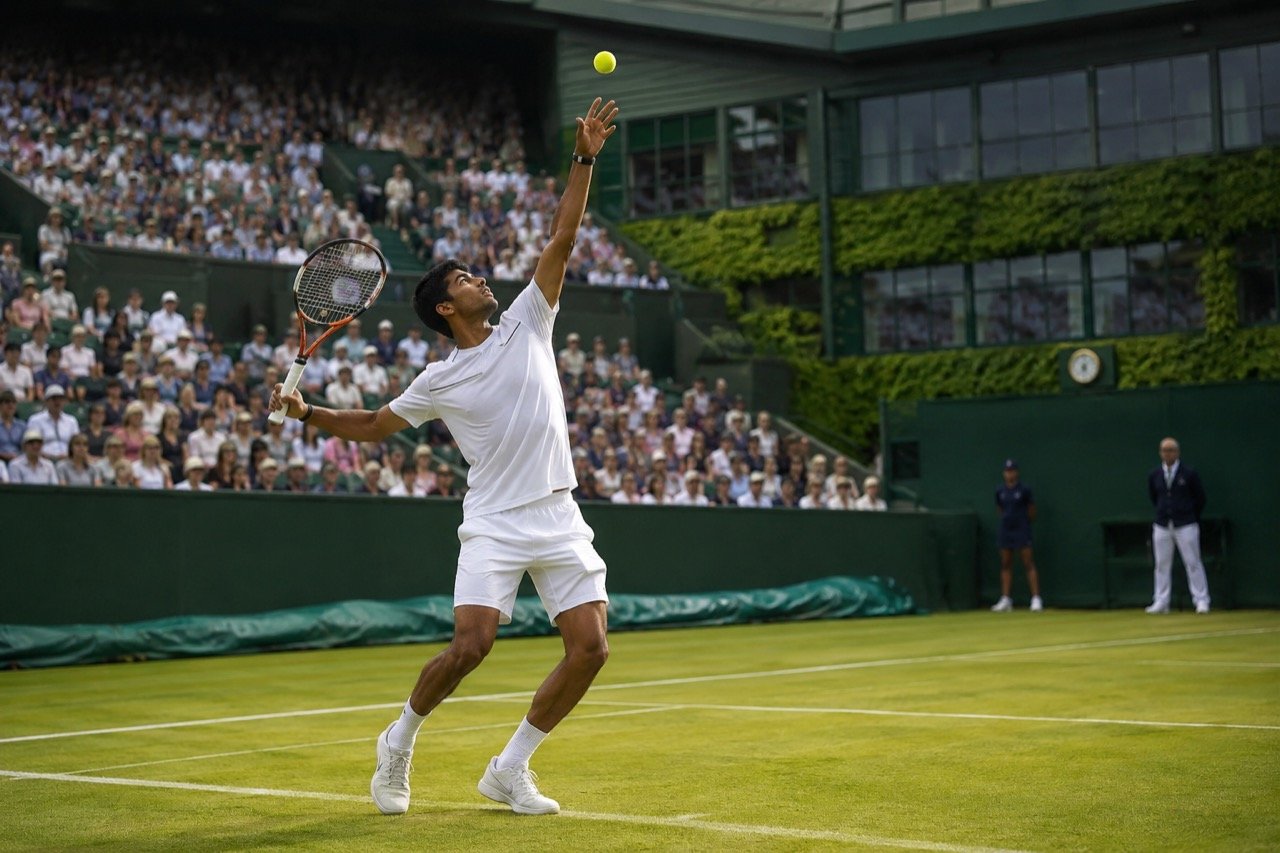
Arnav Paparkar Advances at Wimbledon Boys' Singles in Boost for India
Indian junior Arnav Paparkar has moved into the second round of the Wimbledon boys' singles with a commanding serving display, handing Indian tennis a rare and encouraging grass-court result at the sport's biggest stage.
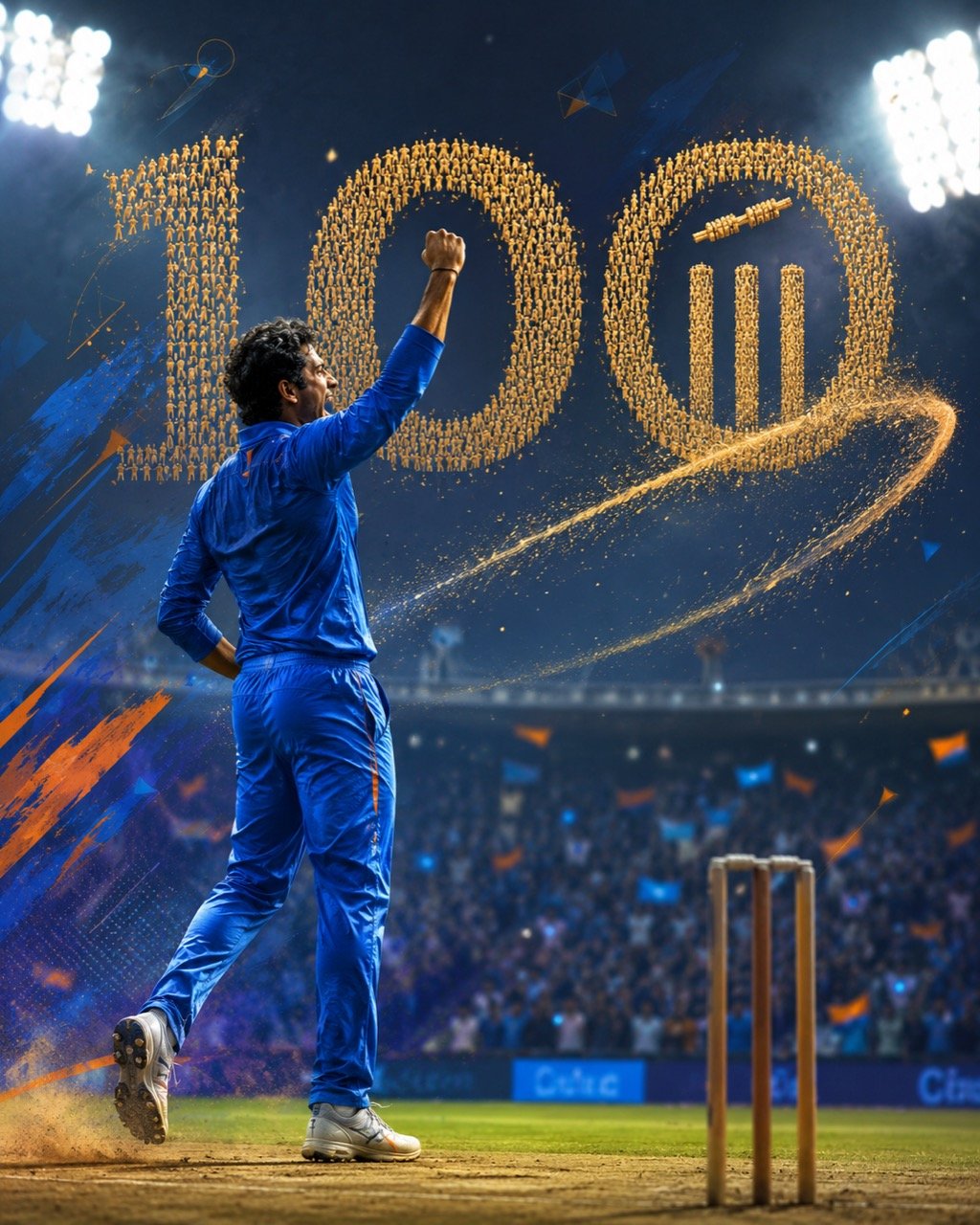
Axar Patel Becomes First Indian Spinner With 100 T20I Wickets
Axar Patel reached 100 T20 international wickets in the second T20I against England, becoming the first Indian spinner to hit the mark and cementing his standing as one of India's most durable white-ball performers.
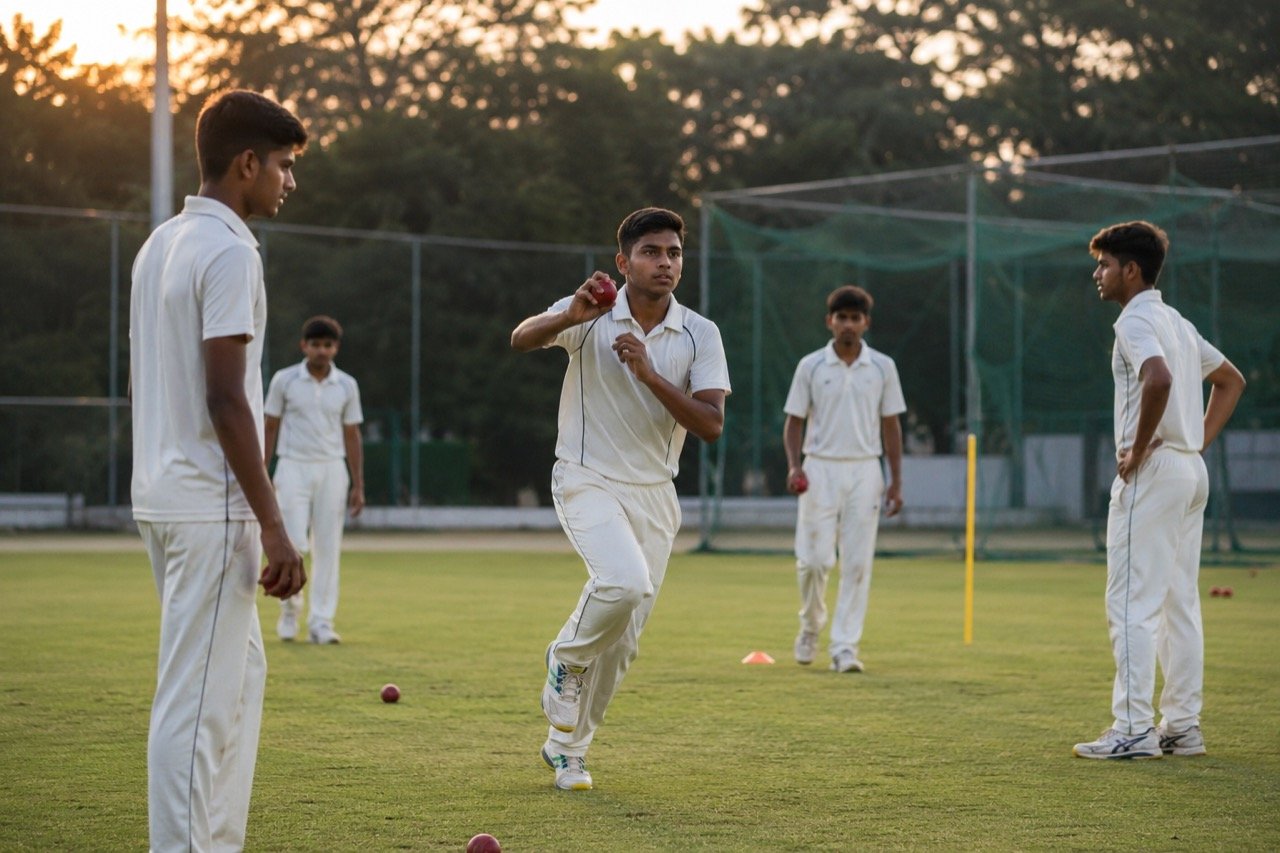
BCCI Emerging Men's Tournament to Hunt Test Prospects in Bengaluru
The BCCI's red-ball Emerging Men's Tournament, running at the Centre of Excellence in Bengaluru through July, is designed to give selectors a longer, harder look at India's next generation of Test cricketers.