GodLike Esports Crowned BMPS 2026 Champions in Jaipur Final
GodLike Esports has won the Battlegrounds Mobile India Pro Series 2026 final in Jaipur, a marquee result that underlines how mobile esports is maturing into a serious competitive and media business in India.
Commentary & Analysis ·
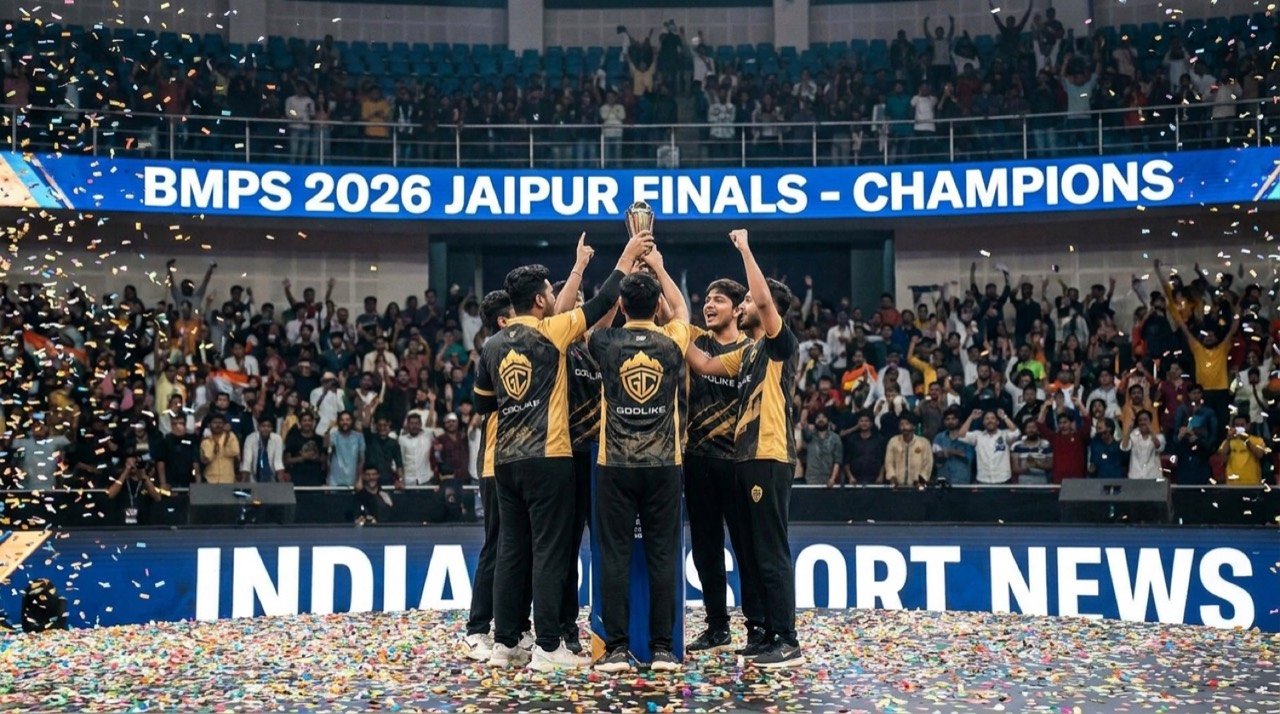
GodLike Esports has won the Battlegrounds Mobile India Pro Series 2026 final in Jaipur, a result that sent a wave of excitement through India's gaming community. The victory, watched by a large online audience, is the latest sign that mobile esports has moved decisively from niche entertainment toward a mainstream competitive and media spectacle. For an ecosystem that has spent years arguing for legitimacy, a title decided in a packed final and consumed by a mass online audience is exactly the kind of moment that changes the conversation, from "is this a real sport" to "how big can this actually get".
A statement win in Jaipur
The BMPS 2026 final brought together India's leading professional rosters, and GodLike's triumph stamps the organisation's credentials at the top of the domestic scene. Such titles are not merely trophies; they shape rankings, sponsorship value and the narrative around which teams are considered elite. In a competitive circuit where multiple organisations chase the same pool of sponsors, media attention and player talent, winning the marquee event of the season is the clearest possible signal to the market. It tells advertisers which brand to back, tells rival organisations which roster to study, and tells aspiring players which team culture is currently producing results.
Reports said the final drew a substantial viewership online, reflecting how a generation of fans now follows mobile esports the way earlier audiences followed traditional sport, through live streams, highlight clips and player personalities. This pattern of consumption matters because it is fundamentally different from how cricket or football built their Indian fan bases. There is no decades-long broadcast history here, no state associations, no school-level feeder system in the traditional sense. Instead, the audience has been built almost entirely on smartphones, through streaming platforms and creator-led content, in a remarkably short span of time. That an event in Jaipur can command this scale of attention is itself the story, independent of who actually lifted the trophy.
Why the result matters commercially
The win carries weight for players, sponsors and tournament organisers alike, because Indian esports now sits at the intersection of youth culture, live streaming and digital advertising. A high-profile championship strengthens GodLike's brand and gives advertisers a proven platform to reach young, engaged audiences, a demographic that is notoriously difficult to reach through conventional television advertising. Brands looking to be associated with a youthful, digitally native audience increasingly see esports sponsorships as more efficient than traditional sports sponsorships, precisely because the audience is concentrated, engaged and measurable in real time through stream analytics.
For the wider ecosystem, each successful event adds momentum to professional gaming leagues and makes the case that esports can sustain stable revenue, salaried players and long-term investment. This is the harder, less visible part of the story. A single viral final generates headlines, but what actually builds an industry is the accumulation of such moments into a track record that investors, sponsors and broadcasters can rely on year after year. Every well-run tournament that draws a strong audience and passes off without major controversy makes the next round of sponsorship negotiations and investment conversations easier.
The professional game grows up
As the scene matures, consistency, team chemistry and tournament production are becoming as important as raw individual skill. Winning a single match is one thing; sustaining form across a gruelling series in front of a live crowd and an online audience demands organisational depth. GodLike's success reinforces the idea that the best Indian teams are now run like professional sports outfits, with coaching, analysis and structured preparation behind the players on screen. This shift mirrors what happened in more established esports markets abroad, where teams moved from informal squads of talented individuals to structured organisations with dedicated support staff, data analysts and defined training regimens.
This maturation matters for the long-term health of the industry because it changes who can compete. A scene built purely on individual flair favours short-lived breakout stars; a scene built on organisational depth favours sustainable careers, retained talent and a more predictable, investable product. It is precisely this shift, from spectacle to structured competition, that gives sponsors and broadcasters the confidence to commit longer-term deals rather than one-off activations tied to a single viral moment.
What the industry still lacks
With BMPS 2026 settled, attention turns to whether GodLike can convert this momentum into sustained dominance and how organisers build on the event's reach. For India's fast-growing gaming industry, the Jaipur final is another marker that competitive mobile gaming has firmly arrived. Yet arrival is not the same as maturity. The commercial and cultural momentum on display in Jaipur has, so far, run well ahead of the institutional scaffolding that usually accompanies a serious sport, things such as consistent player contracts, transparent prize distribution, injury and mental health support, and a clear regulatory line separating skill-based competitive gaming from real-money gambling formats that occupy adjacent legal territory in India.
As one industry observation reflected in tournament coverage put it, Indian esports is no longer a side show; it is a serious competitive and commercial business. That framing is accurate, but it also raises the stakes for getting the fundamentals right. A business of this scale, drawing this level of youth engagement and sponsorship money, cannot indefinitely operate on informal understandings between organisers, teams and platforms.
The NE Times View
A trophy in Jaipur is also a marker of a fast-maturing industry that India's policymakers still barely acknowledge. Mobile esports now commands audiences, sponsorships and careers that rival traditional sport, yet it remains largely absent from the policy conversations that shape how sport, media and youth culture are regulated in this country. GodLike's win underlines real economic and cultural momentum, but the ecosystem needs clearer regulation, player protections and a settled distinction from gambling. Recognising esports as legitimate competition is overdue; treating it seriously, through the same kind of institutional attention given to cricket academies or Olympic sports, is the next step. Until that happens, the industry's growth will continue to outpace the frameworks meant to sustain it, leaving players, organisations and fans to build a serious business on foundations that are still, in important respects, improvised.
Key takeaways
- GodLike Esports won the BMPS 2026 final held in Jaipur, drawing a large online viewership and reinforcing its status as a top domestic organisation.
- The result strengthens GodLike's brand and sponsor appeal, illustrating how esports titles now directly translate into commercial value.
- Indian esports is maturing organisationally, with coaching, analysis and structured preparation increasingly rivalling raw player skill as a determinant of success.
- The industry's momentum is real, but its regulatory and institutional framework, covering player protections and a clear separation from gambling, lags behind its commercial growth.
- Attention now turns to whether GodLike can sustain this dominance and how organisers can build on the Jaipur final's reach for future events.
You may also like to read
GodLike Esports Storms From Last to First to Win BMPS 2026 in Jaipur
GodLike Esports completed a stunning last-to-first comeback to lift the BMPS 2026 BGMI title in Jaipur, as India's biggest mobile esports LAN peaked at a record 729,000 concurrent viewers.
India Rising: Esports World Cup Pathway Takes Gaming Mainstream
The India Rising Road to the Esports World Cup gives Indian competitive gamers a structured route to the global stage, marking esports' shift from niche pastime to organised national sport.
India Lock In Chess Line-Up for Esports Nations Cup 2026 as Mitrabha Guha Wins Through Qualifier
India have completed their chess contingent for the Esports Nations Cup 2026 in Riyadh, with Grandmaster Mitrabha Guha topping a regional qualifier to join Nihal Sarin in the two-player squad.
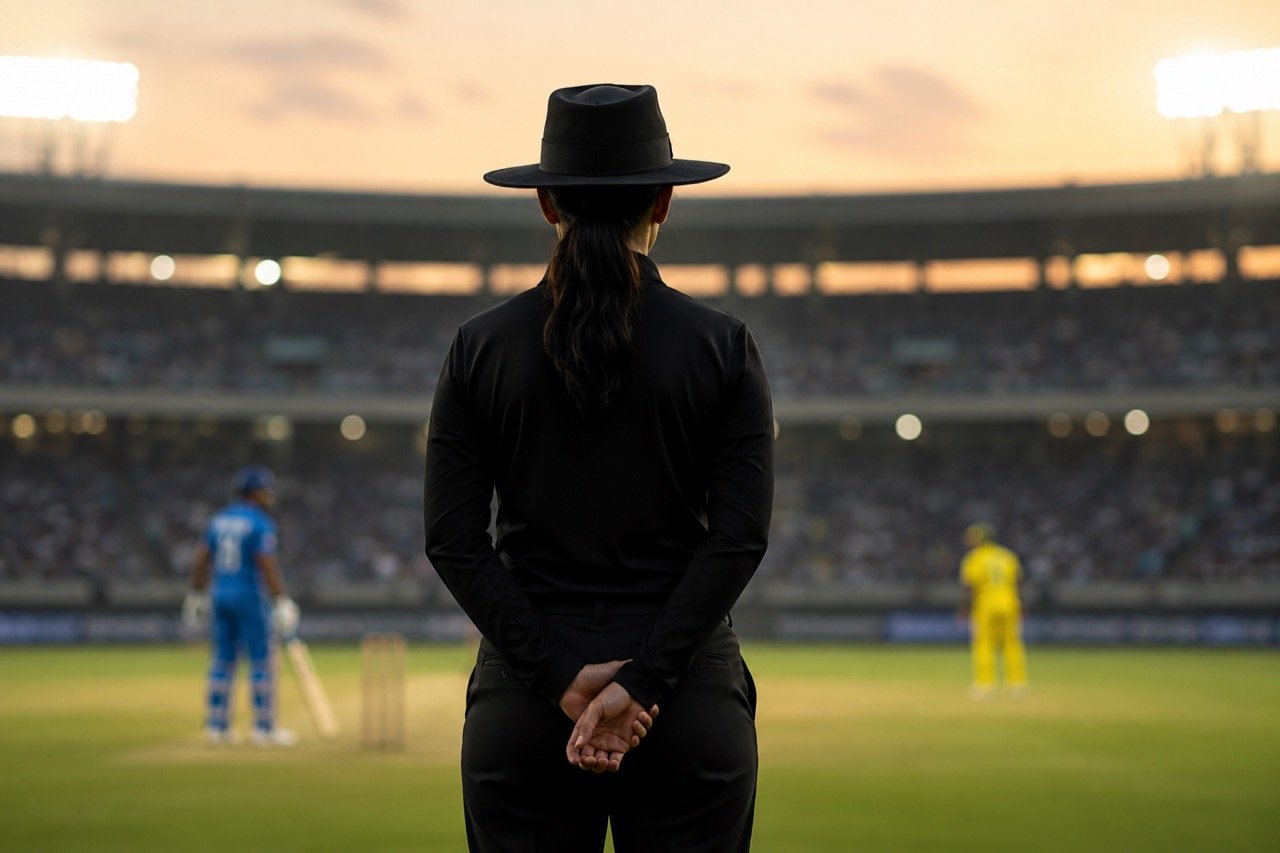
Vrinda Rathi Is First Indian Woman to Umpire an ICC Final
Vrinda Rathi has become the first Indian woman to umpire an ICC final, a landmark for Indian cricket that puts officiating pathways for women firmly in the spotlight.
More from this section
More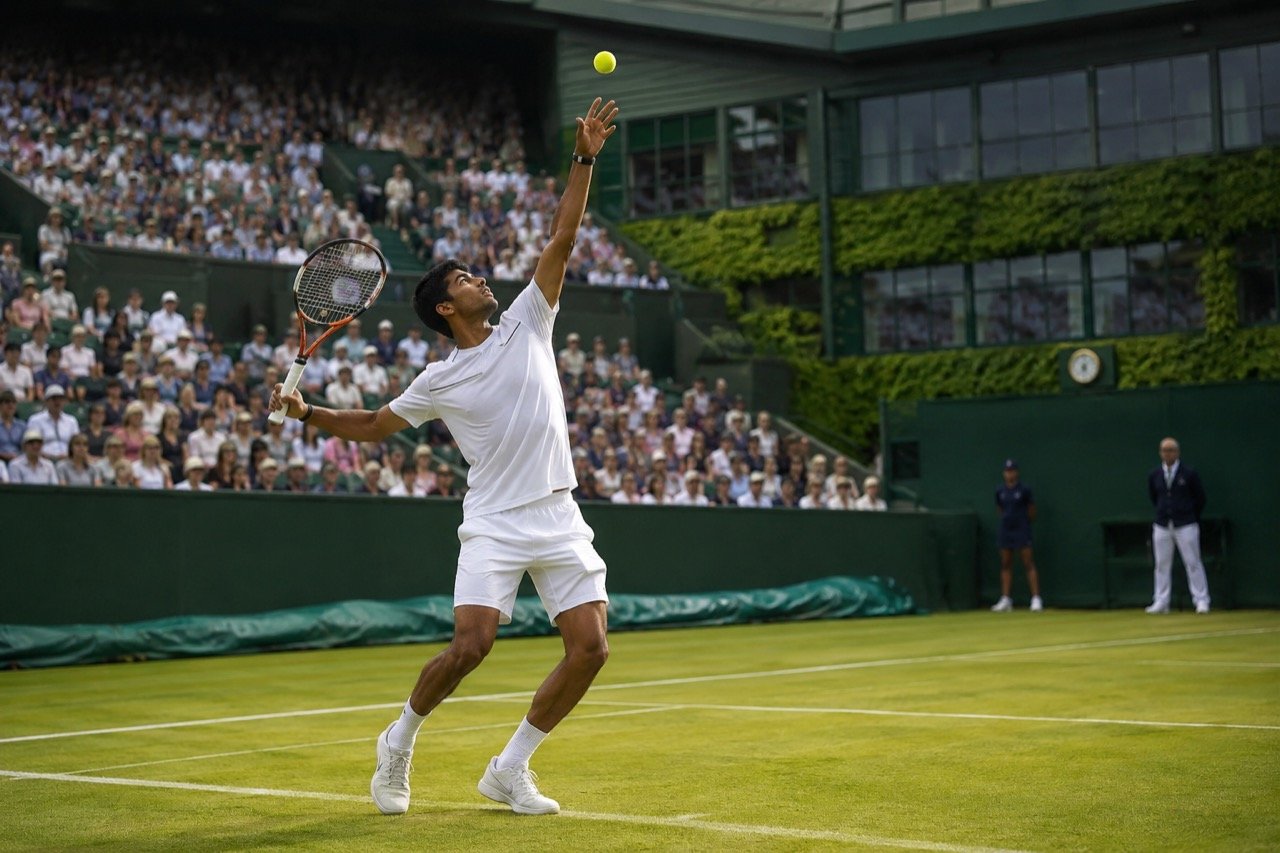
Arnav Paparkar Advances at Wimbledon Boys' Singles in Boost for India
Indian junior Arnav Paparkar has moved into the second round of the Wimbledon boys' singles with a commanding serving display, handing Indian tennis a rare and encouraging grass-court result at the sport's biggest stage.
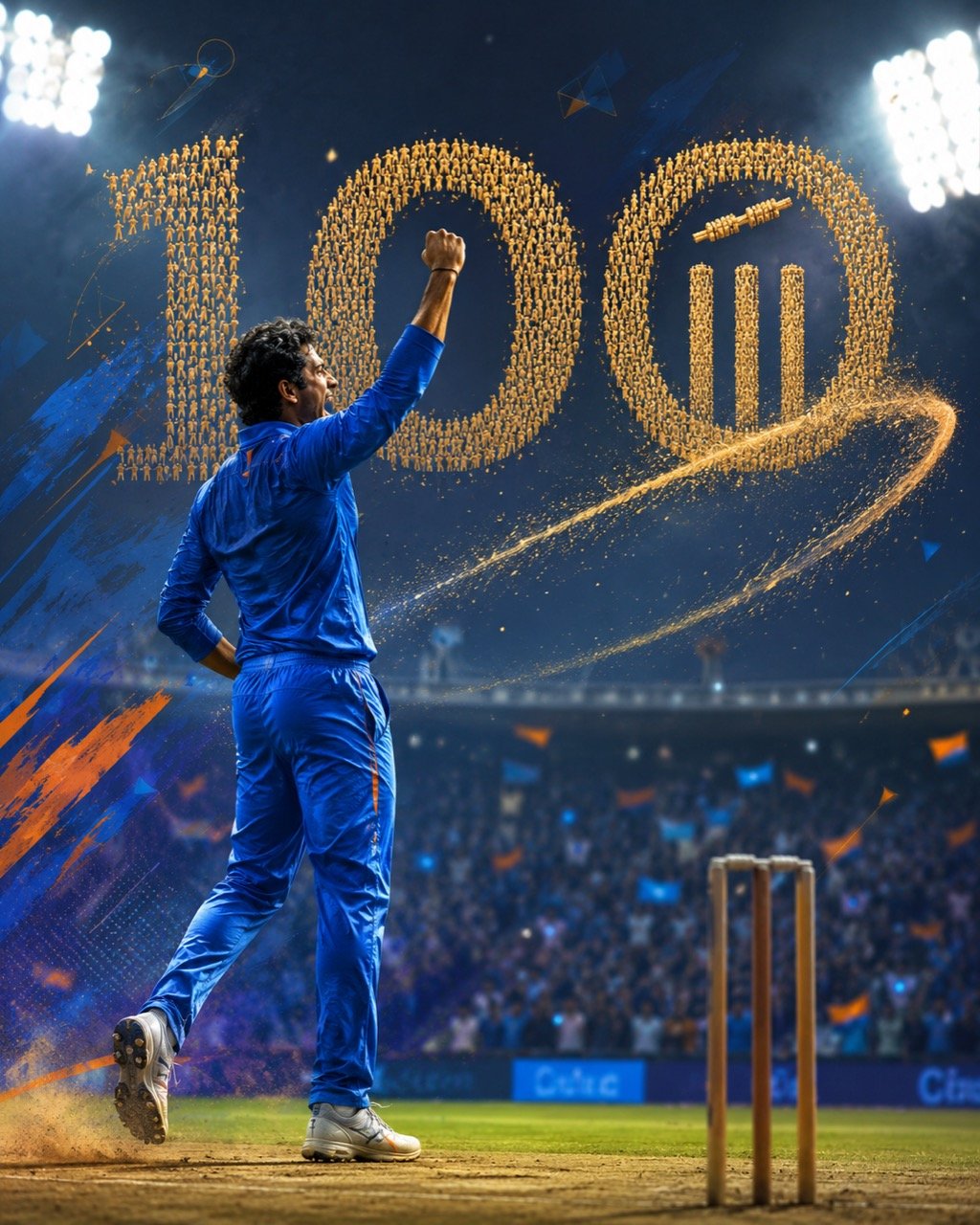
Axar Patel Becomes First Indian Spinner With 100 T20I Wickets
Axar Patel reached 100 T20 international wickets in the second T20I against England, becoming the first Indian spinner to hit the mark and cementing his standing as one of India's most durable white-ball performers.
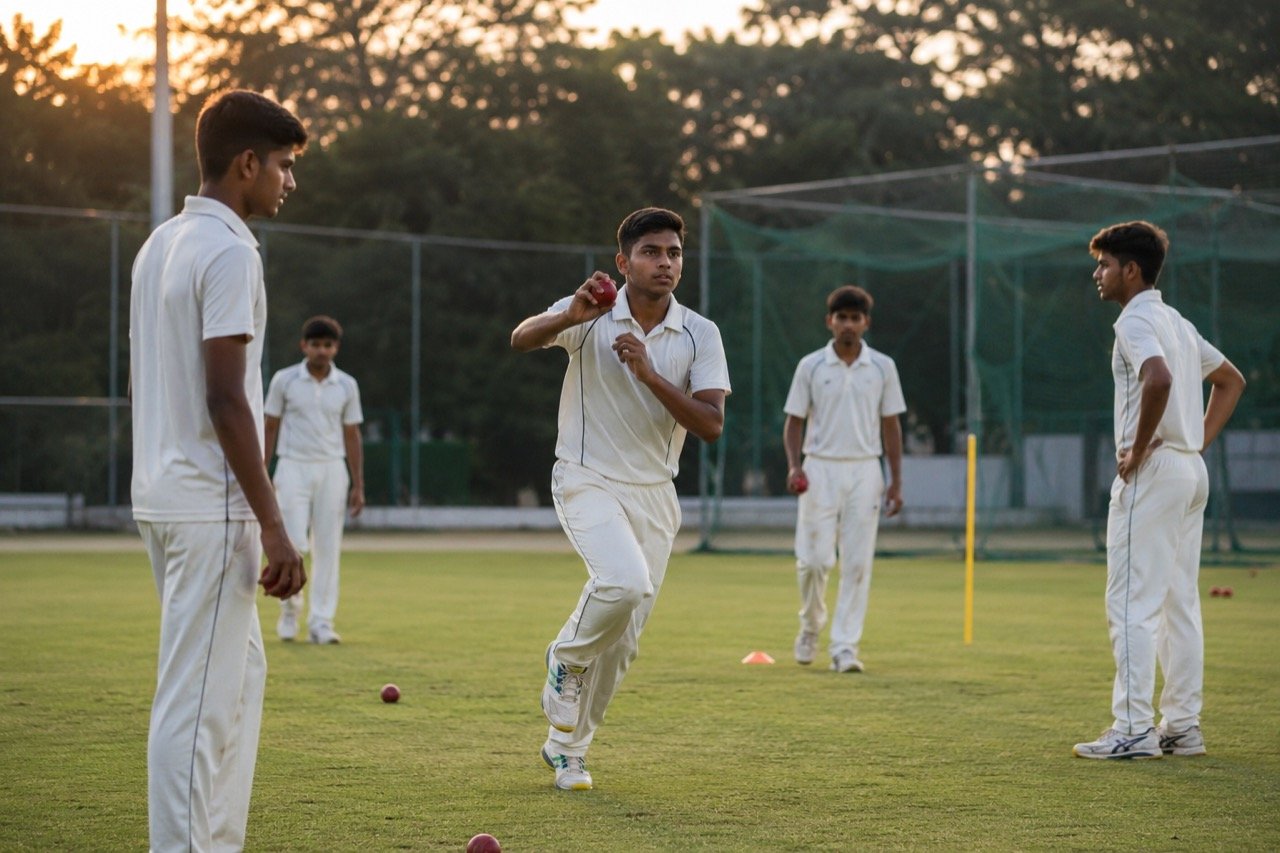
BCCI Emerging Men's Tournament to Hunt Test Prospects in Bengaluru
The BCCI's red-ball Emerging Men's Tournament, running at the Centre of Excellence in Bengaluru through July, is designed to give selectors a longer, harder look at India's next generation of Test cricketers.