Vrinda Rathi Is First Indian Woman to Umpire an ICC Final
Vrinda Rathi has become the first Indian woman to umpire an ICC final, a landmark for Indian cricket that puts officiating pathways for women firmly in the spotlight.
Commentary & Analysis ·
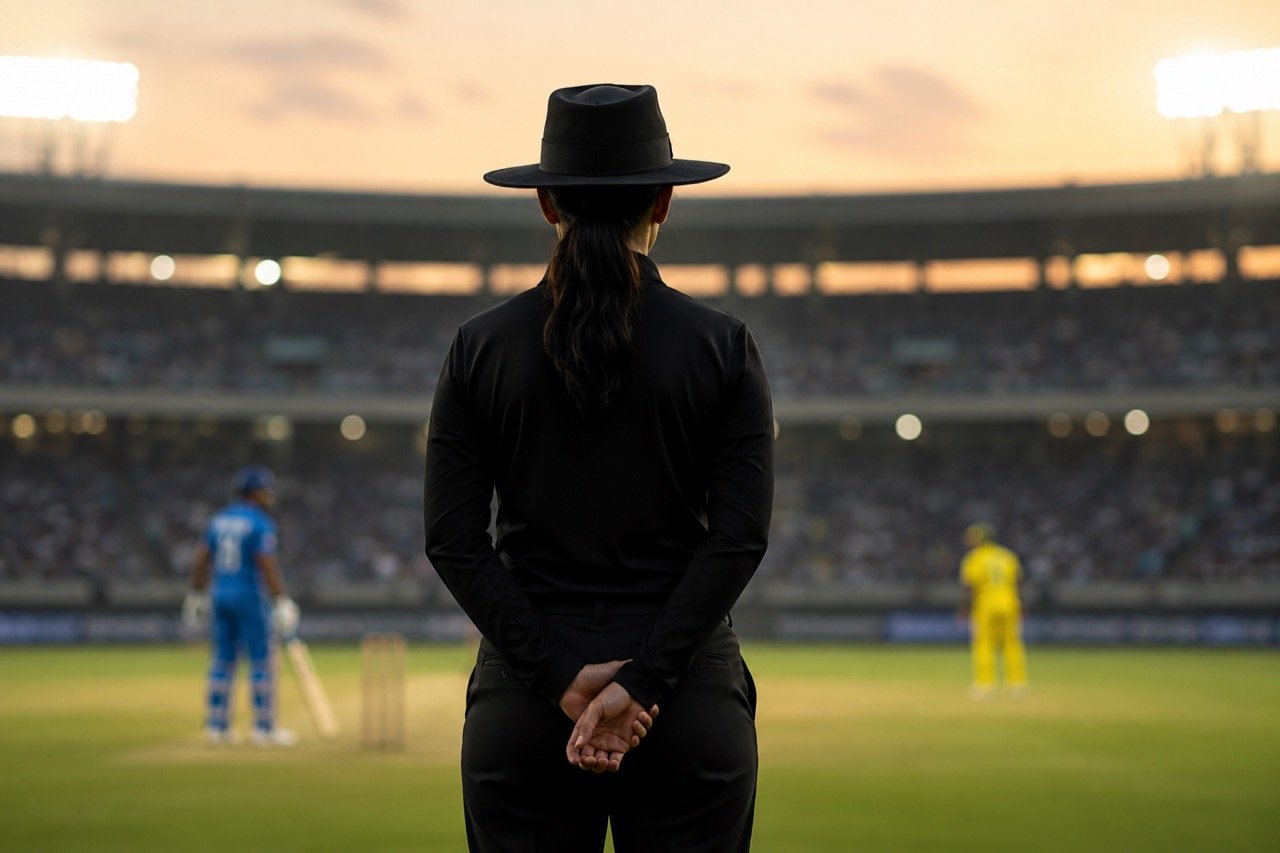
Vrinda Rathi has written a new line in Indian cricket history, becoming the first Indian woman to stand as umpire in an ICC final. The milestone, highlighted in Hindustan Times sports coverage, shifts attention to a part of the game usually noticed only in moments of controversy: the officials who control it. For a sport that measures itself obsessively in runs, wickets and centuries, an officiating first of this kind rarely dominates headlines, yet its significance to the structure of Indian cricket may prove considerably longer-lasting than any single innings.
A breakthrough beyond the boundary
Cricket's milestones are typically measured in runs and wickets, but officiating breakthroughs shape the sport's future just as surely. Umpires carry authority, sustained concentration and heavy technical responsibility on every delivery. They must adjudicate lbw calls in real time, manage player conduct, coordinate with the third umpire on referrals, and do all of this under the scrutiny of broadcast replays and a global audience. It is a role that demands the same discipline, temperament and years of grinding experience as playing the game at the highest level, yet it has traditionally offered far less visibility and far fewer role models for those looking to enter it. A woman official reaching an ICC final makes that career pathway visible to a generation of aspiring Indian officials who rarely saw themselves represented at the top. For a young woman weighing whether umpiring is a viable long-term vocation in Indian cricket, Rathi's presence in an ICC final is a concrete answer rather than an abstract aspiration.
Part of a wider shift in women's cricket
Rathi's assignment lands amid the rapid expansion of the women's cricket ecosystem: stronger domestic competitions, a fuller international calendar, the visibility of the Women's Premier League and improving development pathways for match officials. This is not an isolated event but a data point within a broader trajectory. As women's cricket has professionalised on the playing side, with better contracts, more televised fixtures and growing sponsorship interest, the infrastructure around the game — coaching, scouting, sports science and officiating — has had to expand in parallel to support it. Her final adds a concrete marker to that growth, evidence that Indian women are moving into match-control roles, not only playing and coaching ones. It signals that the pipeline feeding elite officiating is no longer an entirely closed system, and that opportunities are opening at a pace that matches, even if it lags somewhat behind, the growth in playing opportunities.
Why the officiating pathway matters
The distinction between playing and officiating pathways is worth dwelling on, because they are governed by different incentives and different visibility. Playing careers are built and broadcast match by match, with runs and wickets providing an easily legible scoreboard of progress. Umpiring careers, by contrast, are built through years of standing in domestic fixtures, accumulating assessments, and slowly earning trust from panels that decide international and then ICC-level appointments. That opacity has historically made it harder for women to see a realistic route to the top of the officiating ladder, since there were few visible examples of that route being successfully walked. Rathi's elevation to an ICC final changes the calculus for anyone currently inside that pipeline, giving selectors, state associations and aspiring umpires alike a tangible benchmark of what is now achievable.
Representation earned, not given
For fans following the story, the substance is representation backed by achievement: elite officiating appointments are earned through years of consistent, scrutinised performance. This is an important qualifier. Umpiring panels at ICC events are not populated on the basis of symbolism; they are assembled from officials who have demonstrated accuracy, composure and judgement across seasons of high-pressure cricket. That Rathi has reached this level on that basis, rather than through any lowering of standards, is precisely what gives the milestone its weight. It tells young officials that the door is open on merit, not as a one-off gesture, which is a far more durable and motivating message than representation alone would provide.
The NE Times View
Vrinda Rathi's ICC final is more than a feel-good first; it is proof that India's cricket infrastructure is finally widening beyond the playing XI. The BCCI and state associations should treat this as a prompt to invest seriously in umpiring academies, fair selection panels and match exposure for women officials, so that the second and tenth Indian women in an ICC final arrive quickly. Cricket-mad India produces talent everywhere — the country's officiating bench should reflect that. Rathi has opened the door; the system now has to keep it open. The test of whether this moment becomes a genuine turning point, rather than a solitary headline, will be visible in the years ahead: in how many more women are fast-tracked through domestic panels, how transparent state associations are about selection criteria, and how quickly the next names follow Rathi's onto ICC rosters. A single appointment can inspire; only sustained institutional commitment can convert that inspiration into a pipeline.
Key takeaways
- Vrinda Rathi has become the first Indian woman to umpire an ICC final, a milestone reported by Hindustan Times sports coverage.
- The achievement highlights officiating as a career pathway in cricket that has historically had far less visibility than playing or coaching roles.
- It arrives alongside broader growth in women's cricket, including stronger domestic competitions, a fuller international calendar and the visibility of the Women's Premier League.
- The NE Times View urges the BCCI and state associations to invest in umpiring academies, fair selection panels and match exposure so more Indian women follow Rathi into ICC-level officiating.
- The milestone is presented as merit-based, built on years of scrutinised performance rather than symbolic appointment.
You may also like to read
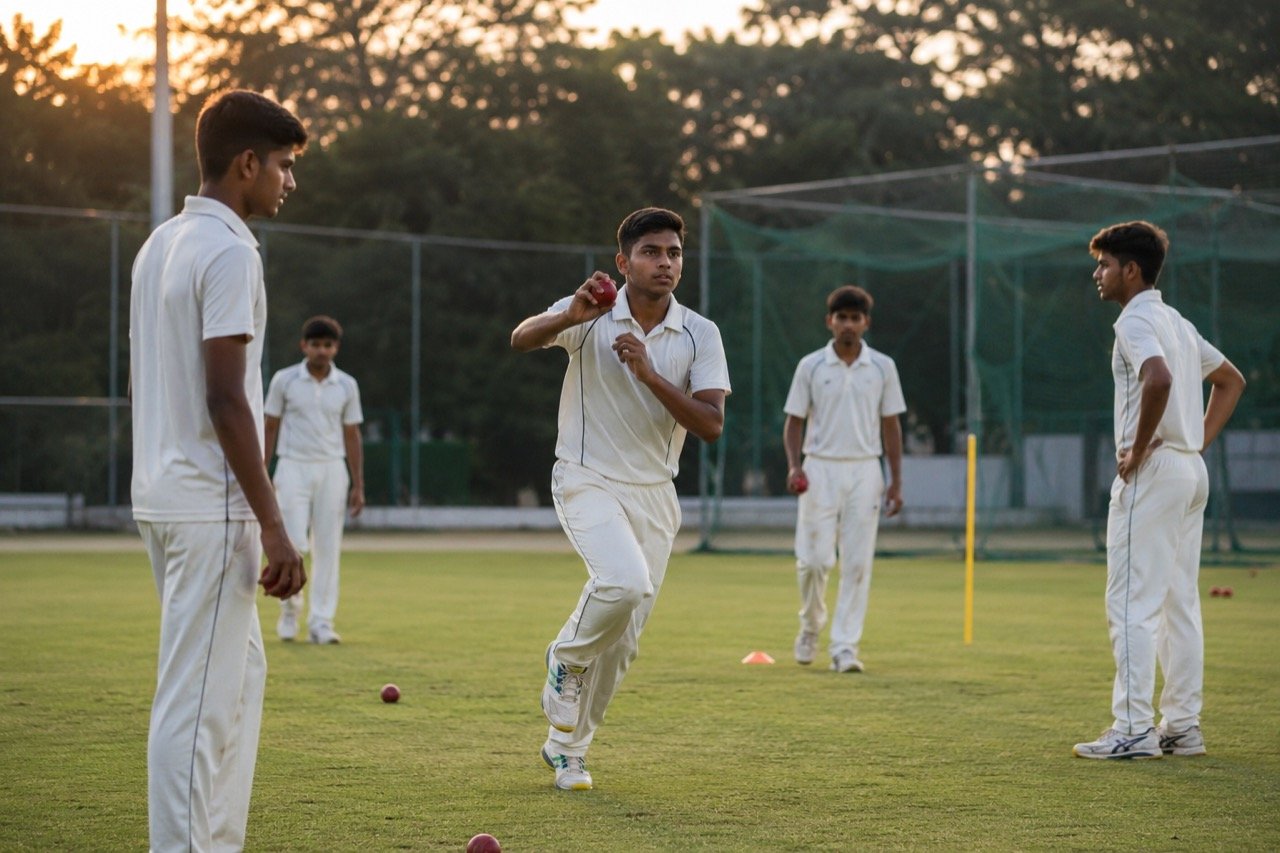
BCCI Emerging Men's Tournament to Hunt Test Prospects in Bengaluru
The BCCI's red-ball Emerging Men's Tournament, running at the Centre of Excellence in Bengaluru through July, is designed to give selectors a longer, harder look at India's next generation of Test cricketers.
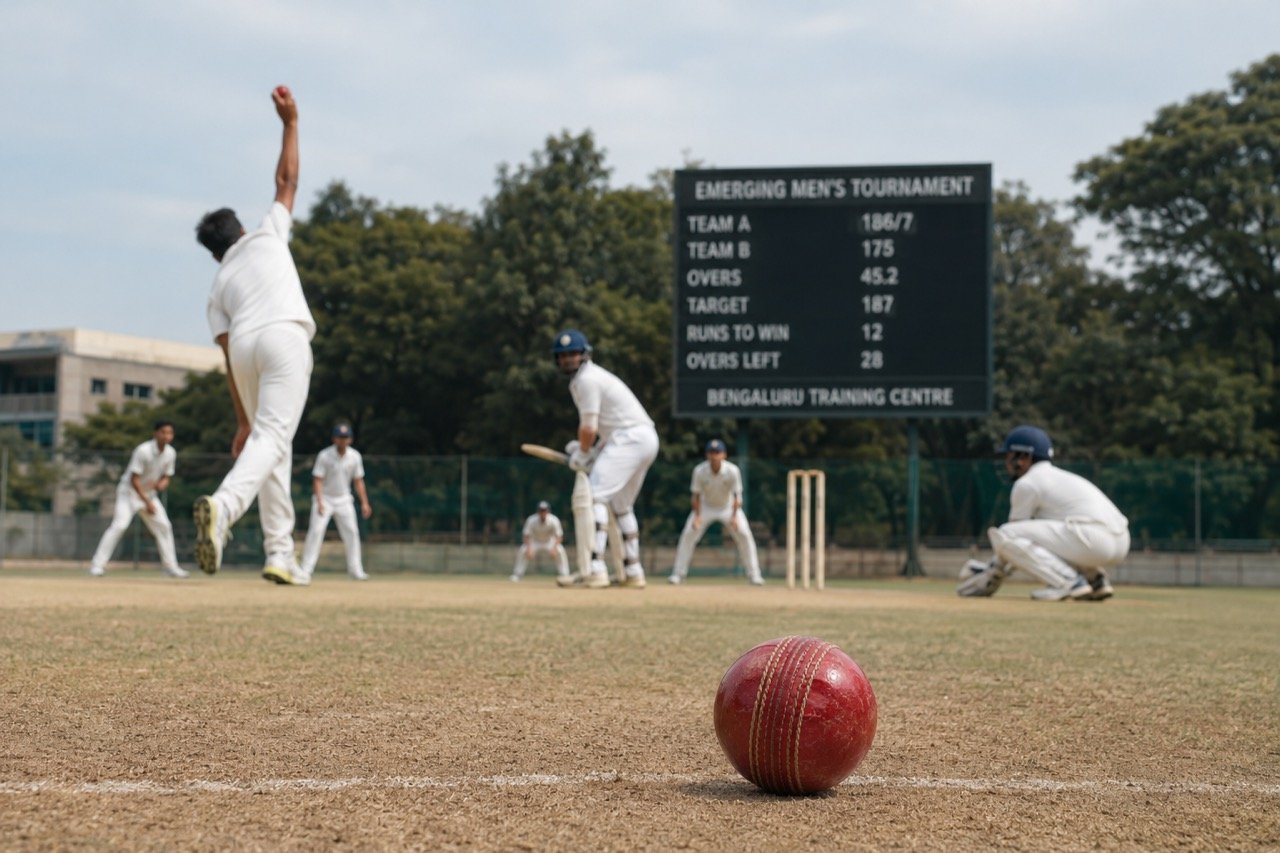
BCCI Emerging Tournament 2026: India's Next Cricket Stars Take Stage
The BCCI's emerging men's tournament gives selectors, franchises and fans a structured look at the young Indian cricketers pushing to move from domestic promise into national contention.
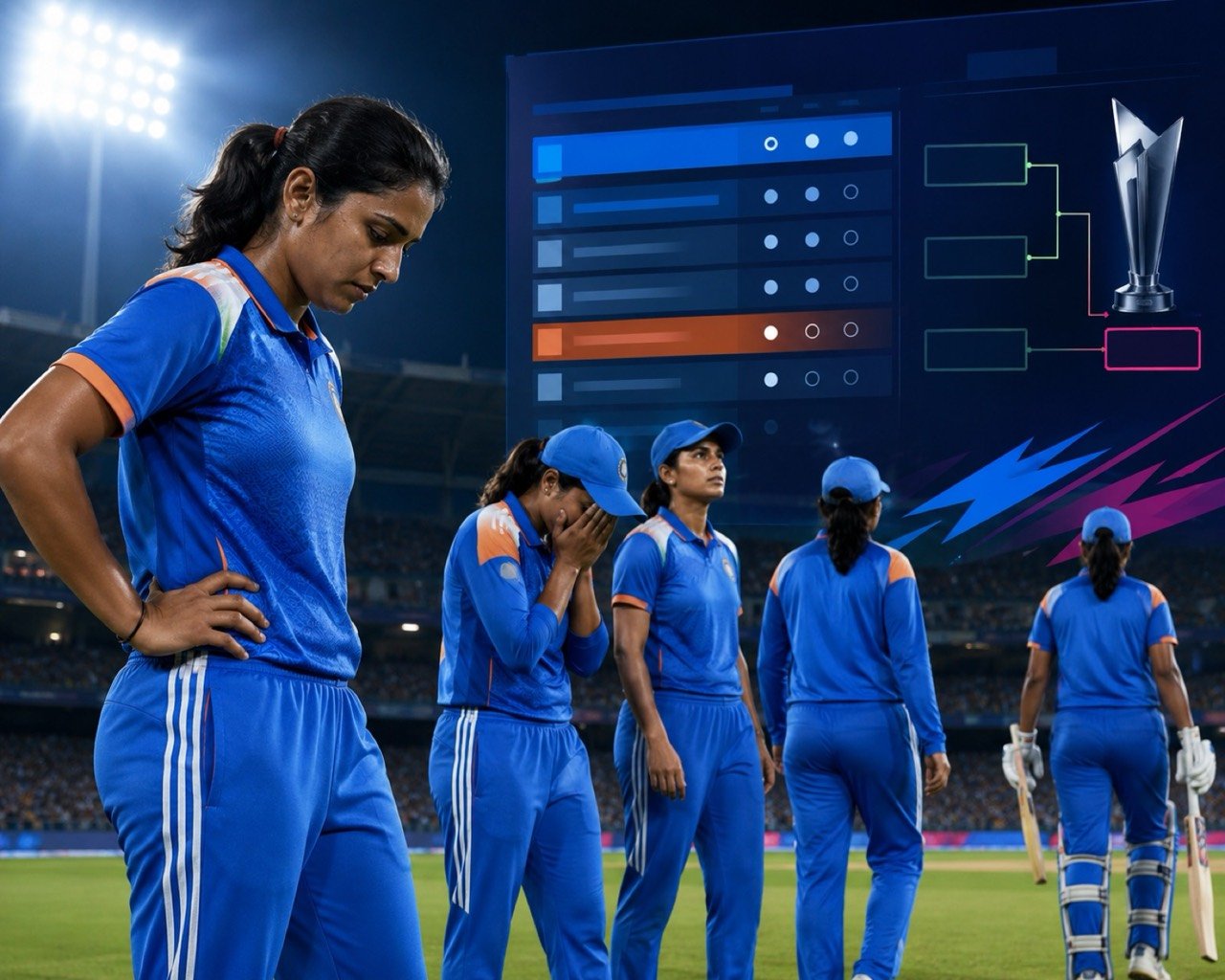
India's Women's T20 World Cup Path Narrows After South Africa Defeat at Old Trafford
A six-wicket loss to South Africa has thrown India's Women's T20 World Cup semifinal qualification into the balance, leaving Harmanpreet Kaur's side reliant on results, run rate and nerve.

BCCI Charts Structured Roadmap for India's 2027 ODI World Cup Build-Up
Secretary Devajit Saikia says the BCCI wants a clear path and adequate 50-over practice for the 2027 ODI World Cup, with selector Ajit Agarkar and coach Gautam Gambhir shaping a settled one-day core.
More from this section
More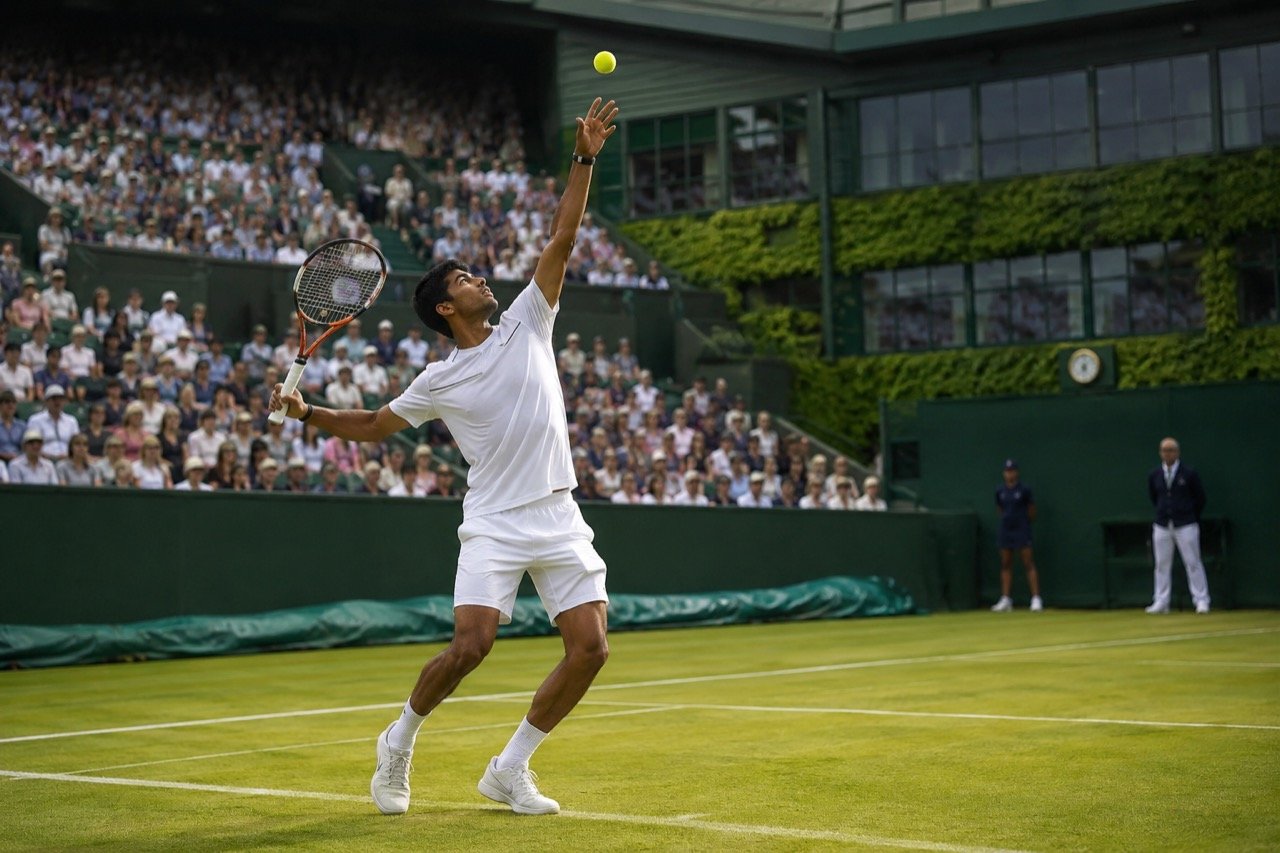
Arnav Paparkar Advances at Wimbledon Boys' Singles in Boost for India
Indian junior Arnav Paparkar has moved into the second round of the Wimbledon boys' singles with a commanding serving display, handing Indian tennis a rare and encouraging grass-court result at the sport's biggest stage.

Axar Patel Becomes First Indian Spinner With 100 T20I Wickets
Axar Patel reached 100 T20 international wickets in the second T20I against England, becoming the first Indian spinner to hit the mark and cementing his standing as one of India's most durable white-ball performers.
BCCI Emerging Men's Tournament to Hunt Test Prospects in Bengaluru
The BCCI's red-ball Emerging Men's Tournament, running at the Centre of Excellence in Bengaluru through July, is designed to give selectors a longer, harder look at India's next generation of Test cricketers.