BCCI Charts Structured Roadmap for India's 2027 ODI World Cup Build-Up
Secretary Devajit Saikia says the BCCI wants a clear path and adequate 50-over practice for the 2027 ODI World Cup, with selector Ajit Agarkar and coach Gautam Gambhir shaping a settled one-day core.
Commentary & Analysis ·

The BCCI has begun laying out a structured plan for India's 2027 ODI World Cup preparation, with secretary Devajit Saikia stressing that the board wants a clear path and adequate 50-over match practice well before the tournament begins. The early planning marks a deliberate attempt to avoid the last-minute scrambles that have, on more than one occasion, undermined Indian campaigns at global events. That the board is speaking about this two years out, rather than in the frantic final months before the tournament, is itself notable, and worth examining in some depth.
A deliberate break from past improvisation
Indian cricket has a long history of assembling its one-day combinations reactively, often settling on a core XI only in the months immediately preceding a World Cup. Saikia's comments suggest the BCCI wants to break that pattern this time around. Reports indicate the roadmap involves chief selector Ajit Agarkar and head coach Gautam Gambhir, with discussions centred on balancing senior experience against workload management and the broader need to build a settled one-day core well ahead of schedule. Saikia has described the exercise as an ongoing process rather than a one-off announcement, which signals that the board intends to keep revisiting and refining the plan as form, fitness and the international calendar evolve over the coming year. This framing matters: a single press statement about a "roadmap" is easy to issue and easy to forget, but a standing process that selectors and team management are expected to return to periodically is a different and more demanding commitment.
Why ODI planning has become structurally harder
The context behind this early move is important. One-day cricket today competes for space with Test matches, lucrative T20 franchise leagues and an increasingly crowded calendar of global tournaments across formats. That squeeze means bilateral ODI opportunities are fewer than they once were, and every series that does get played now carries outsized importance in building combinations and understanding roles. A credible World Cup plan therefore cannot simply rely on talent identification; it needs enough actual 50-over cricket for players to occupy defined roles, develop reliable backup options in each position, and allow selectors to make honest calls early, rather than reactive choices forced upon them by injuries or sudden loss of form close to the tournament. In other words, the constraint is not just about picking the right XI, it is about creating the conditions in which that XI can be tested and refined over time, a much harder logistical and administrative problem in a saturated calendar.
The pillars the board appears to be building around
The BCCI's approach is expected to rest on several inter-locking priorities as it shapes the squad over the coming seasons. These include securing adequate bilateral ODI fixtures so that players actually get sufficient match practice in the format; defining clear batting and bowling roles within the XI so that combinations are not being reinvented before each series; managing the workload of senior and multi-format players who are also committed to Tests and T20 leagues; identifying and grooming backup options in depth, so that an injury or dip in form does not force a hurried, untested replacement into a World Cup squad; and making timely, transparent selection decisions rather than delaying difficult calls until the pressure of the tournament makes them unavoidable. Each of these pillars addresses a specific failure mode that has affected Indian one-day cricket in the past, from unsettled middle-order roles to insufficient bench strength.
What the Agarkar-Gambhir axis will be judged on
Saikia's own words capture the board's stated intent succinctly: "The roadmap for the 2027 World Cup is an ongoing process; we want a clear path and adequate match practice." For Indian cricket, this early framework is a signal that the 2027 campaign will not be left to improvised combinations decided in the final weeks. But a stated intention is only the starting point. The real test will be whether the selectors and team management can hold their nerve over an extended period, stick to the roles they define now rather than abandoning them at the first setback, and give fringe players enough exposure across genuine bilateral fixtures so that, if called upon, they are not stepping into the World Cup untested. Agarkar and Gambhir, in their respective roles as chief selector and head coach, will carry the practical weight of translating this roadmap into actual squad decisions, and it is their willingness to make and defend difficult calls, rather than the existence of the roadmap itself, that will determine whether this exercise succeeds.
The NE Times View
A stated roadmap is sensible, but Indian cricket rarely suffers from a lack of plans, only from sticking to them. Settling a 50-over core two years out is wise given how the format gets squeezed between Tests and the IPL's gravitational pull on players, broadcasters and administrators alike. The Agarkar-Gambhir axis will ultimately be judged on whether they protect ODI cricket from neglect amid this competition for calendar space, not on the intentions expressed in press conferences. Saikia describing the roadmap as an "ongoing process" is the right framing in principle, but it also means the board has set itself a standard it must be held to over the next two years: revisiting the plan, adjusting it honestly as form and fitness change, and resisting the temptation to defer hard selection choices. Execution, and above all squad stability sustained through genuine match practice rather than assumption, are everything.
Key takeaways
- The BCCI, through secretary Devajit Saikia, has begun structured planning for the 2027 ODI World Cup well ahead of the tournament, aiming to avoid last-minute squad scrambles.
- Chief selector Ajit Agarkar and head coach Gautam Gambhir are reported to be central to discussions balancing senior player workload against building a settled one-day core.
- A shrinking calendar for bilateral ODIs, squeezed by Tests and T20 leagues, makes early role definition and depth-building more difficult but also more necessary.
- Key priorities include securing match practice, defining clear roles, managing workload, grooming backups, and making timely selection decisions.
- The roadmap's success will depend on consistent execution and squad stability over the next two years, not on the announcement itself.
You may also like to read
BCCI Emerging Men's Tournament to Hunt Test Prospects in Bengaluru
The BCCI's red-ball Emerging Men's Tournament, running at the Centre of Excellence in Bengaluru through July, is designed to give selectors a longer, harder look at India's next generation of Test cricketers.
BCCI Emerging Tournament 2026: India's Next Cricket Stars Take Stage
The BCCI's emerging men's tournament gives selectors, franchises and fans a structured look at the young Indian cricketers pushing to move from domestic promise into national contention.
BCCI weighs IPL 2027 retention rules as mega-auction framework takes shape
With the next mega-auction cycle approaching, the BCCI's working group is debating retention slots, a revived Right-to-Match rule and a higher salary cap, decisions that will shape franchise squads and the November auction.
BCCI's New Emerging Tournament Deepens India's Red-Ball Pipeline
The BCCI's plan for an emerging men's multi-day tournament is being seen as a deliberate move to widen India's long-format talent pool beyond the established Ranji Trophy spotlight.
More from this section
More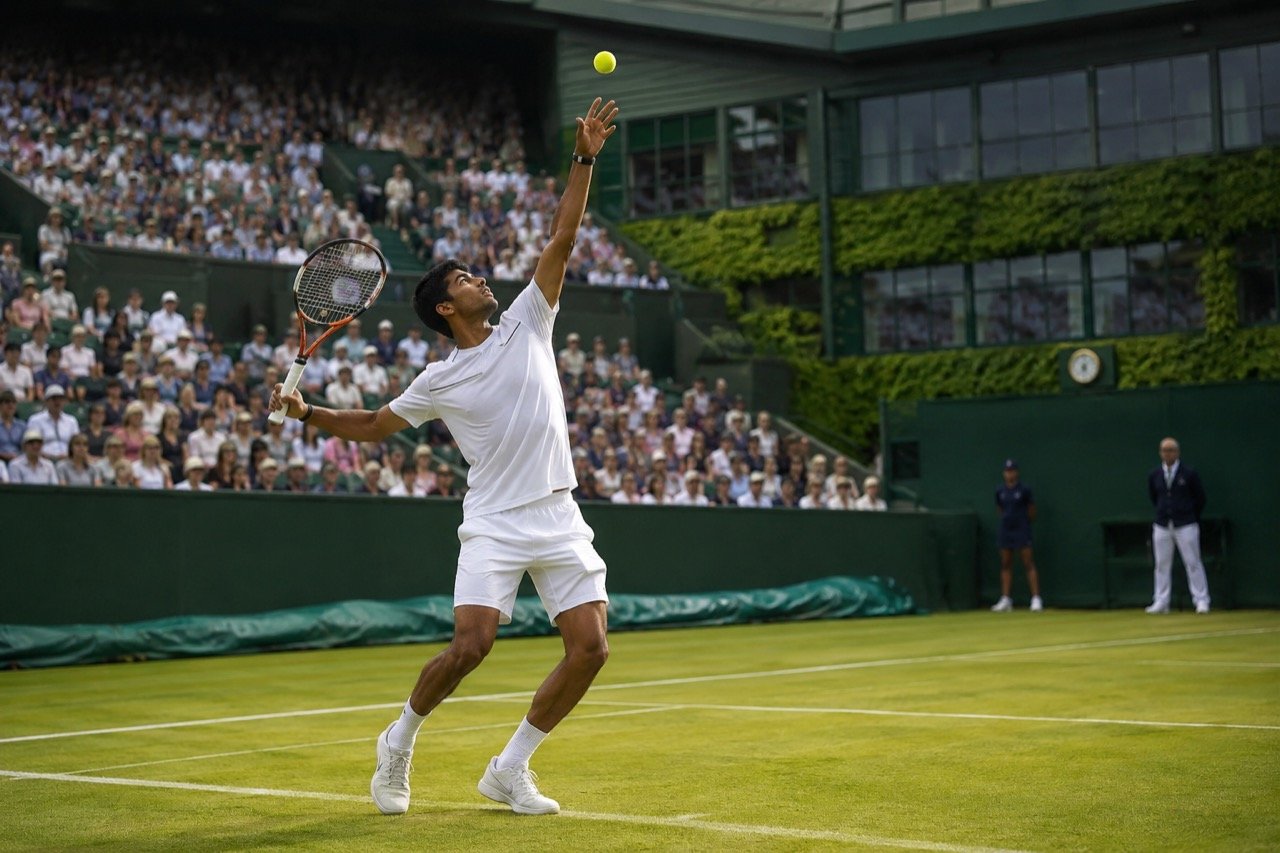
Arnav Paparkar Advances at Wimbledon Boys' Singles in Boost for India
Indian junior Arnav Paparkar has moved into the second round of the Wimbledon boys' singles with a commanding serving display, handing Indian tennis a rare and encouraging grass-court result at the sport's biggest stage.
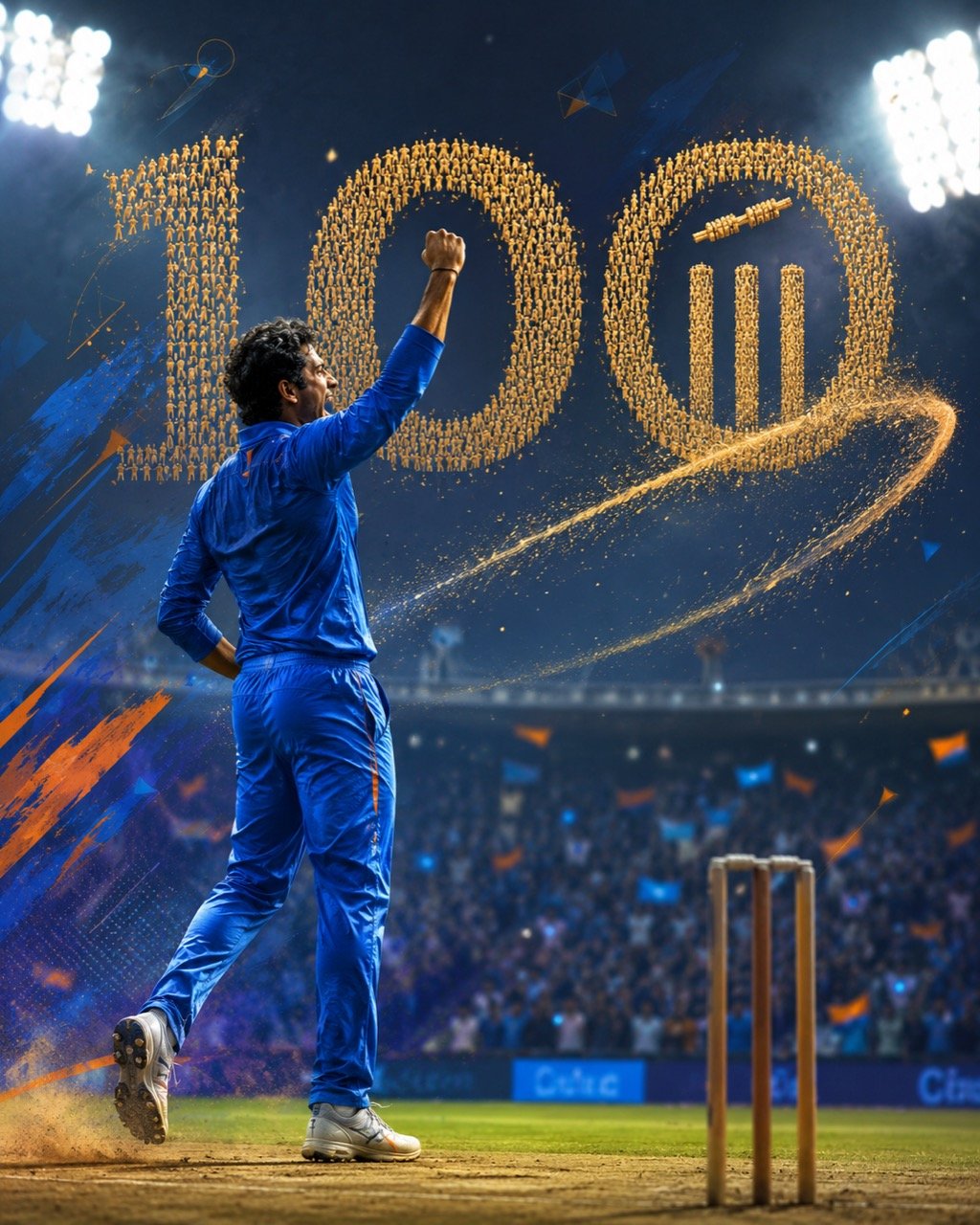
Axar Patel Becomes First Indian Spinner With 100 T20I Wickets
Axar Patel reached 100 T20 international wickets in the second T20I against England, becoming the first Indian spinner to hit the mark and cementing his standing as one of India's most durable white-ball performers.
BCCI Emerging Men's Tournament to Hunt Test Prospects in Bengaluru
The BCCI's red-ball Emerging Men's Tournament, running at the Centre of Excellence in Bengaluru through July, is designed to give selectors a longer, harder look at India's next generation of Test cricketers.