Ahmedabad Commonwealth Games 2030 to Feature 17 Sports Under New Lower-Cost Model
Commonwealth Sport confirms Ahmedabad's centenary Games will host 17 sports at roughly 60 per cent lower cost, testing Gujarat's ability to stage a major multi-sport event efficiently.
Commentary & Analysis ·

The 2030 Commonwealth Games in Ahmedabad will feature 17 sports and be staged at around 60 per cent lower cost than earlier editions, according to Commonwealth Sport, which is rolling out a deliberately leaner model for the centenary edition. The framework expands on the heavily scaled-down Glasgow 2026 programme while organisers in India and the global Commonwealth Games movement finalise the definitive list of disciplines. On the surface, this is a scheduling and budgeting update. Underneath it, however, lies a far more consequential story about whether a century-old sporting movement can reinvent its economics quickly enough to survive, and whether India is the market that proves it can.
A reset model after years of ballooning budgets
Commonwealth Sport chief executive Katie Sadleir has framed the Ahmedabad blueprint as a reset rather than a retreat. That distinction matters. A retreat would suggest the Commonwealth Games are shrinking because interest or relevance is fading. A reset suggests something more deliberate: an acknowledgement that the old model of building sprawling new venues, athlete villages and transport corridors for a fortnight of competition had become financially unsustainable, and that continuing down that path risked killing the event altogether. The reduced-cost approach follows the shock of Victoria's withdrawal from hosting the 2026 Games over spiralling budget projections, an episode that forced the movement to rethink how a multi-sport event can survive financially. That withdrawal was not a minor embarrassment. It was a warning shot to every future host city and to the Commonwealth Games Federation itself, showing that even a wealthy, developed state government could look at the projected costs of hosting and simply walk away. Under the new philosophy, the programme will grow beyond the bare-bones Glasgow 2026 edition but stop well short of the sprawling, venue-heavy Games of the past. The emphasis is on existing infrastructure, tighter sport lists and predictable spending rather than legacy white elephants. In other words, the Commonwealth Games movement is trying to find a middle path between an event so stripped down it loses meaning and one so expansive it bankrupts its hosts.
Why the centenary Games matter for India
Ahmedabad 2030 is positioned as the centenary Games, marking 100 years since the first edition in 1930, and that symbolism raises the stakes considerably. A centenary is not just another edition on the calendar; it is a milestone that invites comparison, scrutiny and a certain amount of ceremonial weight. Hosting it well would give India a marquee moment on the global sporting stage at a time when the country is actively building its credentials as an events destination. For India, the event is being treated as a proving ground for the country's wider ambition to host larger international competitions, including a future Olympic bid centred on Gujarat. This is the crux of why the Ahmedabad Games deserve attention well beyond sports pages. A well-run, cost-disciplined Commonwealth Games would function as a dress rehearsal, demonstrating to the International Olympic Committee and other global federations that India, and Gujarat specifically, can deliver complex logistics, security and hospitality at scale without the runaway spending that has become a familiar and often embarrassing feature of past mega-events elsewhere. The challenge for the state will be venue readiness, transport links, athlete services and public confidence, all delivered without repeating the cost overruns and post-event neglect that have dogged earlier mega-events on the subcontinent and elsewhere. Public confidence in particular should not be underestimated as a factor: taxpayers and local communities tend to judge these events not by opening ceremony spectacle but by whether promised benefits, jobs, transport upgrades, usable sports facilities, actually materialise afterwards.
What organisers must get right
Delivering a credible, lower-cost Games will demand discipline across several fronts, from procurement to crowd movement and sustainability commitments. Each of these fronts carries its own risk of the kind of quiet cost creep that has undone budget promises at past events, where an initial modest estimate balloons once contracts, security requirements and last-minute upgrades are factored in.
- Confirming the final list of 17 sports in coordination with international federations
- Reusing and upgrading existing Ahmedabad venues rather than building new ones
- Strengthening transport, accommodation and athlete-village logistics
- Maintaining transparent budgeting to retain public trust
- Building a legacy plan so facilities remain useful after 2030
Of these, the commitment to reuse and upgrade existing venues is arguably the single biggest lever for controlling costs, since new stadium construction has historically been the largest and most unpredictable line item in Games budgets. Equally, transparent budgeting is not merely a matter of good governance; it is what will determine whether the public and future host cities view the reset model as credible or as another round of optimistic projections that later unravel. As Katie Sadleir, Chief Executive of Commonwealth Sport, put it, the reset model is about making the Games sustainable and deliverable, so cities are not deterred by runaway costs. That framing effectively acknowledges that the Commonwealth Games Federation itself has a survival interest here: without a workable low-cost template, fewer cities will be willing to bid at all, and the movement risks a shrinking pool of hosts.
What success would mean for Gujarat and beyond
If Gujarat can stage an efficient, well-attended and financially controlled centenary Games, it will strengthen India's broader case for hosting global sport. Success here would ripple outward in several directions. It would give Indian sporting administrators leverage in conversations about future Olympic or Asian Games bids, since financial discipline and delivery track record are precisely what host-selection bodies scrutinise most closely after the cautionary tales of cost overruns elsewhere. It would also offer a template to other Commonwealth nations, particularly smaller or middle-income members, who might otherwise never consider bidding because they assume hosting requires the kind of infrastructure spending only a handful of wealthy cities can justify. A genuinely lower-cost, reusable-venue model could widen the pool of plausible future hosts, which is very much in the interest of the Commonwealth Games Federation as it tries to keep the event relevant and financially viable for another century. The next milestone is the formal confirmation of the sports programme, after which preparation, venue allocation and ticketing planning can accelerate in earnest. Until that list is locked in coordination with the relevant international federations, much of the planning around venues and transport logistics remains provisional.
The NE Times View
A leaner, cheaper Games is exactly the right ambition for a country that has watched mega-events become monuments to cost overruns. The instinct behind the reset model, to build around what already exists rather than commissioning fresh concrete for a fortnight of use, is sound and overdue. But 'lower cost' is a promise easily broken once construction begins and prestige takes over. History offers no shortage of examples where modest initial budgets gave way to expanded ambitions, add-on venues and last-minute infrastructure sprints once political pressure to impress visiting dignitaries and television audiences took hold. The NE Times will measure Ahmedabad 2030 against a single yardstick: did it deliver lasting sporting infrastructure for Gujarat, or another stadium left to gather dust? Everything else, the opening ceremony, the medal table, the diplomatic photo opportunities, is secondary to that basic test of whether public money produced something the region can use for decades to come.
Key takeaways
- Ahmedabad 2030 will host 17 sports at roughly 60 per cent lower cost than earlier Commonwealth Games editions, per Commonwealth Sport.
- The leaner model follows Victoria's withdrawal from hosting 2026 over budget concerns and builds on the scaled-down Glasgow 2026 programme.
- As the centenary Games marking 100 years since 1930, Ahmedabad 2030 carries symbolic weight and is seen as a proving ground for India's wider Olympic ambitions centred on Gujarat.
- Success will hinge on reusing existing venues, transparent budgeting, transport and logistics readiness, and a credible post-Games legacy plan.
- The final 17-sport programme is still to be confirmed with international federations before venue allocation and ticketing planning can proceed.
You may also like to read
PV Sindhu in Focus on World Badminton Day as India Eyes New First
World Badminton Day turned the spotlight on PV Sindhu, with fresh coverage placing the two-time Olympic medallist on the brink of another historic first and underlining how far Indian badminton has travelled.
India Rising: Esports World Cup Pathway Takes Gaming Mainstream
The India Rising Road to the Esports World Cup gives Indian competitive gamers a structured route to the global stage, marking esports' shift from niche pastime to organised national sport.
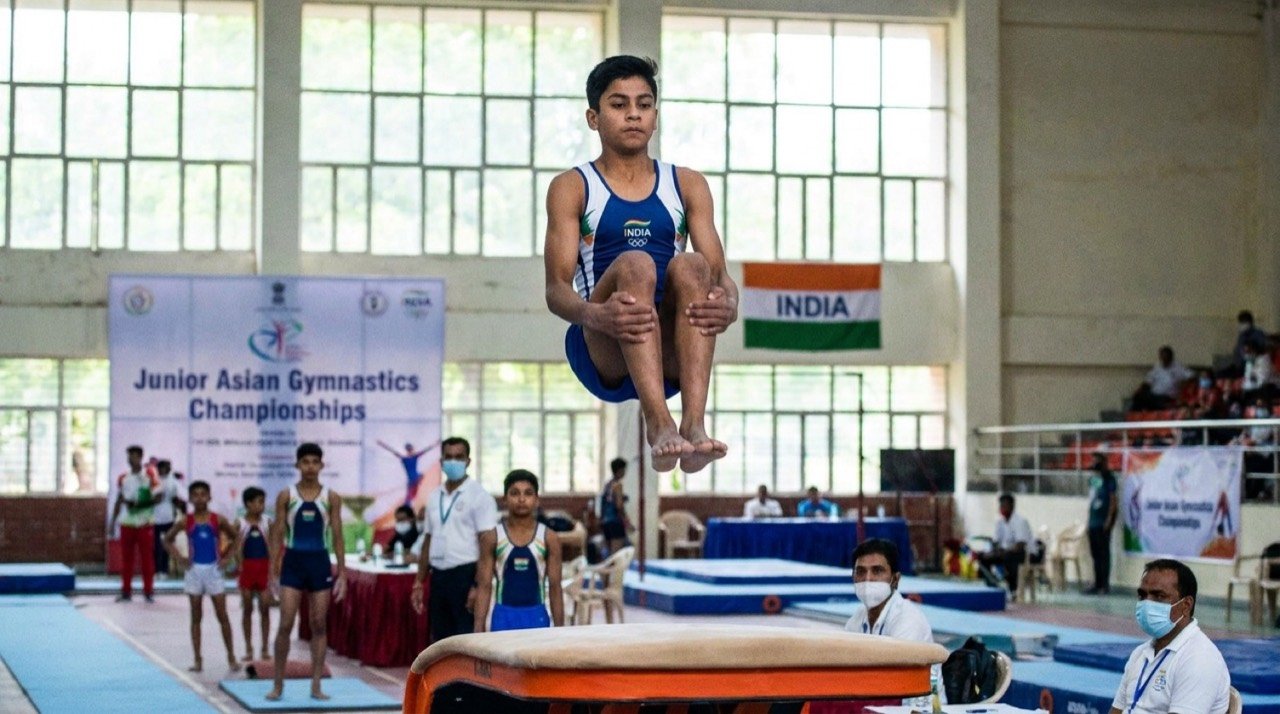
India's Junior Gymnasts Strike Vault Gold and Silver at Asian Championships
Harschit Damodaran and Akshat Bajaj seized gold and silver in the men's vault at the Junior Asian Championships, a rare apparatus double that signals India's quiet rise in Olympic-discipline gymnastics.
England vs India 2nd T20I: Defeat Puts India's Tactics Under Scrutiny
England's win in the second T20I has shifted the series conversation from team combinations to India's response, with selection calls, death-over plans and finishing roles now firmly under the spotlight.
More from this section
More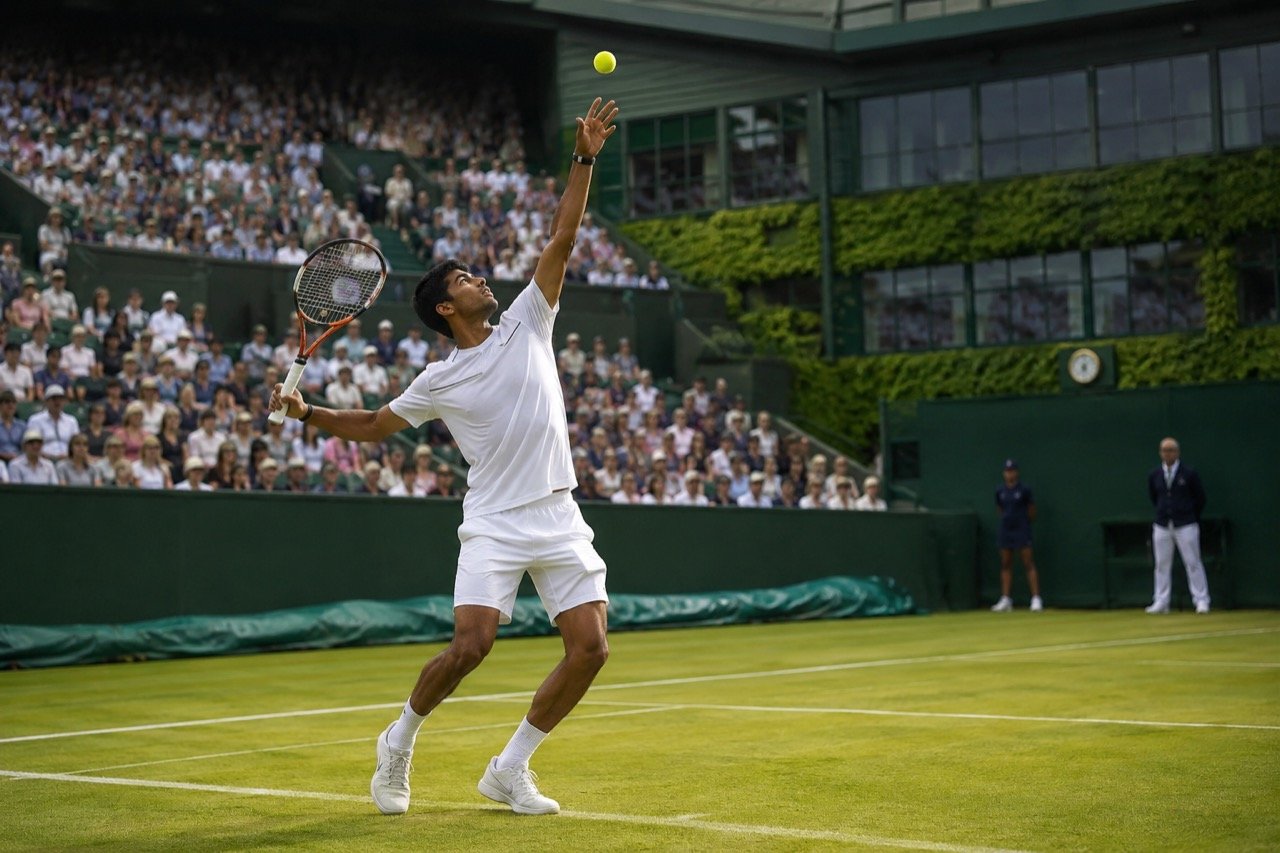
Arnav Paparkar Advances at Wimbledon Boys' Singles in Boost for India
Indian junior Arnav Paparkar has moved into the second round of the Wimbledon boys' singles with a commanding serving display, handing Indian tennis a rare and encouraging grass-court result at the sport's biggest stage.
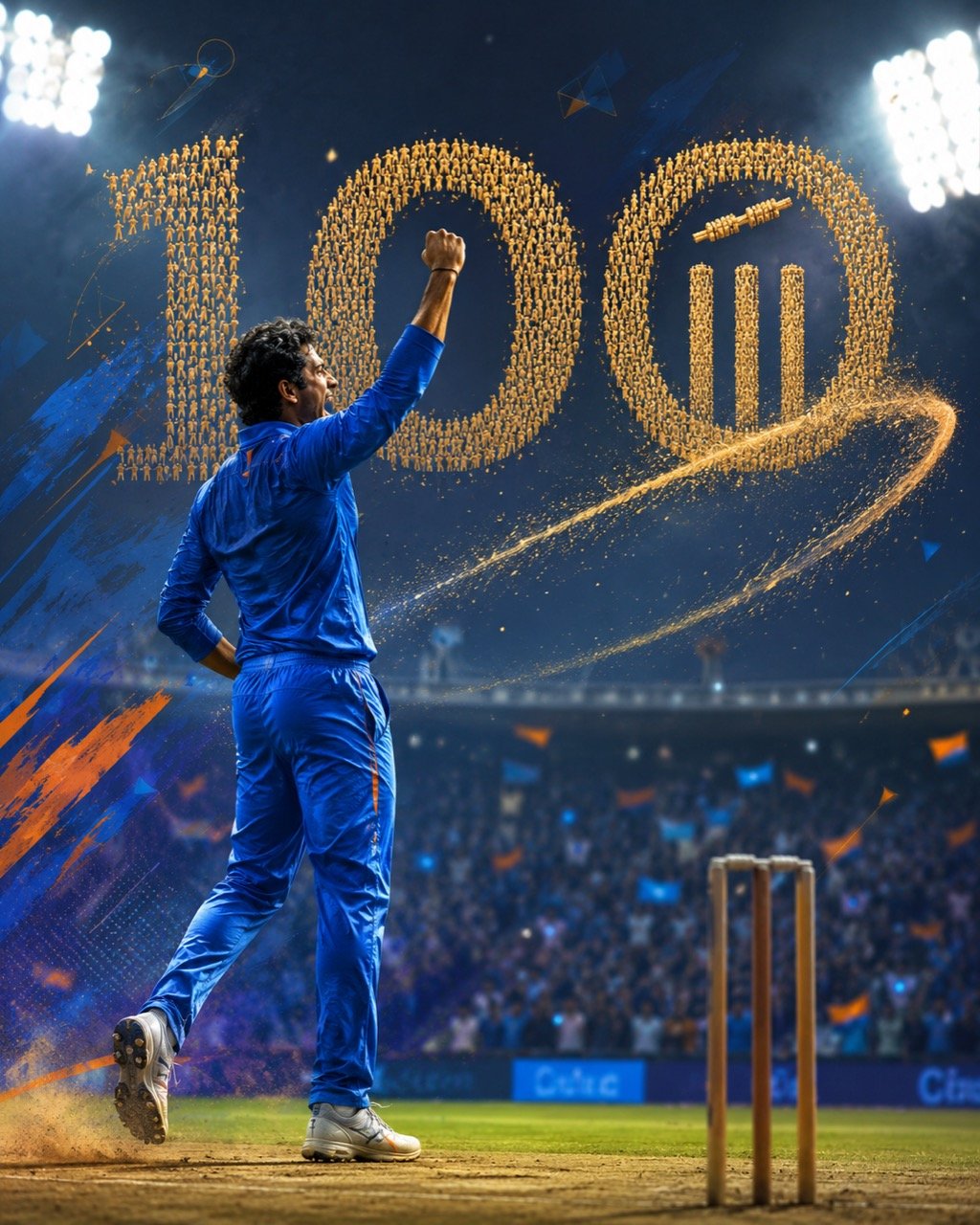
Axar Patel Becomes First Indian Spinner With 100 T20I Wickets
Axar Patel reached 100 T20 international wickets in the second T20I against England, becoming the first Indian spinner to hit the mark and cementing his standing as one of India's most durable white-ball performers.
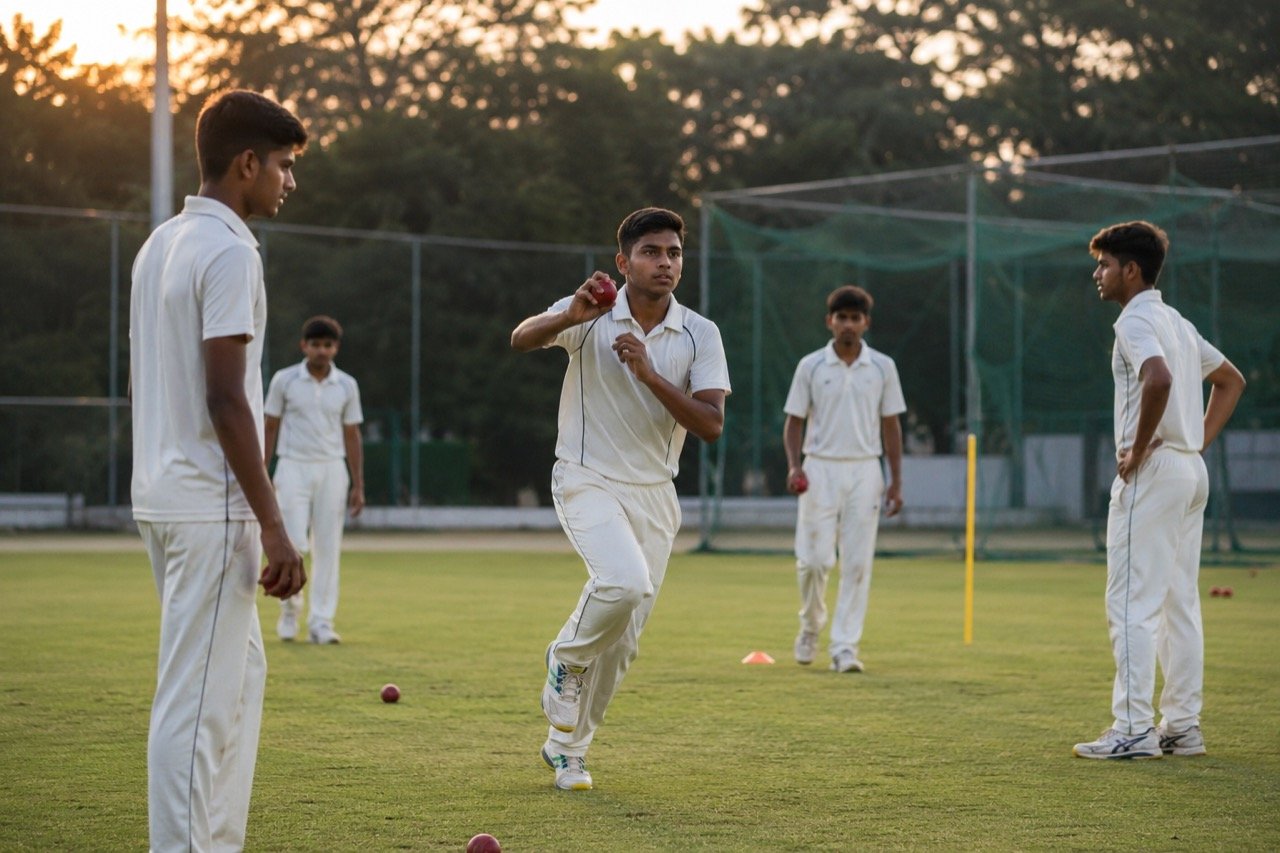
BCCI Emerging Men's Tournament to Hunt Test Prospects in Bengaluru
The BCCI's red-ball Emerging Men's Tournament, running at the Centre of Excellence in Bengaluru through July, is designed to give selectors a longer, harder look at India's next generation of Test cricketers.