England vs India 2nd T20I: Defeat Puts India's Tactics Under Scrutiny
England's win in the second T20I has shifted the series conversation from team combinations to India's response, with selection calls, death-over plans and finishing roles now firmly under the spotlight.
Commentary & Analysis ·
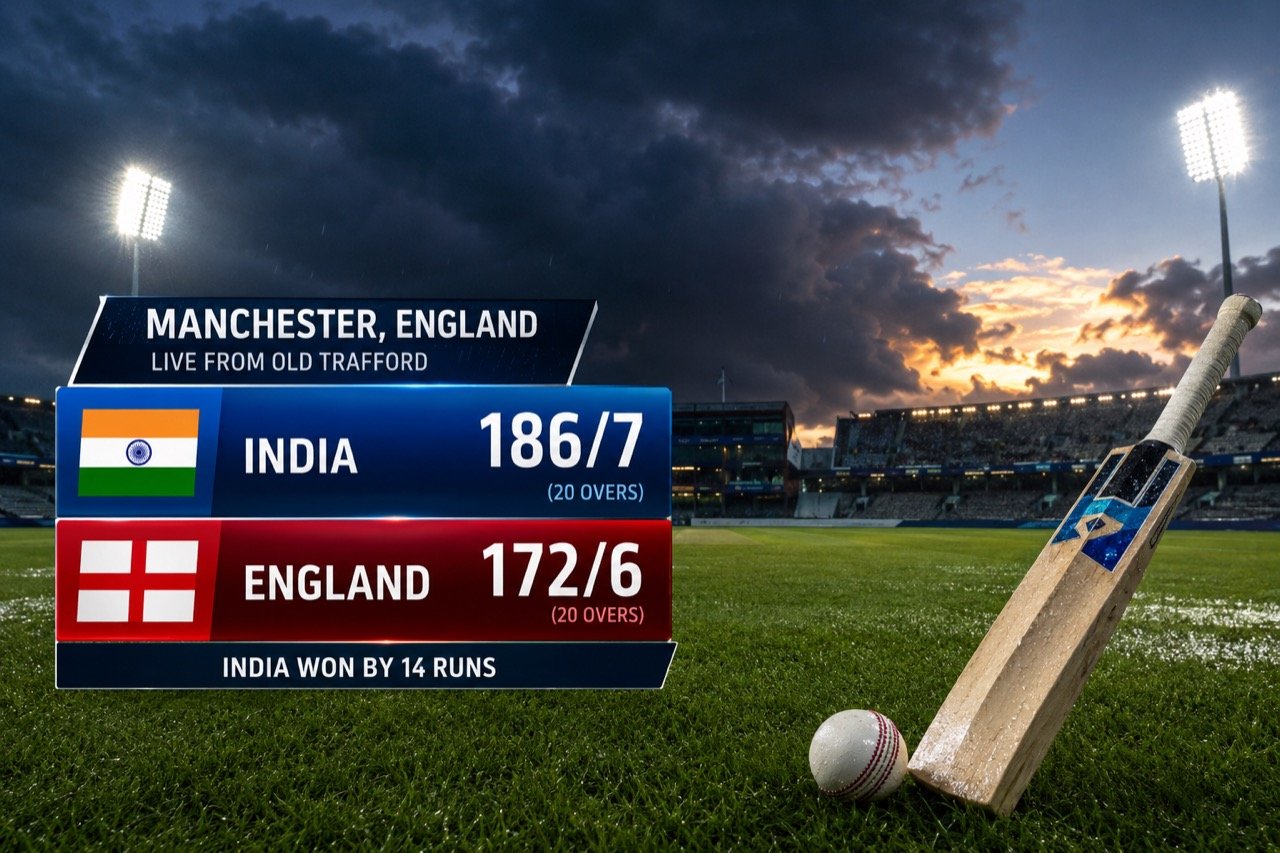
England's reported victory in the second T20I has changed the temperature of the series against India, moving the debate from settled combinations to how the visitors respond. In bilateral T20 cricket, a single result can redraw the selection conversation almost overnight, and this defeat has done exactly that. What looked, before the match, like a series of low-stakes experimentation now carries a sharper edge, with every subsequent team meeting and net session likely to be read through the lens of this loss.
What a defeat puts on the table
After a loss, everything comes under scrutiny at once: the batting order, bowling match-ups, fielding standards and death-over execution. This is the nature of T20 cricket, where margins are thin and a handful of overs can decide the outcome. For India, the harder question is not simply what went wrong, but which of those lessons actually matter for the next game and which are noise from one bad night. It is tempting, in the aftermath of a defeat, to treat every visible flaw as equally urgent. In practice, teams that manage series well tend to separate structural problems, the kind that recur match after match, from one-off situational failures that arise from a particular pitch, a particular opposition bowler finding rhythm, or a passage of play that simply did not go India's way.
This distinction matters because overreacting to noise can be as damaging as ignoring a genuine pattern. If India's think tank conflates the two, the response risks being either too drastic, unsettling a group that was still finding its feet, or too passive, allowing a real weakness to fester into the next fixture and beyond.
England's strengths, India's balancing act
England's edge in matches like this typically comes from aggressive batting depth and flexible bowling options that let them adapt mid-innings. That adaptability is precisely what makes England a difficult side to plan against in a short format: their batting order can absorb an early setback because there is depth behind it, and their bowling changes can be reshuffled without a significant drop in quality. For a touring side, matching that flexibility is not simply a matter of team selection but of clarity in how each player's role is defined and communicated.
India's challenge is subtler. The team is deliberately testing emerging players alongside established names, and a defeat sharpens the tension between experimentation and the need to control the series. This is a familiar dilemma in bilateral cricket outside the major global tournaments: series such as this one are, in part, a proving ground for players who may be needed in higher-stakes competition later in the year. A loss forces selectors to weigh two competing instincts. One is the instinct to protect the result, to fall back on the most proven combination available and treat the series as an end in itself. The other is to hold the course, to accept that a defeat, uncomfortable as it is, remains part of the data-gathering process that justified experimentation in the first place.
Reading the next fixture
The next fixture will reveal India's read on the result, whether it is treated as a tactical adjustment point or a trigger for personnel changes. This is where intent becomes visible. A side that makes minor tactical tweaks, adjusting a bowling match-up here, a batting position there, while keeping the core group intact, signals that it views the defeat as one data point among many. A side that makes wholesale changes to personnel signals something closer to panic, or at least a loss of confidence in the group assembled for this series.
Powerplay intent, the use of spin through the middle overs and the finishing roles at the death are the areas fans and selectors alike will be watching most closely. These three phases of a T20 innings are where series are typically won or lost, and they are also the phases most sensitive to personnel and tactical choices. How aggressively India chooses to bat in the powerplay, whether that approach shifts after this defeat, will say a good deal about whether the team is doubling down on its stated method or retreating from it under pressure. Similarly, the deployment of spin in the middle overs, an area where conditions and match-ups can shift quickly, will be a useful indicator of tactical adjustment without wholesale change. And the finishing roles at the death, arguably the most scrutinised passage of any T20 innings, will show whether India has learned something specific and actionable from the defeat or is simply hoping for a better night.
Why one result should not define a series
It is worth stepping back to note why a single defeat in a bilateral T20 series, however visible in the moment, should not be allowed to dictate long-term thinking. Bilateral series of this kind serve a different purpose than global tournaments. They are lower-stakes environments precisely so that teams can trial combinations, assess emerging players under real pressure, and gather information that is difficult to obtain in training alone. If every setback in such a series triggers wholesale reversal, the entire rationale for using it as a testing ground collapses. The value of exposing young players to international cricket lies specifically in observing how they respond to adversity, not in shielding them from it at the first sign of trouble.
At the same time, this cannot become an excuse for inertia. Genuine tactical shortcomings, if they are correctly identified, do need to be addressed before the next match, not stored away for a future review. The skill required of India's team management here is discernment: knowing which parts of this defeat are structural and which are circumstantial, and having the confidence to act on the former while resisting the urge to overcorrect on the latter.
The NE Times View
India should resist the reflex to reshuffle after one defeat. The point of blooding young players in bilateral series is to learn how they respond to setbacks, and that information only arrives if they are backed for the next game. Dropping or sidelining players at the first sign of difficulty defeats the very purpose of using this series as a proving ground, and it sends a discouraging signal to a wider pool of players who are watching how the team management handles failure. The more useful response is tactical: clearer death-over plans and honest match-up thinking against England's deep batting. These are the kinds of adjustments that can be made without disrupting the broader project of building a squad for the future.
A series wobble in July is a cheap price for answers India will need at the next global tournament, provided the management treats this as data, not crisis. The value of this series, ultimately, will not be measured by the scoreline alone but by whether India emerges from it with a clearer sense of its best combinations, its players' resilience under pressure, and its tactical answers to sides, like England, that thrive on flexibility and batting depth.
Key takeaways
- England's win in the second T20I has intensified scrutiny of India's batting order, bowling match-ups, fielding and death-over execution.
- India's ongoing effort to blend emerging players with established names creates tension between experimentation and the urge to control the series after a defeat.
- The next fixture will reveal whether India treats the loss as a tactical adjustment point or a trigger for personnel changes.
- Powerplay intent, middle-overs spin usage and death-over finishing are the specific areas to watch for signs of India's response.
- The NE Times View holds that India should back its young players through this setback and focus on tactical fixes rather than reactive changes in personnel.
You may also like to read

India vs England 2nd T20I: Bethell's 76 Powers Four-Wicket Chase
Jacob Bethell's 76 off 46 balls steered England past India's 190 at Old Trafford, spoiling Vaibhav Sooryavanshi's record-breaking debut and handing the hosts a 1-0 lead in the five-match series.

Rain Threat Looms Over India vs England 2nd T20I Match Day
Fans tracking the second India-England T20I are watching the skies as much as the pitch, with rain forecasts, streaming details and playing XI questions shaping expectations before the first ball.
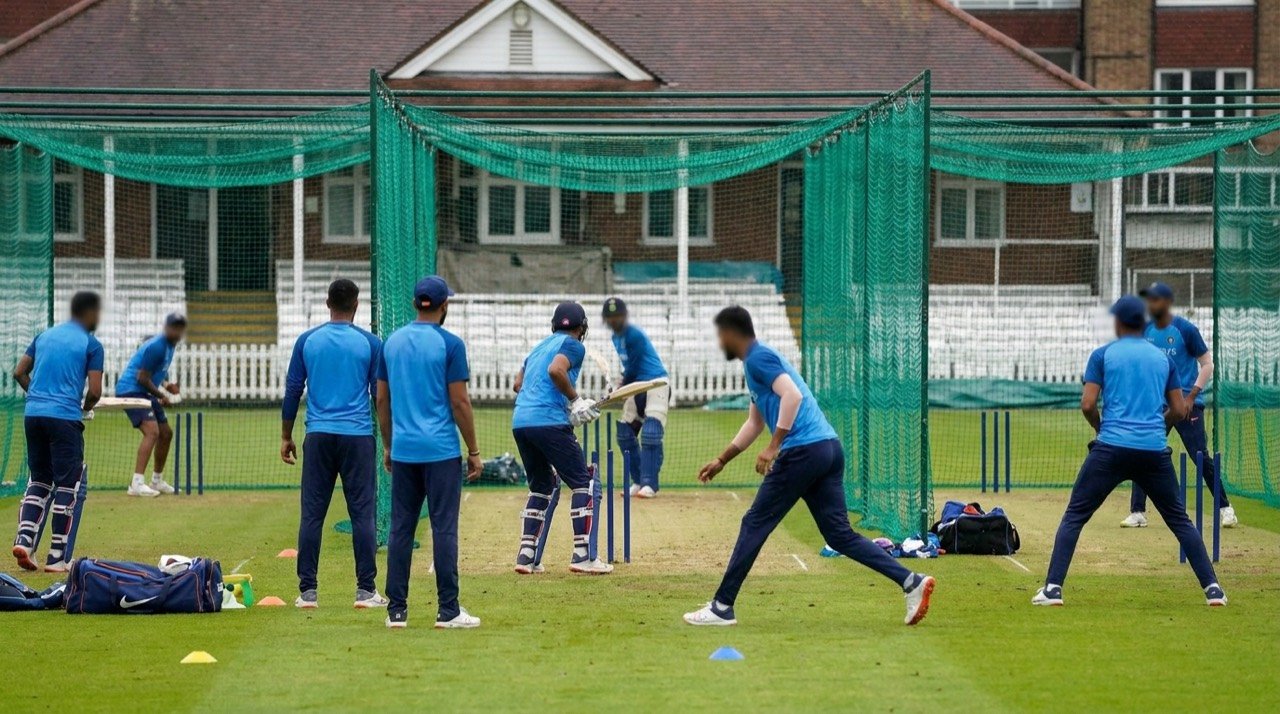
India Finalise T20I Squad for England Tour as Iyer Leads, Bumrah Rested and Shedge Earns Call-Up
India have locked in their Twenty20 squad for the five-match England tour starting 1 July, with Shreyas Iyer captaining, Jasprit Bumrah rested and Suryansh Shedge a surprise injury replacement.
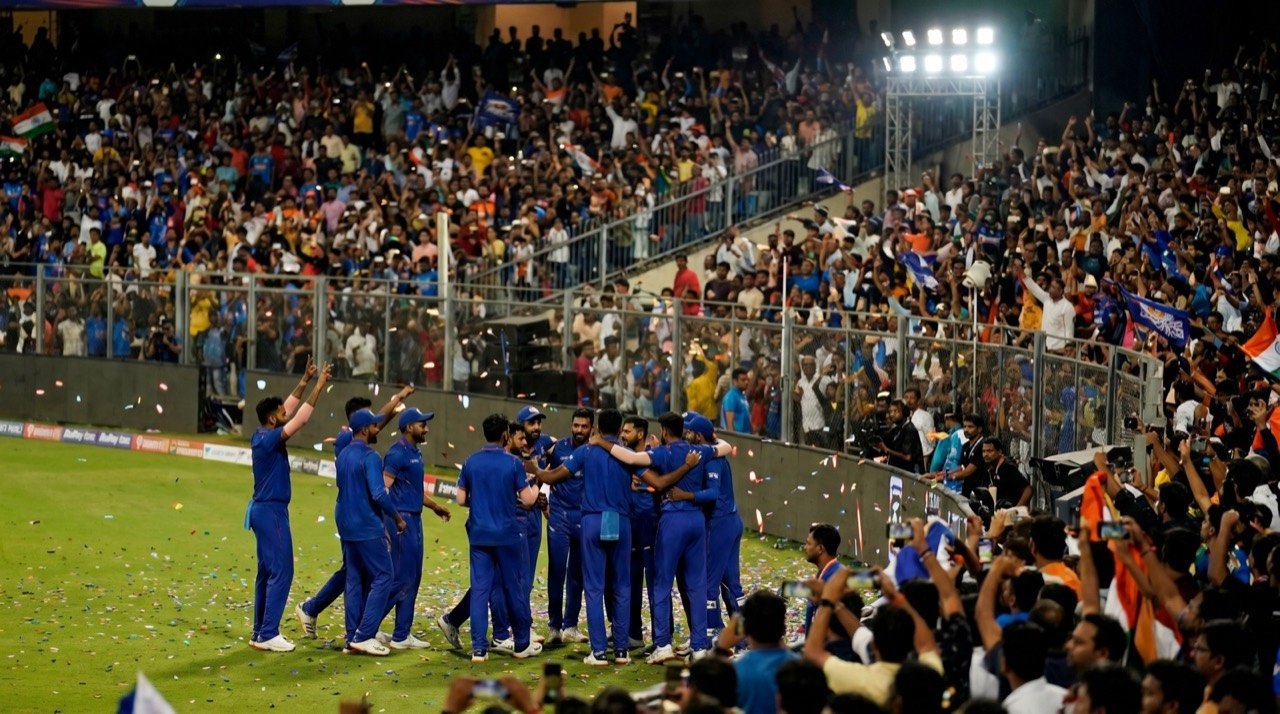
Iyer To Lead Young India On Ireland And England T20I Tour
Shreyas Iyer will captain a refreshed 16-man India side across two T20Is in Belfast and a five-match series in England, with Tilak Varma as deputy and teenager Vaibhav Suryavanshi retained for the white-ball trip.
More from this section
More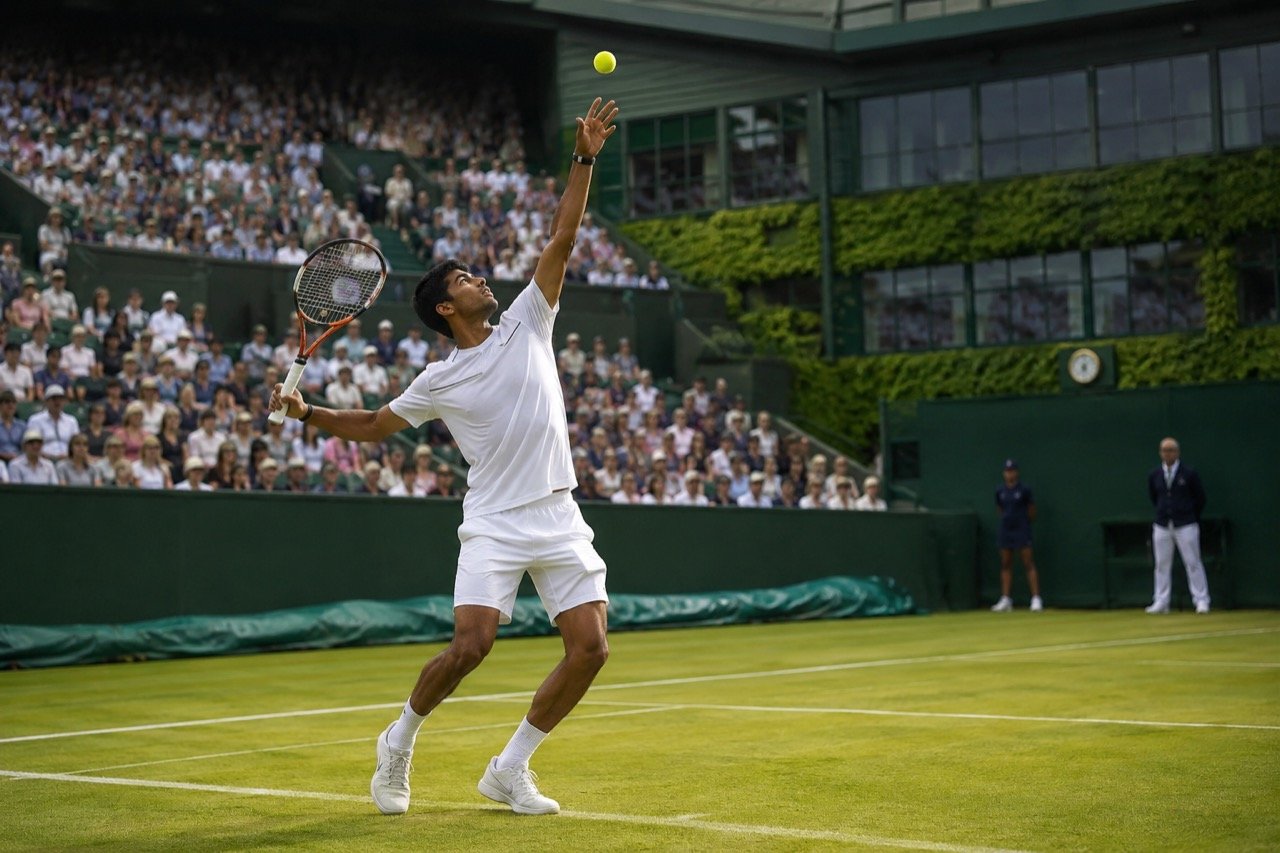
Arnav Paparkar Advances at Wimbledon Boys' Singles in Boost for India
Indian junior Arnav Paparkar has moved into the second round of the Wimbledon boys' singles with a commanding serving display, handing Indian tennis a rare and encouraging grass-court result at the sport's biggest stage.

Axar Patel Becomes First Indian Spinner With 100 T20I Wickets
Axar Patel reached 100 T20 international wickets in the second T20I against England, becoming the first Indian spinner to hit the mark and cementing his standing as one of India's most durable white-ball performers.

BCCI Emerging Men's Tournament to Hunt Test Prospects in Bengaluru
The BCCI's red-ball Emerging Men's Tournament, running at the Centre of Excellence in Bengaluru through July, is designed to give selectors a longer, harder look at India's next generation of Test cricketers.