Rain Threat Looms Over India vs England 2nd T20I Match Day
Fans tracking the second India-England T20I are watching the skies as much as the pitch, with rain forecasts, streaming details and playing XI questions shaping expectations before the first ball.
Commentary & Analysis ·
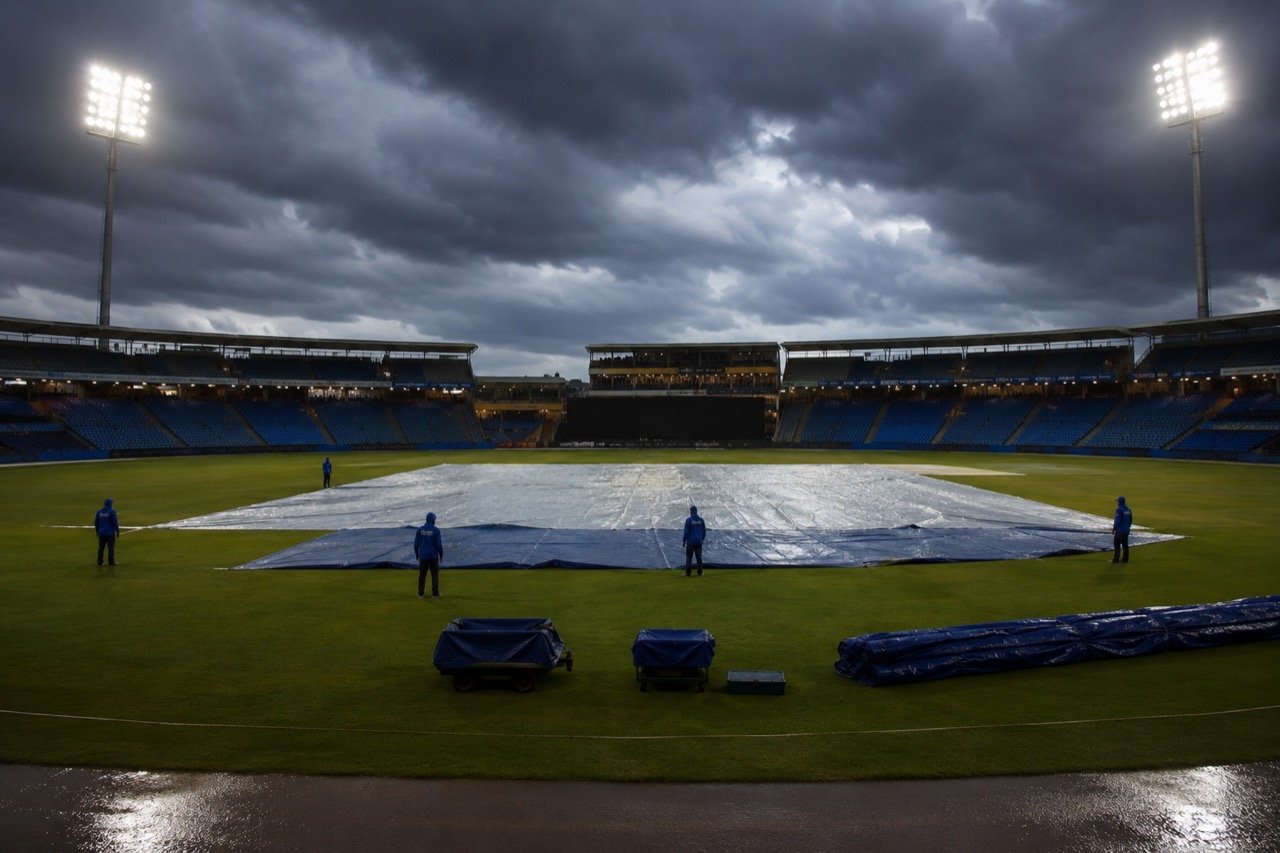
The second T20I between India and England has generated intense reader interest, and not only for the cricket itself. A match-day weather watch has become part of the story, with fans tracking start times, live streaming options, venue conditions and the possibility of rain interruptions alongside the usual team news. It is a small but telling illustration of how a single bilateral fixture can carry several parallel narratives at once — the contest on the field, the logistics around it, and the broader context of what the result and performances mean for both sides.
Why the weather has become part of the story
In an era when almost every follower has a phone in hand well before the toss, the appetite for information has broadened far beyond who is playing and who has won the toss. Weather radar, venue-specific forecasts and updates on outfield covers are now treated with the same urgency as team news. This is not simply idle curiosity. A shortened match changes almost everything about how a T20I is watched and discussed, from the target a chasing side must pursue to the balance of risk a batting side is willing to take from the first over. For a contest as keenly followed as India versus England, that uncertainty adds a layer of tension well before a ball is bowled.
How rain rewrites a T20
Weather can transform a T20I in ways that go well beyond a delayed start. A shortened innings or a damp outfield reshapes selection calls and batting strategy, while the prospect of a Duckworth-Lewis-Stern calculation changes how captains value chasing. In a format where twenty overs already leave little room for correction, the compression forced by rain can be even more unforgiving: a side that might have built an innings in phases across a full quota of overs may instead have to gamble much earlier, simply because there are fewer deliveries left in which to make the difference count. Captains winning the toss under threatening skies must weigh not just conditions but the mathematics of a method that can swing decisively on a handful of overs.
Bowlers feel it too. Seamers and spinners respond very differently to moisture in the air and grip on the ball, meaning a team's attack that looks settled in dry conditions can suddenly look mismatched if the atmosphere turns heavy or the surface dampens underfoot. A seam bowler may find extra assistance in humid air, while a spinner accustomed to grip and turn on a used surface could find the ball skidding on more than expected. These are not abstract concerns for analysts alone; they shape real-time decisions about who bowls which over, and they can quietly decide a match long before the headline moments arrive.
The practical questions for supporters
For supporters planning their evening, the practical questions are simple — will the match start on time, and how might conditions tilt the tactics? Those two unknowns are enough to keep both dressing rooms flexible until the toss. It is worth appreciating how much preparation goes on behind that simple uncertainty: team management, support staff and broadcasters alike must have contingency plans ready, from adjusted warm-up schedules to messaging for fans about delays. The viewing public, meanwhile, is left making its own calculations — when to tune in, how long to expect the coverage to run, and whether a reduced match is still worth rearranging an evening around. None of this is unique to this fixture, but the scale of interest in an India-England contest means these ordinarily minor logistical questions take on outsized significance.
More than a bilateral fixture
India-England contests carry outsized competitive weight across formats, and even a bilateral T20I doubles as a laboratory. Team combinations, emerging players and World Cup planning are all quietly being tested, which is why every selection hint draws scrutiny disproportionate to the series stakes. A bilateral series result may fade quickly from memory, but the individual performances, the tactical experiments and the responses to unusual conditions often linger far longer in team think-tanks. For India in particular, a match disrupted by weather is not simply an inconvenience — it is an opportunity, whether by accident or design, to observe how the squad copes with pressure, truncated targets and altered execution windows, all of which mirror the kind of unpredictability that can arise in a major tournament.
For England, too, there is value beyond the immediate scoreline. Touring sides use bilateral series to trial personnel and assess how depth options perform away from home conditions. A rain-affected contest, demanding quick adaptation, can be as informative about a player's temperament and game awareness as a serene, uninterrupted one — sometimes more so, since it tests decision-making under compressed circumstances rather than the comfort of a settled routine.
The NE Times View
The intensity of interest in this fixture says something about how cricket consumption has changed. Match-day coverage is no longer just the scorecard; fans now want the whole ecosystem — weather radar, streaming links, probable XIs and tactical context — before a ball is bowled. That is healthy for the sport's engagement, but it also raises the bar for broadcasters and boards to communicate clearly when rain intervenes. Ambiguity about start times or coverage plans frustrates an audience that has grown used to instant, granular updates, and the organisations that manage this well will find their audience trusts them more readily the next time conditions turn uncertain.
For India, the more important thread runs beneath the forecast: every truncated or full game against England is a data point in World Cup preparation, and how the team adapts to disrupted conditions may matter more than the result itself. A team that can absorb a rain delay, recalibrate its batting order or bowling plans on short notice, and still execute under a revised target is demonstrating precisely the kind of composure that separates sides in the knockout stages of global tournaments. Whatever the eventual result of this second T20I, the manner in which both teams handle uncertainty — meteorological as much as competitive — will be worth watching as closely as the scoreboard itself.
Key takeaways
- Rain and damp conditions in the second India-England T20I could force a Duckworth-Lewis-Stern-adjusted contest, altering both batting approach and bowling strategy.
- Seamers and spinners respond differently to moisture and grip, meaning weather shifts can reshape which bowlers are most effective on the day.
- Fans are now following an entire ecosystem of information — forecasts, streaming details, probable XIs — reflecting how match-day engagement has broadened well beyond the scorecard.
- Beyond the bilateral result, the match doubles as a testing ground for team combinations and World Cup planning for both India and England.
- How India's squad adapts to disrupted or truncated conditions may prove more instructive for World Cup readiness than the outcome of this particular match.
You may also like to read
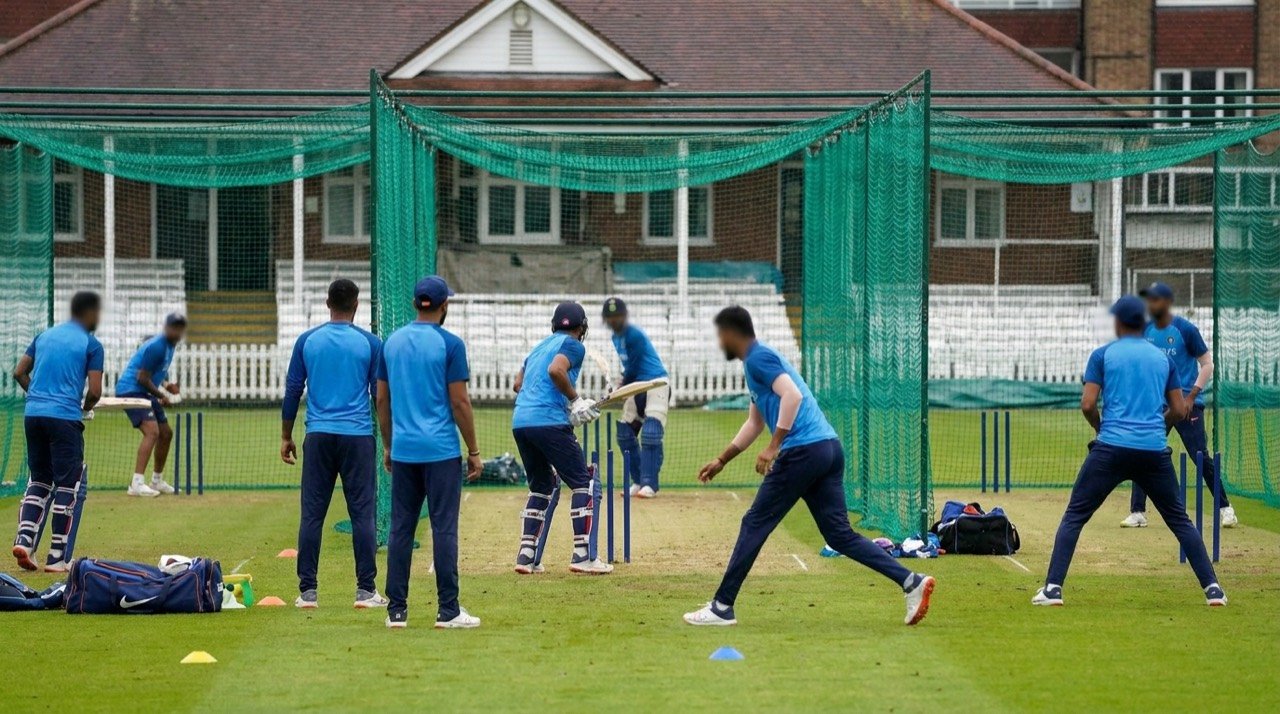
India Finalise T20I Squad for England Tour as Iyer Leads, Bumrah Rested and Shedge Earns Call-Up
India have locked in their Twenty20 squad for the five-match England tour starting 1 July, with Shreyas Iyer captaining, Jasprit Bumrah rested and Suryansh Shedge a surprise injury replacement.
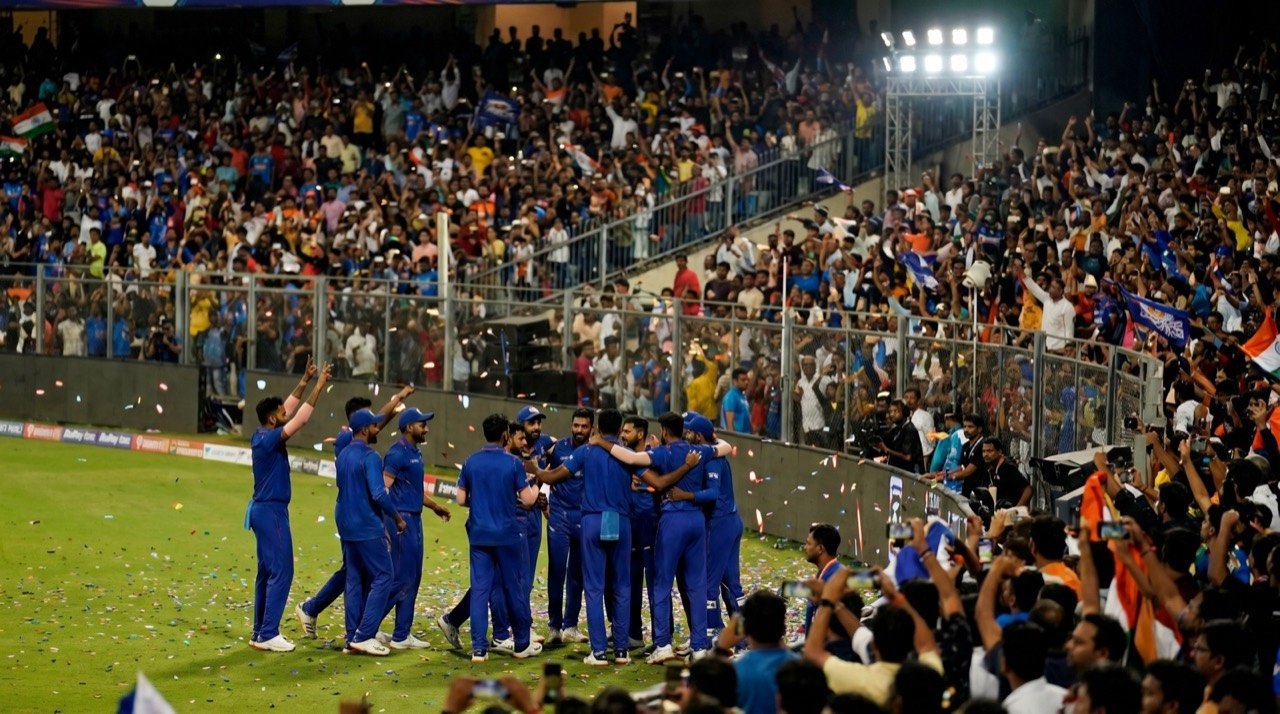
Iyer To Lead Young India On Ireland And England T20I Tour
Shreyas Iyer will captain a refreshed 16-man India side across two T20Is in Belfast and a five-match series in England, with Tilak Varma as deputy and teenager Vaibhav Suryavanshi retained for the white-ball trip.
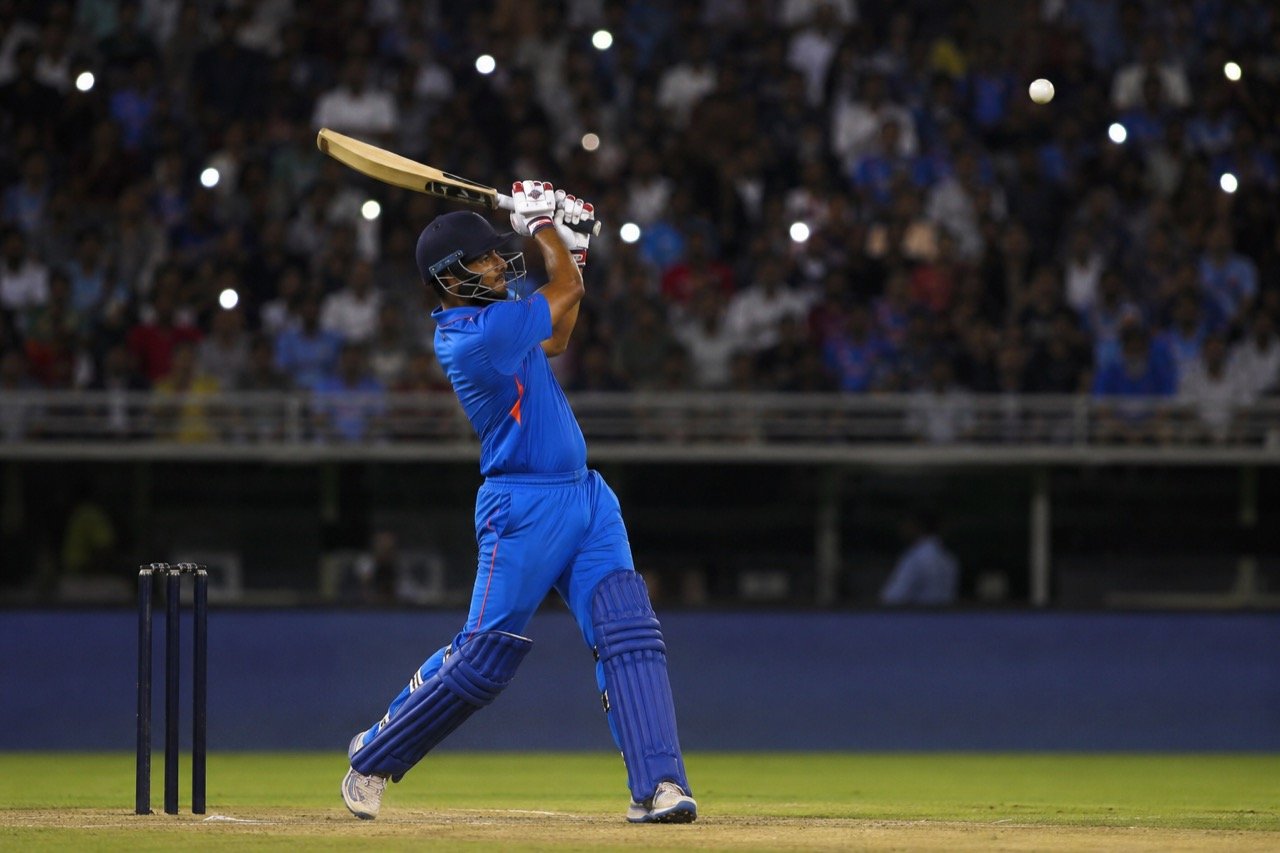
Vaibhav Sooryavanshi Debut: Gavaskar Flags Shot Choice vs England
Vaibhav Sooryavanshi's India debut in the second T20I against England brought two sixes, a 14-run cameo and an instant national debate after Sunil Gavaskar questioned the 15-year-old's shot selection.

India vs England 2nd T20I: Bethell's 76 Powers Four-Wicket Chase
Jacob Bethell's 76 off 46 balls steered England past India's 190 at Old Trafford, spoiling Vaibhav Sooryavanshi's record-breaking debut and handing the hosts a 1-0 lead in the five-match series.
More from this section
More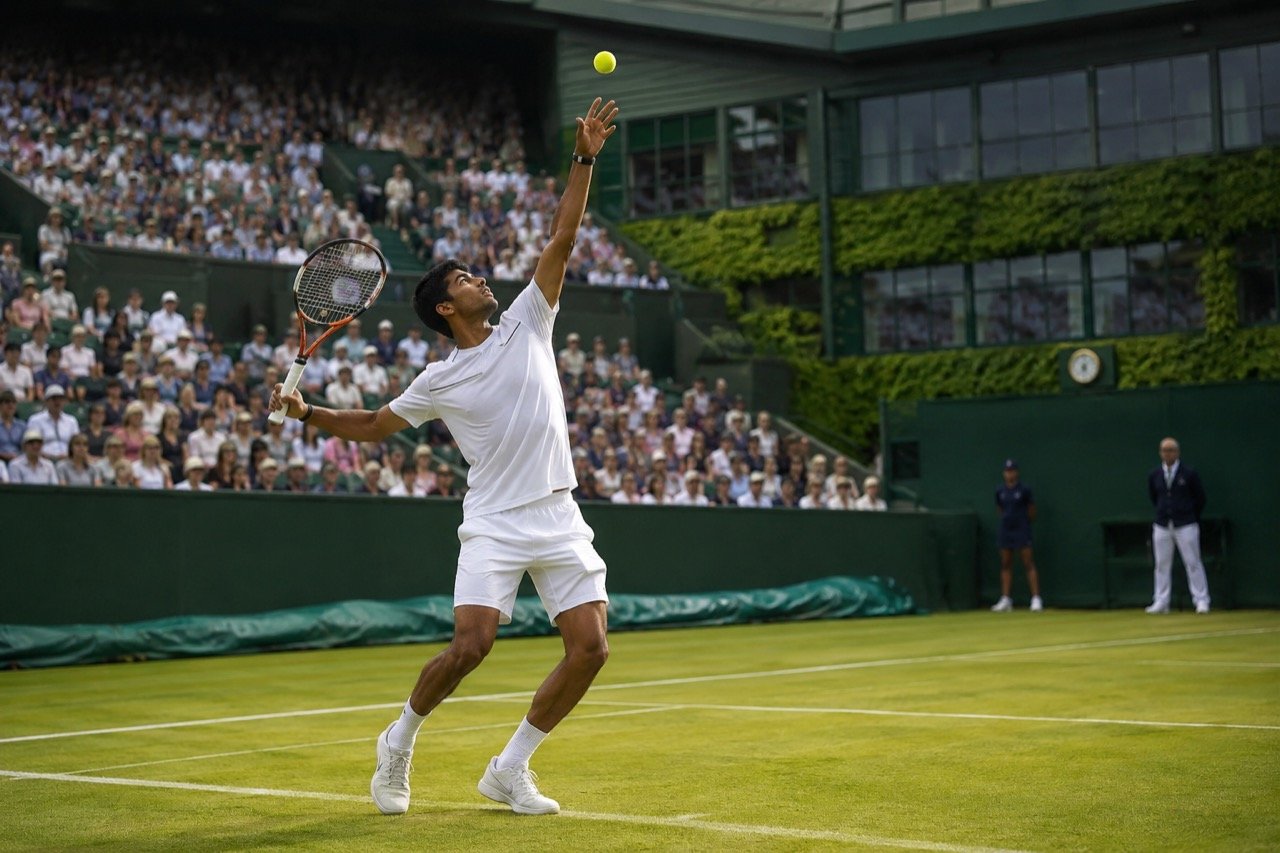
Arnav Paparkar Advances at Wimbledon Boys' Singles in Boost for India
Indian junior Arnav Paparkar has moved into the second round of the Wimbledon boys' singles with a commanding serving display, handing Indian tennis a rare and encouraging grass-court result at the sport's biggest stage.

Axar Patel Becomes First Indian Spinner With 100 T20I Wickets
Axar Patel reached 100 T20 international wickets in the second T20I against England, becoming the first Indian spinner to hit the mark and cementing his standing as one of India's most durable white-ball performers.
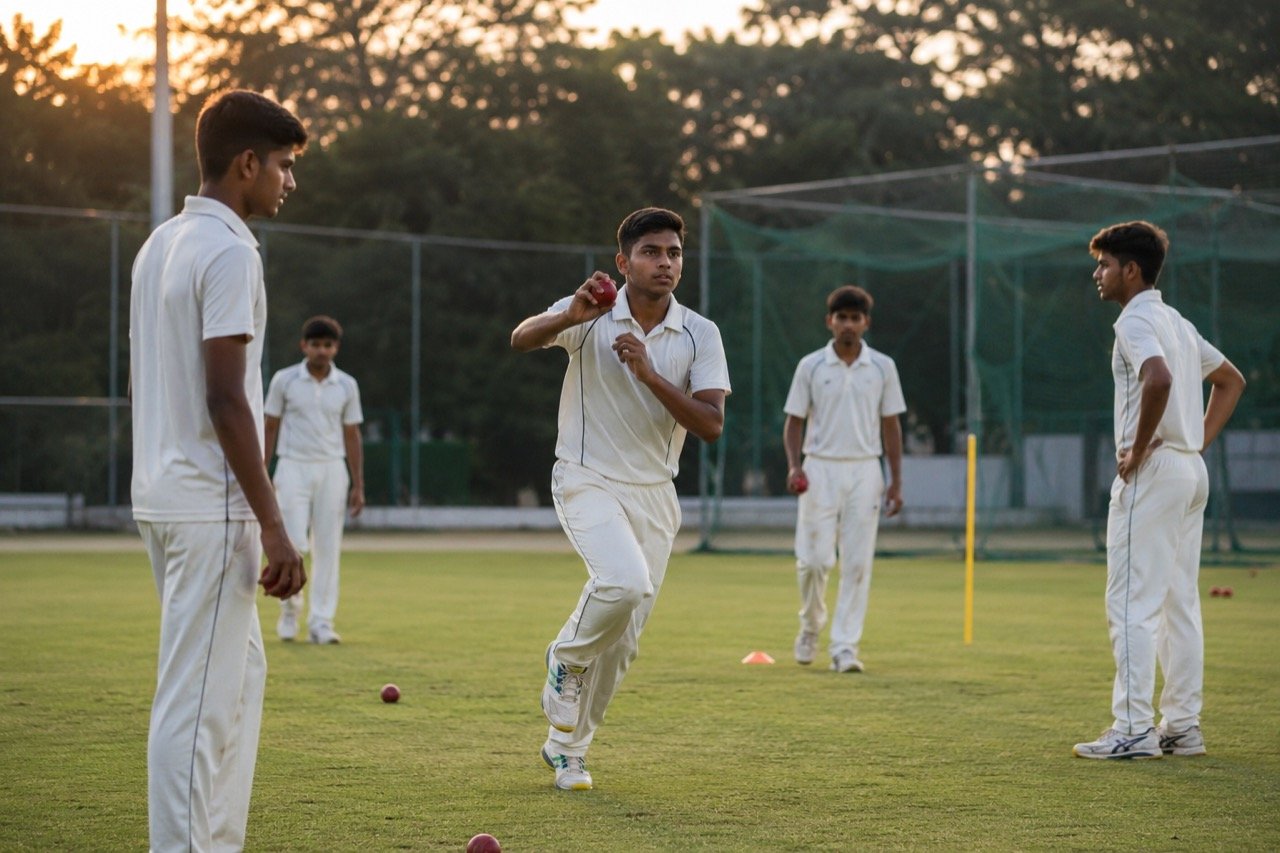
BCCI Emerging Men's Tournament to Hunt Test Prospects in Bengaluru
The BCCI's red-ball Emerging Men's Tournament, running at the Centre of Excellence in Bengaluru through July, is designed to give selectors a longer, harder look at India's next generation of Test cricketers.