Vaibhav Sooryavanshi Debut: Gavaskar Flags Shot Choice vs England
Vaibhav Sooryavanshi's India debut in the second T20I against England brought two sixes, a 14-run cameo and an instant national debate after Sunil Gavaskar questioned the 15-year-old's shot selection.
Commentary & Analysis ·
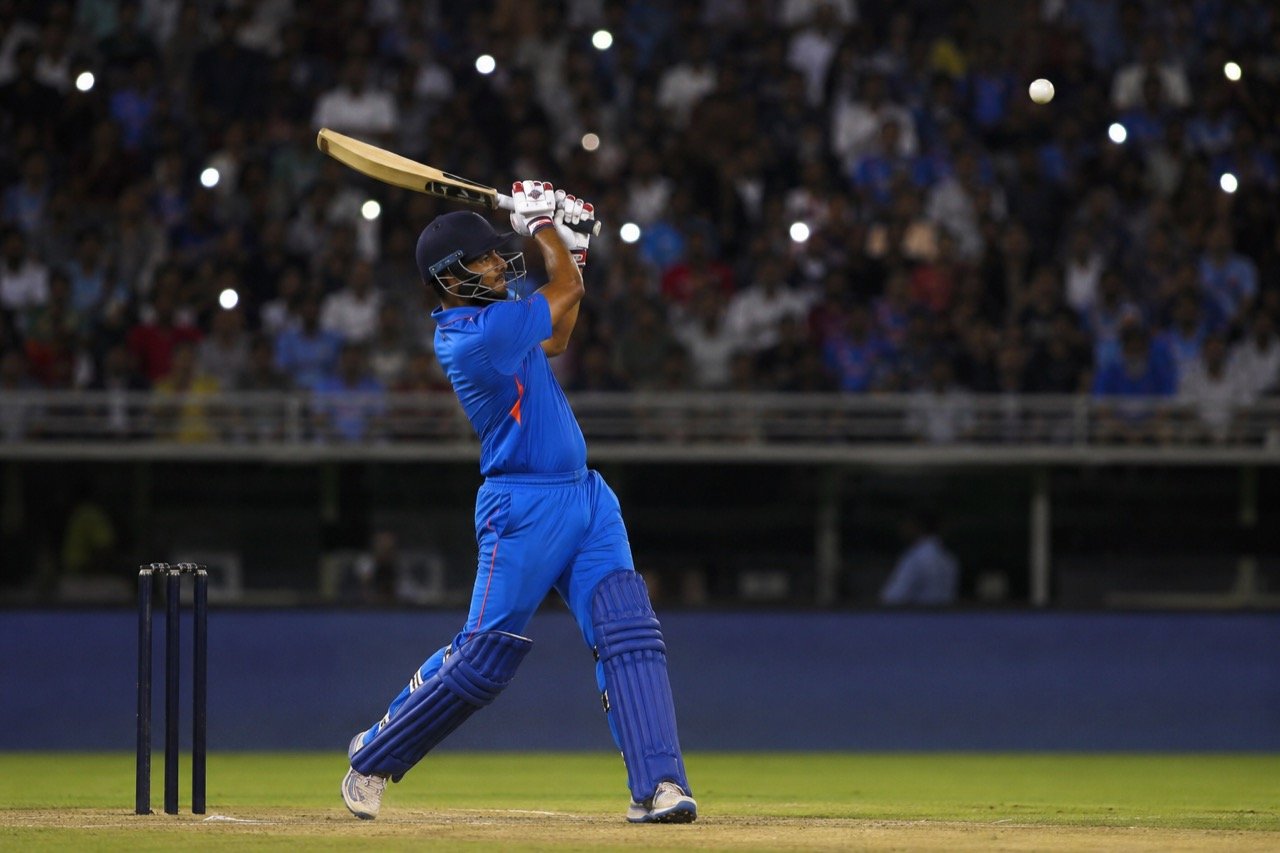
Vaibhav Sooryavanshi's India debut in the second T20I against England became an instant talking point, for both the right and wrong reasons. The 15-year-old struck two sixes in a brief, electric innings before falling for 14, and India went on to lose the match by four wickets. The dismissal prompted Sunil Gavaskar to single it out in remarks reported by the Times of India, and within hours a routine batting analysis had hardened into a wider national conversation about how India ought to treat its youngest debutants.
What happened in the innings
The bare facts are straightforward. Sooryavanshi walked out for his first international innings against England, cleared the ropes twice, and looked, for a few overs, like a batter entirely unbothered by the occasion. Then he was dismissed for 14, and India's chase or defence unravelled to the point of a four-wicket loss. On another day, in another match, a 15-year-old hitting two sixes on debut against a strong England attack would be the headline in its own right. That it instead became a springboard for scrutiny of his dismissal says as much about the environment around Indian cricket as it does about the innings itself.
What Gavaskar said and why it matters
Gavaskar's critique centred on shot selection rather than talent. This distinction matters. Early international innings tend to be judged not only on runs scored but on decision-making under pressure, and elite cricket punishes small errors quickly, often before a player has had time to settle into the rhythm of the format. For a debutant, analysis from one of India's greatest openers can serve as development input rather than mere criticism, provided it is framed and absorbed that way, both by the player and by the ecosystem reporting on him. Gavaskar's standing in Indian cricket gives his words weight well beyond a single television segment. When he flags a specific dismissal, coaches, selectors and fans all take note, and the remark becomes part of the permanent record attached to a young player's name. That is precisely why the framing of such comments deserves as much attention as their content. A pointed observation about a false shot, offered as coaching material, is fundamentally different from the same observation repackaged as a verdict on a teenager's temperament or maturity.
Promise and the learning curve
The excitement around Sooryavanshi is understandable. A teenager clearing the ropes twice on debut against England signals rare boldness and rare ability, the kind of natural aggression that selectors and talent scouts spend years searching for in age-group cricket. But one dismissal, however costly it looked in the context of a four-wicket defeat, should not define a career that has barely begun. The fairer reading of the innings is that India has blooded a fearless young batter who now confronts the ordinary learning curve of international cricket, a stage at which bowlers probe every visible early habit relentlessly and repeatedly until a batter either adapts or is found out. Every top-order player who has gone on to a long international career has, at some point, been dismissed playing an ambitious shot in only their second or third innings. What separates the ones who last from the ones who fade is usually not the absence of such dismissals but the presence of a support structure patient enough to let the correction happen at its own pace.
A talent pipeline under public pressure
The episode also says something about Indian cricket's talent pipeline, which keeps producing players who are younger, more explosive, and more publicly visible at an earlier stage of their development than any previous generation. Age-group tournaments, franchise auctions and social media have together compressed the distance between a promising net session and a debut watched by millions. Every debut now becomes a national debate within minutes of the innings ending, and the scrutiny arrives long before a player's game, or his temperament, has had the chance to mature. This is a structural feature of modern Indian cricket, not an accident specific to Sooryavanshi, and it raises a genuine question for administrators and team management alike about how much protection a young player should be afforded in his opening months at the international level, and how that protection can be reconciled with the appetite of broadcasters and fans for instant judgement.
Stakeholder perspectives: selectors, commentators and the player himself
Different stakeholders will read this moment differently, and it is worth setting those readings out. For the selectors and team management, the innings likely confirms exactly what they saw in domestic and age-group cricket: a player willing to take on international bowling without hesitation, whose occasional lapses in shot selection are the natural cost of that fearlessness rather than a red flag. For commentators like Gavaskar, whose job is partly to educate viewers on the finer points of batting craft, flagging a specific dismissal is a legitimate and time-honoured part of the role, one that has been applied to debutants for decades before Sooryavanshi. For the player himself, still only 15, the challenge is almost entirely psychological: learning to separate constructive technical feedback from the noise of a debate that, however well-intentioned, is unfolding at a volume no debutant of an earlier era ever had to contend with. Managing that gap between a legitimate coaching point and an amplified public narrative may prove to be the more demanding assignment.
The NE Times View
The real test here is not Sooryavanshi's technique but India's ability to manage a prodigy in the social media age. A 15-year-old who can hit international bowling for six needs protected development time, not a verdict rendered after 14 runs. Gavaskar's point about shot selection is legitimate coaching material; the frenzy around it is not. The team management, and fans, would do well to measure him over seasons rather than overs, because how India handles this attention may shape his career as much as any coaching input on his backlift. If the cricket establishment can hold both truths at once, that the dismissal was instructive and that the innings was still a genuine statement of promise, it will have done right by a player whose career is, by definition, only just beginning.
Key takeaways
- Vaibhav Sooryavanshi, 15, hit two sixes on his India T20I debut against England before being dismissed for 14, as India lost by four wickets.
- Sunil Gavaskar's reported criticism focused specifically on shot selection, a standard form of coaching feedback for young batters rather than a broader judgement on ability.
- The wider debate reflects how quickly Indian cricket's youngest debutants are thrust into public scrutiny, often before their game has had time to mature.
- The NE Times View holds that Sooryavanshi's development should be measured over seasons, not single innings, with Gavaskar's technical point treated as input rather than verdict.
You may also like to read
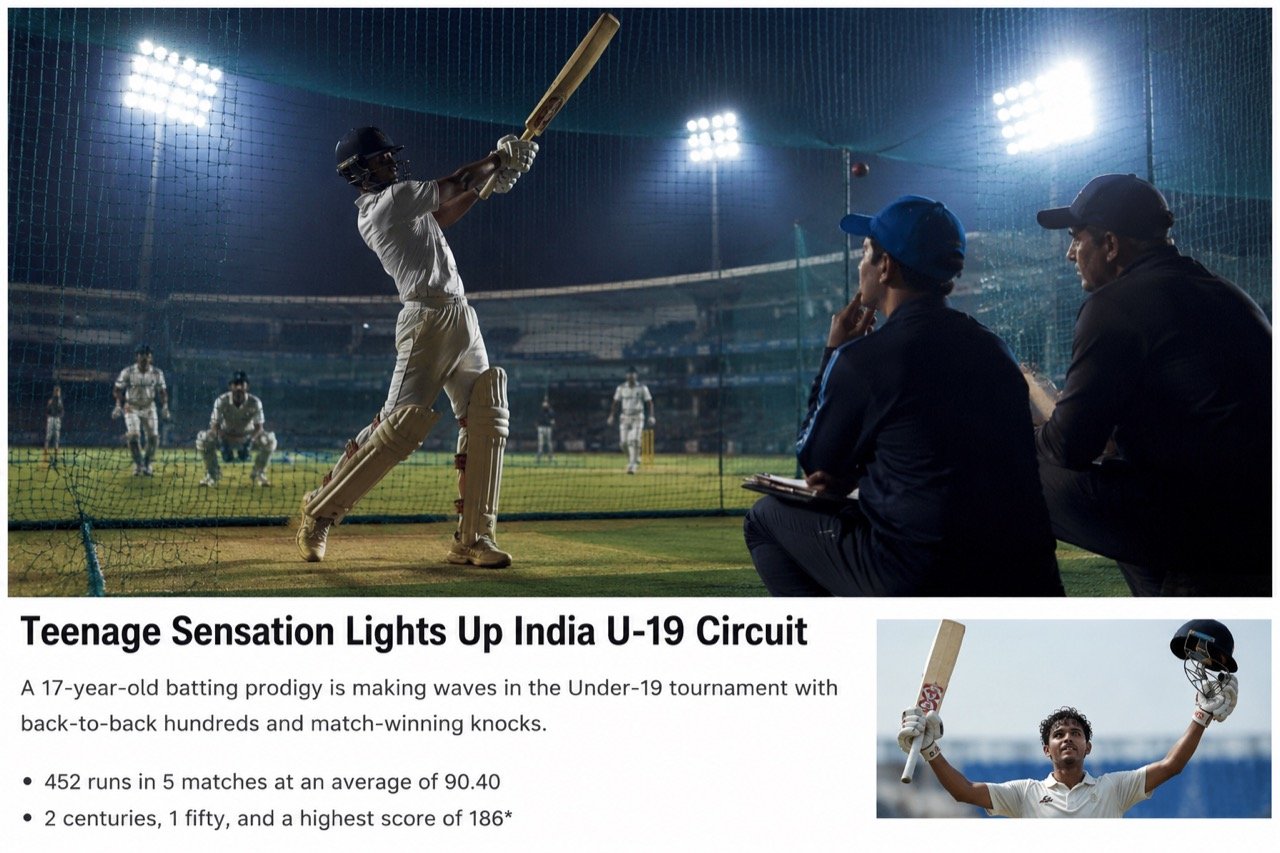
Vaibhav Sooryavanshi Debut Turns Spotlight on India's U-19 Pipeline
The teenage batter's India Under-19 debut has made him one of the week's most-followed cricket stories, reviving the perennial question of how India should nurture prodigies without burying them in expectation.
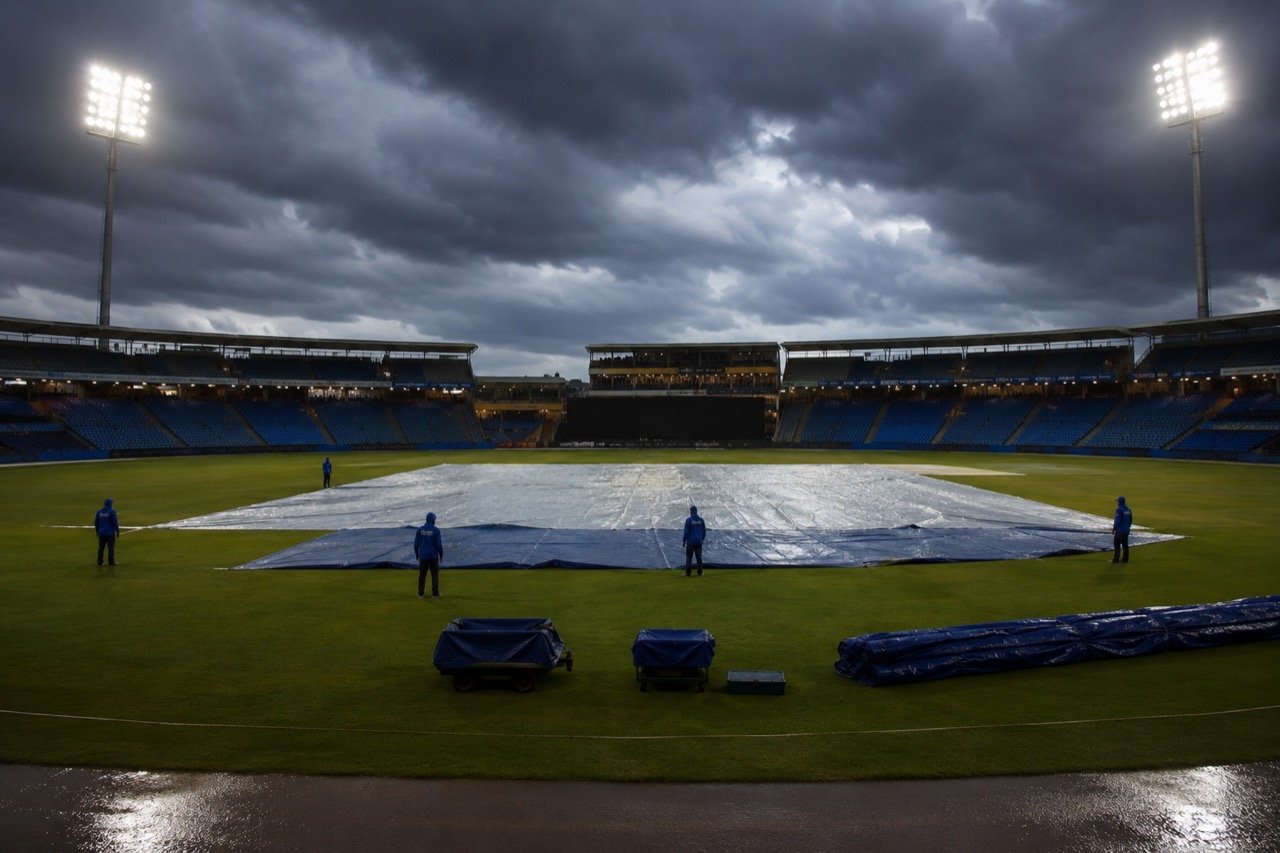
Rain Threat Looms Over India vs England 2nd T20I Match Day
Fans tracking the second India-England T20I are watching the skies as much as the pitch, with rain forecasts, streaming details and playing XI questions shaping expectations before the first ball.
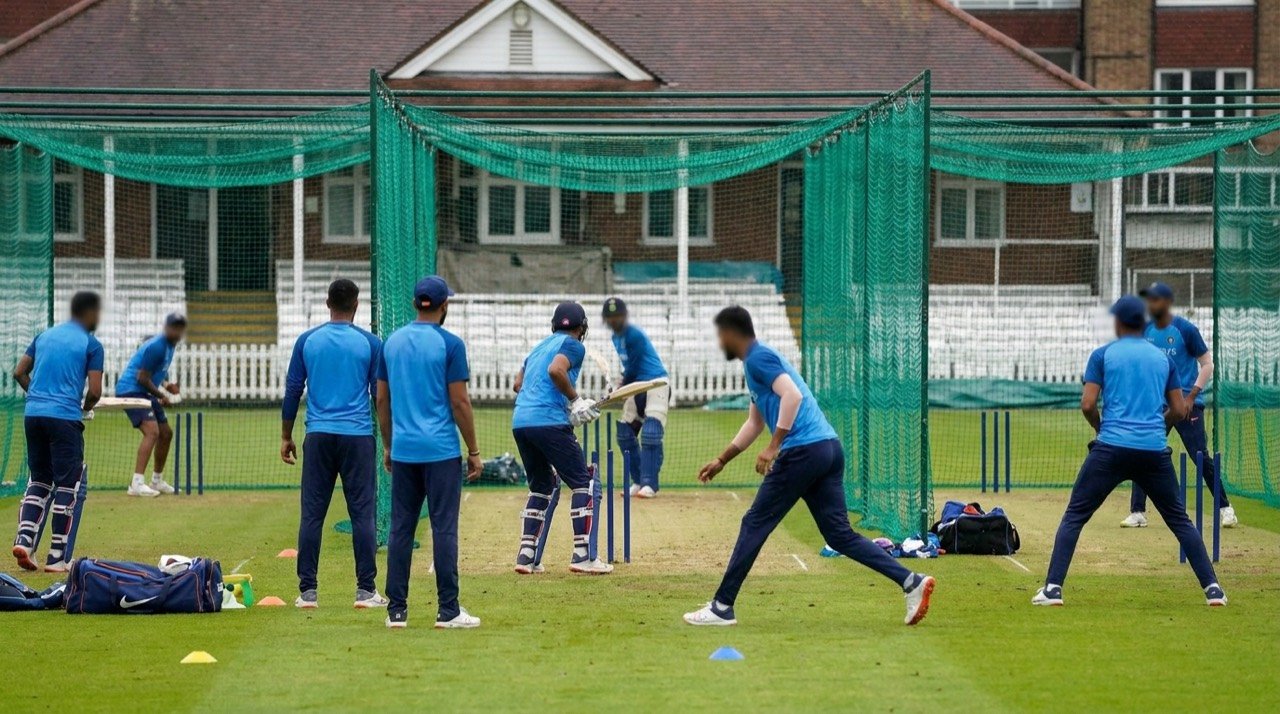
India Finalise T20I Squad for England Tour as Iyer Leads, Bumrah Rested and Shedge Earns Call-Up
India have locked in their Twenty20 squad for the five-match England tour starting 1 July, with Shreyas Iyer captaining, Jasprit Bumrah rested and Suryansh Shedge a surprise injury replacement.

Jasprit Bumrah Eyes ODI Comeback vs England After Tough IPL Season
Jasprit Bumrah's preparation for India's ODI series against England has become the bowling attack's biggest storyline, as the pace spearhead looks to rebuild rhythm and confidence after a career-worst IPL campaign.
More from this section
More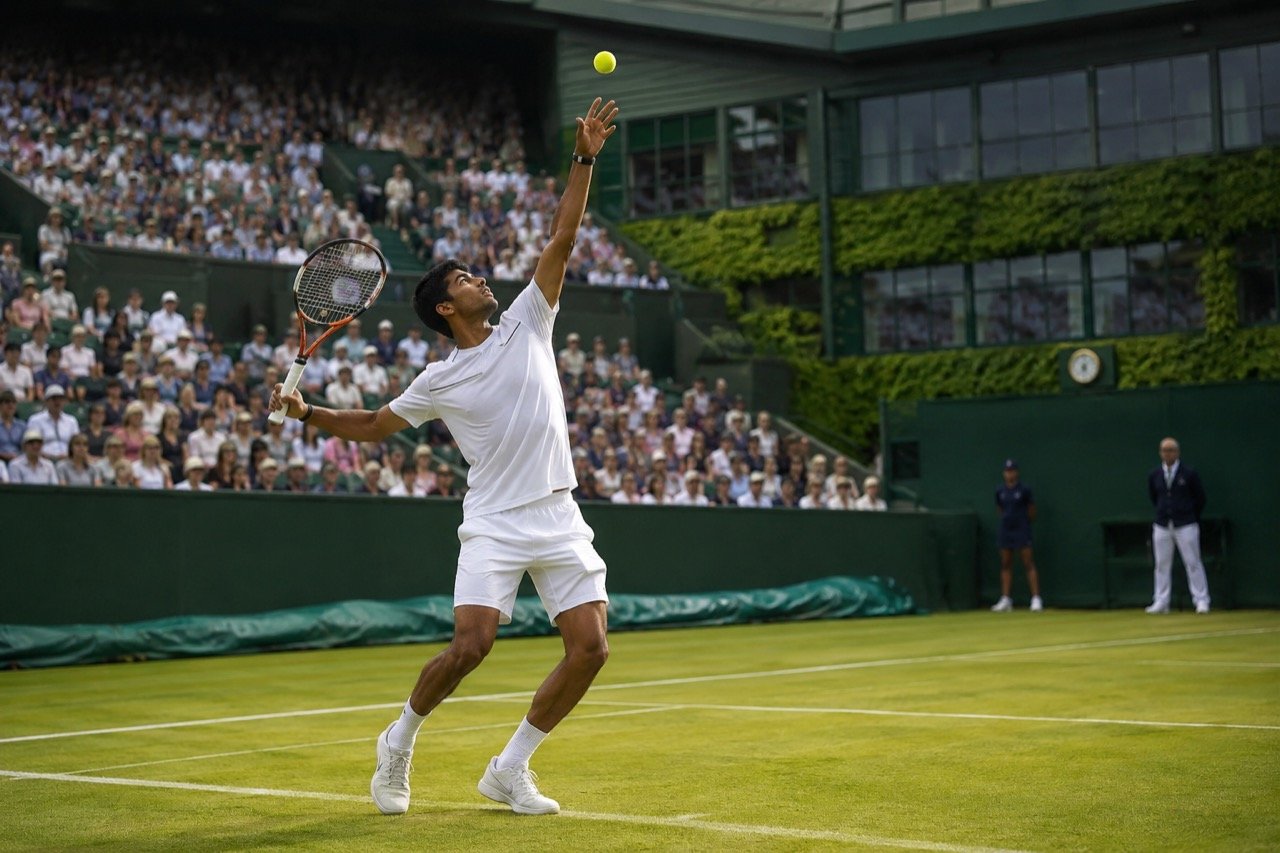
Arnav Paparkar Advances at Wimbledon Boys' Singles in Boost for India
Indian junior Arnav Paparkar has moved into the second round of the Wimbledon boys' singles with a commanding serving display, handing Indian tennis a rare and encouraging grass-court result at the sport's biggest stage.
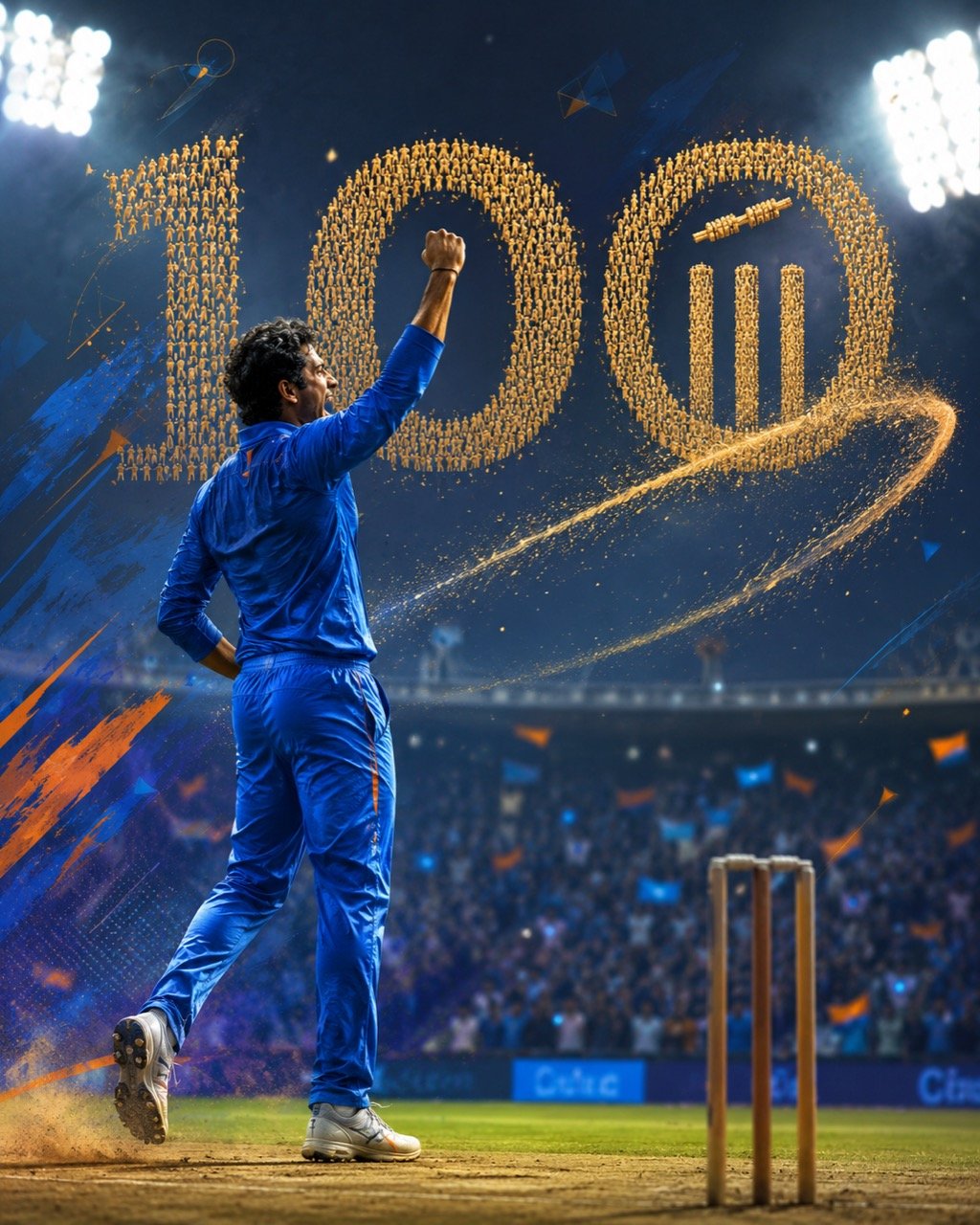
Axar Patel Becomes First Indian Spinner With 100 T20I Wickets
Axar Patel reached 100 T20 international wickets in the second T20I against England, becoming the first Indian spinner to hit the mark and cementing his standing as one of India's most durable white-ball performers.
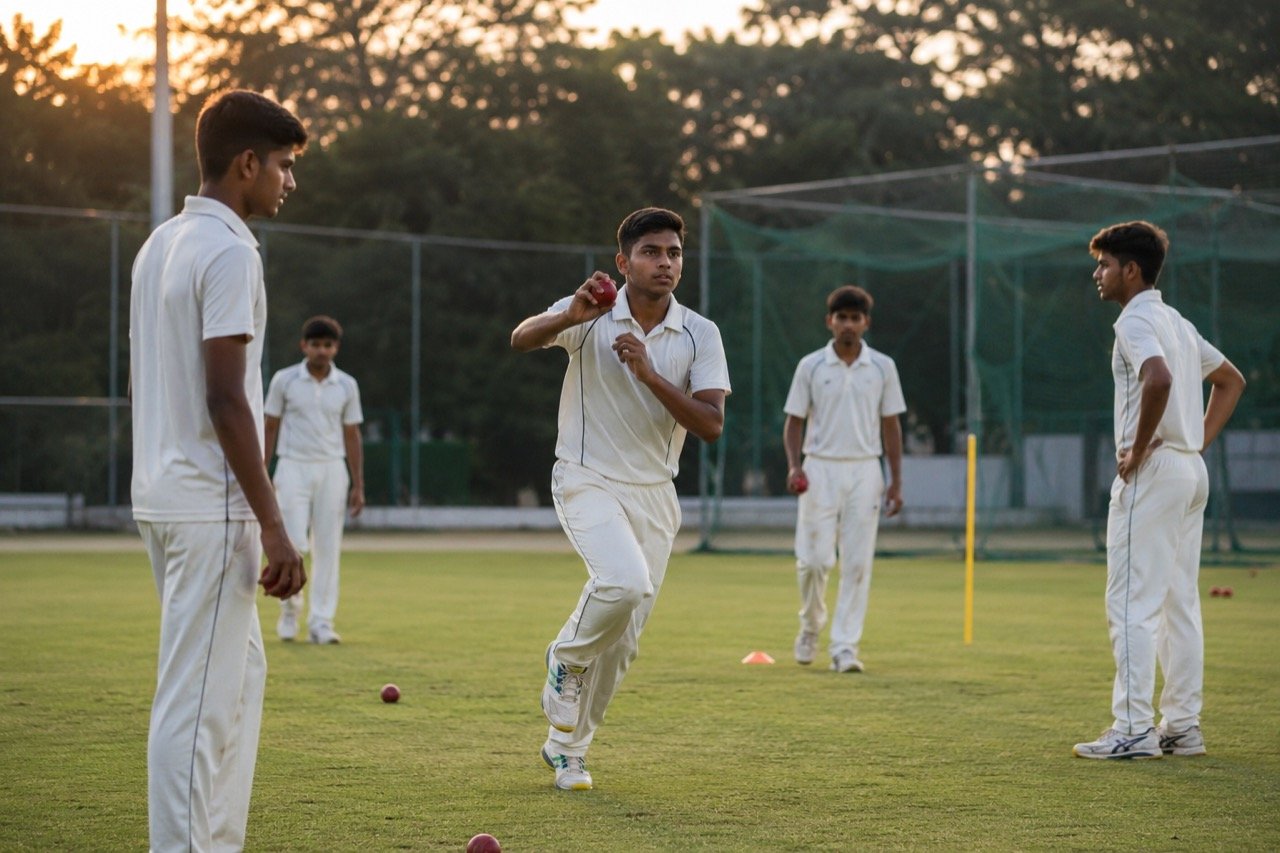
BCCI Emerging Men's Tournament to Hunt Test Prospects in Bengaluru
The BCCI's red-ball Emerging Men's Tournament, running at the Centre of Excellence in Bengaluru through July, is designed to give selectors a longer, harder look at India's next generation of Test cricketers.