Jasprit Bumrah Eyes ODI Comeback vs England After Tough IPL Season
Jasprit Bumrah's preparation for India's ODI series against England has become the bowling attack's biggest storyline, as the pace spearhead looks to rebuild rhythm and confidence after a career-worst IPL campaign.
Commentary & Analysis ·

Jasprit Bumrah has begun what the Times of India called a road to redemption ahead of India's ODI series against England. The comeback narrative has taken shape against the backdrop of a career-worst IPL season and a long gap since the fast bowler last played one-day international cricket. It is a striking juxtaposition: a bowler widely regarded as among the finest of his generation now finds his form, rather than his standing, being publicly interrogated. That gap between reputation and recent output is precisely where this story lives, and it is worth examining carefully rather than reducing to a simple headline about a slump.
Form, not reputation, is the question
Bumrah remains one of India's most important bowlers, but elite fast bowling runs on rhythm, confidence, workload management and match sharpness rather than reputation. A poor franchise season does not erase a career; it does, however, raise legitimate questions before a major international assignment. Rhythm in fast bowling is a fragile, cumulative thing, built over overs bowled in the right conditions, under the right captaincy, with the body responding as it should. A dip in IPL form can stem from any combination of factors, workload, minor niggles, tactical roles imposed by a franchise, or simply the game's inherent variance, and it does not automatically translate into a diminished skill set at international level. Even so, India will want his new-ball control, death-over accuracy and wicket-taking threat back quickly, because those specific skills are precisely what separates a merely useful bowler from a genuinely match-defining one, and there is no substitute for seeing them restored in the middle before the England series begins in earnest.
Why a long lay-off complicates the picture
Compounding the form question is the long gap since Bumrah last played one-day international cricket. Time away from the specific demands of the 50-over format, different field placements, different pacing of spells, different pressure points in an innings, means that even a bowler in good physical health needs match sharpness that only competitive cricket can supply. This is not a criticism of Bumrah's ability; it is simply an acknowledgment that international white-ball cricket has its own rhythms that cannot be fully replicated in the nets or inferred from franchise form alone. The challenge facing India's team management, then, is not only about assessing where Bumrah currently stands but about constructing the right conditions, overs, match situations and captaincy trust, for him to rediscover that sharpness without unnecessary risk.
What is at stake for India
The stakes extend well beyond one series. With larger Test and white-ball goals on the horizon, a firing Bumrah changes the entire balance of India's attack, freeing up how the captain deploys his other quicks and spinners. A bowler of his calibre, operating at full effectiveness, allows a captain to attack with fielding placements in the powerplay, to hold back overs strategically at the death, and to build pressure in ways that a weakened attack simply cannot replicate. That is why his preparation is a team-planning story as much as an individual one. Selectors and the team management are not merely picking a name; they are calibrating an entire bowling strategy around whether Bumrah can deliver his customary control and threat. If he does not, contingency plans, redistributed overs, different combinations, different risk profiles in the death overs, must be ready regardless.
The IPL's outsized grip on public perception
There is also a broader shift on display: even established stars now face intense form scrutiny straight after franchise seasons. The IPL increasingly shapes public debate about players, yet international cricket remains a distinct test of skill and temperament, and Bumrah's task is to rebuild impact through training, selection rhythm and execution against England. This dynamic says something important about how cricket is consumed and discussed today. The IPL's saturation coverage, its data-heavy analysis, its nightly verdicts on every player's performance, has created a culture in which a single tournament's results are treated as a referendum on a player's entire career. That is a distortion. Franchise cricket, for all its competitive intensity, operates under different conditions, different opposition depth, different team roles, different tactical demands, than a bilateral international series against a strong opponent like England. Conflating the two risks unfair and premature judgements on players who have proven themselves over years at the highest level.
Stakeholder perspectives and what to watch
From the selectors' vantage point, the calculus is about balancing risk and reward: managing Bumrah's workload sensibly while giving him enough game time to rebuild rhythm ahead of bigger assignments later in the year. From the captain's perspective, the priority will be building trust in Bumrah's spells early in the series so that tactical plans can be built around him with confidence rather than uncertainty. From Bumrah's own perspective, presumably, the objective is straightforward: bowl enough quality overs in the ODI series to silence the questions through performance rather than argument. Fans and commentators, meanwhile, would do well to watch specific indicators rather than blunt outcomes, his pace consistency across spells, his control of length in the powerplay, and his execution of yorkers and variations at the death, rather than fixating solely on wickets or economy rates in isolation, which can be affected by factors beyond a bowler's control, such as fielding or the pitch on the day.
The NE Times View
Redemption in sport is a performance arc, not a moral judgement, and Indian cricket would do well to treat Bumrah's return that way. The rush to write off a generational bowler after one bad IPL says more about the tournament's outsized grip on public opinion than about his ability. For India's selectors, the smarter play is patience: manage his workload, give him a defined runway in the England ODIs, and judge him on rhythm and execution rather than instant numbers. If Bumrah rediscovers even most of his old control, the questions of the past few months will fade quickly, and India's white-ball plans will look far more secure. The lesson here extends beyond one player: modern cricket discourse would benefit from distinguishing more carefully between franchise form and international performance, and from remembering that even the finest bowlers go through periods of recalibration that are entirely normal in a long career.
Key takeaways
- Bumrah's IPL slump and long ODI lay-off have raised scrutiny, but a difficult franchise season does not erase an elite international track record.
- India's bowling balance, powerplay control, death-over execution and overall attack strategy hinge significantly on Bumrah returning to form quickly.
- The episode highlights how the IPL now disproportionately shapes public judgement of players, even though international cricket tests different skills under different conditions.
- Patience, sensible workload management and a defined run of matches, rather than snap judgements on early numbers, represent the wiser selection approach.
- Watch specific technical markers, pace consistency, powerplay control, death-over execution, rather than headline figures, to gauge Bumrah's true form ahead of and during the England series.
You may also like to read
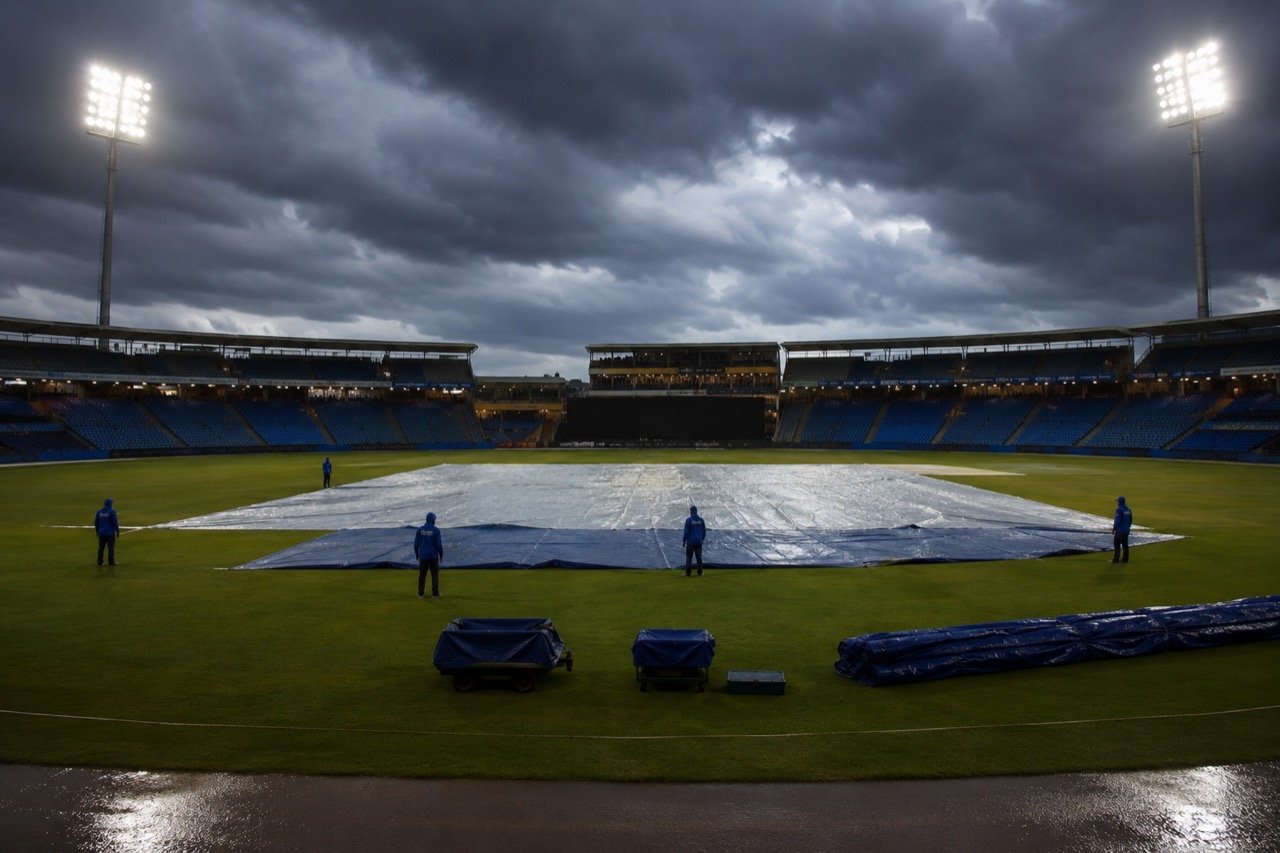
Rain Threat Looms Over India vs England 2nd T20I Match Day
Fans tracking the second India-England T20I are watching the skies as much as the pitch, with rain forecasts, streaming details and playing XI questions shaping expectations before the first ball.
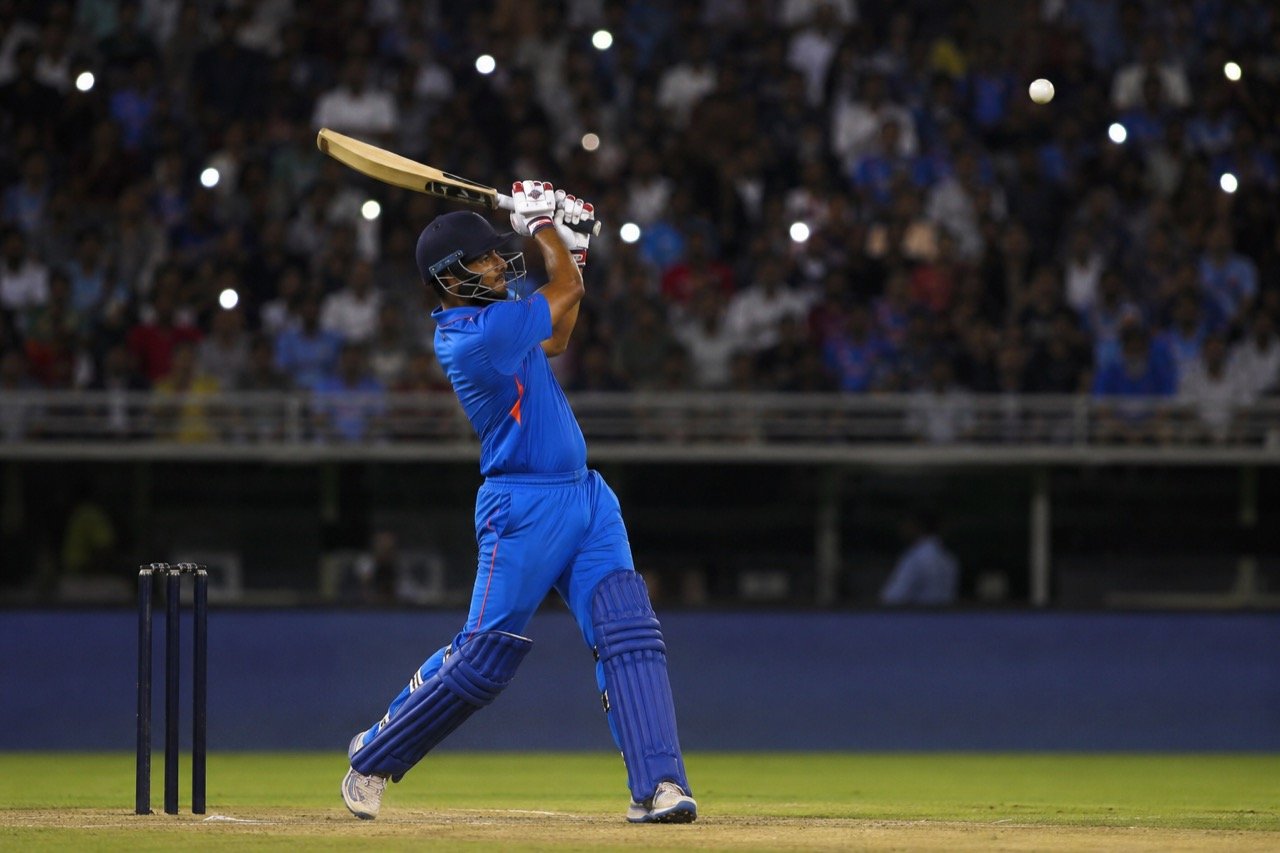
Vaibhav Sooryavanshi Debut: Gavaskar Flags Shot Choice vs England
Vaibhav Sooryavanshi's India debut in the second T20I against England brought two sixes, a 14-run cameo and an instant national debate after Sunil Gavaskar questioned the 15-year-old's shot selection.
India ODI Squad for England Balances Senior Returns With Selection Debate
India's ODI squad for the England tour brings back Rohit Sharma, Virat Kohli and Jasprit Bumrah, but Yashasvi Jaiswal's omission despite strong form has become the central talking point.
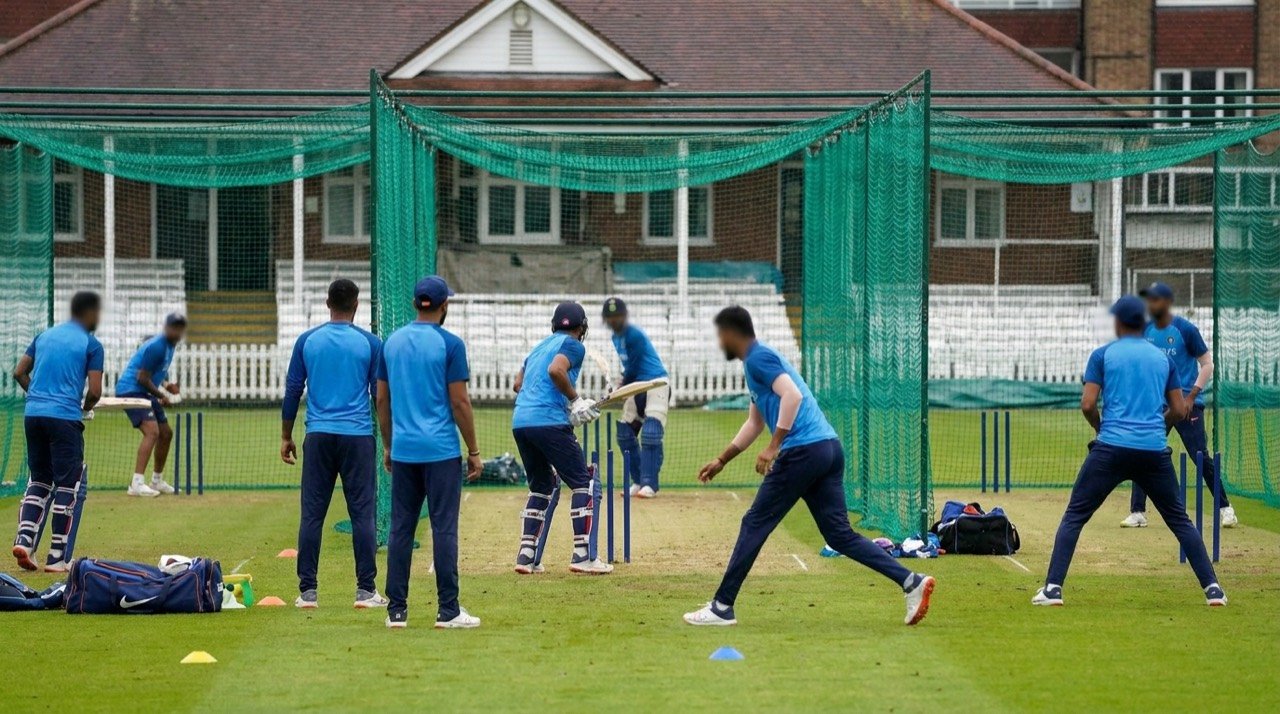
India Finalise T20I Squad for England Tour as Iyer Leads, Bumrah Rested and Shedge Earns Call-Up
India have locked in their Twenty20 squad for the five-match England tour starting 1 July, with Shreyas Iyer captaining, Jasprit Bumrah rested and Suryansh Shedge a surprise injury replacement.
More from this section
More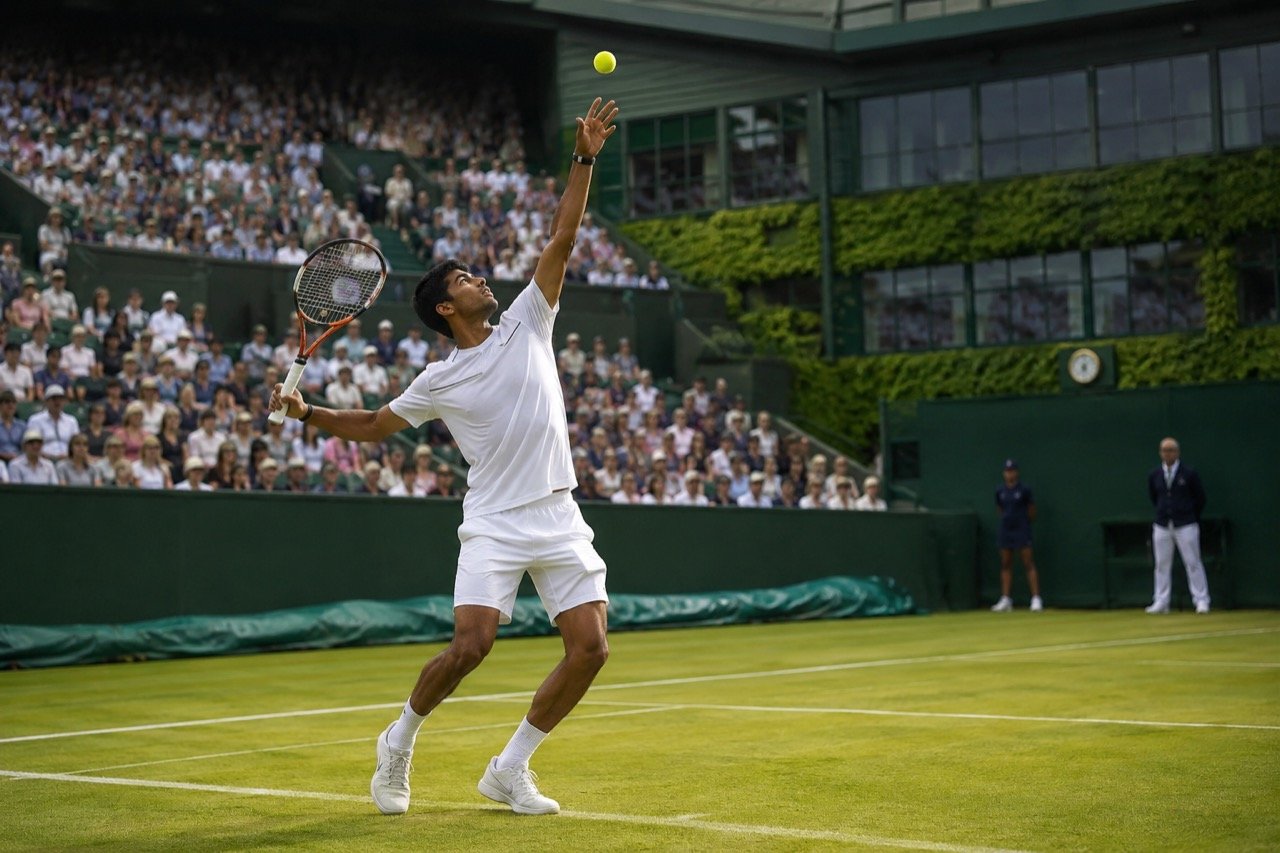
Arnav Paparkar Advances at Wimbledon Boys' Singles in Boost for India
Indian junior Arnav Paparkar has moved into the second round of the Wimbledon boys' singles with a commanding serving display, handing Indian tennis a rare and encouraging grass-court result at the sport's biggest stage.

Axar Patel Becomes First Indian Spinner With 100 T20I Wickets
Axar Patel reached 100 T20 international wickets in the second T20I against England, becoming the first Indian spinner to hit the mark and cementing his standing as one of India's most durable white-ball performers.
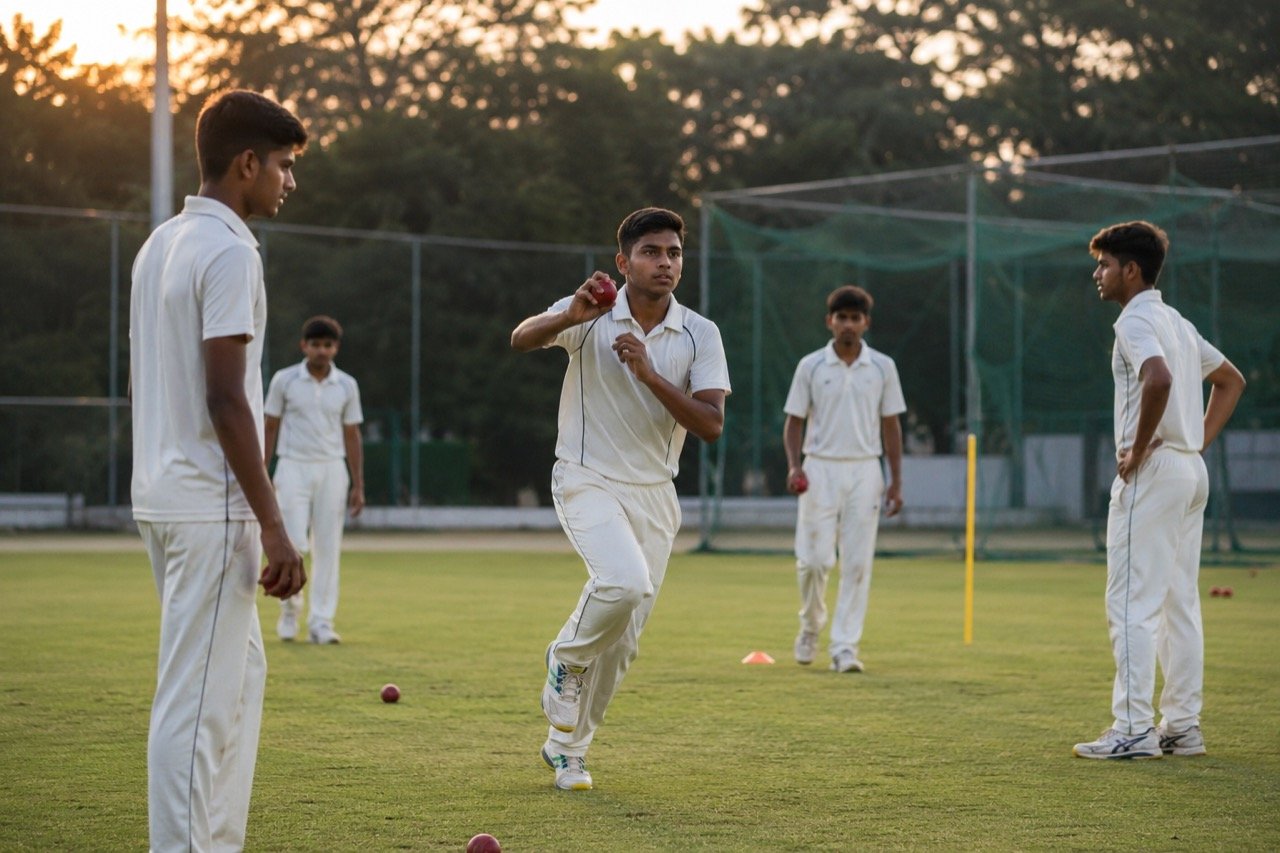
BCCI Emerging Men's Tournament to Hunt Test Prospects in Bengaluru
The BCCI's red-ball Emerging Men's Tournament, running at the Centre of Excellence in Bengaluru through July, is designed to give selectors a longer, harder look at India's next generation of Test cricketers.