India ODI Squad for England Balances Senior Returns With Selection Debate
India's ODI squad for the England tour brings back Rohit Sharma, Virat Kohli and Jasprit Bumrah, but Yashasvi Jaiswal's omission despite strong form has become the central talking point.
Commentary & Analysis ·
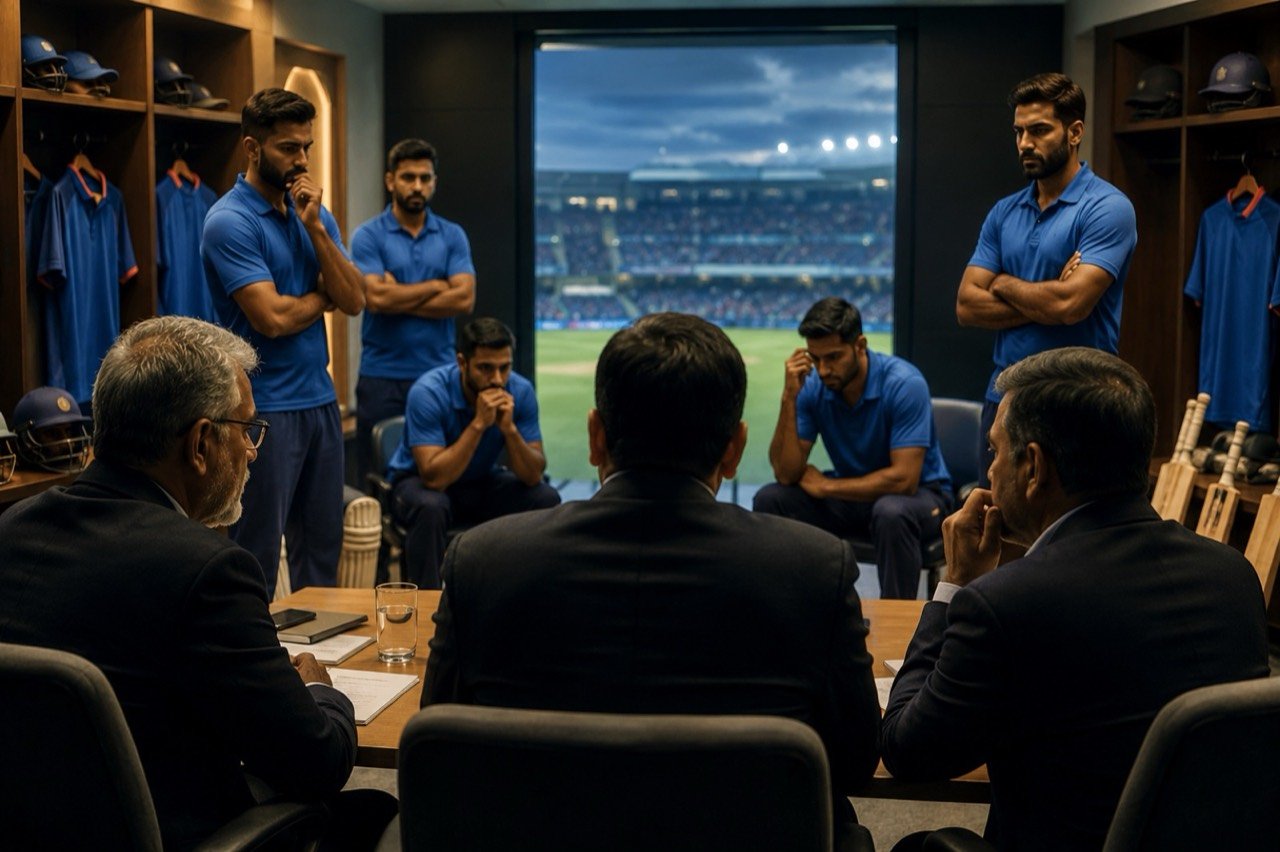
India's ODI squad for the England series, with reports emerging on 21-22 June 2026, has put experience firmly back at the centre of national selection. Rohit Sharma, Virat Kohli and Jasprit Bumrah were all named, a trio whose collective résumé needs no introduction to followers of Indian cricket. Yet the headline debate has not settled on who returned, but on who was left behind. Yashasvi Jaiswal, despite recent form, did not make the cut, and that single omission has done more to define the conversation around this squad than the recall of three of the country's most decorated cricketers.
The senior returns and what they signal
The recall of Sharma, Kohli and Bumrah is not a passive move by the selectors; it is a statement of intent. Each of the three brings something distinct to a demanding overseas assignment. Sharma offers top-order weight and the kind of experience that steadies an innings when conditions turn testing. Kohli brings middle-order control, a game built on managing risk and rotating strike under pressure, qualities that tend to matter more in England than almost anywhere else. Bumrah, for his part, remains the one bowler in world cricket capable of altering the course of a match in a single spell, regardless of the state of the pitch or the scoreboard. Naming all three together suggests the selectors were unwilling to gamble on inexperience for a tour of this magnitude.
Layered on top of these senior returns is a leadership structure that looks forward rather than back. Shubman Gill was reported as captain, with Shreyas Iyer named vice-captain in some coverage. That combination is telling. It places two players from the emerging generation in the two most visible leadership positions, even as the batting and bowling core leans heavily on players who have already won India's biggest prizes. In effect, the squad is constructed as a bridge: senior players supplying craft and composure on the field, younger leaders being groomed to take charge of selection meetings, tactics and the dressing room culture over the next cycle.
Why the Jaiswal omission has become the flashpoint
Jaiswal's exclusion has attracted outsized attention precisely because it appears, on the surface, to contradict a simple principle that fans instinctively favour: runs should be rewarded. His recent form was not in question, which is exactly why the decision to leave him out has proven so contentious. It forces a harder conversation about what selectors are actually optimising for in ODI cricket. Form is one input, but it is rarely the only one. Role clarity, batting order balance, and suitability to English conditions all factor into a chief selector's calculus, and when the top order is already congested with senior batters occupying established slots, there may simply be no obvious opening for a young player to walk into, however good his numbers look on paper.
Seen this way, the decision looks less like a verdict on Jaiswal's ability and more like a consequence of a queue that has become unusually crowded at the top of the order. That framing will offer little comfort to those who believe momentum should count for more than seniority, but it does explain why a player in form can still miss out without his talent being seriously doubted by anyone inside the selection room. The deeper issue this exposes is structural: India's production of top-order batting talent has outpaced the number of playing opportunities available in the senior side, and somebody in that queue was always going to be squeezed out regardless of current form.
What the squad says about India's white-ball identity
Beyond the individual selections, this squad raises a bigger question about the identity India wants to project in white-ball cricket ahead of the next major tournament cycle. Is the priority to win now, banking on proven match-winners who have delivered under pressure on the biggest stages, or is it to build a side capable of sustaining excellence over the next four to eight years, even if that means blooding less experienced players at the cost of occasional results? The composition of this squad, senior returns anchoring a captaincy and vice-captaincy handed to Gill and Iyer, suggests India is trying to do both at once: win in the short term while quietly transitioning leadership and, presumably, playing time towards the next generation.
That is an inherently delicate balancing act. Continuity offers stability and a greater probability of near-term success, especially in unfamiliar conditions such as an English summer, where seam movement and variable bounce punish inexperience. Renewal offers a side that will not need to be rebuilt in a hurry once the senior players retire, which history shows can otherwise happen abruptly and painfully. Selecting for both at the same time means accepting some friction, and the Jaiswal case is an early, visible example of exactly that friction playing out in public.
What the tour itself will decide
England's conditions will test this blend quickly and without much room for excuses. Seam-friendly wickets, unpredictable weather and a packed itinerary will all place real physical and tactical demands on the senior trio. If Sharma, Kohli and Bumrah perform to the level expected of them, the emphasis on experience will look vindicated, and the debate over Jaiswal will likely recede, at least until the next squad announcement. If, however, workload or form issues emerge over a long series, calls to fast-track younger players will only grow louder, and selectors will face renewed pressure to explain why proven pedigree was chosen over current momentum. For now, India has opted for a settled, experienced core, and the results on tour will be the real test of whether that choice retains its edge.
The NE Times View
Recalling Rohit, Kohli and Bumrah signals unambiguously that England away is no place for experiments, and the selectors clearly continue to value pedigree over momentum when the stakes are highest. Yet dropping an in-form Jaiswal risks the worst of both worlds: it blocks a natural transition without providing any guarantee that the seniors can maintain fitness and form across the length of a demanding tour. Selection, in our view, should reward runs scored now, not reputations banked earlier, and a policy that leans too heavily on the latter risks leaving India short of answers the moment age or injury catches up with its most experienced names. The coming weeks in England will show whether this balance was struck wisely or whether the queue at the top of the order needs to be reshuffled sooner rather than later.
Key takeaways
- Rohit Sharma, Virat Kohli and Jasprit Bumrah return to India's ODI squad for the England series, reported on 21-22 June 2026, prioritising experience for a demanding overseas tour.
- Shubman Gill was reported as captain, with Shreyas Iyer named vice-captain in some coverage, positioning younger leaders alongside a senior-heavy playing group.
- Yashasvi Jaiswal was left out despite recent form, a decision that appears driven by a congested top order rather than any doubt over his ability.
- The squad reflects a broader tension in Indian cricket between rewarding continuity and experience versus accelerating the transition to its next generation of players.
- Performances in England will determine whether the emphasis on senior pedigree is vindicated or whether pressure to fast-track players like Jaiswal intensifies.
You may also like to read
Jasprit Bumrah Eyes ODI Comeback vs England After Tough IPL Season
Jasprit Bumrah's preparation for India's ODI series against England has become the bowling attack's biggest storyline, as the pace spearhead looks to rebuild rhythm and confidence after a career-worst IPL campaign.
Iyer To Lead Young India On Ireland And England T20I Tour
Shreyas Iyer will captain a refreshed 16-man India side across two T20Is in Belfast and a five-match series in England, with Tilak Varma as deputy and teenager Vaibhav Suryavanshi retained for the white-ball trip.
India Finalise T20I Squad for England Tour as Iyer Leads, Bumrah Rested and Shedge Earns Call-Up
India have locked in their Twenty20 squad for the five-match England tour starting 1 July, with Shreyas Iyer captaining, Jasprit Bumrah rested and Suryansh Shedge a surprise injury replacement.
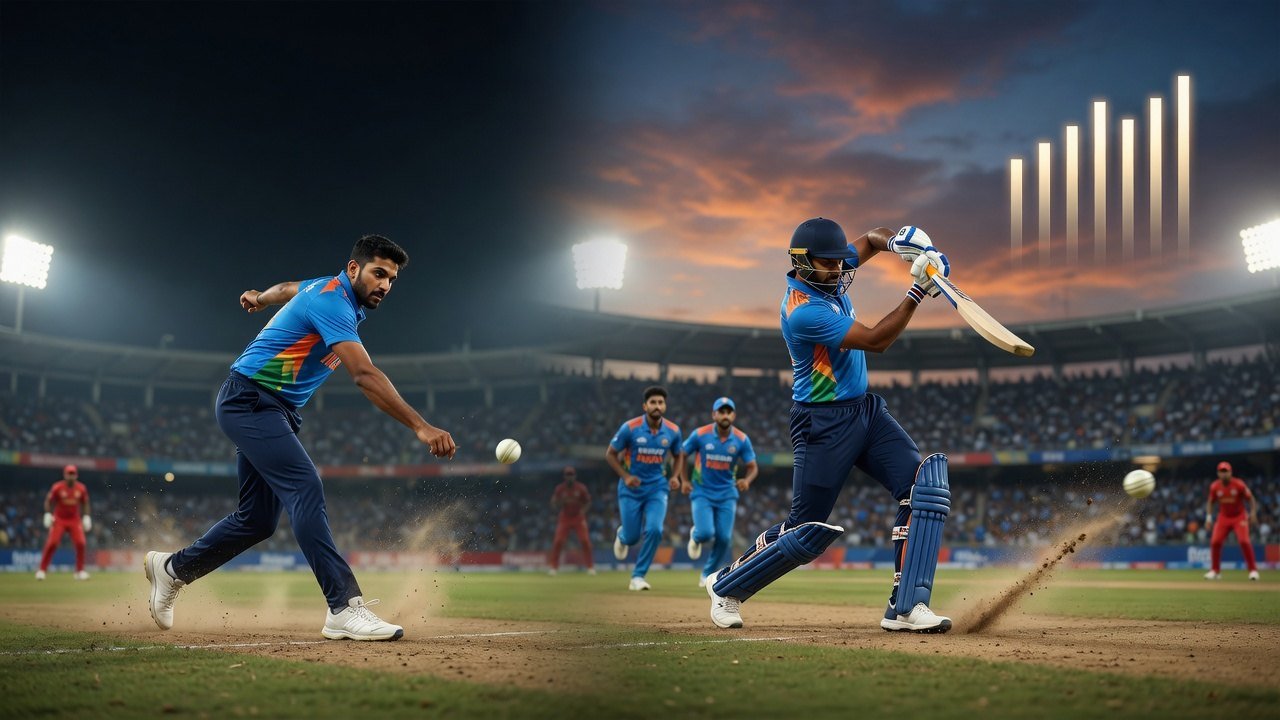
India Beat England by Six Wickets in First ODI as Axar Patel Delivers Match-Winning All-Round Show
India chased 259 at Edgbaston to beat England by six wickets, led by Axar Patel's 4/62 and unbeaten 57, Shubman Gill's 80 and Washington Sundar's 52 not out.
More from this section
More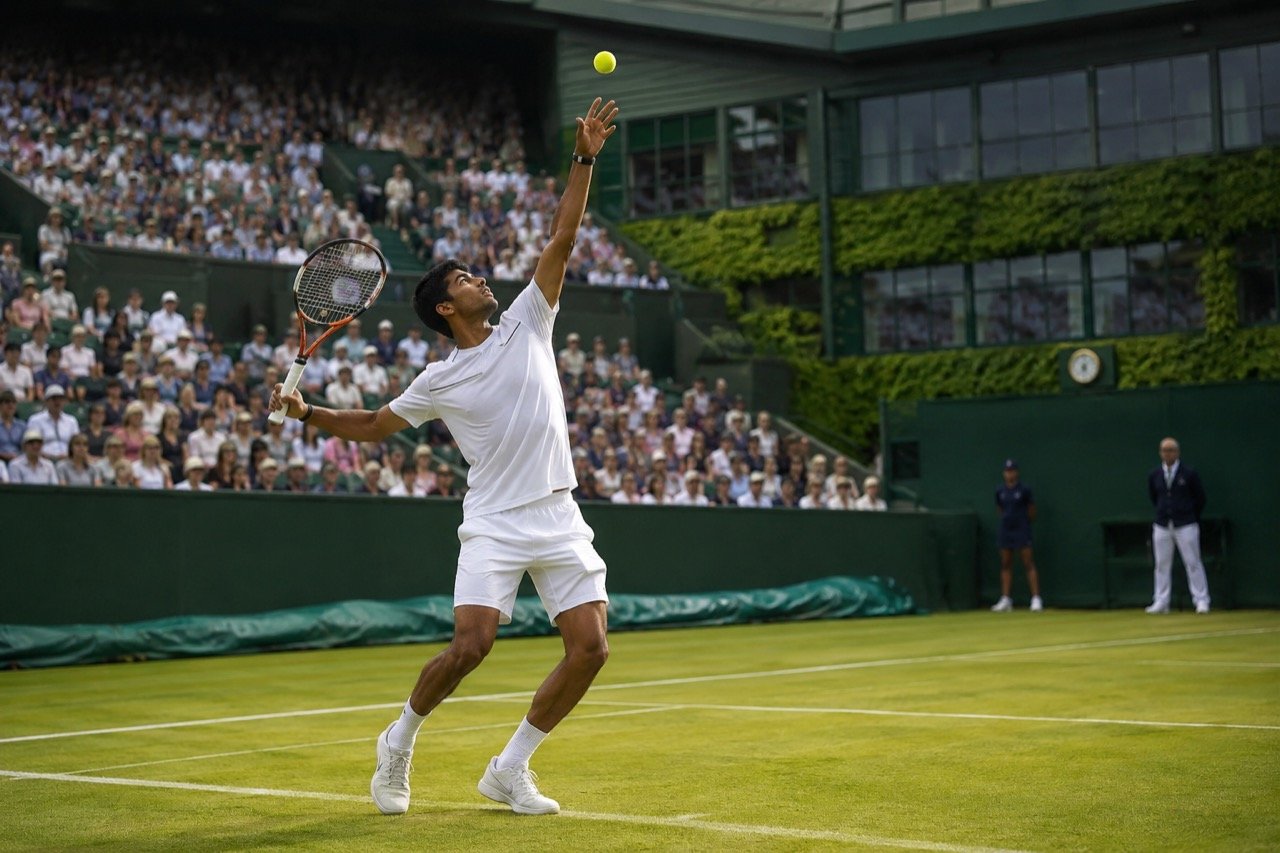
Arnav Paparkar Advances at Wimbledon Boys' Singles in Boost for India
Indian junior Arnav Paparkar has moved into the second round of the Wimbledon boys' singles with a commanding serving display, handing Indian tennis a rare and encouraging grass-court result at the sport's biggest stage.
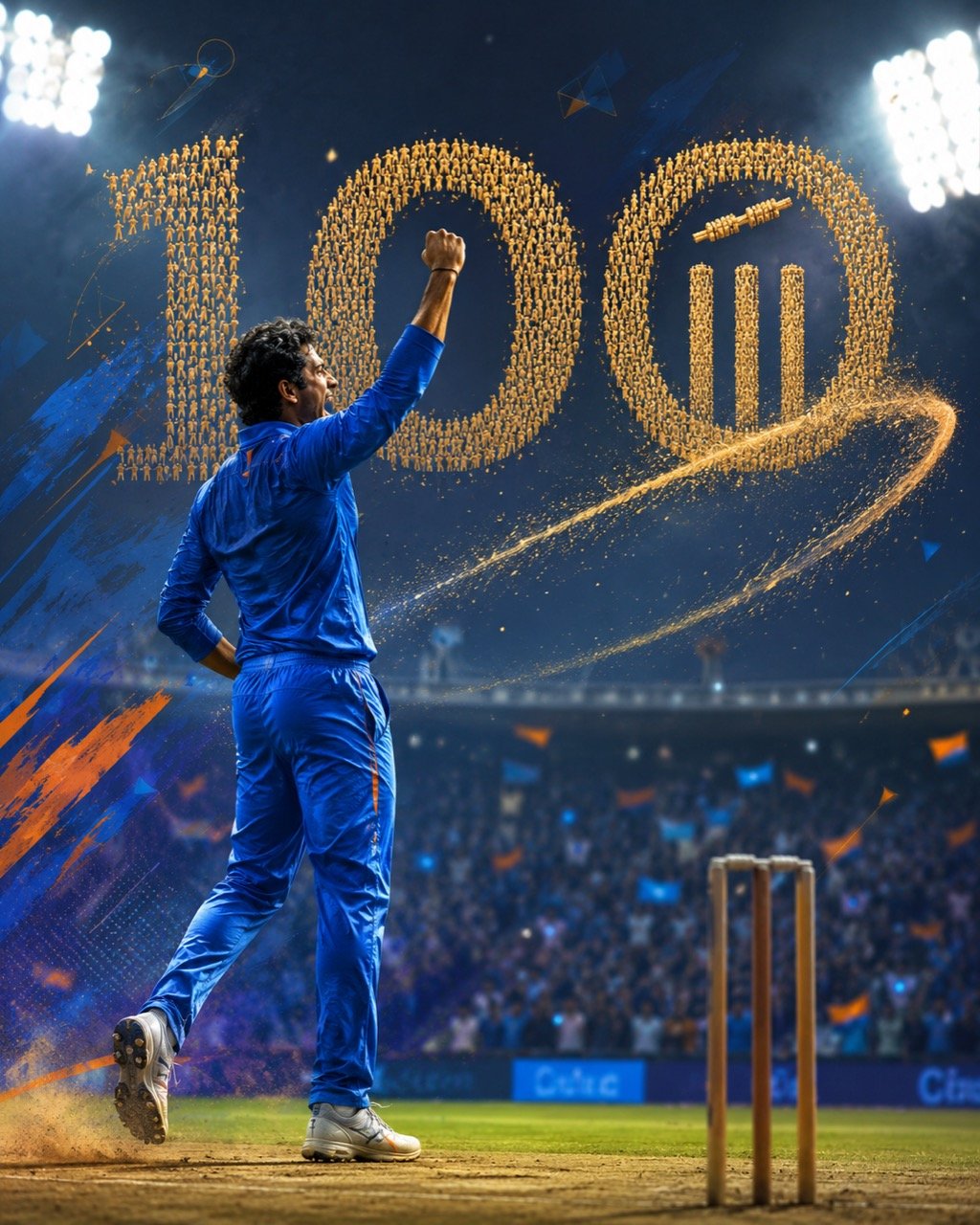
Axar Patel Becomes First Indian Spinner With 100 T20I Wickets
Axar Patel reached 100 T20 international wickets in the second T20I against England, becoming the first Indian spinner to hit the mark and cementing his standing as one of India's most durable white-ball performers.
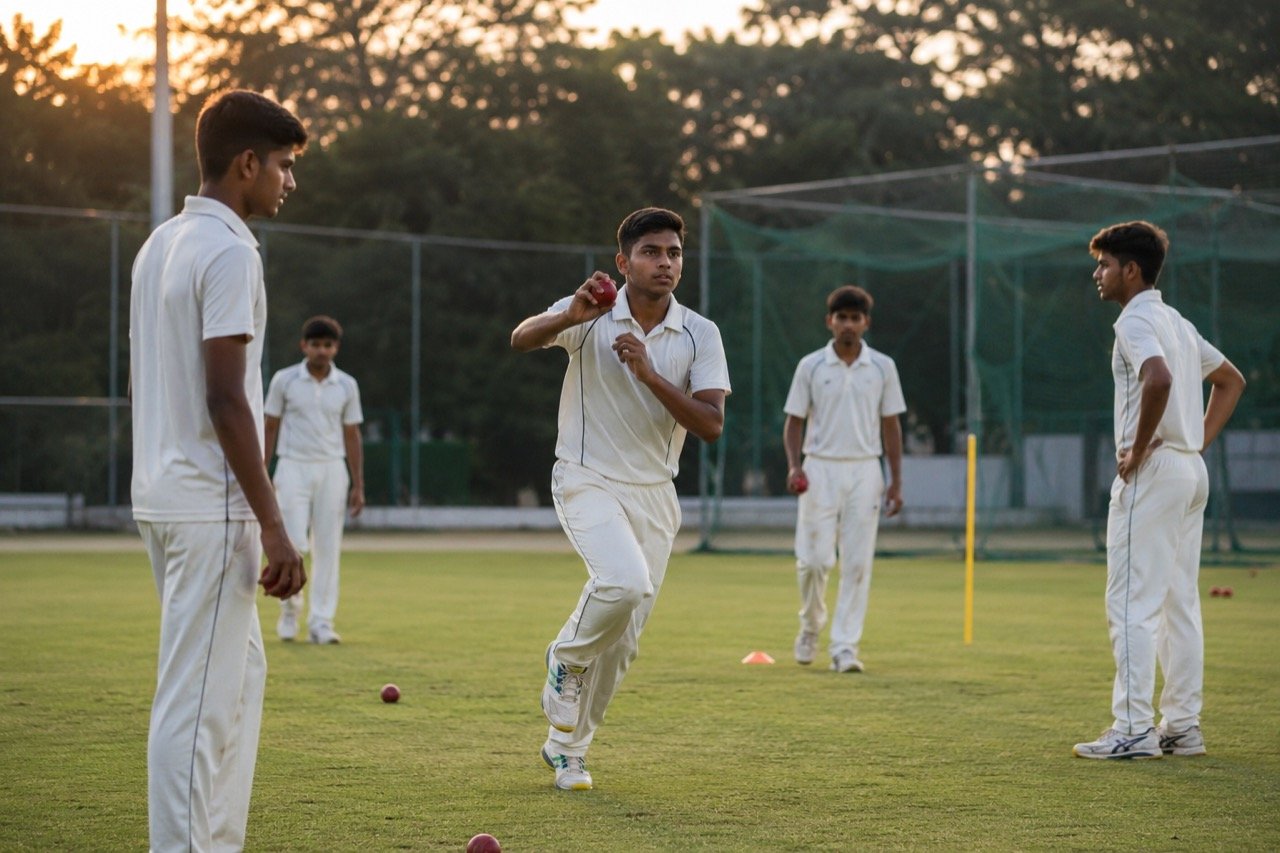
BCCI Emerging Men's Tournament to Hunt Test Prospects in Bengaluru
The BCCI's red-ball Emerging Men's Tournament, running at the Centre of Excellence in Bengaluru through July, is designed to give selectors a longer, harder look at India's next generation of Test cricketers.