Vaibhav Sooryavanshi Debut Turns Spotlight on India's U-19 Pipeline
The teenage batter's India Under-19 debut has made him one of the week's most-followed cricket stories, reviving the perennial question of how India should nurture prodigies without burying them in expectation.
Commentary & Analysis ·
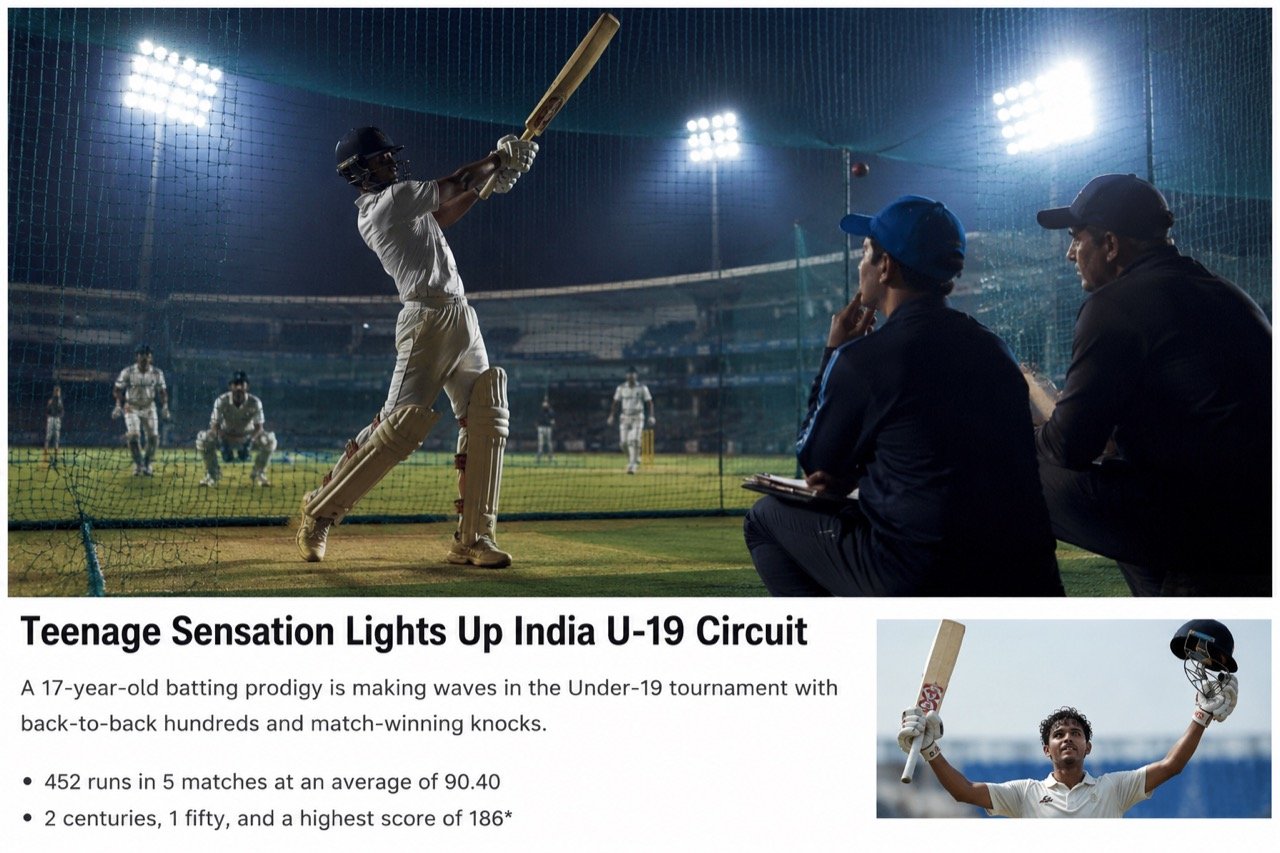
Vaibhav Sooryavanshi remains one of the most searched young names in Indian cricket, with fresh coverage of his India Under-19 involvement keeping the teenager firmly in the national conversation. His debut at age-group level has extended a run of attention that began with his precocious early performances, and each subsequent mention of his name now arrives with an audience already primed to read into it more than the moment strictly warrants. That, in itself, is worth examining as closely as the cricket.
A pathway, not a coronation
Youth cricket stories demand careful handling because potential is not certainty. A gifted teenager still needs years of technical development, coaching, workload management and emotional support before senior cricket becomes a realistic conversation. The news value in Sooryavanshi's moment lies in the pathway he is navigating, not in declaring a finished star. It is tempting, particularly in the age of instant clips and viral highlights, to treat an eye-catching Under-19 innings as proof of arrival. But age-group cricket is designed to test and develop, not to certify. The gap between looking exceptional at fifteen or sixteen and performing consistently in first-class or international cricket is filled with the unglamorous work of technical refinement against better bowling, adjusting to longer formats, and learning to manage failure as much as success.
India's deep age-group structure
India's age-group structure is among the deepest in world cricket, and that context matters. With a talent pool as vast as India's, the Under-19 pathway functions less as a spotlight for one player and more as a sorting mechanism across thousands of aspirants. Strong Under-19 performances can open doors — to A-team tours, first-class opportunities and franchise attention — but they represent one stage in a much longer journey, and plenty of prodigies have stalled between stages. Indian cricket's own recent history offers no shortage of examples of Under-19 standouts who found the step up to senior domestic cricket, let alone the international game, far harder than their early promise suggested. This is not a criticism of the system so much as an acknowledgment of how selective and demanding the higher levels of the sport are.
The prodigy obsession
The attention around Sooryavanshi also reflects a distinctly Indian fascination: the desire to identify the next great player before he arrives in senior cricket. That excitement fuels engagement with domestic and youth cricket, but it sits uneasily with the patience genuine development requires. Search interest, social media chatter and speculative comparisons to established stars all feed a cycle that rewards early promise with attention disproportionate to what has actually been achieved. For fans and commentators, this is a relatively low-stakes indulgence. For the player himself, it can be considerably more consequential, shaping expectations that follow him into every net session, every domestic match and every future selection conversation, regardless of whether he asked for that scrutiny.
Why the framing matters
How a young player's story is told has practical consequences beyond sentiment. Media narratives influence how selectors, franchises and even coaches perceive a player's readiness, sometimes accelerating opportunities before the underlying game has caught up. Broadcasters and franchise scouts operate in an ecosystem where attention itself has value, which creates an incentive to amplify a promising teenager's name well ahead of the evidence. This is precisely why measured coverage matters: overstating where a player stands can distort the very development process that youth structures are meant to protect. A pathway built on patient, staged progress works best when the noise around it does not outrun the substance of it.
The NE Times View
Sooryavanshi's rise is genuinely encouraging, but the most useful thing Indian cricket can do for him now is lower the temperature. The system — selectors, franchises, broadcasters and fans alike — has a habit of converting promise into pressure, and teenage careers have buckled under weight they never asked to carry. The BCCI's pathway structures are well equipped to manage his cricketing development; the harder task is managing the noise around it. If his current moment is treated as confirmation that he belongs in the national youth conversation, rather than as a countdown to senior stardom, both the player and the game will be better served. That distinction — between belonging in the conversation and being guaranteed a destination within it — is the one that Indian cricket's ecosystem, from commentators to selectors, would do well to hold onto in the months ahead.
What to watch next
The more instructive markers of Sooryavanshi's progress will come not from any single Under-19 innings but from how he performs across a sustained run of age-group cricket, how selectors handle his workload, and whether he is given the ordinary space to fail and recover that any developing cricketer needs. Attention on A-team selection, first-class opportunities and franchise interest will inevitably grow, but the pace at which those doors open should be dictated by performance and readiness rather than by public appetite for a headline. Indian cricket has the structures to get this right; whether the surrounding conversation allows those structures to work at their own pace is the more interesting question.
Key takeaways
- Vaibhav Sooryavanshi's India Under-19 involvement has kept him among the most searched young names in Indian cricket, following earlier attention driven by precocious performances.
- Strong age-group form is one stage in a long development pathway, not a guarantee of senior success, and India's deep Under-19 structure has seen many promising players stall before the top level.
- The Indian cricket ecosystem's fascination with identifying future stars early can create pressure that outpaces a young player's actual readiness.
- The BCCI's pathway structures are well placed to manage his cricketing development; the bigger challenge is managing expectations and noise around it.
- The more meaningful signals to watch are sustained performance, careful workload management, and measured progression through A-team and first-class opportunities, rather than any single moment of attention.
You may also like to read
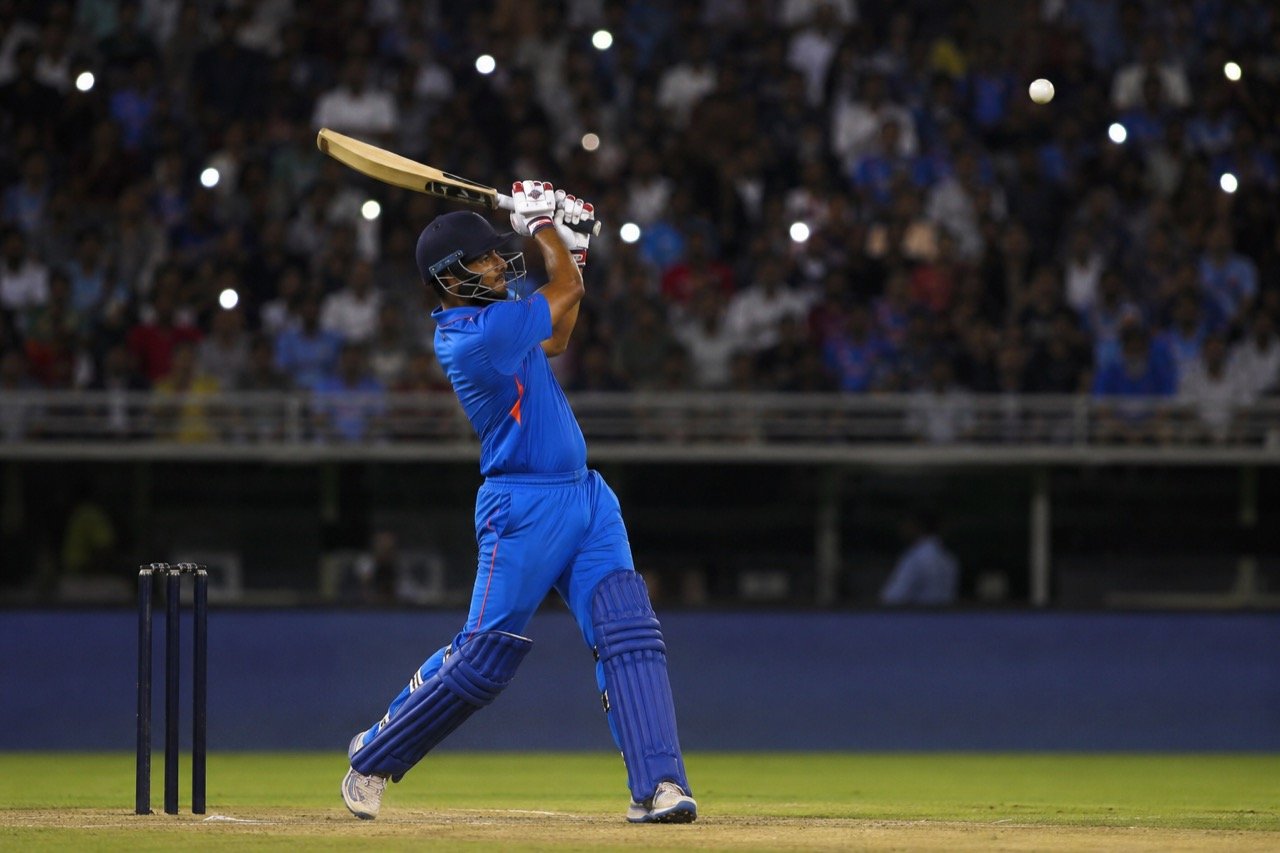
Vaibhav Sooryavanshi Debut: Gavaskar Flags Shot Choice vs England
Vaibhav Sooryavanshi's India debut in the second T20I against England brought two sixes, a 14-run cameo and an instant national debate after Sunil Gavaskar questioned the 15-year-old's shot selection.
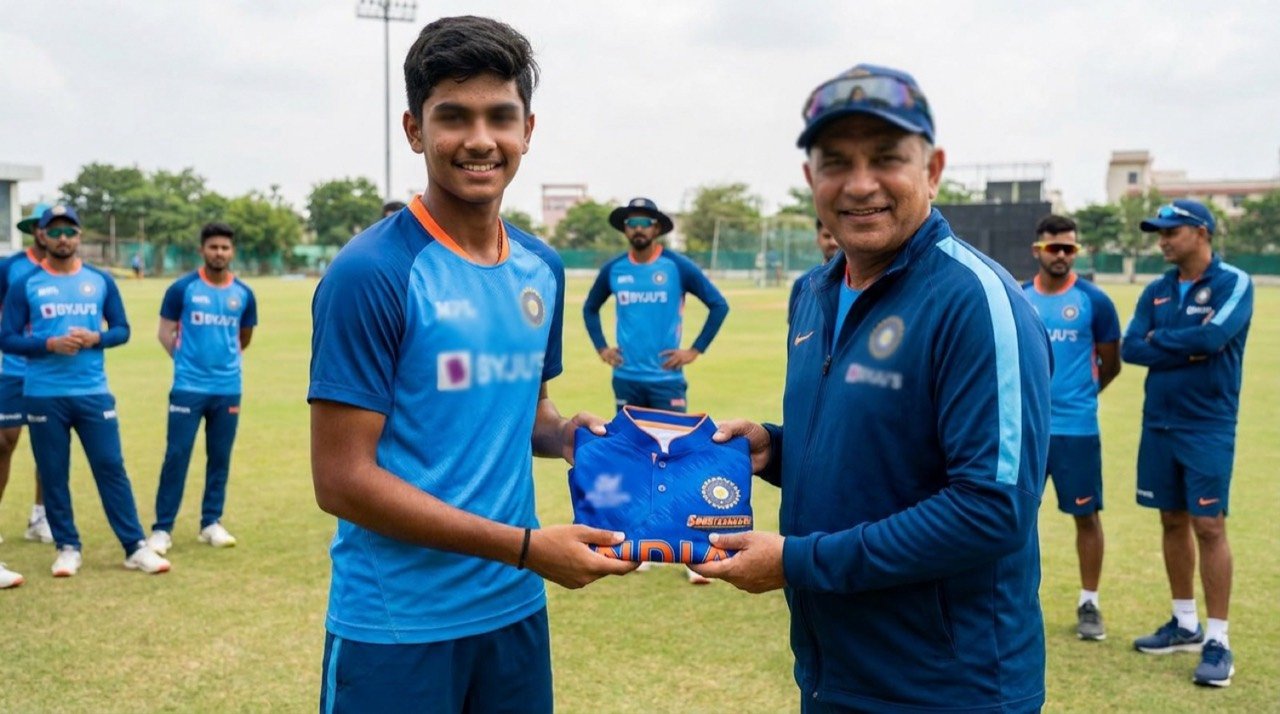
Vaibhav Sooryavanshi's India Jersey Moment Marks a Teenage Milestone
Fifteen-year-old Vaibhav Sooryavanshi turned emotional on receiving his senior India jersey ahead of a possible T20I debut, capping a rapid rise and raising questions of careful handling.

Vaibhav Sooryavanshi's Record Fifty Powers India A to Tri-Series Title
Fifteen-year-old Vaibhav Sooryavanshi smashed a stunning 94 off 29 balls, with a reported List A record 11-ball fifty, as India A crushed Sri Lanka A by 66 runs in the Dambulla tri-nation final.
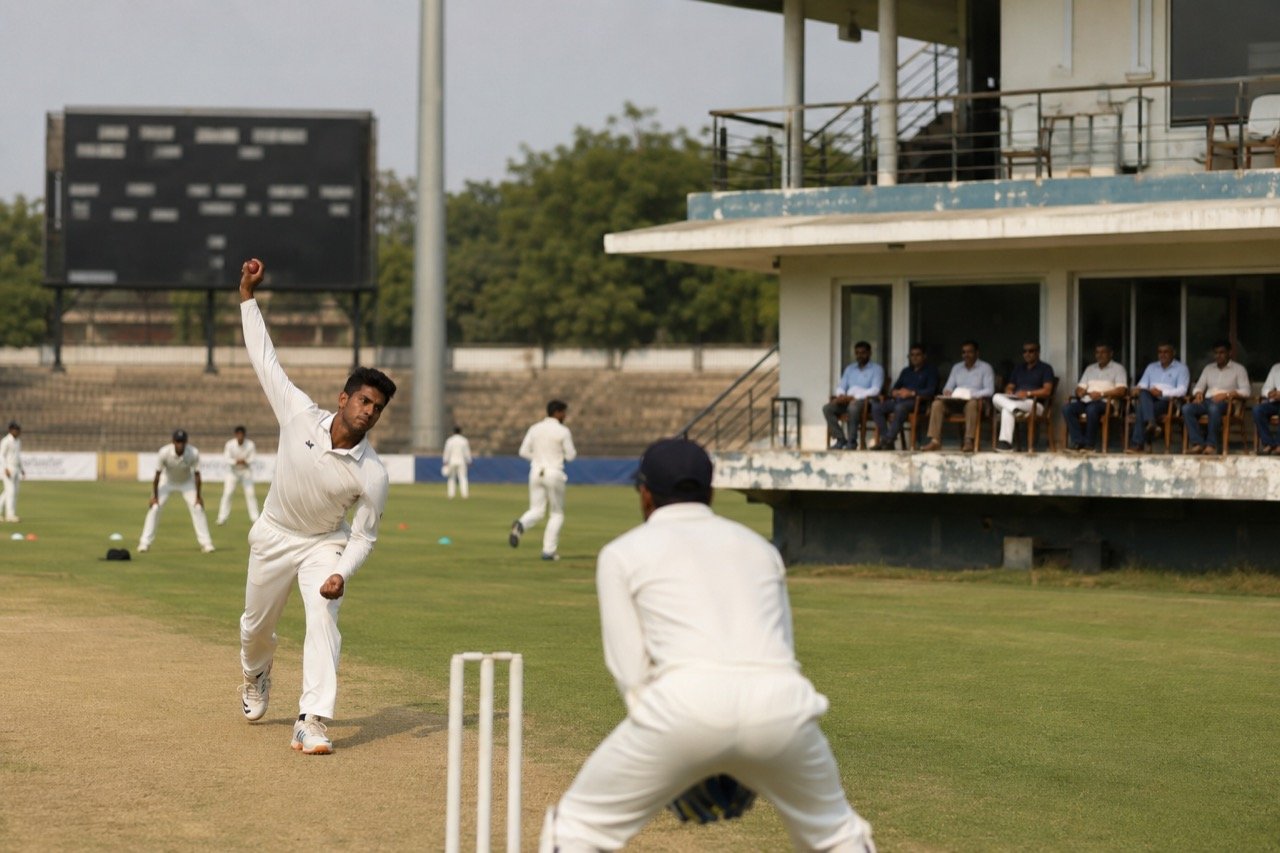
BCCI's New Emerging Tournament Deepens India's Red-Ball Pipeline
The BCCI's plan for an emerging men's multi-day tournament is being seen as a deliberate move to widen India's long-format talent pool beyond the established Ranji Trophy spotlight.
More from this section
More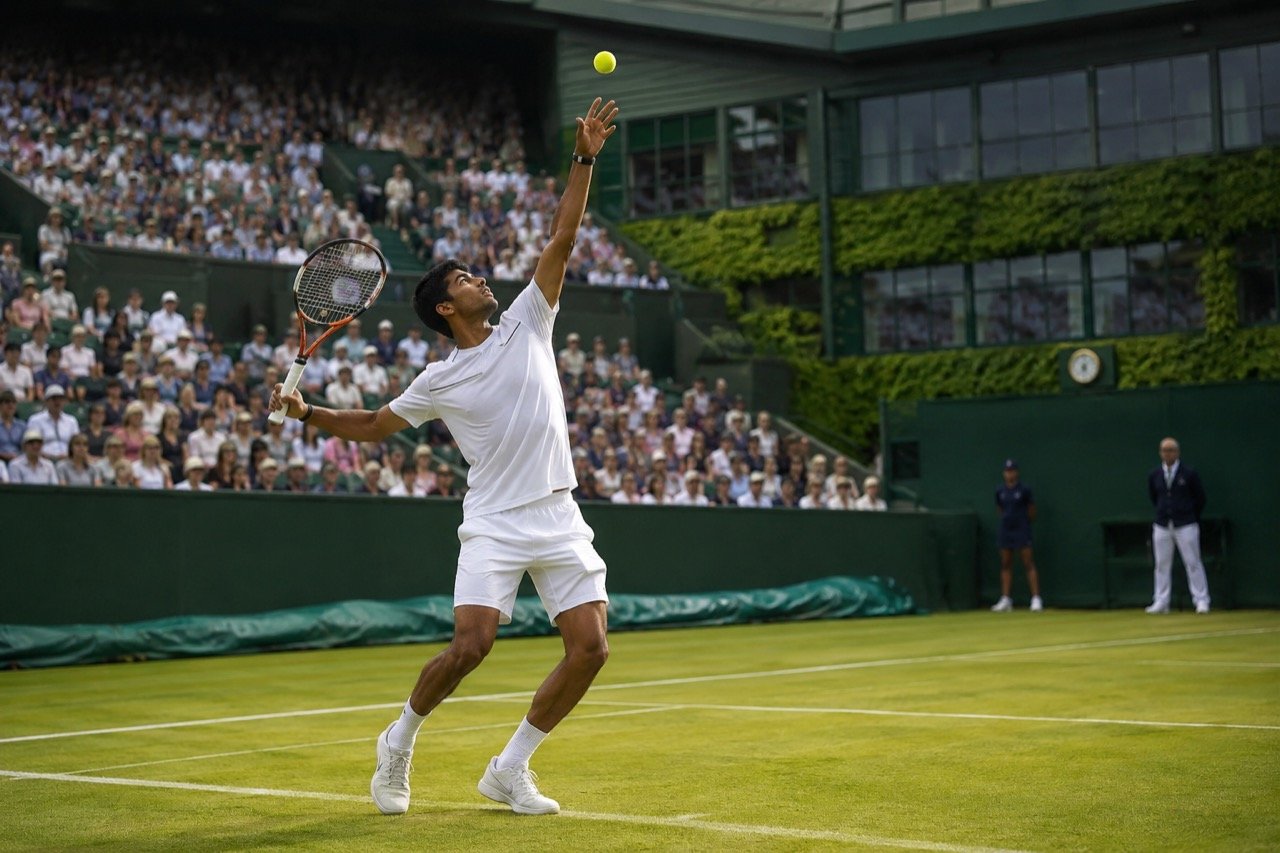
Arnav Paparkar Advances at Wimbledon Boys' Singles in Boost for India
Indian junior Arnav Paparkar has moved into the second round of the Wimbledon boys' singles with a commanding serving display, handing Indian tennis a rare and encouraging grass-court result at the sport's biggest stage.
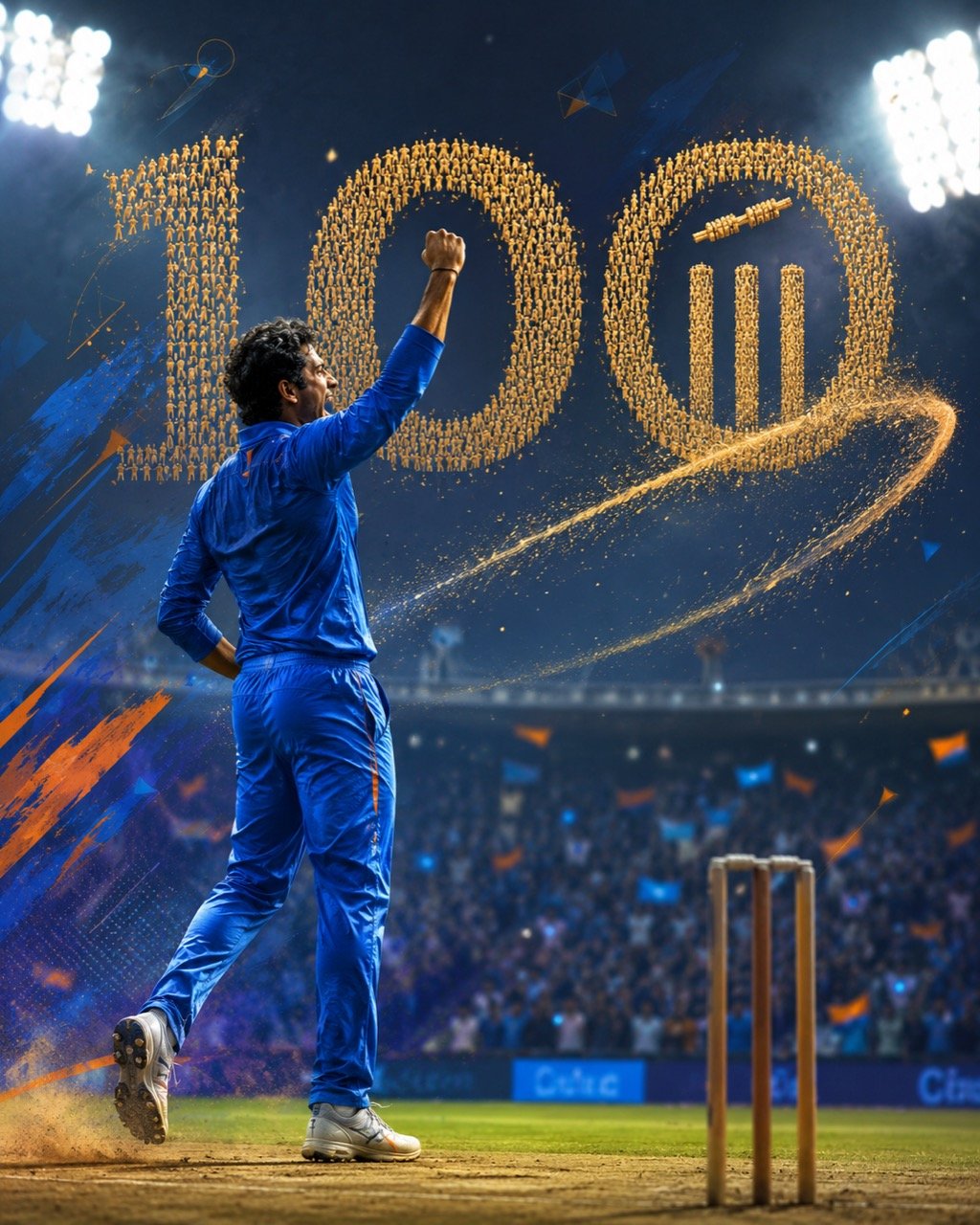
Axar Patel Becomes First Indian Spinner With 100 T20I Wickets
Axar Patel reached 100 T20 international wickets in the second T20I against England, becoming the first Indian spinner to hit the mark and cementing his standing as one of India's most durable white-ball performers.
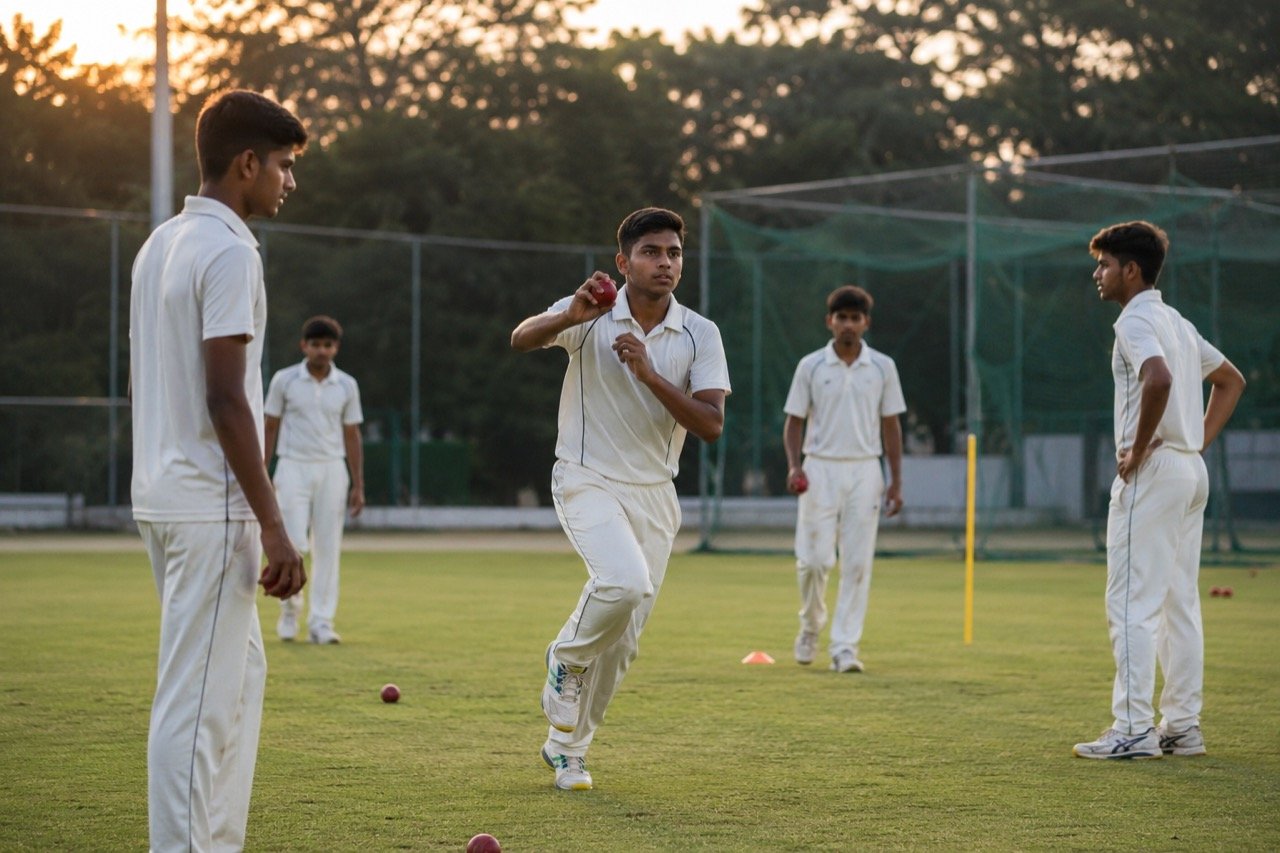
BCCI Emerging Men's Tournament to Hunt Test Prospects in Bengaluru
The BCCI's red-ball Emerging Men's Tournament, running at the Centre of Excellence in Bengaluru through July, is designed to give selectors a longer, harder look at India's next generation of Test cricketers.