India vs England 2nd T20I: Bethell's 76 Powers Four-Wicket Chase
Jacob Bethell's 76 off 46 balls steered England past India's 190 at Old Trafford, spoiling Vaibhav Sooryavanshi's record-breaking debut and handing the hosts a 1-0 lead in the five-match series.
Commentary & Analysis ·

England chased down 191 with four wickets to spare in the second T20I at Old Trafford, taking a 1-0 lead in the five-match series and turning what looked like a strong Indian batting performance into a story of a chase that got away. The night belonged to Jacob Bethell, whose 76 off 46 balls anchored the pursuit after England had slumped to 1 for 2 in the opening exchanges. The left-hander absorbed the early pressure, rebuilt with calm running and then accelerated through the middle overs, leaving India's bowlers chasing the game in the final stretch.
On the surface, this was a contest that India, on the numbers, had every right to expect to win. A target of 191 is a competitive total in modern T20 cricket, and losing both openers inside the first two runs ought to have handed the bowling side control of the innings. That England recovered from 1 for 2 to overhaul the target with four wickets in hand is, in itself, a small case study in how quickly momentum can shift in the shortest format, and why totals on paper rarely tell the full story of how a match actually unfolds.
Bethell's innings as the turning point
Bethell's 76 off 46 balls is the statistic around which the entire match pivots. An innings that begins under pressure, with wickets falling around him, requires a different skill set to one played with the platform already set. Bethell's task was first to survive the shock of early losses, then to rebuild the innings' tempo without surrendering further wickets, and only then to accelerate once the required rate demanded it. That sequencing — patience first, calculated aggression later — is precisely the template that modern T20 sides look for from a top-order batter, and it is notable that England found it from a player anchoring a chase rather than merely finishing one off.
The value of such an innings is not only in the runs themselves but in the calm it imposes on the rest of the batting order. Once Bethell had steadied the innings, the pressure on his partners eased, and England were able to time their acceleration through the middle overs rather than being forced into it by a rising asking rate. That distinction — dictating the chase rather than merely reacting to it — is what ultimately turned a game India were well placed to win into a defeat by four wickets.
Indian milestones lost in defeat
There was plenty for Indian fans to savour on an otherwise frustrating evening. Vaibhav Sooryavanshi became a record-breaking debutant at just 15, announcing himself with two sixes. Ishan Kishan top-scored with 49, while Axar Patel reached the landmark of 100 T20I wickets. Individually impressive, the moments could not be stitched into a collective result.
Each of these milestones speaks to a different strand of India's T20 project. Sooryavanshi's debut at 15 is a marker of the depth now being fast-tracked into the international set-up, a signal that India's talent pipeline is producing batters ready to contribute at the very top level well before they might once have been considered ready. Kishan's 49 is a reminder of the middle-order class that has long been part of India's white-ball resources, even when it does not convert into a match-winning total. Axar Patel's 100th T20I wicket, meanwhile, is a career landmark that speaks to sustained value as a bowling all-rounder over a long stretch of matches, rather than a single night's performance. That all three achievements occurred in a losing cause is the paradox of the match — a squad simultaneously showcasing its long-term promise and its immediate shortfall.
Where the game was actually decided
The pattern of the match came down to momentum. India put runs on the board but could not defend them at the death; England, having lost both openers cheaply, found acceleration exactly when it mattered. The margin — four wickets — flattered neither side, but the direction of the game in the last five overs was unmistakably England's.
This is the part of the contest that deserves the closest scrutiny, because it is where matches with competitive totals on both sides are actually settled. A bowling attack that restricts opponents through the middle overs but cannot close out the final five is giving back, in the last third of the innings, everything it built earlier. Conversely, a batting side that can identify and exploit that same period is converting a competitive chase into a routine one. On this evening, England were the side that read the closing overs correctly, and India were the side left explaining, after the fact, how a defendable total slipped away.
Questions before the next game
The defeat leaves India with familiar tactical puzzles: how to balance exciting youth against experienced heads, which bowlers should be trusted with the high-pressure overs, and how quickly the side can reset after a narrow loss. The third T20I will show whether this was a one-off slip or an early warning about closing out tight matches.
These questions are not new to Indian T20 cricket, but they carry particular weight in a series where the margins are this fine. Balancing a 15-year-old debutant's promise against the assurance of more seasoned campaigners is a selection dilemma that will recur throughout the series, not just in the next fixture. Equally pressing is the bowling question: identifying which bowlers are trusted with the 16th to 20th overs is not a decision that can be revisited match by match without cost to confidence and rhythm. How India respond — whether through personnel changes or simply sharper execution of an existing plan — will say much about the side's temperament heading into the remainder of the series.
The NE Times View
India's problem in Manchester was not talent but sequencing. A 15-year-old debutant clearing the ropes and Axar Patel's 100th wicket show the pipeline and the pedigree are both in place; what was missing was control of the last five overs with the ball. If India want this series, the selectors must resist reshuffling the batting and instead settle the death-bowling roles now — because England have clearly identified that phase as the place to win these games.
It is worth stressing that this is a solvable problem, and a narrower one than it might first appear. India do not need a wholesale rebuild of their batting order, which has already produced a competitive total and a clutch of individual milestones. What they need is clarity of role in the death overs, so that the side is not searching for answers under pressure in a live match but instead executing a plan settled well in advance. England, by contrast, appear to already have that clarity, and used it to turn a losing position at 1 for 2 into a series lead. Until India match that certainty, close totals like 191 will keep proving insufficient.
Key takeaways
- England chased down 191 with four wickets to spare at Old Trafford, taking a 1-0 lead in the five-match series.
- Jacob Bethell's 76 off 46 balls, built after England slipped to 1 for 2, was the decisive innings of the match.
- Vaibhav Sooryavanshi (record-breaking debutant at 15, two sixes), Ishan Kishan (49) and Axar Patel (100th T20I wicket) all delivered individual milestones in a losing cause.
- The match turned on the final five overs, where England seized momentum India could not regain.
- India's central issue heading into the third T20I is settling death-bowling roles rather than reshuffling the batting order.
You may also like to read
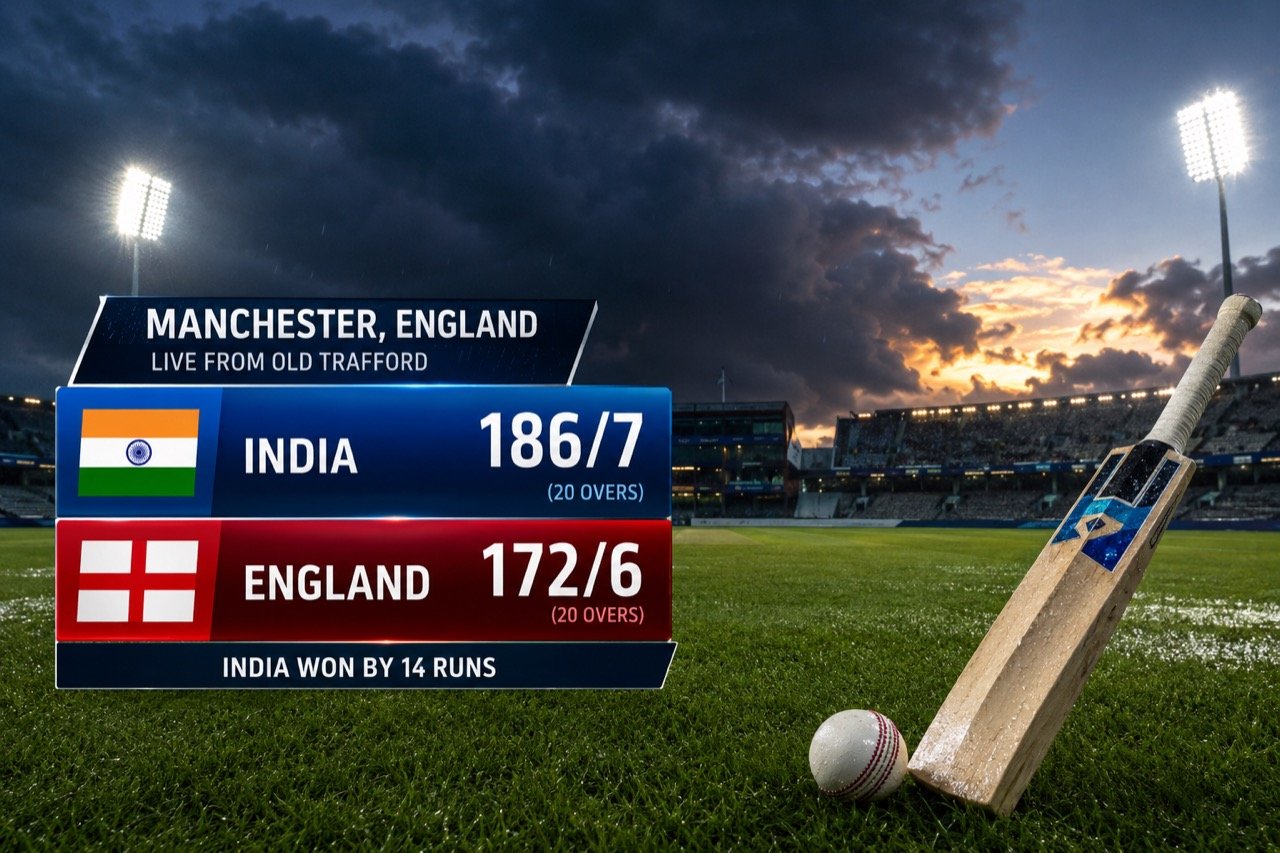
England vs India 2nd T20I: Defeat Puts India's Tactics Under Scrutiny
England's win in the second T20I has shifted the series conversation from team combinations to India's response, with selection calls, death-over plans and finishing roles now firmly under the spotlight.
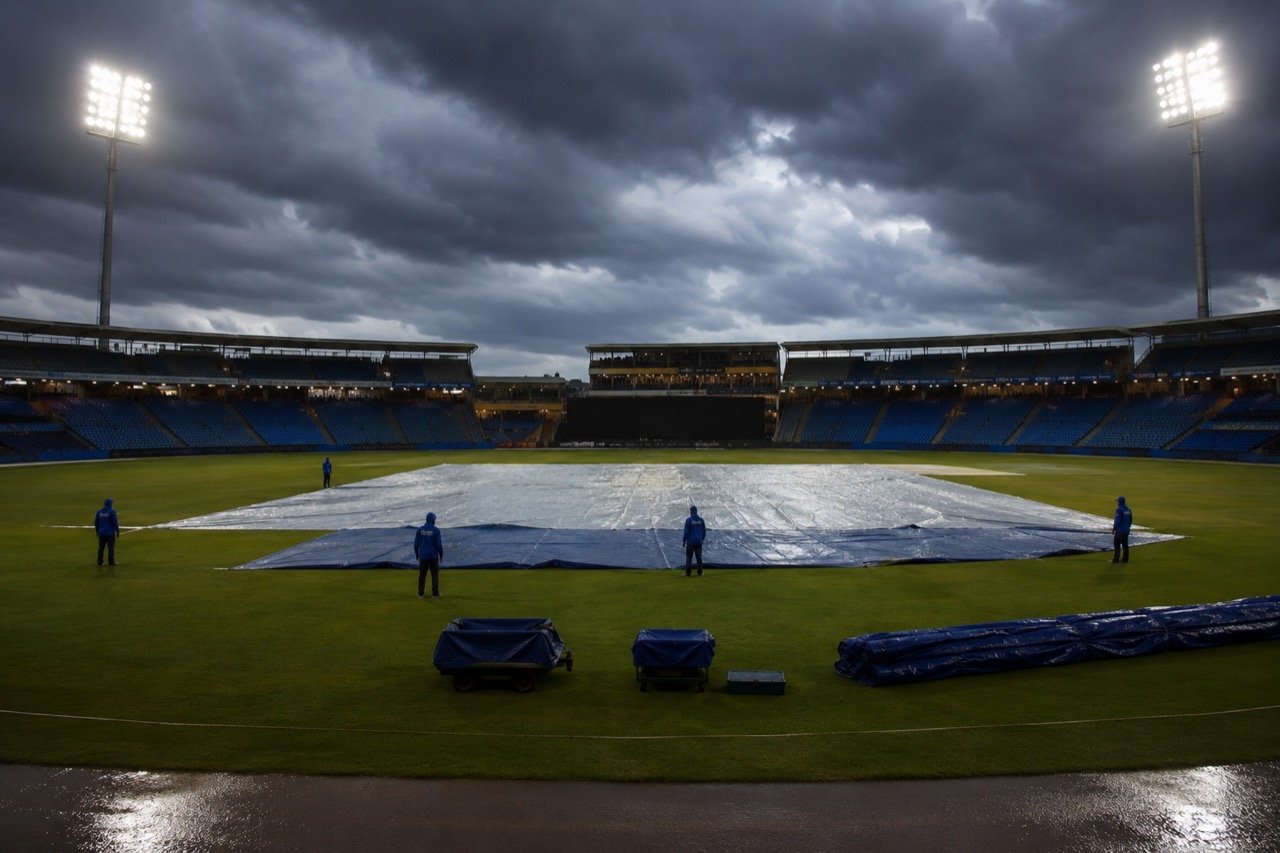
Rain Threat Looms Over India vs England 2nd T20I Match Day
Fans tracking the second India-England T20I are watching the skies as much as the pitch, with rain forecasts, streaming details and playing XI questions shaping expectations before the first ball.
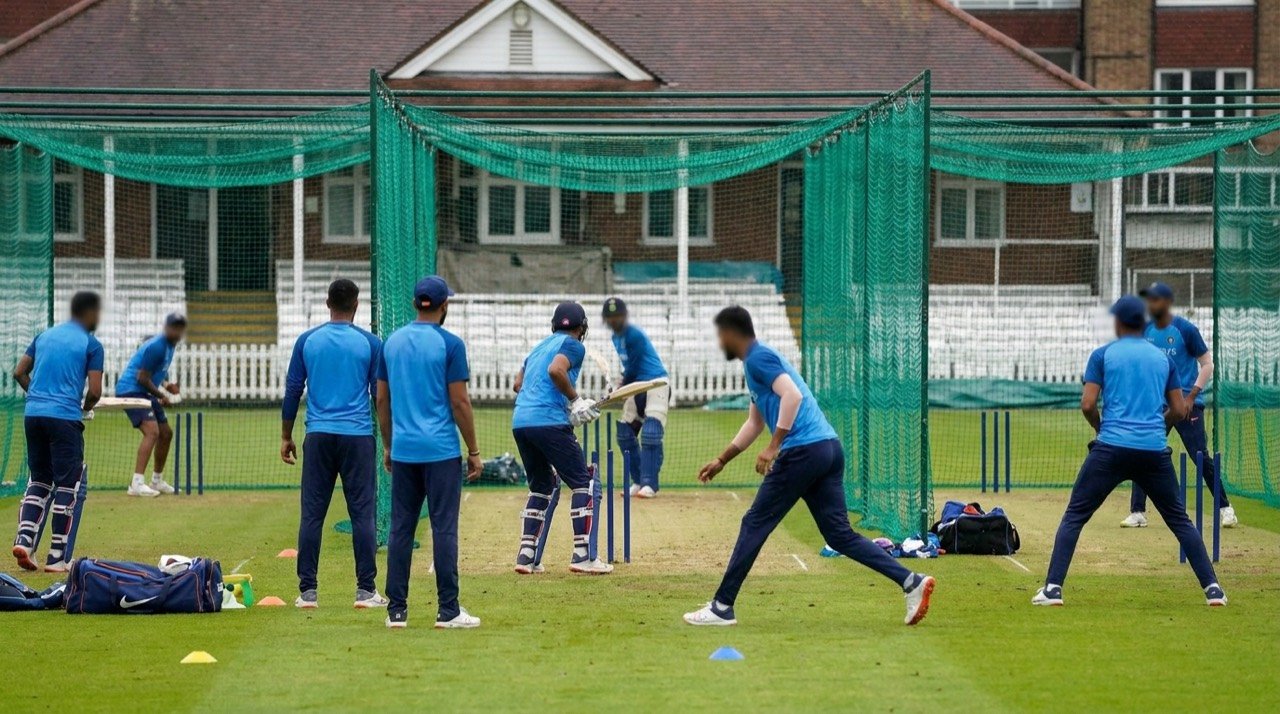
India Finalise T20I Squad for England Tour as Iyer Leads, Bumrah Rested and Shedge Earns Call-Up
India have locked in their Twenty20 squad for the five-match England tour starting 1 July, with Shreyas Iyer captaining, Jasprit Bumrah rested and Suryansh Shedge a surprise injury replacement.
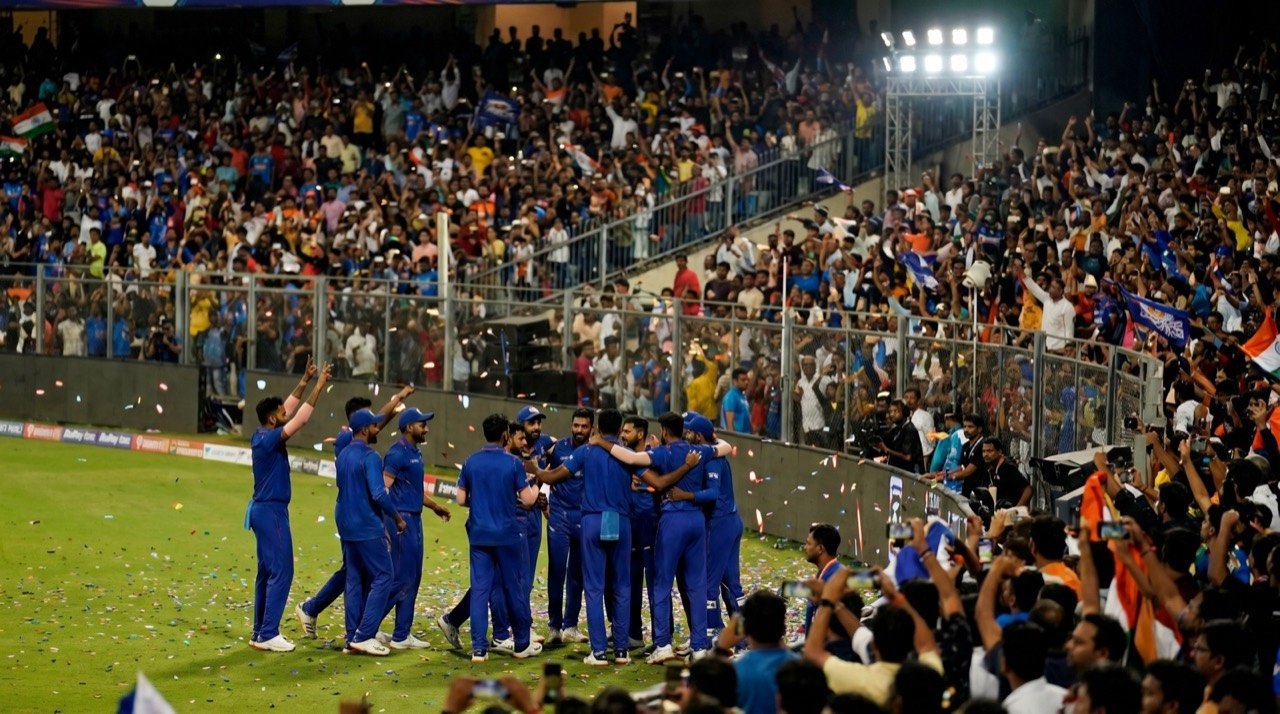
Iyer To Lead Young India On Ireland And England T20I Tour
Shreyas Iyer will captain a refreshed 16-man India side across two T20Is in Belfast and a five-match series in England, with Tilak Varma as deputy and teenager Vaibhav Suryavanshi retained for the white-ball trip.
More from this section
More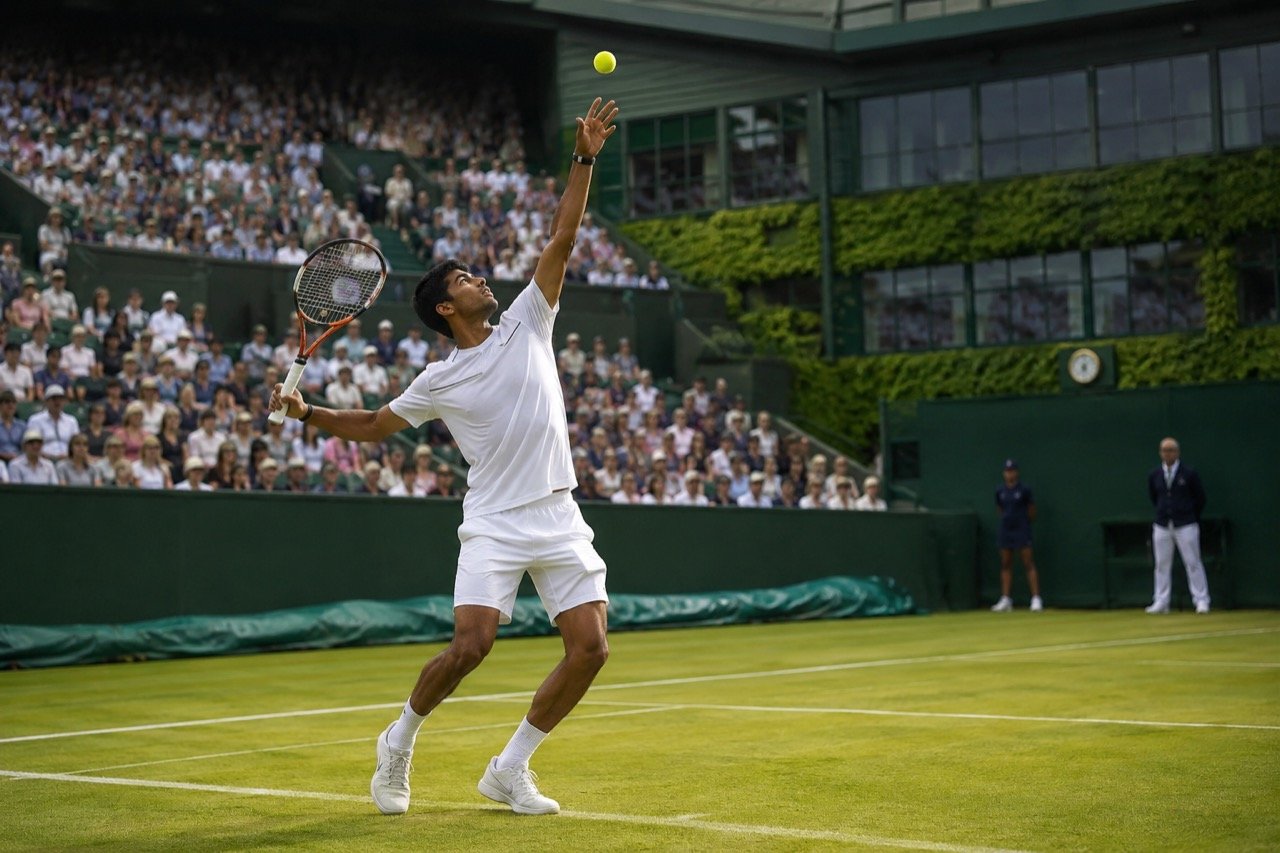
Arnav Paparkar Advances at Wimbledon Boys' Singles in Boost for India
Indian junior Arnav Paparkar has moved into the second round of the Wimbledon boys' singles with a commanding serving display, handing Indian tennis a rare and encouraging grass-court result at the sport's biggest stage.

Axar Patel Becomes First Indian Spinner With 100 T20I Wickets
Axar Patel reached 100 T20 international wickets in the second T20I against England, becoming the first Indian spinner to hit the mark and cementing his standing as one of India's most durable white-ball performers.

BCCI Emerging Men's Tournament to Hunt Test Prospects in Bengaluru
The BCCI's red-ball Emerging Men's Tournament, running at the Centre of Excellence in Bengaluru through July, is designed to give selectors a longer, harder look at India's next generation of Test cricketers.