Hardik Pandya Joins BCCI CoE Performance Block in Calculated Comeback Plan
The BCCI Centre of Excellence has rolled out a year-round performance block for centrally contracted cricketers, and Hardik Pandya is among the first big names using it to script his return.
Commentary & Analysis ·
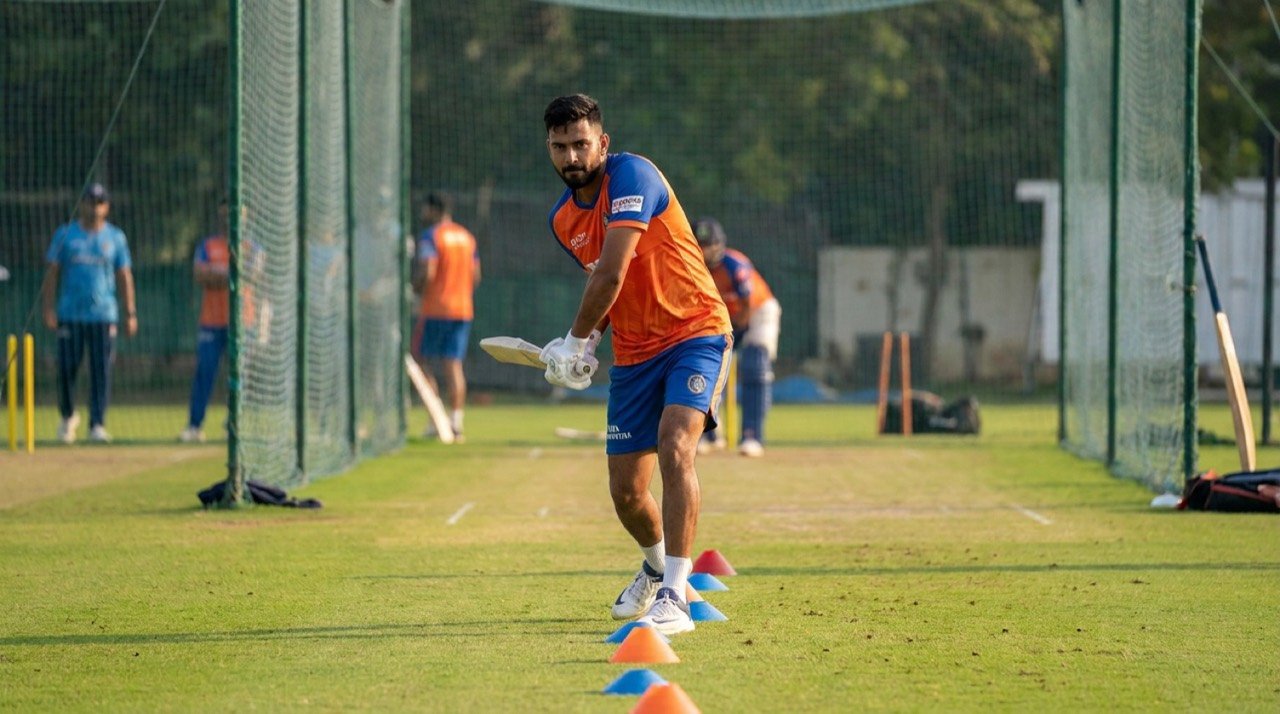
Hardik Pandya's road back to the India side is being shaped less by the calendar and more by a new approach to player readiness. The all-rounder has become one of the first marquee cricketers to enter a freshly launched performance block programme at the BCCI Centre of Excellence (CoE) in Bengaluru, a scheme designed to keep centrally contracted players match-sharp the year round rather than simply medically signed off. That a player of Pandya's profile has been placed in the programme so early in its life is itself a signal, one that says as much about the BCCI's confidence in the system as it does about Pandya's own standing within it.
What the performance block actually does
Under the model, the CoE no longer treats injury recovery as the finishing line. Instead, a player works through structured, specialist-led blocks that target specific skills, fitness markers and game scenarios, with clearance tied to demonstrated performance readiness and not only to a clean scan or a passed clinical test. This is a meaningful conceptual shift. Historically, the pathway back to the India side has been binary: a player is either injured or fit, and once a scan comes back clean or a fitness test is cleared, selection conversations resume. The performance block instead treats readiness as a spectrum, measured through match-simulating stress rather than static assessment.
For an explosive all-rounder like Pandya, whose value rests on bowling at pace, hitting through the line and fielding athletically, that distinction matters enormously. Returning fit on paper has historically not guaranteed that a cricketer can withstand the repeated stresses of seam bowling and power-hitting across a full match. A body can pass a clinical test while still lacking the accumulated bowling overs, the repeated explosive movements, or the fielding sprints that international cricket actually demands. The performance block is, in effect, an attempt to close that gap between clinical clearance and competitive durability.
Why Pandya is the test case
Pandya has spent stretches of his career managing his body, and the BCCI has long sought a more reliable way to bring its key multi-format assets back into competition. His history of injury-interrupted returns makes him an instructive, if high-pressure, proving ground for the new system. By placing him in the programme early, the board signals both confidence in the system and the importance it attaches to having him available for white-ball assignments. There is an obvious logic here: if the CoE's methodology can be validated on one of India's most scrutinised and injury-prone match-winners, it earns credibility for use across the wider pool of centrally contracted players.
The programme also reflects a wider shift in Indian cricket's high-performance thinking, where workload data, individualised conditioning and skills work are increasingly integrated rather than handled in silos. For years, critics of Indian cricket's fitness culture have pointed to a disconnect between the medical staff who clear a player and the coaching staff who then have to manage that player's workload in the middle. A programme that folds skills-specific, game-scenario training into the recovery process itself is designed to remove exactly that disconnect, so that the player who walks out of the CoE is not merely cleared but tested.
What it means for Indian cricket
If the block delivers as intended, India's selectors gain a clearer, evidence-based picture of when a returning player is genuinely ready, reducing the risk of rushed comebacks and relapses. This has consequences that go beyond any one player. Indian cricket's packed multi-format calendar leaves little room for a returning player to be eased back in gradually at the international level; a series often demands full participation from the first match. A structured, data-backed clearance process, if it holds up, would give team management more confidence to select a returning player into that demanding schedule rather than treating every comeback as a gamble.
There are several elements to the programme worth noting individually: year-round, specialist-led skills and conditioning for centrally contracted players; clearance linked to performance readiness rather than just clinical fitness; individualised blocks targeting bowling, batting and fielding loads separately; a data-driven framework intended to help time international returns more precisely; and Pandya being among the first high-profile names to go through the system. Taken together, these represent an attempt to institutionalise what has often been an ad hoc, player-by-player negotiation between medical staff, coaches and selectors.
Stakeholders and what they stand to gain
For the BCCI, the programme is a chance to demonstrate that its investment in the CoE produces tangible outcomes rather than serving as an expensive but underused facility. For team management and selectors, a reliable readiness framework reduces the guesswork that has historically accompanied comeback decisions, particularly for all-rounders whose bowling workload is the hardest variable to manage safely. For Pandya himself, successful passage through the block could help settle lingering questions about his long-term durability, questions that have shadowed his selection conversations for several years. And for other centrally contracted players carrying injury histories, Pandya's experience will likely serve as the reference case, for better or worse, when their own turns in the programme arrive.
What to watch next
The coming weeks will show how the programme translates into match availability. The most telling indicator will not be whether Pandya is declared fit, but whether his return, once it comes, proves durable across a full assignment rather than breaking down again under repeated match load. For now, Pandya's participation offers a template that other returning India cricketers are likely to follow, with the CoE positioned as the hub where comebacks are built rather than merely cleared.
The NE Times View
The BCCI's year-round performance block is the more important story here, with Pandya merely its highest-profile beneficiary. Treating fitness and rehabilitation as a structured, contracted obligation rather than an individual's burden is overdue professionalism for Indian cricket, an acknowledgment that elite multi-format cricket places demands on the body that a single clinical sign-off cannot adequately capture. The real test, however, lies ahead. If the CoE delivers durable returns to play for ageing stars and repeat-injury cases, it will justify the scale of investment behind it. If it instead becomes a vanity facility, producing the same cycle of comeback and relapse under a more elaborate name, the credibility gained from this early, high-profile trial will just as quickly be spent.
Key takeaways
- Hardik Pandya has entered a new BCCI CoE performance block programme that ties clearance to demonstrated performance readiness rather than clinical fitness alone.
- The model uses specialist-led, individualised blocks targeting bowling, batting and fielding loads across the year for centrally contracted players.
- Pandya's injury history makes him a high-visibility test case for whether the new framework can produce more durable international comebacks.
- Success would give selectors a more reliable, data-driven basis for timing returns and reduce the risk of rushed comebacks and relapses.
- The programme's real validation will come from whether Pandya's eventual return holds up across a full assignment, not merely whether he is declared fit.
You may also like to read
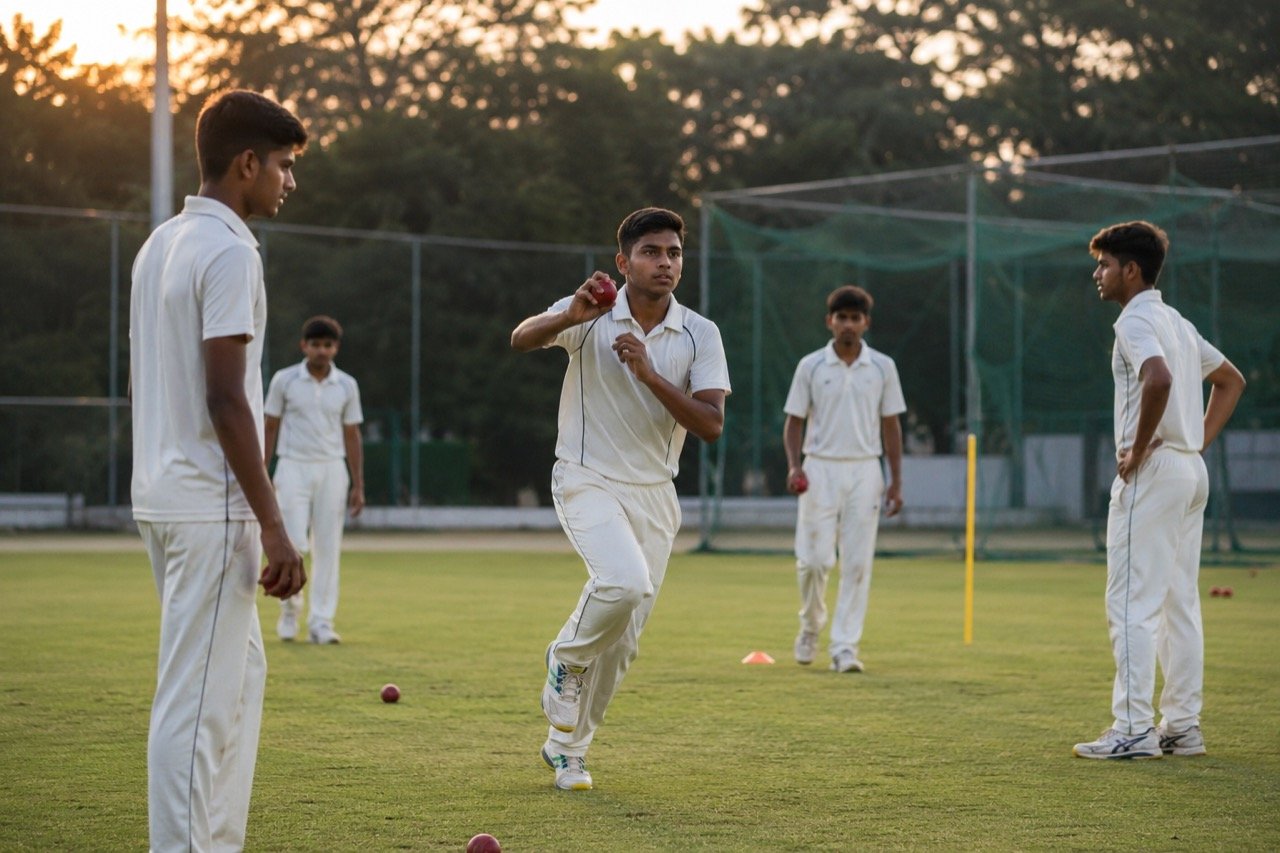
BCCI Emerging Men's Tournament to Hunt Test Prospects in Bengaluru
The BCCI's red-ball Emerging Men's Tournament, running at the Centre of Excellence in Bengaluru through July, is designed to give selectors a longer, harder look at India's next generation of Test cricketers.
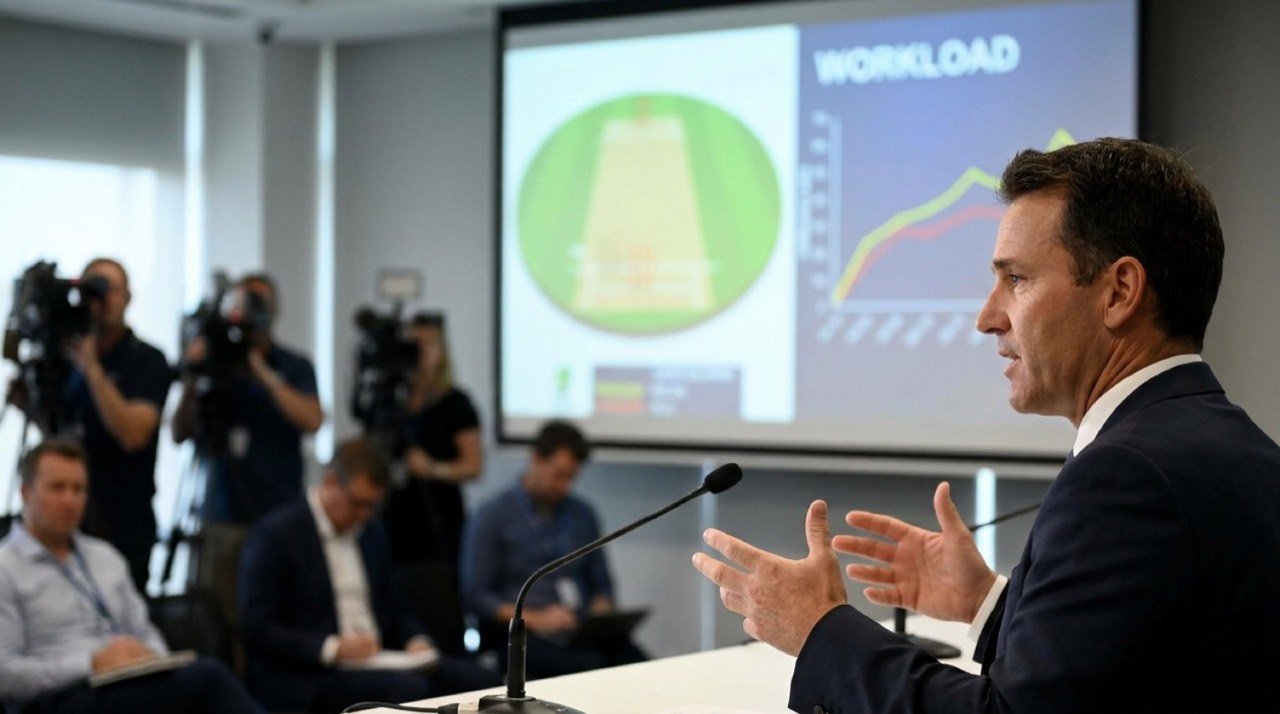
Gavaskar Urges BCCI to Create One-Month Rest Window for India Players
Former India captain Sunil Gavaskar has called for a planned one-month rest window for Indian cricketers and stronger protection of the India cap, reigniting the debate over workload in a crowded calendar.
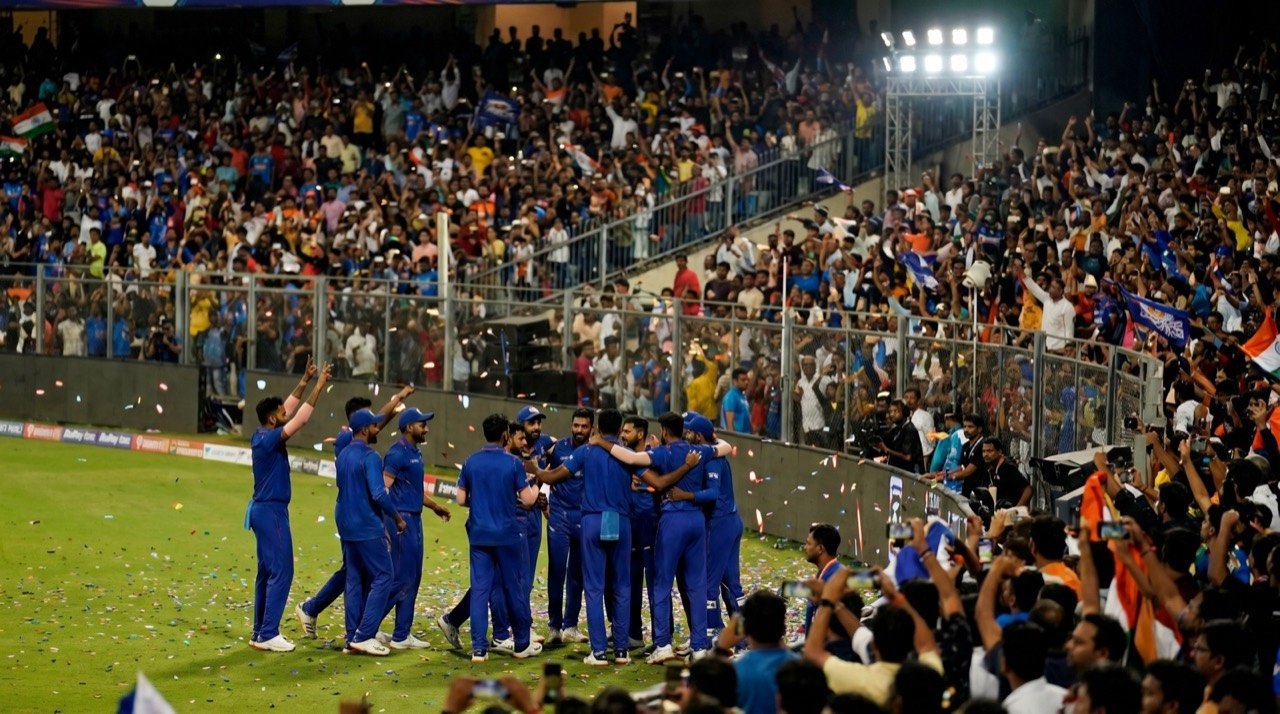
BCCI Unveils Vast 2026-27 Domestic Calendar With Duleep Trophy Curtain-Raiser
The Board has announced a sprawling 2026-27 domestic season of nearly 1,800 matches, opening with the Duleep Trophy on 23 August and splitting the Ranji Trophy into two phases to protect player workloads.
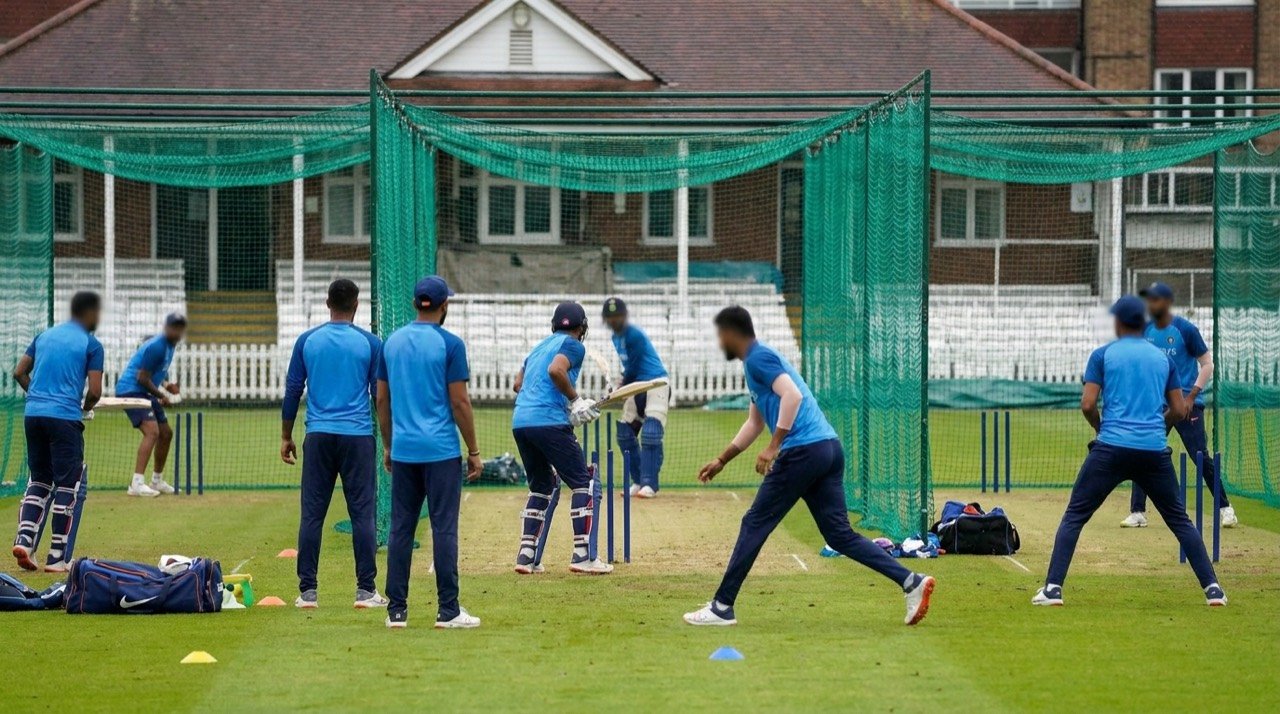
India Finalise T20I Squad for England Tour as Iyer Leads, Bumrah Rested and Shedge Earns Call-Up
India have locked in their Twenty20 squad for the five-match England tour starting 1 July, with Shreyas Iyer captaining, Jasprit Bumrah rested and Suryansh Shedge a surprise injury replacement.
More from this section
More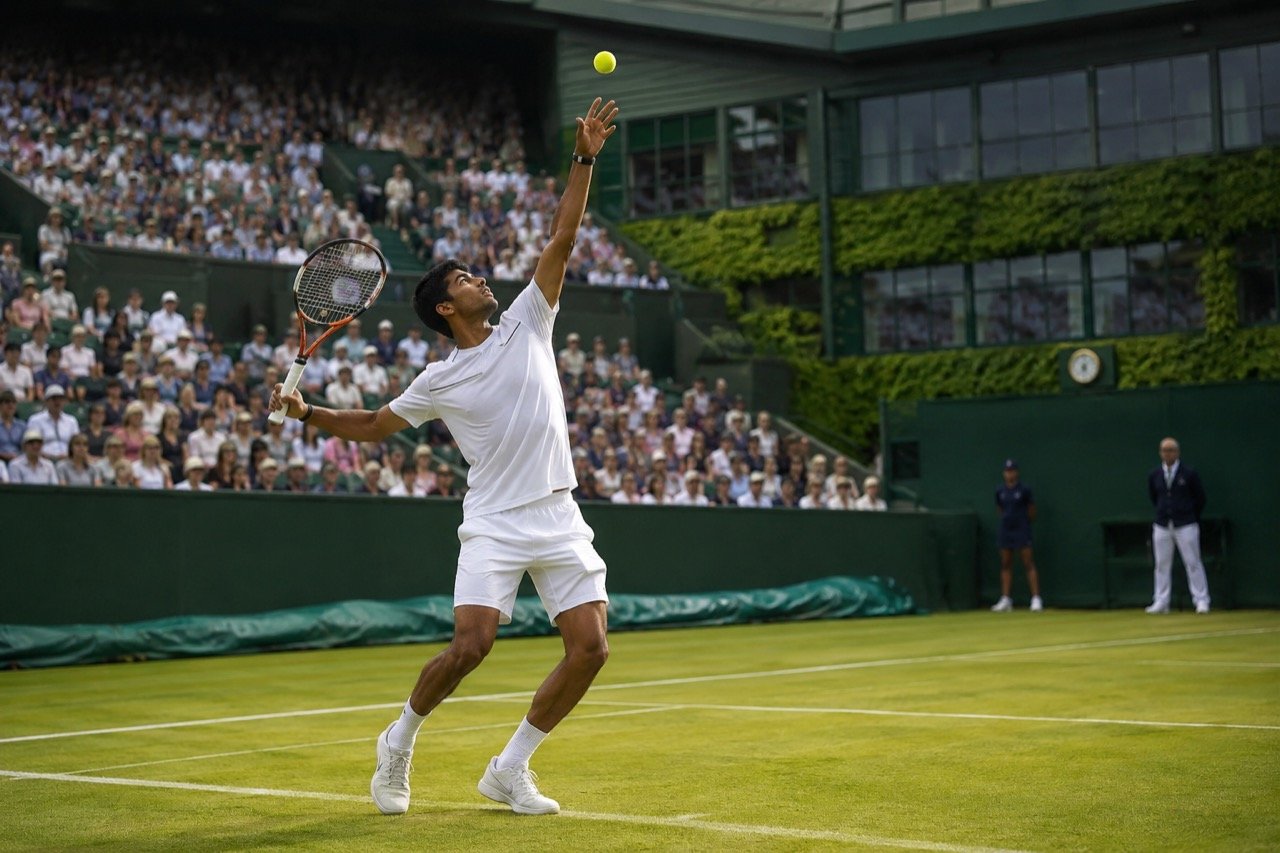
Arnav Paparkar Advances at Wimbledon Boys' Singles in Boost for India
Indian junior Arnav Paparkar has moved into the second round of the Wimbledon boys' singles with a commanding serving display, handing Indian tennis a rare and encouraging grass-court result at the sport's biggest stage.

Axar Patel Becomes First Indian Spinner With 100 T20I Wickets
Axar Patel reached 100 T20 international wickets in the second T20I against England, becoming the first Indian spinner to hit the mark and cementing his standing as one of India's most durable white-ball performers.
BCCI Emerging Men's Tournament to Hunt Test Prospects in Bengaluru
The BCCI's red-ball Emerging Men's Tournament, running at the Centre of Excellence in Bengaluru through July, is designed to give selectors a longer, harder look at India's next generation of Test cricketers.