BCCI Unveils Vast 2026-27 Domestic Calendar With Duleep Trophy Curtain-Raiser
The Board has announced a sprawling 2026-27 domestic season of nearly 1,800 matches, opening with the Duleep Trophy on 23 August and splitting the Ranji Trophy into two phases to protect player workloads.
Commentary & Analysis ·
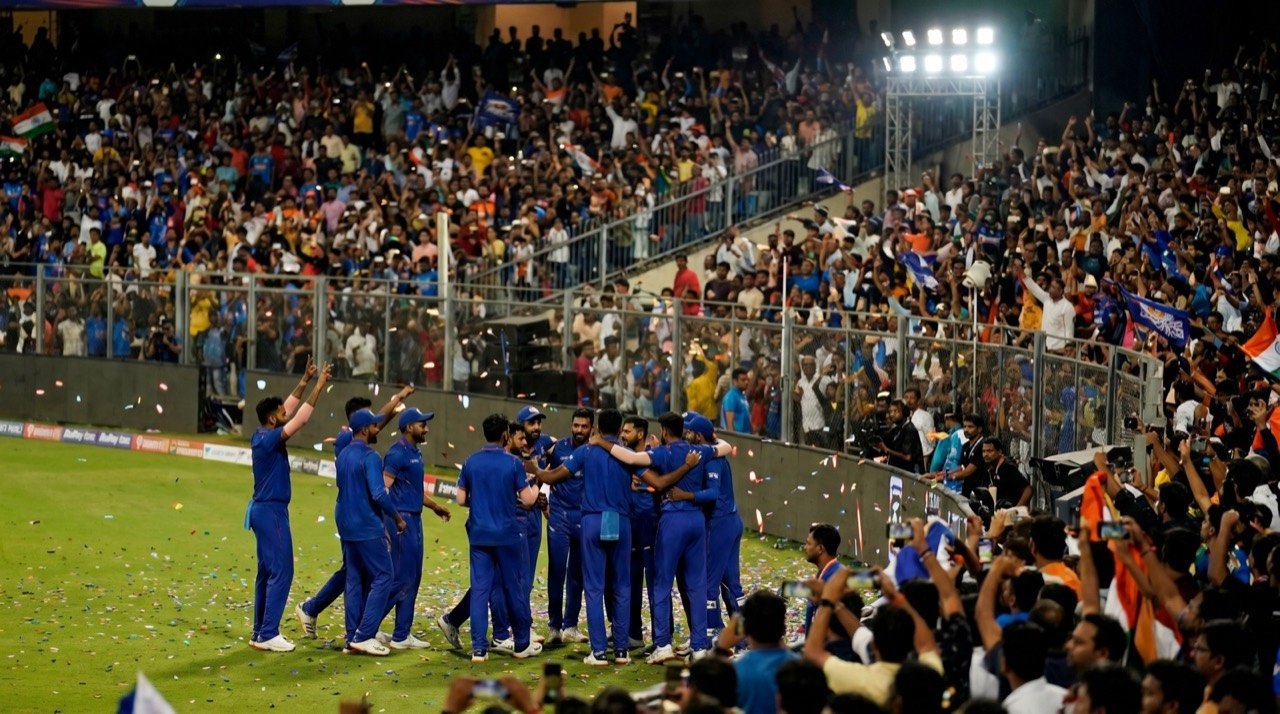
The Board of Control for Cricket in India has unveiled its 2026-27 domestic calendar, a sprawling programme of close to 1,788 matches across formats and age groups that will once again form the backbone of the country's player-development pipeline. The sheer scale of the exercise is worth pausing on: nearly eighteen hundred fixtures, spread across men's and age-group cricket, multi-day and limited-overs formats, represent one of the largest annual domestic sporting calendars anywhere in the world. For a cricket board that governs a country of India's size and depth of talent, the calendar is less a schedule than an infrastructure project, one that quietly decides which young cricketers get seen, which get overlooked, and which formats they are trained to master.
The schedule reflects a continuing effort to balance volume with recovery in an increasingly congested cricketing year. Indian domestic cricket does not operate in isolation. It sits alongside an international calendar thick with bilateral series and global events, and a franchise ecosystem, led by the Indian Premier League, that has its own gravitational pull on players, broadcasters and sponsors. Any domestic calendar drawn up today has to reconcile three competing demands at once: producing Test-quality cricketers through the discipline of multi-day cricket, giving young players exposure to the shorter formats that increasingly define professional opportunity, and protecting players from the burnout that comes with an ever-expanding fixture list. The 2026-27 calendar is the BCCI's latest attempt to hold that balance.
Duleep Trophy opens the season
The campaign begins with the Duleep Trophy on 23 August, the six-team zonal competition retaining its place as the traditional curtain-raiser to the red-ball season. The tournament has long served as an early showcase for fringe internationals and uncapped hopefuls pressing for higher honours. Its position at the very start of the season is itself significant. By opening the year with a first-class, zonal contest rather than a white-ball tournament, the BCCI is making a statement of priorities before a ball is even bowled in anger: that the pathway to India's Test team still runs through red-ball cricket played in front of national selectors, not through T20 franchises or short-form exhibitions.
Multi-day cricket remains at the heart of the structure, a signal that the Board continues to prioritise the longer formats as the primary route to Test selection even amid the commercial pull of franchise and white-ball cricket. This is not a small thing to reaffirm in 2026. Across world cricket, boards have faced pressure to shrink first-class programmes in favour of more marketable T20 cricket, given the revenue and broadcast interest the shorter format commands. By retaining the Duleep Trophy as the season's opener and keeping multi-day cricket structurally central, the BCCI is effectively betting that India's competitive advantage, a deep bench of red-ball-trained players ready to step into the Test side, is worth preserving even at the cost of a packed, demanding calendar.
Phased Ranji and a workload focus
The Ranji Trophy will begin on 11 October and, like the Col. C.K. Nayudu Trophy starting a day later, will be contested in two phases. The split is designed to give players adequate recovery time across a demanding season while preserving the centrality of multi-day cricket in the domestic ecosystem. This phased structure marks a meaningful departure from a straightforward, continuous league format, and it points to a Board that has absorbed lessons about player workload that have become increasingly hard to ignore. Fast bowlers in particular are vulnerable to stress injuries when first-class cricket is scheduled back-to-back with limited gaps, and a phased Ranji Trophy effectively builds recovery windows into the season's architecture rather than leaving them to chance or to individual state associations to manage.
That the Col. C.K. Nayudu Trophy, the premier Under-23 tournament, follows the same phased model as the Ranji Trophy is also notable. It suggests the workload-management principle is not being applied only to the senior domestic competition but is being extended down the pipeline to younger cricketers who are still developing physically. Managing burnout at the Under-23 level has long-term implications: cricketers who break down or lose form in their early twenties because of overuse rarely get a second run at selectors' attention. A calendar that protects this age group from unsustainable congestion is, in effect, protecting the talent pool that will eventually feed the senior Ranji Trophy and, from there, the India team.
Aligning with the modern game
Among the notable structural changes, the Board has converted the Men's U23 State A Trophy and the Vizzy Trophy from one-day competitions into Twenty20 tournaments. Officials framed the shift as an attempt to align domestic pathways with the evolving demands of the modern game, where T20 skills are increasingly prized at the professional level. As one board official put it, paraphrased, the aim is to keep producing Test cricketers through multi-day cricket while making sure young players also master the formats the game is moving towards.
This conversion is a pragmatic acknowledgement of where professional cricket earns its living. The IPL and other T20 leagues around the world have made Twenty20 competence a prerequisite for a lucrative playing career, and a young cricketer who cannot adapt to the format's tactical and technical demands, quick scoring, death-overs execution, variations in bowling, is at a real disadvantage regardless of how well he plays the longer game. By converting these age-group and invitational tournaments to T20 rather than touching the flagship first-class competitions, the BCCI appears to be carving out a deliberate two-track development system: preserve the Ranji Trophy and Duleep Trophy as the crucible for Test cricketers, while using selected other tournaments as a testing ground for T20 specialists. Whether this bifurcation produces well-rounded cricketers who can move between formats, or instead produces two separate classes of player, is something only time and results will tell.
Balancing modernisation against tradition
With recovery windows built in and a clearer emphasis on format-specific skills, the 2026-27 calendar represents an attempt to modernise without abandoning the red-ball foundations that have long underpinned Indian cricket's depth. This is a delicate balancing act for any board to manage, and it is one with real consequences beyond India's borders. Indian domestic cricket, by virtue of the country's population and playing depth, effectively functions as a talent factory for world cricket, and decisions made in BCCI boardrooms about format allocation ripple outward into how the international game develops its next generation of Test batters, all-format bowlers and white-ball specialists alike. State associations, coaches and support staff will now need to plan training programmes that serve both tracks, first-class technique for the Ranji and Duleep pathway, and T20-specific skills for tournaments like the newly converted Vizzy Trophy, without one crowding out the other in players' limited practice time.
The NE Times View
A 1,800-match season signals welcome investment in the domestic game, and splitting the Ranji Trophy to manage workloads shows the BCCI finally treating player fatigue as a structural problem rather than an afterthought. The decision to convert the Under-23 State A Trophy and the Vizzy Trophy to T20 is a sensible nod to where the professional game's incentives lie, without touching the sanctity of the Ranji and Duleep Trophies as the primary proving ground for Test aspirants. The risk, however, is scheduling sprawl diluting the prestige of red-ball cricket: when nearly 1,800 matches compete for public and media attention across a single season, it becomes harder for any individual match, or even any individual tournament, to command the spotlight it once did. The real test is whether this volume produces Test-ready cricketers or simply more fixtures chasing thinning attention. That verdict will not be visible in the calendar itself, but in the quality of the cricketers who emerge from it over the coming seasons.
Key takeaways
- The BCCI's 2026-27 domestic calendar comprises roughly 1,788 matches across formats and age groups, one of the largest domestic cricket programmes in the world.
- The season opens with the Duleep Trophy on 23 August, followed by the Ranji Trophy on 11 October and the Col. C.K. Nayudu Trophy on 12 October, both phased in two parts to manage player workload.
- The Men's U23 State A Trophy and the Vizzy Trophy have been converted from one-day to Twenty20 formats, reflecting a deliberate push to develop T20-specific skills alongside traditional red-ball pathways.
- The calendar's two-track structure, preserving multi-day cricket for Test pathways while adapting select tournaments to T20, illustrates the BCCI's attempt to modernise without eroding its red-ball foundations.
- The central unresolved question is whether the scale and structure of the calendar will translate into better-prepared Test cricketers, or whether sheer volume will dilute the prestige and attention each competition receives.
You may also like to read
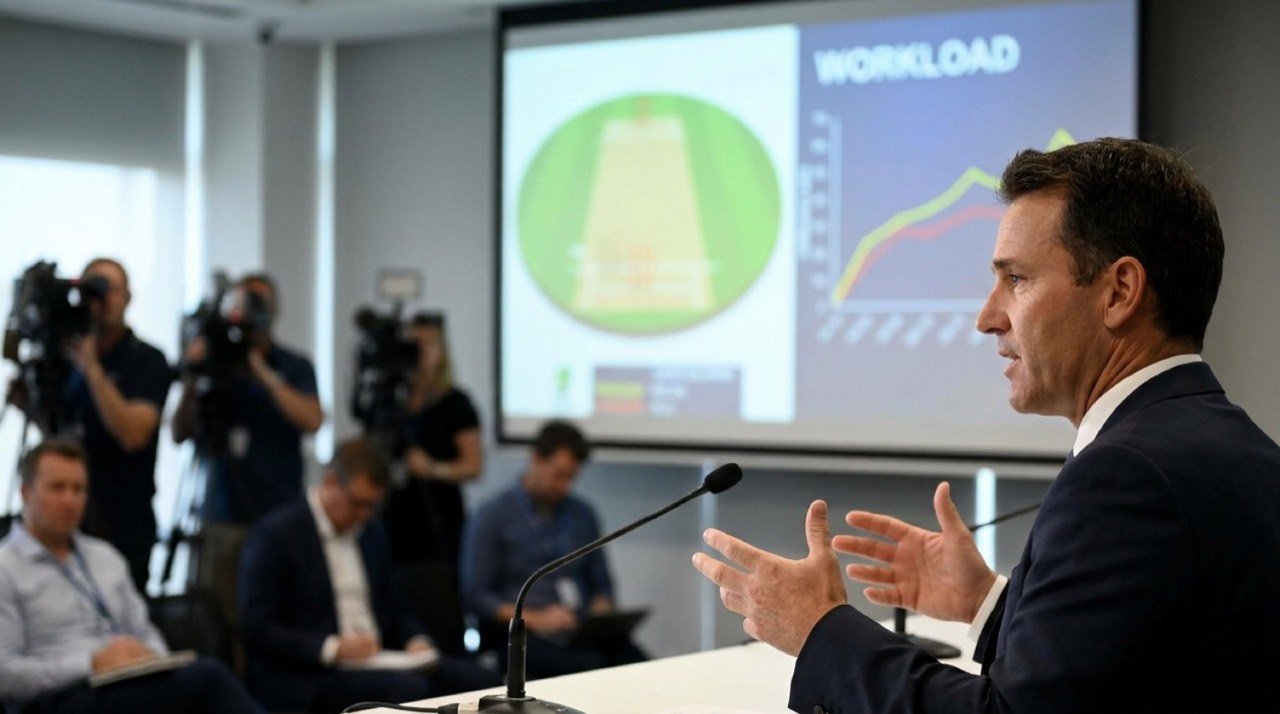
Gavaskar Urges BCCI to Create One-Month Rest Window for India Players
Former India captain Sunil Gavaskar has called for a planned one-month rest window for Indian cricketers and stronger protection of the India cap, reigniting the debate over workload in a crowded calendar.
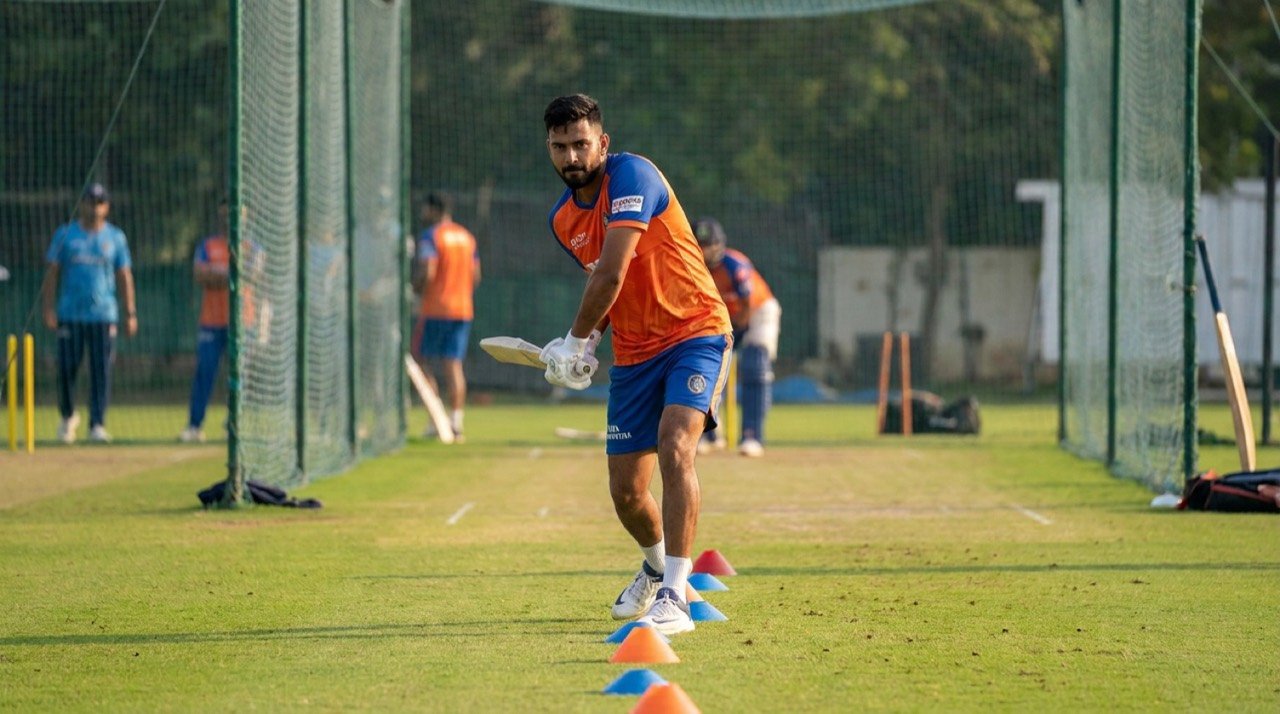
Hardik Pandya Joins BCCI CoE Performance Block in Calculated Comeback Plan
The BCCI Centre of Excellence has rolled out a year-round performance block for centrally contracted cricketers, and Hardik Pandya is among the first big names using it to script his return.
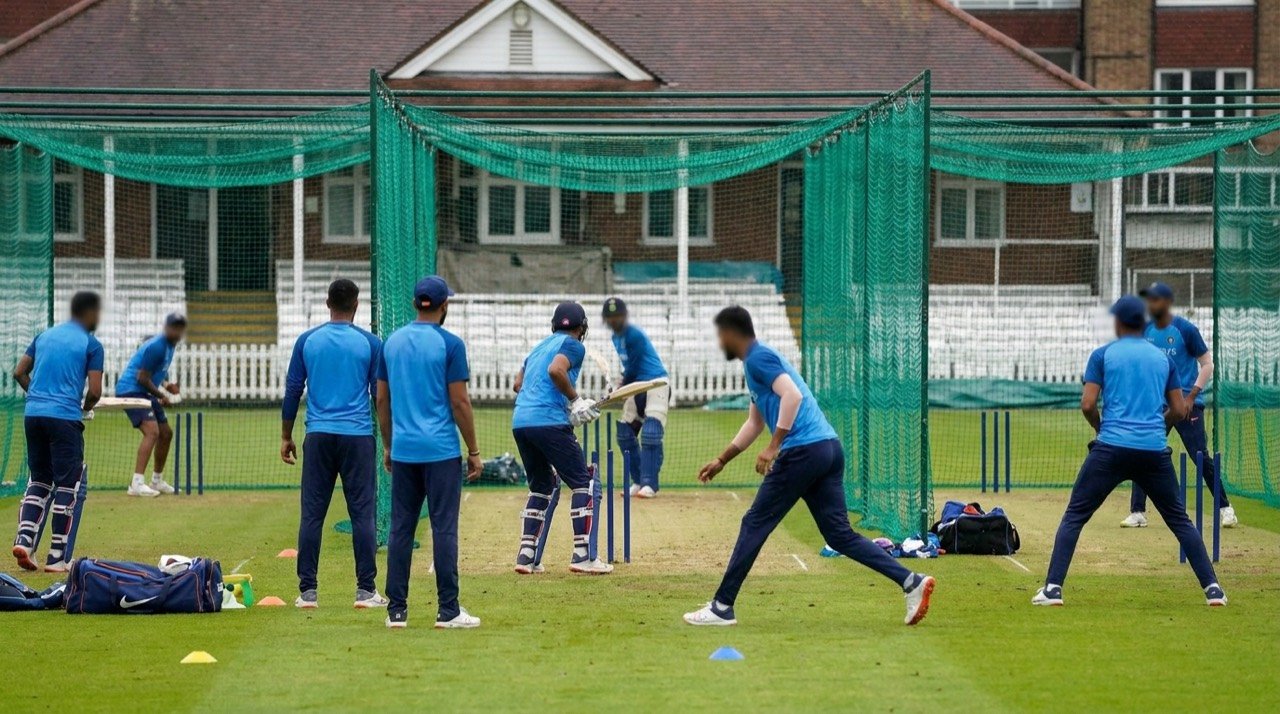
India Finalise T20I Squad for England Tour as Iyer Leads, Bumrah Rested and Shedge Earns Call-Up
India have locked in their Twenty20 squad for the five-match England tour starting 1 July, with Shreyas Iyer captaining, Jasprit Bumrah rested and Suryansh Shedge a surprise injury replacement.
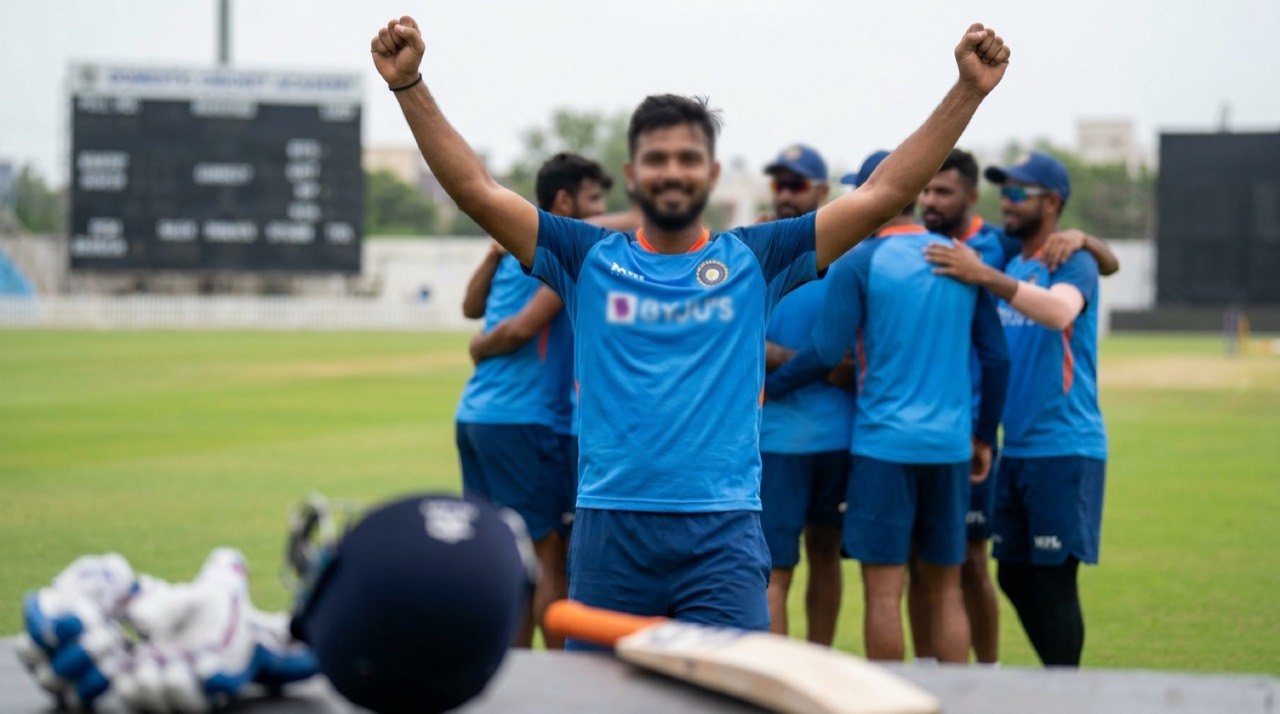
Suryansh Shedge Earns Maiden India T20I Call-Up as Cover for Injured Nitish Kumar Reddy
All-rounder Suryansh Shedge has received his first India call-up, named as replacement for the injured Nitish Kumar Reddy in the T20I squads for the Ireland and England series.
More from this section
More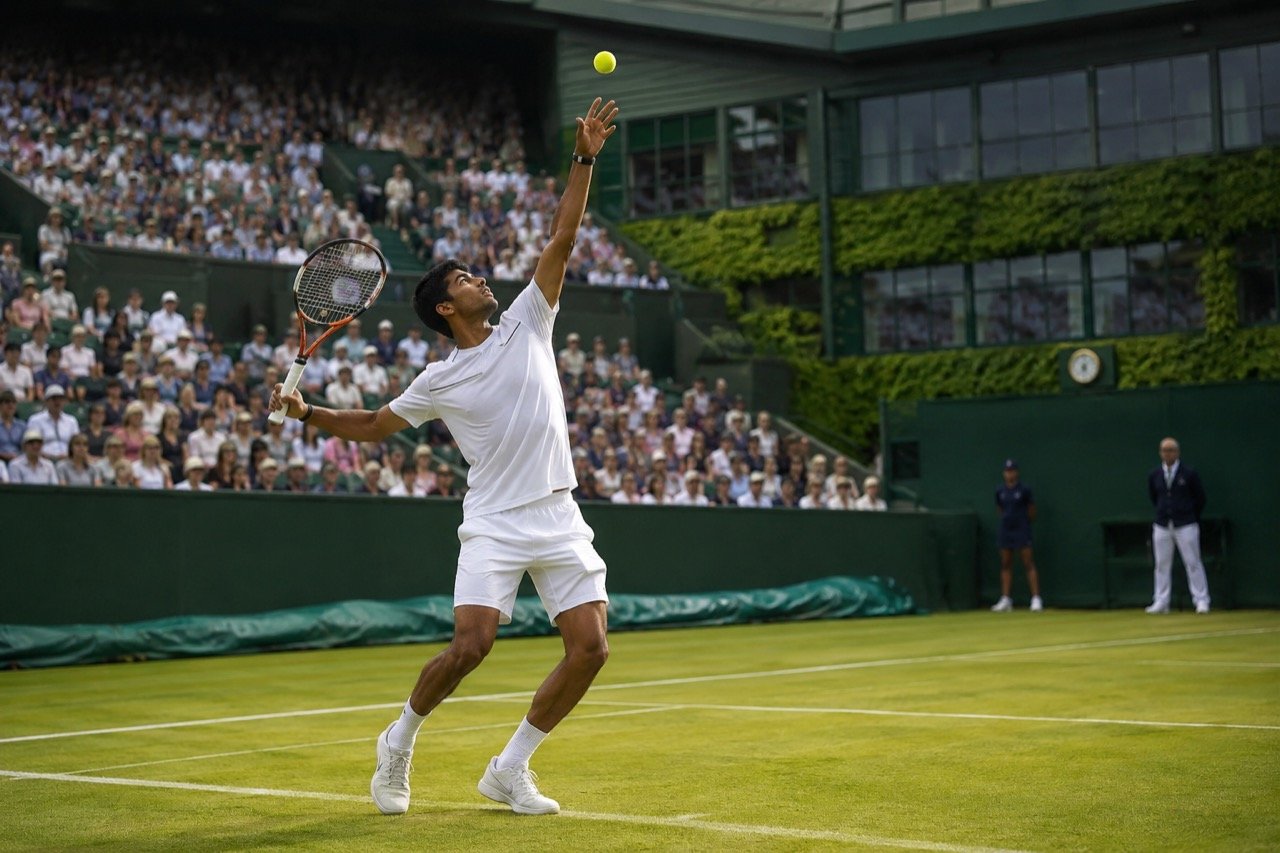
Arnav Paparkar Advances at Wimbledon Boys' Singles in Boost for India
Indian junior Arnav Paparkar has moved into the second round of the Wimbledon boys' singles with a commanding serving display, handing Indian tennis a rare and encouraging grass-court result at the sport's biggest stage.
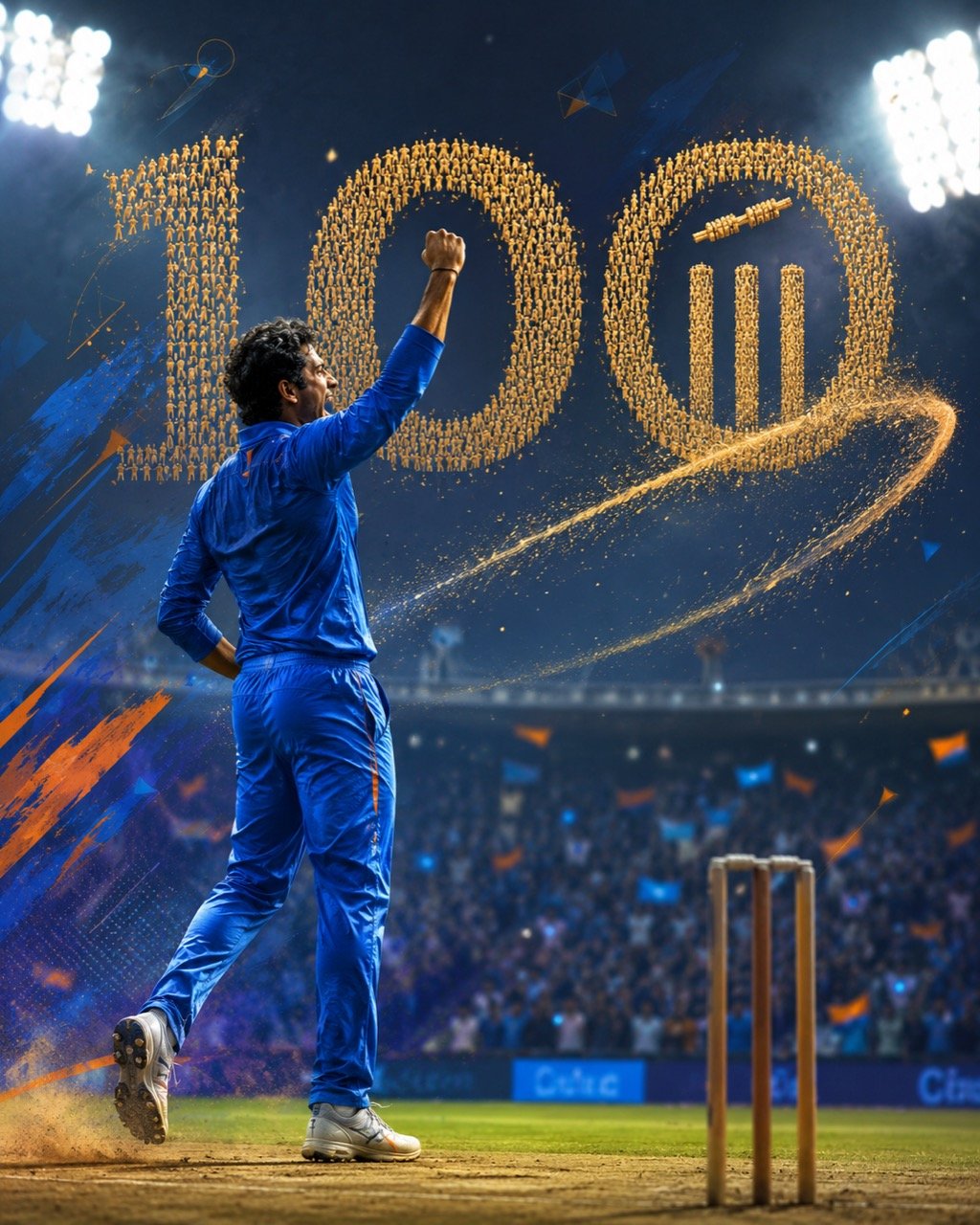
Axar Patel Becomes First Indian Spinner With 100 T20I Wickets
Axar Patel reached 100 T20 international wickets in the second T20I against England, becoming the first Indian spinner to hit the mark and cementing his standing as one of India's most durable white-ball performers.
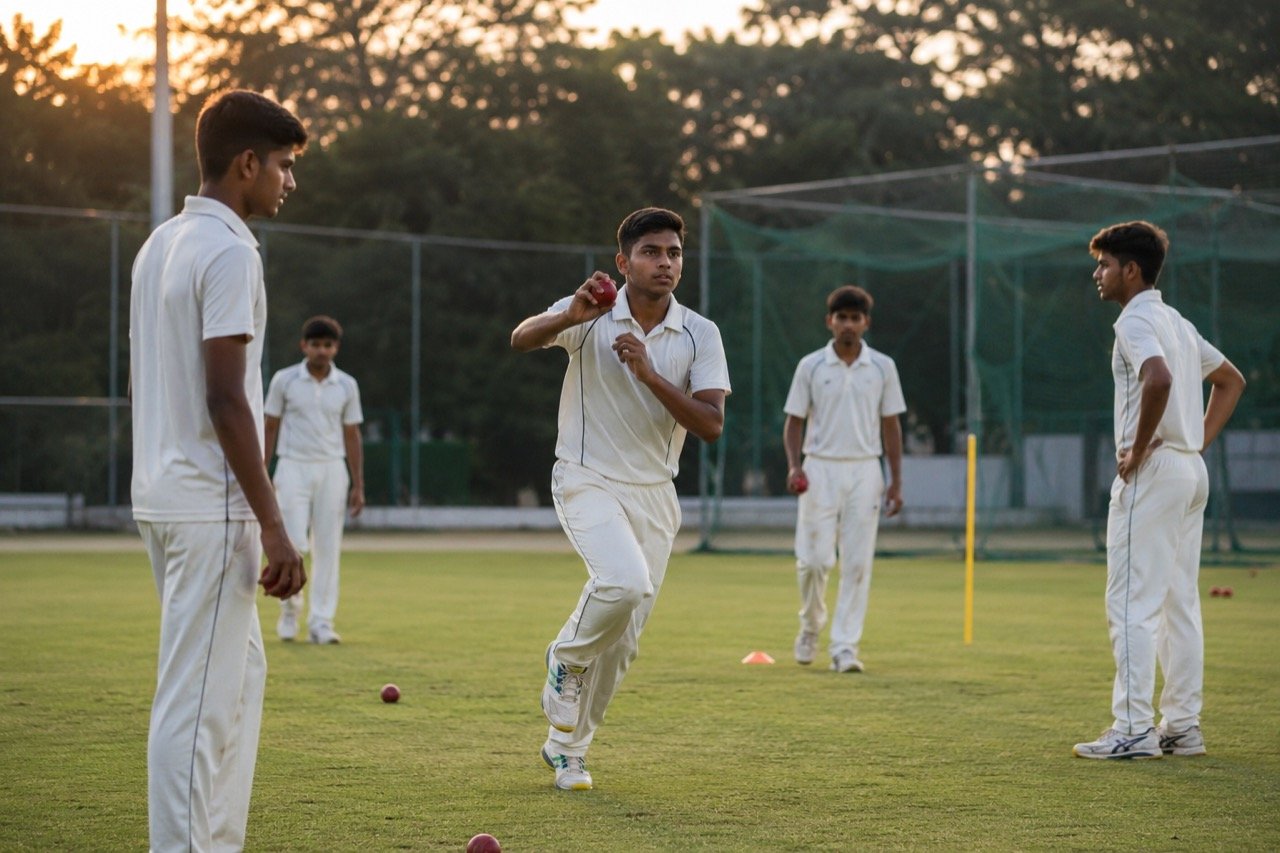
BCCI Emerging Men's Tournament to Hunt Test Prospects in Bengaluru
The BCCI's red-ball Emerging Men's Tournament, running at the Centre of Excellence in Bengaluru through July, is designed to give selectors a longer, harder look at India's next generation of Test cricketers.