Modi's G7 Outing In Evian Turns On A Crowded Schedule Of Bilaterals
Attending the G7 summit in Evian, Prime Minister Modi packed in a series of bilateral meetings, including with Canada's Mark Carney and the UK's Keir Starmer, signalling a busy phase of personal diplomacy.
Commentary & Analysis ·
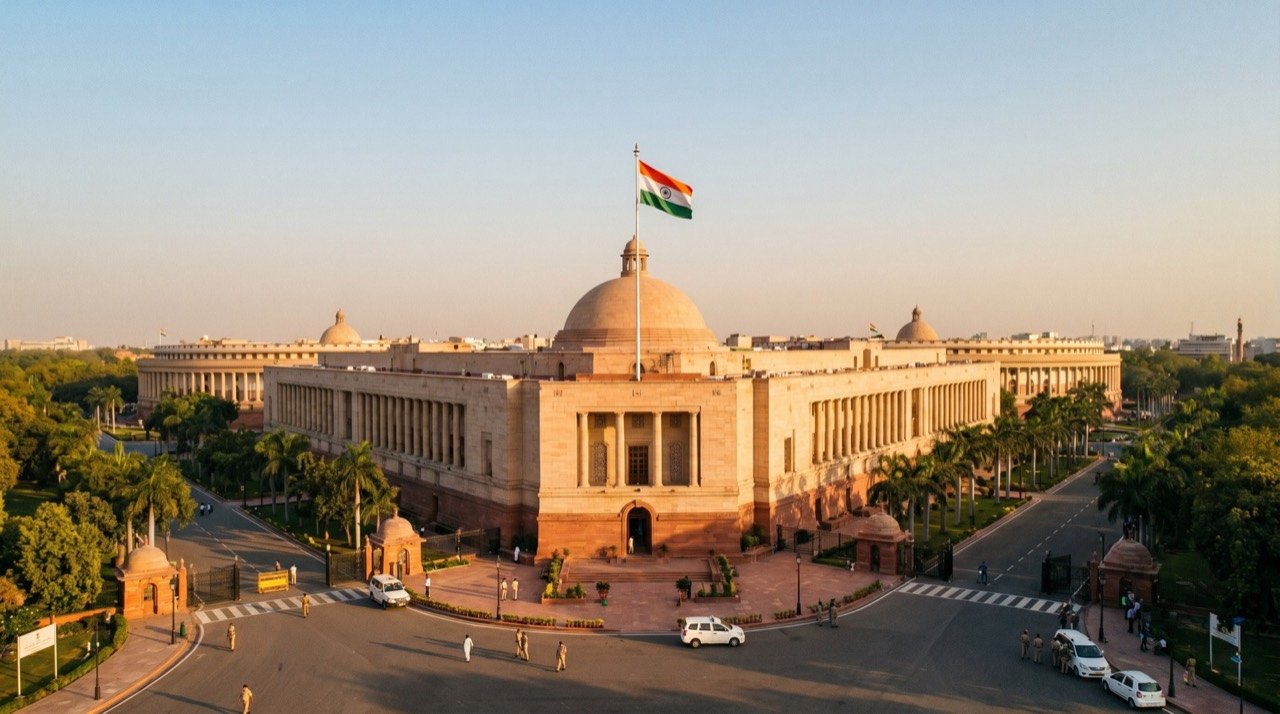
Prime Minister Narendra Modi's presence at the G7 summit in the French town of Evian has become a stage for an intensive round of personal diplomacy, with a packed schedule of bilateral meetings underscoring how summit sidelines have grown into the real arena of Indian foreign policy. Invited as an outreach partner rather than as a core member of the grouping, Modi used the gathering to advance a clutch of bilateral relationships at once, compressing into a few days of engagements what might otherwise have required separate visits spread across many months. That compression is itself a marker of how summit diplomacy has evolved: the formal G7 agenda, set by the host and the core seven economies, matters less to a partner country than the corridor conversations that happen around it.
A crowded bilateral calendar
Among the most significant encounters was a meeting with Canadian Prime Minister Mark Carney, after which Carney extended an invitation for an official visit to Canada later in the year. Both sides agreed to work towards a mutually convenient date, signalling an intent to rebuild ties. This is notable given the turbulence that had marked the India-Canada relationship in recent years, a strain that had cast a long shadow over bilateral trade, diaspora engagement and diplomatic exchanges. An invitation of this kind, offered directly by a sitting prime minister at a multilateral summit, carries symbolic weight well beyond the courtesy of the gesture itself: it suggests Ottawa is prepared to signal, publicly and on the record, that it wants to move the relationship past its recent difficulties. For New Delhi, being seen to receive such an invitation, rather than having to seek one, plays into the broader narrative the government wishes to project of India as a partner other capitals actively court.
Modi also held talks with UK Prime Minister Keir Starmer and UAE President Sheikh Mohamed bin Zayed Al Nahyan, conversations that touched on trade, security and energy. The presence of both a G7 leader and a Gulf head of state on the same bilateral roster illustrates the breadth of India's diplomatic reach at Evian: London represents an established, if still-evolving, trade and technology partnership, while Abu Dhabi represents a fast-deepening energy and security relationship anchored in the Gulf. The summit, hosted in Evian, also drew leaders and ministers from beyond the core G7 grouping, widening the diplomatic field available to the Indian delegation and giving Indian officials the chance to hold informal conversations with a wider set of counterparts than a strictly G7-only gathering would have allowed.
The substance India pushed
On matters of substance, India pressed familiar priorities, exchanging views on energy security, technology and innovation, including the intersection of artificial intelligence and energy demand, and questions around emerging quantum technologies. These are not new themes for Indian diplomacy, but their recurrence at a forum like Evian reflects how central they have become to the government's sense of what a modern great-power relationship should include. The AI-energy nexus, in particular, has emerged as a live concern for governments worldwide grappling with the enormous power requirements of data centres and computing infrastructure, and India's decision to raise it at this level suggests New Delhi wants a seat at the table as global norms and supply chains around these technologies take shape, rather than being a rule-taker once other powers have settled the framework.
With a Gulf crisis colouring the backdrop, the security of sea lanes and maritime trust featured prominently in the Indian messaging. This is a theme with direct bearing on India's economic interests: a significant share of the country's energy imports and merchandise trade transits through Gulf waters and the wider Indian Ocean region, making maritime security not an abstract strategic concern but a matter of immediate economic consequence. Raising it in bilateral conversations with the UAE's president, whose own country sits at the heart of the Gulf, and with G7 leaders whose navies and intelligence services shape maritime governance far beyond their own waters, allowed India to position itself as a stakeholder in regional stability rather than a bystander to a crisis unfolding on its economic doorstep.
The domestic read
At home, summit diplomacy plays as much to a political audience as to a foreign one, with the government keen to project India as a courted partner of the world's major economies. The optics of warm handshakes and shared seating with peers feed a narrative of rising stature, even as the harder tests, on trade terms, technology access and strategic alignment, remain works in progress. This dual audience is a familiar feature of high-profile summitry: images of a leader engaged in animated conversation with counterparts from Ottawa, London and Abu Dhabi travel quickly through domestic media and social platforms, reinforcing a sense of diplomatic momentum regardless of what is actually settled in the room.
For the government, the value of Evian lies in the breadth of contact it enabled in a compressed window, from mending fences with Ottawa to deepening the partnership with the Gulf. That breadth is not nothing: modern diplomacy often advances through exactly this kind of cumulative relationship-building, where repeated contact at the leader level lays the groundwork for officials to negotiate specifics later. But breadth of contact is not the same as depth of outcome, and translating that goodwill into concrete agreements will be the measure of whether the summit was a photo opportunity or a turning point.
What comes next
The most immediate marker to watch will be whether the Canada visit, floated by Carney at Evian, actually materialises on a firm date later in the year, and what is placed on the agenda once it does. A visit that produces movement on trade, investment or diaspora-related irritants would confirm the Evian meeting as a genuine inflection point in the relationship; a visit that slips indefinitely, or occurs without substantive outcomes, would suggest the invitation was itself largely a gesture of goodwill rather than a firm commitment to resolve the underlying tensions. Similarly, the conversations with Starmer and the UAE's president will need to be judged by whether they produce follow-through, whether in the form of ministerial visits, trade negotiations, or concrete cooperation on energy and security, rather than simply another round of communiqué language about shared values and deepening partnership.
The wider test lies in whether India's raising of AI-energy and quantum issues at this level translates into any tangible cooperation frameworks, given how contested and fast-moving these domains have become among the major economies. Equally, the maritime security conversations will be tested against events on the ground in the Gulf, where the crisis referenced by Indian officials continues to shape the calculus of every power with interests in the region's sea lanes.
The NE Times View
A packed bilateral schedule at the G7 underscores India's growing weight as a power everyone wants in the room. Personal diplomacy with Carney and Starmer is useful, but the substance matters more than the handshakes: trade terms, technology access and the still-tender Canada relationship. Summit optics flatter every leader, and Evian was no exception in offering a stage for warm gestures and photographed conversations. India's interests are served only if these meetings convert into agreements, not just photographs and warm communiqués. The invitation to visit Canada, the conversations with London and Abu Dhabi, and the raising of energy, technology and maritime concerns all represent useful groundwork. Whether that groundwork bears fruit will depend on follow-through long after the cameras in Evian have been packed away.
Key takeaways
- Modi attended the G7 summit in Evian, France, as an outreach partner, using the sidelines for an intensive round of bilateral meetings.
- Canadian Prime Minister Mark Carney invited Modi for an official visit to Canada later in 2026, both sides agreeing to work towards a mutually convenient date amid efforts to rebuild strained ties.
- Modi also held bilaterals with UK Prime Minister Keir Starmer and UAE President Sheikh Mohamed bin Zayed Al Nahyan, covering trade, security and energy.
- India raised energy security, the AI-energy nexus, quantum technologies and, against the backdrop of a Gulf crisis, maritime security and sea-lane safety.
- The real test of the summit will be whether these engagements convert into concrete agreements rather than remaining goodwill gestures and favourable optics.
You may also like to read
Modi Joins G7 Leaders in Evian as Critical Minerals and AI Top Agenda
India's prime minister attends his seventh consecutive G7 summit, with a much-watched Modi-Trump bilateral and supply-chain security dominating talks in the French Alps.
Modi And Trump Hold G7 Bilateral In Evian As Trade And West Asia Crisis Dominate Agenda
On the sidelines of the G7 summit in France, Prime Minister Narendra Modi and US President Donald Trump met to advance the trade deal and coordinate on a deepening crisis in West Asia.
Modi's Balotra Push: Rs 1.06 Lakh Crore Projects and Energy Message
Prime Minister Narendra Modi's visit to Balotra in Rajasthan paired development projects worth around Rs 1.06 lakh crore with remarks crediting India's diplomacy for steering the country through West Asia-linked energy pressures.
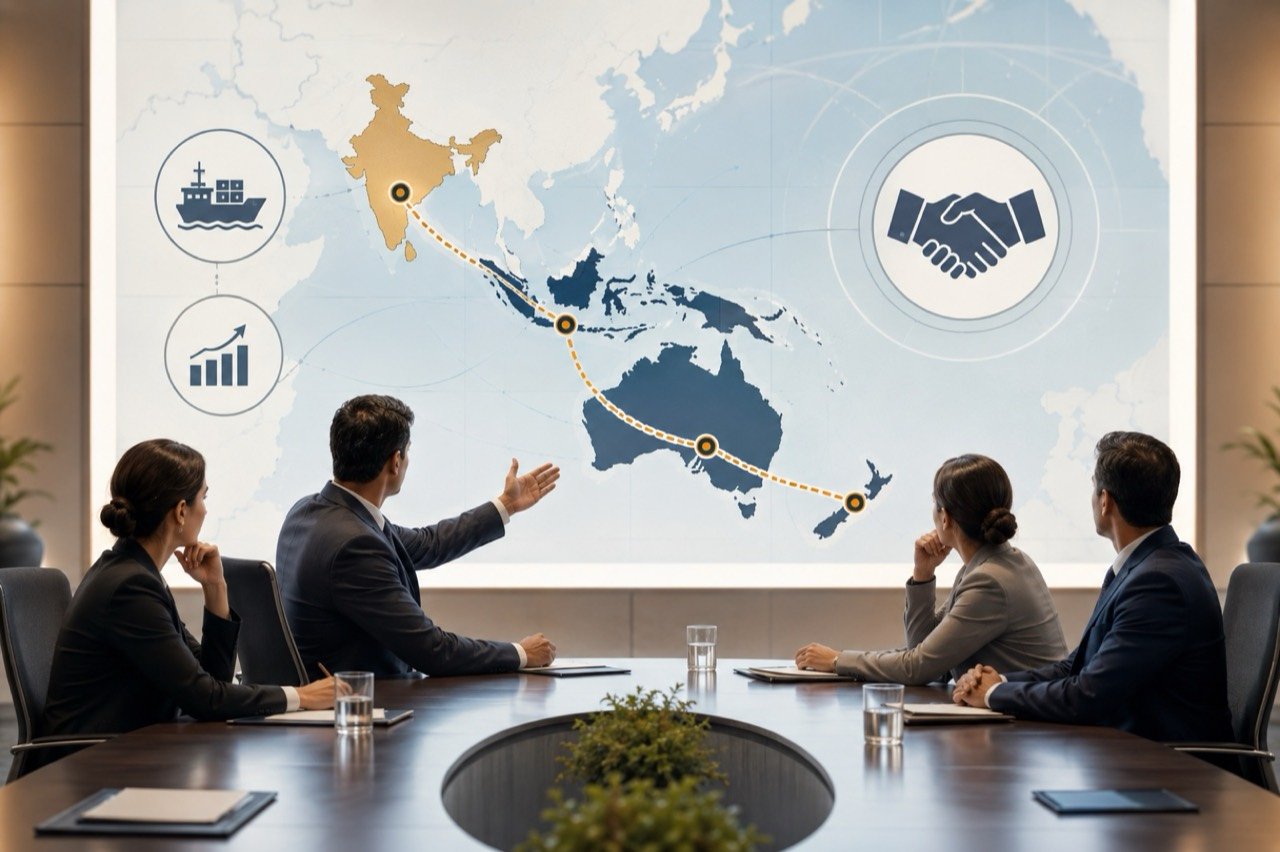
Modi Likely to Tour Indonesia, Australia and New Zealand in July
Prime Minister Narendra Modi is reported to be planning a three-nation Indo-Pacific tour from 6 to 11 July, spanning Indonesia, Australia and New Zealand, though the itinerary is not yet official.
More from this section
More
K Kavitha Party Denied TRS Name by Election Commission
The Election Commission has refused to register K Kavitha's Telangana Rakshana Sena under the TRS acronym after objections, forcing a branding reset for the new party at a politically sensitive moment in Telangana.
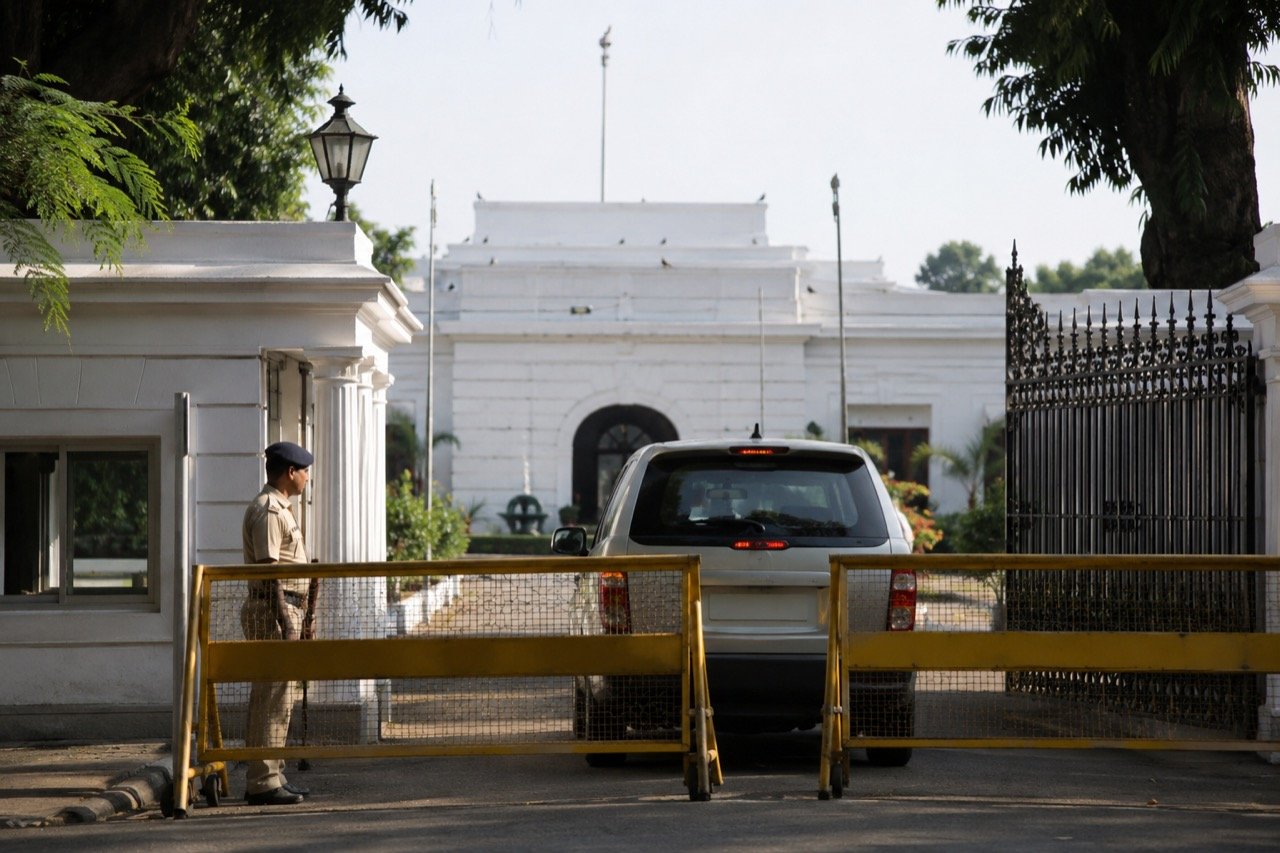
Lalu Prasad Yadav Security Downgrade, Bungalow Order Stir Bihar
A government order downgrading Lalu Prasad Yadav's security cover and asking him to vacate an official bungalow has opened a fresh political flashpoint in Bihar, with the RJD chief's reaction fuelling the row.
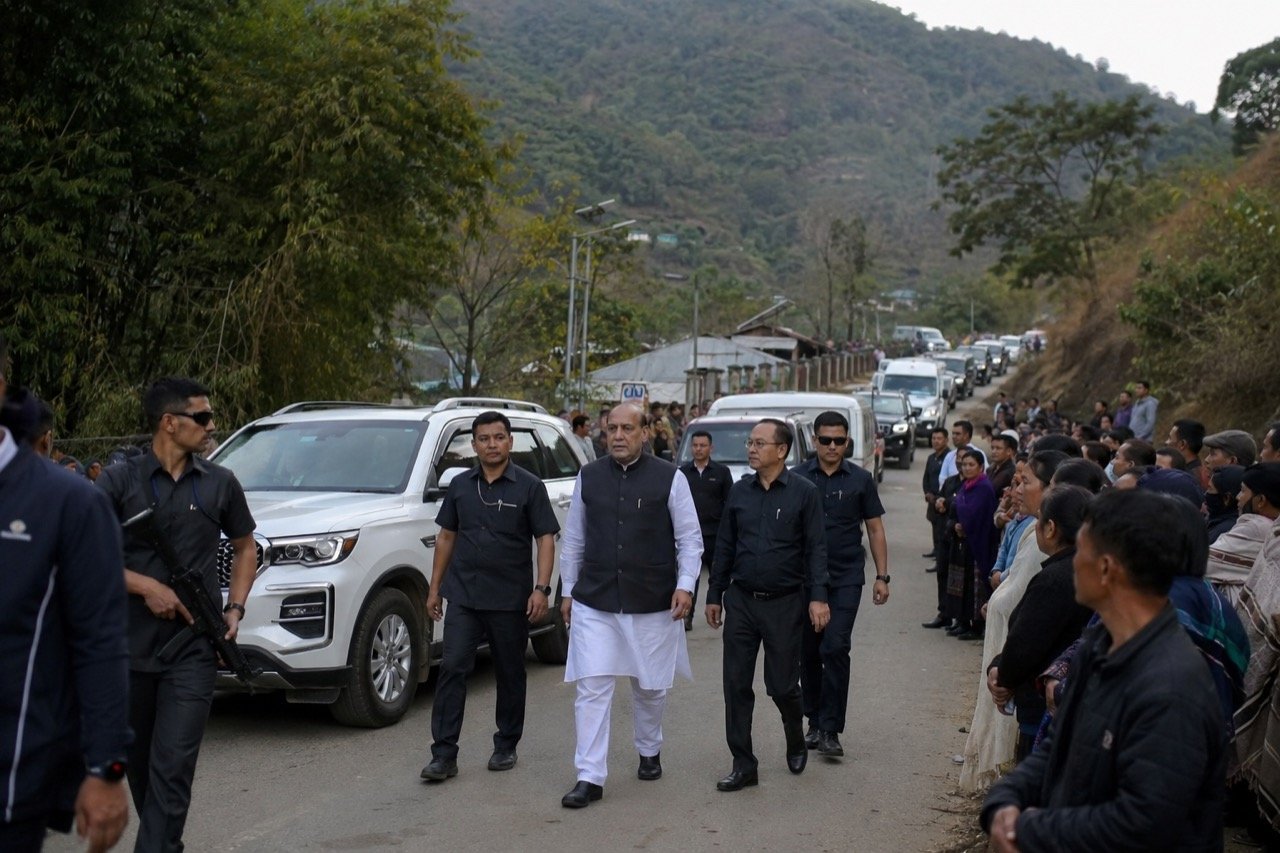
Manipur CM's Churachandpur Visit: First Since 2023 Unrest
The Manipur Chief Minister travelled to Churachandpur for a BJP MLA's funeral, his first visit to the district since the 2023 violence, lending the sombre occasion an unmistakable political significance.