ICC Unveils Post-Pregnancy Return-to-Play Guidelines for Women Cricketers
The global governing body has issued a structured framework covering recovery, mental wellbeing and monitored return, a milestone for women who choose both motherhood and elite cricket careers.
Commentary & Analysis ·
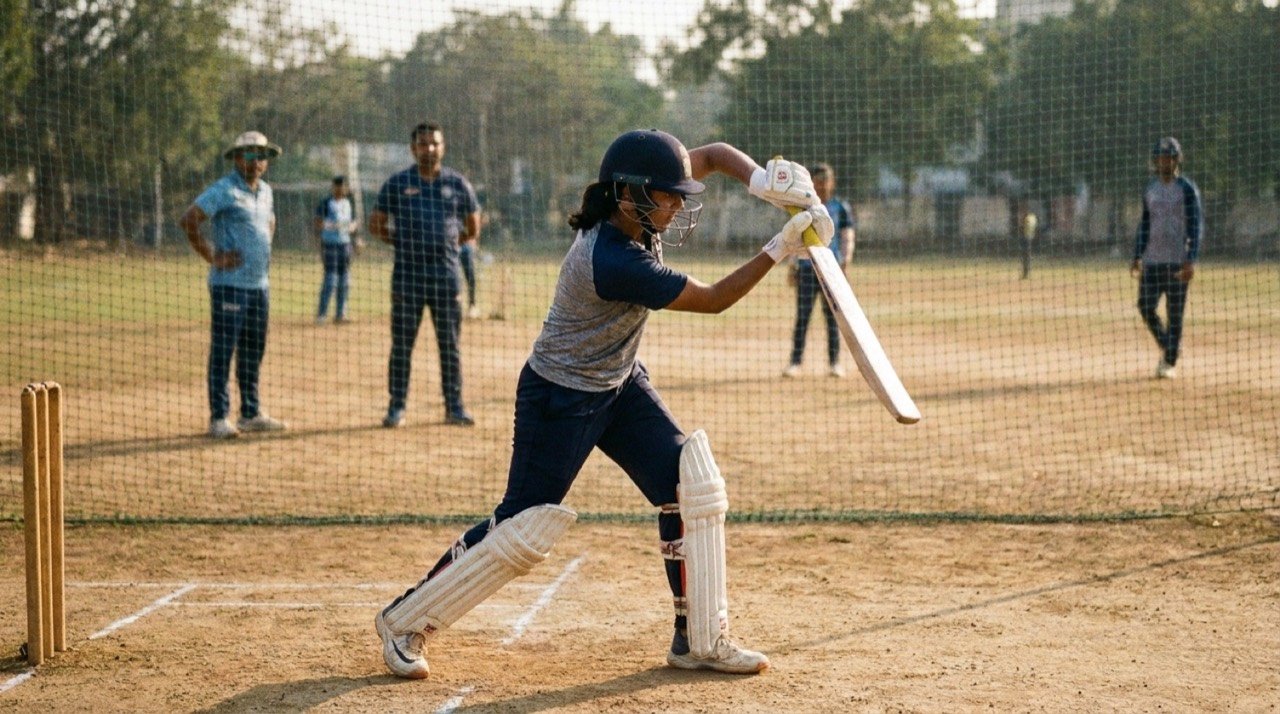
The International Cricket Council has introduced return-to-play guidelines designed to help women cricketers resume elite sport after childbirth. The framework is among the clearest signals yet that the women's game has matured into a full professional pathway, one that must now account for athletes building families during, rather than after, their playing careers. For a sport that has historically treated motherhood as an implicit career terminus for female athletes, the arrival of a formal, board-facing protocol marks a notable shift in how the game's central authority thinks about the working lives of the women who play it.
What the framework covers
The guidelines span the full arc of a comeback: physical recovery, mental wellbeing, medical review, structured reconditioning and a monitored return to competition. Rather than leaving timelines to ad hoc decisions made on a case-by-case basis by individual boards or medical staff who may never have managed a comparable case before, the framework gives boards and medical teams a common reference for staging an athlete's progress. This matters because elite sport has traditionally relied on precedent and institutional memory to handle unusual situations, and pregnancy and postpartum return have simply not been common enough in the professional women's game, until recently, for that precedent to exist in any depth.
Crucially, the emphasis on mental wellbeing and medical sign-off acknowledges that returning to elite sport after pregnancy is not simply a fitness question. It is a managed process in which the player's health is the governing constraint, not the fixture list, a sponsor's calendar or a selection panel's short-term needs. That ordering of priorities is itself significant: it puts the athlete's physical and psychological recovery ahead of competitive convenience, which is a marked departure from how comebacks in professional sport have often been handled in the past, where players have felt pressure to return before they were ready in order to protect a contract or a place in the side.
Why it matters for the women's game
For years, players who became mothers faced uncertainty over how, and whether, they could return to the top level. That uncertainty was not merely medical; it was institutional. Without a shared framework, a player's ability to resume her career often depended on the goodwill, resources and knowledge of her particular board, meaning outcomes could vary enormously depending on where in the world she happened to play. A formal framework reduces that ambiguity and shifts the burden onto institutions to provide support rather than onto individual athletes to improvise, negotiate informally, or in some cases simply retire earlier than they might otherwise have chosen to.
The move reflects the professional growth of women's cricket and the rising commercial and competitive stakes that make retaining experienced players valuable. As the women's game has professionalised, with more central contracts, higher match fees and a growing calendar of franchise and international cricket, the cost of losing an experienced player to an avoidable, badly managed exit has risen correspondingly. Experience is a scarce asset in a sport where the professional women's structure is still relatively young in most countries, and a framework that helps retain senior players protects the overall quality and depth of the international game.
For boards across the sport, including in India where the women's game has expanded rapidly on the back of the Women's Premier League and increased international fixtures, it offers a template to align with. Rather than each board having to design its own return-to-play protocol from first principles, often without the specialist medical expertise required, the ICC's framework provides a starting reference point that can be adapted to local conditions and resources.
The stages of a managed return
The framework sets out a sequence of stages intended to guide a player's comeback in a structured, medically supervised way. These are physical recovery after childbirth, guided by medical assessment; mental wellbeing support throughout the comeback period; formal medical review before training intensifies; structured reconditioning to rebuild fitness and skill; and a monitored, phased return to competitive cricket. The ICC has described the framework as reflecting the professional growth of women's cricket and the need to support athletes who choose both motherhood and long careers.
The sequencing is deliberate. By requiring medical review before training intensity increases, and by building in reconditioning before any return to match play, the framework is designed to prevent the kind of premature comeback that risks injury, burnout or a wider setback. It also formally embeds mental wellbeing as a continuous thread through the process rather than a box ticked once at the outset, recognising that the psychological adjustment to returning to elite competition after childbirth can be as demanding as the physical one.
What adoption will actually require
The real test will be in adoption. Guidelines set a standard, but their value depends on member boards resourcing the medical, training and support structures they assume. A framework of this kind is only as strong as the infrastructure behind it: specialist medical staff experienced in postpartum athletic recovery, access to physiotherapy and conditioning support, and the willingness of selectors and team management to give a returning player the time the framework prescribes, even when that means short-term selection headaches. Boards with deeper resources may find this straightforward to implement, while others, particularly those still building out their women's programmes, may need to invest specifically to meet the standard the ICC has now set.
There is also a question of consistency across boards with very different levels of investment in the women's game. If some boards implement the framework rigorously while others treat it as a nominal reference, the effect could be uneven, with players in better-resourced systems enjoying a genuinely supported return while others are left navigating much the same uncertainty as before. If implemented consistently, however, the framework could make extended careers, and motherhood, a normal part of elite women's cricket rather than an exception.
The NE Times View
This is overdue and genuinely progressive: elite sport has long treated motherhood as a career full-stop for women. A structured return framework signals that the ICC takes the women's game seriously as a profession, not a sideshow, and it does so in a way that puts the athlete's welfare, both physical and mental, at the centre of the process rather than treating her comeback as a logistical inconvenience to be managed around the fixture calendar. That the guidelines address wellbeing and medical sign-off as thoroughly as they address fitness and reconditioning is itself a marker of how far institutional thinking has moved.
The real proof will be whether national boards, including the BCCI, fund the medical support, contracts and childcare that make the policy more than a press release. Guidelines on paper cost nothing to issue; the substance lies in whether boards commit budget, staff and patience to seeing them through, particularly for players who may need many months to complete the phased return the framework envisages. Given the pace at which the women's game in India and elsewhere has expanded commercially in recent years, boards now have both the means and the incentive to follow through.
Key takeaways
- The ICC's new guidelines cover physical recovery, mental wellbeing, medical review, reconditioning and a monitored return to competition for women cricketers after childbirth.
- The framework replaces ad hoc, board-by-board decisions with a common reference point, reducing uncertainty for players and shifting responsibility for support onto institutions.
- It reflects the professionalisation of women's cricket, including the rapid growth of the game in India through the Women's Premier League and expanded international fixtures.
- Success depends on adoption: boards must resource the medical, training and support structures the framework assumes, or its impact will be uneven.
- The NE Times View is that the guidelines are a progressive step, but their real test lies in whether boards such as the BCCI fund the contracts, medical care and support needed to make them meaningful in practice.
You may also like to read
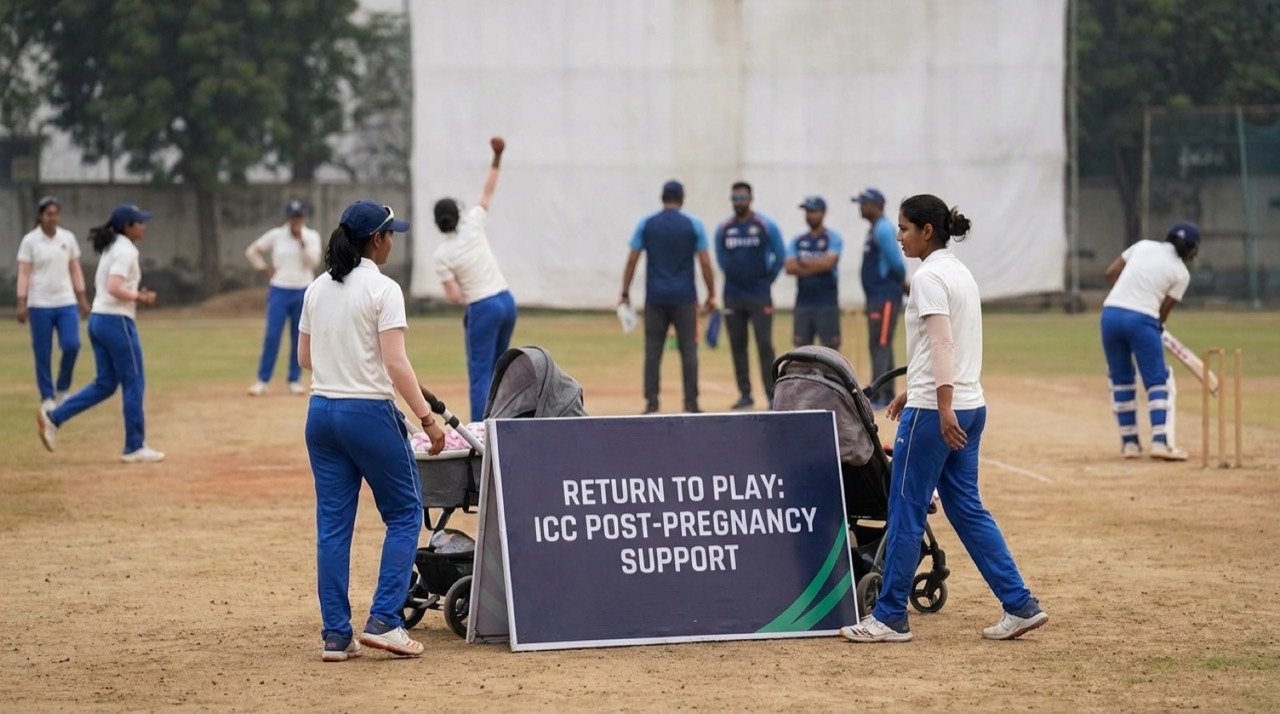
Deepika Padukone Backs ICC Maternity Return Policy for Women Cricketers
Actor Deepika Padukone has welcomed the ICC's new post-pregnancy return-to-play guidelines, calling them a landmark step for women in sport that pairs motherhood with elite competitive careers.
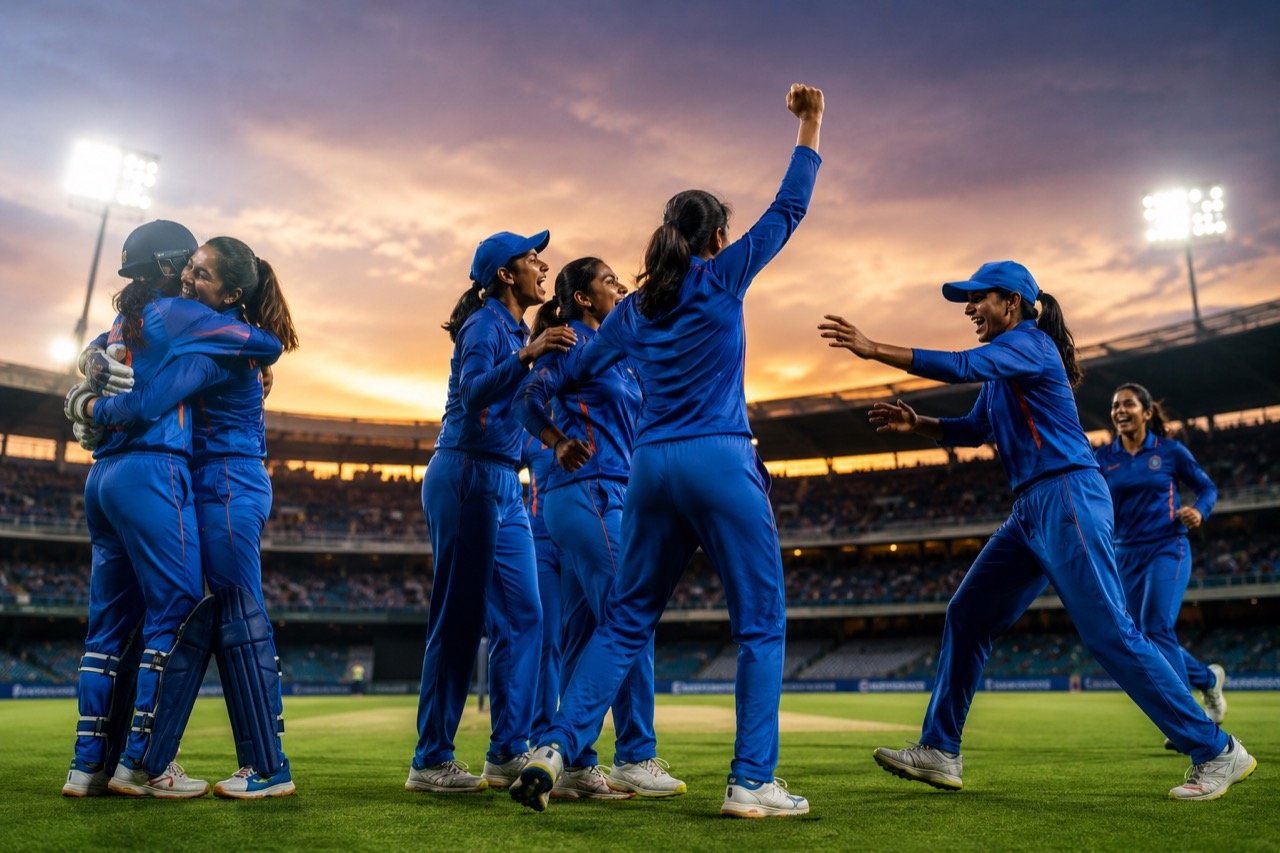
India Women Seal Cricket Spot at 2028 Los Angeles Olympics
India's women's cricket team has secured qualification for the 2028 Los Angeles Olympics, opening a new Olympic cycle that could reshape funding, visibility and player development in the women's game.
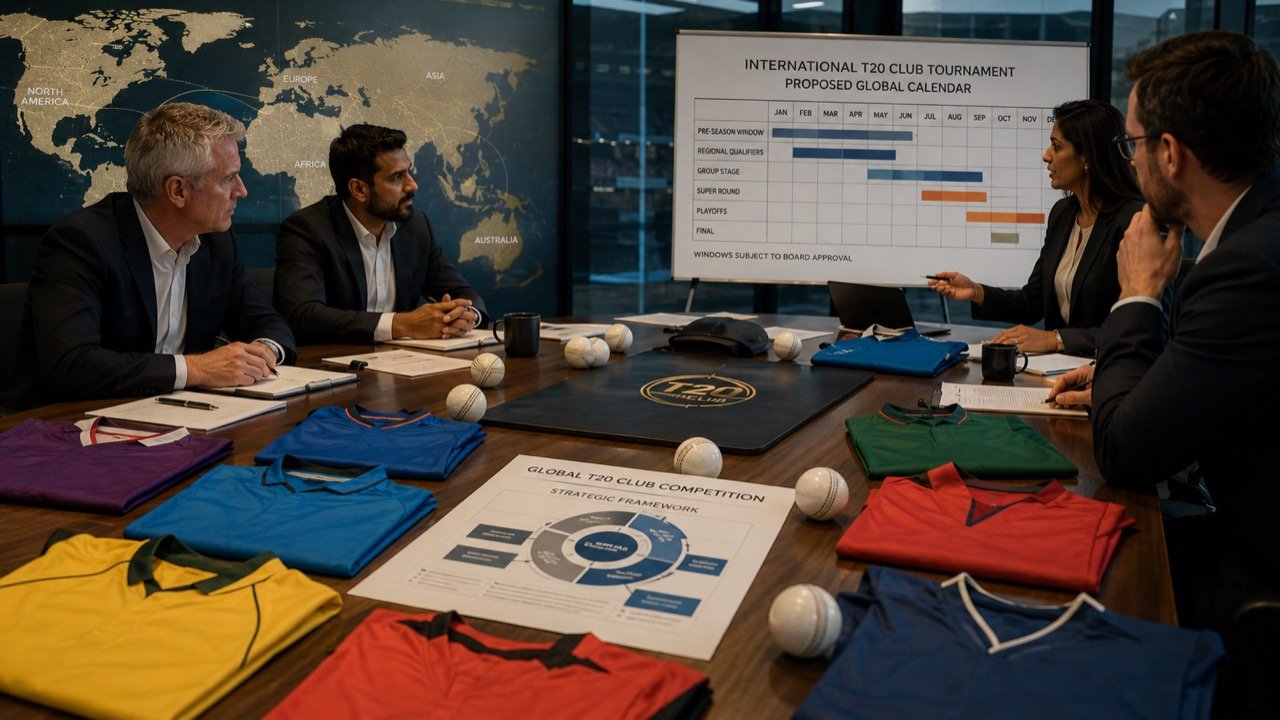
ICC World Club T20: How a New Tournament Could Reshape Cricket
A reported ICC proposal for a World Club T20 competition could redraw the global cricket calendar, deepen franchise power and raise big questions for the IPL, players and smaller cricketing nations.
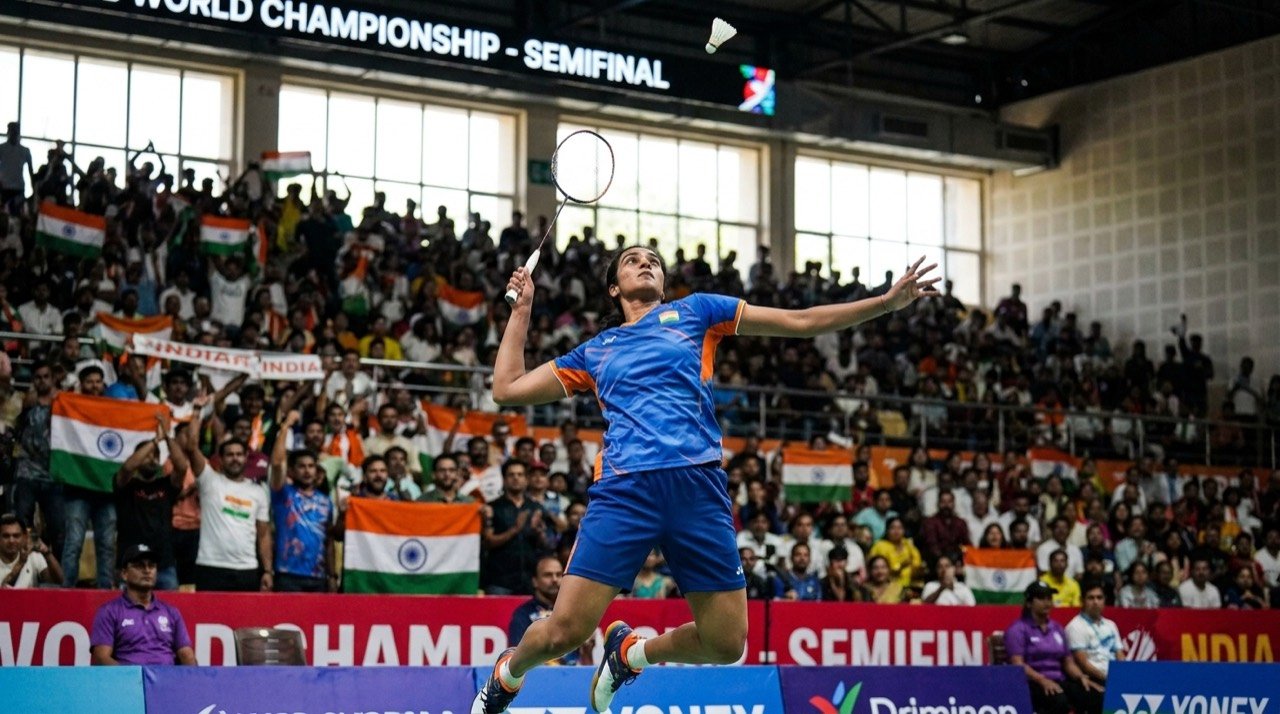
BWF World Championships Return to India After 17 Years as New Delhi Prepares to Host Badminton's Elite
India will stage the BWF World Championships for the first time since 2009, with New Delhi's Indira Gandhi Arena hosting the showpiece from 17 to 23 August and tickets starting at just Rs 499.
More from this section
More
Arnav Paparkar Advances at Wimbledon Boys' Singles in Boost for India
Indian junior Arnav Paparkar has moved into the second round of the Wimbledon boys' singles with a commanding serving display, handing Indian tennis a rare and encouraging grass-court result at the sport's biggest stage.
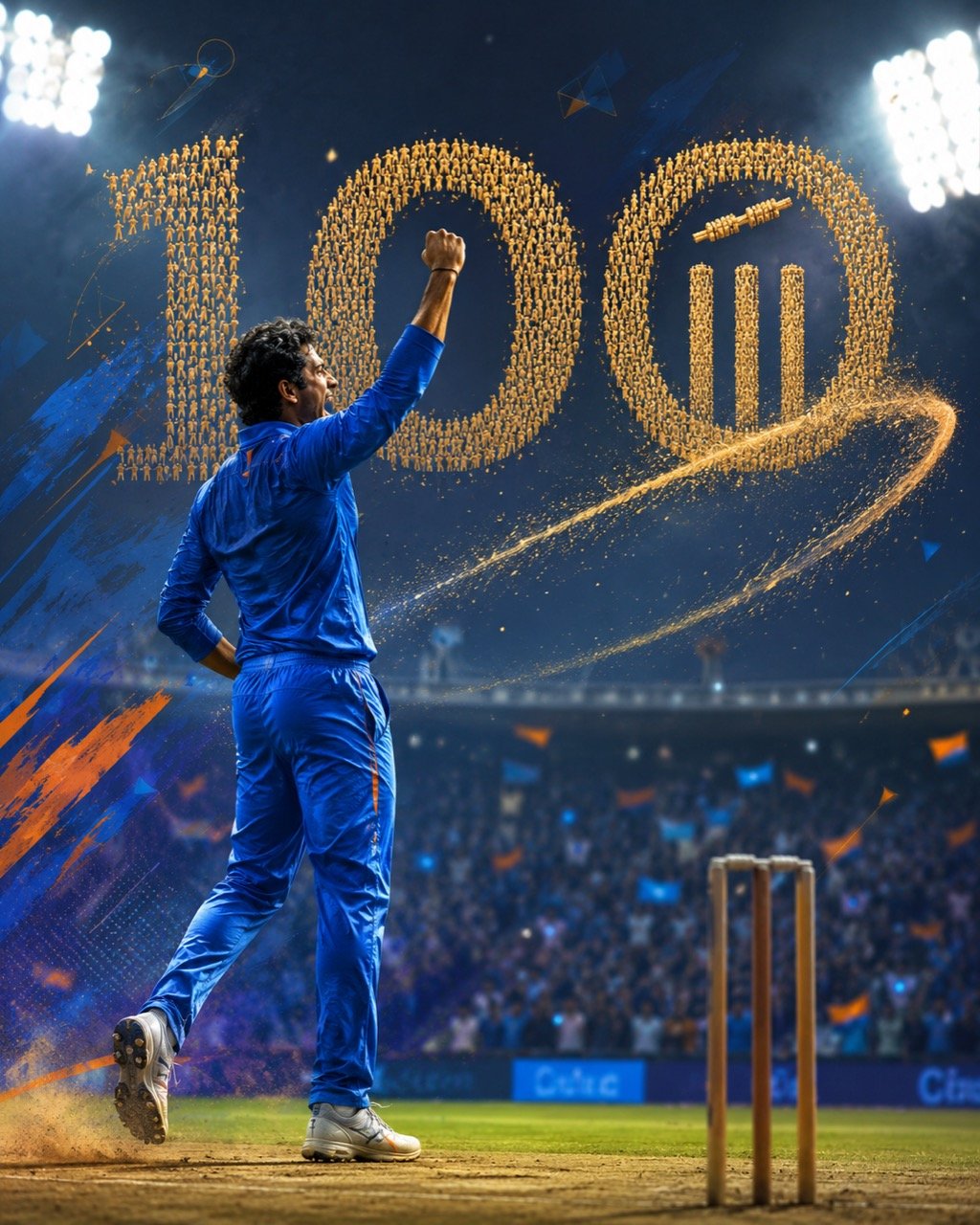
Axar Patel Becomes First Indian Spinner With 100 T20I Wickets
Axar Patel reached 100 T20 international wickets in the second T20I against England, becoming the first Indian spinner to hit the mark and cementing his standing as one of India's most durable white-ball performers.
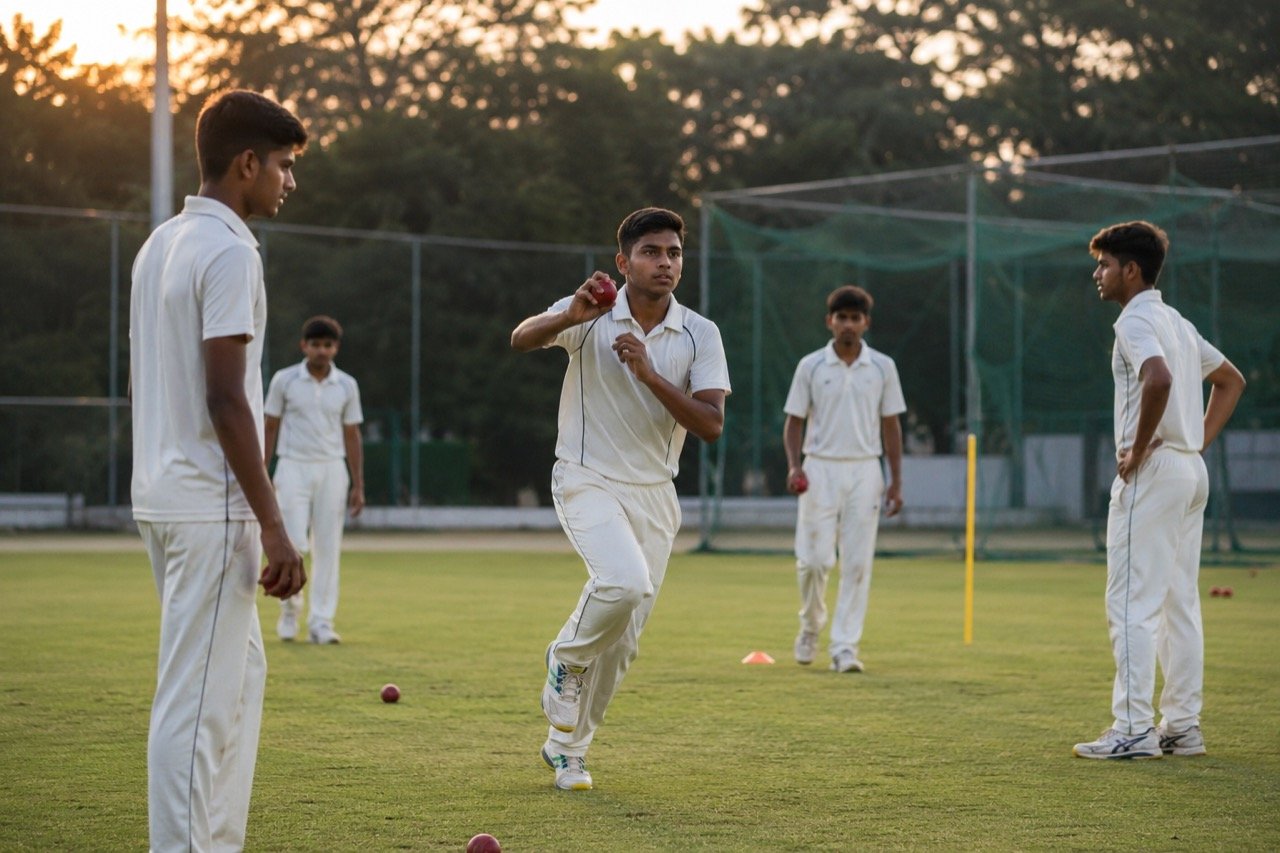
BCCI Emerging Men's Tournament to Hunt Test Prospects in Bengaluru
The BCCI's red-ball Emerging Men's Tournament, running at the Centre of Excellence in Bengaluru through July, is designed to give selectors a longer, harder look at India's next generation of Test cricketers.