India Women Seal Cricket Spot at 2028 Los Angeles Olympics
India's women's cricket team has secured qualification for the 2028 Los Angeles Olympics, opening a new Olympic cycle that could reshape funding, visibility and player development in the women's game.
Commentary & Analysis ·
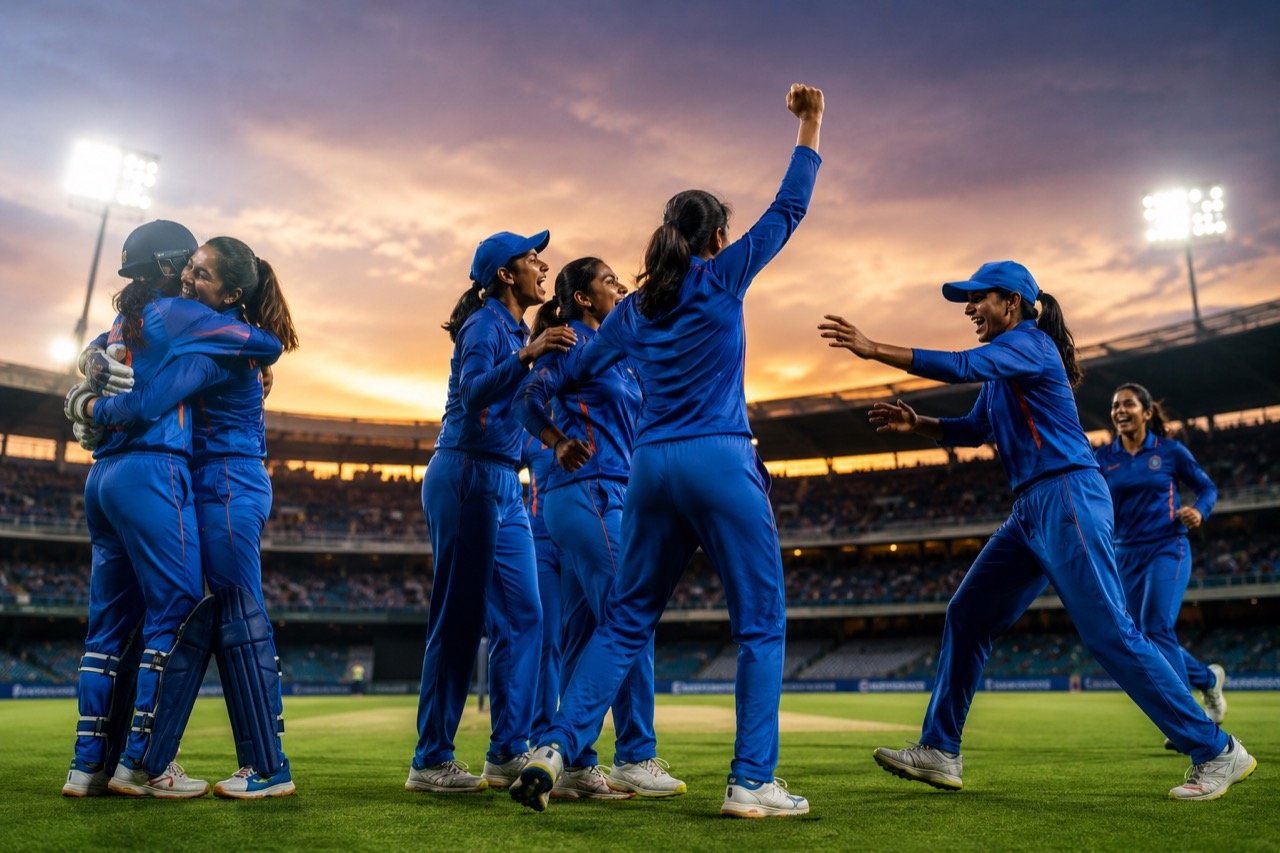
India's women's cricket team has qualified for the 2028 Los Angeles Olympics, a landmark moment that places the side within a multi-sport national campaign for the first time. With cricket returning to the Games, Olympic participation now sits alongside ICC tournaments as a defining target for the team. It is a rare instance of a cricketing achievement being measured not against a rival board's team but against the entire spectrum of Olympic sport, from athletics to badminton to wrestling, all competing for the same pool of national attention, funding and administrative energy.
Why an Olympic stage changes the equation
Cricket already commands enormous reach in India, but the Olympic setting adds a different kind of prestige. It exposes the women's team to audiences who may never follow bilateral series or franchise leagues, and it frames the sport as a medal opportunity within India's broader Olympic ambitions. This is a meaningful shift in framing. Domestic and franchise cricket audiences are largely cricket-literate already; the Olympic audience is not. It includes casual viewers who tune in once every four years, families who follow the medal tally rather than any one sport, and a media ecosystem that covers the Games with a nationalistic lens rarely applied to bilateral cricket series.
That shift matters because it changes who is watching and why. A win or a medal at Los Angeles would not simply be another item in a crowded cricket calendar; it would be folded into India's national Olympic narrative, sitting alongside track and field, shooting, wrestling and badminton in end-of-Games medal counts. For a sport that has often struggled to be taken seriously as an Olympic-style discipline precisely because of its commercial dominance outside the Games, this is new territory.
Qualification as a pathway catalyst
Qualification also matters for player pathways. An Olympic deadline tends to concentrate investment in training, sports science, domestic structures and junior development, and it may push state bodies and sponsors to treat women's cricket as a medal-linked priority rather than purely a commercial property. Cricket boards, unlike many Olympic sports federations, have historically not needed to justify spending against a medal target; broadcast revenue and franchise interest have been sufficient justification in themselves. An Olympic cycle imposes a different discipline, one built around a fixed date, a clear opponent field and a measurable outcome.
In practice, this could mean earlier identification of junior talent, more systematic strength and conditioning programmes, and greater willingness among state associations to allocate resources to the women's game specifically because it now carries an Olympic dimension. Sponsors, too, tend to respond to Olympic framing differently than they do to franchise cricket, often valuing the association with national representation and medal potential in ways that pure commercial cricket sponsorship does not capture.
A boost that arrives under scrutiny
The news lands amid intense examination of India's recent T20 performances, including debate over tournament setbacks. That makes qualification both a lift and a challenge: the team must convert new visibility into structured preparation and close tactical gaps well before Los Angeles. The timing is instructive. Had qualification arrived on the back of a triumphant run of results, it might have been received as confirmation of a team already on the right track. Arriving instead alongside scrutiny of recent T20 setbacks, it becomes a signal that the underlying issues, whatever they are, need addressing well in advance of 2028 rather than being allowed to fester under the cover of Olympic optimism.
For administrators, the clock is now running on squad planning, workload management and support systems. A fixed Olympic date functions differently from an open-ended ICC cycle: there is no ambiguity about when preparation needs to peak, and no room to treat the next two years as a normal stretch of bilateral fixtures and franchise commitments. Selectors, coaches and fitness staff will need to think in terms of a specific target event years in advance, rather than reacting tournament by tournament.
Stakeholders who now have a stake in the outcome
Several groups beyond the playing squad have a direct interest in how this plays out. The BCCI and state cricket associations now carry a defined mandate to treat the women's programme as an Olympic project, not merely a commercial one. India's Olympic establishment, which has long sought marquee sports to anchor its medal ambitions, gains a high-profile addition with an existing fan base larger than most other disciplines combined. Sponsors and broadcasters will be assessing whether an Olympic tie-in adds commercial value to their existing investment in women's cricket. And young players across the domestic structure now have a concrete, dated target to aim for, which can be a powerful motivational and developmental tool in itself.
What to watch before Los Angeles
The two years ahead will show whether qualification is treated as an endpoint to be celebrated or a starting gun for reform. Markers worth watching include whether domestic tournaments see increased investment, whether sports science and fitness infrastructure for the women's team is expanded, whether a settled core group of players is given sustained backing rather than constant rotation, and whether administrators articulate a specific plan tied to the 2028 date rather than treating it as a distant, abstract goal. The tactical gaps exposed in recent T20 tournaments will also need addressing in a manner that is visible in results, not just in official statements.
The NE Times View
Olympic qualification is the kind of milestone that can permanently raise the floor for women's cricket in India — if it is treated as a planning trigger rather than a celebration. The BCCI and state associations now have a fixed 2028 deadline to professionalise pathways, deepen the domestic bench and invest in sports science for the women's game. The risk is complacency: visibility without preparation has undone Indian campaigns before. If the next two years are used well, Los Angeles could do for women's cricket what past Olympic breakthroughs did for badminton and wrestling in India. The qualification itself is not the achievement; it is the opportunity. What India's cricketing establishment does with the intervening two years will determine whether this moment is remembered as a turning point or a missed one.
Key takeaways
- India's women's cricket team has qualified for the 2028 Los Angeles Olympics, marking cricket's return to the Games and a first-of-its-kind multi-sport campaign platform for the team.
- Olympic exposure brings a new, broader audience and links the sport to India's national medal ambitions, distinct from bilateral series and franchise cricket.
- A fixed Olympic deadline creates pressure to professionalise domestic structures, sports science and junior pathways rather than relying on commercial momentum alone.
- The qualification arrives amid scrutiny of recent T20 tournament setbacks, meaning administrators must address tactical and structural gaps well before 2028.
- The next two years of squad planning, workload management and investment will determine whether this becomes a lasting breakthrough, similar to past Olympic gains for badminton and wrestling in India.
You may also like to read
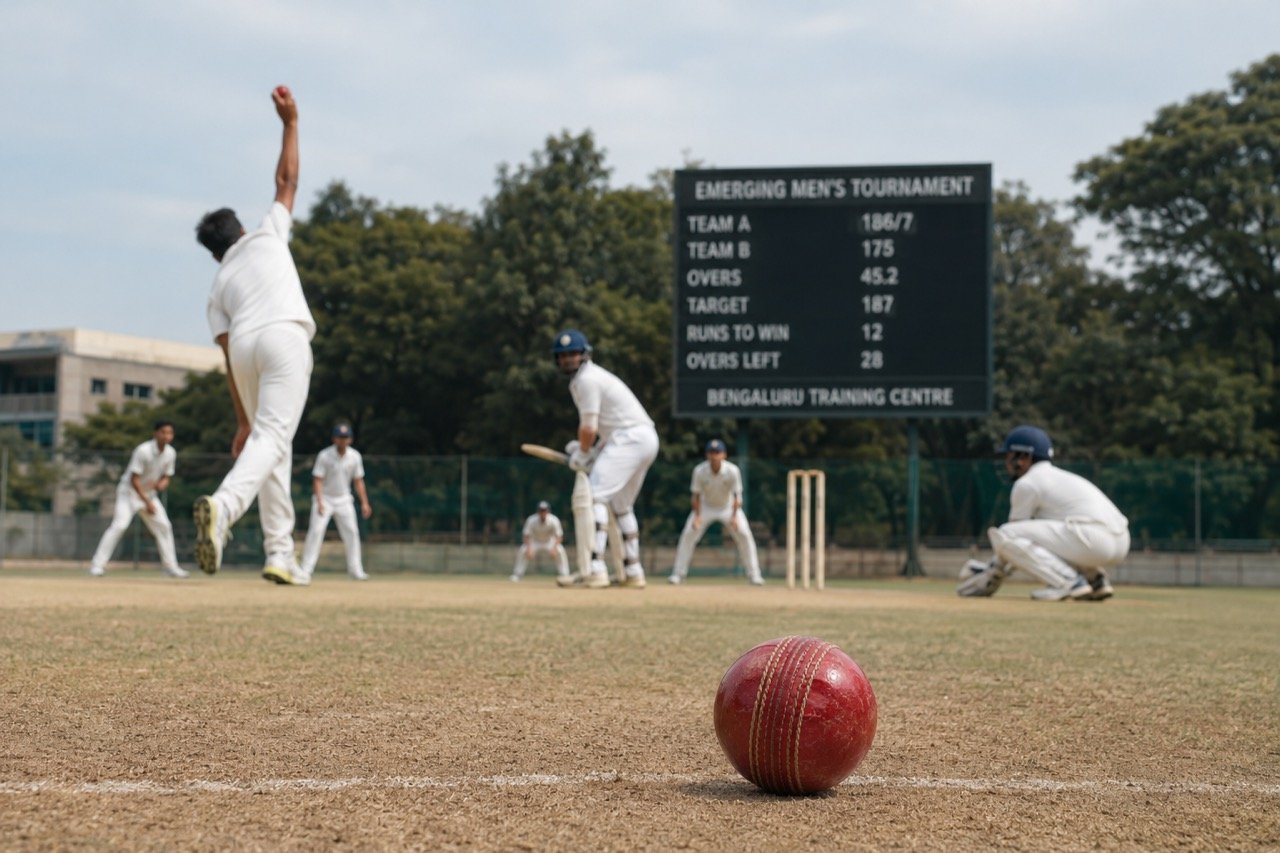
BCCI Emerging Tournament 2026: India's Next Cricket Stars Take Stage
The BCCI's emerging men's tournament gives selectors, franchises and fans a structured look at the young Indian cricketers pushing to move from domestic promise into national contention.
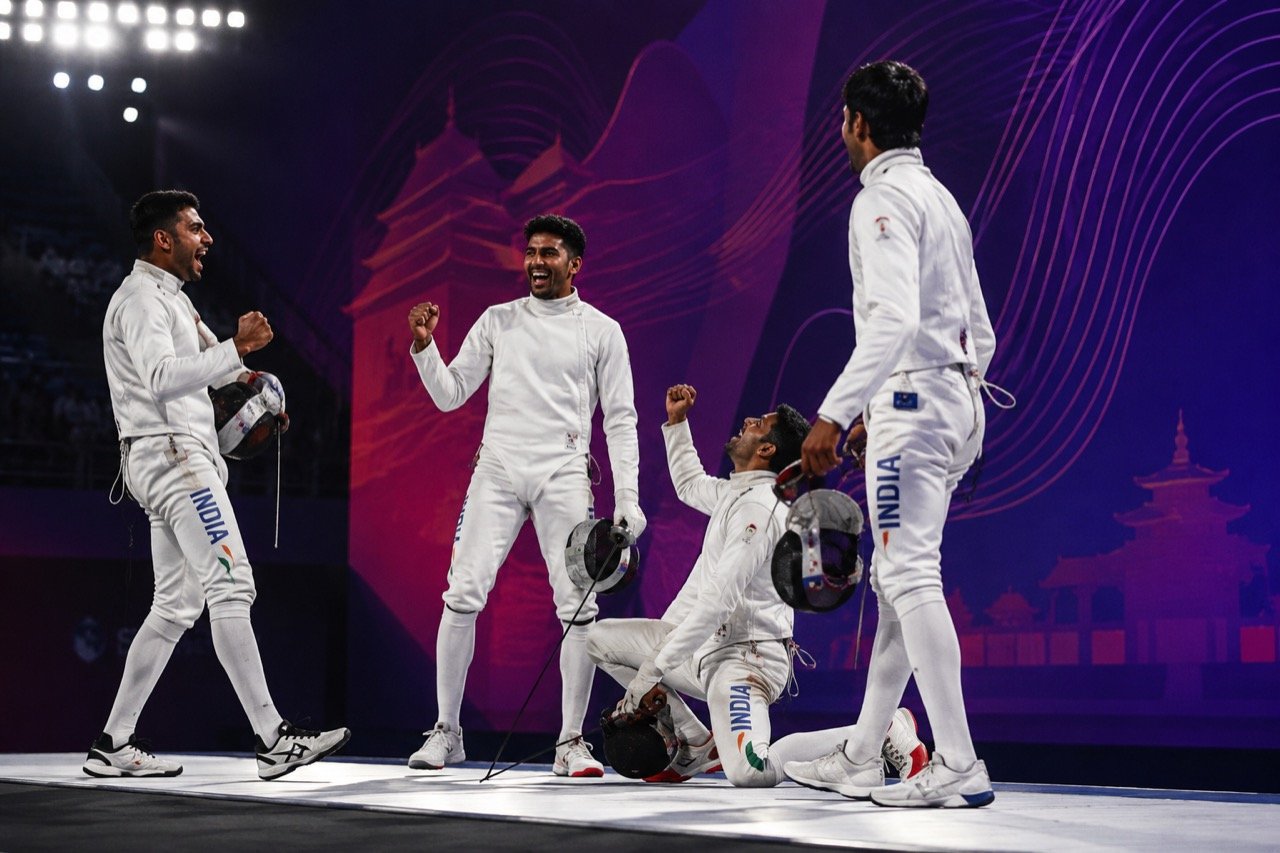
India's Men's Foil Team Books Asian Games Spot Despite Medal Miss
India's men's foil fencers left the Asian Senior Fencing Championships without a medal, but their performance earned direct qualification for the Asian Games, marking a significant milestone for a sport still building its base in the country.
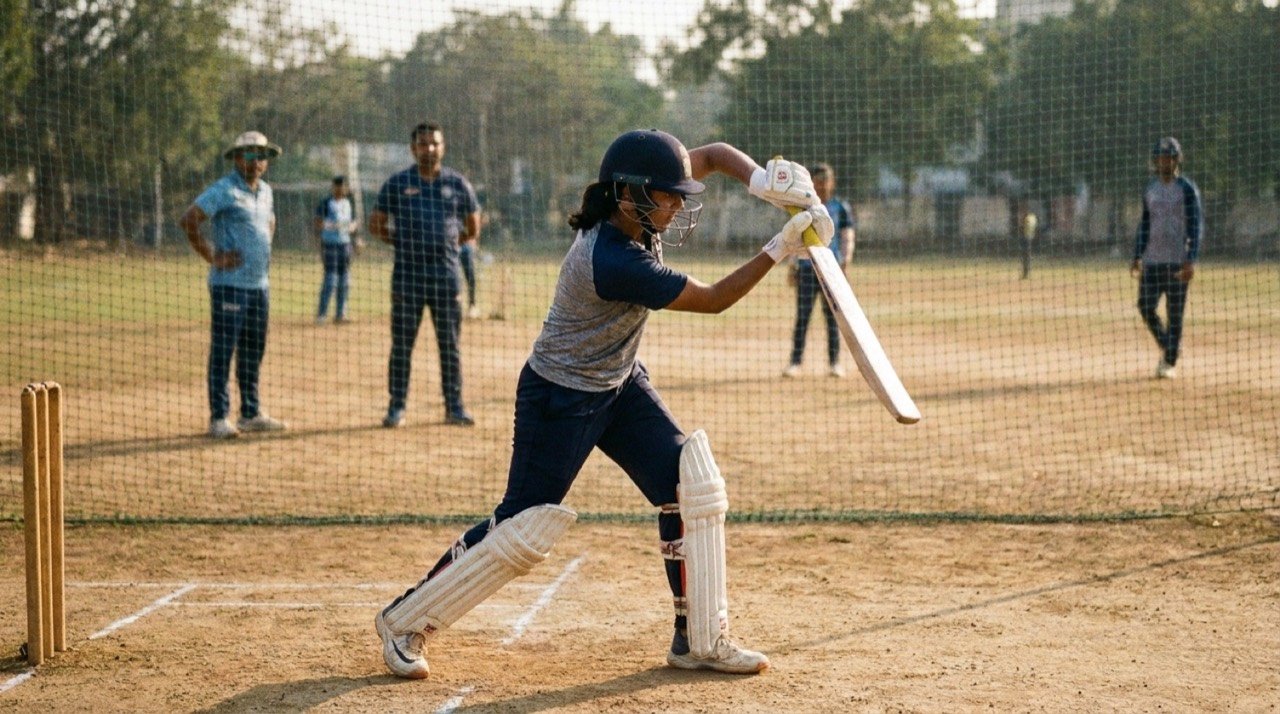
ICC Unveils Post-Pregnancy Return-to-Play Guidelines for Women Cricketers
The global governing body has issued a structured framework covering recovery, mental wellbeing and monitored return, a milestone for women who choose both motherhood and elite cricket careers.
BCCI Emerging Men's Tournament to Hunt Test Prospects in Bengaluru
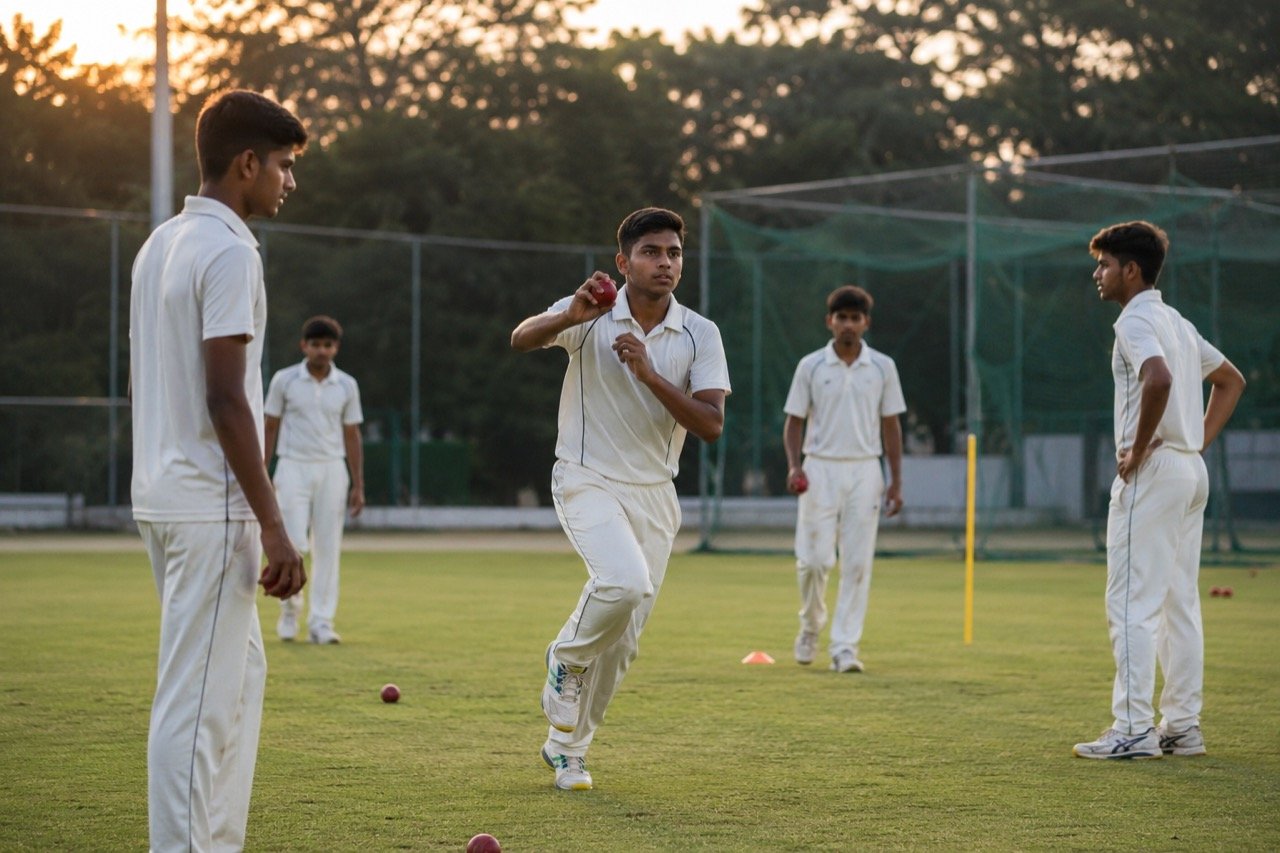
The BCCI's red-ball Emerging Men's Tournament, running at the Centre of Excellence in Bengaluru through July, is designed to give selectors a longer, harder look at India's next generation of Test cricketers.
More from this section
More
Arnav Paparkar Advances at Wimbledon Boys' Singles in Boost for India
Indian junior Arnav Paparkar has moved into the second round of the Wimbledon boys' singles with a commanding serving display, handing Indian tennis a rare and encouraging grass-court result at the sport's biggest stage.
Axar Patel Becomes First Indian Spinner With 100 T20I Wickets
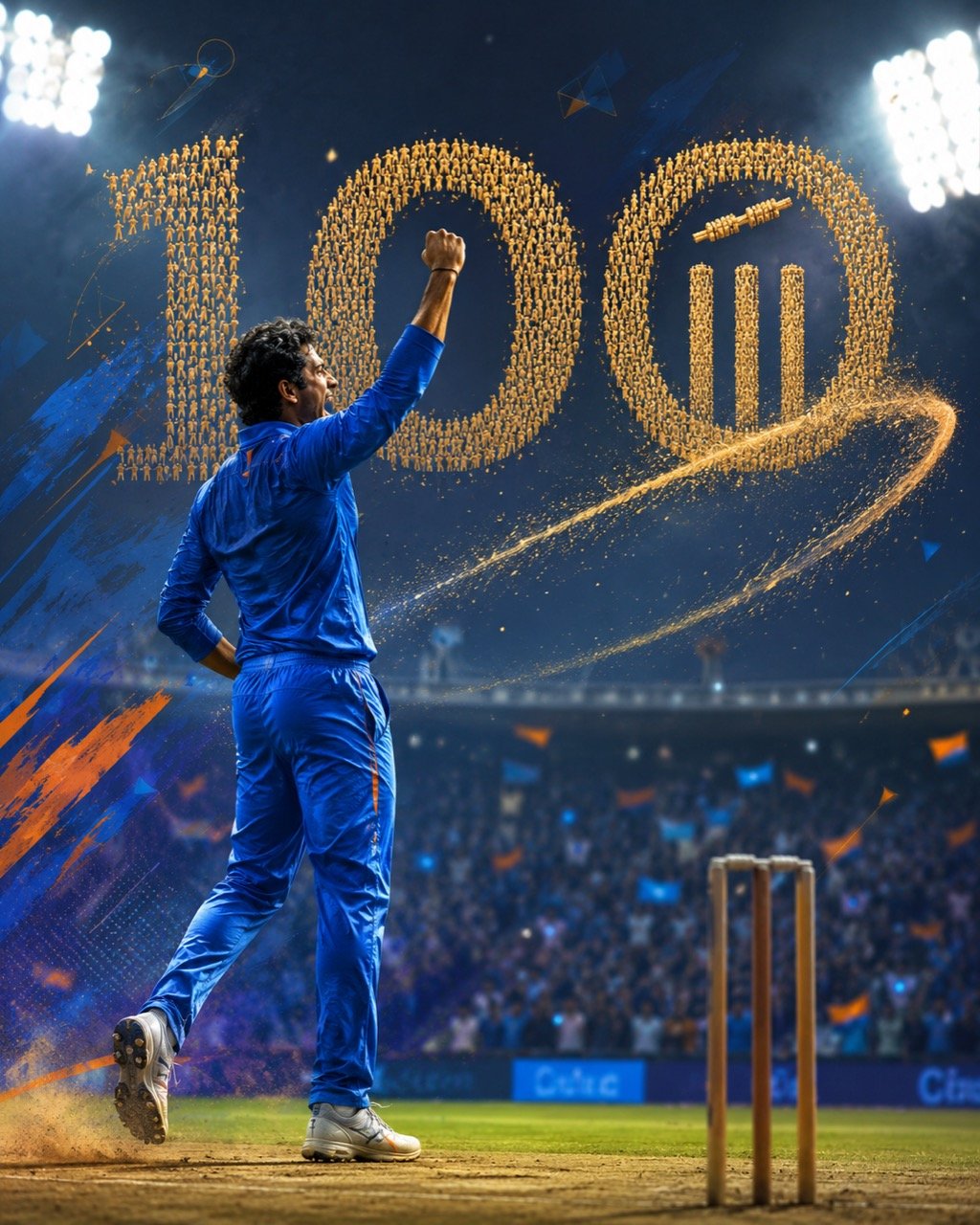
Axar Patel reached 100 T20 international wickets in the second T20I against England, becoming the first Indian spinner to hit the mark and cementing his standing as one of India's most durable white-ball performers.
BCCI Emerging Men's Tournament to Hunt Test Prospects in Bengaluru
The BCCI's red-ball Emerging Men's Tournament, running at the Centre of Excellence in Bengaluru through July, is designed to give selectors a longer, harder look at India's next generation of Test cricketers.