Deepika Padukone Backs ICC Maternity Return Policy for Women Cricketers
Actor Deepika Padukone has welcomed the ICC's new post-pregnancy return-to-play guidelines, calling them a landmark step for women in sport that pairs motherhood with elite competitive careers.
Commentary & Analysis ·
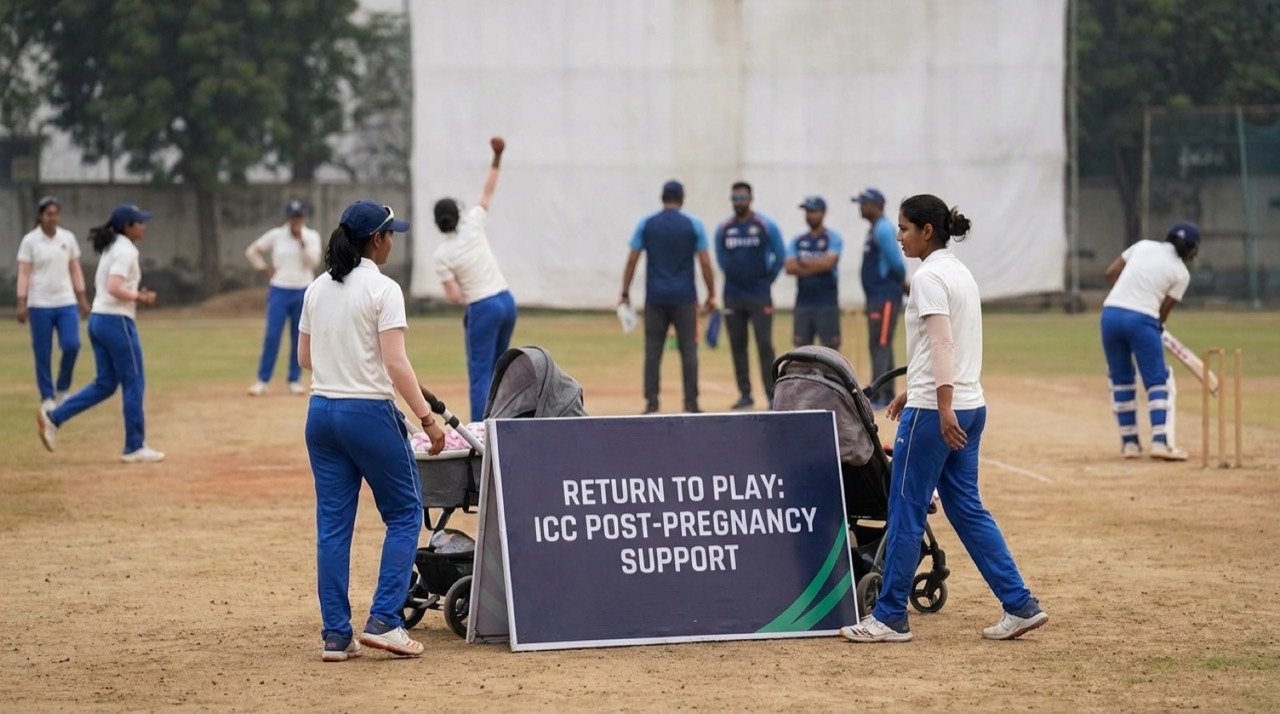
When an institution as influential as the International Cricket Council formalises support for new mothers, it tends to ripple far beyond the boundary rope. That is the calculation behind the wave of attention now surrounding the ICC's post-pregnancy return-to-play guidelines, a framework that has drawn warm public praise from actor Deepika Padukone, who described the move as a landmark moment for women in sport. Her endorsement, arriving as she navigates her own demands around motherhood and work, has helped push a technical policy document into a wider national conversation.
What the policy actually offers
The ICC framework is designed to ease the path back to competitive cricket for players returning after childbirth. Rather than leaving each athlete to negotiate her own arrangements, it sets out structured medical and psychological support, flexible training plans calibrated to recovery, and guidance on the staged return to match fitness.
Crucially, it also addresses the logistics that often quietly end careers: childcare support is built into the model, acknowledging that the gap between elite ambition and family life is frequently practical rather than physical.
Why it matters for women athletes
Elite sportswomen face career interruptions that their male counterparts simply do not. A pregnancy can coincide with peak playing years, and without institutional backing, athletes risk losing fitness, central contracts and selection momentum at once. By codifying support, cricket's global body signals to national boards, coaches and sponsors that motherhood and professional sport are not incompatible.
For India, where women's cricket has surged in visibility and commercial value, the guidelines could shape how the domestic ecosystem treats players who choose to start families mid-career.
- Structured medical support tailored to post-pregnancy recovery
- Psychological and mental-health assistance during the return phase
- Flexible, individualised training plans rather than fixed timelines
- Recovery and fitness guidance to rebuild match readiness
- Childcare provisions to ease the practical burden on returning players
“Formalising this kind of support tells every young player that she will not have to choose between the game she loves and the family she wants.”
— Sports policy observer
A cultural signal as much as a rulebook
The significance of a celebrity such as Padukone amplifying the policy is partly cultural. Her voice carries the conversation to audiences who may never read an ICC circular, framing the guidelines as a story about dignity and choice rather than administrative procedure.
The harder test now lies in implementation. Guidelines are only as strong as the boards that adopt them, the budgets that fund childcare and medical staff, and the selection cultures that welcome returning mothers without prejudice. If those pieces fall into place, the framework could quietly reshape how a generation of women plans both their careers and their families.
The NE Times View
Celebrity endorsement is cheap; institutional plumbing is what counts, and the ICC's return-to-play guidelines are the more consequential story here. For too long women cricketers faced an unspoken choice between motherhood and contracts. Codifying a path back is overdue progress. The measure of success will be whether state boards and the WPL actually fund and honour it, not whether a star applauds it.
This article is original commentary and analysis by The NE Times. Background facts were referenced from NDTV and Times of India.
You may also like to read
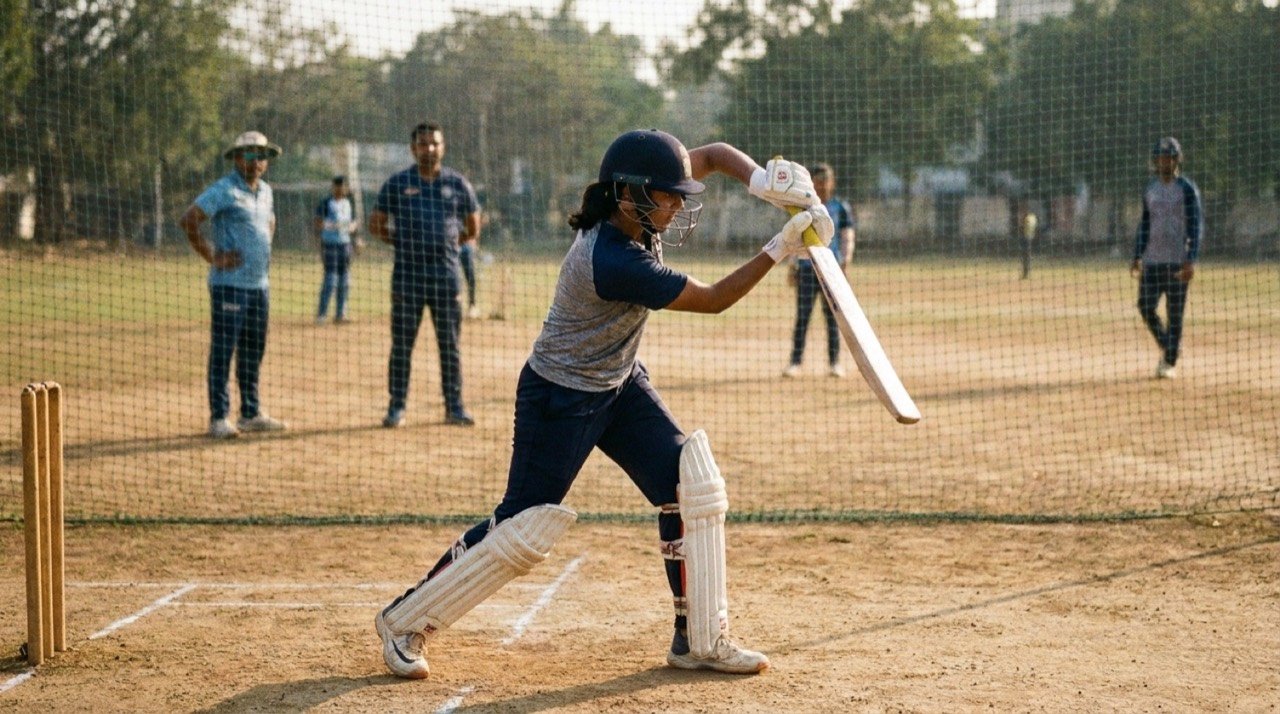
ICC Unveils Post-Pregnancy Return-to-Play Guidelines for Women Cricketers
The global governing body has issued a structured framework covering recovery, mental wellbeing and monitored return, a milestone for women who choose both motherhood and elite cricket careers.
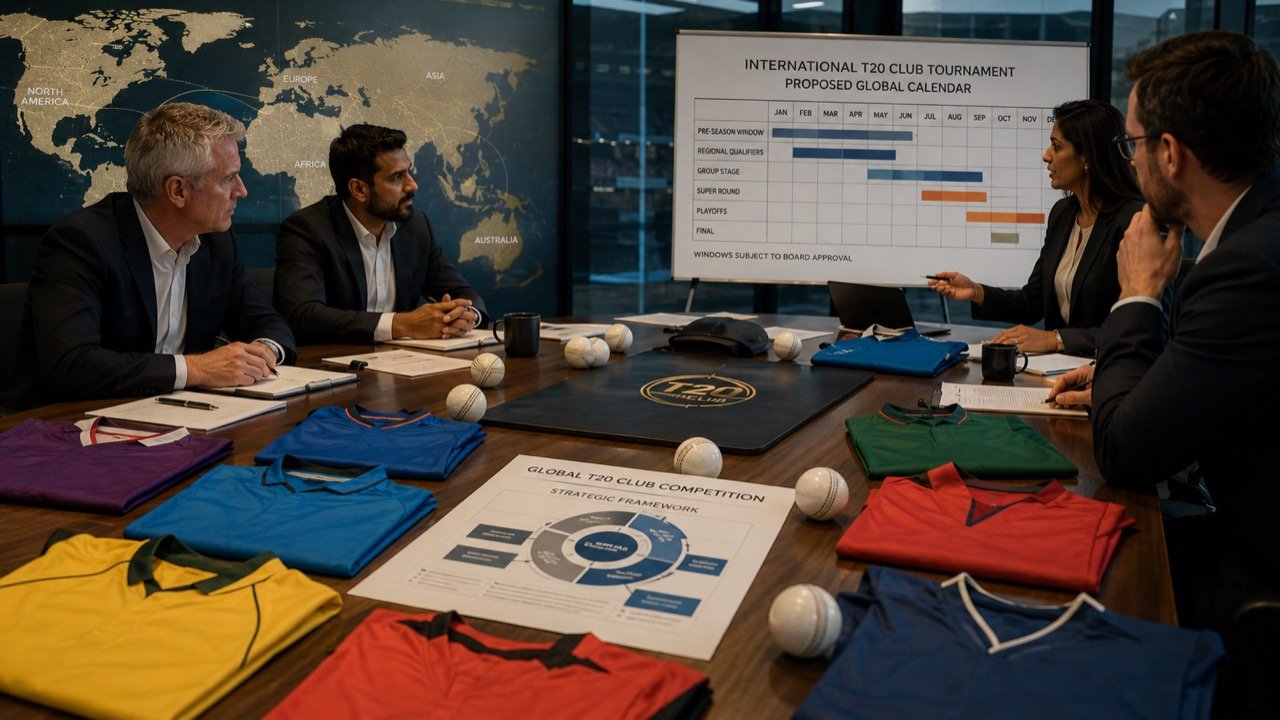
ICC World Club T20: How a New Tournament Could Reshape Cricket
A reported ICC proposal for a World Club T20 competition could redraw the global cricket calendar, deepen franchise power and raise big questions for the IPL, players and smaller cricketing nations.
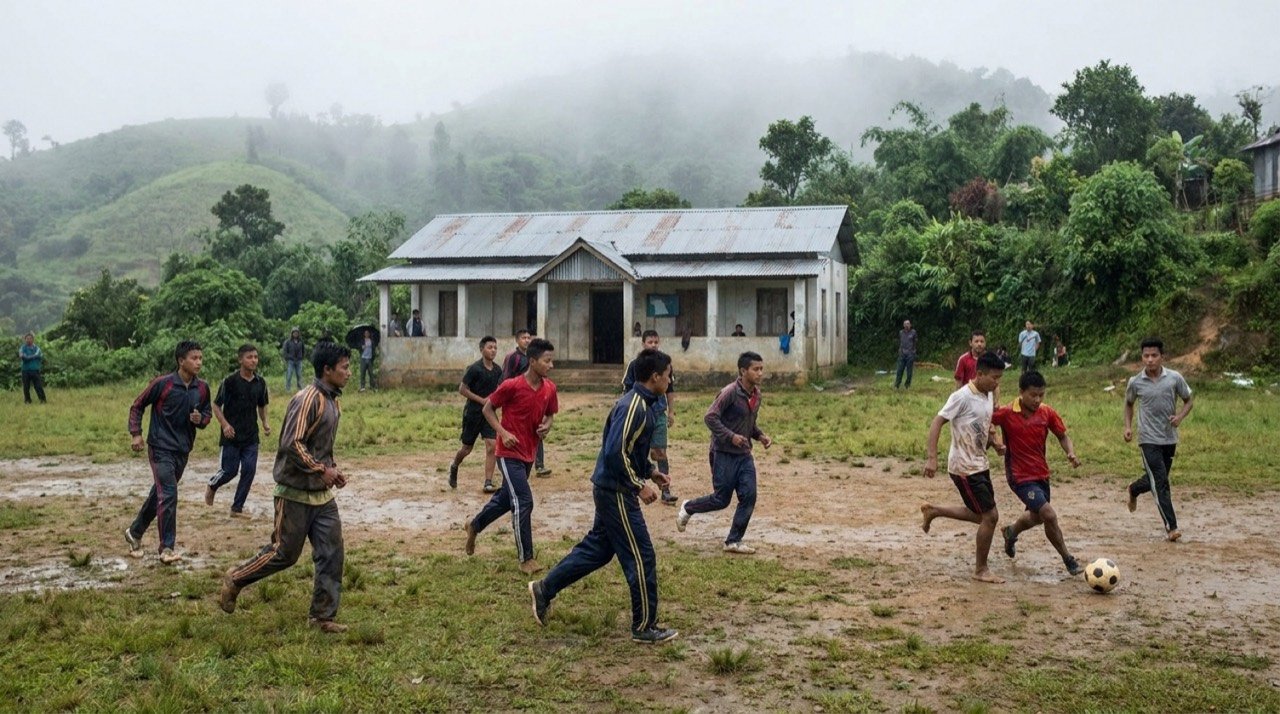
Meghalaya Sports Conclave 2026 Lays Out a Youth-First Vision for Grassroots Sport
The Meghalaya Sports Conclave 2026 set out a roadmap to use sport as an engine of youth development, infrastructure growth and community participation across the state's hill and tribal regions.
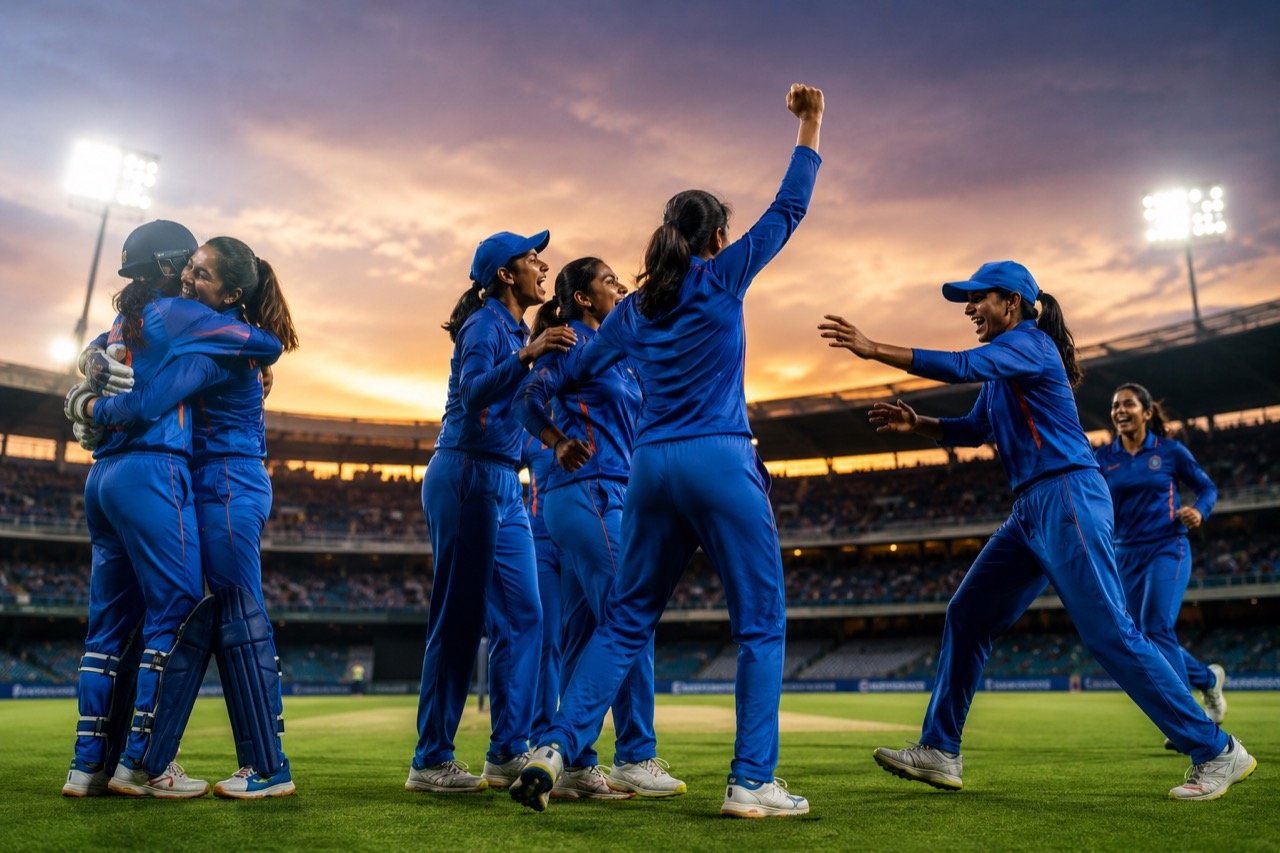
India Women Seal Cricket Spot at 2028 Los Angeles Olympics
India's women's cricket team has secured qualification for the 2028 Los Angeles Olympics, opening a new Olympic cycle that could reshape funding, visibility and player development in the women's game.
More from this section
More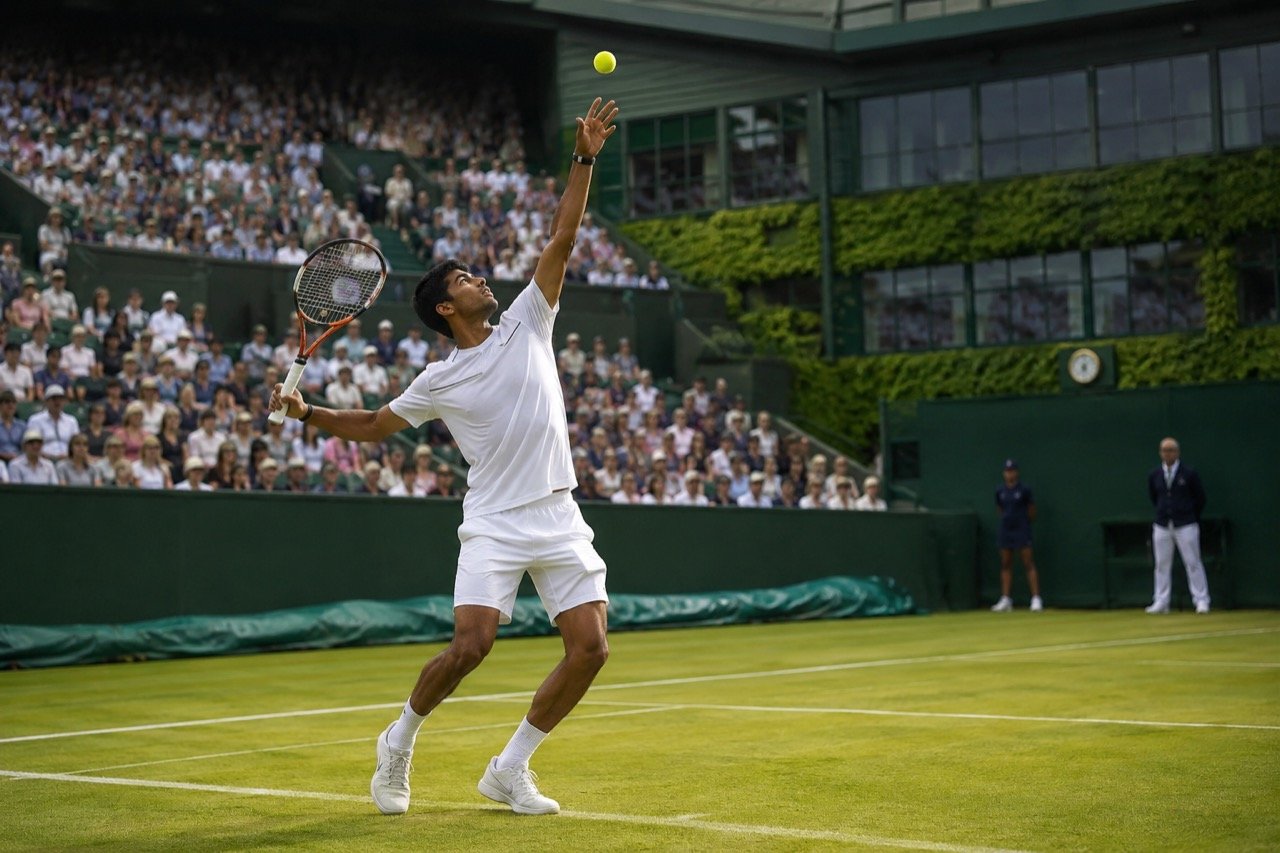
Arnav Paparkar Advances at Wimbledon Boys' Singles in Boost for India
Indian junior Arnav Paparkar has moved into the second round of the Wimbledon boys' singles with a commanding serving display, handing Indian tennis a rare and encouraging grass-court result at the sport's biggest stage.
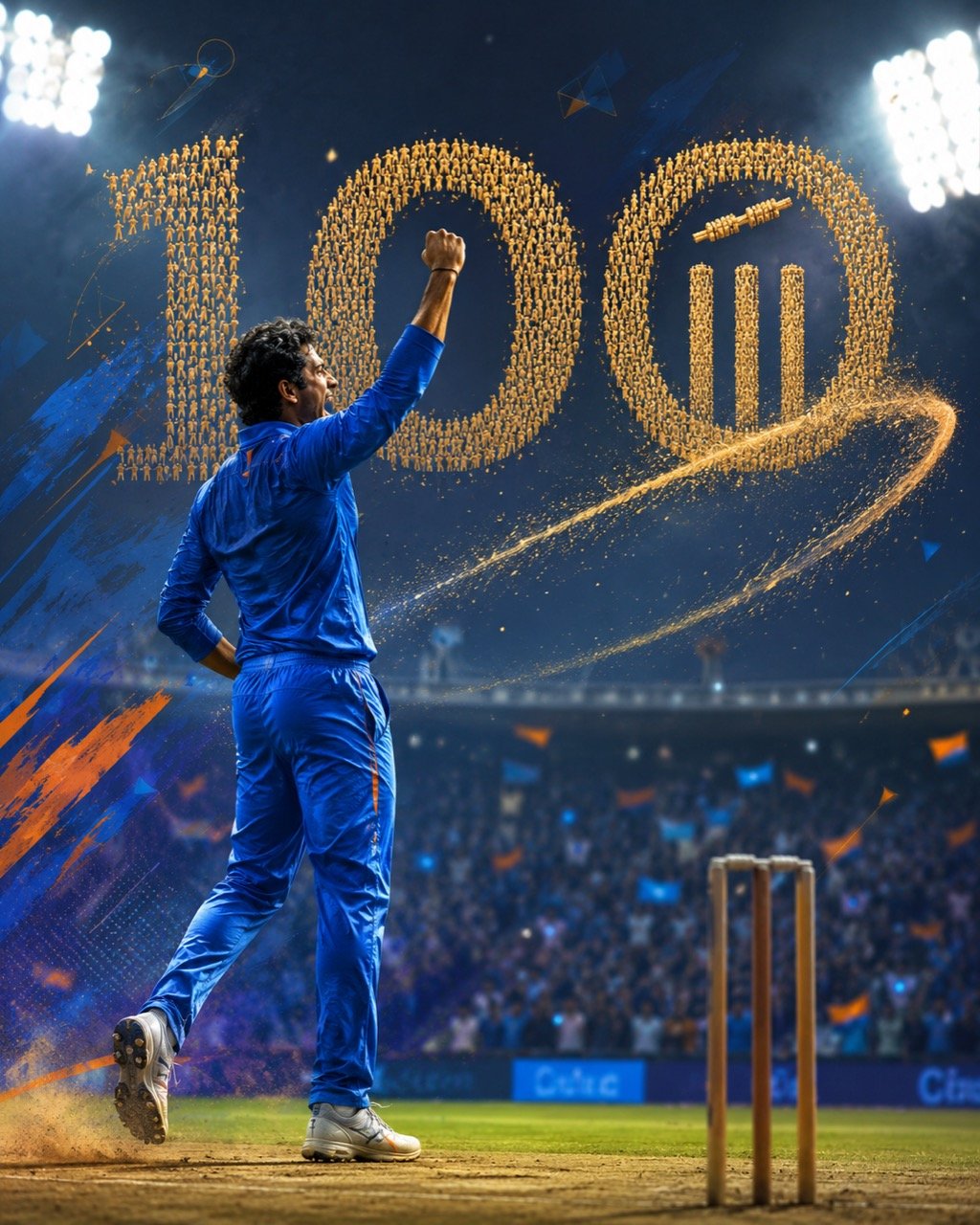
Axar Patel Becomes First Indian Spinner With 100 T20I Wickets
Axar Patel reached 100 T20 international wickets in the second T20I against England, becoming the first Indian spinner to hit the mark and cementing his standing as one of India's most durable white-ball performers.
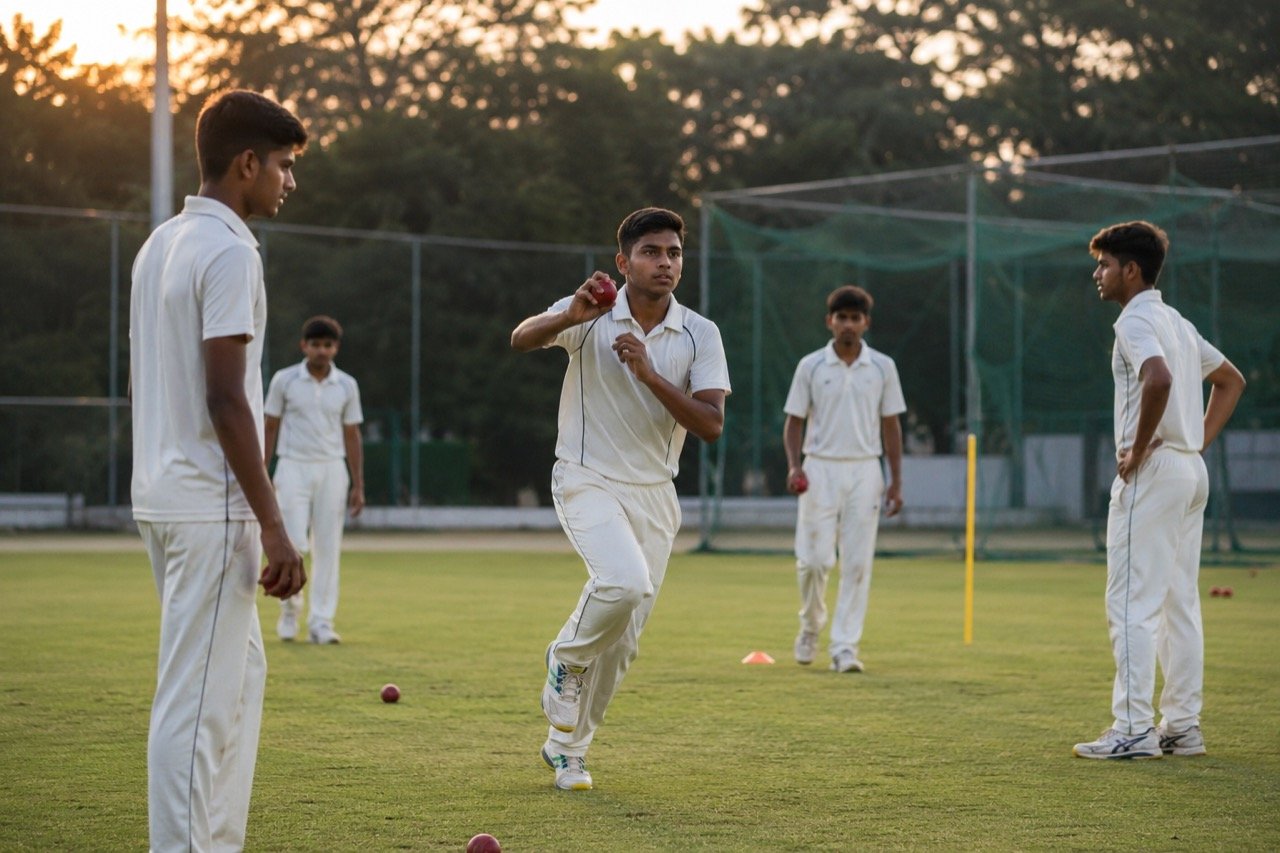
BCCI Emerging Men's Tournament to Hunt Test Prospects in Bengaluru
The BCCI's red-ball Emerging Men's Tournament, running at the Centre of Excellence in Bengaluru through July, is designed to give selectors a longer, harder look at India's next generation of Test cricketers.