TMC Expels Senior Leaders as West Bengal Party Crisis Deepens
The Trinamool Congress crisis escalated as the party expelled eight senior leaders, including Firhad Hakim, over alleged anti-party activity, after a rebel faction claimed to remove Mamata Banerjee.
Commentary & Analysis ·
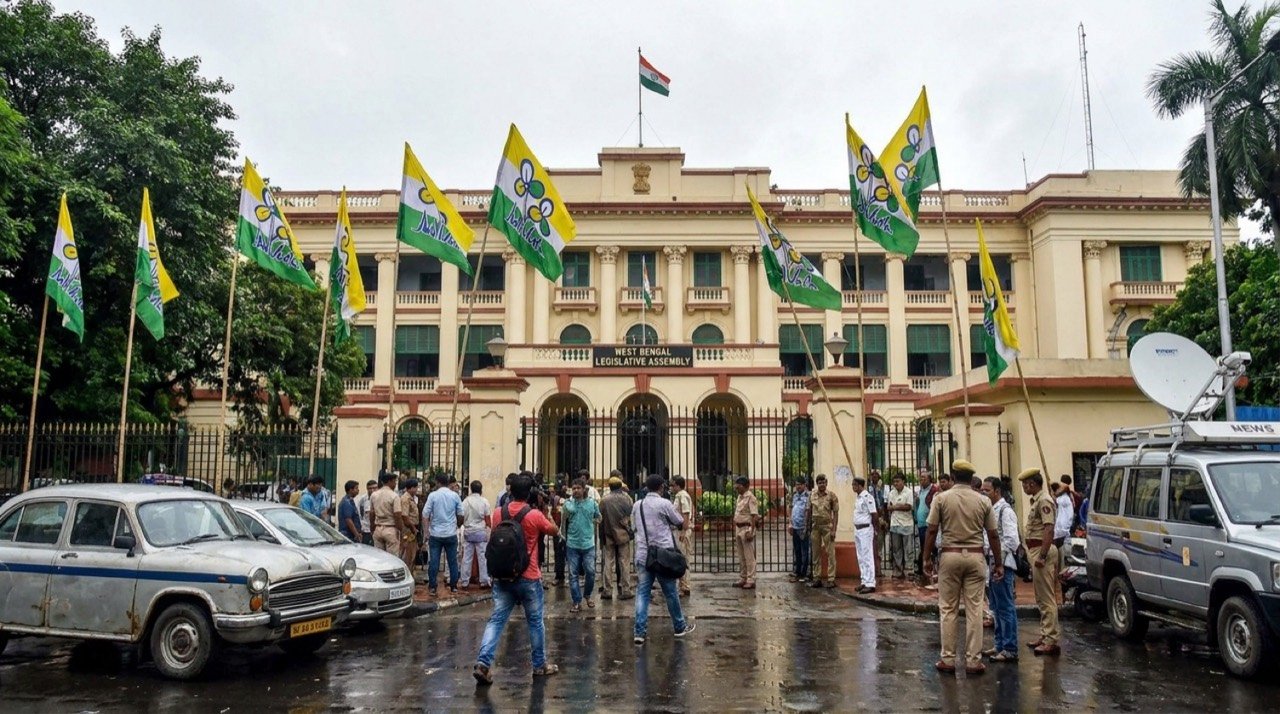
The Trinamool Congress crisis in West Bengal widened dramatically as the party expelled eight senior leaders, including Firhad Hakim, Arup Roy and Aroop Biswas, over alleged anti-party activities. The action followed a rebel move that claimed to remove Mamata Banerjee from the party chairperson's post and project a parallel leadership, plunging one of India's most formidable regional parties into open internal conflict. That such a step was taken at all, against leaders of this seniority, suggests the party's central command judged the threat too serious to be handled through quiet negotiation, and chose instead a public and irreversible break.
How the rebellion unfolded
The expulsions came after a rebel faction publicly asserted that it had unseated Banerjee and unveiled an alternative power structure. The party leadership responded by stripping the dissenting leaders of membership, framing their conduct as a breach of discipline rather than a legitimate challenge. Casting the rebellion as indiscipline rather than as a genuine internal contest is itself a strategic choice: it denies the rebel faction the legitimacy of representing an alternate mandate within the party and instead reduces the episode to a matter of a few individuals stepping out of line. Whether that framing holds will depend on how many other office-bearers, legislators and grassroots workers choose to side with the rebels in the days ahead.
The presence of several heavyweight names among those expelled signals that the rift runs deeper than routine factionalism, touching senior figures long seen as central to the party's organisation in Bengal. Firhad Hakim, Arup Roy and Aroop Biswas are not marginal figures prone to opportunistic dissent; their standing within the Trinamool Congress means their expulsion removes established organisational capacity from the party's structure at a stroke. For a party that has relied heavily on a tight, personality-driven command structure since its founding, the loss of leaders of this stature, even in the short term, is not a cosmetic wound.
Beyond internal discipline
What began as a question of party discipline now carries far wider stakes. The dispute raises issues around legislative numbers, recognition by the Election Commission and control of the party's symbol, all of which could become contested if the rebel camp presses its claim to be the authentic Trinamool Congress. These are not abstract or procedural matters. A party's symbol and its recognised name carry enormous electoral value in India, particularly for an organisation whose identity has for years been closely bound to Banerjee's own political brand. Any serious contest over who legitimately controls that identity strikes at the very asset the party depends on to fight elections.
Such disputes have historically been decided not only on the streets but in front of the Election Commission and the courts, where the test of legislative and organisational majorities often determines who keeps the name and symbol. India's political history offers no shortage of precedent for factional splits being adjudicated this way, and the process, once triggered, tends to be slow, litigious and disruptive to normal party functioning. Even if the rebel faction's claim to have removed Banerjee proves unable to command genuine legislative or organisational backing, the mere assertion forces the party to expend energy and resources defending its position rather than preparing for the electoral contests ahead.
National ripple effects
The turmoil has implications beyond Bengal. As a major regional force, the Trinamool Congress is a significant player in opposition coordination, and instability at its core could reshape alignments and embolden rivals, including the BJP, in eastern India. A Trinamool Congress distracted by an internal leadership dispute is a weaker partner in any national opposition arrangement, and a weaker adversary within Bengal itself. Rivals will be alert to any opening the crisis creates, whether in the form of defections, reduced organisational cohesion, or simply a narrative of disarray that can be used against the party in the court of public opinion.
Allies and adversaries alike will be watching how the leadership battle settles. Within opposition ranks nationally, the episode will likely prompt quiet reassessment of how dependent shared strategies have been on the stability of individual regional satraps. For the BJP, a party crisis of this scale in Bengal represents an opportunity to test whether disaffected leaders or cadres might be persuaded to shift allegiance, or whether public confidence in the Trinamool Congress's internal cohesion has been sufficiently shaken to matter at the ballot box.
What happens next
In the coming days, attention will turn to the loyalties of legislators, any moves before the Election Commission and whether the rebel camp can sustain its claim. The test that matters most is not rhetorical but numerical: how many elected representatives, party functionaries and grassroots organisers are willing to publicly align with the rebel faction rather than the existing leadership. Symbolic declarations of a parallel structure carry little weight unless they are backed by demonstrable numbers, and the coming period will reveal whether the rebellion has genuine depth or was primarily a gesture by a handful of disaffected figures.
The outcome will shape not only the future of the Trinamool Congress but the broader contours of West Bengal's politics ahead of upcoming electoral battles. A swiftly contained rebellion would allow the party to project resilience and return focus to its electoral preparations. A protracted, litigated dispute over legitimacy, by contrast, risks consuming the party's attention and resources for months, at a time when the electoral calendar in Bengal offers it little room for prolonged internal distraction.
The NE Times View
Expelling eight senior leaders, Firhad Hakim among them, is less a show of strength than evidence of a party straining under its own centralisation. A structure this dependent on one figure at the apex is, almost by definition, vulnerable to precisely this kind of succession anxiety once it surfaces. The NE Times View: a rebel faction claiming to remove Mamata Banerjee, however far-fetched, signals succession anxiety the TMC has long avoided confronting. That the claim may ultimately prove unsustainable does not make it insignificant; the fact that it was made at all, by leaders of real standing, tells its own story about unresolved questions of what comes after Banerjee.
Bengal's voters deserve to know whether this is genuine internal dissent or a managed purge ahead of the polls. The party leadership's own framing of the episode as one of indiscipline rather than legitimate disagreement is, understandably, self-serving; it is also not necessarily wrong. But the public interest lies not in accepting either side's characterisation uncritically, but in the transparent, verifiable test of legislative and organisational numbers that institutions like the Election Commission are designed to provide. Until that test plays out, the crisis remains as much a matter of narrative as of fact, and Bengal's electorate is entitled to watch that process unfold in the open rather than through the competing statements of rival camps.
Key takeaways
- The Trinamool Congress expelled eight senior leaders, including Firhad Hakim, Arup Roy and Aroop Biswas, over alleged anti-party activities.
- The expulsions followed a rebel faction's claim to have removed Mamata Banerjee as chairperson and its attempt to project a parallel leadership structure.
- Legislative numbers, Election Commission recognition and control of the party symbol are now central to how the dispute will ultimately be resolved.
- The crisis carries national implications for opposition coordination and could offer the BJP openings in eastern India.
- The coming days will test whether the rebel camp can demonstrate genuine organisational and legislative support, or whether the episode fades as a contained internal matter.
You may also like to read
TMC Bengal Chief Quits Within a Month, Putting Party Under Scrutiny
A close aide of Mamata Banerjee has reportedly stepped down as the Trinamool Congress's Bengal unit chief barely weeks after taking charge, reviving questions about organisational stability inside West Bengal's ruling party.

Rebel TMC MLAs Name Arup Roy Chairperson, Deepening Mamata Banerjee's Crisis
A breakaway group of Trinamool Congress legislators has declared Arup Roy chairperson of what it calls the 'real TMC', mounting an open challenge to Mamata Banerjee's leadership in West Bengal.
TMC Rebellion and Expulsions Deepen Trinamool's Bengal Discipline Crisis
Open defiance by councillors and workers, followed by expulsions touching figures like Firhad Hakim and Arup Roy, has turned a local Trinamool dispute into a wider test of party discipline in West Bengal.
Rebel TMC Bloc Challenges Mamata Banerjee Over Party Control
A rebel Trinamool Congress faction claims it has removed Mamata Banerjee as chairperson and named Arup Roy in her place, setting up a likely fight over the party name and symbol at the Election Commission.
More from this section
More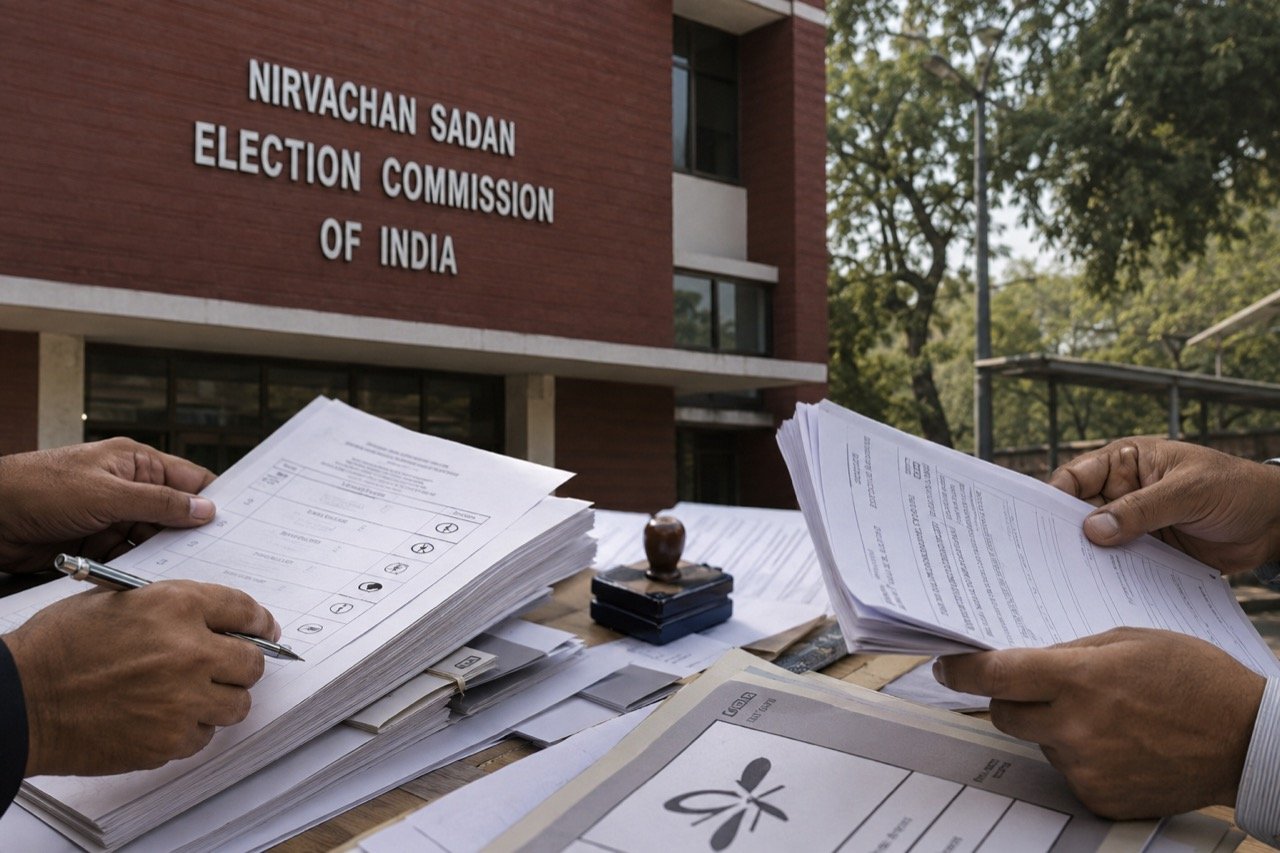
K Kavitha Party Denied TRS Name by Election Commission
The Election Commission has refused to register K Kavitha's Telangana Rakshana Sena under the TRS acronym after objections, forcing a branding reset for the new party at a politically sensitive moment in Telangana.
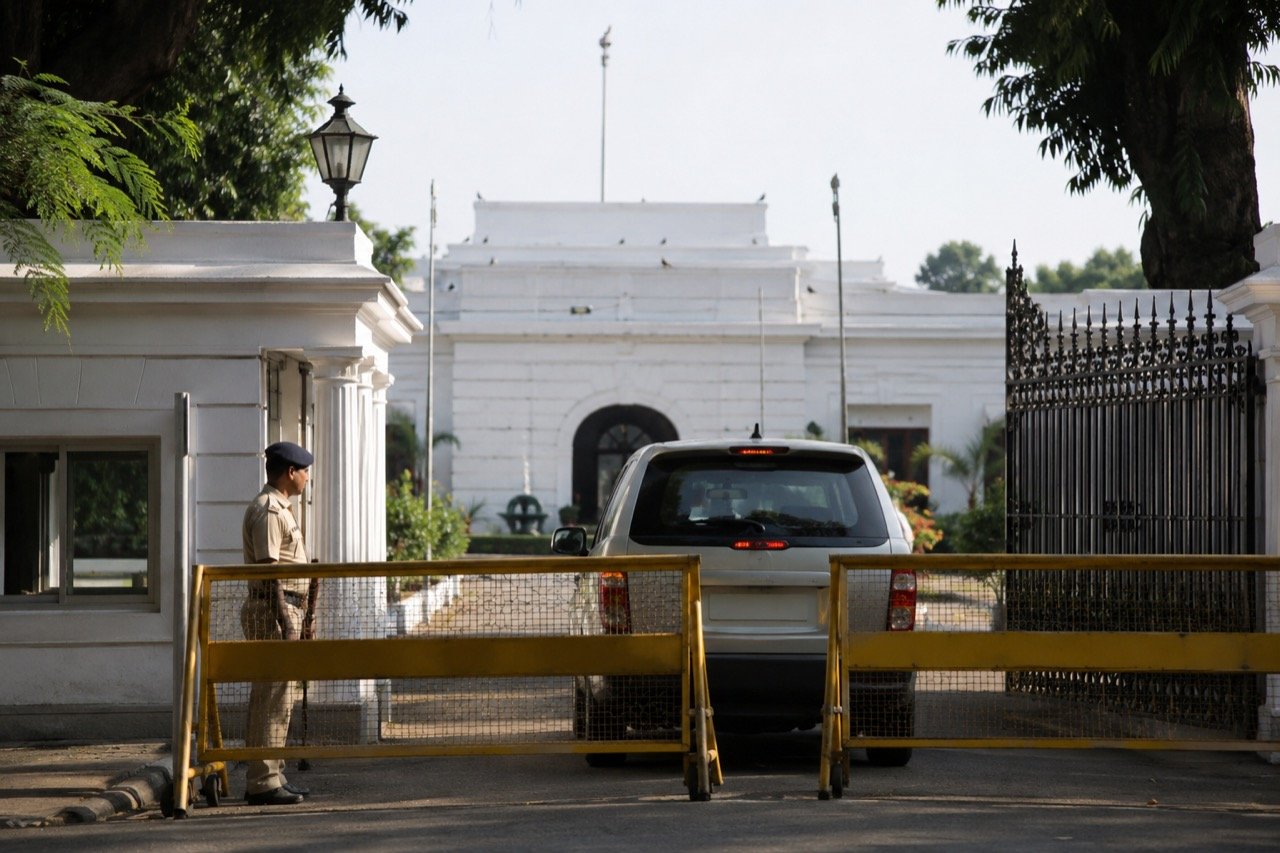
Lalu Prasad Yadav Security Downgrade, Bungalow Order Stir Bihar
A government order downgrading Lalu Prasad Yadav's security cover and asking him to vacate an official bungalow has opened a fresh political flashpoint in Bihar, with the RJD chief's reaction fuelling the row.
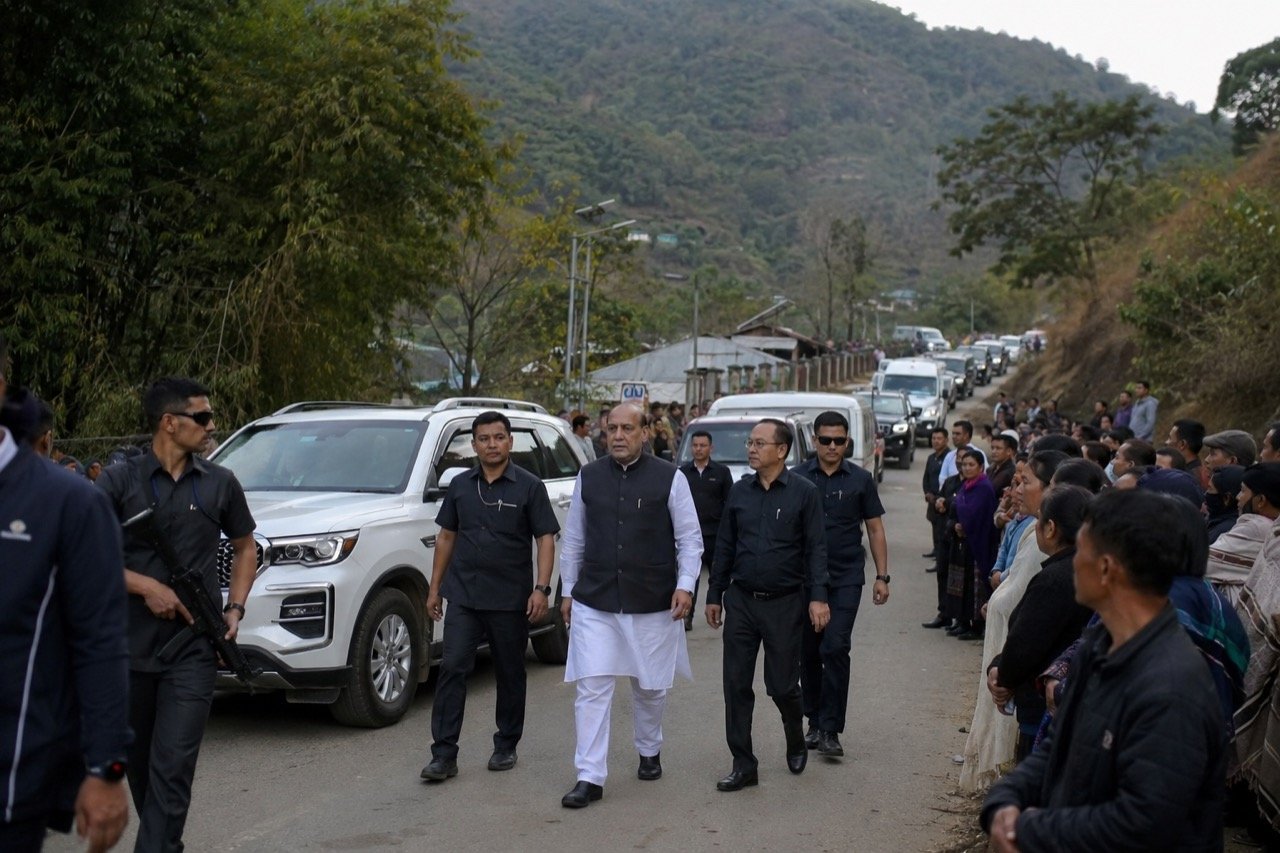
Manipur CM's Churachandpur Visit: First Since 2023 Unrest
The Manipur Chief Minister travelled to Churachandpur for a BJP MLA's funeral, his first visit to the district since the 2023 violence, lending the sombre occasion an unmistakable political significance.