TMC Rebellion and Expulsions Deepen Trinamool's Bengal Discipline Crisis
Open defiance by councillors and workers, followed by expulsions touching figures like Firhad Hakim and Arup Roy, has turned a local Trinamool dispute into a wider test of party discipline in West Bengal.
Commentary & Analysis ·
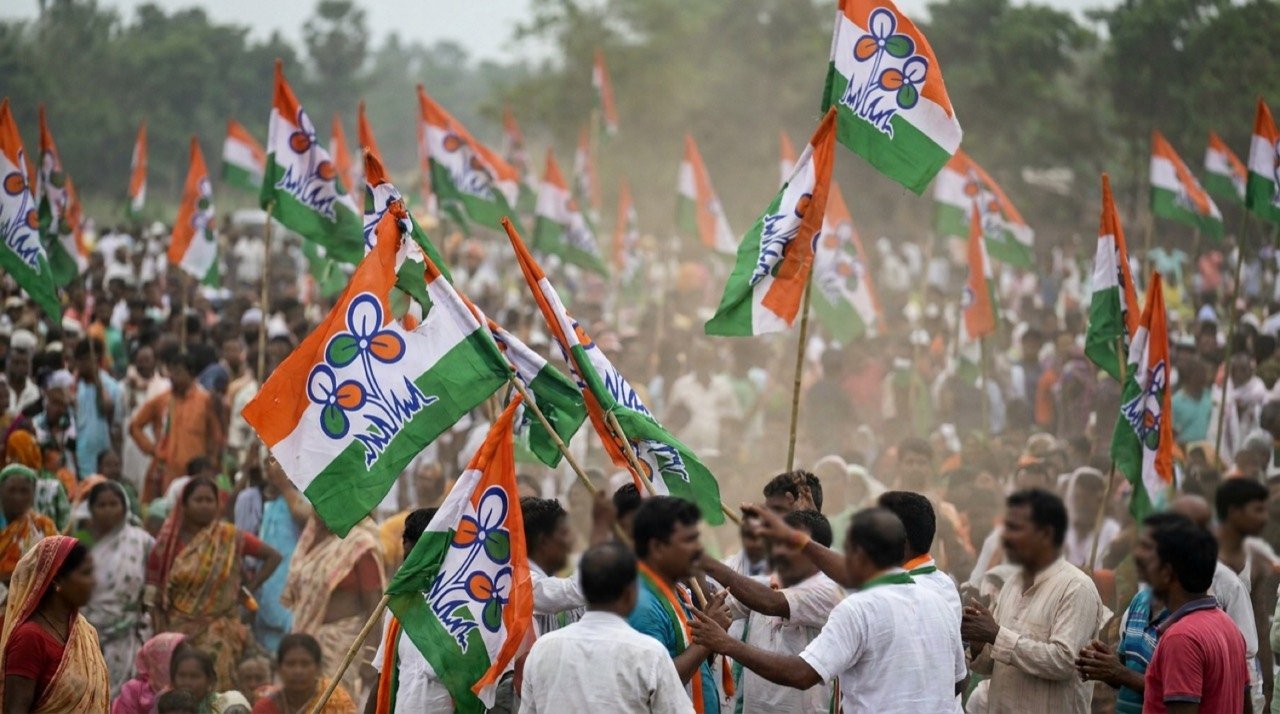
A fresh round of open defiance inside the Trinamool Congress has turned what began as a local organisational dispute into a broader test of party discipline in West Bengal. Reports indicate that senior local figures, including Firhad Hakim and Arup Roy, faced rebellion after a group of councillors and workers challenged decisions, with expulsions following soon after. The episode is, on its face, a routine matter of internal housekeeping. But the identities involved, the manner in which it has played out, and the moment at which it has surfaced all combine to make it something more consequential than a stray disciplinary note.
From local dispute to public test
What might once have been settled quietly within ward committees has spilled into open view. When councillors and grassroots workers publicly question leadership decisions, and the party responds with expulsions, the episode stops being an internal matter and becomes a signal about how the organisation manages dissent. Party leaders have framed the expulsions as a routine matter of discipline, the kind of housekeeping any large political machine periodically undertakes to keep its ranks aligned. Critics read the same events as evidence of pressure and unrest building inside the ranks, arguing that the scale and visibility of the pushback go well beyond what a purely administrative explanation can cover. Both readings can be true at once: disciplinary action can be procedurally routine and still be a symptom of something deeper. The involvement of figures as senior as Firhad Hakim and Arup Roy is itself instructive. Rebellion that reaches close to established leaders, rather than remaining confined to junior workers or disgruntled aspirants, tends to indicate that the friction is not isolated to one ward or one personality clash but reflects wider currents of resentment about how decisions are made and who gets to make them.
Why the timing is sensitive
The flare-up comes ahead of another high-stakes political cycle in Bengal, where electoral strength is built at the booth level. Municipal networks, ward-level loyalty and factional cohesion shape a party's ground game, so visible cracks at exactly this point carry strategic weight well beyond the individuals involved. Bengal's political culture has long rewarded organisations that can mobilise dense, disciplined local networks capable of turning out voters, managing polling booths and maintaining a presence between elections, not just during campaign season. A party's booth-level machinery is built slowly, through patronage, trust and the accumulated loyalty of workers who expect their contributions to be recognised. When that machinery becomes the site of public rebellion, it is not simply an embarrassment; it is a direct threat to the operational capacity the party will need when campaigning begins in earnest. Any perception that the ground-level apparatus is fraying, even in a handful of municipalities, can have an outsized effect because opponents and observers alike will look for signs of contagion elsewhere.
The discipline-versus-pressure question
The core issue is whether the TMC can contain its internal disputes before rivals weaponise them. Opposition parties have an obvious incentive to recast the rebellion as a story about governance and control rather than ordinary intra-party friction, and the longer the disputes stay public, the easier that narrative becomes to push. Councillors and workers openly challenged leadership decisions. Expulsions followed, touching figures including Firhad Hakim and Arup Roy. The party calls the action discipline; critics call it internal pressure. This is, in essence, a contest over framing as much as over facts. If the leadership can establish that the expulsions were a proportionate, rules-based response to specific breaches, the episode fades into the background noise of party management. If instead the narrative hardens into one of an organisation struggling to hold its own workers in line, it becomes fodder for a broader critique of how power is exercised within the party, one that opposition figures will be eager to amplify at every opportunity between now and the next contest.
What senior involvement signals
Booth-level and municipal networks make the timing especially sensitive, and the fact that senior figures are drawn into this dispute changes its character. When discipline must be enforced through expulsions reaching senior figures, it usually signals that authority is being questioned rather than obeyed, an awkward look ahead of a high-stakes Bengal contest. Open defiance by the rank and file is the more telling symptom, because it suggests that grievances have accumulated to a point where workers judge public confrontation to be worth the risk of expulsion. Parties generally prefer to resolve such matters away from public scrutiny precisely because visible conflict invites exactly the kind of scrutiny now falling on the TMC. That the dispute could not be contained quietly, and instead required expulsions of people connected to well-known leaders, suggests either that back-channel mediation failed or that the leadership judged a public show of firmness necessary to deter further defiance elsewhere in the organisation.
What to watch next
How quickly the leadership can restore order, or at least the appearance of it, will shape the party's footing going into the next contest. Contained swiftly, the episode may register as a passing flare-up, one of the ordinary frictions that accompany the management of a large and long-dominant political organisation. Left to fester, it risks becoming the opening that opponents have been waiting for, a ready-made example to cite whenever questions arise about internal governance or the treatment of dissent within the party. Observers will be watching for a few concrete signs: whether further expulsions or resignations follow in the same municipalities, whether the affected councillors and workers attempt to organise more broadly or align with rival parties, and whether the leadership moves to address the underlying grievances rather than relying solely on disciplinary measures. As one observer put it, in Bengal, control of the booth and the ward is control of the campaign, which is why visible dissent now matters so much. That assessment captures why a dispute that might elsewhere be dismissed as routine carries real stakes here.
The NE Times View
When discipline must be enforced through expulsions reaching senior figures, it usually signals that authority is being questioned rather than obeyed, an awkward look ahead of a high-stakes Bengal contest. Open defiance by the rank and file is the more telling symptom. A dominant party's strength is also its fragility, and Trinamool's challenge is to absorb internal dissent without hollowing out the local machinery that wins it elections on the ground. The coming weeks will show whether this is remembered as a minor disciplinary footnote or as an early marker of deeper strain within the organisation.
Key takeaways
- Councillors and workers publicly challenged TMC leadership decisions, prompting expulsions that touched senior figures including Firhad Hakim and Arup Roy.
- The party has characterised the expulsions as routine discipline, while critics see them as evidence of deeper internal pressure.
- The dispute's timing is sensitive because Bengal's electoral strength depends on booth-level and municipal network cohesion.
- Opposition parties have an incentive to reframe the episode as a governance failure rather than ordinary intra-party friction.
- How swiftly and convincingly the TMC restores order will shape its footing ahead of the next high-stakes electoral contest.
You may also like to read
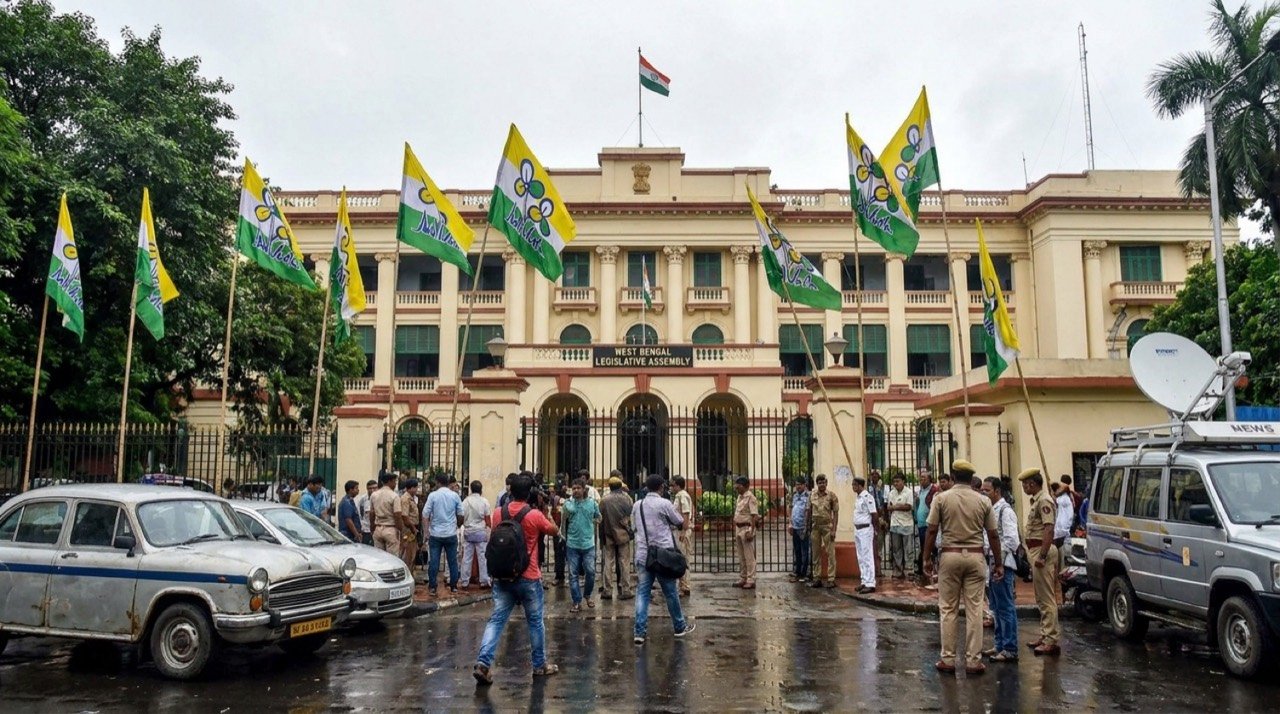
TMC Expels Senior Leaders as West Bengal Party Crisis Deepens
The Trinamool Congress crisis escalated as the party expelled eight senior leaders, including Firhad Hakim, over alleged anti-party activity, after a rebel faction claimed to remove Mamata Banerjee.
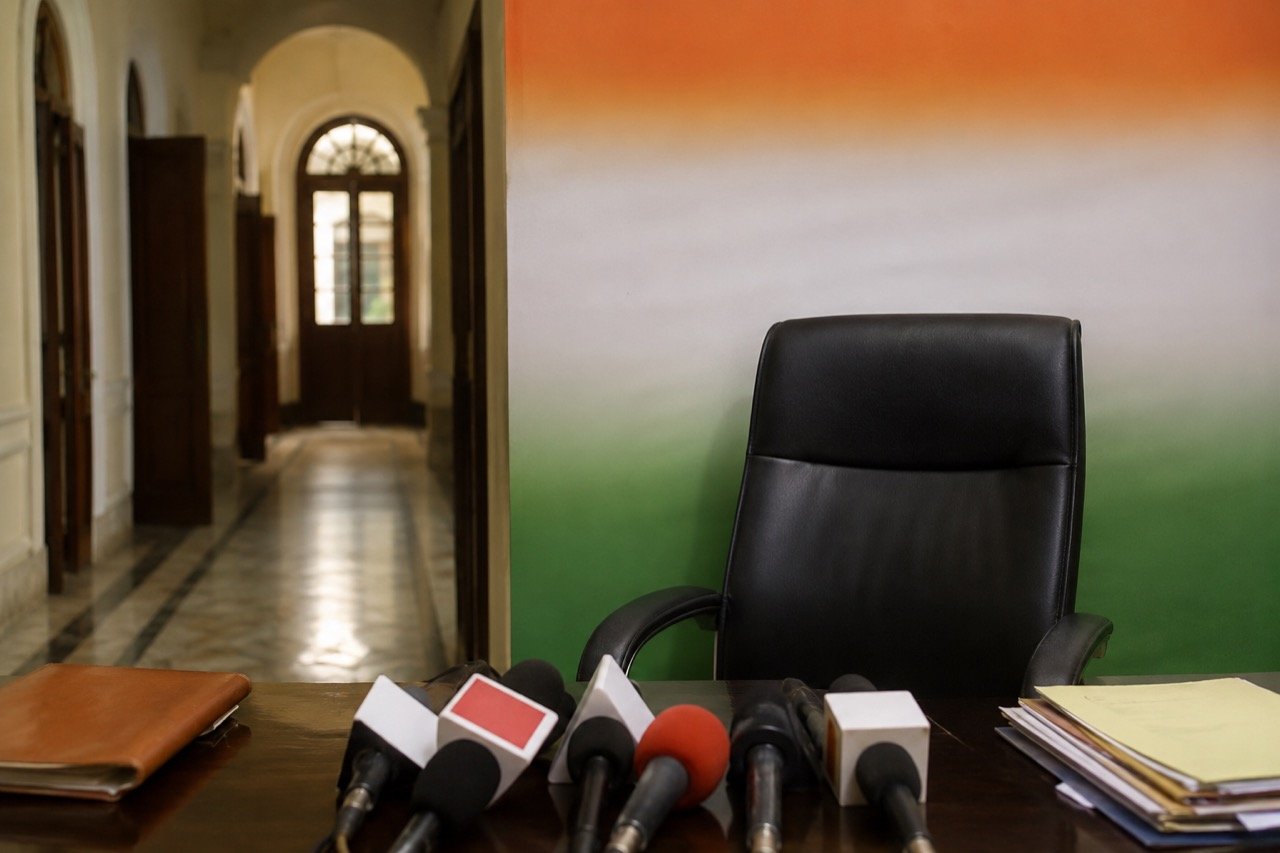
TMC Bengal Chief Quits Within a Month, Putting Party Under Scrutiny
A close aide of Mamata Banerjee has reportedly stepped down as the Trinamool Congress's Bengal unit chief barely weeks after taking charge, reviving questions about organisational stability inside West Bengal's ruling party.

Rebel TMC MLAs Name Arup Roy Chairperson, Deepening Mamata Banerjee's Crisis
A breakaway group of Trinamool Congress legislators has declared Arup Roy chairperson of what it calls the 'real TMC', mounting an open challenge to Mamata Banerjee's leadership in West Bengal.
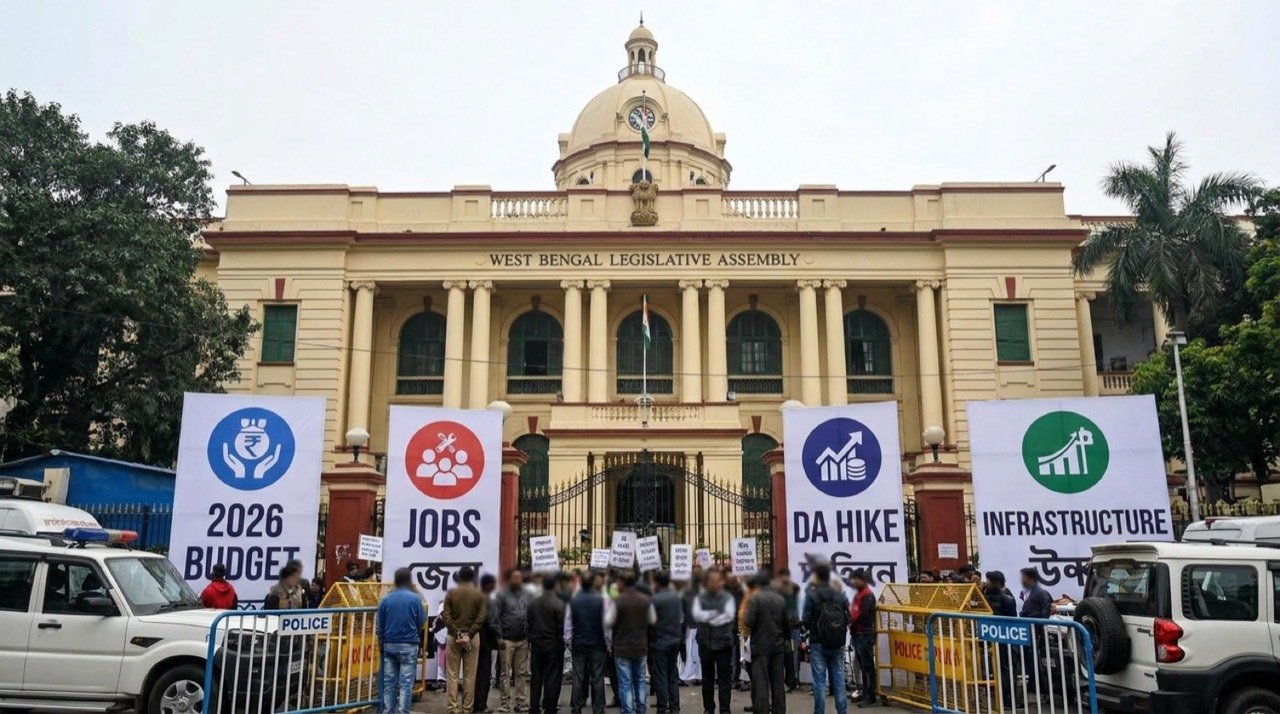
West Bengal Budget 2026 Promises One Lakh Jobs, DA Hike and Kalyani Airport
West Bengal's 2026 budget puts jobs, a sharp dearness allowance hike and infrastructure such as a Kalyani greenfield airport at the heart of the new state government's first major fiscal statement.
More from this section
More
K Kavitha Party Denied TRS Name by Election Commission
The Election Commission has refused to register K Kavitha's Telangana Rakshana Sena under the TRS acronym after objections, forcing a branding reset for the new party at a politically sensitive moment in Telangana.
Lalu Prasad Yadav Security Downgrade, Bungalow Order Stir Bihar
A government order downgrading Lalu Prasad Yadav's security cover and asking him to vacate an official bungalow has opened a fresh political flashpoint in Bihar, with the RJD chief's reaction fuelling the row.
Manipur CM's Churachandpur Visit: First Since 2023 Unrest
The Manipur Chief Minister travelled to Churachandpur for a BJP MLA's funeral, his first visit to the district since the 2023 violence, lending the sombre occasion an unmistakable political significance.