Rebel TMC Bloc Challenges Mamata Banerjee Over Party Control
A rebel Trinamool Congress faction claims it has removed Mamata Banerjee as chairperson and named Arup Roy in her place, setting up a likely fight over the party name and symbol at the Election Commission.
Commentary & Analysis ·
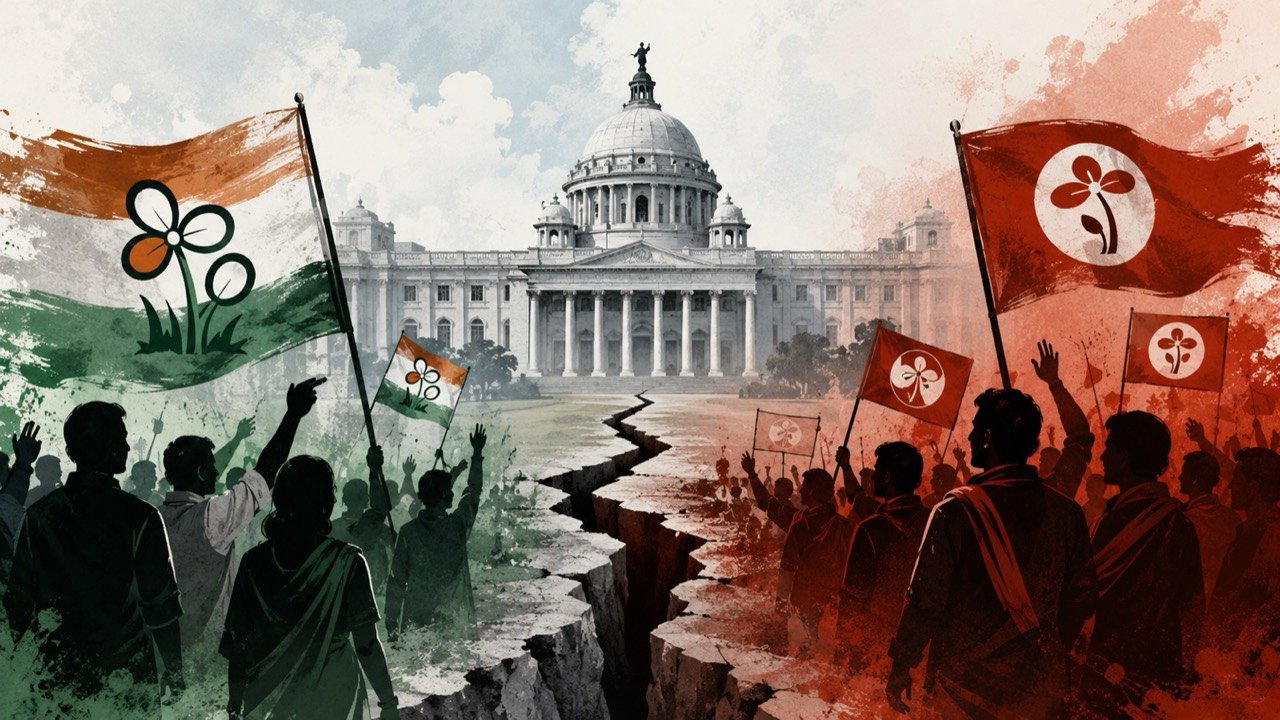
A rebel faction within the Trinamool Congress (TMC) has claimed a dramatic organisational move, asserting that it has removed Mamata Banerjee from the chairperson's post and named Arup Roy as her replacement, according to reports. Banerjee's camp has dismissed the action as political theatre, but the rebel bloc's next steps could turn an internal quarrel into a formal battle over who owns the party. On paper, this looks like an internal administrative dispute. In practice, it touches the very identity of one of India's most prominent regional parties, and the manner in which it is resolved will say a great deal about the durability of Banerjee's hold over the organisation she built.
Two claims to one party
The rebel camp's expected move is to approach the Election Commission with a claim that it represents the real Trinamool Congress and is entitled to the party's name and symbol. This is not a step to be taken lightly, nor one that succeeds through assertion alone. Such disputes are decided not by rhetoric but by demonstrating organisational and legislative support. Banerjee's faction, for its part, has characterised the rebellion as a show with no legal standing, signalling it intends to contest any claim vigorously. The contrast in posture is telling: the rebels are betting on procedure and paperwork, while the establishment camp is betting that its numbers make the entire exercise moot before it even reaches serious scrutiny.
What makes this dispute worth watching is precisely that it will not be settled by press statements or social media pronouncements. An announcement that a leader has been removed is a rhetorical act; it carries no automatic legal force until it is tested before the relevant authority. That gap between claim and adjudication is where the real contest will unfold, and it is likely to be a slow, procedural one rather than a dramatic overnight reversal.
Why recognition matters
Control of a party's official name and symbol is far more than a branding question. It shapes how candidates are identified on ballots, how a party is funded and recognised, and how voters, many of whom vote by symbol, connect at the booth. In a state like West Bengal, where symbol recognition plays an outsised role in how the electorate navigates the ballot, any ambiguity over which faction holds the official Trinamool Congress name and insignia could have consequences well beyond the party's internal politics.
A contested symbol can sow confusion in an electorate and weaken whichever faction loses the recognition fight, which is why these disputes are pursued so fiercely. History across Indian regional politics has shown that symbol battles are rarely won by the side with the louder claim; they are won by the side that can demonstrate, to the Election Commission's satisfaction, that it commands the loyalty of elected representatives, office-bearers and party cadres. This is why the rebel bloc's declaration, however dramatic in its wording, is only the opening move in what could be a long and procedurally heavy contest.
A fast-moving split
The development follows recent churn in West Bengal politics and adds another layer of uncertainty to the TMC's trajectory. The questions it raises will take time, and likely legal process, to resolve. Several distinct threads will need to be untangled before any clarity emerges: party recognition, meaning who the Election Commission deems the genuine TMC; the name and symbol, meaning control of the brand voters recognise; legislative strength, meaning how many MLAs and MPs each side can muster; organisational backing, meaning support among office-bearers and cadres; and voter perception, meaning the risk of confusion in West Bengal's electorate.
Each of these threads carries its own timeline and its own evidentiary burden. Legislative strength can be counted relatively quickly through declarations of allegiance, but organisational backing among cadres is far harder to verify and often only becomes clear when tested at the ground level, in local units and party offices. Voter perception, meanwhile, is the most unpredictable variable of all, since it is shaped as much by media narrative and public sentiment as by any formal ruling.
As one election-law observer put it, removing a leader by announcement is one thing; proving before the Election Commission that you are the real party is quite another. That distinction is likely to define the coming weeks and months of this dispute far more than any further statements issued by either camp.
Stakeholder perspectives and what to watch next
For Banerjee's camp, the calculus is straightforward: dismiss the rebellion as lacking legal standing and let its own organisational depth speak for itself. For the rebel bloc led nominally around Arup Roy's installation as chairperson, the challenge is to convert a symbolic declaration into demonstrable institutional support, a much harder task than issuing a statement. For the Election Commission, should the matter reach that stage formally, the task will be the familiar but painstaking one of weighing competing claims of legitimacy through documentation, affidavits and evidence of support among elected members and office-bearers.
For readers tracking West Bengal politics, Mamata Banerjee and Election Commission disputes, the episode marks a sharp escalation in a fast-moving split. How the rival claims fare, and whether the rebellion gathers the numbers it needs, will determine whether this is a passing flare-up or a lasting fracture in one of India's most prominent regional parties. Observers of Bengal politics will also be watching for secondary signals: whether more MLAs or MPs publicly align with the rebel bloc, whether the state unit's office-bearers issue counter-statements, and whether the rebellion has any coordinated legal strategy beyond its initial declaration.
The NE Times View
Declaring a leader removed is easy; making it stick at the Election Commission is another matter entirely, and Mamata Banerjee's grip on the Trinamool's organisation remains formidable. Such revolts usually reveal more about a rebel faction's frustration than its strength. The gap between announcing a change in leadership and actually substantiating that change before an impartial statutory body is often vast, and history suggests that factions attempting this manoeuvre without overwhelming legislative and organisational backing tend to find the exercise more symbolic than consequential.
Still, the fight over name and symbol could prove a costly distraction for the TMC at a moment when a resurgent opposition in Bengal needs unity, not a succession drama. Even if the rebellion ultimately fails to dislodge Banerjee from formal control, the mere existence of a public, organised challenge signals internal fissures that rival parties will be eager to exploit. In a competitive electoral environment, the optics of disunity can sometimes matter almost as much as the legal outcome itself, and the TMC's leadership will be conscious that prolonged public wrangling serves no one within the party, however the recognition dispute is eventually resolved.
Key takeaways
- A rebel TMC faction claims to have removed Mamata Banerjee as chairperson and installed Arup Roy in her place, a claim Banerjee's camp calls political theatre with no legal standing.
- The likely next step is an approach to the Election Commission, where recognition disputes are settled through demonstrated legislative and organisational support, not public declarations.
- Control of the party's name and symbol carries major electoral consequences given West Bengal's high reliance on symbol-based voting.
- Key unresolved questions include party recognition, legislative strength, cadre loyalty and the risk of voter confusion.
- Even if the rebellion fails to unseat Banerjee formally, the public dispute risks becoming a costly distraction for the TMC at a time when it faces a resurgent opposition in Bengal.
You may also like to read
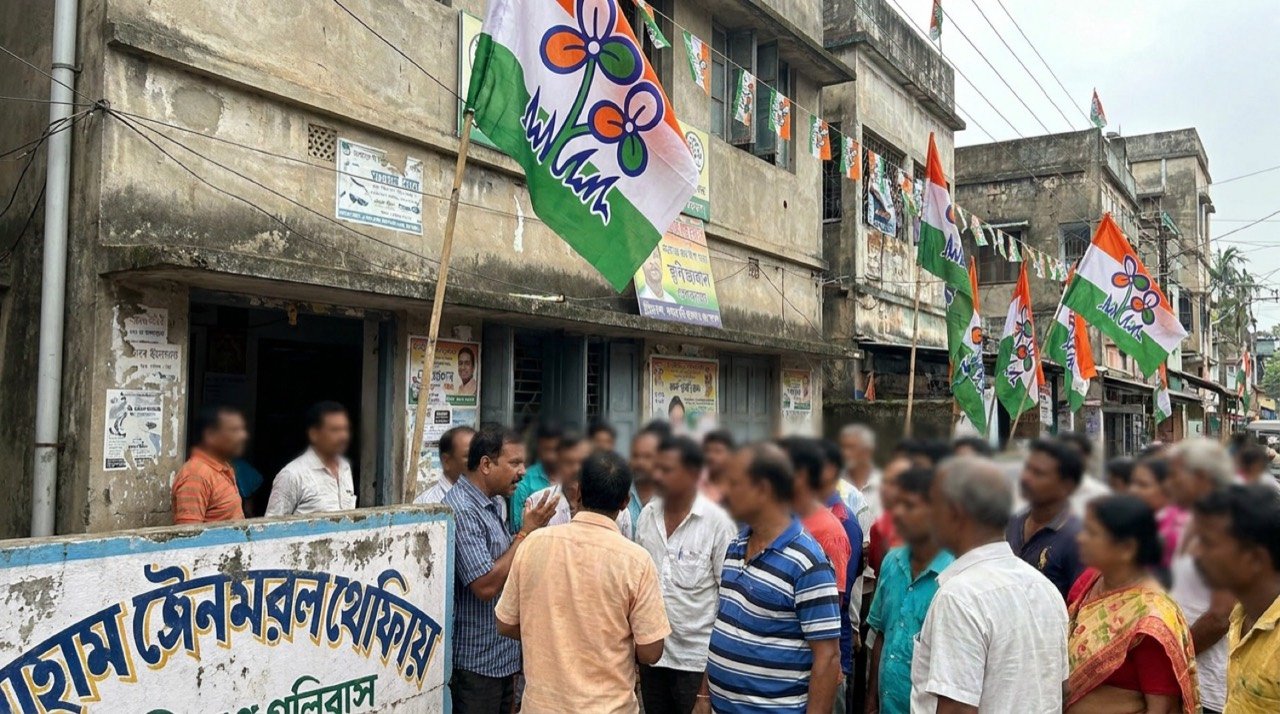
TMC Rebel Bloc Claims to Oust Mamata Banerjee, Vows Election Commission Fight
A breakaway Trinamool Congress faction says it has removed Mamata Banerjee as chairperson and installed Arup Roy, setting up a high-stakes battle over who is the real party.
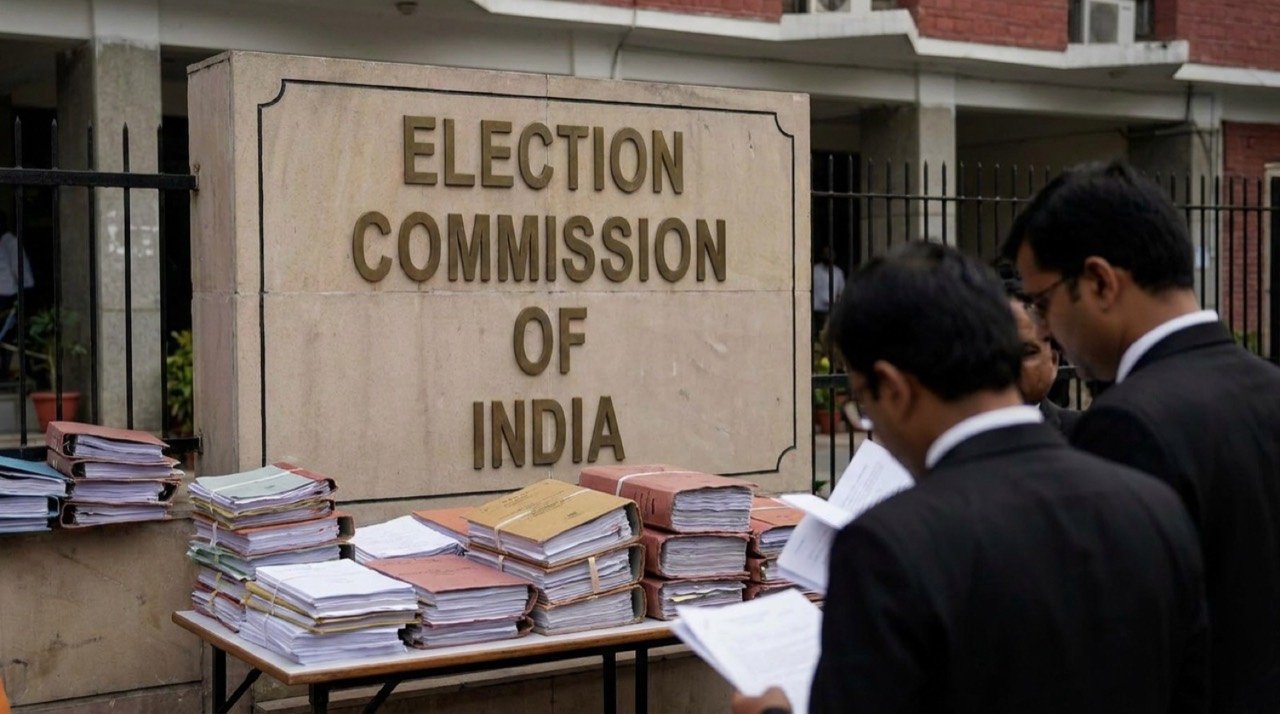
TMC Leadership-List Dispute Reaches the Election Commission
A dispute inside the Trinamool Congress over office-bearer lists and organisational authority has reached the Election Commission, raising procedural questions with real stakes for West Bengal politics.

Rebel TMC MLAs Name Arup Roy Chairperson, Deepening Mamata Banerjee's Crisis
A breakaway group of Trinamool Congress legislators has declared Arup Roy chairperson of what it calls the 'real TMC', mounting an open challenge to Mamata Banerjee's leadership in West Bengal.
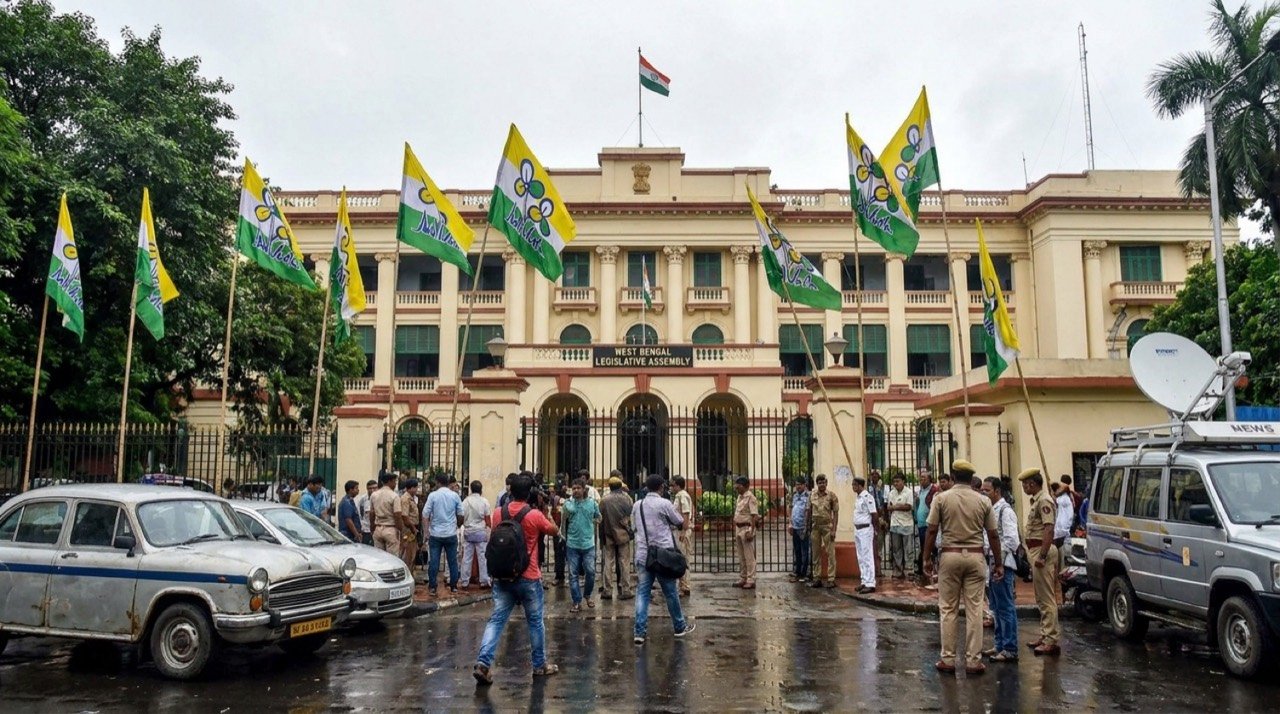
TMC Expels Senior Leaders as West Bengal Party Crisis Deepens
The Trinamool Congress crisis escalated as the party expelled eight senior leaders, including Firhad Hakim, over alleged anti-party activity, after a rebel faction claimed to remove Mamata Banerjee.
More from this section
More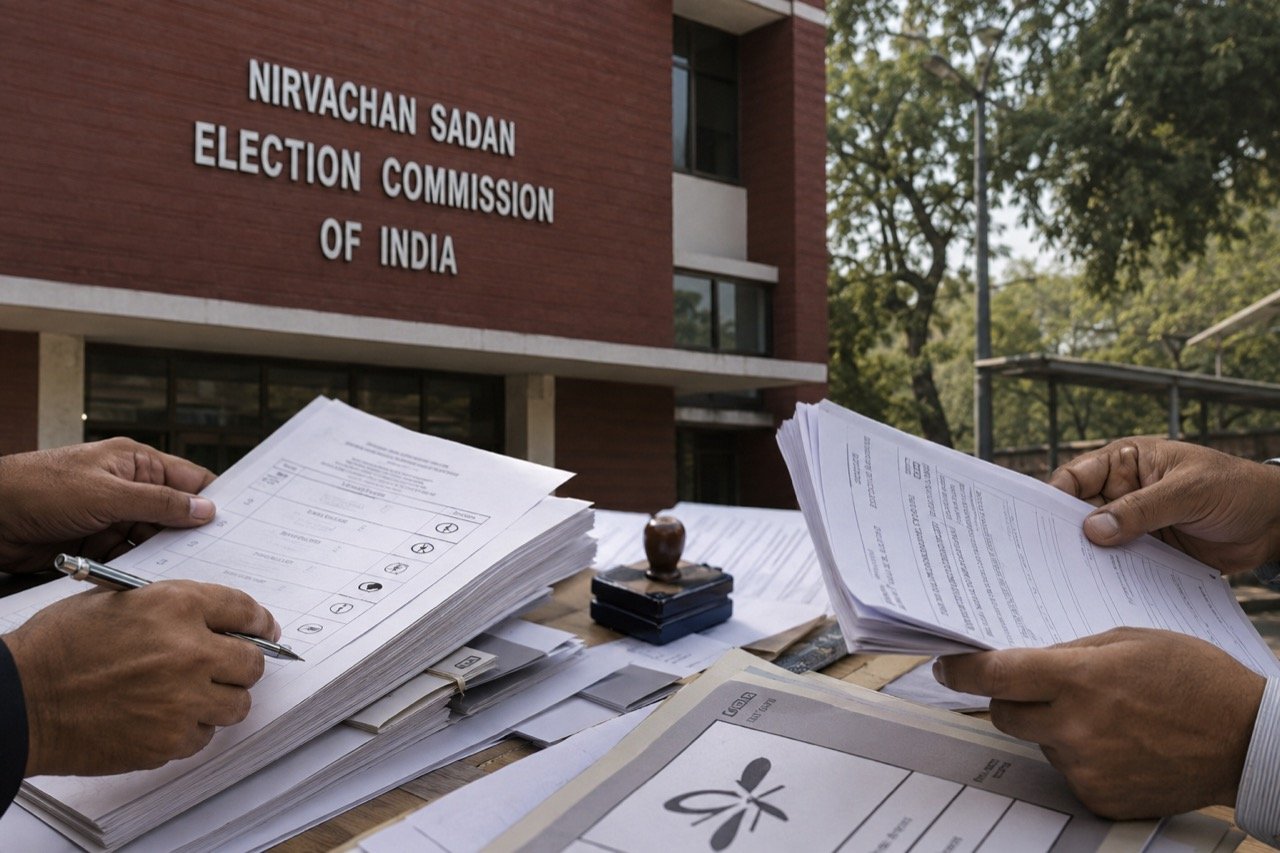
K Kavitha Party Denied TRS Name by Election Commission
The Election Commission has refused to register K Kavitha's Telangana Rakshana Sena under the TRS acronym after objections, forcing a branding reset for the new party at a politically sensitive moment in Telangana.
Lalu Prasad Yadav Security Downgrade, Bungalow Order Stir Bihar
A government order downgrading Lalu Prasad Yadav's security cover and asking him to vacate an official bungalow has opened a fresh political flashpoint in Bihar, with the RJD chief's reaction fuelling the row.
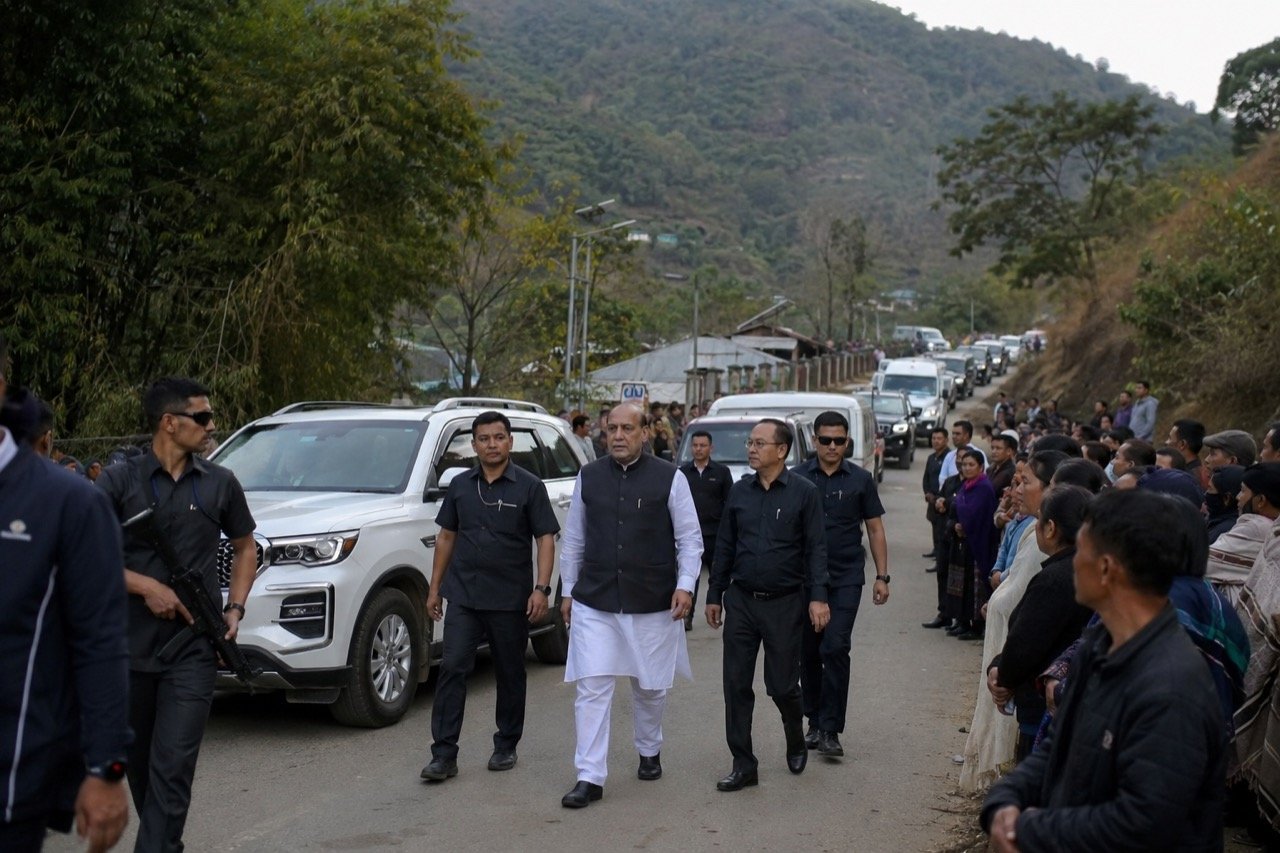
Manipur CM's Churachandpur Visit: First Since 2023 Unrest
The Manipur Chief Minister travelled to Churachandpur for a BJP MLA's funeral, his first visit to the district since the 2023 violence, lending the sombre occasion an unmistakable political significance.