Sumona Chakravarti's Endometriosis Surgery Note Sparks Health Talk
The Kapil Sharma Show actor's disclosure of her May endometriosis surgery and two-month healing break has opened a wider conversation about women's health, recovery and the pressure to stay visible online.
Commentary & Analysis ·
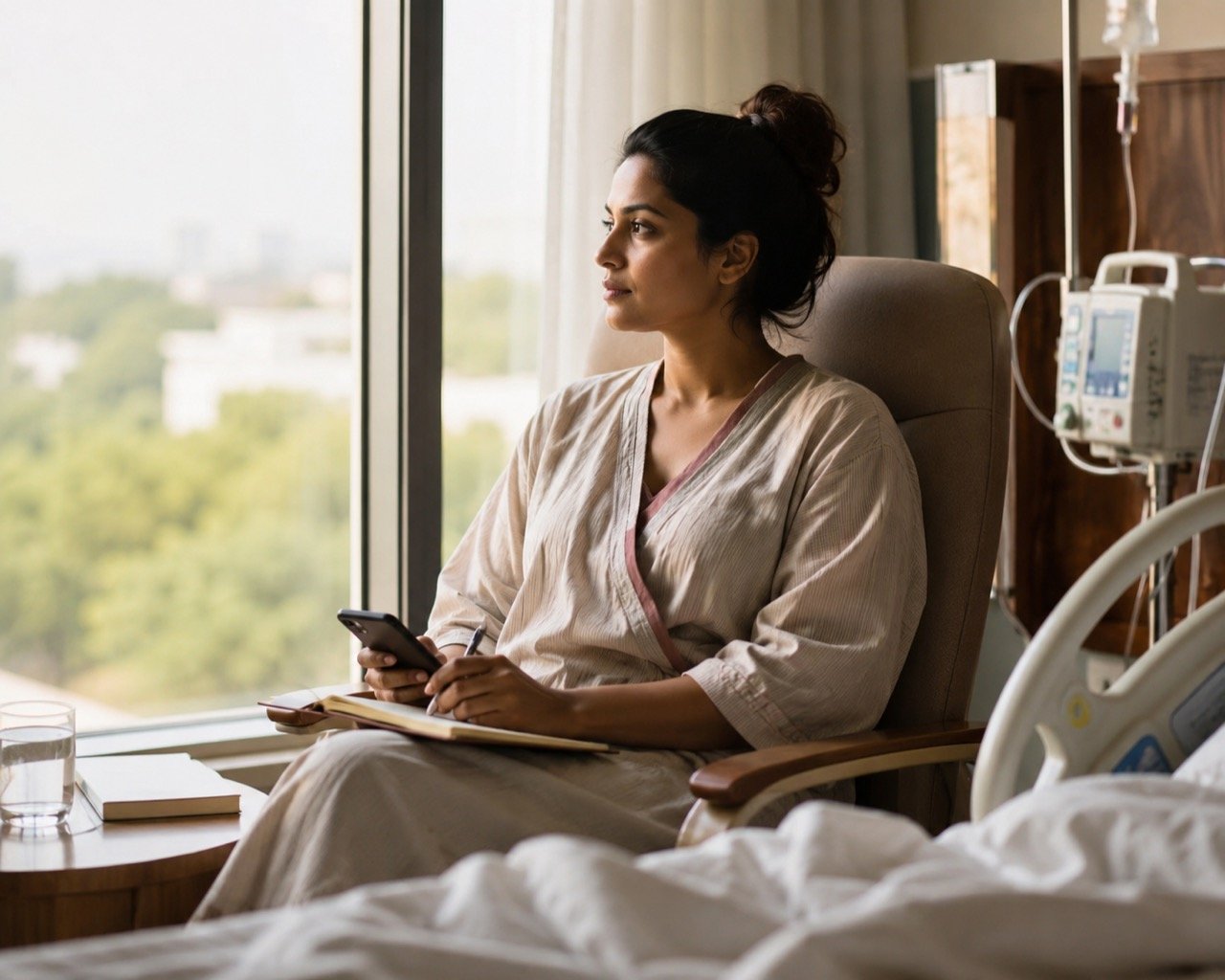
Sumona Chakravarti has returned to social media with news that reframes what might otherwise have been read as a routine celebrity comeback into something considerably more significant. The actor, best known for her long run on The Kapil Sharma Show, revealed that she underwent surgery for endometriosis on May 4 and spent the two months since focused on physical and mental recovery. She described the absence as deliberate, shaped by a conscious refusal to chase engagement, followers or constant public attention. In an industry built on visibility, that framing alone makes the disclosure worth examining closely.
A quiet disclosure with wide resonance
What stands out about Chakravarti's note is not drama but restraint. She did not turn her surgery into a spectacle, nor did she package her recovery as a redemption arc for public consumption. Instead, she named the condition, gave a timeframe, and explained her silence as a choice rather than an accident. That kind of plain-spoken disclosure is unusual in celebrity culture, where personal health struggles are often either hidden entirely or turned into heavily curated content. By choosing neither extreme, Chakravarti's post reads less like a comeback statement and more like a boundary being set in public, on her own terms.
Breaking the silence around endometriosis
The disclosure lands in a space where silence is still very much the norm. Endometriosis affects a large number of women, yet it remains chronically under-discussed relative to how common and disruptive it is. The condition often involves severe pain, persistent fatigue, fertility concerns, and, for many patients, years-long delays before an accurate diagnosis is even reached. Much of this delay stems from a wider cultural tendency to dismiss menstrual and reproductive pain as ordinary discomfort rather than a medical issue warranting investigation. When a recognisable public figure names the condition explicitly and describes surgery and recovery in plain, unembellished terms, it can chip away at that normalisation. It signals to readers that debilitating pain is not something to simply endure quietly, and that surgical intervention and structured recovery are legitimate, non-shameful responses to a real medical condition.
Recovery versus the always-online economy
The story also carries a distinct workplace dimension for Indian television, one that goes beyond Chakravarti's individual experience. Actors working on daily shows, comedy programmes and reality formats operate under punishing schedules, and the industry's attention economy has increasingly come to expect a lively, continuous online presence even through illness, grief or medical treatment. Social media algorithms are structurally built to reward frequency and emotional disclosure, effectively penalising those who step back, even temporarily. Recovery, by contrast, requires quiet, time and an absence of performance. These two forces sit in direct tension, and it is a tension that most working actors are never given explicit permission to resolve in favour of their health. By placing healing ahead of digital performance, Chakravarti's break becomes something of a statement in itself: that people, including public figures whose livelihoods depend on visibility, are allowed to be offline without offering an explanation to anyone.
The public's growing appetite for what happens behind the screen
There is also a broader shift underway in audience interest itself. Viewers are increasingly curious about what happens behind the screen — burnout, chronic illness, anxiety, and the personal cost of maintaining a public image. This curiosity, when handled respectfully by both the public figures involved and the media covering them, can be genuinely constructive rather than intrusive. Disclosures of this kind may prompt readers to recognise similar symptoms in themselves or in people close to them, and to seek professional medical advice rather than continuing to dismiss persistent pain as routine. That said, the value of such coverage depends heavily on restraint: it should point audiences toward diagnosis and treatment by qualified doctors, not attempt to offer medical direction itself, diagnose conditions by proxy, or turn a personal health disclosure into a vehicle for unrelated commentary.
Why the framing of celebrity health stories matters
The way outlets and audiences respond to disclosures like this one shapes whether future public figures feel safe making similar admissions. If a measured, non-sensational note like Chakravarti's is met with respectful coverage rather than speculation, intrusive follow-up questions, or attempts to extract further personal detail, it reinforces that healing is a private process deserving of space. Conversely, if such disclosures are treated primarily as content opportunities — mined for reaction, comparison or unrelated controversy — it discourages the very openness that makes conversations around conditions like endometriosis possible in the first place. The stakes here extend beyond one actor's story; they touch on how the entertainment ecosystem as a whole treats illness, recovery and the boundary between public role and private life.
The NE Times View
Chakravarti's note is ultimately a story about agency: she chose when to speak, what to reveal, and how to frame her own recovery. That matters in an industry that too often treats visibility as a proxy for wellbeing and treats personal disclosure as raw material to be mined for engagement. If her candour nudges even a few women toward earlier diagnosis of endometriosis, and nudges the entertainment ecosystem toward respecting recovery time as legitimate rather than an inconvenience to be minimised, this quiet post will have done more good than a hundred promotional updates could. The healthiest trend celebrity culture could adopt is precisely this — honesty without spectacle, disclosure without performance, and recovery treated as work rather than as an interruption to be apologised for.
Key takeaways
- Sumona Chakravarti disclosed surgery for endometriosis on May 4, followed by two months of deliberate, low-visibility recovery.
- Her plain-spoken framing may help normalise a widely underdiagnosed condition that involves severe pain, fatigue and fertility concerns.
- The disclosure highlights the tension between the entertainment industry's always-online expectations and the genuine quiet that recovery requires.
- Growing audience interest in celebrities' health struggles can be constructive, provided coverage points toward professional medical advice rather than substituting for it.
- The NE Times views the episode as a case study in agency — choosing what to disclose and when, rather than treating personal health as public content.
You may also like to read
Mukesh Khanna and Samay Raina Promo Sparks Digital Comedy Debate
Promo chatter around Mukesh Khanna appearing with Samay Raina for India's Got Latent 2 has renewed debate over how legacy television stars and creator-led comedy share the same digital stage.
Kyunki Saas Bhi Kabhi Bahu Thi Cast Reunion Sparks TV Nostalgia
Smriti Irani and the original cast of Kyunki Saas Bhi Kabhi Bahu Thi reunited for the show's anniversary, and the photos have pulled one of Indian television's most beloved family dramas back into public conversation.
Sohail Khan Recalls Salim Khan Health Scare That Shook the Family
Sohail Khan's emotional account of doctors warning the family they could lose screenwriter Salim Khan during a semi-coma episode has become one of Bollywood's most reflective stories of the day.

Shah Rukh Khan 'Main Character Energy' Clip Sparks Bollywood Buzz
A reality TV exchange in which Kangana Ranaut invoked Shah Rukh Khan's screen presence has travelled far beyond the show, becoming a shareable talking point across Bollywood social media.
More from this section
More
72nd National Film Awards: Fans Back Mammootty, Allu Arjun, Sai Pallavi
Speculation around the 72nd National Film Awards is intensifying as fan communities across India's language film industries champion favourites including Mammootty, Allu Arjun and Sai Pallavi ahead of any official announcement.

Aamir Khan Marries Gauri Spratt in Private Pali Hill Ceremony
Aamir Khan and Gauri Spratt tied the knot at the actor's Pali Hill home in Mumbai on July 5, turning a deliberately small family ceremony into Bollywood's biggest story of the day.
Akanksha Chamola's Lock Upp 2 Confession Sets Reality TV Abuzz
A personal revelation by Akanksha Chamola ahead of Lock Upp 2 has handed the reality show a viral talking point, underlining how confession-driven formats continue to dominate Indian television conversation.