Aamir Khan Marries Gauri Spratt in Private Pali Hill Ceremony
Aamir Khan and Gauri Spratt tied the knot at the actor's Pali Hill home in Mumbai on July 5, turning a deliberately small family ceremony into Bollywood's biggest story of the day.
Commentary & Analysis ·

Aamir Khan and Gauri Spratt are married. The couple wed at Khan's Pali Hill residence in Mumbai on Sunday, July 5, choosing a restrained home ceremony over a destination spectacle — and in doing so, turned one of Bollywood's most closely watched personal moments into the dominant entertainment story of the weekend. In an industry that has grown accustomed to weddings staged as multi-day brand events, the decision to marry quietly at home was itself the news, and it is worth examining why that choice carried so much weight.
A wedding kept deliberately small
Entertainment desks reported that the ceremony followed days of visible preparations outside the residence: floral arrangements, fairy lights, covered areas for guests and a steady stream of family arrivals, with Mumbai's rain adding to the atmosphere. These were the only visible signs available to onlookers and photographers stationed near Pali Hill, and they became, in the absence of any official statement detailing the rituals themselves, the primary source of information for the public. Khan had signalled in advance that July 5 would be a special day, describing a small, domestic event limited to the two families and a few close friends. That framing mattered. By setting expectations ahead of time, he pre-empted the speculation that often surrounds celebrity weddings conducted in total secrecy, while still keeping the actual proceedings private.
The contrast between the visible exterior preparation — the flowers, the lights, the covered walkways — and the deliberately undisclosed interior of the ceremony is itself instructive. It allowed Khan to satisfy public curiosity at the level of atmosphere and mood without surrendering control over the more intimate details of the day. That balance is difficult to strike, and it is one reason the story held attention through the weekend rather than fading after a single news cycle.
Why the story resonated
The wedding stood out precisely because it was not attached to a film campaign. It combined a major Hindi film star, a rare personal milestone and the contrast between intense public curiosity and a low-key plan. Coverage in Hindustan Times, The Times of India and Indian Express focused on the home setting, guest arrivals and timing rather than speculation about private rituals. This is a notable departure from the coverage patterns that typically attend celebrity marriages in India, where reporting often leans heavily on unnamed sources describing ceremonial details, guest lists and outfit choices in granular fashion.
The restraint shown by both the couple and, by extension, the reporting itself, suggests a shift in how such moments are being handled by publicists and editors alike. When there is less to report, the reporting naturally shifts toward what can be observed and verified: the setting, the guests arriving, the timing of events. That shift produced coverage that was, on the whole, more measured than the norm for a story of this magnitude.
Gauri Spratt steps into public view
The day also brought fresh attention to Spratt, who has largely stayed outside the celebrity-promotion machinery. For a public accustomed to knowing the professional and personal histories of those who marry into Bollywood's inner circle, her relative absence from that machinery created its own layer of interest. It is a reminder that marrying into a famous family does not automatically mean adopting the visibility that comes with it, and that some individuals connected to public figures can and do choose to remain largely private even as the event itself draws national attention.
How Spratt navigates public interest going forward — whether she remains outside the promotional ecosystem that surrounds Khan's professional life, or gradually becomes a more visible figure in coverage of the couple — will likely shape how this story is remembered a year or two from now.
What it means for Khan and for Bollywood coverage
For Khan, the marriage adds a personal chapter at a time when his professional choices remain closely watched. He has long been known among Hindi film stars for a deliberate, sometimes unconventional approach to his career, and this wedding fits that broader pattern of doing things on his own terms rather than in step with industry convention. For Bollywood coverage more broadly, the event showed that an understated event can still top the day's headlines when the personalities are large enough. That is itself a useful data point for editors and publicists thinking about how to manage the next major celebrity milestone: scale of production is not what drives audience interest — the stature of the individuals involved is.
It also raises a question worth watching: will other major stars follow this template of a small, home-based ceremony, or will the more common pattern of elaborate, multi-venue, sponsor-adjacent celebrations continue to dominate? The answer will say a good deal about whether Khan's choice was a personal preference specific to him, or the start of a broader recalibration in how India's biggest stars approach their most personal milestones.
The NE Times View
In an industry where weddings have become multi-day brand events with sponsors and social-media rollouts, Aamir Khan's choice of a home ceremony reads almost like a statement. It suggests that control, not scale, is the new luxury for India's biggest stars — the ability to determine exactly how much of a private moment is shared, and with whom, rather than the ability to stage the largest possible spectacle. The public's fascination was fed by restraint rather than access — a useful lesson for celebrities and publicists alike who might otherwise assume that more disclosure, more venues and more social media content are the surest routes to sustained attention.
For readers, it is also a reminder that the most-watched stories are not always the loudest ones; sometimes a closed gate on Pali Hill says more than a televised sangeet. There is a broader lesson here about the economics of attention in the digital age: scarcity of information, when paired with genuine public interest in the individuals involved, can generate more sustained coverage than an event that discloses everything upfront and leaves nothing for the audience to wonder about.
Key takeaways
- Aamir Khan and Gauri Spratt married in a small, private ceremony at Khan's Pali Hill residence in Mumbai on Sunday, July 5.
- The event was limited to the two families and a few close friends, with visible exterior preparations — flowers, fairy lights, covered areas — but no disclosed details of the rituals themselves.
- Major outlets including Hindustan Times, The Times of India and Indian Express focused coverage on the setting and timing rather than speculation, reflecting the restraint of the event itself.
- The wedding brought renewed attention to Gauri Spratt, who has largely remained outside the celebrity-promotion machinery surrounding Khan's public life.
- The ceremony suggests that understated, controlled personal events can command as much public attention as elaborate, publicised ones, offering a template other celebrities may consider following.
You may also like to read

Aamir Khan Confirms July 5 Wedding to Gauri Spratt: 'The News About the Marriage Is True'
The 61-year-old superstar has put months of speculation to rest, confirming an intimate registered marriage to longtime partner Gauri Spratt at his Mumbai home, with no grand celebration planned.
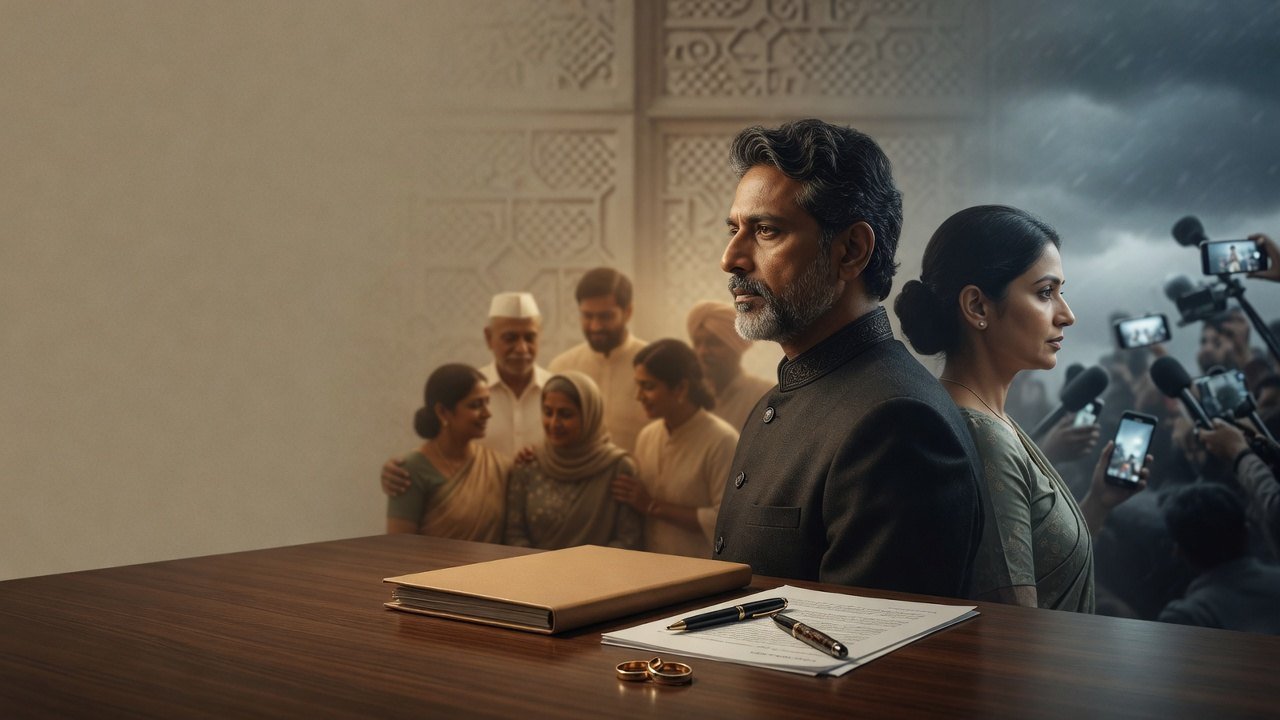
Aamir Khan Rejects 'Love Jihad' Allegations, Says His Marriages Were Civil and Involved No Conversion
Aamir Khan rejects politically charged allegations about his marriage to Gauri Spratt, stressing that his relationships were civil marriages and involved no religious conversion.
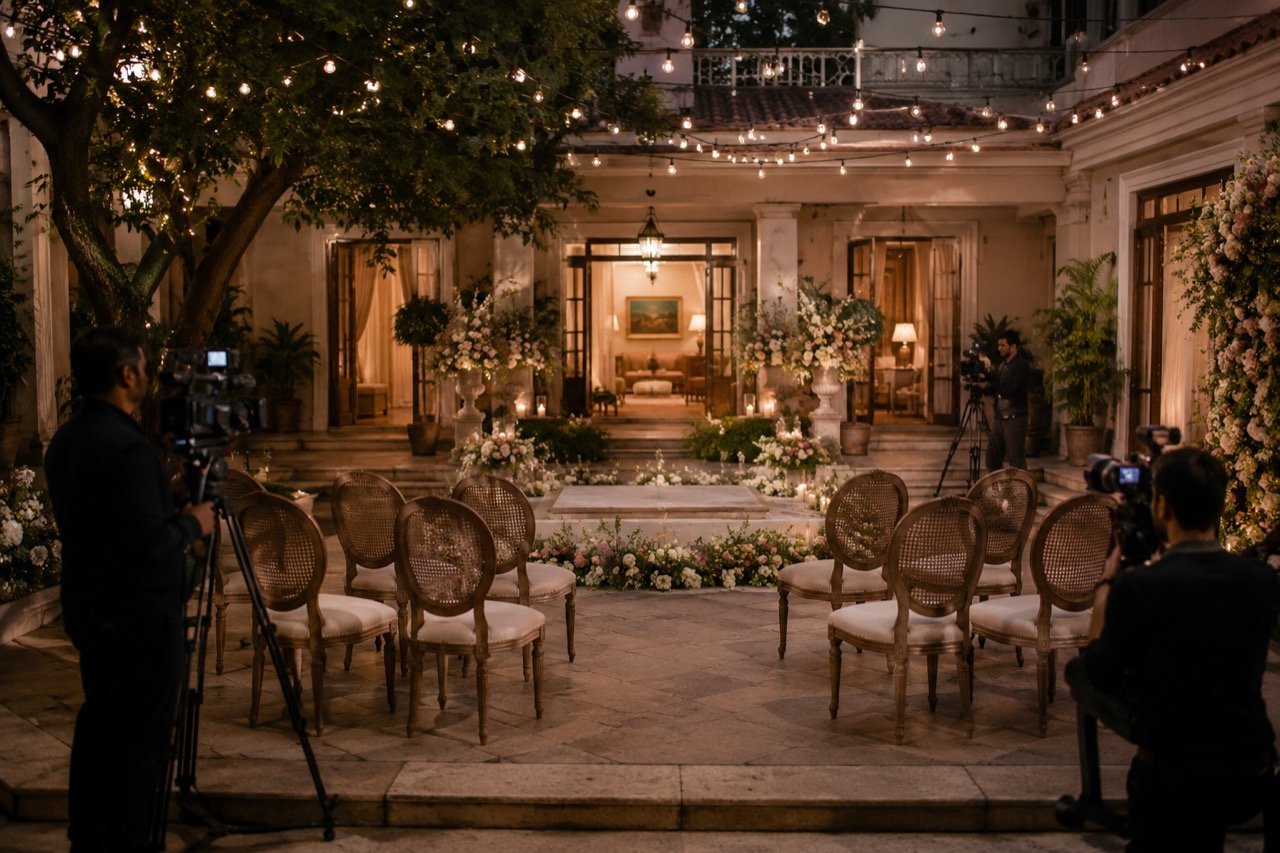
Aamir Khan's quiet July 5 wedding becomes Bollywood's big story
Reports that Aamir Khan has confirmed an intimate July 5 ceremony with Gauri Spratt have captivated Bollywood watchers precisely because the star is choosing privacy over spectacle.

Trisha's Zara Complaint Turns a Delivery Gripe Into a National Story
Actor Trisha Krishnan's public complaint about receiving smelly, poorly checked clothing from Zara has turned an everyday customer-service grievance into a trending conversation about brands, celebrities and consumer rights.
More from this section
More
72nd National Film Awards: Fans Back Mammootty, Allu Arjun, Sai Pallavi
Speculation around the 72nd National Film Awards is intensifying as fan communities across India's language film industries champion favourites including Mammootty, Allu Arjun and Sai Pallavi ahead of any official announcement.

Akanksha Chamola's Lock Upp 2 Confession Sets Reality TV Abuzz
A personal revelation by Akanksha Chamola ahead of Lock Upp 2 has handed the reality show a viral talking point, underlining how confession-driven formats continue to dominate Indian television conversation.

Akshaye Khanna's Ikka Set Discipline Praised by Director
A director's anecdote about Akshaye Khanna arriving prepared before co-star Sunny Deol has given the Netflix India thriller Ikka a craft-led talking point ahead of its streaming release.