Akanksha Chamola's Lock Upp 2 Confession Sets Reality TV Abuzz
A personal revelation by Akanksha Chamola ahead of Lock Upp 2 has handed the reality show a viral talking point, underlining how confession-driven formats continue to dominate Indian television conversation.
Commentary & Analysis ·
Lock Upp 2 has surged back into entertainment feeds after reports of a personal disclosure by Akanksha Chamola, made before her marriage to actor Gaurav Khanna, began circulating widely. The moment carries the classic ingredients of Indian reality television news: a recognisable face, an intimate revelation, and a format engineered around disclosure and emotional stakes. That such a moment can dominate a news cycle within hours says as much about the architecture of Indian unscripted television as it does about any individual contestant.
Why the moment travelled so fast
For audiences searching for the show or the couple, the interest is only partly about the episode itself. It is equally about how celebrity relationships are discussed in public. Indian reality television has long leaned on confessional moments, but streaming platforms and social media have dramatically accelerated their circulation — a single promo line can trend before an episode even airs. This compression of the news cycle changes the incentives for everyone involved. Producers no longer need to wait for a full episode to land before harvesting attention; a teaser clip, a caption, or a leaked promo can do the work that once required a broadcast slot and a captive prime-time audience.
This is not a uniquely Indian phenomenon, but it is one that Indian entertainment media has embraced with particular enthusiasm. The country's reality television ecosystem — from Bigg Boss to Lock Upp and its imitators — has always understood that confession is content. What has changed is the speed and the distribution: a clip can now be extracted, subtitled, and pushed across Instagram, YouTube Shorts and entertainment portals within minutes of a promo drop, well before context or nuance can catch up.
The commercial logic behind the disclosure
That dynamic matters commercially. Lock Upp 2 competes in a crowded unscripted market where every contestant needs a narrative hook. Personal disclosures become marketing fuel because they invite debate, sympathy and curiosity all at once: producers gain conversation, publishers gain headlines, and viewers gain a reason to tune in next week. In an industry where dozens of reality formats compete for the same finite pool of viewer attention, a single unscripted confession can outperform an entire season's worth of scripted drama in terms of shareability.
This is precisely why such moments are rarely left to chance. Editing choices, promo cuts and release timing are all calibrated to maximise the emotional charge of a disclosure. Whether or not Chamola's revelation was volunteered spontaneously or drawn out through the format's confrontational structure, the effect on the show's visibility is the same: a private matter becomes a public talking point, and that talking point becomes currency for the season's continued relevance.
Fame, reinvention and the confession economy
Chamola's moment also reflects a familiar career pattern, in which actors use unscripted platforms to reintroduce themselves to audiences and build a more direct relationship with fans. Reality television, unlike scripted serials, offers performers a chance to appear as themselves — unfiltered, spontaneous, and seemingly authentic — even when the format itself is highly constructed. For an actor whose personal life has already drawn public interest because of a high-profile marriage, appearing on a confrontational reality show is also a calculated move to control, or at least participate in, the narrative around that life rather than leaving it entirely to tabloid speculation.
This pattern is well established across Indian television. Contestants with an existing public profile often find that a season on a show built around confession and confrontation does more for their visibility than months of conventional promotional appearances. The format rewards vulnerability, and vulnerability, packaged correctly, converts into sustained media coverage long after the season ends.
What this means for the unscripted television business
The wider takeaway is that confession-led programming remains one of Indian TV's most reliable engines — even as OTT thrillers and film franchises dominate search, reality formats can turn a private admission into instant, participatory conversation. For broadcasters and streaming platforms, this is a durable and relatively low-cost content strategy: unlike a scripted drama, a reality show does not need an expensive script or elaborate production values to generate headlines. It needs contestants willing to reveal themselves, and an audience willing to watch, discuss and share.
That durability, however, comes with a structural dependency. The format needs a continuous supply of disclosures dramatic enough to sustain interest, which places pressure on contestants — established stars and newcomers alike — to offer up increasingly personal material. Over multiple seasons, this can create an arms race of vulnerability, where each contestant's revelation must outdo the last to hold the audience's attention.
The NE Times View
There is a line between covering a trending television moment and trading in someone's private life, and Indian entertainment media does not always hold it. The story here is the machinery, not the marriage: a format that converts personal history into promotional currency, and an audience culture that rewards it within minutes. Viewers are entitled to their curiosity, but coverage that skips moral judgement and unsupported speculation serves them better.
Newsrooms covering this story face a genuine editorial choice. It is possible to report on the fact that a disclosure has driven engagement for Lock Upp 2 without dissecting or amplifying the private details themselves, and without rendering verdicts on a couple's personal history. The more responsible course is to treat the phenomenon — why such moments spread, who benefits, and what it says about the format — as the actual news, rather than treating the disclosure itself as an open invitation for commentary on someone's private choices.
If Lock Upp 2 wants longevity, it will need contestants with stories — and restraint in how those stories are sold. That restraint has to come from multiple directions at once: from producers who decide how a confession is edited and promoted, from entertainment media that decide how prominently to feature it, and from audiences who decide whether to reward restraint or spectacle with their attention. None of these actors has shown much appetite for restraint so far, which is precisely why the genre continues to thrive on precisely this kind of moment.
Key takeaways
- Akanksha Chamola's pre-marriage disclosure on Lock Upp 2 has driven renewed interest in the show, reflecting reality television's reliance on confessional moments as marketing fuel.
- Social media and streaming have compressed the news cycle, allowing a single promo clip to trend before an episode airs, intensifying commercial pressure on contestants to offer dramatic personal material.
- Established actors increasingly use unscripted formats to reintroduce themselves to audiences and shape their own public narrative, rather than ceding that narrative to speculation.
- Confession-led programming remains commercially durable for Indian television even as scripted OTT content dominates search trends, because it is low-cost and highly shareable.
- Responsible coverage should focus on the mechanics of how such moments are produced and monetised, rather than moralising about or speculating on the private lives involved.
You may also like to read
Akanksha Chamola Confirms Divorce Amid Lock Upp Season 2
Actress Akanksha Chamola has confirmed her divorce from Gaurav Khanna, with the revelation surfacing around Lock Upp Season 2 and sparking wider discussion about celebrity candour on Indian reality television.
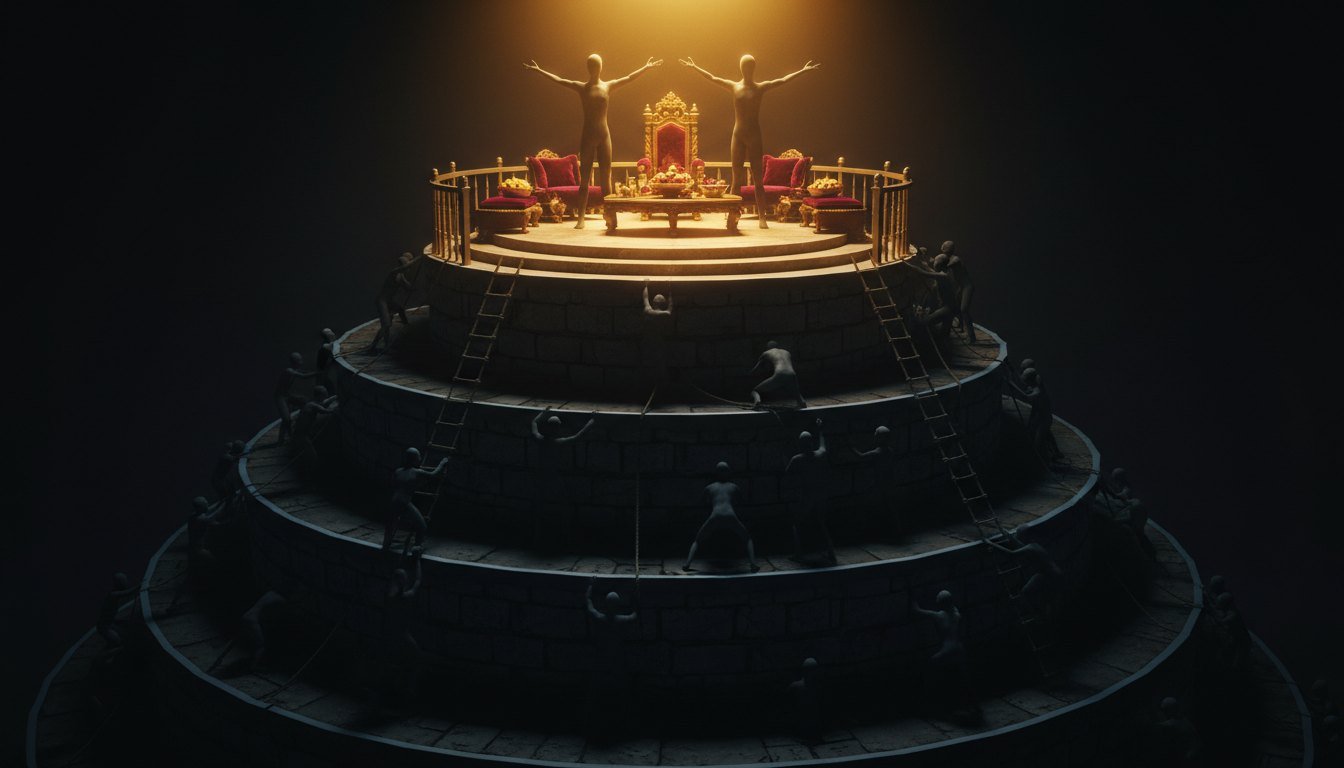
‘Rise and Fall’: Ashneer Grover’s Hierarchy Game Is Reality TV as Class Warfare
Most reality shows pretend everyone starts equal.
Inside ‘Alliance’: How Prime Video’s New Mind-Games Reality Show Actually Works
Indian reality television has stunts, it has cooking, it has houses full of shouting.

Superstar Singer and the Delicate Business of Putting Children on Reality TV
There is no reality format that requires more care than one built around children — and few that generate more genuine emotion when they get it right.
More from this section
More
72nd National Film Awards: Fans Back Mammootty, Allu Arjun, Sai Pallavi
Speculation around the 72nd National Film Awards is intensifying as fan communities across India's language film industries champion favourites including Mammootty, Allu Arjun and Sai Pallavi ahead of any official announcement.

Aamir Khan Marries Gauri Spratt in Private Pali Hill Ceremony
Aamir Khan and Gauri Spratt tied the knot at the actor's Pali Hill home in Mumbai on July 5, turning a deliberately small family ceremony into Bollywood's biggest story of the day.

Akshaye Khanna's Ikka Set Discipline Praised by Director
A director's anecdote about Akshaye Khanna arriving prepared before co-star Sunny Deol has given the Netflix India thriller Ikka a craft-led talking point ahead of its streaming release.