Akanksha Chamola Confirms Divorce Amid Lock Upp Season 2
Actress Akanksha Chamola has confirmed her divorce from Gaurav Khanna, with the revelation surfacing around Lock Upp Season 2 and sparking wider discussion about celebrity candour on Indian reality television.
Commentary & Analysis ·
Akanksha Chamola has confirmed her divorce from fellow television actor Gaurav Khanna, a disclosure that has gained attention in the context of Lock Upp Season 2. The confirmation, reported by Indian Express, follows a familiar pattern in Indian reality television where personal revelations move quickly from the screen to social media conversation. Chamola and Khanna are both well-known to Hindi television audiences, and their separation has drawn responses from fans who have followed their public work over the years. The confirmation is significant not because it invites speculation, but because it illustrates how candidly public figures are now expected to address private transitions when in the orbit of a high-profile show.
What makes this moment worth examining is not the divorce itself but the mechanism by which it entered public conversation. A private legal and emotional process — the dissolution of a marriage — has become entangled with the promotional cycle of a reality programme built explicitly around personal exposure. That entanglement is not accidental. It is, in many respects, the business model of the format, and understanding it helps explain both why the confirmation happened and why it was received the way it was.
Reality TV and the Personal Disclosure Economy
Lock Upp has built its format around emotional transparency. Contestants are chosen in part because they carry recognisable personal histories, and the show's narrative relies on those histories being shared. When a participant or associated figure confirms something as significant as the end of a marriage, it becomes simultaneously biography and content — a dual status that raises ethical questions about how media covers such moments.
This dual status is worth dwelling on. In ordinary circumstances, a divorce is a private legal matter disclosed, if at all, on the terms of the individuals involved and at a pace they control. Within the ecosystem that a show like Lock Upp creates, however, timing is rarely fully in the hands of the person going through the experience. Season cycles, promotional windows, and audience appetite for backstory all exert pressure on when and how such news surfaces. Chamola's confirmation should be read against that backdrop — not as evidence of anything untoward, but as an illustration of how thoroughly reality formats have restructured the relationship between celebrity and disclosure.
Responsible Coverage and Its Limits
Responsible coverage of a divorce confirmation must stay within what has been directly said. The end of a marriage is not a plot development; it is a real personal transition that happens to be unfolding under public attention. Filling the gaps left by what celebrities choose not to share — with conjecture about blame, timelines, or third parties — crosses the line from journalism into intrusion.
This is a distinction that is easy to state in principle and difficult to hold to in practice, particularly once a story begins circulating widely on social media, where speculation often outpaces confirmed reporting within hours. The discipline required of entertainment journalism in moments like this is essentially negative: it consists of declining to add detail rather than adding it. That restraint has a cost in terms of engagement — speculative detail tends to travel further than sober confirmation — but it is the cost of doing the reporting properly, and it protects the individuals concerned from having a private difficulty narrated on someone else's terms.
What the Moment Says About Indian Television Culture
The broader story here is cultural. Indian audiences have come to expect a level of directness from celebrities that was less common a decade ago. Reality programming has accelerated that shift, rewarding candour with attention and penalising reticence with rumour. Chamola's confirmation fits squarely within that dynamic — it is a disclosure made on the public's terms as much as her own.
Seen over a longer horizon, this represents a meaningful change in how public figures in India manage their private lives. A generation ago, personal matters such as marital breakdowns were frequently left unaddressed for years, disclosed obliquely if at all, and handled through publicists rather than direct statements. The current environment, shaped heavily by formats such as Lock Upp and by the immediacy of social media, has largely closed off that option. Silence is now read as evasive rather than dignified, which places considerable pressure on individuals to speak before they might otherwise choose to. Whether that shift represents a net gain in honesty or a net loss in privacy is a genuinely open question, and one that deserves more scrutiny than it typically receives amid the churn of entertainment news cycles.
Stakeholders and What to Watch Next
Several parties have a stake in how this story develops from here. For Chamola and Khanna themselves, the primary concern will presumably be managing a personal transition while it remains a subject of public interest, a task made harder by any ongoing association with an active reality season. For the producers of Lock Upp, the incentive structure cuts the other way: personal disclosures of this kind, however incidental to the show's actual content, tend to generate exactly the kind of attention that sustains a season's visibility. For entertainment outlets, including Indian Express and those aggregating its reporting, the test will be whether follow-up coverage confines itself to confirmed statements or drifts toward unverified elaboration.
Readers should expect further commentary and possibly further statements as the season continues, given how reality television cycles tend to keep peripheral stories alive for as long as they generate engagement. The appropriate benchmark for judging subsequent coverage is a simple one: does new reporting add confirmed information, or does it simply recirculate the same disclosure dressed up as fresh news.
The NE Times View
There is something worth pausing on when a personal confirmation of this kind becomes a news cycle. The format of Lock Upp invites vulnerability, and audiences respond to it — but media coverage carries a responsibility that the format does not. Akanksha Chamola has confirmed something painful and significant. The appropriate response from entertainment journalism is to report what was said, acknowledge what it means for the individuals involved, and resist the pull toward further excavation. Celebrity candour deserves to be met with editorial restraint.
That restraint is not merely a matter of taste. It reflects a broader principle about the limits of the public's claim on a person's private life, even when that person has chosen, for whatever reason, to make a portion of that life visible. Confirming a divorce is not an invitation to have every surrounding detail investigated, and treating it as such does a disservice both to the individuals concerned and to the credibility of the outlets reporting on them.
Key takeaways
- Akanksha Chamola has confirmed her divorce from Gaurav Khanna, as first reported by Indian Express, amid the run of Lock Upp Season 2.
- The confirmation highlights how reality television formats built on emotional transparency blur the line between personal biography and promotional content.
- Responsible journalism in such cases means reporting only what has been directly confirmed, without speculating on causes, timelines, or third parties.
- The episode reflects a wider cultural shift in Indian celebrity culture, where candour is increasingly expected and reticence is often read as evasive.
- The NE Times will continue to judge follow-up coverage of this story by whether it adds verified information rather than recycling the existing disclosure.
You may also like to read
Akanksha Chamola's Lock Upp 2 Confession Sets Reality TV Abuzz
A personal revelation by Akanksha Chamola ahead of Lock Upp 2 has handed the reality show a viral talking point, underlining how confession-driven formats continue to dominate Indian television conversation.
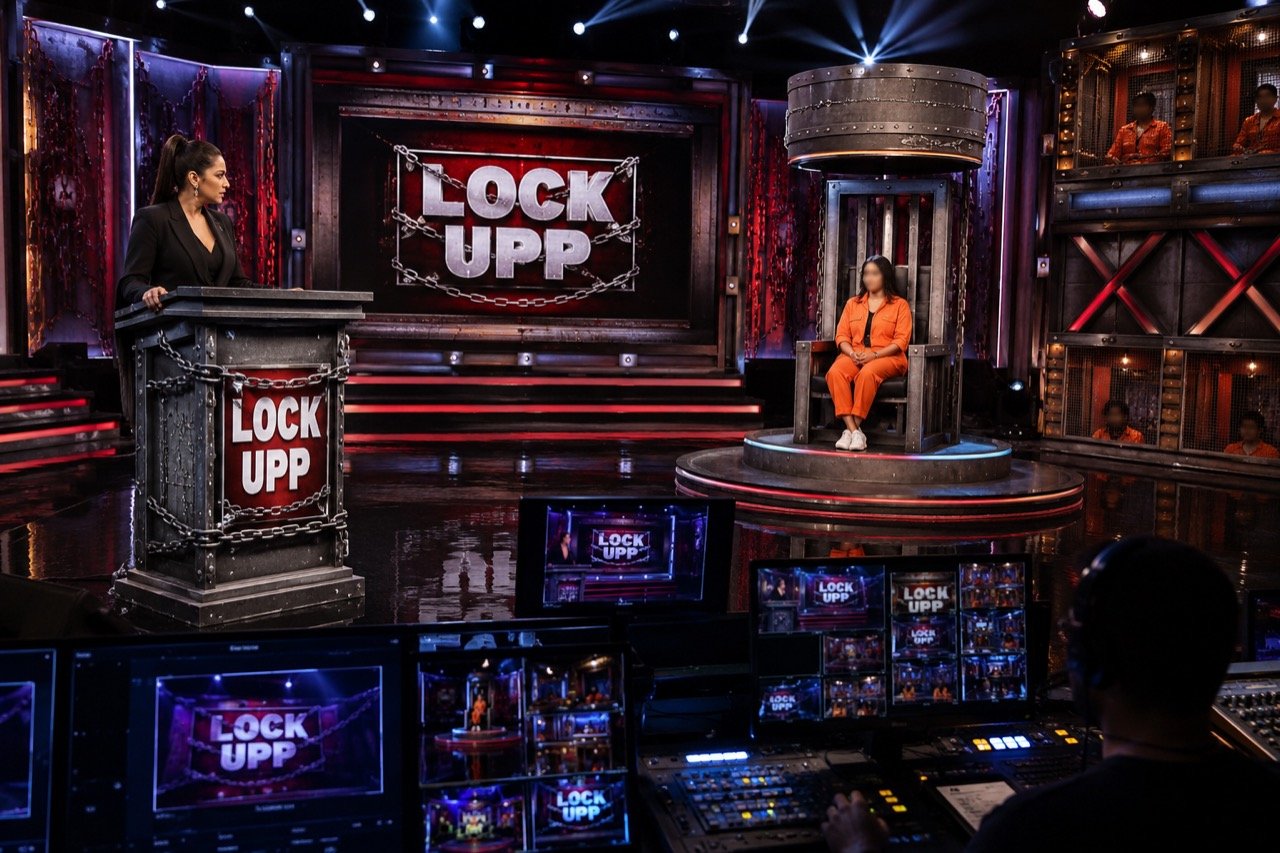
Lock Upp New Season Buzz Puts Kangana Ranaut Back in the Spotlight
Renewed chatter around a fresh season of Lock Upp has revived interest in Kangana Ranaut's confrontational reality format and its distinctive place in India's streaming-era television ecosystem.
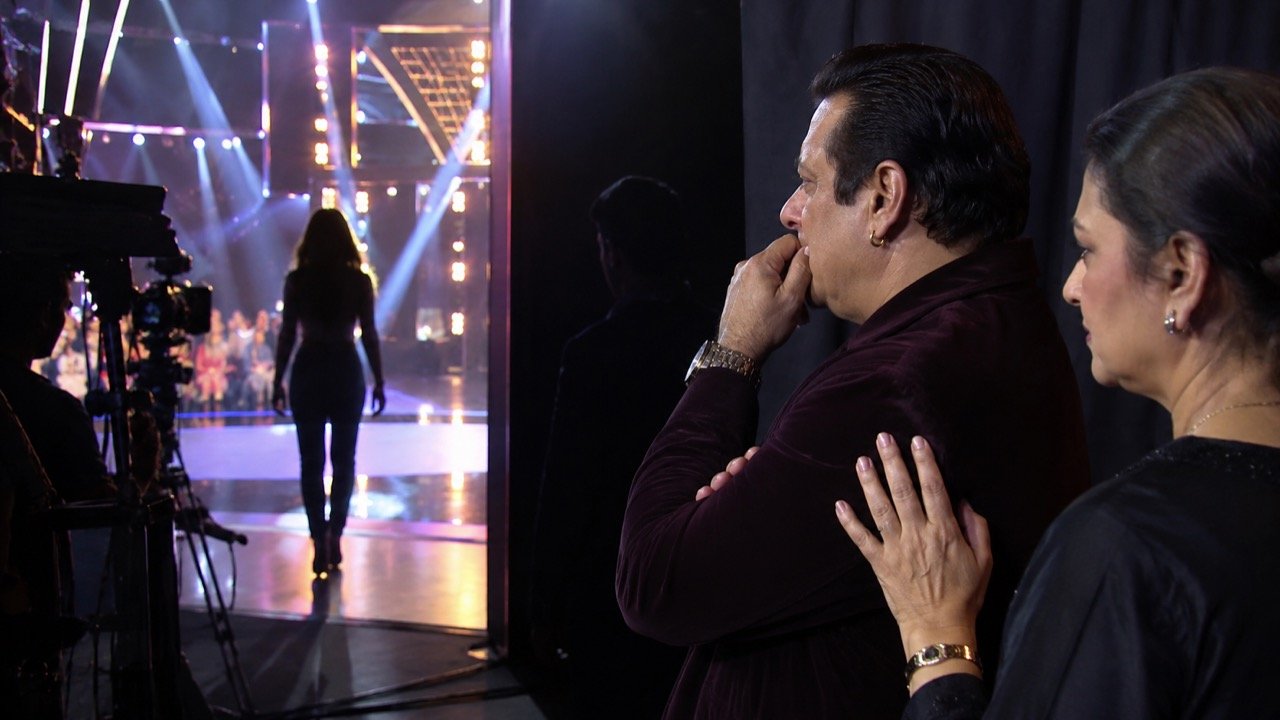
Sunita Ahuja Joins Lock Upp Season 2, Govinda Reportedly Tense
Sunita Ahuja's Lock Upp Season 2 entry has sparked a wider conversation about marriage, celebrity image and domestic roles — with Govinda's reported anxiety adding an extra layer of public intrigue.
The Couch Returns: Karan Johar Confirms Koffee With Karan Season 9 for Diwali 2026 With a Sharper, Snappier Format
India's most gossiped-about chat show is brewing again, with the filmmaker promising a revamped, faster-paced edition for a digital generation and teasing a guest list that reaches well beyond his usual Bollywood circle.
More from this section
More
72nd National Film Awards: Fans Back Mammootty, Allu Arjun, Sai Pallavi
Speculation around the 72nd National Film Awards is intensifying as fan communities across India's language film industries champion favourites including Mammootty, Allu Arjun and Sai Pallavi ahead of any official announcement.

Aamir Khan Marries Gauri Spratt in Private Pali Hill Ceremony
Aamir Khan and Gauri Spratt tied the knot at the actor's Pali Hill home in Mumbai on July 5, turning a deliberately small family ceremony into Bollywood's biggest story of the day.
Akanksha Chamola's Lock Upp 2 Confession Sets Reality TV Abuzz
A personal revelation by Akanksha Chamola ahead of Lock Upp 2 has handed the reality show a viral talking point, underlining how confession-driven formats continue to dominate Indian television conversation.