Lock Upp New Season Buzz Puts Kangana Ranaut Back in the Spotlight
Renewed chatter around a fresh season of Lock Upp has revived interest in Kangana Ranaut's confrontational reality format and its distinctive place in India's streaming-era television ecosystem.
Commentary & Analysis ·
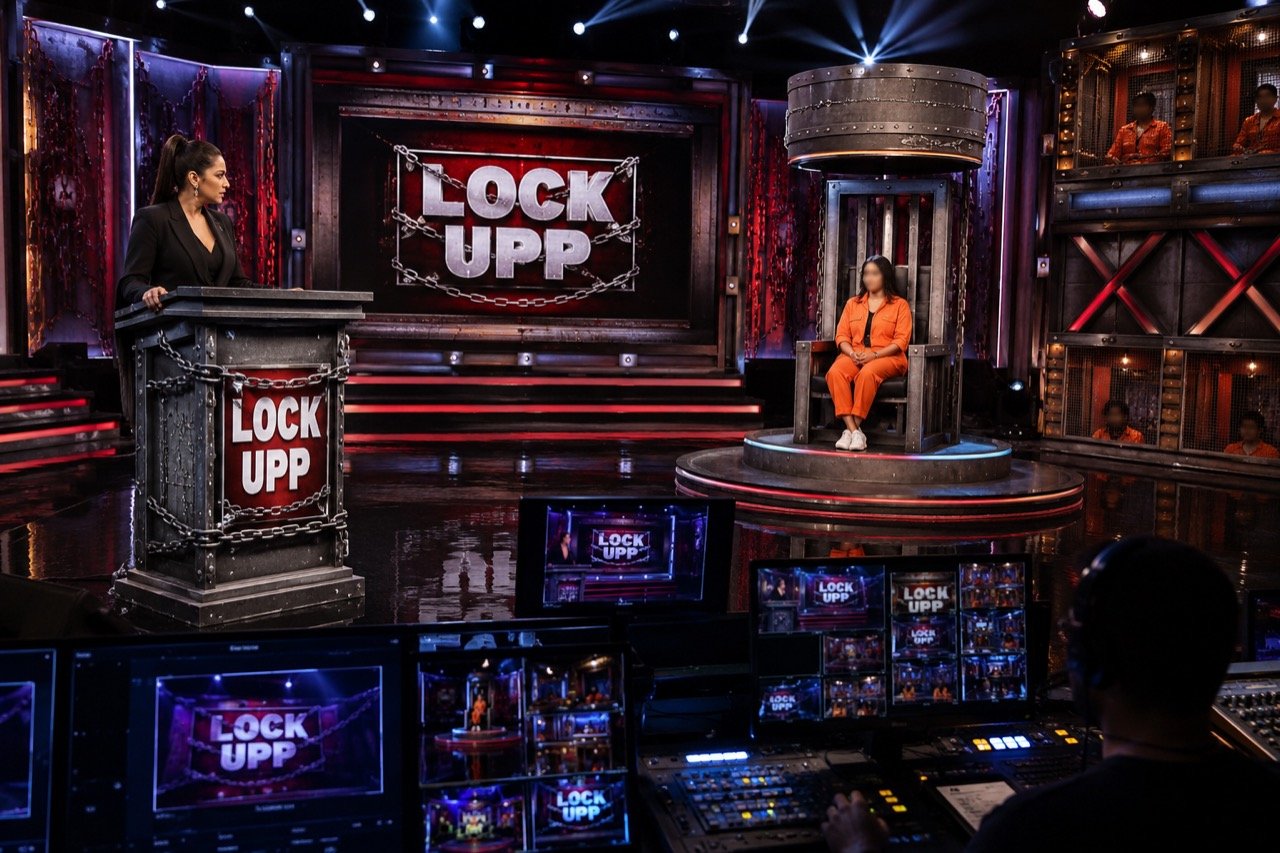
Lock Upp is trending again, and the reason says as much about Indian reality television as it does about the show itself. Recent entertainment coverage has linked Kangana Ranaut to renewed conversation around the show's next phase, sending viewers searching for details on a new season, its contestants and where it will stream. Indian reality TV thrives on three ingredients — host identity, format tension and contestant speculation — and Lock Upp is built almost entirely on the first two. That is why any update involving Kangana becomes a story well before a contestant list is confirmed.
Why a rumour alone can trend
It is worth pausing on the mechanics of this moment before assessing what it means. No official contestant list, premiere date or platform confirmation has been reported here — only chatter tied to Kangana Ranaut's name. Yet that has been enough to generate search traffic and entertainment-desk coverage. This is not unusual for Indian reality formats, but it is a useful illustration of how thin the evidentiary bar has become for a show to re-enter public conversation. A single host-linked rumour, amplified across entertainment portals, can function as a marketing beat even when the broadcaster or streamer has said nothing formal. For a show like Lock Upp, whose entire premise rests on personality-driven conflict, this dynamic is not incidental — it is the business model working exactly as designed.
A brand built on confrontation
Unlike singing, dance or lifestyle formats, Lock Upp depends on a high-pressure, prison-styled environment and a host whose public persona is inseparable from the viewing experience. The show's identity is confrontation as controlled spectacle, with the host's sharp interventions serving as the format's signature moments. This is a meaningfully different proposition from talent-based reality shows, where the content can theoretically survive a change of anchor because the performances carry the format. Lock Upp has comparatively little to fall back on if the host element is removed or diluted; the tension in the house is scripted around and reactive to the host's presence. That dependency is a strength when the host is as recognisable and divisive as Kangana Ranaut, because it guarantees a baseline of attention. It is also a structural risk, because the format's fortunes rise and fall with one individual's public standing rather than with a reproducible creative template.
How buzz works in the streaming era
Reality television also behaves differently on streaming platforms than it did in the linear-broadcast era. Search interest now begins long before premiere week, as audiences track casting rumours, platform updates and teaser drops across weeks or months. This extended pre-launch window changes the incentives for producers and platforms alike. A format's success increasingly depends on whether it can manufacture appointment viewing and social-media debate at the same time — a dual demand that suits Lock Upp's provocative design particularly well, since controversy and confrontation are inherently shareable content even before a single episode airs. The flip side is that this same mechanism can be triggered by speculation that has no confirmed basis, meaning a show's name can trend for reasons unrelated to any actual production decision. Distinguishing manufactured buzz from a genuine launch signal has become a skill audiences and commentators alike now need to exercise deliberately.
Separating confirmed fact from speculation
The responsible reading of the current moment is to separate confirmed updates from speculation. At present, what is actually established is limited: Kangana Ranaut's name is attached to renewed conversation about the show, and that conversation has been sufficient to draw search interest and coverage. Details that would normally anchor a proper launch story — the streaming platform, the contestant roster, a premiere date — have not been confirmed as part of this cycle. What is clear is that the show retains enough brand recall to trend whenever new-season chatter surfaces, regardless of how substantiated that chatter is. The next confirmed details will determine whether this buzz matures into a proper launch cycle or fades as an isolated moment of renewed interest, as has happened with other reality formats that generated early speculation without a firm follow-through.
What this means for viewers and the industry
For audiences, the practical implication is straightforward: treat this round of chatter as an early signal rather than a confirmed announcement, and wait for the platform, host and casting details to be formally verified before adjusting viewing plans. For the broadcasting and streaming industry, the episode is a small but telling case study in how reality television is now marketed. Producers evidently understand that a host's polarising public profile can be leveraged to generate attention cycles independent of the production calendar. That is a low-cost, high-reach strategy, but it is not without risk. Viewers who have previously been drawn in by speculative casting stories that did not pan out may become more sceptical over time, discounting future buzz cycles unless they are backed by verifiable details. Broadcasters banking on personality-driven buzz alone, without pairing it to a clear production timeline, risk eroding the very audience trust that makes such buzz valuable in the first place.
The NE Times View
Lock Upp's ability to trend on rumour alone is a reminder that in Indian entertainment, a host can be a bigger franchise than the format itself. Kangana Ranaut's polarising public persona is the show's engine, and broadcasters clearly understand that controversy converts to attention in the streaming economy. But attention is not the same as trust: viewers burned by speculative casting stories may tune out by premiere week. For audiences, the sensible approach is to wait for confirmed details — and for the industry, the lesson is that durable reality brands need substance beneath the spectacle. A show that relies indefinitely on its host's name to generate cycles of attention, without eventually delivering the concrete elements of a genuine season — platform, cast, date — risks discovering that audience patience, unlike search interest, is not infinitely renewable.
Key takeaways
- Lock Upp is trending again on the strength of chatter linking Kangana Ranaut to a new season, without confirmed details on platform, contestants or premiere date.
- The format's identity rests almost entirely on host-driven confrontation, making it more dependent on one individual's public profile than talent-based reality shows.
- Streaming-era buzz cycles now begin well before any official announcement, rewarding speculation-driven coverage as much as confirmed news.
- Audiences are advised to treat the current chatter as an early signal and wait for verified details before treating it as a launch announcement.
- The broader industry lesson is that personality-driven buzz must eventually be matched with substantive production details to sustain audience trust.
You may also like to read
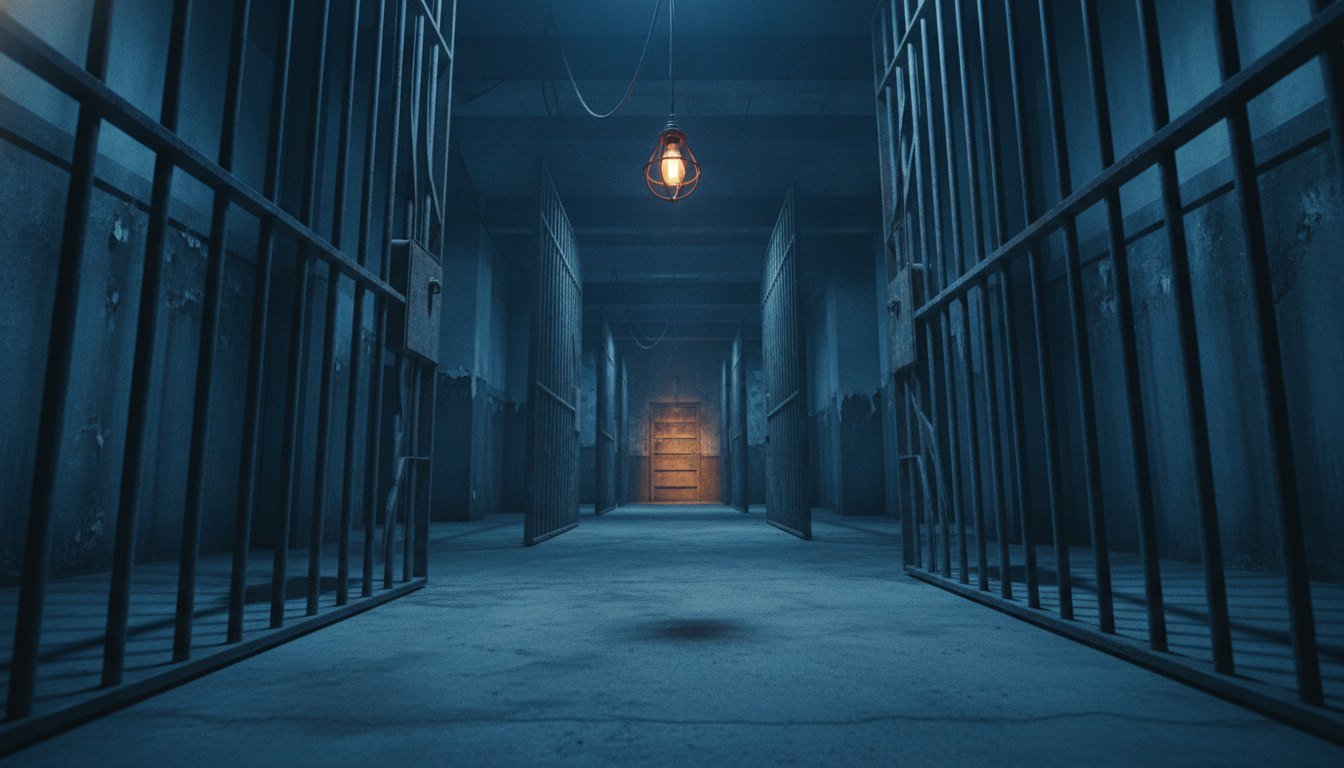
Lock Upp Is Back as ‘Sach Ya Saza’ — and the Jail Has New Wardens
The captivity-themed reality show that once traded on Kangana Ranaut’s ferocity is returning to lock its doors again — but this time, the person holding the keys has changed.
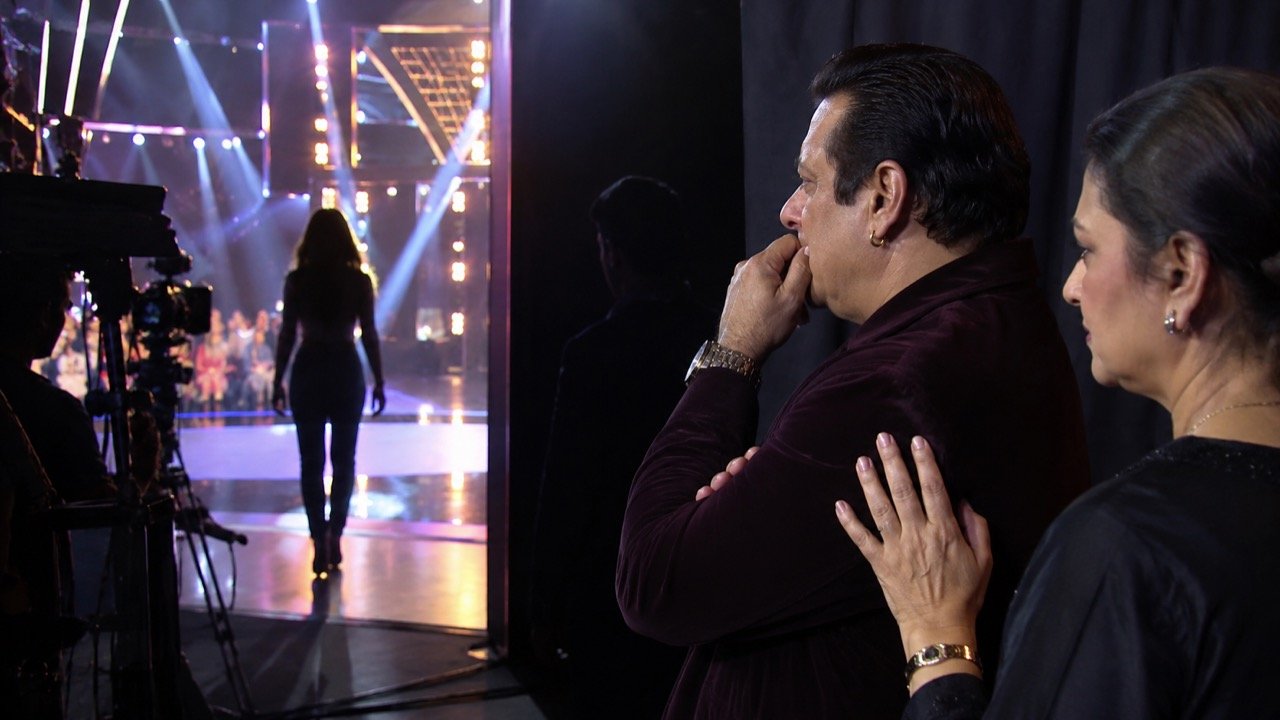
Sunita Ahuja Joins Lock Upp Season 2, Govinda Reportedly Tense
Sunita Ahuja's Lock Upp Season 2 entry has sparked a wider conversation about marriage, celebrity image and domestic roles — with Govinda's reported anxiety adding an extra layer of public intrigue.

Love Island USA Roars Back: Season 8 Becomes Peacock's Biggest Original Launch Ever
Ariana Madix's return as host powered an 824-million-minute opening over three days, a 74 per cent jump on last year, cementing the Fiji-set dating juggernaut as a streaming heavyweight.
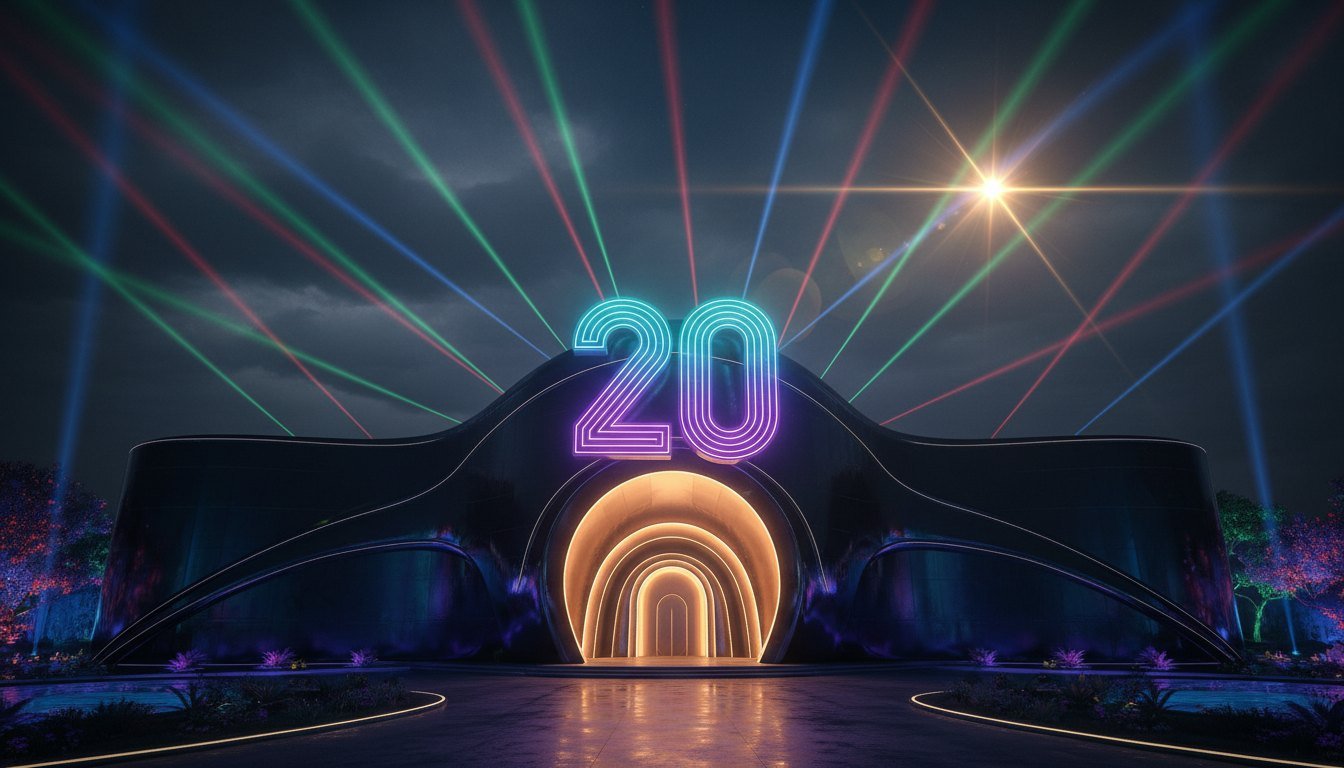
Bigg Boss 20: Salman Khan Set to Return as Milestone Season Eyes a September Launch
India’s biggest reality television franchise is gearing up for a landmark.
More from this section
More
72nd National Film Awards: Fans Back Mammootty, Allu Arjun, Sai Pallavi
Speculation around the 72nd National Film Awards is intensifying as fan communities across India's language film industries champion favourites including Mammootty, Allu Arjun and Sai Pallavi ahead of any official announcement.

Aamir Khan Marries Gauri Spratt in Private Pali Hill Ceremony
Aamir Khan and Gauri Spratt tied the knot at the actor's Pali Hill home in Mumbai on July 5, turning a deliberately small family ceremony into Bollywood's biggest story of the day.
Akanksha Chamola's Lock Upp 2 Confession Sets Reality TV Abuzz
A personal revelation by Akanksha Chamola ahead of Lock Upp 2 has handed the reality show a viral talking point, underlining how confession-driven formats continue to dominate Indian television conversation.