Sunita Ahuja Joins Lock Upp Season 2, Govinda Reportedly Tense
Sunita Ahuja's Lock Upp Season 2 entry has sparked a wider conversation about marriage, celebrity image and domestic roles — with Govinda's reported anxiety adding an extra layer of public intrigue.
Commentary & Analysis ·
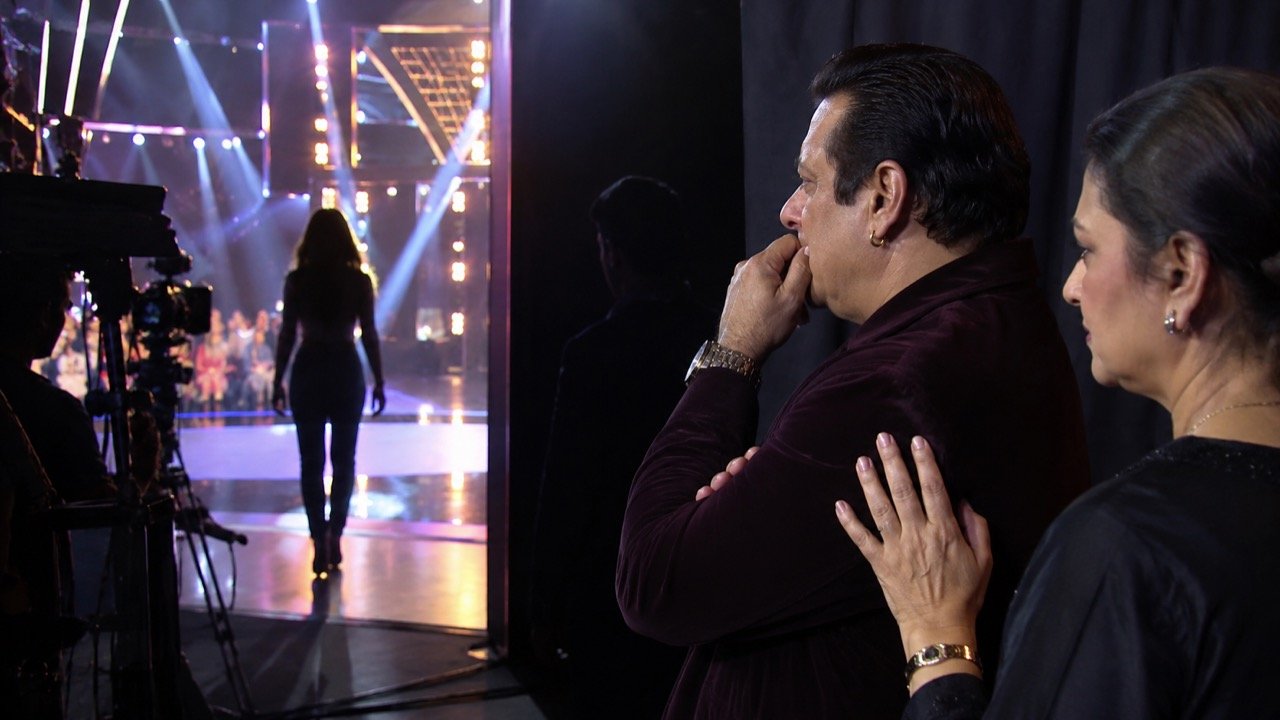
Sunita Ahuja's decision to enter Lock Upp Season 2 has done what reality television does best: turned a casting announcement into a cultural flashpoint. Reports from Indian Express noted that Govinda has been visibly tense about his wife's participation, with Sunita quoting him as saying he had kept her "like a flower" — a phrase that immediately became the story's most loaded detail. On the surface, this is a routine entertainment item: a well-known actor's spouse signs up for a confrontational reality format, and the actor is said to be uneasy about it. But the way this particular story has travelled — through headlines, social clips and casual conversation — says as much about the moment Indian celebrity culture is in as it does about the Ahuja household itself.
A Marriage Under the Studio Lights
Govinda and Sunita Ahuja have long occupied a particular corner of Bollywood's public imagination — a couple seen at events, known through film-era anecdotes, but rarely placed under the unbroken scrutiny of a reality format. Lock Upp changes that. The show's structure — confession, confrontation, isolation — is designed to surface tensions that a press interview would smooth over. Unlike a red-carpet soundbite, a season inside the Lock Upp house does not permit polished evasions; contestants are pushed, repeatedly and deliberately, toward moments of unguarded disclosure. That format alone explains why a figure as familiar as Sunita Ahuja entering the show reads differently to audiences than, say, a routine magazine profile would. Familiarity plus format is what turns a casting note into a genuine talking point.
It is worth pausing on why this pairing — a decades-long, culturally visible marriage and a reality show built on exposure — carries so much weight. Indian audiences have followed Govinda's career for a generation, and by extension have absorbed a certain public shorthand about his marriage: affectionate, old-fashioned, occasionally the subject of light-hearted media banter. Lock Upp does not need to introduce that history to viewers; it merely needs to place it inside a pressure cooker and see what surfaces. That is precisely why the news of Sunita's entry generated instant conversation rather than a slow build.
The "Kept Like a Flower" Line and What It Carries
The phrase attributed to Govinda is doing significant cultural work. Depending on who is reading it, the image of keeping someone like a flower can sound tender, protective or quietly restrictive. That interpretive gap is precisely why the item trended: audiences rarely agree, and the disagreement itself generates the engagement that reality formats run on. To some, the line evokes an old-school romantic idiom — the kind of phrase an older-generation Indian husband might use unselfconsciously to describe having sheltered a spouse from the rougher edges of public life. To others, the same phrase raises an immediate question: sheltered from what, and at what cost to her own agency and visibility?
What makes this particular remark so potent is that it was reportedly relayed by Sunita herself, not extracted by a prying interviewer. That detail matters. When a spouse repeats such a line publicly, it can function as an act of gentle exposure — a way of signalling, deliberately or not, that there is more beneath the surface of a long, seemingly settled marriage than the public record suggests. Whether Sunita intends to unpack that dynamic on screen remains to be seen, but the fact that the phrase has already outpaced the show's premiere in public attention suggests producers may not need to manufacture drama at all — the raw material has arrived pre-loaded with tension.
What Lock Upp Gains From This Casting
For the show's producers, Sunita Ahuja is a practical casting choice. She arrives with pre-existing public curiosity, a recognisable family context and no need for manufactured backstory. Viewers who grew up watching Govinda's films carry associations into the house with them. The show does not need to construct her narrative — it simply needs to let it unfold. This is, in essence, a low-cost, high-yield casting decision from a production standpoint: the audience does the emotional groundwork before the first episode even airs, arriving already invested in questions about the marriage, the "flower" remark and how Govinda himself might react as episodes are broadcast.
It also reflects a broader pattern in Indian reality television casting over recent seasons: shows increasingly look not for fresh faces but for familiar names attached to unresolved public curiosities. A contestant who is already a known quantity, but whose private dynamics remain opaque, offers producers the best of both worlds — instant recognisability paired with genuine narrative uncertainty. Sunita Ahuja fits that mould precisely, and her entry into the Lock Upp house should be read as much as a savvy production calculation as a personal decision on her part.
Govinda's Reported Unease
The reports of Govinda's tension deserve their own consideration, separate from the "flower" line itself. A spouse's discomfort with a partner entering a reality show is, on one level, unremarkable — many public figures have voiced similar reservations when partners step into formats built on confrontation and forced disclosure. But in this instance, the unease has itself become part of the story, feeding into the same interpretive tension as the flower remark. Is the discomfort protective, born of concern about how a decades-old marriage will be picked apart on camera? Or does it hint at something closer to the dynamic the flower comment implies — a preference for keeping the marriage's internal workings away from public dissection?
Neither interpretation can be confirmed from the reporting available, and The NE Times is not in a position to assert motive where none has been stated directly. What can be said is that the reported tension adds a second layer to the story, ensuring that attention will likely persist well beyond the initial casting announcement and into however the season unfolds.
The NE Times View
What this story really illuminates is how Indian celebrity culture is changing its appetite for transparency. A decade ago, the "flower" comment would have passed as a charming aside, folded into the general warmth attached to a long-running Bollywood marriage. Today it is dissected, memed and debated — not because audiences are harsher, but because they are more attuned to what such language implies about the space women occupy inside high-profile marriages. That shift in interpretive habit is arguably the more significant story here, more significant even than whatever unfolds inside the Lock Upp house itself.
Sunita Ahuja's Lock Upp stint, whatever it produces dramatically, is already performing the more interesting act of making people examine the framing before the show has even aired its first episode. Reality television has always thrived on the gap between public image and private reality; what has changed is the vocabulary audiences now bring to that gap, and the speed with which a single quoted phrase can reorganise how a marriage of decades is publicly read. Whether the season itself delivers genuine insight into the Ahuja household, or simply more of the same performative drama the format is known for, this early phase of the story has already proven its cultural point.
Key takeaways
- Sunita Ahuja's entry into Lock Upp Season 2 has generated outsized attention because of her established public profile alongside Govinda, requiring no manufactured backstory from producers.
- The reported "kept her like a flower" remark, relayed by Sunita and attributed to Govinda, has become the story's defining detail precisely because it can be read as either tender or restrictive.
- Reports of Govinda's tension over her participation add a second layer of ambiguity, inviting speculation the available reporting cannot yet resolve.
- The episode reflects a broader shift in how Indian audiences interpret language around marriage and women's autonomy in public life, compared to a decade ago.
- The cultural conversation around the casting has already outpaced the show itself, with meaning being assigned before a single episode has aired.
You may also like to read

Lock Upp New Season Buzz Puts Kangana Ranaut Back in the Spotlight
Renewed chatter around a fresh season of Lock Upp has revived interest in Kangana Ranaut's confrontational reality format and its distinctive place in India's streaming-era television ecosystem.
Akanksha Chamola Confirms Divorce Amid Lock Upp Season 2
Actress Akanksha Chamola has confirmed her divorce from Gaurav Khanna, with the revelation surfacing around Lock Upp Season 2 and sparking wider discussion about celebrity candour on Indian reality television.

Shah Rukh Khan 'Main Character Energy' Clip Sparks Bollywood Buzz
A reality TV exchange in which Kangana Ranaut invoked Shah Rukh Khan's screen presence has travelled far beyond the show, becoming a shareable talking point across Bollywood social media.

Bigg Boss 20: Salman Khan Set to Return as Milestone Season Eyes a September Launch
India’s biggest reality television franchise is gearing up for a landmark.
More from this section
More
72nd National Film Awards: Fans Back Mammootty, Allu Arjun, Sai Pallavi
Speculation around the 72nd National Film Awards is intensifying as fan communities across India's language film industries champion favourites including Mammootty, Allu Arjun and Sai Pallavi ahead of any official announcement.

Aamir Khan Marries Gauri Spratt in Private Pali Hill Ceremony
Aamir Khan and Gauri Spratt tied the knot at the actor's Pali Hill home in Mumbai on July 5, turning a deliberately small family ceremony into Bollywood's biggest story of the day.
Akanksha Chamola's Lock Upp 2 Confession Sets Reality TV Abuzz
A personal revelation by Akanksha Chamola ahead of Lock Upp 2 has handed the reality show a viral talking point, underlining how confession-driven formats continue to dominate Indian television conversation.