Akshaye Khanna's Ikka Set Discipline Praised by Director
A director's anecdote about Akshaye Khanna arriving prepared before co-star Sunny Deol has given the Netflix India thriller Ikka a craft-led talking point ahead of its streaming release.
Commentary & Analysis ·
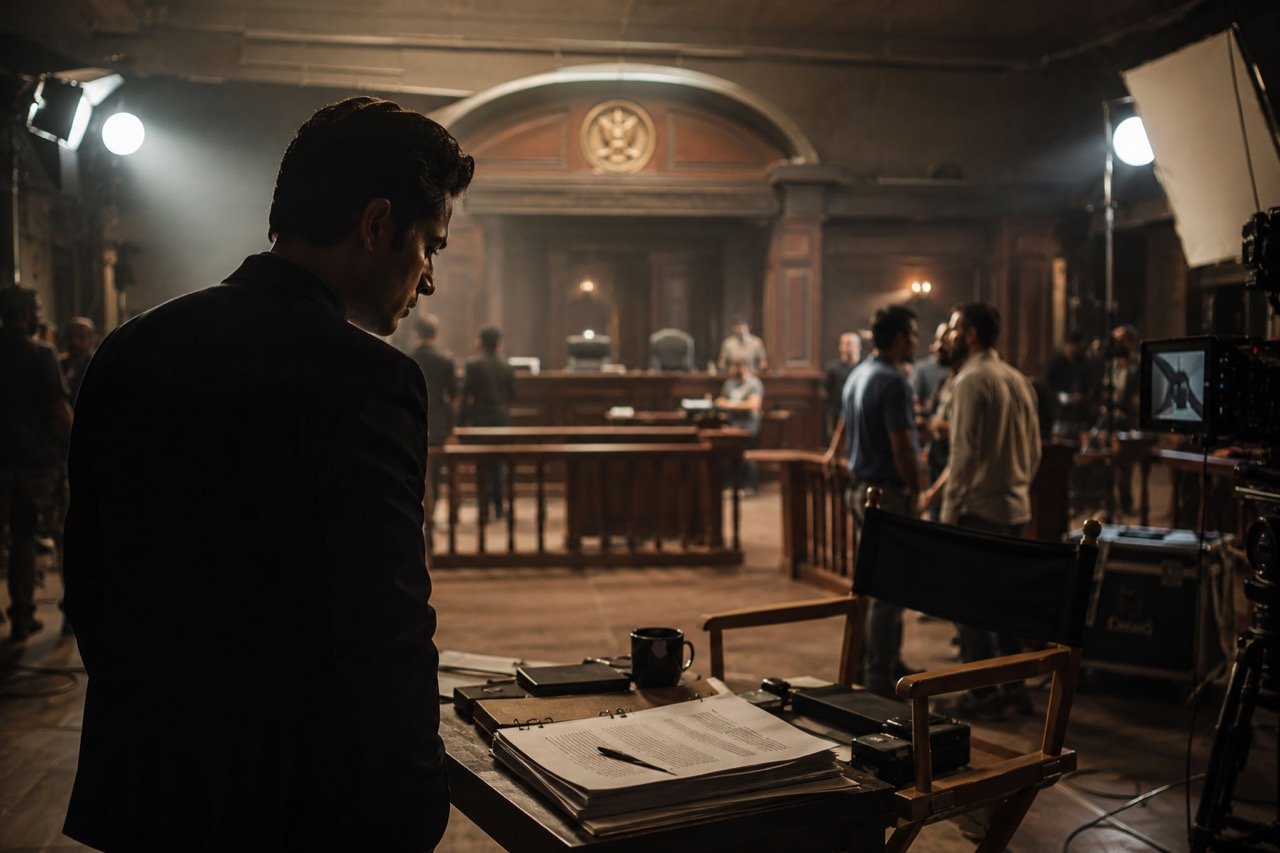
A reported comment from the director of Ikka about Akshaye Khanna's discipline on set has handed the upcoming streaming title a conversation that goes beyond plot and casting. The anecdote — that Khanna insisted on being present and prepared before co-star Sunny Deol — has travelled through entertainment coverage as a reminder of how star behaviour and work ethic become part of a film's promotional identity. On the surface, it is a small, almost throwaway detail. But its circulation says a great deal about how the streaming era manufactures interest in a title long before a single episode or frame reaches an audience.
Small detail, sticky story
The detail reveals no plot twist and no production controversy. What it offers instead is an image of the working culture behind the project. In the OTT era, where films and series compete for attention long before release, such craft-led stories help build personality around a title — and Khanna is an ideal subject. He has long carried a reputation for selective work and controlled screen presence, so comments about his process attract outsized attention. A director praising punctuality may sound routine, but it signals the tone of the production: focused, performance-heavy and professional.
It is worth pausing on why this particular kind of story travels so easily. Unlike a leaked script page or a set photograph, an anecdote about discipline requires no verification of plot details and carries no risk of spoiling anything. It is, in effect, a low-risk, high-reward unit of publicity — easy for a director to offer in an interview, easy for entertainment portals to repackage, and easy for audiences to share without needing any deeper context about the film itself. That frictionless quality is precisely what allows it to move from a single quote into a wider talking point.
Two kinds of intensity
The pairing at the heart of Ikka sharpens the story further. Sunny Deol brings scale, mass recall and physical authority; Khanna typically brings restraint, sharpness and interior tension. An anecdote about preparation plays directly into that contrast, inviting audiences to imagine a set where two established performers approach the same material from distinct energies. This is not a new dynamic in Hindi cinema — pairings of a brawn-and-presence star with a more internalised, precision-driven actor have historically produced some of the more memorable on-screen chemistries, precisely because the contrast itself becomes part of the appeal.
What makes the discipline anecdote resonate in this specific case is that it subtly reframes expectations. Sunny Deol's public image has, for decades, rested on scale and spectacle rather than procedural rigour. By suggesting that Khanna's punctuality and preparation set a tone that the production noticed and valued, the story invites audiences to wonder whether that discipline rubbed off across the set, and whether the finished product will show a tighter, more considered register than mass-driven vehicles typically deliver. Whether that expectation is met remains, of course, entirely a question for the release itself.
The mechanics of streaming-era publicity
The episode also reflects a wider shift in streaming publicity. Posters and trailers still matter, but behind-the-scenes micro-stories — rehearsal habits, table reads, production anecdotes — now circulate through entertainment portals and social media, keeping a title visible between formal announcements. On a crowded Netflix India slate, that steady visibility has real value. Where a theatrical release might rely on a concentrated burst of marketing in the days before opening weekend, a streaming title benefits from a longer, lower-intensity drip of talking points that keep it in circulation across weeks or months.
This is why a single quote from a director, seemingly incidental, can end up doing real promotional work. It does not require a trailer drop, a press junket or a paid campaign — only a willing entertainment desk and an audience primed to find such details interesting. For platforms competing for viewer attention across dozens of simultaneous releases, this kind of organic, low-cost visibility is increasingly indispensable, and studios and talent teams are visibly leaning into it.
What this says about audience appetite
There is a reason this kind of story lands: Indian audiences are quietly hungry for professionalism narratives after years of coverage dominated by star tantrums and entourage excess. Reports of on-set friction, scheduling disputes and diva behaviour have long formed a staple of entertainment journalism, and the accumulation of such stories appears to have created an appetite for the opposite — accounts of actors who show up prepared, on time and focused on craft rather than status. Khanna, with his history of selective, low-controversy choices, fits neatly into that counter-narrative.
That appetite is itself worth noting as a shift in how audiences relate to stardom. Where an earlier generation of fandom was built substantially around glamour and larger-than-life unpredictability, a segment of today's audience appears drawn to the idea of the actor as a disciplined professional — someone whose value lies in reliability and craft rather than spectacle. Anecdotes like this one both reflect and reinforce that shift.
The NE Times View
But a set-discipline anecdote is marketing, not a review — it guarantees nothing about writing, direction or how well Ikka uses its performers. A director's praise for an actor's punctuality tells us about atmosphere on set, not about the quality of the script, the coherence of the direction, or whether the pairing of Khanna's restraint and Deol's scale actually produces the on-screen chemistry the story implies. Plenty of well-disciplined productions have delivered underwhelming films, and plenty of chaotic ones have produced memorable work. The sensible reading is twofold: enjoy the glimpse of a serious working culture, and hold judgment until the work itself streams. If the discipline on set shows up on screen, Ikka will not need anecdotes to sell it.
For now, the anecdote functions exactly as intended — as a piece of ambient goodwill that keeps Ikka in conversation without over-promising on content. Readers would do well to treat it as exactly that: a pleasant signal about process, not a verdict on the finished product.
Key takeaways
- A director's anecdote about Akshaye Khanna's punctuality on the set of Ikka has become a talking point independent of any plot or casting news.
- The story works because it plays into Khanna's established reputation for selective, disciplined work and contrasts with Sunny Deol's scale-driven screen presence.
- Such craft-led, behind-the-scenes anecdotes are increasingly central to streaming publicity, sustaining visibility for a title between major promotional beats.
- The anecdote also reflects an audience appetite for professionalism narratives, following years of coverage dominated by star tantrums and excess.
- Ultimately, the discipline story is a marketing signal, not an assessment of the film itself — judgment on Ikka should wait until it streams.
You may also like to read

Ikka Trailer: Sunny Deol, Akshaye Khanna Clash In Netflix Drama
The trailer for Netflix courtroom drama Ikka pits Sunny Deol against Akshaye Khanna in a morally charged legal battle, reigniting a screen pairing that has Hindi cinema audiences talking.
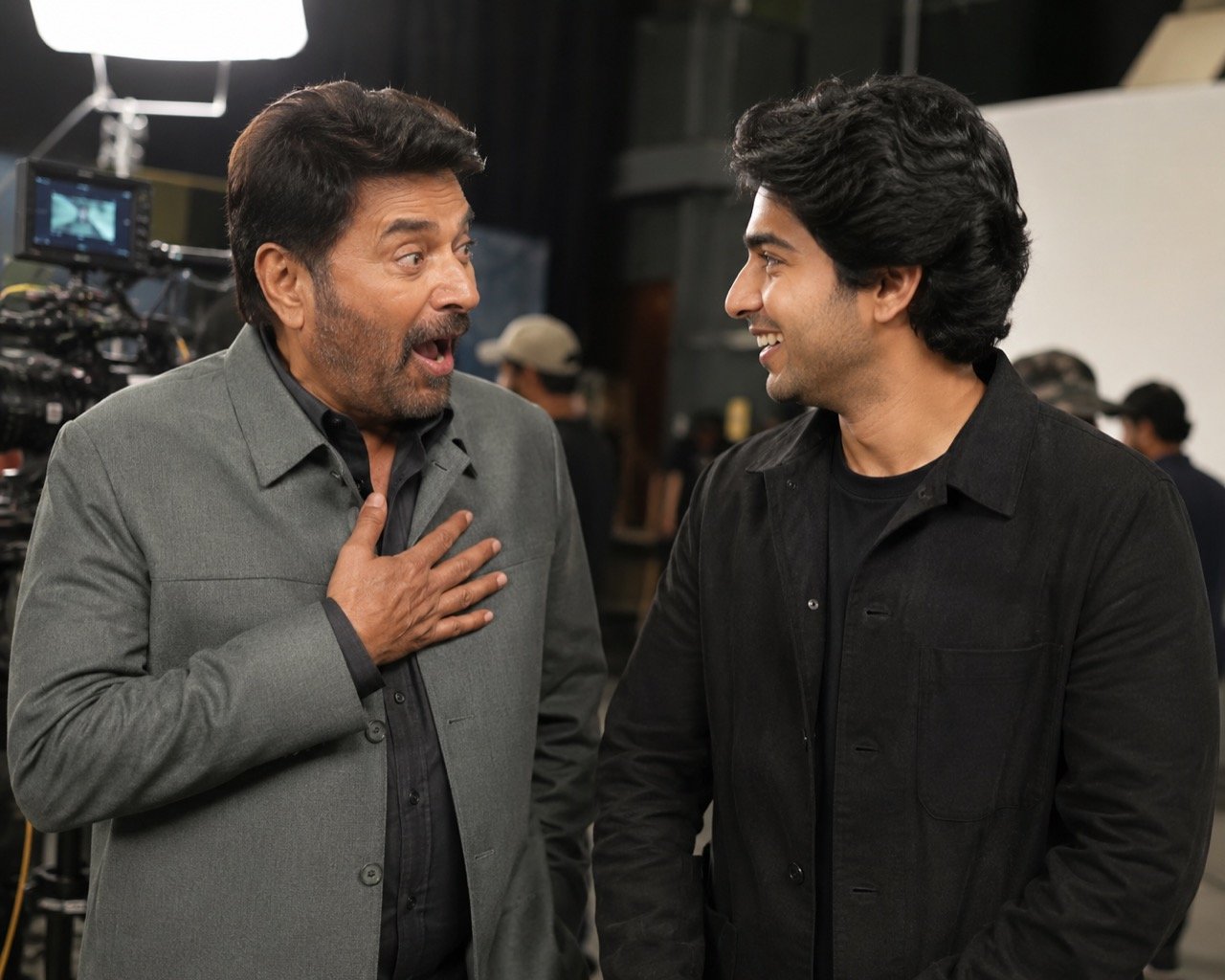
Saif Ali Khan Stunned Ex-Child Star Kartavya Is Now 33
Saif Ali Khan's reported surprise at discovering that Kartavya, still remembered as a child actor, is now 33 has handed the Ikka campaign a warm, nostalgia-driven promotional moment.
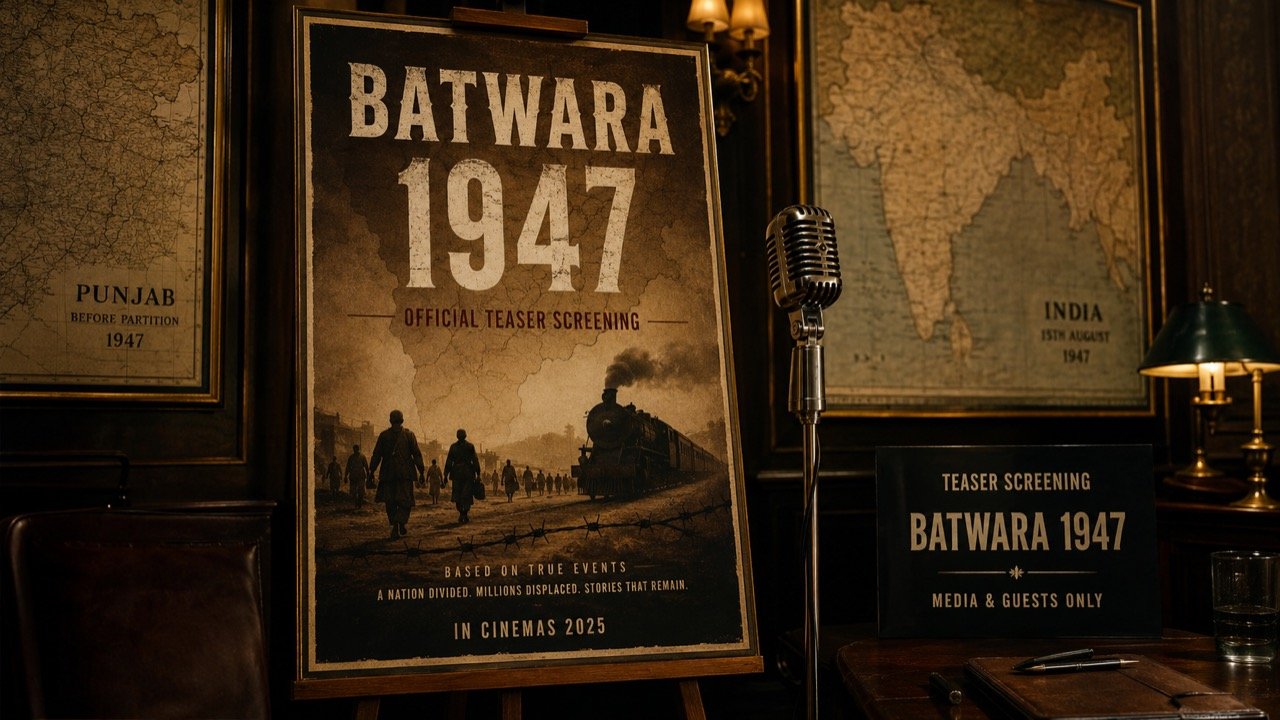
Batwara 1947 Teaser: Bobby Deol Backs Sunny Deol's Period Drama
Bobby Deol's enthusiastic response to the Batwara 1947 teaser has handed Sunny Deol's Aamir Khan Productions period drama a fresh burst of family-powered publicity ahead of its planned release.
Akshaye Khanna's Nod to Sunny Deol Stirs 90s Bollywood Nostalgia
A warm remark from Akshaye Khanna about Sunny Deol has revived affection for Bollywood's 1990s generation, showing how memory and mutual respect still power Hindi cinema's news cycle between big releases.
More from this section
More
72nd National Film Awards: Fans Back Mammootty, Allu Arjun, Sai Pallavi
Speculation around the 72nd National Film Awards is intensifying as fan communities across India's language film industries champion favourites including Mammootty, Allu Arjun and Sai Pallavi ahead of any official announcement.

Aamir Khan Marries Gauri Spratt in Private Pali Hill Ceremony
Aamir Khan and Gauri Spratt tied the knot at the actor's Pali Hill home in Mumbai on July 5, turning a deliberately small family ceremony into Bollywood's biggest story of the day.
Akanksha Chamola's Lock Upp 2 Confession Sets Reality TV Abuzz
A personal revelation by Akanksha Chamola ahead of Lock Upp 2 has handed the reality show a viral talking point, underlining how confession-driven formats continue to dominate Indian television conversation.